
Reviewed · GION GEISHA QUARTER WALKS
Kyoto Geisha District Walking Tour in Gion
Gion becomes clear in two hours. This walk pairs geisha culture commentary with a simple mobile ticket, so you can glide through Kyoto’s most famous geisha streets without playing map detective.
I especially love the max 10 group size and the guided photo stops. You get time to look closely at lantern-lit shrine details, narrow lanes, and the calm water views around Shirakawa.
One consideration: it’s a real walking route with some stairs, and the tour runs rain or shine.
In This Review
- Key things I’d circle on your map
- Why this Gion walk feels easier than DIY
- Starting at Gion Kōbu Kaburenjō, then heading straight for the heart
- Yasaka Shrine: lanterns, layout, and the calm you can feel
- Gion’s narrow streets: the part most people miss on a quick glance
- Tatsumi Daimyojin: a quick stop with a purpose
- Tatsumi Bridge: where the district looks like a movie scene
- Gion Shirakawa (Shirakawa Canal): water views and preserved machiya streets
- Back into Gion: the second pass that helps you notice details
- Hanamikoji Street: the classic Gion corridor of tea houses and shops
- Gion Corner: finishing with traditional performance culture
- Guides make the biggest difference, and names you might recognize
- What about seeing geiko or maiko?
- Price and value: why $29.85 can make sense in Kyoto
- A few practical tips before you go
- Who should book this, and who might want a different option
- Should you book the Kyoto Geisha District Walking Tour in Gion?
- FAQ
- How long is the Kyoto Geisha District walking tour in Gion?
- What is the group size?
- Where is the meeting point?
- Are shrine admissions included?
- Is the tour suitable for people with disabilities?
- Does the tour run in bad weather?
Key things I’d circle on your map
- Small group, capped at 10 keeps the walk personal and makes it easier to ask questions.
- Yasaka Shrine plus Gion streets gives you both Shinto atmosphere and real district streetscapes.
- Tatsumi Bridge and Shirakawa Canal are classic “wait, take one more photo” spots.
- Free admission at each shrine stop helps your money stay focused on the experience, not entry fees.
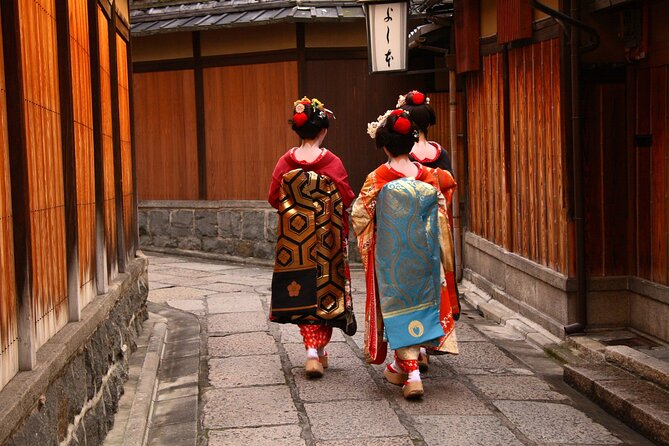
- Chance to spot geiko or maiko adds that extra surprise element as you walk.
- Optional kimono plan timing is built in, including returning rentals by 5:30pm.
Why this Gion walk feels easier than DIY
Kyoto can be deceptively tricky, even when places are famous on paper. The Gion district is full of narrow lanes, small crossings, and turns that look similar until someone points out what to look for.
This tour is designed to cut down the figuring-it-out time. You follow a guide through key spots, with commentary meant to explain what you’re seeing, including geisha culture and traditions.
You also benefit from the format: a walking tour that stays compact, about 2 hours. That’s long enough to feel like you experienced Gion, but short enough that you can still enjoy the rest of Kyoto the same day.
Starting at Gion Kōbu Kaburenjō, then heading straight for the heart
Your meeting point is Gion Kōbu Kaburenjō, 570-2 Gionmachi Minamigawa, Higashiyama Ward, Kyoto 605-0074. It is right in Gion’s pull-of-the-crowd area, which matters because it reduces pre-walk stress and helps you start calm.
From there, the walk keeps you in the Gion orbit instead of scattering you across Kyoto. I like that, because Gion is a place where context matters. The guide’s job is to connect the shrines, waterways, and streets into one story you can actually remember.
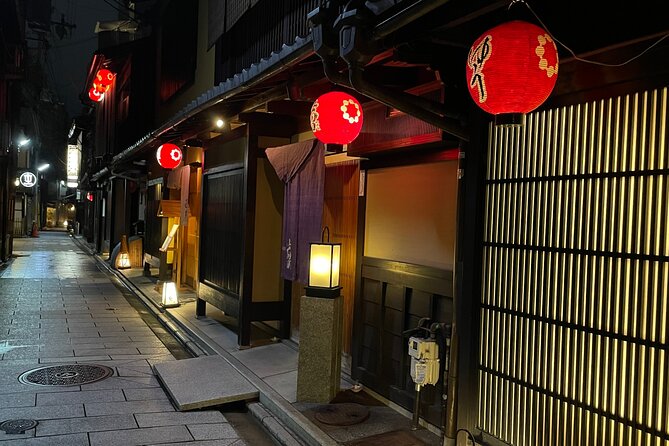
Lantern-lit streets of the geisha quarter
- Kyoto Geisha Walking Tour: Gion District & Hidden Gems
★ 4.7 · 3,273 reviews - Kyoto: Gion Magical Night Walking Tour with Geisha Trivia
★ 4.9 · 2,393 reviews - Kyoto: Gion Geisha District Walking Tour – Stories of Geisha
★ 4.7 · 2,187 reviews - Best of Kyoto: Gion, Geisha, Pagodas & Cobblestones
★ 4.9 · 2,058 reviews
Yasaka Shrine: lanterns, layout, and the calm you can feel
The first major stop is Yasaka Shrine, one of Kyoto’s best-known Shinto shrines in the Gion area. You spend about 40 minutes here, and admission is listed as free.
What makes Yasaka Shrine work on a short tour is the variety in the scene. You get architecture to look at, lanterns to photograph, and that Kyoto pause that feels like the city quiets down for a moment.
Practical note: this is one of the stops where people slow down and take photos. If you’re the type who likes to read details, this longer time window gives you that chance without racing. If you’re not into photos, you can still enjoy the atmosphere and listen to the guide’s cultural explanations.
Gion’s narrow streets: the part most people miss on a quick glance
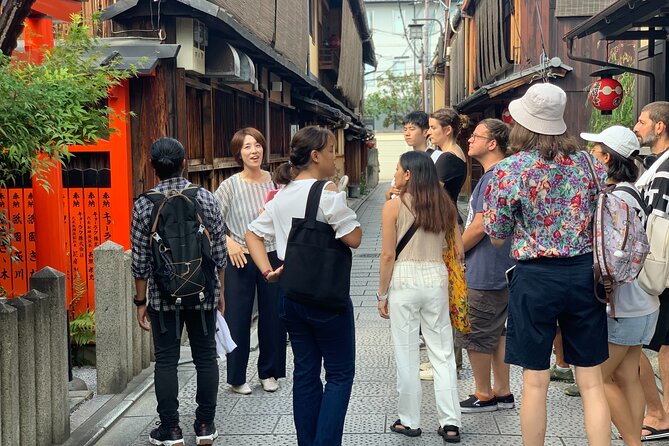
After Yasaka, the walk drops into Gion, with a segment that lasts about 20 minutes. This is where the district becomes more than a postcard.
Gion is described as a place with traditional wooden houses and narrow streets, and the tour framing matters here. As the walk continues later, the paper lantern vibe and the low-key street feel can make Gion seem more mysterious than it does in daylight.
You’ll also be walking with a guide who knows where to stand for photos and how to pace the group. That small-group structure is a big deal because it prevents that common DIY problem: you spend more time dodging crowds and less time soaking in what you came for.
Tatsumi Daimyojin: a quick stop with a purpose
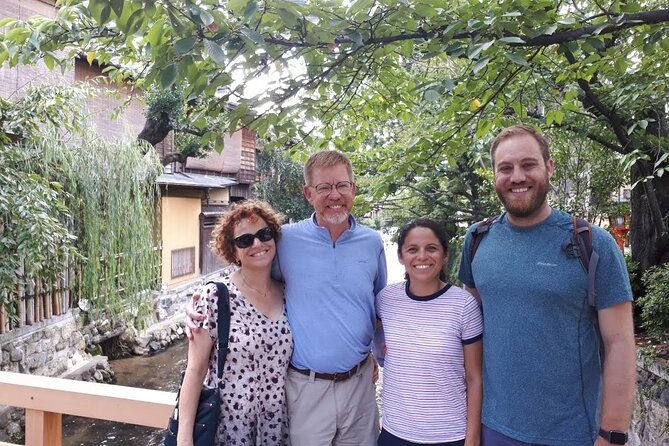
Next is Tatsumi Daimyojin Shrine, a brief 5-minute stop with free admission. This shrine is dedicated to protection, good fortune, and safety, especially for travelers and warriors. It was founded during the Heian period, from 794 to 1185.
Even with the short timing, this stop adds a layer. You’re not only seeing Gion as a sightseeing district, you’re also seeing it as a place where Shinto spirituality is part of everyday movement.
Think of it like punctuation in the story. One or two stops like this are what keep a “geisha district walk” from becoming just another street photo walk.
Tatsumi Bridge: where the district looks like a movie scene
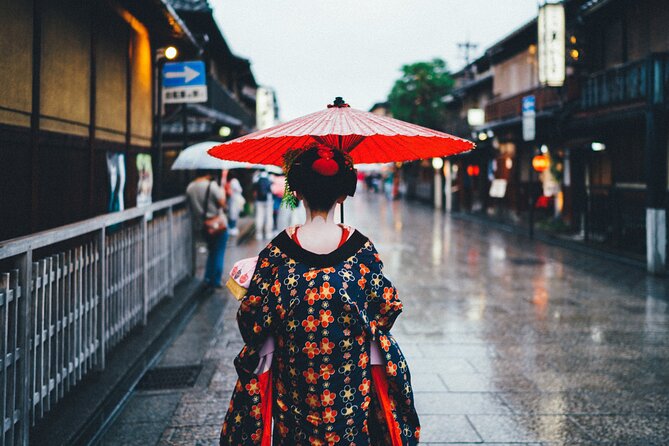
Then comes Tatsumi Bridge, around 10 minutes. The area around the bridge is described as feeling like stepping into a film, with traditional machiya houses nearby.
This is one of those Kyoto corners that works especially well for photos, and it also helps you slow down. Instead of sprinting from landmark to landmark, the tour gives you a calm pocket where you can look for details in the wood facades and the lane geometry leading to the water.
A quieter way to spend a day in Kyoto


Gion Shirakawa (Shirakawa Canal): water views and preserved machiya streets
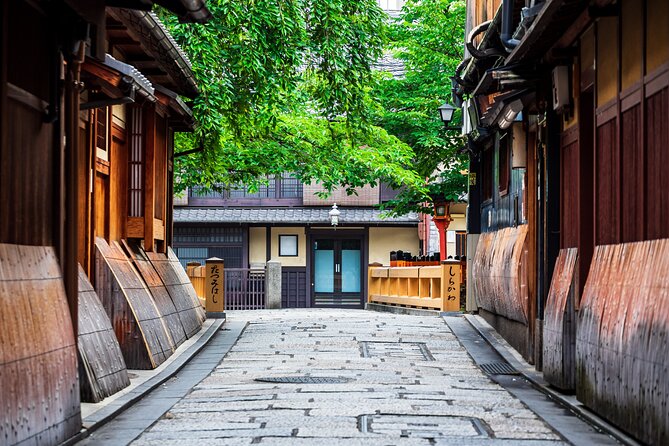
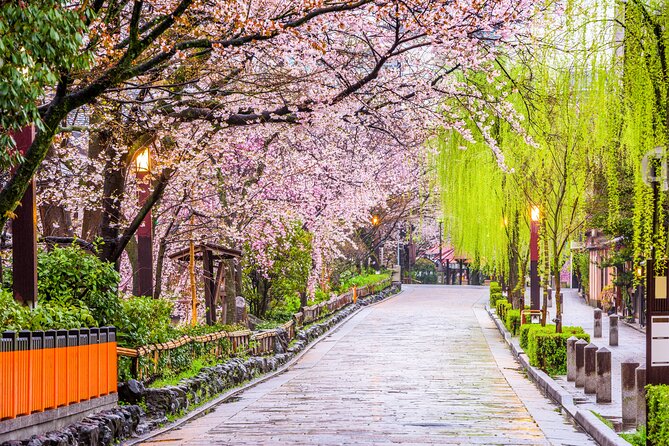
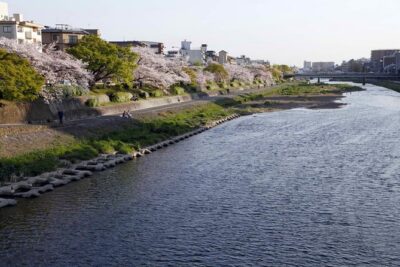
After that, the route includes Gion Shirakawa, also called Shirakawa Canal. The description is all about a tranquil waterway lined with well-preserved machiya houses and weeping cherry trees.
This is the part that most clearly delivers the “postcard serenity” people want from Gion. You’re walking, but the water gives you a visual anchor that feels different from shrine yards and busy street fronts.
The tour’s photo logic also shows up here. Instead of taking you to only famous spots, it includes a quieter stretch where you can capture the contrast: traditional houses, a waterline, and that gentle Kyoto mood.
Back into Gion: the second pass that helps you notice details
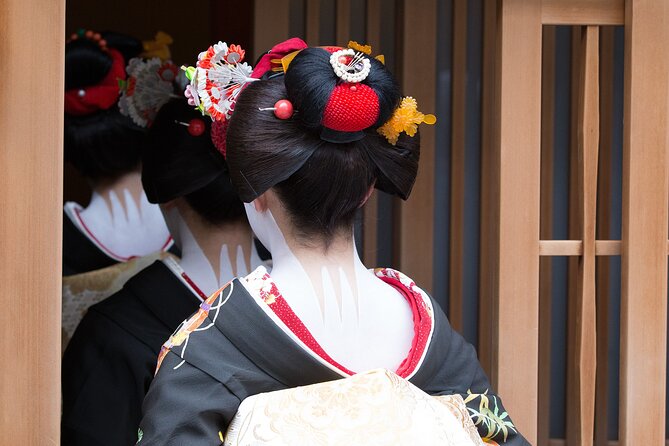
You return to Gion again for about 20 minutes. Having a second walk-through time is smart, because you see the district differently after the calmer canal segment.
Now you’re more prepared for what you’re looking at. You might notice door shapes, street angles, and how the lanes funnel back toward the main flow of Gion. The guide commentary also tends to land better on this second pass because you already know the setting.
Hanamikoji Street: the classic Gion corridor of tea houses and shops
Next is Hanamikoji Street, about 10 minutes. This is presented as a main street in Gion lined with traditional machiya houses, tea houses, and shops and restaurants.
This stop is valuable for two reasons. First, it helps you connect the quieter lanes to the livelier street rhythm that people associate with Gion. Second, it gives you the kind of “I get it now” view of how the district functions as a whole.
Yes, it can feel busier than the tucked-away sections. That is actually why a guide matters. You get direction on where to pause and how to frame your photos without constantly shifting your footing through crowds.
Gion Corner: finishing with traditional performance culture
The final cultural stop is Gion Corner, described as a venue that showcases traditional art performances tied to Kyoto’s heritage. The goal here is not just watching a pretty street, it’s getting a quick cultural handoff at the end.
If you want a souvenir for your brain, this is it. Even if you are mostly there for photos and district atmosphere, the performance intro helps you understand that Gion is more than a backdrop. It’s tied to long-running arts culture.
Guides make the biggest difference, and names you might recognize
A big theme in the guide-led format is how much the walk depends on explanation quality. The tour emphasizes commentary that reveals stories about geisha culture and traditions, and reviews reflect a strong preference for guides who speak clearly and keep the tone welcoming.
You might be guided by someone like Takuma, Yuko, Yuji, Tom, Hide, Eric, or Harry, based on names associated with this experience. Some guides have also been noted for helpful language support, including at least one guide who spoke a little Spanish.
What you should take away from that, for your own planning, is simple: if you care about learning as much as sightseeing, look for a guide who you can understand easily and who encourages questions. This tour is built for that kind of interaction.
What about seeing geiko or maiko?
The tour is designed to give you a real chance to spot geiko or maiko while you walk. It’s not promised, but the district timing and your guide’s route choices can boost the odds.
I like that this adds a layer of spontaneity. The walk stays anchored by shrines and streets, but you also have that chance to see living culture in motion. When it happens, it tends to make the whole experience feel more grounded and less like a staged set.
Price and value: why $29.85 can make sense in Kyoto
At $29.85 per person for about 2 hours, this sits in the “good value” zone for Kyoto. Here’s why: you’re paying for a local guide to connect multiple sites into one story, plus free admission at the shrine stops included on the route.
That free shrine structure matters. In cities like Kyoto, the difference between paying for a bundle of guided time versus paying for a long list of tickets is huge for overall budget feel.
Also, the small group cap at 10 people helps the value argument. You’re not stuck in a huge crowd where listening gets harder and photos become a scramble.
A few practical tips before you go
This is a walking tour, so comfort matters more than style. The tour recommends comfortable walking shoes, and it also notes that it is not suitable for people who cannot go up and down stairs.
Because it runs rain or shine, you’ll want a light rain layer. Kyoto weather can change quickly, and wet pavement makes walking feel slower, especially around lantern and shrine areas where people naturally pause and step back.
If you choose the optional kimono plan, the provided details say you should go on your own to the Japan Kanji Museum & Library, about a 5-minute walk from the kimono rental store. After the tour, you need to return the kimono by 5:30pm.
Who should book this, and who might want a different option
Book it if you want an efficient introduction to Gion that mixes Shinto context with geisha district atmosphere. It’s also a strong choice if you enjoy photography but don’t want to spend your limited time hunting for the right angles.
It is a good fit for people who like guided structure, especially first-time Kyoto visitors. The tour’s compact length, about 2 hours, makes it easier to pair with other Kyoto plans the same day.
Skip or rethink if stairs are a deal-breaker for mobility needs. Also, if you only want very deep, lecture-style history on every stop, you may find a short, street-level format less satisfying than a longer, focused program. Since language clarity depends on the guide, if clear English (or your preferred language) is critical, pick a time when you expect the guide to be at their best and go in ready to ask questions.
Should you book the Kyoto Geisha District Walking Tour in Gion?
Yes, if you want a smart, guided walk through the Gion landmarks that actually shape the district’s feel. The combination of Yasaka Shrine, narrow lanes, Tatsumi Bridge, Shirakawa Canal, Hanamikoji Street, and Gion Corner gives you variety without turning the day into a marathon.
I’d book it for the value side too. At under $30 for a guided, small-group experience with free shrine entry, you’re mostly paying for time, context, and route guidance, not a stack of tickets.
Just plan for steady walking and note the stairs issue. If you’re comfortable with that, this is a fun way to leave Gion feeling you understand it, not just that you passed through it.
FAQ
How long is the Kyoto Geisha District walking tour in Gion?
It lasts about 2 hours (approx.).
What is the group size?
The tour is capped at a maximum of 10 travelers.
Where is the meeting point?
The start and end point is Gion Kōbu Kaburenjō, 570-2 Gionmachi Minamigawa, Higashiyama Ward, Kyoto 605-0074, Japan.
Are shrine admissions included?
The stops listed for Yasaka Shrine, Tatsumi Daimyojin Shrine, and the other included areas note free admission tickets.
Is the tour suitable for people with disabilities?
It is not suitable for people with disability to go up and down stairs.
Does the tour run in bad weather?
Yes, the tour will take place rain or shine.
New This Season
- Koyasan Day Trip by Private Car from Kyoto
- Old Port Town and Ultimate Sake Tasting Private Tour From Kyoto
- Kyoto’s Timeless Charm: 3hr Exploration of History and Peace
- Kyoto: 5 Types of Sushi Making
- Sacred Peak & Ancient Paths: Kurama-Kibune Hiking Experience
- Kyoto: Exclusive ZEN practice at Manpukuji temple in Uji
- Kyoto: Private Seasonal Aroma Yoga Class
- Traversing Kyoto’s Scenic West – Arashiyama to Kinkakuji
Gion Geisha Quarter Walks, compared.
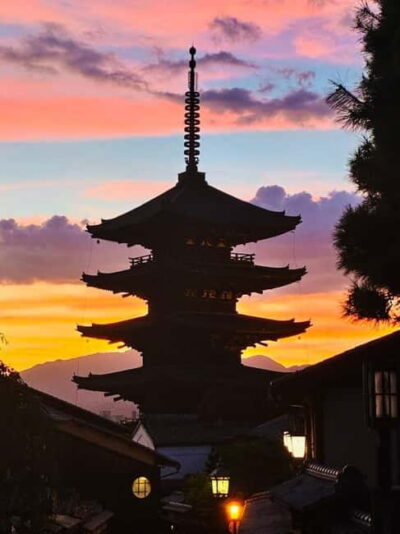
Kyoto Geisha Walking Tour: Gion District & Hidden Gems
Read our review →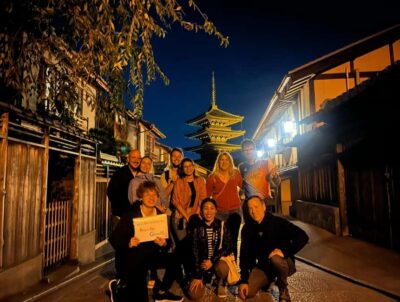
Gion Magical Night Walking Tour with Geisha Trivia
Read our review →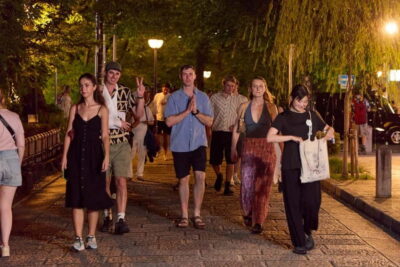
Gion Geisha District Walking Tour – Stories of Geisha
Read our review →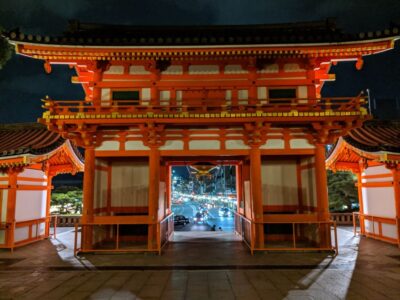
Best of Kyoto: Gion, Geisha, Pagodas & Cobblestones
Read our review →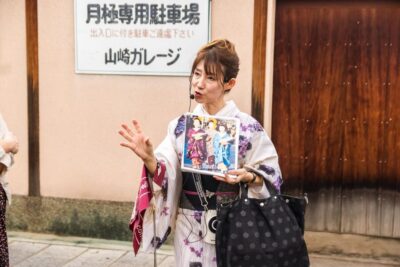
Kyoto Night Foodie Tour in Gion (9+ dishes + 6 Sake tastings)
Read our review →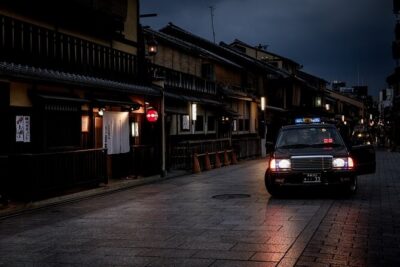
Kyoto Gion Geisha District Walking Tour – The Stories of Geisha
Read our review →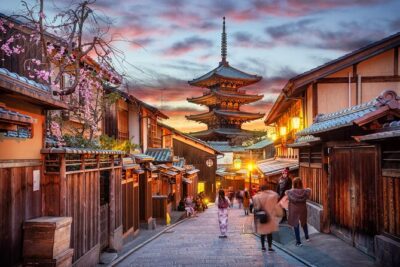
Kyoto Gion: 2-Hour Geisha Culture & History Walking Tour
Read our review →Also filed under