
Reviewed · GION GEISHA QUARTER WALKS
Kyoto: Gion and Geisha District Walking Tour
Gion feels different with a guide in tow. You’ll walk a tight loop through the geisha district, starting around Yasaka Shrine and finishing on Hanamikoji Street, with stories that connect samurai, seasonal rituals, and the way entertainment culture took shape. I especially like the small-group pace and the English-speaking guide who gives you real, usable pointers instead of vague sightseeing talk.
One heads-up: geisha or maiko sightings are never guaranteed, and some of the most interesting lanes can get busy. Still, that is exactly why a guided walk helps, so you know where to look and when to just enjoy the architecture and lantern mood.
In This Review
- Key things to know before you go
- A Gion walk that actually teaches you what you’re seeing
- Price and value: why $22.55 can make sense in Kyoto
- Getting started at Gion Hotel Starbucks, then settling into the district
- Yasaka Shrine and Maruyama Park: Kyoto’s sacred opening act
- Nene-no-Michi: old lanes plus samurai backstory
- Sannenzaka and Ninenzaka slopes: stepping into old Kyoto
- Yasui-Konpiragu: the Power Stone archway and playful tradition
- Hanamikoji Street at the heart of Gion
- Geisha culture tips you can use right away
- Photography, timing, and comfort on narrow Kyoto streets
- Who should book this Gion geisha walk, and who might not love it
- My booking verdict: should you book it?
- FAQ
- How long is the Kyoto Gion and Geisha District Walking Tour?
- What does the tour cost?
- How big is the group?
- What language is the guide?
- What does the tour include?
- What ticket type do I get?
- Where do I meet the guide?
- Can I cancel for a full refund?
- Is it suitable for most travelers?
Key things to know before you go
- Max 10 people means quieter alleys and faster Q and A, not a crowd herded through.
- Yasaka Shrine, Maruyama Park, and Hanamikoji Street fit together so you understand how the neighborhood works as one system.
- Power Stone tradition at Yasui-Konpiragu is a memorable, funny ritual stop that turns a small shrine into a story.
- Ninenzaka and Sannenzaka stone slopes give you that classic Kyoto look, but with context about why people built and preserved the streetscape.
- Geisha-spotting tips are practical, focused on where the culture shows up in daily life, not on chasing sightings.
- Admission is handled for the core Gion area, and most stops along the walk are free to enter.
A Gion walk that actually teaches you what you’re seeing
If you’ve ever wandered Kyoto and still felt like you were missing the point, this kind of guided stroll helps. Gion can look like one picture postcard after another, but a guide’s job is to translate what you’re seeing into something you can remember and talk about.
This tour keeps things focused on one neighborhood instead of trying to cover all of Kyoto. That matters, because Gion reads best when you walk it slowly enough to spot small architectural clues, lane layouts, and shrine cues that explain how people moved through the district.
I also like that it’s short, about 2 hours. You get enough time for key sights, but you’re not stuck all day in one area when Kyoto is so good for adding a second plan.
Price and value: why $22.55 can make sense in Kyoto
At about $22.55 per person, the big question is whether you’re paying for “being in a group” or for real added value. Here, you’re getting an English-speaking guide and support for navigating the exact zones people care about in Gion.
You’re not also paying for most entry stops, and the experience includes admission tied to the Gion and Hanamikoji areas. That can be a solid value in a city where small fees pop up constantly.
One more value point: when the group is limited to up to 10 travelers, the guide can tailor pacing and answer questions. In practice, that turns the tour from a route into a conversation.
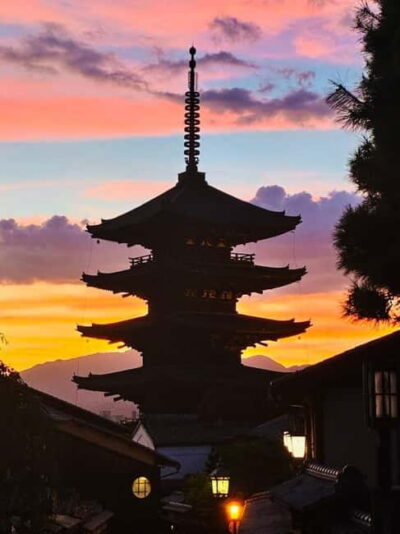
Lantern-lit streets of the geisha quarter
- Kyoto Geisha Walking Tour: Gion District & Hidden Gems
★ 4.7 · 3,273 reviews - Kyoto: Gion Magical Night Walking Tour with Geisha Trivia
★ 4.9 · 2,393 reviews - Kyoto: Gion Geisha District Walking Tour – Stories of Geisha
★ 4.7 · 2,187 reviews - Best of Kyoto: Gion, Geisha, Pagodas & Cobblestones
★ 4.9 · 2,058 reviews
Getting started at Gion Hotel Starbucks, then settling into the district
You’ll meet at Starbucks Coffee at Kyoto Gion Hotel in the Gion area (Higashiyama Ward). It’s a very “drop-in easy” starting spot because you can orient quickly, grab water if you need it, and start walking without a long pre-march.
The walk is designed so you return to the meeting point at the end. That is handy if you plan to eat near Gion after, because you’re not left crossing the city with a post-tour hunger clock ticking.
Weather check still matters. Kyoto streets are narrow and stone-based in parts, and you’ll do real walking over a couple of different slopes. Wear shoes you trust, and bring a small layer if it’s cool at night.
Yasaka Shrine and Maruyama Park: Kyoto’s sacred opening act
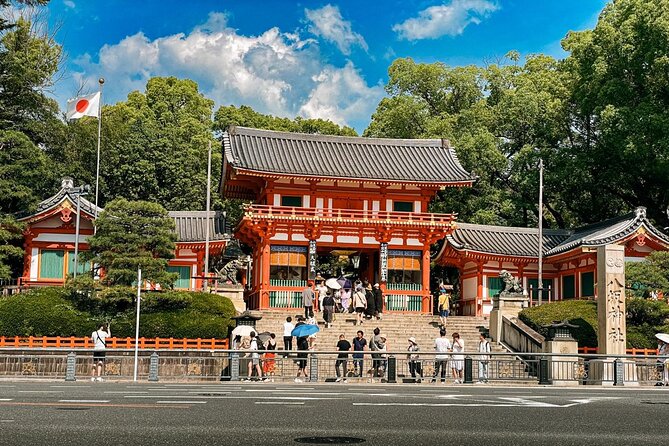
You kick off at Yasaka Shrine, a centuries-old Shinto sanctuary right between Gion and Higashiyama. The famous vermilion gate and lantern-lit paths are impressive on their own, but the guide’s stories help you understand what you’re seeing beyond the photos.
Right after, you get Maruyama Park, Kyoto’s oldest public park. It’s a calm pause near Yasaka Shrine, and it’s a good reset for your senses. If you time it well, the park gives you a sense of seasonal rhythm, not just a static snapshot.
The benefit of starting here is psychological. You’re learning how the district carries spiritual meaning and daily life at the same time. That makes what comes next in Gion feel less like random sightseeing and more like a route with a purpose.
Nene-no-Michi: old lanes plus samurai backstory
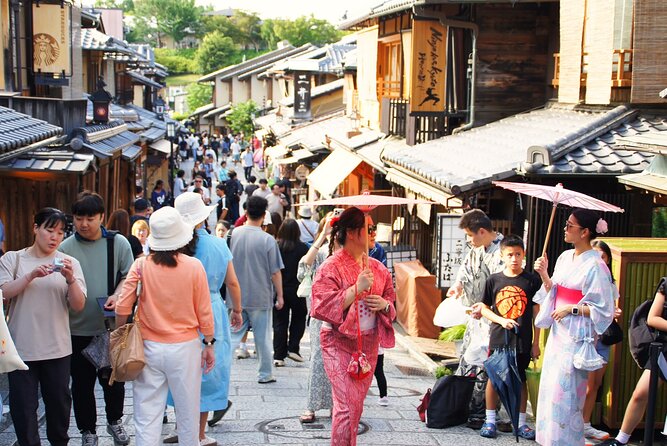
Next up is Nene-no-Michi, a lane named after Nene, the wife of Toyotomi Hideyoshi. This is one of those stretches where the buildings and the street scale do a lot of the work, and the storytelling adds the missing “why.”
What I like about this stop is that it gives you a bridge between eras. You see preserved architecture, you pass small shops, and you hear how the samurai world influenced the social setting that later shaped entertainment districts like Gion.
A small caution: this area can be photogenic, so people slow down. If you have limited patience for crowds, don’t fight it. Let the guide move you through at a steady pace, then grab your photos quickly when the lane opens up.
Sannenzaka and Ninenzaka slopes: stepping into old Kyoto
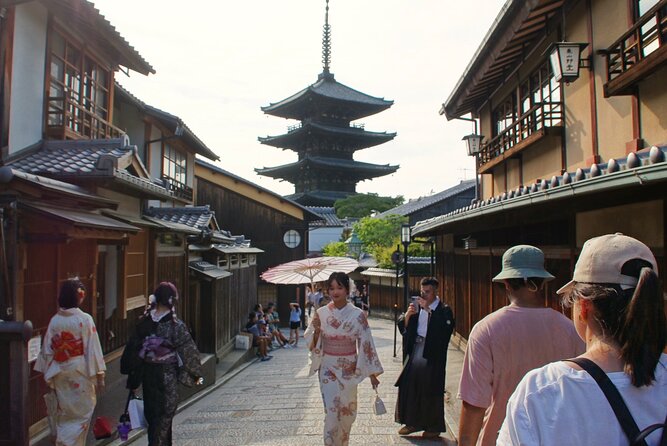
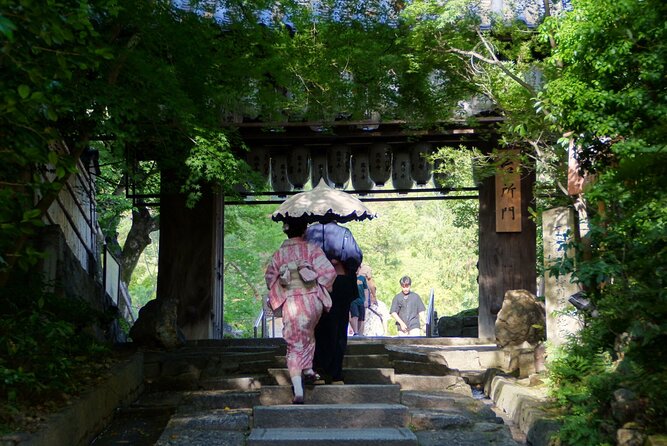
Then you move into the classic Kyoto slope feeling: Sannenzaka and Ninenzaka. The stone walkway, historic wooden buildings, and artisan storefronts create that sense of stepping back in time that everyone talks about for good reason.
The practical value here is the guide helps you notice details. Instead of treating the shops as distractions, you learn what makes these lanes “work” as a historical streetscape. That way, you’re not just consuming, you’re observing.
One thing to plan for: these slopes are a bit of a workout. If you’re sensitive to stairs or uneven stone, take it slow and use the guide’s pacing. Your legs will thank you later when you reach the lantern-heavy final stretch.
A quieter way to spend a day in Kyoto




Yasui-Konpiragu: the Power Stone archway and playful tradition
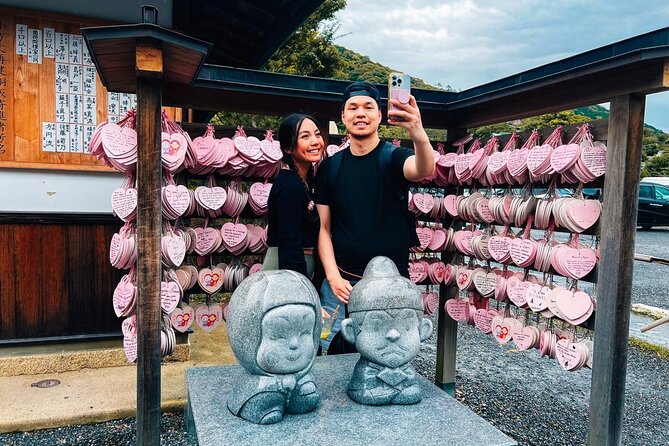
A standout stop is Yasui-Konpiragu, known for its “Power Stone” archway. People crawl through it for prayers tied to strong relationships, and some visitors also use it as a way to symbolically break ties with the past.
This is the kind of stop that turns a small shrine visit into a story you can laugh about. The guide’s explanation matters because it frames the ritual as a lived tradition, not just a quirky tourist photo.
What to consider here is comfort and space. If you’re traveling with mobility limits or you’re not keen on crawling rituals, you can still watch and follow along. Focus on the intention and the symbolism, not on copying every action.
Hanamikoji Street at the heart of Gion
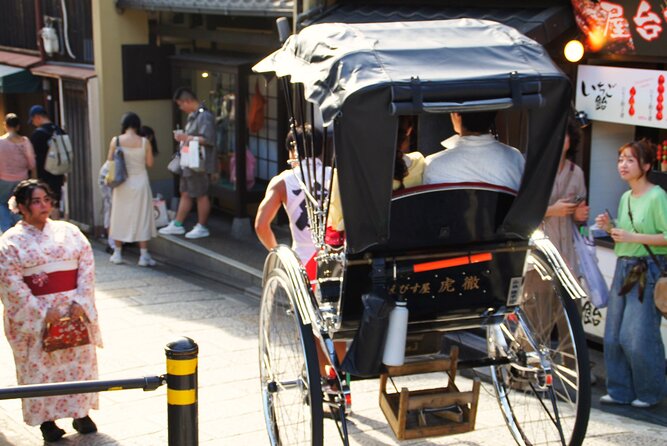
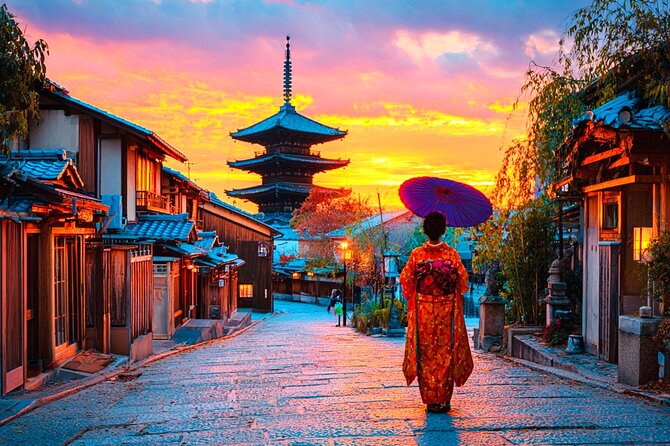
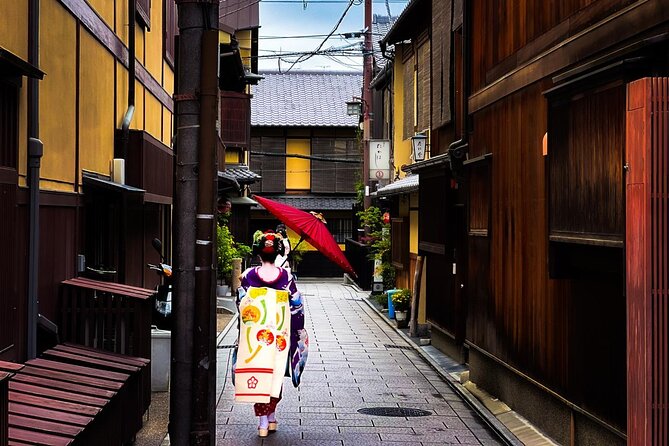
Finally, you end on Hanamikoji Street, the heart of Gion. This is where you see preserved machiya townhouses, exclusive teahouses, and those softly glowing lanterns that make the district feel like it’s holding a secret.
The guide helps you read the street. You learn why certain spaces and facades matter, how entertainment culture shaped daily life, and what clues to look for when you’re trying to understand whether something is public, semi-private, or simply part of the neighborhood’s rhythm.
This is also the moment when your expectations can matter. If you go hoping for a guaranteed geisha sighting, you may leave frustrated. If you go curious about the culture and ready to enjoy the scene even without a sighting, you’ll have a better time.
Geisha culture tips you can use right away
This tour is built around geisha district learning, and the guides tend to share practical cues, not only background. In the past, I’ve seen names like Sam, Shin, Amy, Tim, Maria, and Naoya called out for clear English and for explaining the world of geisha in a way that makes the alley layout and customs feel logical.
Here’s how to use that kind of guidance in real life, even after the walk:
- When you see a street pattern change, slow down. In Gion, layout can tell you what kind of activity usually happens where.
- Pay attention to quiet details, like how people move through lanes and how lantern areas are framed. That is often more informative than staring at doorways.
- If you’re hoping for a sighting, understand the best move is respect. You’ll get more from observing from a distance than from trying to force a moment.
And remember, a guide’s best work is helping you avoid the wrong kind of attention. You want to watch, not intrude.
Photography, timing, and comfort on narrow Kyoto streets
Because the walk passes shrines and lanes, you’ll get plenty of photo opportunities. The good news is that a group of up to 10 keeps you from spending the whole time stuck behind a wall of elbows.
Plan for heat or cool evenings. One guide experience stood out for staying aware of temperature and keeping the group in shade when it was hot. That kind of attention can make a big difference when Kyoto sun hits stone streets.
Also, treat your phone battery like a travel item, not a given. Lantern areas look great at night, but your screen brightness can drain power fast. If you want photos, carry a small power bank.
Who should book this Gion geisha walk, and who might not love it
This tour is ideal if you want a first serious orientation to Gion. If you’re visiting Kyoto for a short time, walking with a guide helps you avoid wasting hours wandering without a plan.
It’s also a good fit if you enjoy stories tied to place. You’ll spend time at major touchpoints like Yasaka Shrine and Hanamikoji Street, but you also get lane-scale context that makes smaller streets feel meaningful.
You might skip it if:
- You hate structured walking tours and want full freedom.
- You expect a guaranteed geisha or maiko sighting. The culture is real, but visibility varies.
- You want a long, multi-district day. This is a focused two-hour circuit.
My booking verdict: should you book it?
Yes, I’d book it if you want the fastest path to understanding Gion. For the price, you’re getting an English-speaking guide, a tight route with major landmarks, and the kind of context that helps you recognize what matters once you’re on your own.
It also works well as a “set up your Kyoto” activity. After this walk, you’ll be better at spotting the differences between the main streets and the quieter lanes, and you’ll know where to look when you return for dinner or a night stroll.
If you go in with realistic expectations about sightings and a willingness to enjoy the neighborhood even when nobody appears in front of you, this tour delivers a very solid slice of Kyoto.
FAQ
How long is the Kyoto Gion and Geisha District Walking Tour?
It’s about 2 hours long.
What does the tour cost?
The price is $22.55 per person.
How big is the group?
The tour has a maximum of 10 travelers.
What language is the guide?
The guide is English speaking.
What does the tour include?
It includes the English speaking guide and entry or admission to Gion and Hanamikoji Street.
What ticket type do I get?
You get a mobile ticket.
Where do I meet the guide?
You meet at Starbucks Coffee – Kyoto Gion Hotel, Kyoto, Higashiyama Ward, Gionmachi Minamigawa, 555 Gion Hotel 1F. The tour ends back at the meeting point.
Can I cancel for a full refund?
Yes, you can cancel for a full refund if you cancel at least 24 hours in advance.
Is it suitable for most travelers?
Most travelers can participate.
New This Season
- Koyasan Day Trip by Private Car from Kyoto
- Old Port Town and Ultimate Sake Tasting Private Tour From Kyoto
- Kyoto’s Timeless Charm: 3hr Exploration of History and Peace
- Kyoto: 5 Types of Sushi Making
- Sacred Peak & Ancient Paths: Kurama-Kibune Hiking Experience
- Kyoto: Exclusive ZEN practice at Manpukuji temple in Uji
- Kyoto: Private Seasonal Aroma Yoga Class
- Traversing Kyoto’s Scenic West – Arashiyama to Kinkakuji
Gion Geisha Quarter Walks, compared.
Kyoto Geisha Walking Tour: Gion District & Hidden Gems
Read our review →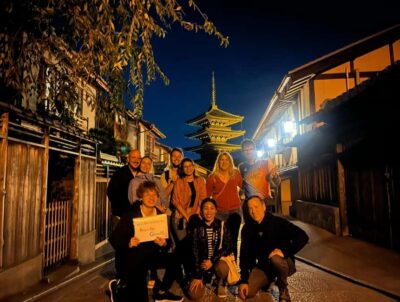
Gion Magical Night Walking Tour with Geisha Trivia
Read our review →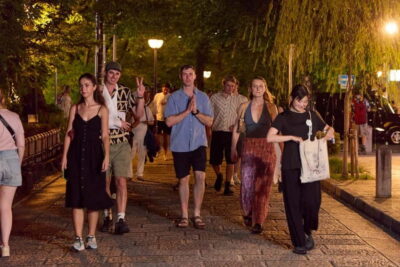
Gion Geisha District Walking Tour – Stories of Geisha
Read our review →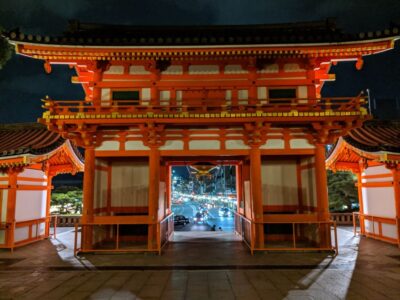
Best of Kyoto: Gion, Geisha, Pagodas & Cobblestones
Read our review →
Kyoto Night Foodie Tour in Gion (9+ dishes + 6 Sake tastings)
Read our review →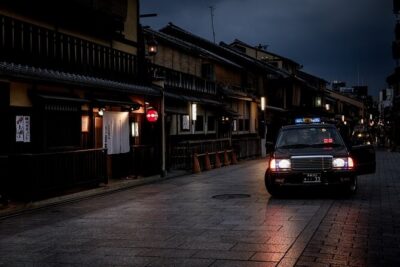
Kyoto Gion Geisha District Walking Tour – The Stories of Geisha
Read our review →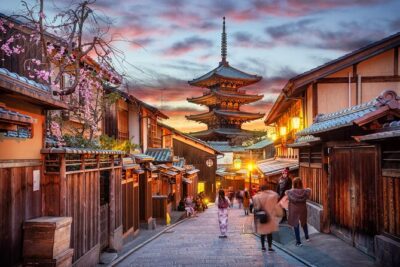
Kyoto Gion: 2-Hour Geisha Culture & History Walking Tour
Read our review →Also filed under