
Reviewed · GION GEISHA QUARTER WALKS
Kyoto: Gion and Geisha Walking Tour
Gion feels like a living postcard. This Kyoto walk connects traditional Gion lanes with a stop at Yasaka Shrine, then finishes on the famous narrow street of Pontocho.
You come away with a clearer sense of why geisha and maiko culture matters in Kyoto, not just what you see from the sidewalk.
I like how the route is built around what you can actually spot as you walk, especially the traditional wooden machiya houses in Gion. I also love the beautifully lit Yasaka Shrine stop, where you learn the history of geisha and maiko and hear about their intricate rituals and role in preserving Japanese traditions.
The only real drawback to plan for is that it is still a walking tour, and it runs rain or shine. If you hate being on your feet, or you show up in shoes that get ruined by wet pavement, this could feel like a test.
In This Review
- Key highlights to look for
- Getting oriented fast at Yasaka Western Tower Gate (Noshiro-mon)
- Strolling Gion’s machiya streets, and why the details matter
- Yasaka Shrine, lit up, with geisha and maiko stories that add context
- Making sense of geisha culture without turning it into a show
- Pontocho at the end, a narrow lane that feels like a Kyoto postcard
- Price and value: $40 for a guided cultural walk in Kyoto
- Rain or shine, what that means for your comfort
- Small groups and why the guide matters more than you think
- A clear route you can plan around, from gate to street
- Who this Kyoto Gion and geisha tour is best for
- Should you book this Kyoto Gion and Geisha Walking Tour?
- FAQ
- Where is the meeting point?
- Where does the tour end?
- Does the tour run in bad weather?
- What languages are offered?
- How much does it cost?
- Is payment required immediately, and what about cancellation?
Key highlights to look for
- Meeting at Noshiro-mon (Yasaka Western Tower Gate) to start right in the shrine-area action
- Machiya houses in Gion so you experience the neighborhood, not just pass through it
- Yasaka Shrine, beautifully lit, with geisha and maiko context you can connect to what you see
- Pontocho at the end, a narrow restaurant street with a lively atmosphere
- Small groups, which keeps the storytelling conversational
Getting oriented fast at Yasaka Western Tower Gate (Noshiro-mon)
The tour meets in front of the Yasaka Western Tower Gate, a gate people recognize as Noshiro-mon. This is helpful because it anchors you in one clear starting point, right in the Kyoto shrine district. If you are the type who likes to get your bearings early, this meeting point is a good sign.
Also note the tour ends back at the same meeting point. That matters more than it sounds. You do not have to figure out a second “find your way back” location, so your planning stays simple.
Inside the small-group format, you can usually ask quick questions while you are walking. That is where a guide helps you connect the dots between old street layouts and what people do there today.
Strolling Gion’s machiya streets, and why the details matter
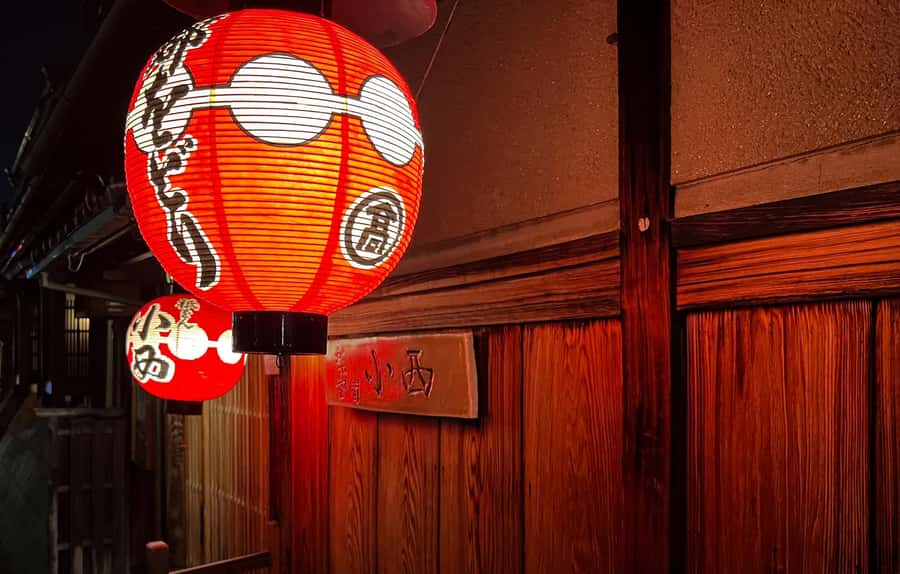
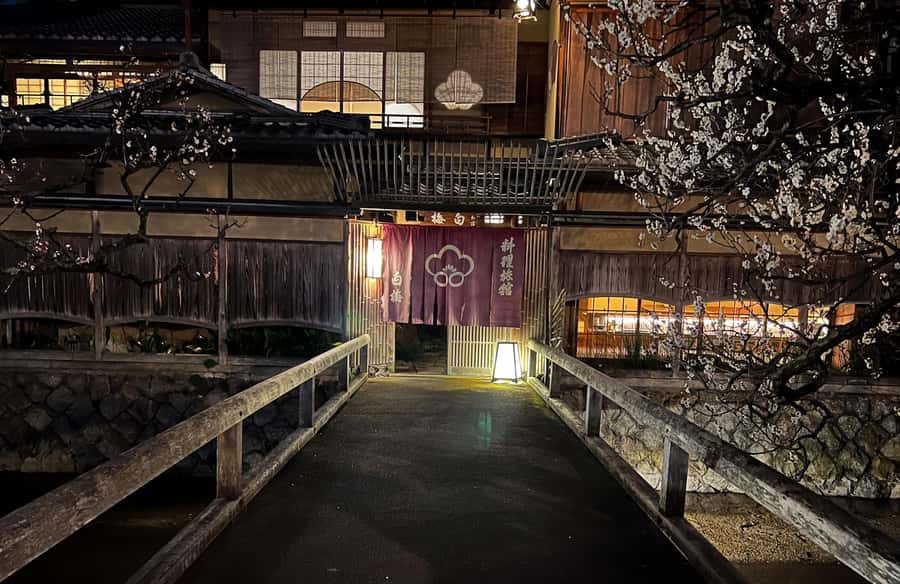
Gion is famous for a reason, but the best part of this kind of walk is how you see the neighborhood by foot. You move through historic streets lined with traditional wooden machiya houses, the kind of architecture that shapes how a district feels.
When you look at machiya houses closely, you start noticing patterns: narrow street fronts, deep lot layouts, and the way wooden facades age gracefully. You also begin to understand why Gion still draws attention from photographers and culture fans. It is not only the buildings, it is the street scale, the pacing, and the sense of everyday Kyoto woven into the historic frame.
I like that the tour keeps you on the ground. You are not stuck staring at a map while someone lists landmarks. You are walking the same lanes where you can still sense the old Kyoto rhythm, even while modern life continues around you.
A small consideration: Gion streets can feel tight and crowded in peak areas, so you will want patience. This is a walking experience, and it works best when you let it slow you down instead of trying to rush ahead for the next photo.
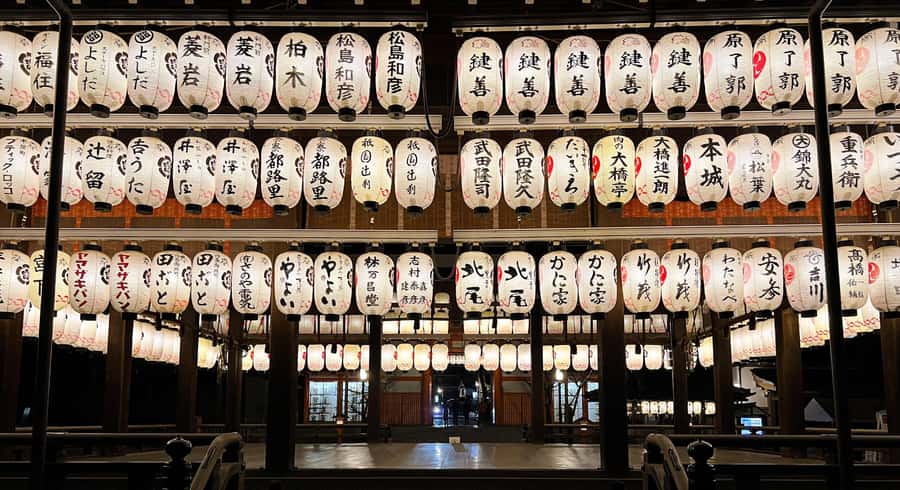
Lantern-lit streets of the geisha quarter
- Kyoto Geisha Walking Tour: Gion District & Hidden Gems
★ 4.7 · 3,273 reviews - Kyoto: Gion Magical Night Walking Tour with Geisha Trivia
★ 4.9 · 2,393 reviews - Kyoto: Gion Geisha District Walking Tour – Stories of Geisha
★ 4.7 · 2,187 reviews - Best of Kyoto: Gion, Geisha, Pagodas & Cobblestones
★ 4.9 · 2,058 reviews
Yasaka Shrine, lit up, with geisha and maiko stories that add context
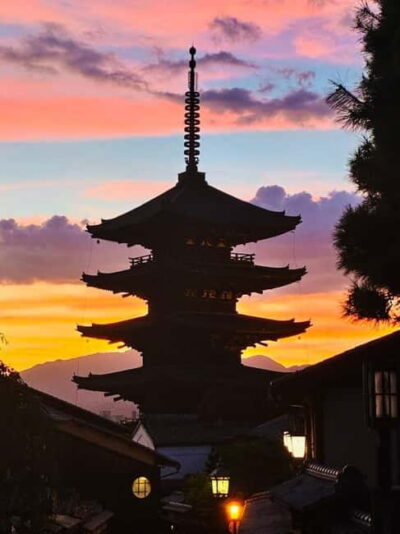
One of the clearest “you are in the right place” moments comes at Yasaka Shrine. The tour includes a visit to Yasaka Shrine when it is beautifully lit, which gives the whole area a different mood than daytime.
At this stop, you do not just get landmark sightseeing. You learn about the history of geisha and maiko and how their intricate rituals connect to Kyoto life. The tour also explains their role in preserving Japanese traditions, which is the key to understanding why geisha culture is still taken seriously here.
Here is what I find useful as a visitor: stories like this make the district stop being a photo set. You start to notice how tradition is performed through detail, etiquette, and continuity over time. Even if you only remember a few points, you will view the streets around the shrine with better context.
Because the shrine lighting is part of the experience, I recommend arriving with the mindset that this is a moment of atmosphere. Bring your camera ready, but also pause. If you spend the whole time trying to capture everything, you lose the sense the guide is trying to give you.
Making sense of geisha culture without turning it into a show
This tour is built around cultural heritage, specifically the world of geisha and maiko. You hear about history and intricate rituals, and you get guidance on the role they play in preserving Japanese traditions.
That framing matters. Without it, geisha culture can turn into a surface-level fascination. With the context, you start to see it as a living system of arts, discipline, and public meaning within Japanese society.
I also appreciate that the tour is designed to connect your walking route to the stories. When you are later in Kyoto, you will find yourself linking what you see to what you heard, instead of treating each attraction as a separate checklist item.
Since the included content is story-driven, the tour can suit you even if you are not a specialist. If you like cultural explanations, manners, and how traditions survive modernization, you will likely enjoy this stop.
Pontocho at the end, a narrow lane that feels like a Kyoto postcard
After Gion and Yasaka Shrine, the tour ends in Pontocho. This is a narrow street filled with restaurants and a lively atmosphere, and it is a strong final note.
Why it works as an ending: it is the opposite of a museum visit. You feel the neighborhood energy right away. Even if you do not plan to eat on the spot, walking Pontocho helps you understand Kyoto as a place where people still gather, talk, and celebrate daily life.
If you like street scenes, this is where your eyes will keep moving. Restaurant facades, narrow sightlines, and the sensation of walking through a “corridor” of Kyoto energy give you a satisfying closing image.
Practical advice: keep your pace respectful. Narrow streets compress people quickly, and it is easy to block others while looking around. If you pause, step slightly aside so you do not become part of the traffic problem.
Price and value: $40 for a guided cultural walk in Kyoto
At $40 per person, this tour sits in the category of guided experiences that are genuinely doable for short Kyoto trips. You are paying for more than route guidance. You are paying for story, context, and time spent with a Travel Story Teller who helps you connect what you see to what it means.
Included with the experience is an Italian-speaking Travel Story Teller, and the tour languages are listed as Italian and English. That tells me the operator expects to teach through narration, not just point-and-photo.
Here is the value angle I think you should care about: geisha culture and Gion history are not easy to piece together from signs alone. Even a basic guided explanation can turn a “pretty street” into a “now I understand why this matters.” That kind of mental upgrade often costs more than $40 in other cities.
One more value point: the tour returns to the meeting point. That removes the common hidden cost of stress. When you can end where you started, the day stays organized.
A quieter way to spend a day in Kyoto



Rain or shine, what that means for your comfort
The tour explicitly says it runs rain, shine, or a bit of both. That is great because Kyoto weather can swing fast, and you do not want to lose your day to a forecast.
What to do with that information:
- Wear comfortable shoes that handle wet pavement.
- Bring a small umbrella or rain layer so you can keep moving.
- Keep your phone and camera ready, but protected.
Rain changes how streets look in Gion, and it can actually make the area feel more atmospheric. Still, comfort matters. If your feet are miserable, you will miss half the point of a walking tour.
Small groups and why the guide matters more than you think
The tour is described as small groups. That is not just a nice-to-have. It affects how your guide can pace the walk, answer questions, and keep the stories grounded in what you see nearby.
The reviews reinforce this in a very practical way. One review praises Graziella for doing a very good tour through the streets of Gion and Pontocho. Another review praises Giulia, describing the experience as very interesting and noting Giulia was kind and well prepared.
Those two names matter because they suggest consistent effort, not a generic script. If you are the kind of traveler who wants explanations that actually fit the moment, a small-group format plus a prepared storyteller is a good match.
Language also plays a role here. With Italian and English available, you can choose the version that keeps you comfortable enough to ask questions and follow the finer points.
A clear route you can plan around, from gate to street
The tour has a straightforward structure: start at the Yasaka Western Tower Gate (Noshiro-mon), then move through Gion streets, visit Yasaka Shrine, and finish at Pontocho. It is designed to give you one compact “Kyoto culture arc,” rather than a scattered hit list.
Even better, it ends back at the meeting point. That makes your day easier. You can plug this into your evening plans without worrying about your next step.
One detail from the reviews is timing. One review describes the tour as lasting two hours. That suggests a pace that is focused but not rushed, enough time to take in the streets and still absorb the stories.
Who this Kyoto Gion and geisha tour is best for
This experience is a good fit if you:
- Want a guided introduction to Gion, geisha and maiko traditions, and the Yasaka Shrine area
- Prefer walking tours over bus tours
- Like culture explanations tied to places, not just facts on a sign
- Are visiting Kyoto for a short stay and want a concentrated route
It may be less ideal if you have limited mobility or you struggle with wet sidewalks. Since it continues rain or shine, you should treat footwear and comfort as part of your booking decision.
If you are already a Japan culture fan, you might still enjoy it, because the walk links the street details you can see with the traditions you might otherwise read about separately.
Should you book this Kyoto Gion and Geisha Walking Tour?
Book it if you want a practical, story-led walk through Gion that ends in Pontocho, with Yasaka Shrine as the cultural anchor. The strongest reasons are the pairing of machiya streets with geisha and maiko context, plus the friendly, well prepared guides named in the reviews (Graziella and Giulia).
Skip it only if you know walking tours in rain make you uncomfortable. Also consider whether small-group pacing suits your style. If you love to sprint from place to place, you may feel boxed in by the slower storytelling rhythm.
In short: if your goal is to leave Kyoto with a clearer understanding of what you saw in Gion, not just a handful of photos, this is a smart, solid-value pick.
FAQ
Where is the meeting point?
You meet in front of the Yasaka Western Tower Gate, known as Noshiro-mon in Japanese.
Where does the tour end?
The tour ends back at the meeting point.
Does the tour run in bad weather?
Yes. The tour runs rain, shine, or a bit of both.
What languages are offered?
The tour is offered in Italian and English.
How much does it cost?
The price is $40 per person.
Is payment required immediately, and what about cancellation?
You can reserve and pay later, meaning you pay nothing today. You can cancel up to 24 hours in advance for a full refund.
New This Season
- Koyasan Day Trip by Private Car from Kyoto
- Old Port Town and Ultimate Sake Tasting Private Tour From Kyoto
- Kyoto’s Timeless Charm: 3hr Exploration of History and Peace
- Kyoto: 5 Types of Sushi Making
- Sacred Peak & Ancient Paths: Kurama-Kibune Hiking Experience
- Kyoto: Exclusive ZEN practice at Manpukuji temple in Uji
- Kyoto: Private Seasonal Aroma Yoga Class
- Traversing Kyoto’s Scenic West – Arashiyama to Kinkakuji
Gion Geisha Quarter Walks, compared.
Kyoto Geisha Walking Tour: Gion District & Hidden Gems
Read our review →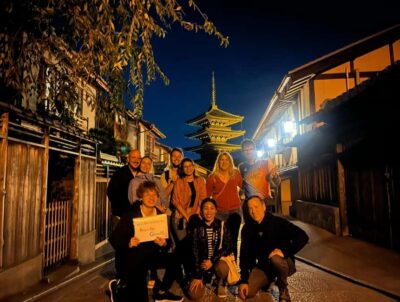
Gion Magical Night Walking Tour with Geisha Trivia
Read our review →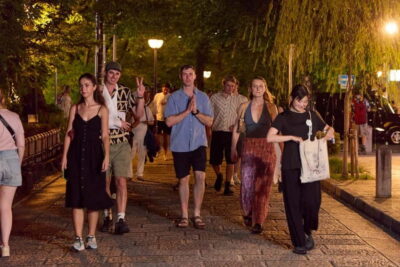
Gion Geisha District Walking Tour – Stories of Geisha
Read our review →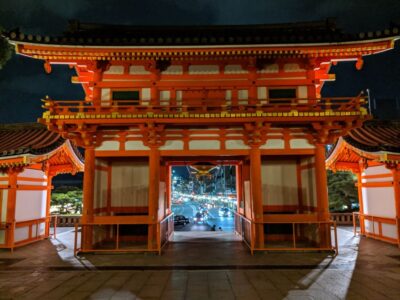
Best of Kyoto: Gion, Geisha, Pagodas & Cobblestones
Read our review →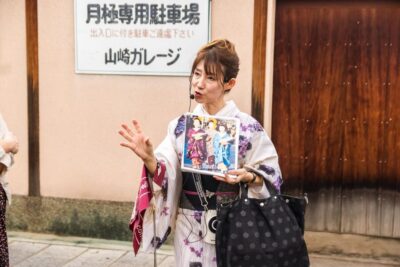
Kyoto Night Foodie Tour in Gion (9+ dishes + 6 Sake tastings)
Read our review →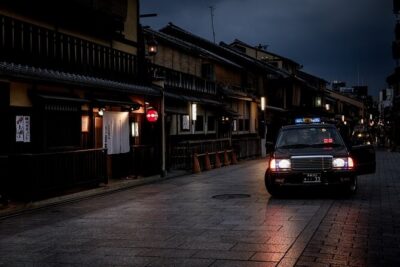
Kyoto Gion Geisha District Walking Tour – The Stories of Geisha
Read our review →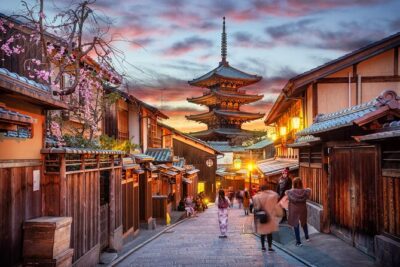
Kyoto Gion: 2-Hour Geisha Culture & History Walking Tour
Read our review →Also filed under