
Reviewed · GION GEISHA QUARTER WALKS
Kyoto: Gion District Walking with an Expert Local Tour Guide
Kyoto’s old streets are best with context. This guided Gion walk ties together major shrines and temple moments, with an expert English-speaking local guide explaining what you’re actually looking at. You start near Yasaka Shrine and wind through the lanes that make Gion feel like a living picture.
I especially like the way the route balances spiritual sites with classic Kyoto backstreets. Yasaka Shrine and Chion-in give you real grounding, then the stroll through Ninenzaka and Sannenzaka turns the camera on craft shops and traditional streetscapes. I also love the payoff at Kiyomizu-dera, where the views help you understand why this place matters.
One heads-up: this is a lot of walking, and it keeps going in rain. There’s no baby stroller access, you’ll need cash on hand for ticket fees, and the tour is not suitable for people over 70 years.
In This Review
- Key highlights you’ll feel right away
- Where the tour starts: Japan Kanji Museum to Gion’s first turn
- Yasaka Shrine and Maruyama Park: setting the Kyoto mood
- Chion-in’s Sanmon gate: big architecture, calmer pace
- Ninenzaka and Sannenzaka: old streets, real everyday shopping
- Yasaka Pagoda and the last remnant feel
- Hokan-ji Temple stop: how the route turns toward Kiyomizu-dera
- Kiyomizu-dera: the viewpoint moment that earns the whole day
- Kamogawa River: a calmer pocket before you head out
- Price and value: what $44 buys you in Kyoto walking time
- What group style means for your experience
- Who should book this Kyoto Gion walking tour
- Practical planning: cash, rain, shoes, and pacing
- Should you book it?
- FAQ
- How long is the Kyoto Gion walking tour?
- What does the tour cost?
- What is included in the ticket price?
- Where do we meet the guide?
- How do I recognize the guide?
- Is the tour offered in English?
- Should I bring cash?
- Does the tour run in rainy weather?
- Are baby strollers allowed?
- Where does the tour end?
Key highlights you’ll feel right away
- Yasaka Shrine to Chion-in: a tight sequence that shows different sides of Kyoto’s faith traditions
- Stone slopes of Ninenzaka and Sannenzaka: preserved streets where snacks and crafts feel part of the story
- Yasaka Pagoda and the Hokan-ji connection: a quick architectural moment that explains layers of the city
- Kiyomizu-dera viewpoint time: the big horizon views that make the day worth it
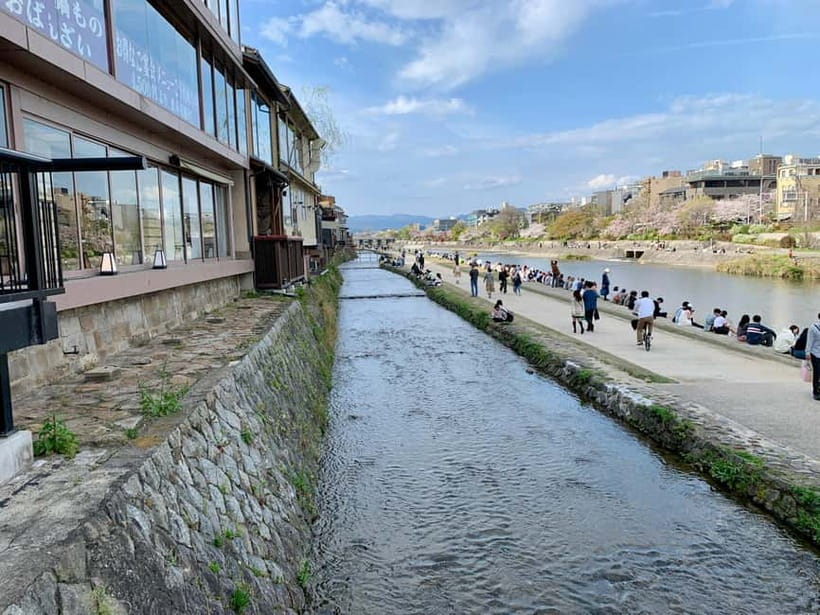
- Kamogawa River reset: a calmer stretch to balance temples, shops, and crowds
- Guide with English plus real-life answers: cultural context and practical suggestions, not just photos
Where the tour starts: Japan Kanji Museum to Gion’s first turn
The meeting point is outside the Japan Kanji Museum and Library. From there, you transition quickly into Kyoto’s walking rhythm, with your guide leading the way on foot. It’s a nice setup because you get oriented before you hit the most famous streets.
Look for the guide by the yellow/green fluorescent bands attached to his bag. That detail matters in Kyoto, where groups can blend into the flow fast. If you are running late, contact the operator right away using the emergency contact details shown for the activity.
Yasaka Shrine and Maruyama Park: setting the Kyoto mood
Your first major stop is Yasaka Shrine, one of the city’s key spiritual anchors. Expect a guided visit and time to look closely, not just a photo stop. This is where the energy of Kyoto festivals and local devotion makes sense in real space, especially as you walk past iconic shrine gate moments.
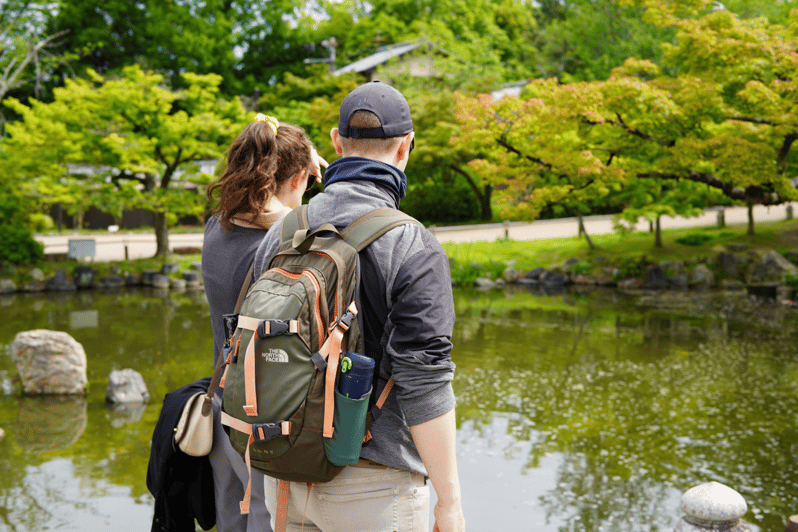
Just a short walk away is Maruyama Park. It’s an easy breather in the flow of the day, and it gives you a change of pace before more temple scale. Think of this as a mental warm-up, the point where you start noticing how people actually move through the area, not only where the monuments sit.
Tip for comfort: this tour runs on foot, so you want shoes that handle uneven pavement and slopes comfortably. Plan for a full day of walking.
Lantern-lit streets of the geisha quarter
- Kyoto Geisha Walking Tour: Gion District & Hidden Gems
★ 4.7 · 3,273 reviews - Kyoto: Gion Magical Night Walking Tour with Geisha Trivia
★ 4.9 · 2,393 reviews - Kyoto: Gion Geisha District Walking Tour – Stories of Geisha
★ 4.7 · 2,187 reviews - Best of Kyoto: Gion, Geisha, Pagodas & Cobblestones
★ 4.9 · 2,058 reviews
Chion-in’s Sanmon gate: big architecture, calmer pace
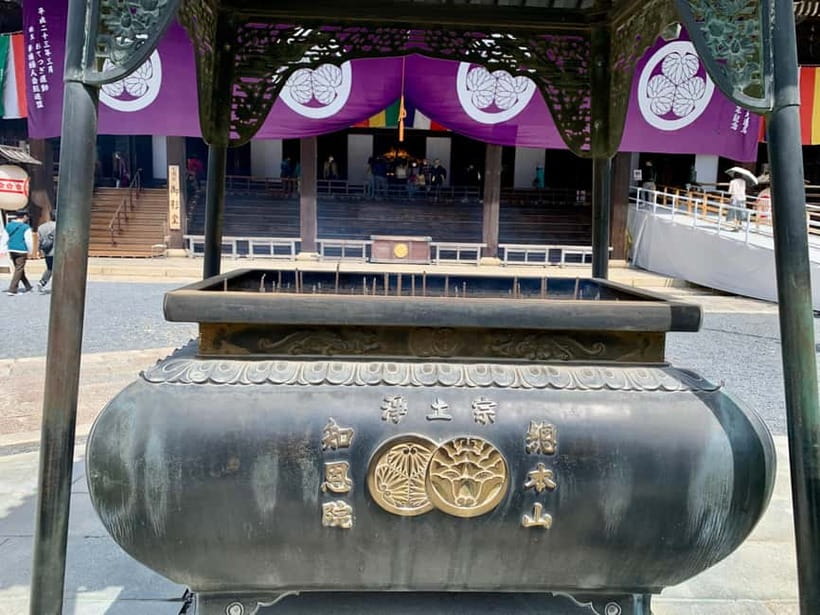
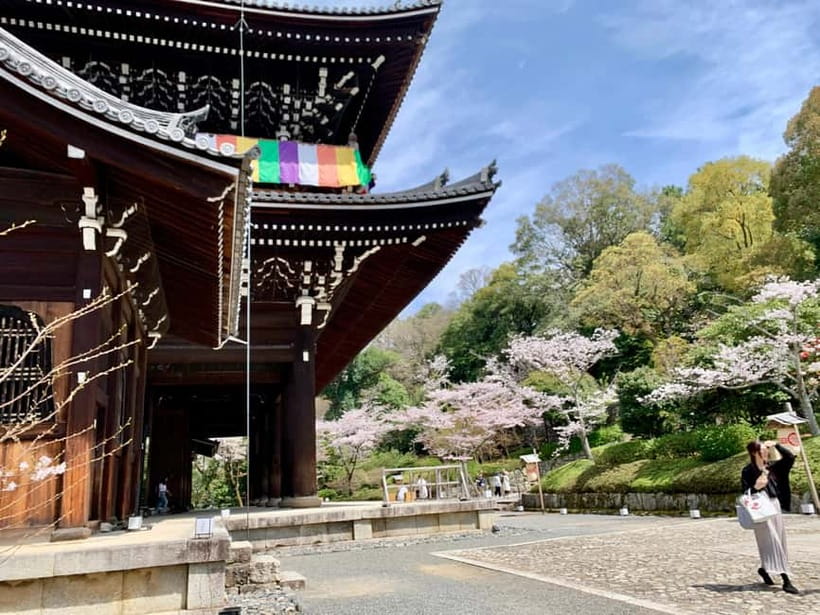
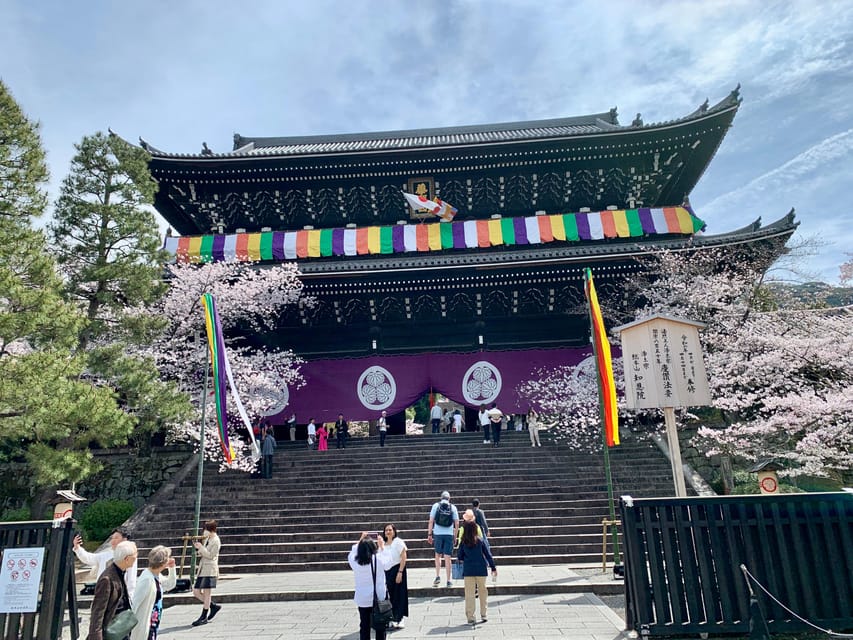
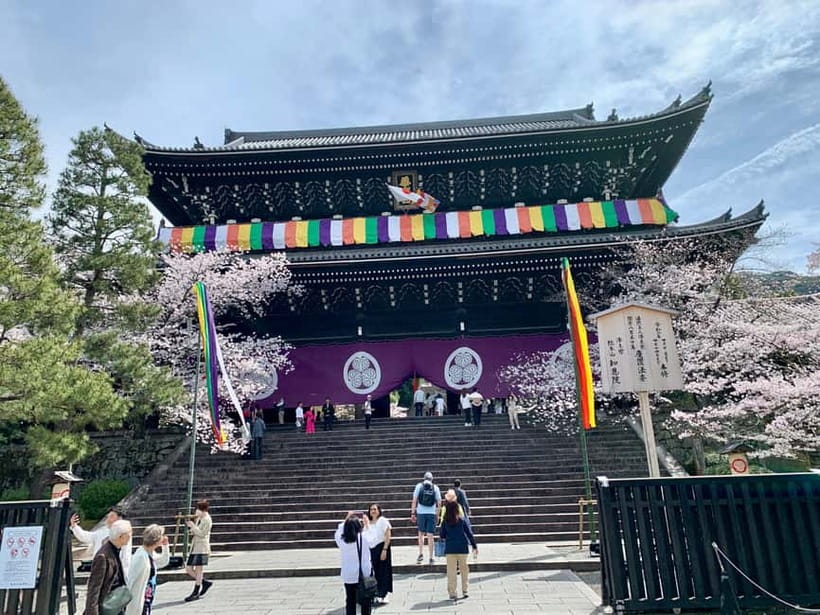
Chion-in comes next, with a guided visit that leans into the Jodo Buddhist tradition. The star moment here is the massive Sanmon gate, which instantly changes the feel of the street you came from. It’s one of those Kyoto scenes where you can feel how architecture organizes space and attention.
The grounds are quieter than the surrounding lanes, so you get a real pause. Your guide also helps connect what you see to how this sect fits into Kyoto’s broader religious map. If you like learning through landmarks, this stop is one of the strongest on the route.
A practical note: you’ll be moving between sites on foot, including short transitions. The pace stays guided, so you are not stuck guessing your way through a maze of lanes.
Ninenzaka and Sannenzaka: old streets, real everyday shopping
After Chion-in, you head into the famous stone-paved slopes of Ninenzaka and Sannenzaka. This is where Kyoto starts to look like what you imagined, with preserved traditional wooden houses and side streets that feel made for wandering.
This portion works because it’s not only about viewpoints. It’s about texture: stone steps underfoot, storefronts that sell local crafts, and snack stops that keep the walk from feeling like a checklist. Your guide’s cultural context also helps you interpret what you’re seeing, so the streets don’t become just scenery.
One small tradeoff: these lanes are popular. That means you should be ready for slower movement and tighter spacing, especially at peak times. The benefit is that the streets hold up even when you slow down to read labels and watch shop life.
Yasaka Pagoda and the last remnant feel
On this route, you get a glimpse of Yasaka Pagoda, described as the last remnant of Hokan-ji Temple. Even if you don’t know the background yet, a tower like this is hard to ignore. It gives you a sense of how older temple complexes shaped this part of Kyoto over time.
This stop is short, but it matters because it’s a lesson in layers. Kyoto doesn’t just have one “historic moment.” It has what remains, what changed, and what survived in view lines between streets.
Hokan-ji Temple stop: how the route turns toward Kiyomizu-dera
Hokan-ji Temple is on the walking path toward Kiyomizu-dera. This is one of those transitions that feels like the tour is building momentum, moving you from street-level Kyoto into the larger temple world.
You’ll get a guided sightseeing visit here, so you’re not just passing through. The value is in the guide’s ability to connect the dots between what came before on the slopes and what you are about to face at Kiyomizu-dera.
A quieter way to spend a day in Kyoto


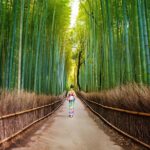
Kiyomizu-dera: the viewpoint moment that earns the whole day
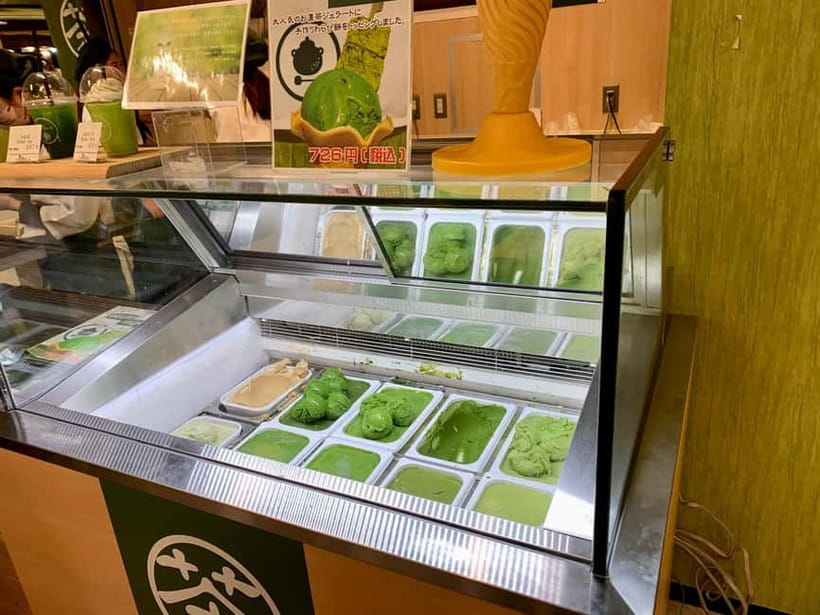
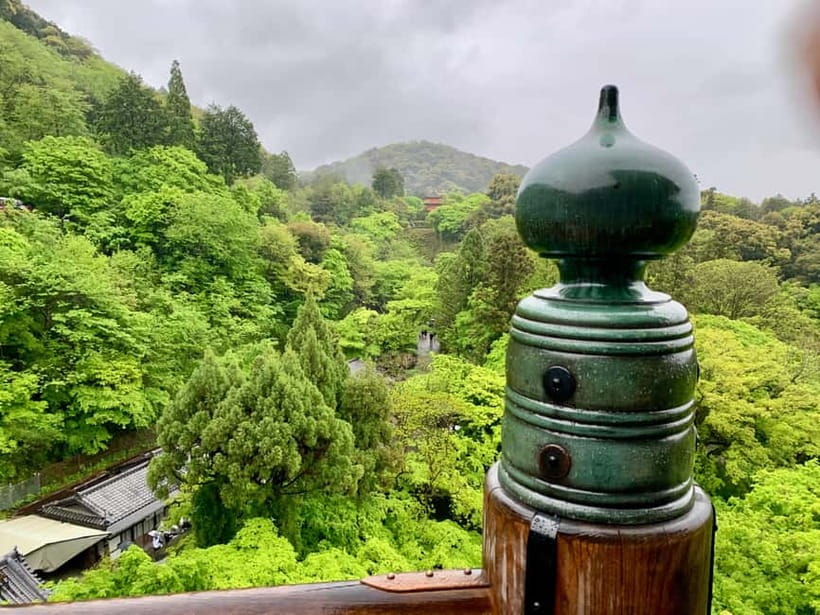
Kiyomizu-dera is the big highlight, and the timing reflects that. You get a guided visit with about an hour of time at the site, then you walk onward afterward. This is the place where the views help you understand why people have come here for generations.
What I like about making Kiyomizu-dera a central stop is that it changes your perspective. Up close, temples are details and rituals. From the main outlook areas, the city opens up, and you start seeing Kyoto as a place with geometry, not just buildings.
Plan your attention: give yourself a minute to scan from the main view lines before you zoom in for close-up shots. Your guide’s explanations can help you know what you are looking at, so the view feels more meaningful instead of just scenic.
Kamogawa River: a calmer pocket before you head out
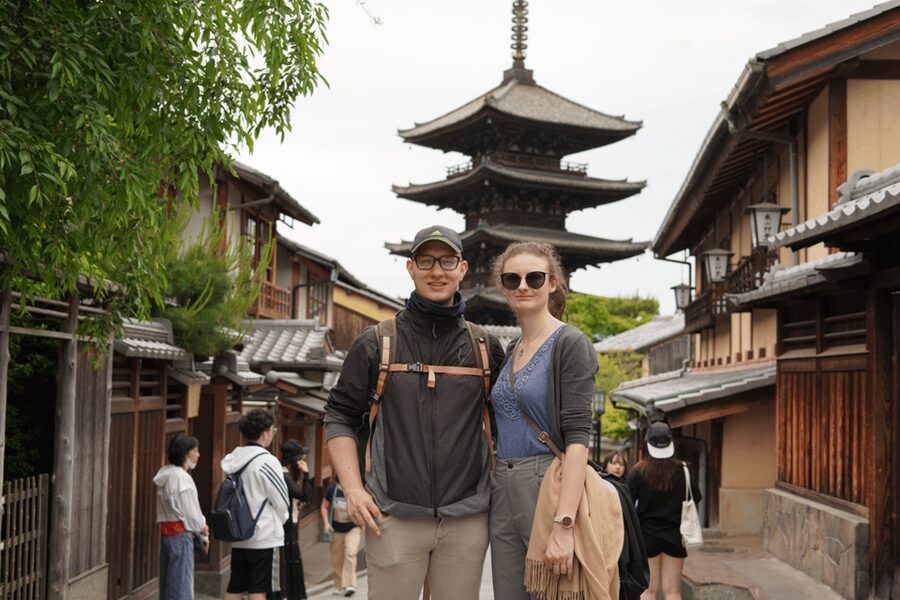
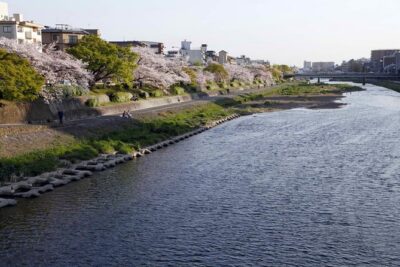
After Kiyomizu-dera, you walk toward the Kamogawa River area for a guided sightseeing break. This part is valuable because it balances the day. You’ve been in temples and famous old streets. Now you shift into a more open, natural-feeling setting.
The river gives you a different sensory rhythm, with the murmuring water and the chance to spot birds. It’s a small pause, but it helps reset your brain and feet. Then you move toward the end of the tour at Sanjo Station.
Price and value: what $44 buys you in Kyoto walking time
The price is listed at $44 per person. For Kyoto, that cost makes sense when you focus on what you’re actually paying for: a live English-speaking guide plus admission fees. You’re not just buying a route, you’re buying interpretation of multiple sites packed into one walking journey.
Here’s how it can feel like value. You cover major stops that are easy to get to individually, but harder to understand well if you do it alone. The guide helps you connect architecture, religious context, and the reason certain places sit where they do. That context is where the money usually pays off.
One cost you still need to plan for is cash for ticket fees and other small purchases. The tour asks for about 1,000 yen cash per person. If you arrive with cash ready, you avoid the awkward scramble mid-walk.
What group style means for your experience
This tour runs as live guidance with private or small groups available. In practice, small groups tend to work better in narrow streets and temple lanes. Your guide can answer questions without the whole group losing pace.
The tour also includes admission fees, so you spend less time figuring out ticketing on the fly. That matters when you are walking from place to place and want to keep the day moving.
Who should book this Kyoto Gion walking tour
This is a strong fit if you want a structured walk through famous Kyoto without turning it into a solo scavenger hunt. You’ll like it if you enjoy learning through landmarks and you want your guide to answer questions about Japanese culture and everyday life.
It’s also a good choice if you want a route that mixes “big” sights with street-level atmosphere. Yasaka Shrine and Chion-in give spiritual depth. Ninenzaka and Sannenzaka give texture. Kiyomizu-dera gives the view payoff.
That said, the tour is not suitable for people over 70 years, and baby strollers are not allowed. If mobility is a concern, you’ll want to think hard about whether a long walk is realistic for your day.
Practical planning: cash, rain, shoes, and pacing
A few real-world notes can make or break a walking day like this.
Bring cash. The tour specifies cash and recommends about 1,000 yen per person for ticket fees. Having it ready keeps you from pausing at the wrong moment.
Dress for walking. The tour involves multiple short transfers and steady walking between major stops. Wear comfortable, supportive shoes and pack water if you typically travel that way.
Rain is not a deal breaker. The experience will proceed even in rainy weather. Bring raincoats and umbrellas so you stay comfortable around slippery stone steps and wet lanes.
Finally, plan for a longer window. The activity is listed as 210 minutes to 8 hours, so don’t stack tight plans right after. Give yourself breathing room at the end, since the drop-off is around Sanjo Station.
Should you book it?
I think you should book this tour if you want Kyoto’s most iconic moments connected in one walk, with an English guide who explains what you’re seeing. The best part is the flow: shrine to temple, old street to viewpoint, then a river reset. That structure helps the day feel like a story instead of a pile of stops.
If you dislike long walking days, have limited mobility, or need stroller access, skip this one and look for a more flexible format. For everyone else, it’s a solid value way to experience Gion and Kiyomizu-dera with context you can’t easily pull from signs alone.
FAQ
How long is the Kyoto Gion walking tour?
The duration is listed as 210 minutes to 8 hours. Check availability for the starting times on the day you want to go.
What does the tour cost?
The price is $44 per person.
What is included in the ticket price?
The tour includes a tour guide and admission fees.
Where do we meet the guide?
You meet outside the Japan Kanji Museum and Library.
How do I recognize the guide?
The guide is recognizable by yellow/green fluorescent bands attached to his bag.
Is the tour offered in English?
Yes, the live tour guide speaks English.
Should I bring cash?
Yes. The tour requests cash, and it’s recommended you prepare about 1,000 yen per person for ticket fees.
Does the tour run in rainy weather?
Yes, the event proceeds even in rainy weather. Bring a raincoat and/or an umbrella.
Are baby strollers allowed?
No, baby strollers are not allowed.
Where does the tour end?
The tour has two drop-off locations at Sanjo Station.
New This Season
- Koyasan Day Trip by Private Car from Kyoto
- Old Port Town and Ultimate Sake Tasting Private Tour From Kyoto
- Kyoto’s Timeless Charm: 3hr Exploration of History and Peace
- Kyoto: 5 Types of Sushi Making
- Sacred Peak & Ancient Paths: Kurama-Kibune Hiking Experience
- Kyoto: Exclusive ZEN practice at Manpukuji temple in Uji
- Kyoto: Private Seasonal Aroma Yoga Class
- Traversing Kyoto’s Scenic West – Arashiyama to Kinkakuji
Gion Geisha Quarter Walks, compared.
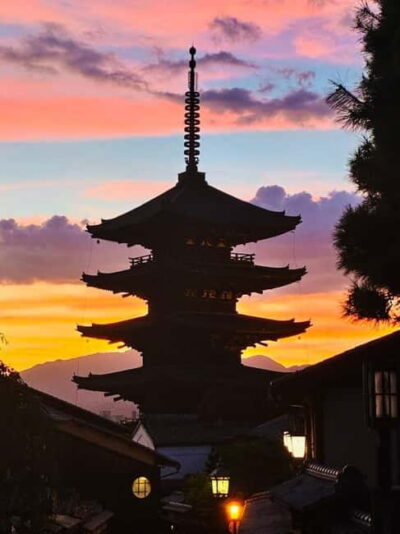
Kyoto Geisha Walking Tour: Gion District & Hidden Gems
Read our review →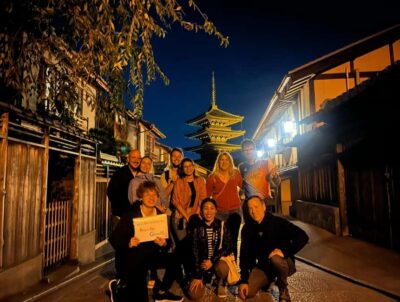
Gion Magical Night Walking Tour with Geisha Trivia
Read our review →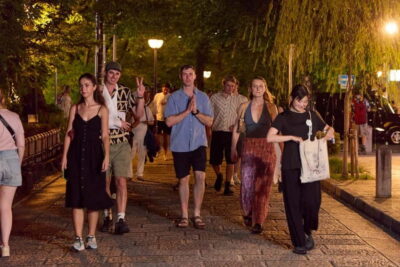
Gion Geisha District Walking Tour – Stories of Geisha
Read our review →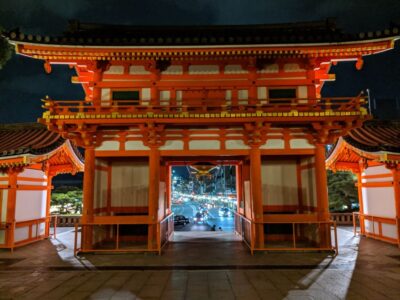
Best of Kyoto: Gion, Geisha, Pagodas & Cobblestones
Read our review →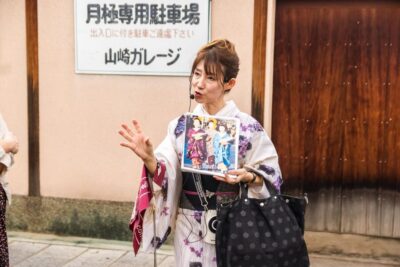
Kyoto Night Foodie Tour in Gion (9+ dishes + 6 Sake tastings)
Read our review →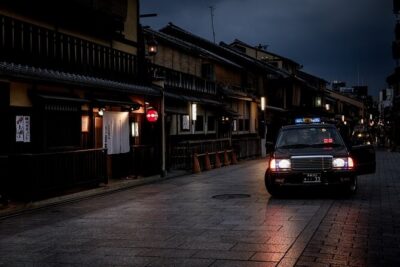
Kyoto Gion Geisha District Walking Tour – The Stories of Geisha
Read our review →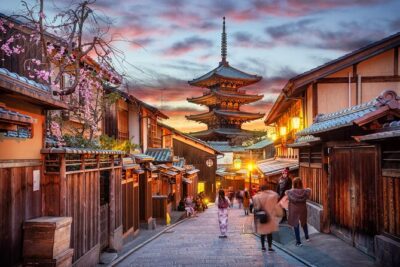
Kyoto Gion: 2-Hour Geisha Culture & History Walking Tour
Read our review →Also filed under