Reviewed · GION GEISHA QUARTER WALKS
Kyoto: Gion & Geisha District Night Time Walking Tour
Gion at night is a different city. This 2-hour Kyoto walk strings together Yasaka Shrine, stone lanes, and Gion streets in a way that makes the area’s culture feel practical, not just pretty. I especially like how the route hits the spiritual anchors and the old neighborhood streets, not only the postcard stops.
Two things I like a lot: the focus on story-led walking (festival ties, lane names, local rituals) and the fact that you get a guide who can answer questions as you go. In the reviews, guides like Majo, Pedro, Nay, and Wilber are repeatedly praised for being friendly, easy to follow, and good with questions, which matters when you are trying to read Kyoto at night.
One drawback to plan around: it is a night walk with a lot of steps and it is not suitable for wheelchair users. Also, geisha or geiko sightings are not guaranteed, so go for the streets and shrines first, then treat any glimpse as a bonus.
In This Review
- Key things that make this Gion night tour worth your time
- Why Gion After Dark Feels Different
- Meeting at Starbucks, Then Walking With a Guide
- Yasaka Shrine: Festivals, Lanterns, and Local Rituals
- Maruyama Park and Nene no Michi Townhouse Lanes
- Ninenzaka Slope: Old Streets and Photo-Friendly Corners
- Yasui-Konpiragu Power Stone and Hanamikoji Street
- Geiko and Maiko Chances, Plus Photo Tips
- Price for a 2-Hour English Tour, and Where the Value Comes From
- Who Should Book (and Who Should Consider Another Option)
- FAQ
- How long is the Kyoto Gion night walking tour?
- Where do I meet the tour guide?
- Is the tour offered in English?
- What are the main places this tour visits?
- Are photos included?
- Is the tour wheelchair accessible?
- What is included with the guide?
- Can I cancel if my plans change?
- Should you book this Kyoto: Gion & Geisha District Night Time Walking Tour?
Key things that make this Gion night tour worth your time
- Yasaka Shrine first, so you understand why the area matters before you start seeing the lantern-lit streets
- Nene no Michi and its townhouse-lined stone path, where the neighborhood feels lived-in instead of staged
- Ninenzaka for that classic hillside Kyoto look, with historic wooden buildings and photogenic corners
- The Yasui-Konpiragu Power Stone ritual, with a symbolic practice locals and visitors both take part in
- A finish on Hanamikoji Street, the heart of Gion where you may spot geiko and maiko in the evening
Why Gion After Dark Feels Different
Daytime Gion is crowded and fast. Nighttime is slower, with softer light on the stone lanes and older wooden storefronts. That shift helps you actually notice details, like the way lanes bend, how shopfronts sit close to the street, and how shrines and gardens change the mood.
This tour is also built around an important idea: start with meaning, then walk the place. You begin at Yasaka Shrine, connect it to Kyoto festivals, and only then move into the geisha district. That order helps the streets click into place.
If you like walking tours that teach you how to look, this one fits. If you mainly want wall-to-wall photos, you can still do that, but the best value comes from listening and taking your time at each stop.
Meeting at Starbucks, Then Walking With a Guide
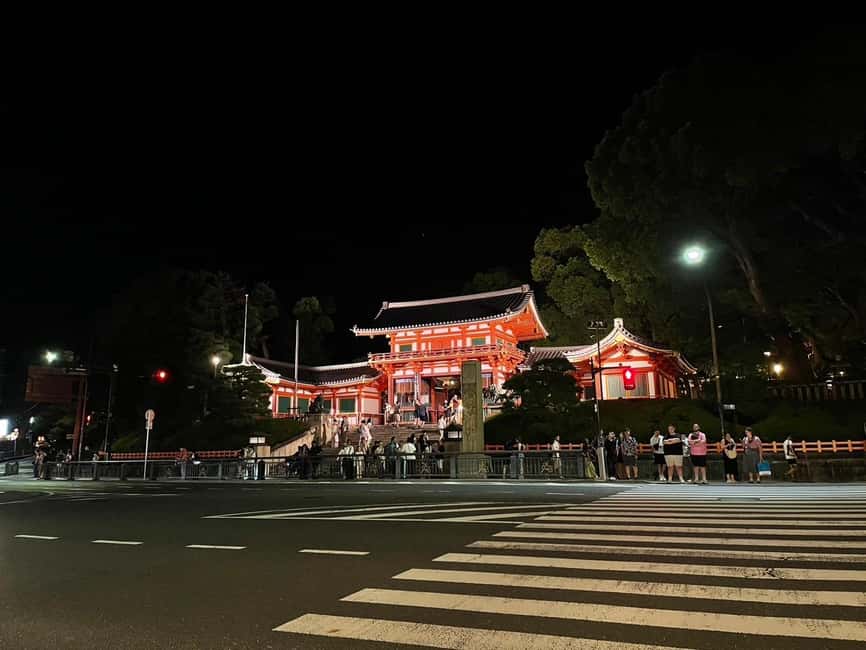
You meet in front of the Starbucks next to Kyoto Gion Hotel, close to the western gate entrance area for Yasaka Shrine. That is a smart choice because it puts you near your first cultural stop without needing taxis or complicated transfers.
From there, you walk with an English-speaking guide for about 2 hours total, with guided time built into each major stop. The tour includes photos during the walk, which is a practical perk if you are traveling solo or you want pictures that are not just selfies.
In the reviews, the guides are often singled out for being approachable and personable. People specifically mention they answered questions and kept things engaging, like one guide did a great job pointing out where to eat afterward. That kind of follow-up matters in Kyoto, where food options can feel overwhelming.
One quick planning note: dress for night walking. A lot of the enjoyment here is the atmosphere, and cold weather can blunt it.
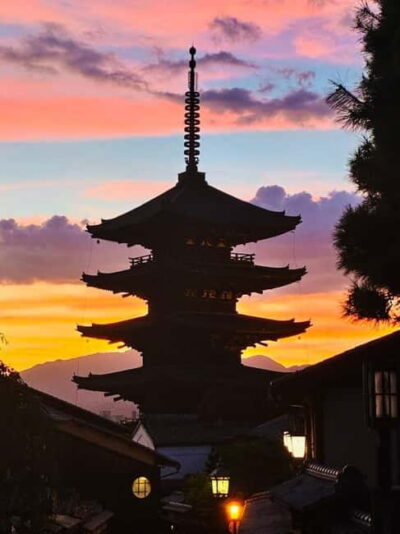
Lantern-lit streets of the geisha quarter
- Kyoto Geisha Walking Tour: Gion District & Hidden Gems
★ 4.7 · 3,273 reviews - Kyoto: Gion Magical Night Walking Tour with Geisha Trivia
★ 4.9 · 2,393 reviews - Kyoto: Gion Geisha District Walking Tour – Stories of Geisha
★ 4.7 · 2,187 reviews - Best of Kyoto: Gion, Geisha, Pagodas & Cobblestones
★ 4.9 · 2,058 reviews
Yasaka Shrine: Festivals, Lanterns, and Local Rituals
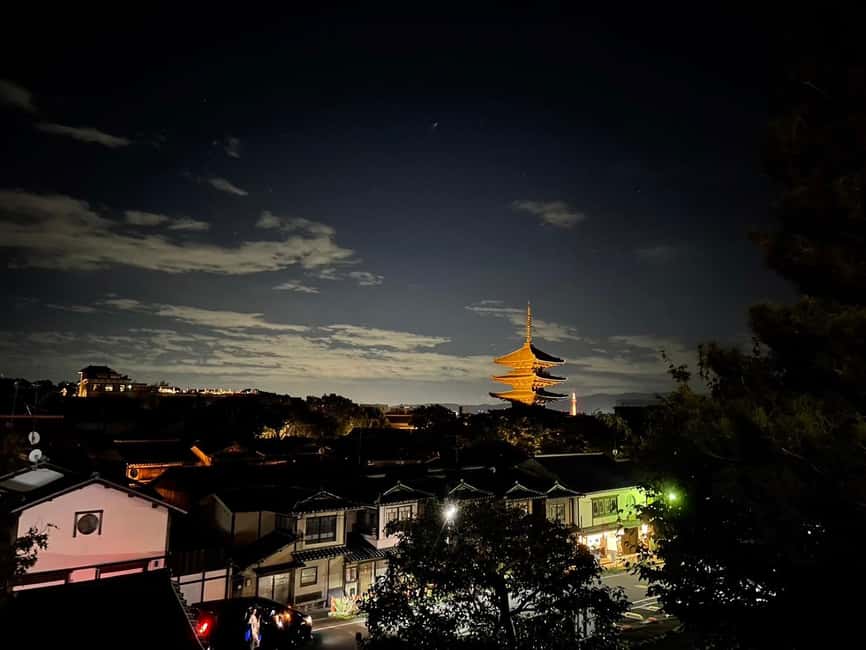
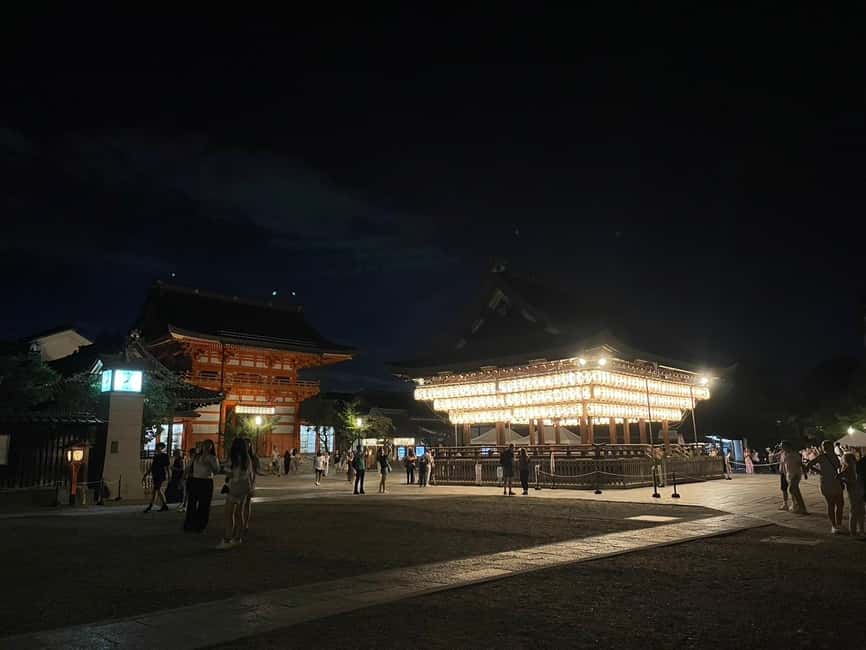
Yasaka Shrine is one of Kyoto’s big spiritual landmarks, and the tour uses it as the starting point for understanding Gion. You get guided time focused on its historical ties to Kyoto’s festivals and the cultural background around geisha traditions.
Why that matters: Gion is not just a set of streets. It is connected to shrine culture, seasonal events, and the rhythms of Kyoto life. When you hear the festival connections before you head into the neighborhood lanes, everything you see later makes more sense.
You also get the spiritual energy and nighttime ambiance at the right moment. Even if you have seen shrines in other cities, Yasaka’s role in Kyoto’s public life gives you a different angle. Think of it as the tour’s compass.
Potential drawback here is simple: if you arrive with zero curiosity, the shrine story might feel like a formal start. But if you enjoy context, this is where the tour earns its value fast.
Maruyama Park and Nene no Michi Townhouse Lanes
After Yasaka Shrine, the walk continues toward Maruyama Park, described as Kyoto’s oldest public garden. In a tour like this, the park is not just a pause for photos. It is a breathing space that changes your pace from shrine energy to neighborhood calm.
Then you head along Nene no Michi, a charming stone-paved lane named after Nene, the wife of Toyotomi Hideyoshi. You get a guided explanation of what the name represents, and you walk past traditional townhouses, small teahouses, and artisan shops.
This is one of the key strengths of the route. Kyoto can be hard to decode without signs. A guide helps you connect the street layout with the cultural story, and you start seeing how these lanes functioned historically as everyday passageways, not only tourist scenery.
At night, the stone lane can feel especially atmospheric because lighting and crowd levels are lower. One review specifically praised the quieter feel compared with daytime, which helps you experience the lanes rather than just pass through them.
Ninenzaka Slope: Old Streets and Photo-Friendly Corners
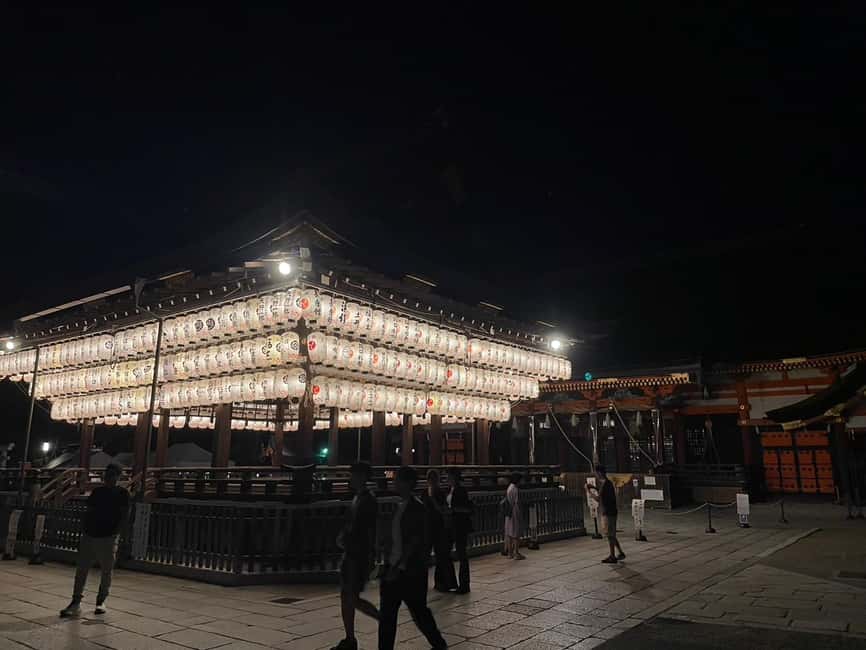
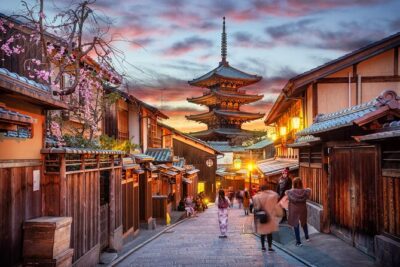
Next comes Ninenzaka, a photogenic slope lined with historic wooden buildings and quaint shops. This is the part of the tour where you naturally slow down, because the street is made for walking at an unhurried pace.
From a value perspective, Ninenzaka works because it is more than scenery. It gives you a feeling for how the old Kyoto neighborhood looked and moved, including the gentle changes in elevation and the tight relationship between buildings and foot traffic.
You are also guided to notice what you might otherwise miss. Without context, Ninenzaka can look like a standard preserved street. With the tour explanations, you start to understand why these lanes are still important today and how they connect back to the surrounding districts.
If you care about photos, take advantage of the included photo moments. Night lighting in Kyoto can be tricky, especially if you are trying to frame yourself. Having the guide help with timing and angles makes a noticeable difference.
One practical note: slopes and uneven pavement can take a little effort at night, so comfortable shoes are not optional here.
Yasui-Konpiragu Power Stone and Hanamikoji Street
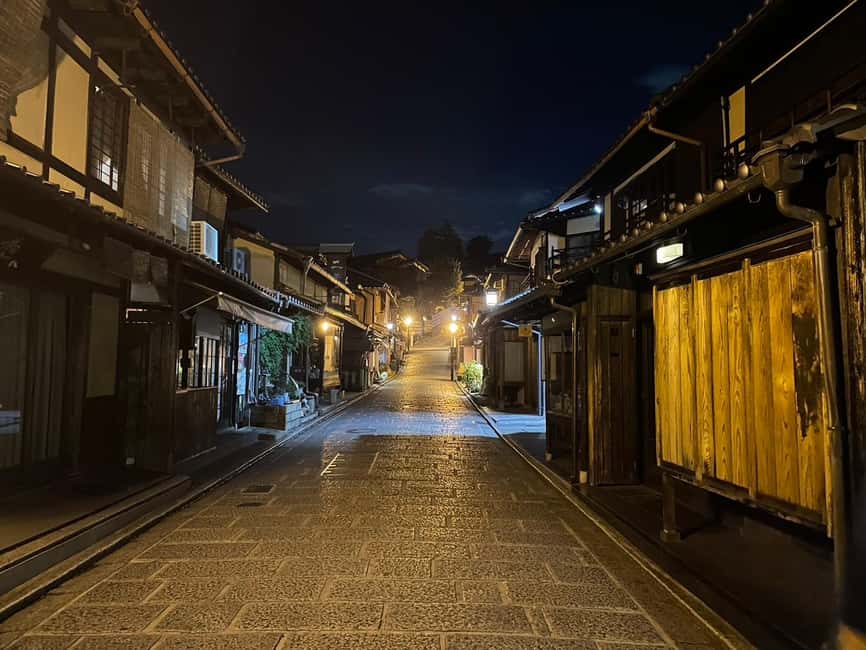
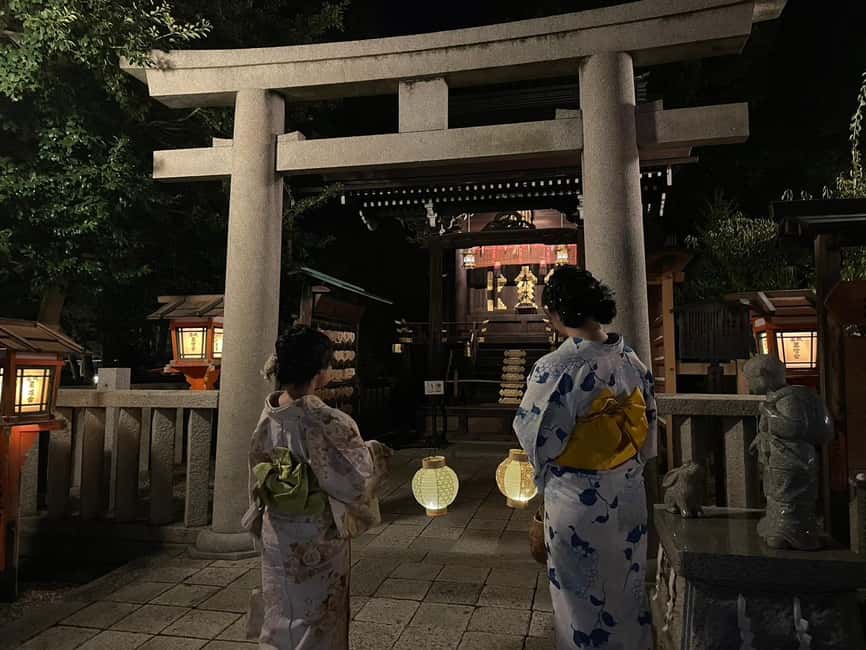
The tour includes a stop at Yasui-Konpiragu Shrine, known for its symbolic Power Stone archway. Visitors crawl through it with prayers connected to strong bonds or letting go of unwanted ties. Even if you do not participate, watching how people approach the ritual can add a lot to the cultural understanding.
Then the walk continues to Hanamikoji Street, the core Gion lane associated with geiko and maiko. Here you get insights into training and artistry, plus how life in this world is shaped by tradition.
This is also where you might get a geisha or geiko sighting. Some reviews mention seeing geishas briefly, and one person noted it felt unusual in a good way. The honest approach is this: you can improve your chances by going at night when the pace changes, but you should still treat sightings as a bonus, not the main goal.
If you want to understand Gion respectfully, this stop is the one. You are not only looking at famous faces. You are hearing how the artistry and traditions connect back to Kyoto culture and shrine life.
A quieter way to spend a day in Kyoto



Geiko and Maiko Chances, Plus Photo Tips
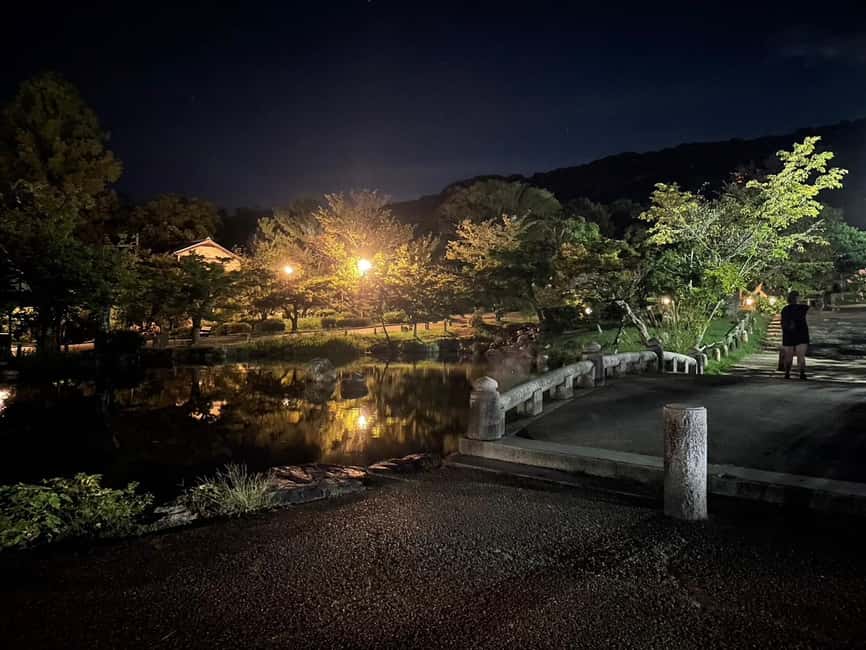
The tour is designed to help you experience Gion without constantly checking your phone. With guided explanations, you are less likely to miss quiet details, like how certain lanes relate to shrine areas or why a street name matters.
Photos are included, and that is a practical benefit. Night photos in Japan can be challenging, and if you are traveling solo, you lose time trying to coordinate shots. The guide taking photos during the walk helps you keep moving and still get decent images.
For etiquette, keep it simple: stay on the sidewalk, avoid blocking entrances, and lower your voice. The point is to watch and learn, not to turn the streets into a photo shoot.
From the reviews, one theme shows up again and again: the experience feels personal because the guide answers questions and keeps the tour engaging. That is a big deal in Kyoto, where so much is understated. A good guide helps you connect dots you would not find on your own.
Price for a 2-Hour English Tour, and Where the Value Comes From
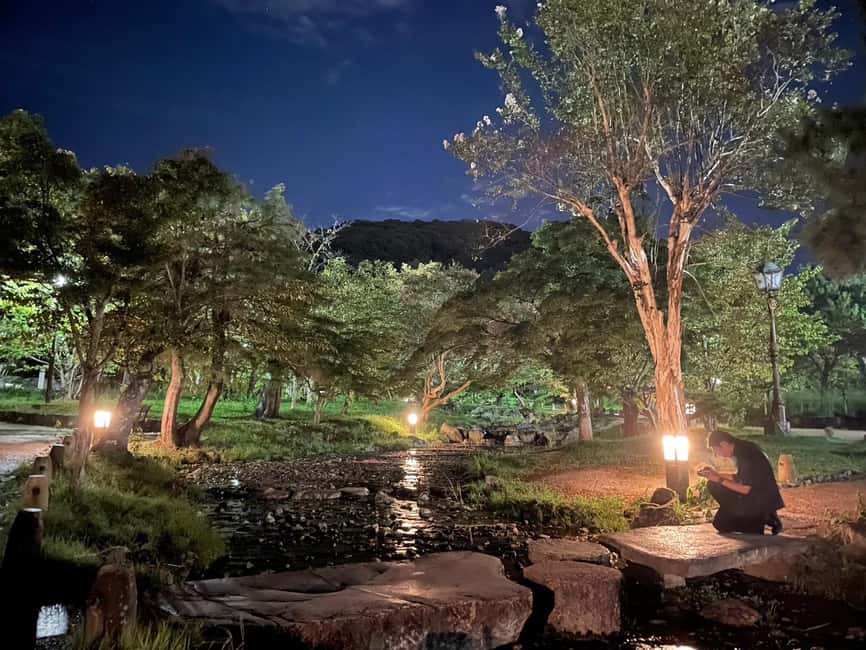
At $20 per person for 2 hours, this tour is good value if you want guided context in a small, focused chunk of time. You are paying for an English-speaking guide, structured stops at major landmarks in this neighborhood, and included photos.
If you try to recreate this route yourself, you can do it, but you will likely lose what makes this tour special: why these places matter and how to read the street names, shrine rituals, and festival connections. Kyoto rewards interpretation, and interpretation costs something.
The best value shows up in two ways. First, the walk avoids wasting time in generic areas by hitting Yasaka Shrine, Nene no Michi, Ninenzaka, Yasui-Konpiragu, and Hanamikoji Street. Second, the guide is frequently praised for friendliness and question-answering, which turns a walk into a learning session rather than just a stroll.
If you are on a tight schedule, this is a smart buy. If you want a full-day Gion deep dive with more sites, you might need an additional tour later.
Who Should Book (and Who Should Consider Another Option)
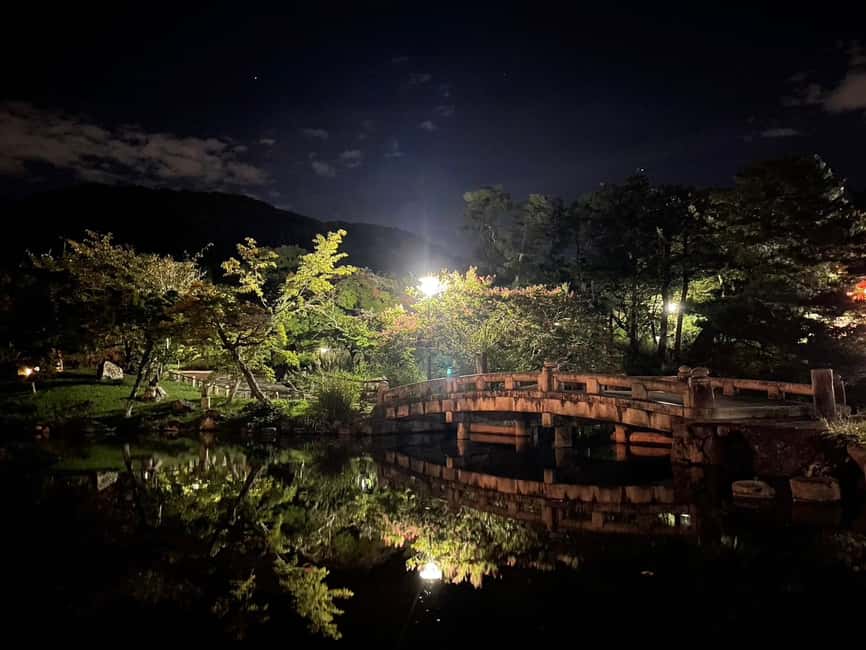
This tour is a great fit for first-timers who want the iconic Gion highlights at night without feeling rushed. It is also ideal if you care about cultural context, because you start at Yasaka Shrine and keep building toward the geiko and maiko world.
It is less ideal for people who need wheelchair access, since it is not suitable for wheelchair users. Night walking plus slopes in older streets can be tough even for able walkers.
I also think it works best if you are comfortable with a cold-weather night. Some reviews mention it gets cold, so plan for layers, warm outerwear, and shoes you can stand in for a couple hours.
If you already know Gion well and you are only chasing nightlife photos, you might feel you can skip the guided explanations. But if you want to understand what you are seeing while the streets are at their most atmospheric, this tour is well aligned.
FAQ
How long is the Kyoto Gion night walking tour?
The tour lasts about 2 hours.
Where do I meet the tour guide?
You meet in front of Starbucks located next to Kyoto Gion Hotel.
Is the tour offered in English?
Yes, the tour is listed as English speaking.
What are the main places this tour visits?
It includes stops around Yasaka Shrine, Maruyama Park, Nene no Michi, Ninenzaka, Yasui-Konpiragu Shrine, and ends around Hanamikoji Street in Gion.
Are photos included?
Yes, photos are included as part of the tour.
Is the tour wheelchair accessible?
No, it is not suitable for wheelchair users.
What is included with the guide?
The included items are an English speaking guide, historical insights into the Yasaka Shrine, and photos during the tour.
Can I cancel if my plans change?
You can cancel up to 24 hours in advance for a full refund.
Should you book this Kyoto: Gion & Geisha District Night Time Walking Tour?
If you want a well-paced night walk that connects shrines, historic streets, and geisha district culture in just 2 hours, I think it is a strong choice. The price is low for what you get, especially the English guide, the guided explanations, and the included photos.
Skip it only if you cannot handle night walking or you need wheelchair access, or if you prefer totally self-guided wandering with no structured context. Otherwise, this is a smart way to experience Kyoto’s Gion after dark with less guesswork and better storytelling.
More Walking Tours in Kyoto
New This Season
- Koyasan Day Trip by Private Car from Kyoto
- Old Port Town and Ultimate Sake Tasting Private Tour From Kyoto
- Kyoto’s Timeless Charm: 3hr Exploration of History and Peace
- Kyoto: 5 Types of Sushi Making
- Sacred Peak & Ancient Paths: Kurama-Kibune Hiking Experience
- Kyoto: Exclusive ZEN practice at Manpukuji temple in Uji
- Kyoto: Private Seasonal Aroma Yoga Class
- Traversing Kyoto’s Scenic West – Arashiyama to Kinkakuji
Gion Geisha Quarter Walks, compared.
Kyoto Geisha Walking Tour: Gion District & Hidden Gems
Read our review →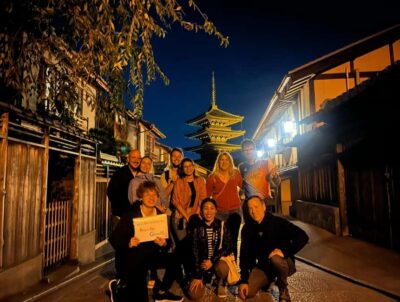
Gion Magical Night Walking Tour with Geisha Trivia
Read our review →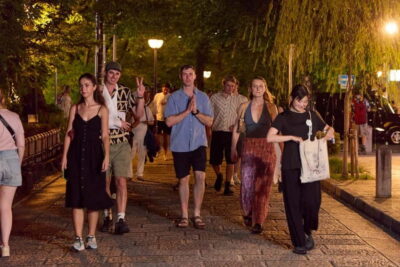
Gion Geisha District Walking Tour – Stories of Geisha
Read our review →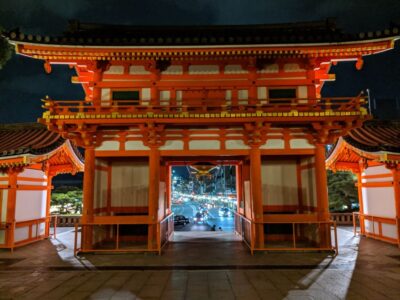
Best of Kyoto: Gion, Geisha, Pagodas & Cobblestones
Read our review →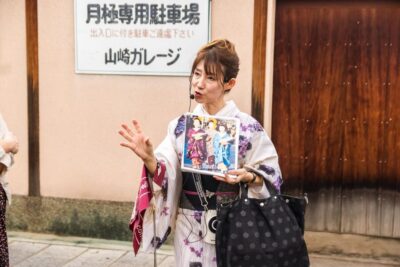

Kyoto Night Foodie Tour in Gion (9+ dishes + 6 Sake tastings)
Read our review →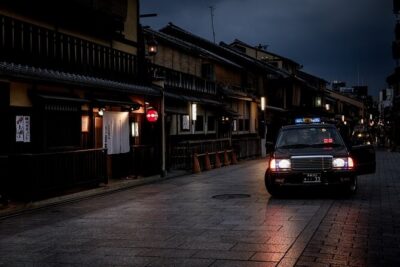
Kyoto Gion Geisha District Walking Tour – The Stories of Geisha
Read our review →