
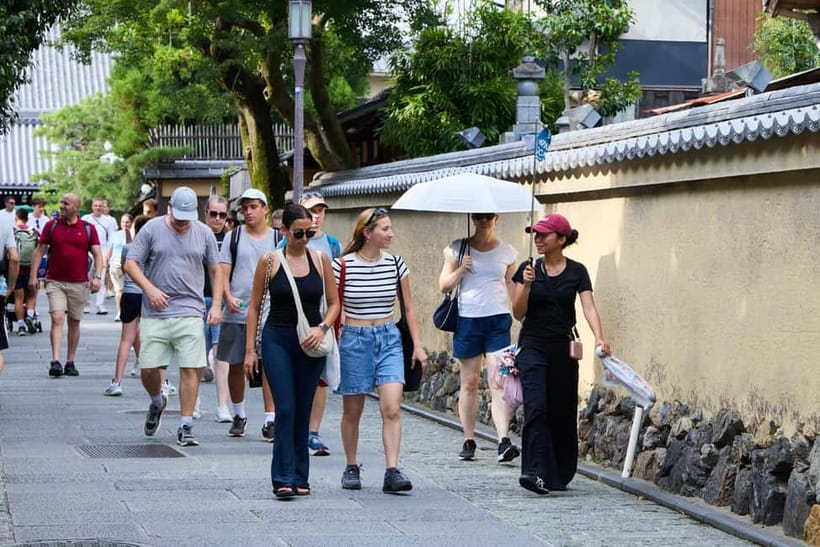
Reviewed · GION GEISHA QUARTER WALKS
Kyoto: Gion Geisha District Walking Tour and Hidden Gems
Lantern-lit Gion tells its own story. On this guided Gion walk, I love how the guide explains geisha culture in an approachable way and how you spot quiet shrines tucked between everyday streets. One thing to plan for is the lot of steps, so you will want a comfortable pace.
It’s a tight route that strings together famous landmarks and calmer side streets, starting at Ben’s Cookies Kyoto Shijo and finishing at Kiyomizu-dera Niomon Gate. Expect a focus on stories of Kyoto’s past meeting daily life today, with plenty of photo-friendly alleyways along the way.
In This Review
- Key highlights at a glance
- Why this Gion walking tour is better than wandering
- Price and value: is $25 worth 3 hours with a guide?
- First steps at Ben’s Cookies Kyoto Shijo
- Stop 1 and 2: crossing Gion via Tatsumi Bridge
- Chion-in: a calm counterpoint in the middle of Gion
- Maruyama Park: a breather with real local feel
- Hōkan-ji Temple: a short visit with big atmosphere
- The famous stone paths: Ninen Zaka and Sannenzaka
- Ending at Kiyomizu-dera Niomon Gate
- How the guide connects geisha culture to real Kyoto life
- Hidden shrines and quiet backstreets: what you are really paying for
- Pacing, steps, and what to bring
- Who this tour suits best
- Should you book this Gion Geisha District walking tour?
- FAQ
- How long is the Kyoto Gion Geisha District walking tour?
- Where does the tour start?
- Where does the tour end?
- What is included in the price?
- Is the tour offered in English?
- What should I bring?
- Is alcohol allowed?
- Is there any refund option if my plans change?
- Do I need to pay right away?
- Is the tour suitable for everyone?
Key highlights at a glance

Geisha and maiko training explained
You’ll learn how geisha culture works, not just what it looks like.
Hidden shrines and backstreets
You get guided access to quieter spots most people miss while snapping main-street photos.
A history-minded local guide
Guides like Ben and Jay bring lots of context, and you can ask questions as you walk.
Temple and park stops that break up the pace
Stops like Chion-in and Maruyama Park give you beats of scenery and viewpoints.
A finale at Kiyomizu-dera Niomon Gate
You end at a high-impact landmark right as your feet are ready for a rest.
Why this Gion walking tour is better than wandering
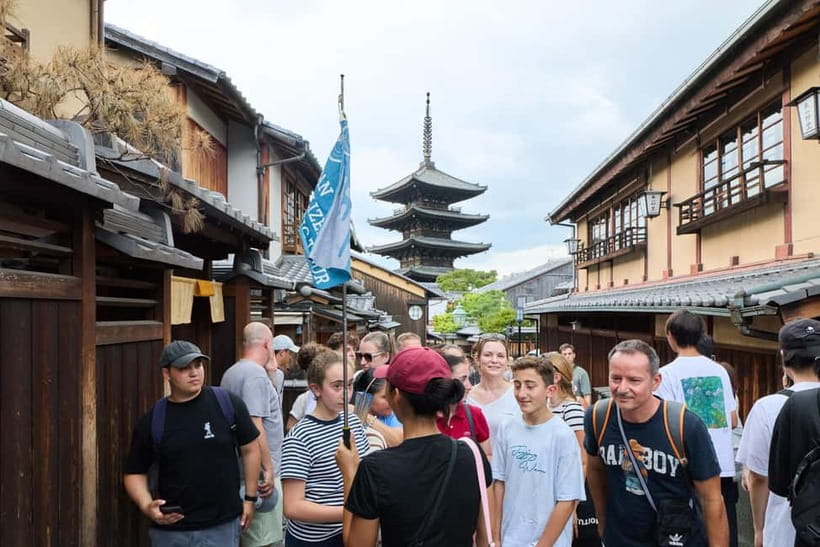
Kyoto can feel like a highlight checklist if you don’t have local context. This tour keeps you moving through the same postcard area, but with a guide who turns what you see into a way of understanding it.
I like that the tour is built around daily life plus tradition, not just big-name sights. That means you are not stuck trying to guess what everything is, you’re learning why these streets, buildings, and religious spaces matter.
There’s also a practical upside: three hours is long enough to see a lot, but short enough that you can still enjoy the rest of your day in Kyoto.
Price and value: is $25 worth 3 hours with a guide?
At $25 per person for a 3-hour live, English-language walk, the math works best if you care about context. A walking tour at this price is often most valuable when it saves you time and planning, and this one does that by bundling major Gion-area anchors with quieter side stops.
The guide-led format also matters here. Kyoto is full of small details that are easy to miss, like the religious references in everyday spaces or why certain areas have a distinct rhythm and layout. With a guide, you get explanations as you pass them, instead of reading guidebooks later.
If your travel style is purely self-guided and you hate stairs, then $25 may feel less efficient. But if you want help making sense of Gion, this is strong value.
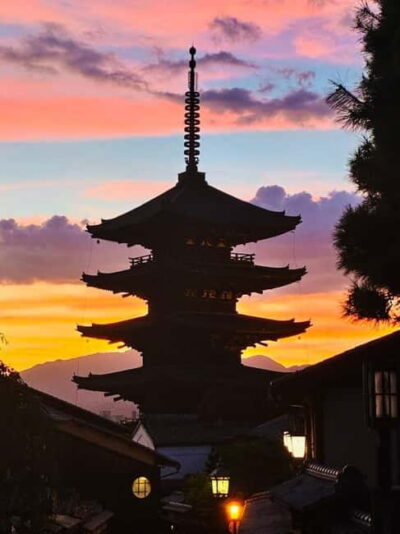
Lantern-lit streets of the geisha quarter
- Kyoto Geisha Walking Tour: Gion District & Hidden Gems
★ 4.7 · 3,273 reviews - Kyoto: Gion Magical Night Walking Tour with Geisha Trivia
★ 4.9 · 2,393 reviews - Kyoto: Gion Geisha District Walking Tour – Stories of Geisha
★ 4.7 · 2,187 reviews - Best of Kyoto: Gion, Geisha, Pagodas & Cobblestones
★ 4.9 · 2,058 reviews
First steps at Ben’s Cookies Kyoto Shijo
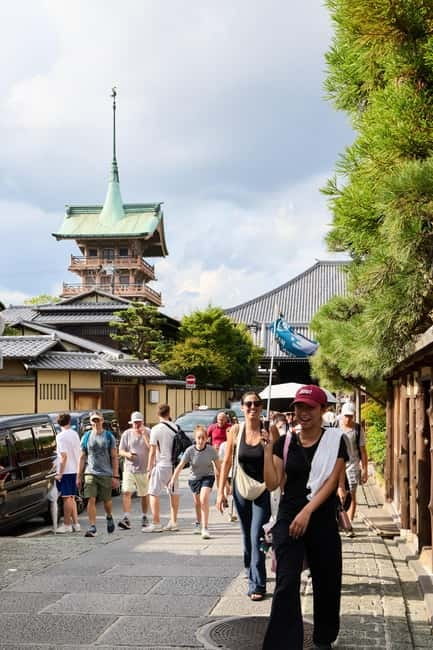
You start at Ben’s Cookies Kyoto Shijo, with the guide holding a sign out front. That’s a clear meeting point, and it makes it easy to show up without stress.
Bring water. Kyoto walks can feel cooler in the morning and hotter later, and you’ll want something simple to sip during breaks between stops.
Also, plan your footwear. This tour is described as having a lot of steps, so comfortable shoes are not optional.
Stop 1 and 2: crossing Gion via Tatsumi Bridge
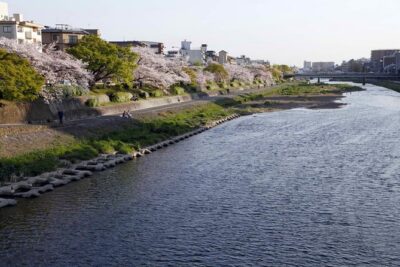
After a quick start and tour briefing, you head toward Gion Tatsumi Bridge. Bridges in Kyoto are not just for getting across, they act like transitions between neighborhoods and moods.
This early stop helps you set the tone for the rest of the afternoon: you get your first big “Kyoto moment” view, then you move into the tighter alley network where the atmosphere changes fast.
If you like taking photos, you’ll be glad this is one of the first stops. Early lighting is often kinder, and you are also still fresh enough to pause when the guide points something out.
Chion-in: a calm counterpoint in the middle of Gion
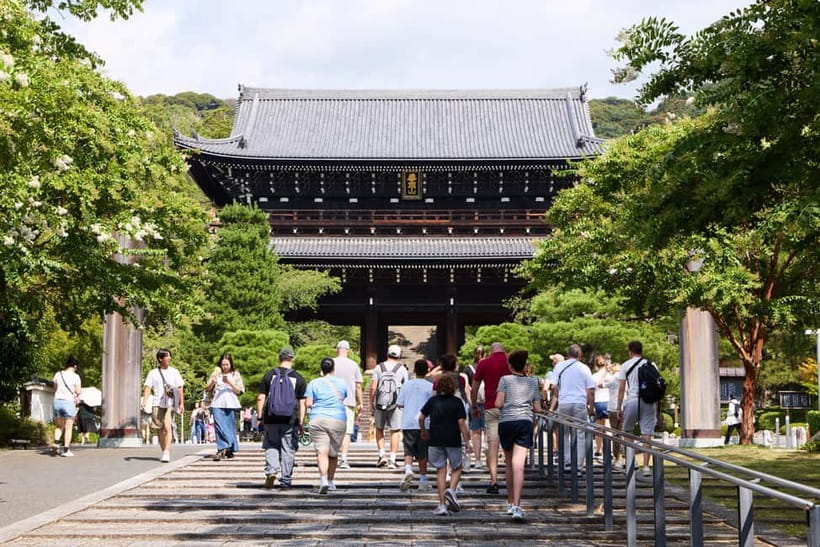
Next is Chion-in, where you’ll spend about 30 minutes with a guide. Temples here work well in walking tours because they slow you down for a bit and give you context beyond street-level culture.
The tour focus is not just architecture. The guide shares how religious traditions fit into Kyoto’s daily life, and that makes everything else you see afterward feel more connected.
Possible drawback: temple areas can be crowded depending on the time of day, and you may spend some time moving with the flow. That’s normal Kyoto energy, but it can affect how long you can linger for photos.
Maruyama Park: a breather with real local feel
Maruyama Park is next, with about 20 minutes there. This is the kind of stop that helps you “reset” during a walking tour, especially when you know you’ll face more steps later.
Parks in historic cities often act like social breathing spaces, and you’ll get that sense here. Even when you are not resting, you’ll likely feel the change in sound level and foot traffic.
I also like that the itinerary doesn’t treat every minute like a sprint between sites. A breather stop helps you enjoy the next leg rather than just endure it.
A quieter way to spend a day in Kyoto




Hōkan-ji Temple: a short visit with big atmosphere
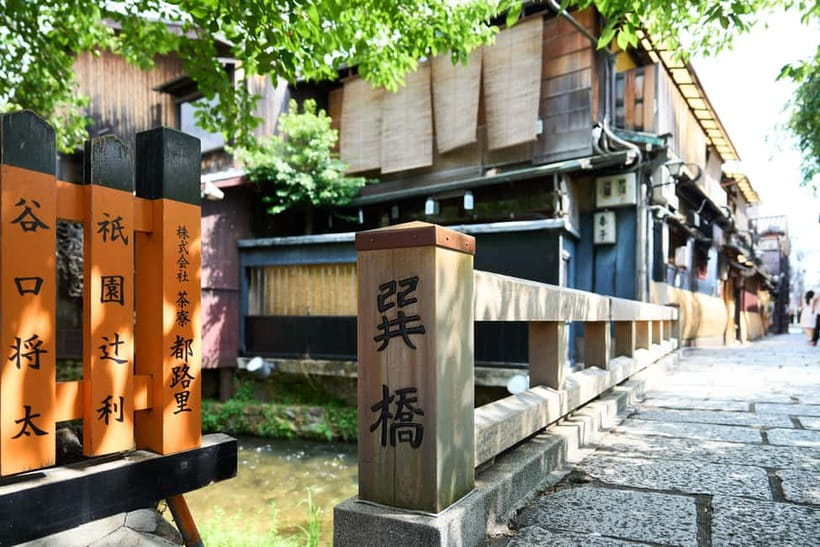
You then move to Hōkan-ji, a shorter 10-minute stop. Short doesn’t mean small in impact. Temple stops like this are perfect for a focused look, when you can learn a few key points without feeling rushed.
This is also a helpful waypoint for the overall route rhythm. You’re getting a mix of major highlights and quick thematic stops, and that keeps the tour from feeling monotonous.
The famous stone paths: Ninen Zaka and Sannenzaka
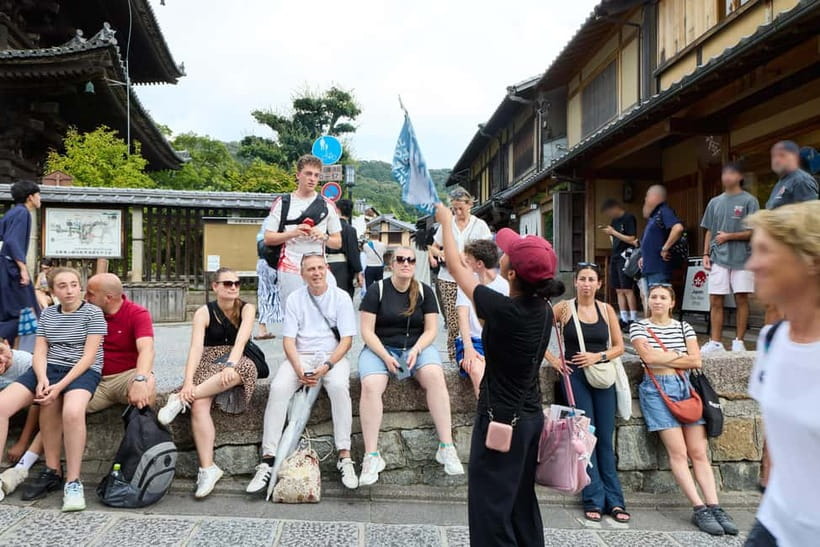
As you head toward Kiyomizu-dera, you walk through Ninen Zaka and Sannenzaka, with about 5 minutes each. These lanes are famous for a reason: preserved street character, old-stone footways, and a “time-warp” feeling that is easy to photograph.
The practical side: these are also the parts of the route where your legs start to notice the steps more. If you’re traveling with anyone who gets tired easily, this is where you’ll want to slow down and take the guide’s pacing seriously.
If you care about photos, this stretch is usually one of the most visually rewarding. Just remember: if you’re photographing, you are also moving in crowds. Keep your timing and watch your footing.
Ending at Kiyomizu-dera Niomon Gate
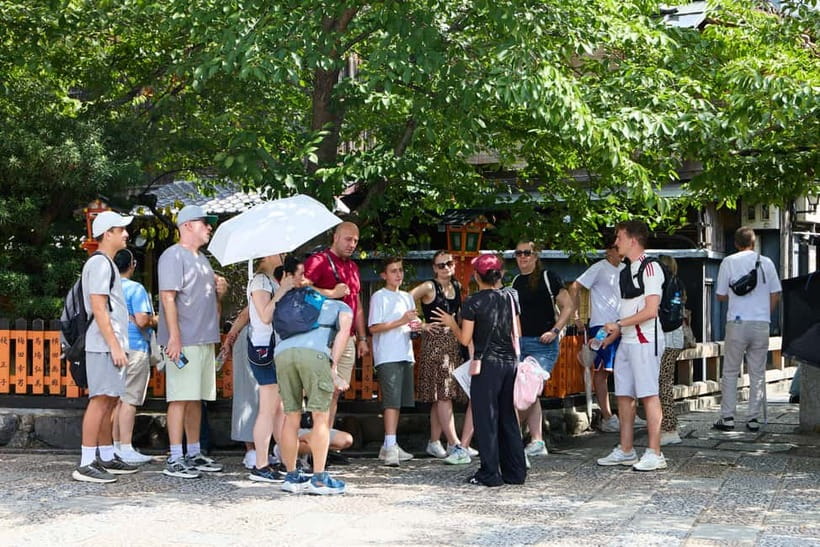
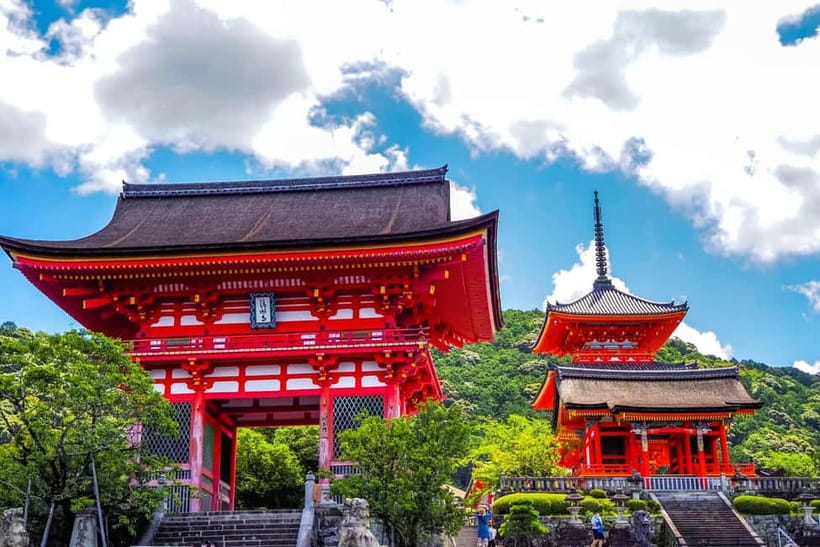
The tour finishes at the Kiyomizu-dera Niomon Gate. Ending here is smart because it’s a recognizable landmark, and it gives you a satisfying “wrap” to your walk.
By the time you reach the gate, you’re primed to look closer. A good walking tour makes you notice small shifts in space and atmosphere, and Kiyomizu-dera is a natural place to feel that payoff.
If you still have energy after you arrive, you can decide what to do next. The tour ends at the gate, so you can continue exploring if you want, or step back and take a breather.
How the guide connects geisha culture to real Kyoto life
This is where the tour earns its strong reputation. The guide’s job is not to dump facts, it’s to connect what you see to how the city worked historically and how it works now.
I like that the explanations cover more than geisha as a visual stereotype. You’ll learn about how maiko and geisha train and work, and how that culture ties into Kyoto’s traditions and social rhythm.
That matters because Gion can look like a movie set if you don’t understand the system behind it. With guidance, you start seeing why certain areas preserve wooden townhouses and why some streets feel quieter than others.
You may also hear side stories that make Kyoto feel like more than a single theme park. From the guide style shared by people who’ve taken the tour, history topics like samurai-era context can come up, along with fun cultural references. Those tangents are often the best part because they turn a walk into something memorable.
Hidden shrines and quiet backstreets: what you are really paying for
The highlights are not just the big sights. The “hidden” part is the value driver.
Kyoto is full of small religious spaces that blend into the streetscape. When you have a guide, you are less likely to walk right past something meaningful, like a shrine tucked between buildings or a calm corner that breaks the main street flow.
This is also the section where good guiding makes a difference in photo quality. You’ll know where to pause and what to look for, instead of trying to guess with the crowd.
Pacing, steps, and what to bring
The tour notes say there are a lot of steps, and it also says it’s not ideal for people with low fitness. I treat that as a real planning factor, not just a minor inconvenience.
Here’s how to make it easier:
- Wear comfortable shoes with grip
- Bring water and take small sips during breaks
- Don’t plan tight connections immediately after, since you’ll end at Kiyomizu-dera and may want time to recover
Also, no alcohol or drugs are allowed. That’s standard for a respectful walking tour and helps keep the group experience comfortable.
Who this tour suits best
This walk fits best if you want culture explanations while you move. If you prefer to read a plaque and move on, a guide-led format might feel like extra structure. But if you like learning as you go, it hits the sweet spot.
It can also work well for mixed groups. One group included children around 11 to 15 and adults spanning a wide range, and everyone reportedly stayed engaged. The key is that the whole group must handle walking and steps.
If you have limited mobility or you know stairs are a struggle, look for a flatter alternative in Kyoto.
Should you book this Gion Geisha District walking tour?
Book it if you want:
- Geisha culture explained clearly as you walk through Gion
- Access to quiet backstreets and hidden shrines without doing detective work
- A solid 3-hour route that ends at a major landmark like Kiyomizu-dera
Skip it if:
- Steps are a deal breaker for you
- You want a totally unstructured “pick your own pace” day
- You only care about seeing sites, not understanding context
If you like walking tours that connect stories to streets, this one is a smart use of time in Kyoto. At $25, you’re really buying guidance, pacing, and a much better sense of what you are looking at.
FAQ
How long is the Kyoto Gion Geisha District walking tour?
The tour lasts 3 hours.
Where does the tour start?
The meeting point is in front of Ben’s Cookies Kyoto Shijo, where the guide holds a sign.
Where does the tour end?
The tour finishes at Kiyomizu-dera Niomon Gate.
What is included in the price?
The guided tour is included.
Is the tour offered in English?
Yes, the tour is led by a live English-speaking guide.
What should I bring?
Bring water.
Is alcohol allowed?
No. Alcohol and drugs are not allowed.
Is there any refund option if my plans change?
Yes, there is free cancellation up to 24 hours in advance for a full refund.
Do I need to pay right away?
You can reserve and pay later, meaning you can book your spot and pay nothing today.
Is the tour suitable for everyone?
The tour notes say it includes a lot of steps, and it is not suitable for people with low level of fitness.
New This Season
- Koyasan Day Trip by Private Car from Kyoto
- Old Port Town and Ultimate Sake Tasting Private Tour From Kyoto
- Kyoto’s Timeless Charm: 3hr Exploration of History and Peace
- Kyoto: 5 Types of Sushi Making
- Sacred Peak & Ancient Paths: Kurama-Kibune Hiking Experience
- Kyoto: Exclusive ZEN practice at Manpukuji temple in Uji
- Kyoto: Private Seasonal Aroma Yoga Class
- Traversing Kyoto’s Scenic West – Arashiyama to Kinkakuji
Gion Geisha Quarter Walks, compared.
Kyoto Geisha Walking Tour: Gion District & Hidden Gems
Read our review →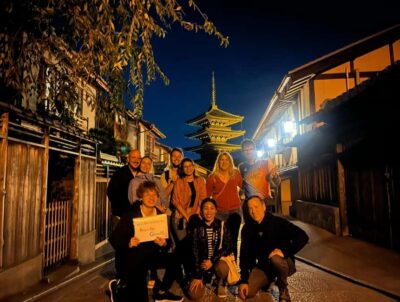
Gion Magical Night Walking Tour with Geisha Trivia
Read our review →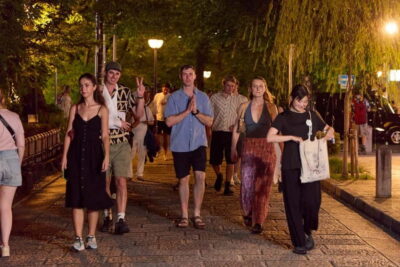
Gion Geisha District Walking Tour – Stories of Geisha
Read our review →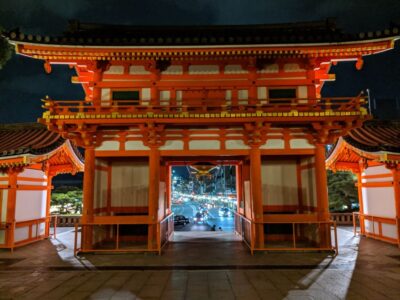
Best of Kyoto: Gion, Geisha, Pagodas & Cobblestones
Read our review →
Kyoto Night Foodie Tour in Gion (9+ dishes + 6 Sake tastings)
Read our review →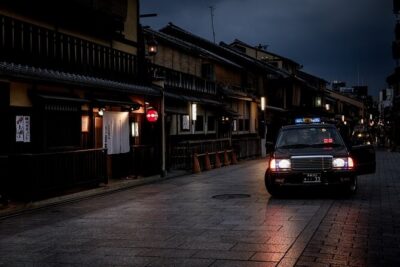
Kyoto Gion Geisha District Walking Tour – The Stories of Geisha
Read our review →
Kyoto Gion: 2-Hour Geisha Culture & History Walking Tour
Read our review →Also filed under