Reviewed · GION GEISHA QUARTER WALKS
Kyoto: Gion Night Walking Tour with Geisha Insight
Gion at night feels like a time machine. This 2-hour, small-group walk takes you through the geisha district with a guide so you do not waste time on maps. I especially liked the easy navigation and the geisha culture insight that helps you understand what you are actually looking at. One thing to keep in mind: a geisha sighting is not guaranteed, and the tour also focuses on respect and expectations in dim evening streets.
For the tour to work, you need to be okay with a bit of uncertainty. If you go hoping for constant photo moments, you might feel the lighting and the calm pace get in the way. If you come for the atmosphere, the backstreets, and the cultural context, it lands much better.
The group is capped at 15, you get a mobile ticket, and it starts at Tanaka Coffee Gion. You finish back where you began, which makes the evening plan simple.
In This Review
- Key things to know before you go
- Why a Gion night walking tour is worth your time
- Meeting point at Tanaka Coffee Gion, and how to not stress
- Hanamikoji Street, the geisha heart where you learn to look
- Shirakawa Canal after dark: the easy-to-miss photo angle
- Tatsumi Daimyojin Shrine: the quiet pocket of culture
- How to spot geisha and maiko, and how to respect the rules
- Shijo-Kawaramachi intersection: where Kyoto turns into the present
- Hidden backstreets and alley food vibes you can actually use
- Group size, timing, and why the route feels efficient
- Price and value: what $25 buys you in real terms
- Who this tour fits best
- What to do before and after the walk
- Should you book this Gion night walking tour?
- FAQ
- How long is the Kyoto Gion Night Walking Tour with Geisha Insight?
- What is the group size for this tour?
- Where does the tour start?
- Does the tour include admission?
- Is this a mobile ticket experience?
- What is the cancellation policy?
Key things to know before you go
- Small-group pacing with room for questions instead of a herd
- Hanamikoji Street and Shirakawa Canal after dark for classic Gion vibes
- Tatsumi Daimyojin Shrine tucked into the backstreets, not on every postcard route
- Practical geisha and maiko spotting tips, plus what not to do
- Shijo-Kawaramachi area contrast, from historic lanes to a busier Kyoto center
- Food recommendations you can act on right away without guessing
Why a Gion night walking tour is worth your time
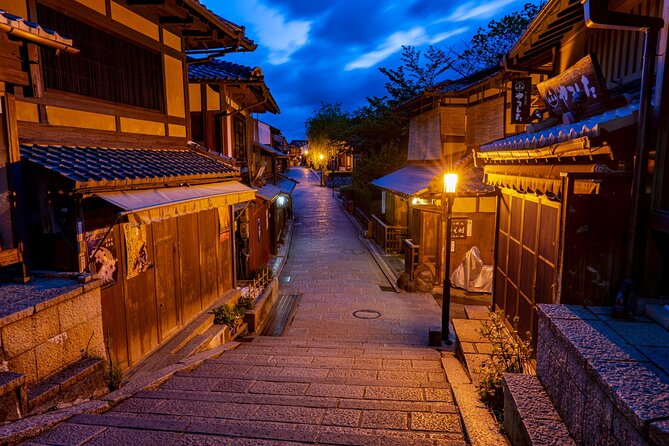
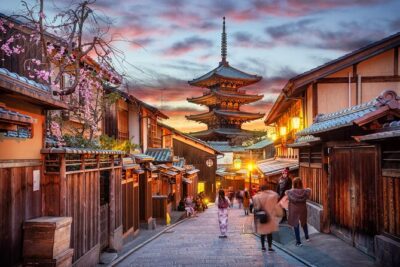
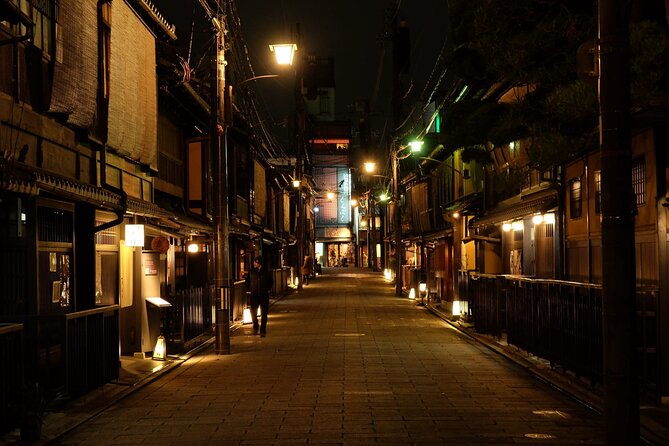
Kyoto’s Gion is pretty at any hour, but at night it changes tone. Lantern-lit lanes soften the crowds, and you can actually notice details like the woodwork, the canal edges, and the quiet etiquette around older streets.
This kind of tour works because you do not just walk. You get guided context, especially about geisha culture. That matters, because without the background, you might miss the meaning behind clothing, hair, movement, and the whole idea of appointments and timing.
I also like that the pace fits a short evening outing. Two hours is long enough to feel you did something real, but not so long that you end up hungry, tired, and grumpy in the middle of the best part.
Meeting point at Tanaka Coffee Gion, and how to not stress
The meeting spot is Tanaka Coffee Gion, Kyoto, in the Higashiyama Ward area. It is a good choice for an actual meetup because it is easy to recognize and likely to be active.
This also matters because the tour is not about transportation, it is about walking efficiently. If you arrive early, you can settle in, check you have the mobile ticket ready, and then start the walk with zero friction.
The tour returns to the meeting point at the end. That is a small detail, but it helps your evening planning. You can decide after the tour whether you want a relaxed dessert stop, a drink in the same neighborhood, or a short walk back to your base.
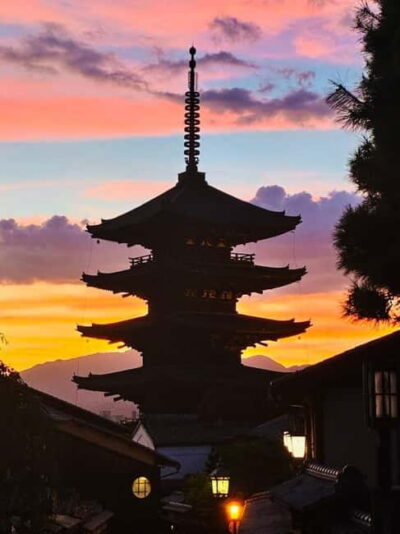
Lantern-lit streets of the geisha quarter
- Kyoto Geisha Walking Tour: Gion District & Hidden Gems
★ 4.7 · 3,273 reviews - Kyoto: Gion Magical Night Walking Tour with Geisha Trivia
★ 4.9 · 2,393 reviews - Kyoto: Gion Geisha District Walking Tour – Stories of Geisha
★ 4.7 · 2,187 reviews - Best of Kyoto: Gion, Geisha, Pagodas & Cobblestones
★ 4.9 · 2,058 reviews
Hanamikoji Street, the geisha heart where you learn to look
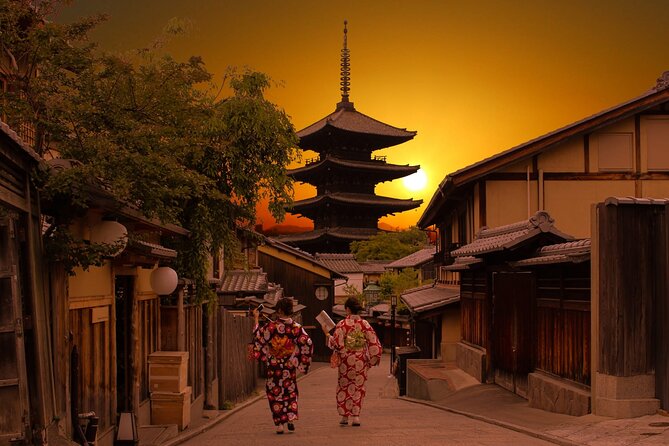
You start with Gion’s main stage: Hanamikoji Street. This is the famous lane lined with traditional wooden teahouses, the kind you only really understand once you are standing right there and moving at pedestrian speed.
The big value here is not that you see a pretty street. It is that your guide helps you read the scene. In this area, timing and behavior are part of the culture, so being aware from the start makes the whole night smoother.
As you walk, you also learn how guides think about the sights: what is a landmark versus what is background, what is historically significant, and why some parts feel quieter even while the street looks “busy” from a distance.
Shirakawa Canal after dark: the easy-to-miss photo angle
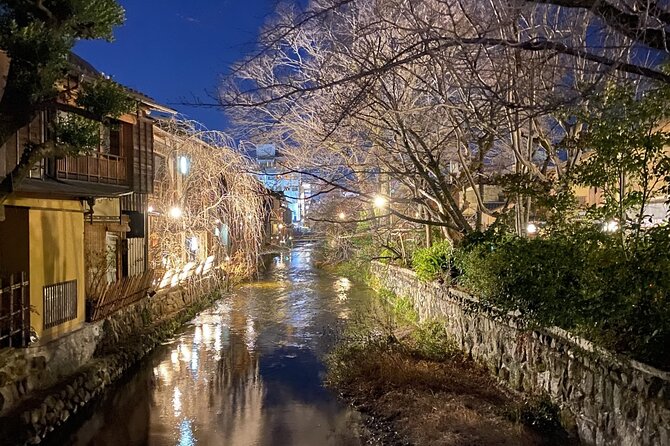
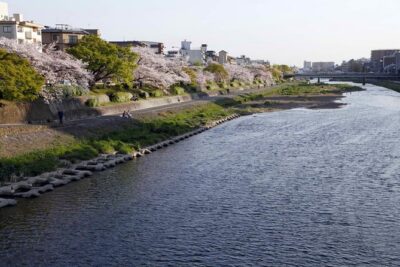
Next comes the Shirakawa Canal area, with stone-paved alleys, red bridges, and willow trees. Daytime is great, but at night you often get a more atmospheric look, with reflections and softer light.
What I like about this stop is the guidance on noticing the canal lanes. You do not just drift past water, you get pointed toward the lanes that connect the canal with the surrounding streets. That helps you avoid the common mistake of walking the obvious frontage and missing the quieter connections.
One practical note from how the tour is designed: it is a night walk. Some stretches can be dim, so keep your expectations realistic for low-light photos. Focus on what you are seeing in person, and let your camera be a bonus, not the main event.
Tatsumi Daimyojin Shrine: the quiet pocket of culture
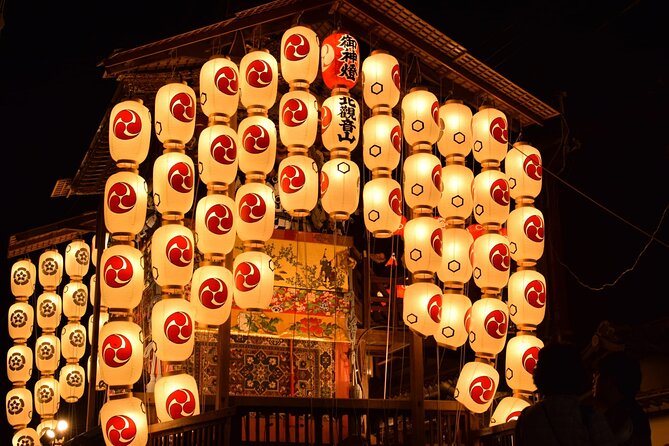
This is the kind of stop that makes a small tour feel worth it. Tatsumi Daimyojin Shrine is small, but culturally significant, and it sits tucked away in backstreets instead of on a major “always crowded” route.
A shrine stop at night also changes how you experience it. The rhythm is slower, and you can observe the atmosphere without daytime traffic washing everything out. Your guide’s context helps you understand why a less famous site still matters.
The main drawback here is also simple: you will be outside and walking between sights. Bring something warm enough for an evening in Kyoto, even if daytime felt mild.
How to spot geisha and maiko, and how to respect the rules
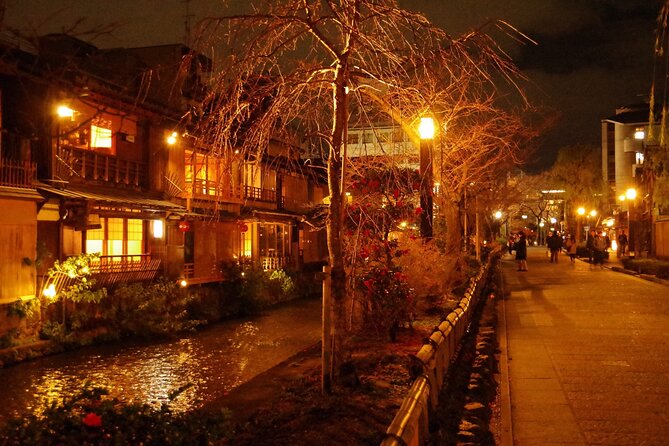
One of the tour’s standout promises is geisha culture insight, including how to spot real geisha and maiko. The goal is not to turn the night into a scavenger hunt. It is to help you recognize what you are seeing and understand how the system works.
You also get advice on what to watch for, and how spotting usually happens: with an eye on movement and the idea of evening appointments. The tour is also honest about luck, so do not count on a guaranteed sighting.
This matters for two reasons. First, you are more likely to notice something small but meaningful. Second, you are less likely to act in a way that disrupts people who are simply moving through their evening.
If you end up lucky, you may see someone heading to an appointment. If you do not, the lesson still pays off because the streets feel different once you can read the cues.
A quieter way to spend a day in Kyoto



Shijo-Kawaramachi intersection: where Kyoto turns into the present
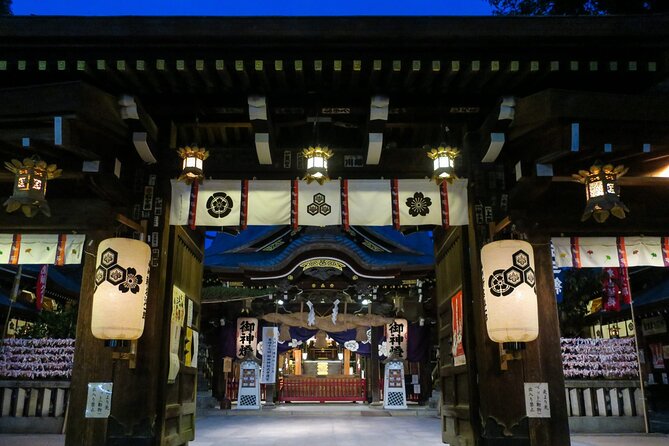
After Gion, you shift to Kawaramachidori around the Shijo-Kawaramachi intersection. This is where Kyoto’s historic edges meet a livelier urban core.
The contrast is the point. You get the older lanes and the tea-house atmosphere on one side, then you step into busier streets where modern Kyoto shows up clearly. It helps you understand that Kyoto is not frozen. It keeps changing, and that is part of the story.
Your guide shares stories about how the area evolved, which makes the walk feel like you are connecting dots instead of just collecting streets.
Hidden backstreets and alley food vibes you can actually use
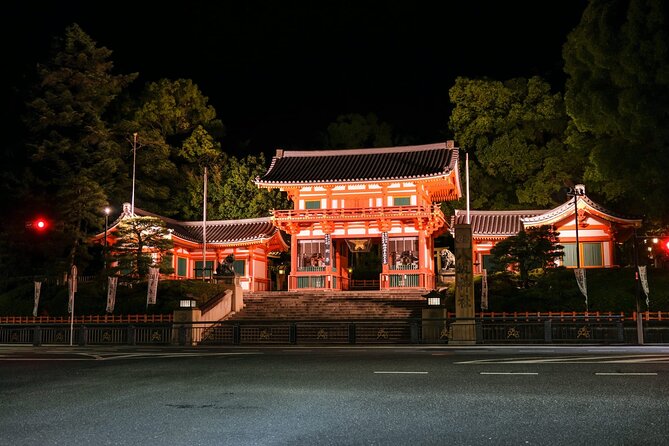
One of the most practical parts of the experience is the focus on hidden backstreets and alleys known more to locals than to typical daytime foot traffic. You move through lanes lined with cozy bars and eateries, plus older machiya houses.
Even better, you get insider recommendations on where to eat. That is the difference between a “see Kyoto” walk and a “you can eat well in Kyoto” plan. After the tour, you are not stuck wondering which spot is worth your time.
Use the guide’s suggestions to choose a place that matches your mood. If you want casual, go casual. If you want something more traditional, pick from the recommendations the tour points you toward.
Group size, timing, and why the route feels efficient
The group is capped at a maximum of 15. In practice, that is the sweet spot for a night walk. Big groups can feel rushed and make it hard to ask questions. Smaller groups keep the experience calm enough to notice details.
The duration is about 2 hours. That is a great length for a first-time Kyoto evening or for adding one more themed walk without sacrificing dinner plans.
It is also helpful that the tour uses a mobile ticket. You do not need to hunt for paper in the middle of an evening schedule.
Price and value: what $25 buys you in real terms
At $25 per person, this tour is priced like a focused experience, not a long, multi-stop excursion. The “value” comes from what is included and what you avoid.
You pay for:
- a guided walking tour
- insider recommendations on local eateries
- and admission tickets tied to the scheduled sites
You also get something less tangible but very real: you get a guide who helps you interpret the scene. In places like Gion, interpretation is often the difference between seeing things and actually understanding them.
If you are trying to do Gion on your own, you can, of course. But night navigation is not just about directions. It is about knowing what to look for and how to behave, and that is where the guide pays for themself.
Who this tour fits best
This is a strong fit if you:
- want a calmer, guided way to see Gion at night
- care about geisha culture context, not just sightseeing
- want food ideas without spending hours researching
- prefer small groups and a short evening plan
It can disappoint you less if you:
- understand that geisha sightings are luck-based
- are okay with dim lighting and a respectful pace
If you are traveling with kids, the tour is still possible for most people, but it is best for families who can handle walking and quiet etiquette. If you are the kind of traveler who needs constant action and guaranteed photo results, you may find it frustrating.
What to do before and after the walk
Before you go, plan your dinner timing. Since you end back at the meeting point, you can follow your guide’s food suggestions right away, or step into another nearby option while the night is still young.
After the walk, if you want more time in the area, keep it low-key. The best effect of this tour is that you learn how to look. Once you know what cues matter, even a short stroll can feel more rewarding.
A small tip: dress for night walking. Kyoto evenings can cool down, and you will be outside for the full 2 hours.
Should you book this Gion night walking tour?
If your goal is to experience Gion with context, this is an easy yes. The guide-led approach helps you avoid getting lost, and the geisha culture explanations make the district feel more meaningful. The price is reasonable for what you get, especially when you factor in the guided interpretation and the food recommendations.
It may not be the best choice if you need a guaranteed geisha sighting or lots of crisp night photos. Even the best plan cannot control timing, and the tour itself sets expectations that luck plays a role.
Based on what this experience is designed to deliver, I would book it if you are:
- doing Kyoto for the first time
- hungry for cultural understanding
- short on time but not on curiosity
One more note on quality: the tour has a very high recommendation rate and a strong average rating, which lines up with why the format works. A small-group night walk with real guidance is exactly the kind of low-stress, high-reward activity that makes a trip feel smoother.
FAQ
How long is the Kyoto Gion Night Walking Tour with Geisha Insight?
It lasts about 2 hours.
What is the group size for this tour?
The tour has a maximum of 15 travelers.
Where does the tour start?
It starts at Tanaka Coffee Gion, Kyoto, Higashiyama Ward, at the address listed for the meeting point.
Does the tour include admission?
Yes. Admission tickets are included for the scheduled stops.
Is this a mobile ticket experience?
Yes. It uses a mobile ticket.
What is the cancellation policy?
Free cancellation is available up to 24 hours before the experience for a full refund. Canceling later than 24 hours before the start time is not refundable.
More Walking Tours in Kyoto
New This Season
- Koyasan Day Trip by Private Car from Kyoto
- Old Port Town and Ultimate Sake Tasting Private Tour From Kyoto
- Kyoto’s Timeless Charm: 3hr Exploration of History and Peace
- Kyoto: 5 Types of Sushi Making
- Sacred Peak & Ancient Paths: Kurama-Kibune Hiking Experience
- Kyoto: Exclusive ZEN practice at Manpukuji temple in Uji
- Kyoto: Private Seasonal Aroma Yoga Class
- Traversing Kyoto’s Scenic West – Arashiyama to Kinkakuji
Gion Geisha Quarter Walks, compared.
Kyoto Geisha Walking Tour: Gion District & Hidden Gems
Read our review →
Gion Magical Night Walking Tour with Geisha Trivia
Read our review →
Gion Geisha District Walking Tour – Stories of Geisha
Read our review →
Best of Kyoto: Gion, Geisha, Pagodas & Cobblestones
Read our review →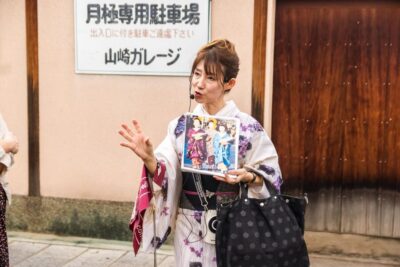
Kyoto Night Foodie Tour in Gion (9+ dishes + 6 Sake tastings)
Read our review →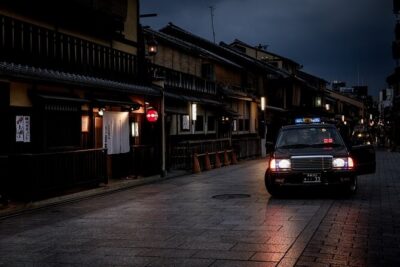
Kyoto Gion Geisha District Walking Tour – The Stories of Geisha
Read our review →