
Reviewed · GION GEISHA QUARTER WALKS
Kyoto Gion Private Tour with a Local Guide – Geisha District
Gion looks different when someone local leads. I love the private, one-on-one pace and the way the guide turns machiya houses and old teahouse facades into clear stories about geiko and maiko culture. I also like that the walk strings together several iconic spots, so you leave with street-level context instead of just names. One consideration: you cannot count on spotting geisha or maiko on demand, and crowds around the most popular corners can add friction.
This is a short, high-impact walking tour (about 2 to 3 hours) built around flexibility. You answer a pre-tour questionnaire, your host reaches out directly, and they tailor the route to your interests, whether that means history, food stops, shopping streets, or quiet photo time.
In This Review
- Key Points Worth Paying Attention To
- Start Smart at the Matsumoto Kiyoshi Meeting Point
- Gion’s Lantern Streets and Teahouse Clues
- A fair caution about crowds
- Yasaka Shrine: A Spiritual Anchor Between Neighborhoods
- Shinbashi Dori and Tatsumi Bridge, Willows and Local Rhythm
- Pontocho Alley Finale: Classic Kyoto Meets Night Energy
- Night tour note
- Price and Value: Is $101.57 Worth a Private Walk?
- What you are not paying for
- How to Get the Most From Your Guide (Names to Look For)
- Should You Book This Kyoto Gion Private Tour?
Key Points Worth Paying Attention To
- A guide who sets the tempo and keeps the experience private to your group
- Lantern-lit Gion plus a real shrine stop at Yasaka Shrine
- Street literacy for spotting how traditional ochaya and teahouse culture works
- Shinbashi Dori and Tatsumi Bridge for picturesque willow-lined Kyoto moments
- Pontocho Alley finale that balances classic atmosphere with lively evening energy
- Geisha sightings are not guaranteed, so go for understanding, not promises
Start Smart at the Matsumoto Kiyoshi Meeting Point
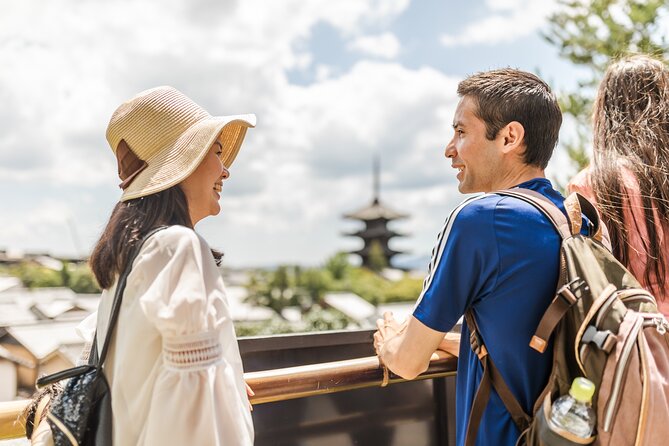
Your tour starts at Matsumoto Kiyoshi, Kyoto Shijo Kawaramachi (Hashimotochō, Shimogyo Ward). It is a handy landmark, and it also keeps things realistic. You are not spending the whole first hour figuring out where everyone meets, which matters a lot in Kyoto’s dense street grid.
Pickup is offered, but the tour is primarily a walking experience. That means you should plan for comfortable shoes and a bit of stamina, especially if you choose a slower pace that includes extra stops. The route can also use public transport or local taxis between sites if needed, with costs discussed after booking.
One small practical tip: if you care about certain photo angles or you want quieter streets, tell your guide early. A good guide can route you to the most comfortable side of the street, and that makes the difference between a relaxing walk and a shoulder-to-shoulder shuffle.
Gion’s Lantern Streets and Teahouse Clues
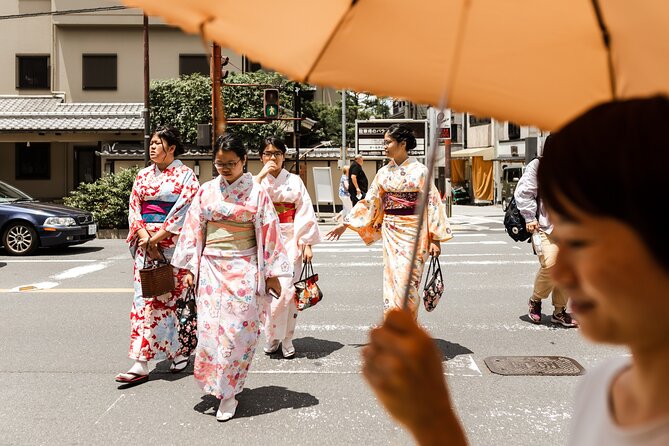
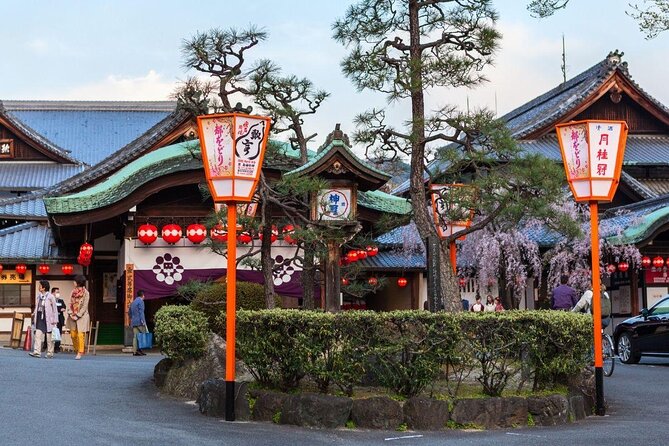
Gion is the reason many people come to Kyoto, and this tour treats it like more than a postcard. You walk through narrow, lantern-lit streets with traditional wooden machiya houses and the classic feeling of an older entertainment district. The guide points out subtle cultural markers that you would likely miss on your own, like what certain storefront styles and teahouse setups are signaling.
Here is what I think you will like most: you are not just passing by ochaya and historic teahouses. You get context for why these places mattered, how the district operates culturally, and how geiko and maiko traditions connect to the neighborhood. That kind of explanation turns a walk into something you can actually remember.
You also visit Gion’s most famous street, where well-preserved Edo-period architecture still shapes the way the area feels today. That matters because Kyoto is not only “old,” it is structured. Details like building proportions, street width, and lantern placement change the mood of what you see.
Lantern-lit streets of the geisha quarter
- Kyoto Geisha Walking Tour: Gion District & Hidden Gems
★ 4.7 · 3,273 reviews - Kyoto: Gion Magical Night Walking Tour with Geisha Trivia
★ 4.9 · 2,393 reviews - Kyoto: Gion Geisha District Walking Tour – Stories of Geisha
★ 4.7 · 2,187 reviews - Best of Kyoto: Gion, Geisha, Pagodas & Cobblestones
★ 4.9 · 2,058 reviews
A fair caution about crowds
Even with a private tour, you will be in the middle of a famous area. The most iconic sections can get busy, and that can limit how still your photos look. If you want the calm version of Gion, consider choosing a start time that avoids the worst crowd surge, and lean on your guide to adjust the route.
Yasaka Shrine: A Spiritual Anchor Between Neighborhoods
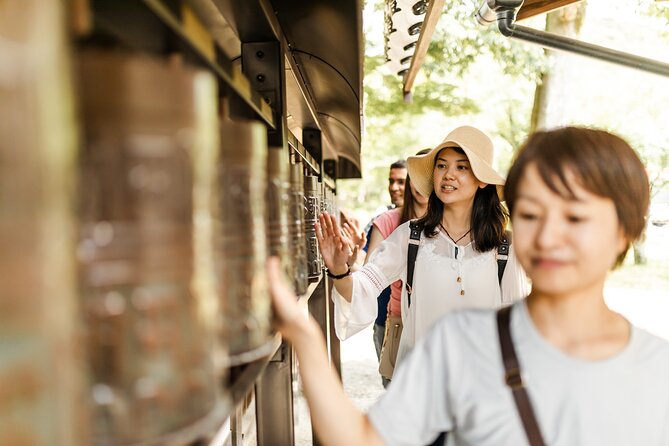
After the Gion walk, the itinerary takes you to Yasaka Shrine, a key Shinto landmark between Gion and Higashiyama. The shrine’s history spans over 1,300 years, and that age shows in the layered feel of the place. It is not just about architecture or a quick snapshot. It is about how Kyoto’s spiritual rhythm sits right inside everyday streets.
This stop is also useful for getting your bearings. Gion can feel like it is all lanterns and teahouses, but Yasaka Shrine adds a different lens. You start to understand why festivals and seasonal life matter in Kyoto, and why people keep coming back to this area century after century.
One practical note: shrines can have their own visitor flow, especially around festival periods. If you prefer quiet, tell your guide. A good guide can help you read the space, spot key viewpoints, and avoid rushing you through sacred areas.
Shinbashi Dori and Tatsumi Bridge, Willows and Local Rhythm
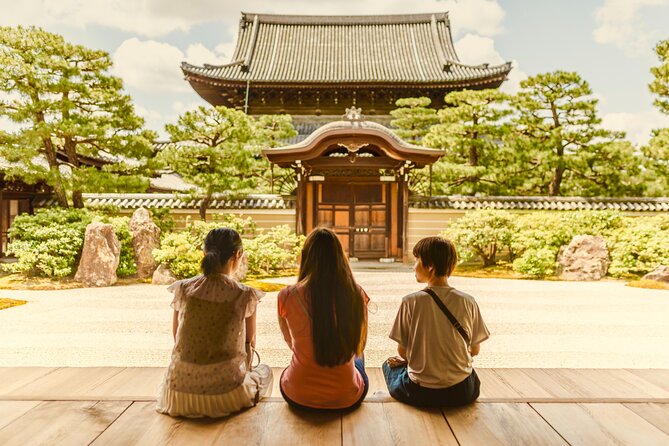
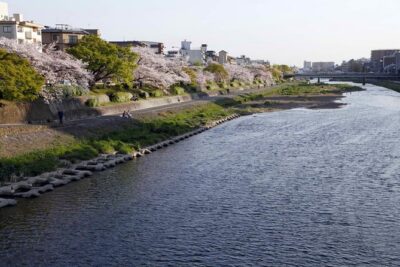
Next comes Shinbashi Dori, one of Kyoto’s most picturesque streets, framed by willow trees and traditional facades. This is one of those Kyoto stretches where you suddenly realize how much the city depends on small natural cues. The willows and the street edges give you that calm “Kyoto in motion” feeling, not just Kyoto in still photos.
Your guide then points you toward Tatsumi Bridge, a beloved photo spot with deep local significance. This is a good moment to slow down. If you have ever felt that Kyoto’s atmosphere is hard to describe, this is where the city becomes easier to understand. You are looking at a space that locals keep returning to, and the explanation helps you read the why.
A nice perk here is that your guide can steer you toward what matters most for your eyes. If you like architecture, you will focus on facades, lines, and how the street turns. If you care about culture, you will notice how daily life blends with the carefully preserved visual language of the area.
Pontocho Alley Finale: Classic Kyoto Meets Night Energy
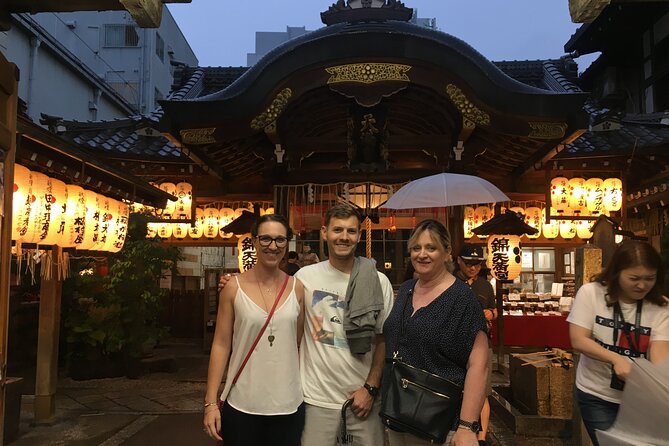
You end in Pontocho Alley, one of Japan’s oldest nightlife areas. The alley is narrow, so it feels intimate even when it is busy. Think traditional Kyoto charm paired with evening energy, with a maze of small bars and restaurants lining the way.
This finish is smart. Gion brings the traditional geisha district story, Yasaka Shrine adds the spiritual timeline, and Shinbashi Dori gives you the scenic street rhythm. Then Pontocho shows you what happens when the night comes and Kyoto’s social life steps forward.
Your host guides you through the alley rather than letting you wander with guesswork. That matters because Pontocho is easy to “see” but harder to understand. With the right context, you pick up on how the area functions, why it is shaped the way it is, and how people experience it after dark.
A quieter way to spend a day in Kyoto


Night tour note
One guest specifically noted they would have preferred a daytime version of this tour. That is a reasonable preference. If you are tired from jet lag or you want softer lighting for photos without night crowds, ask your guide about timing options when booking.
Price and Value: Is $101.57 Worth a Private Walk?
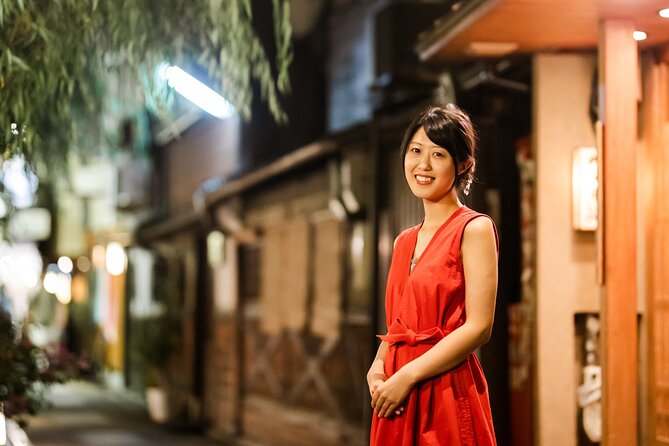
At $101.57 per person, this is not a budget stroll. But for Kyoto, it can be good value because you are buying three things at once: time with a private local guide, smart pacing across multiple highlights, and the cultural interpretation that turns scenery into meaning.
You also have flexibility built in. You can choose a preferred time when booking, and the tour can be tailored through a questionnaire. That is where the money gets real. If you care about certain parts of Gion, your guide can shape the route around that interest instead of treating it like a fixed checklist.
A strong theme from guides named in guest feedback is that the best versions of this tour are driven by the guide. People mentioned guides like Emi, Alexis, Olan, Nisa, Ai, Milo, Toga, Kenta, Takaya-san, Brenda, Michael, Ada, Tess, and Kokoro. The takeaway for you is simple: this experience lives or dies by guide quality, so use the pre-tour questionnaire to say what you want, and be explicit about what you do not.
What you are not paying for
You are not paying for meals, attraction tickets, or private vehicle transport. Transportation between sites may use public transport or taxis if needed, at additional cost. If you expect food included or geisha guaranteed on cue, you may feel the price more sharply.
How to Get the Most From Your Guide (Names to Look For)
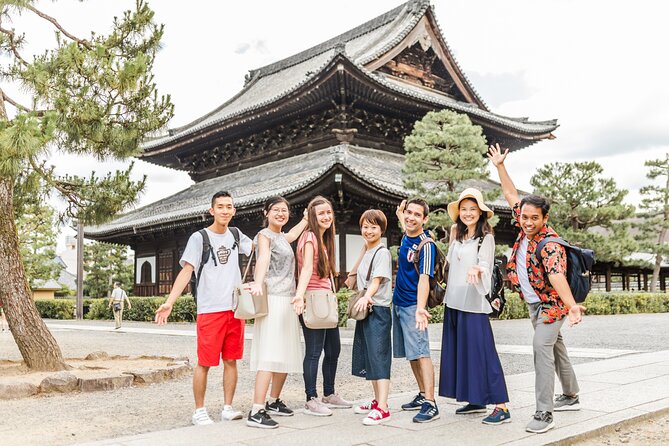
This tour is designed to be customized. After booking, you get a short questionnaire to share your interests and must-sees, and your host personally reaches out to craft the itinerary.
Use that. If you want more focus on shrine culture, say so. If you care about machiya architecture and teahouse signs, say that clearly. If you want a more relaxed walk with fewer stops, say that too. One key lesson from guest feedback is that guides who adjust well often make the whole tour feel smoother and more satisfying.
It also helps to set expectations about geisha or maiko sightings. The tour centers on the geisha district and the historic entertainment district setting. Sightings can happen, and some guests reported seeing a maiko. But street encounters depend on timing, privacy rules, and what is happening that night or day. So treat this as a tour of understanding and atmosphere, not a guaranteed meet-and-greet.
Should You Book This Kyoto Gion Private Tour?
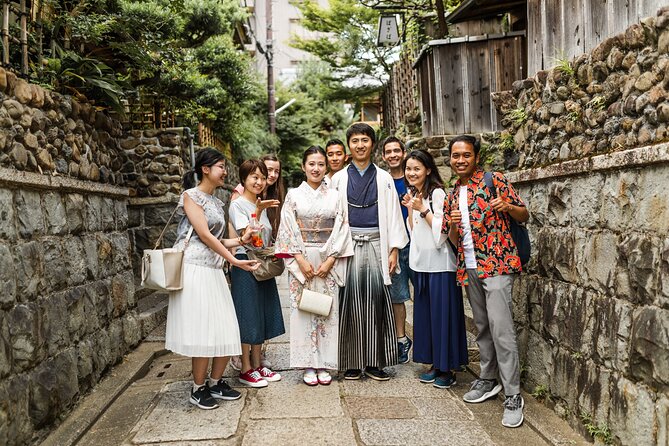
Book it if you want a guided walk that helps you read Gion. You will get more from lantern-lit streets, machiya houses, ochaya culture cues, Yasaka Shrine, and Pontocho Alley when someone explains what you are seeing in plain language.
Skip it or adjust expectations if you mainly want a guaranteed geisha sighting, or if you hate crowds and prefer places that are less famous. Also, if you are very short on energy, remember this is a walking experience, not a seated tour.
My practical advice: book it, then work with the questionnaire. Tell your guide exactly what you want to learn and photograph. If you do that, this tour can feel like Kyoto is finally giving you the storyline, not just the scenery.
New This Season
- Koyasan Day Trip by Private Car from Kyoto
- Old Port Town and Ultimate Sake Tasting Private Tour From Kyoto
- Kyoto’s Timeless Charm: 3hr Exploration of History and Peace
- Kyoto: 5 Types of Sushi Making
- Sacred Peak & Ancient Paths: Kurama-Kibune Hiking Experience
- Kyoto: Exclusive ZEN practice at Manpukuji temple in Uji
- Kyoto: Private Seasonal Aroma Yoga Class
- Traversing Kyoto’s Scenic West – Arashiyama to Kinkakuji
Gion Geisha Quarter Walks, compared.
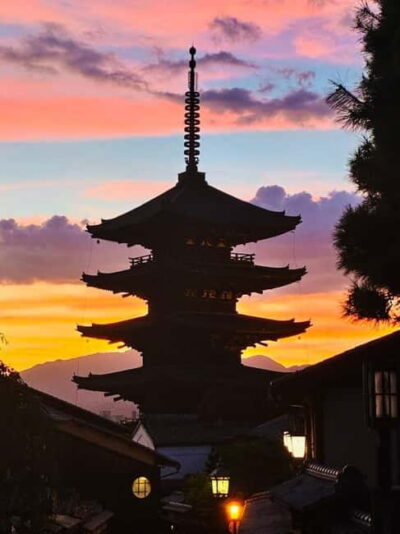
Kyoto Geisha Walking Tour: Gion District & Hidden Gems
Read our review →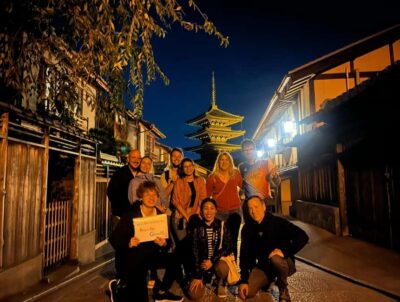
Gion Magical Night Walking Tour with Geisha Trivia
Read our review →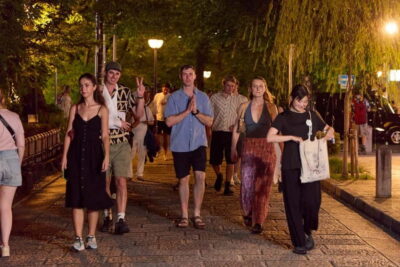
Gion Geisha District Walking Tour – Stories of Geisha
Read our review →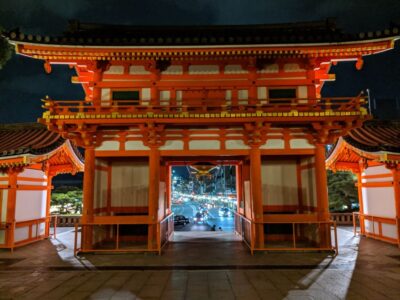
Best of Kyoto: Gion, Geisha, Pagodas & Cobblestones
Read our review →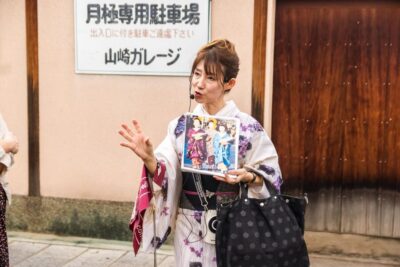
Kyoto Night Foodie Tour in Gion (9+ dishes + 6 Sake tastings)
Read our review →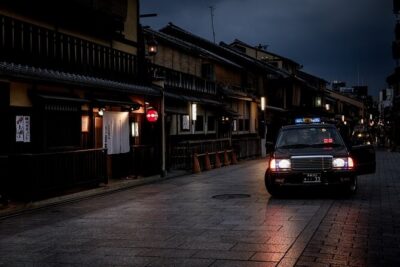
Kyoto Gion Geisha District Walking Tour – The Stories of Geisha
Read our review →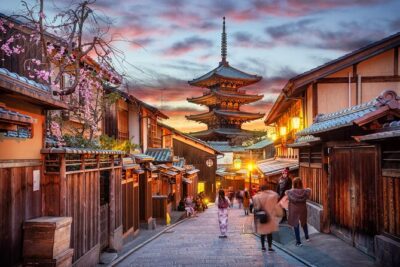
Kyoto Gion: 2-Hour Geisha Culture & History Walking Tour
Read our review →Also filed under