
Reviewed · GION GEISHA QUARTER WALKS
Kyoto Gion Walking Tour Discovering the Secret World of Geisha
Kyoto’s Gion feels like a living stage. This 1 hour 50 minute walk pairs English guidance with classic Kyoto streets, from Pontocho lantern alleys to Gion’s famous lanes, and it frames what you see around geisha culture. I especially liked how the guide kept things relaxed and friendly, even engaging kids while still teaching grown-ups a lot about Japanese culture.
You’ll also get a practical chance to look for geisha or maiko heading to evening appointments as you move between viewpoints like Hanamikoji Street. One thing to plan for: it is a walking tour and it is not wheelchair accessible, so comfortable shoes and weather-ready clothing matter.
In This Review
- Key Things To Know Before You Go
- Why This Gion Walk Works (Even If You Only Have 2 Hours)
- Pontocho Lantern Alleys and the Feeling of Historic Kyoto
- The Kamo River Connection, plus Izumo no Okuni’s Artistic Legacy
- Minamiza and Kabuki Theater Heritage in Kyoto
- Gion Shirakawa: Canal Quiet and Machiya Townhouse Atmosphere
- Hanamikoji Street: Where Geisha and Maiko Sightings Are Possible
- Yasaka Shrine: A Spiritual Reset for the District
- Price and Value: What $31.30 Gets You in Real Terms
- Who This Tour Suits Best (and Who Should Skip It)
- Should You Book This Gion Geisha Walking Tour?
- FAQ
- How long is the Kyoto Gion Walking Tour?
- How much does the tour cost?
- Is the tour ticket digital?
- Where does the tour start and where does it end?
- Is the tour wheelchair accessible?
- What should I wear?
Key Things To Know Before You Go
- Small group (max 12 travelers) means the guide can move at a human pace and answer questions without rushing you.
- Mobile ticket keeps things simple on the day, and you do not need to hunt down paper passes.
- A “private appointment” rhythm in Gion means you may spot geisha or maiko on the move, but nothing is guaranteed.
- Lots of stops, little time pressure: Pontocho, the Kamo River area, Gion Shirakawa, Hanamikoji, and Yasaka Shrine fit into under 2 hours.
- Kabuki heritage is part of the story here, with Minamiza and UNESCO-backed cultural recognition included in the route.
Why This Gion Walk Works (Even If You Only Have 2 Hours)
Gion can be crowded, and that can make the whole area feel like an outdoor photo set. This tour avoids that problem by keeping a tight route and a clear focus, so you know what you’re looking at and why it matters.
The best part is the pacing. With a small group of up to 12, you can actually slow down for side streets, wooden machiya townhouses, and the traditional atmosphere of teahouse areas. You also end up with a better sense of how Gion’s culture functions day to night, instead of just memorizing names.
Pontocho Lantern Alleys and the Feeling of Historic Kyoto
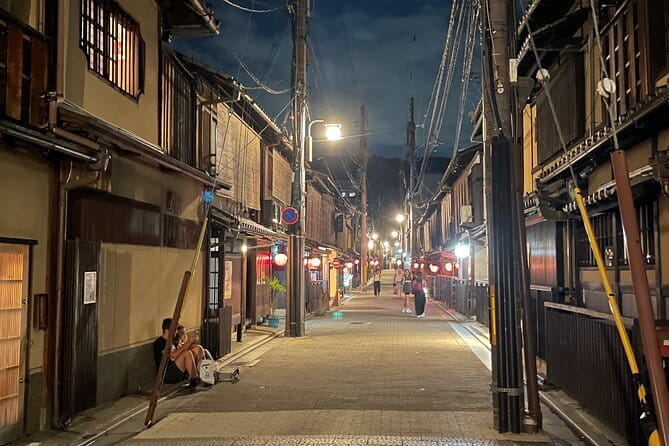
Your walk starts in the Pontocho district, one of Kyoto’s most atmospheric areas along the Kamo River. Expect narrow, lantern-lit alleyways and traditional wooden buildings, with a strong connection to teahouses and geisha culture.
Here’s why this stop matters for your understanding: Pontocho is the kind of place where geography shapes lifestyle. The lanes are tight, the storefronts and facades are built to face the street, and the river creates an easy reference point for orientation. When the guide explains what you’re seeing, it clicks faster because the setting already feels familiar and human scale.
A practical note: this is a “look closely” zone. If you arrive distracted, you might miss the small architectural tells that distinguish machiya-style townhouses and teahouse frontage from modern streets nearby.
Lantern-lit streets of the geisha quarter
- Kyoto Geisha Walking Tour: Gion District & Hidden Gems
★ 4.7 · 3,273 reviews - Kyoto: Gion Magical Night Walking Tour with Geisha Trivia
★ 4.9 · 2,393 reviews - Kyoto: Gion Geisha District Walking Tour – Stories of Geisha
★ 4.7 · 2,187 reviews - Best of Kyoto: Gion, Geisha, Pagodas & Cobblestones
★ 4.9 · 2,058 reviews
The Kamo River Connection, plus Izumo no Okuni’s Artistic Legacy
Next you head to the Kamogawa River area. This is where the tour brings in Izumo no Okuni, a 17th-century performer and the founder of kabuki theater.
The point of this segment is not just name recognition. You learn how performance history connects to a place, including the story that Okuni may have started performing her new art style of kabuki on the dry riverbed of the Kamo River. That kind of origin detail makes the later kabuki stop feel less like trivia and more like a continuation.
If you like cultural context, this is one of the stronger moments. It helps you connect Kyoto’s “arts you watch” tradition to the spaces you’re walking through now.
Minamiza and Kabuki Theater Heritage in Kyoto
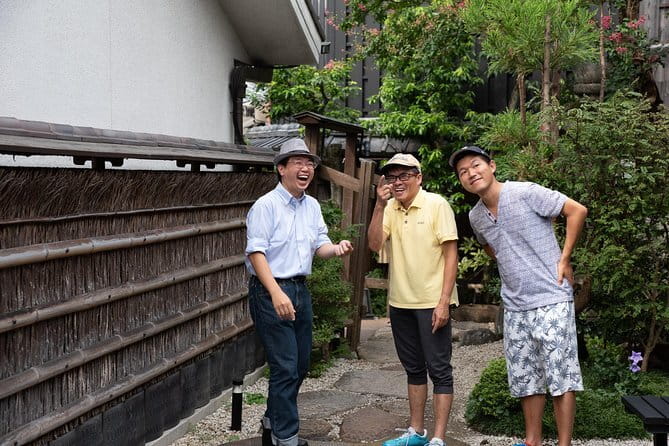
The tour includes a stop tied to Minamiza, founded in 1610 as one of the first officially licensed kabuki theaters in Japan. The current theater building dates to 1929, so you’re seeing a later chapter of an older tradition.
Kabuki itself is described as a traditional theater art known for elaborate costumes, dramatic storytelling, and stylized performances. It originated in the 17th century and blends dance and drama, which is a helpful way to remember what makes kabuki feel different from straight theater.
One of the most concrete “why it’s worth knowing” bits here is the UNESCO recognition. In 2005, kabuki was proclaimed as an intangible heritage with outstanding universal value, and in 2008 it was inscribed on the UNESCO Representative List of the Intangible Cultural Heritage of Humanity.
Even if you’ve never seen kabuki, this stop gives you vocabulary for what you might notice later: the focus on performance style, visual presentation, and narrative drama. And because it’s folded into a walking route in Gion, it avoids the common problem of separating “theater culture” from “street culture.” In Kyoto, they overlap more than you’d expect.
Gion Shirakawa: Canal Quiet and Machiya Townhouse Atmosphere
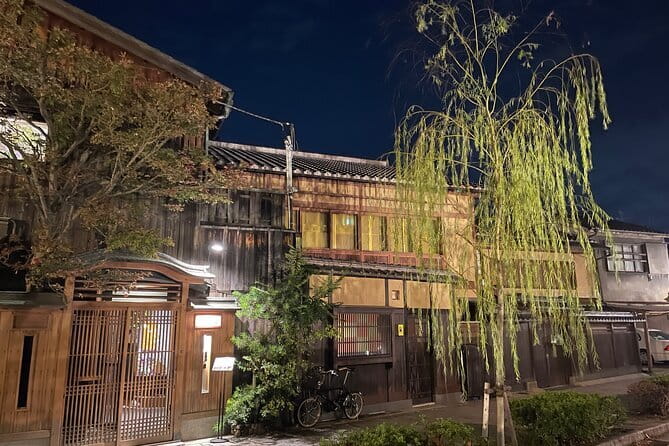
Then you move into Gion Shirakawa, a scenic area known for a serene canal lined with weeping willows and stone-paved streets. The tour spotlights machiya townhouses, many associated with exclusive teahouses where geisha and maiko entertain clients with refined music, dance, and conversation.
What I like about this stop is the contrast. After the more story-driven moments around performance history, Shirakawa gives you a quieter, more atmospheric section of the route. The canal and stone paving help you slow your brain down, and the guide’s explanations make the area feel purposeful rather than just pretty.
A drawback to keep in mind: because this area is so photo-friendly, you can run into slow-moving crowds in peak times. The tour helps by keeping your group together and guiding you toward the best vantage points without turning it into a sprint.
Hanamikoji Street: Where Geisha and Maiko Sightings Are Possible
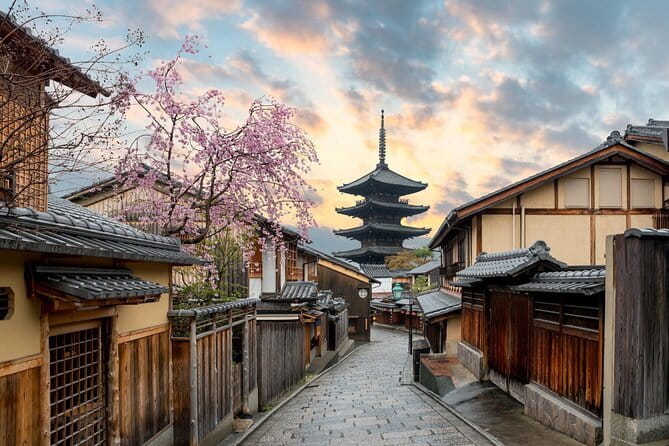
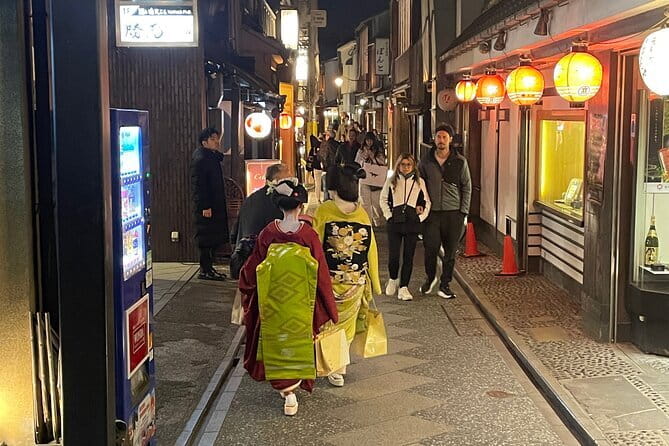
Hanamikoji Street is the heart of Gion. It’s lined with preserved machiya townhouses and exclusive teahouses where geisha and maiko perform traditional arts for private guests.
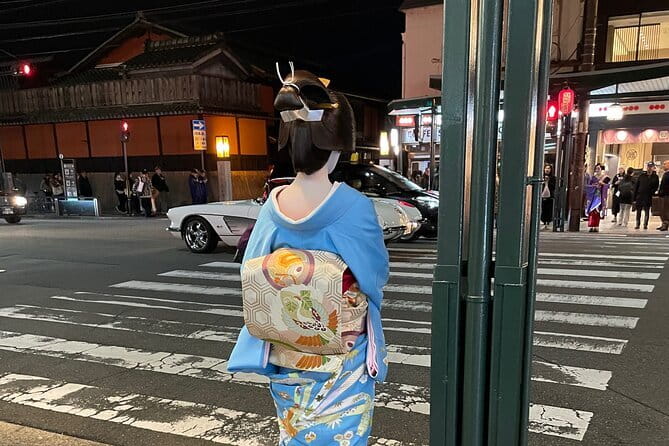
This is also the segment where you may catch a glimpse of an elegantly dressed geisha or maiko hurrying between appointments. The tour’s key advantage here is timing awareness. You learn to watch for the logic of the route and the flow of foot traffic, instead of staring at every person you see.
Even if you do not spot anyone, the street itself teaches you something. The stone-paved path, lantern-lit feel, and tightly maintained facades show how Gion preserves tradition through everyday design choices. When your guide frames those details, you start noticing the difference between a tourist “Gion postcard” and the actual functioning district.
A quieter way to spend a day in Kyoto




Yasaka Shrine: A Spiritual Reset for the District
The final major stop is Yasaka Shrine, a Shinto shrine in Gion founded over 1,350 years ago. The tour notes its role in festivals, including the famous Gion Matsuri, and explains that geisha often visit to pray for success in their art and well-being.
This stop gives you a fuller picture of Gion than entertainment alone. It connects the arts culture to daily spiritual practice, which is part of what makes the district feel coherent rather than staged. Even if you’re not deeply religious, you can appreciate how tradition shapes behavior.
One practical consideration: shrines can mean changing light and more space for groups to gather. Keep your pace steady, and let the group regroup so you don’t get left behind on the flow back toward your starting point.
Price and Value: What $31.30 Gets You in Real Terms
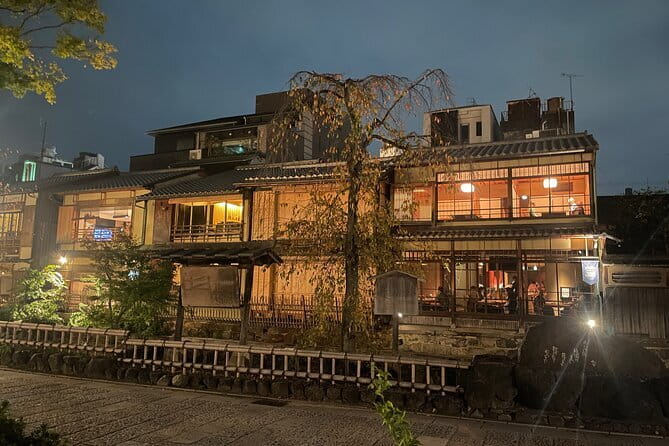
At $31.30 per person, this tour is priced like a budget-friendly way to get structure in a complex area. The value comes from what is included: a professional, friendly English-speaking guide and a route that connects street-level scenes to specific cultural references.
The duration, about 1 hour 50 minutes, also matters. You get multiple high-signal stops without burning half a day. If you’re building a Kyoto plan and you want Gion without turning it into an all-day commitment, this time box is a smart fit.
The small group size (maximum 12) adds another layer of value. It supports a more relaxed atmosphere, and it makes it easier to hear explanations at each stop, especially in tight lanes where sound can carry poorly.
Who This Tour Suits Best (and Who Should Skip It)
This tour is a great match if you want Gion with context, not just sightseeing. It’s also ideal if you like the arts angle, since you get the kabuki thread through Izumo no Okuni and Minamiza, along with the UNESCO recognition the tour calls out.
It’s also a solid pick for families. One review highlighted how the guide kept a relaxed tone and engaged children, which suggests the pacing is thoughtful and not purely lecture-based.
You should consider skipping or pairing it with something else if you hate walking or need wheelchair access, since it is not wheelchair accessible and you should plan on comfortable walking shoes.
Should You Book This Gion Geisha Walking Tour?
Book it if you want a focused, small-group Gion introduction that connects the dots between streets, performance culture, and shrine traditions. At this price, it’s a straightforward way to get an expert-guided route through Pontocho, Gion Shirakawa, Hanamikoji Street, and Yasaka Shrine, plus the kabuki story that gives the whole day extra meaning.
Skip it if you prefer long, self-guided wandering with no structured cultural stops, or if mobility limits make a walking tour a bad idea. For most visitors who want clarity, good pacing, and a realistic shot at seeing geisha or maiko on the move, this is a strong use of your time.
FAQ
How long is the Kyoto Gion Walking Tour?
The tour lasts about 1 hour 50 minutes.
How much does the tour cost?
It costs $31.30 per person.
Is the tour ticket digital?
Yes, it uses a mobile ticket.
Where does the tour start and where does it end?
It starts at 105-1 Hashimotochō, Shimogyo Ward, Kyoto, 600-8011, Japan, and it ends back at the meeting point.
Is the tour wheelchair accessible?
No, the tour is not wheelchair accessible.
What should I wear?
Wear comfortable walking shoes, since this is a walking tour. Service animals are allowed, and it is near public transportation.
New This Season
- Koyasan Day Trip by Private Car from Kyoto
- Old Port Town and Ultimate Sake Tasting Private Tour From Kyoto
- Kyoto’s Timeless Charm: 3hr Exploration of History and Peace
- Kyoto: 5 Types of Sushi Making
- Sacred Peak & Ancient Paths: Kurama-Kibune Hiking Experience
- Kyoto: Exclusive ZEN practice at Manpukuji temple in Uji
- Kyoto: Private Seasonal Aroma Yoga Class
- Traversing Kyoto’s Scenic West – Arashiyama to Kinkakuji
Gion Geisha Quarter Walks, compared.
Kyoto Geisha Walking Tour: Gion District & Hidden Gems
Read our review →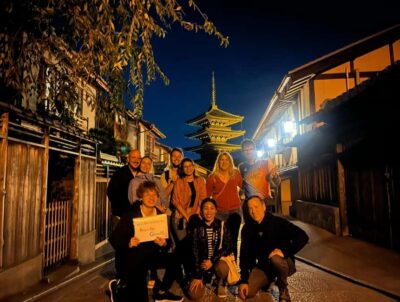
Gion Magical Night Walking Tour with Geisha Trivia
Read our review →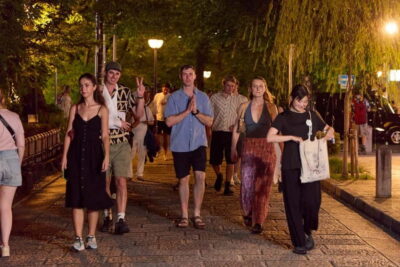
Gion Geisha District Walking Tour – Stories of Geisha
Read our review →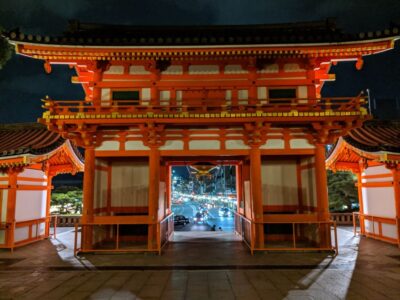
Best of Kyoto: Gion, Geisha, Pagodas & Cobblestones
Read our review →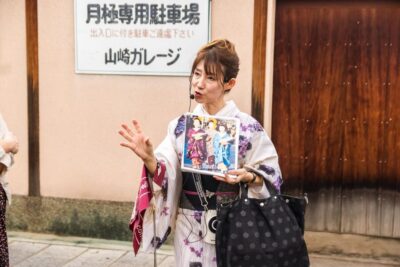

Kyoto Night Foodie Tour in Gion (9+ dishes + 6 Sake tastings)
Read our review →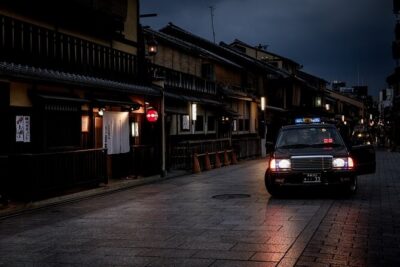
Kyoto Gion Geisha District Walking Tour – The Stories of Geisha
Read our review →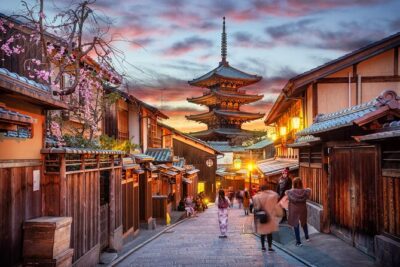
Kyoto Gion: 2-Hour Geisha Culture & History Walking Tour
Read our review →Also filed under