
Reviewed · GION GEISHA QUARTER WALKS
Kyoto: Gion Walking Tour for First-Time Visitors
Old Kyoto starts with a short walk. In two hours, you’ll move through Gion and end at Yasaka Shrine, learning what you’re seeing and why it matters.
I love the focused route that pairs Yasaka Shrine gardens with the charm of Ninenzaka and I like the small, timed stops that keep you moving while still giving you enough time to look closely. You’ll also get an easy on-ramp to Kyoto culture without turning the day into a marathon.
One consideration: it is not suitable for wheelchair users or people with mobility impairments, so expect constant walking. Bring comfortable shoes and plan to keep up with the group pace.
In This Review
- Key highlights worth showing up for
- A 2-hour Gion loop built around Yasaka Shrine
- Starting at Kyoto Tourist Lounge Gion, then letting the guide lead
- Gion’s first segment: learning how the neighborhood “reads”
- Kenninji Temple in 15 minutes, what to watch for
- The short guided stop you should not skip
- Photo stops in the old streets: where timing helps
- Ninenzaka cobblestones and teahouses, the “walk like a local” lane
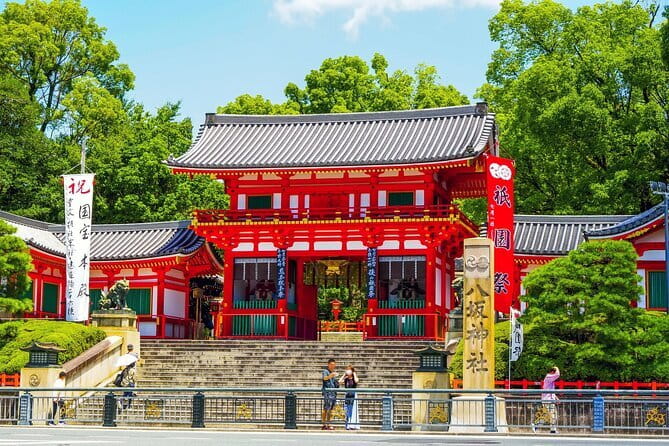
- Yasaka Shrine gardens and vermilion torii gates: the highlight payoff
- Price and value: why $22 makes sense for first-timers
- What to bring and what to avoid on this walk
- The pacing and group experience, and who it suits best
- Should you book this Kyoto Gion walking tour with Yasaka Shrine?
Key highlights worth showing up for
- Yasaka Shrine gardens and the calm break from the Gion streets
- Vermilion torii gates that make great photo framing
- Kenninji Temple in a tight, guided 15 minutes
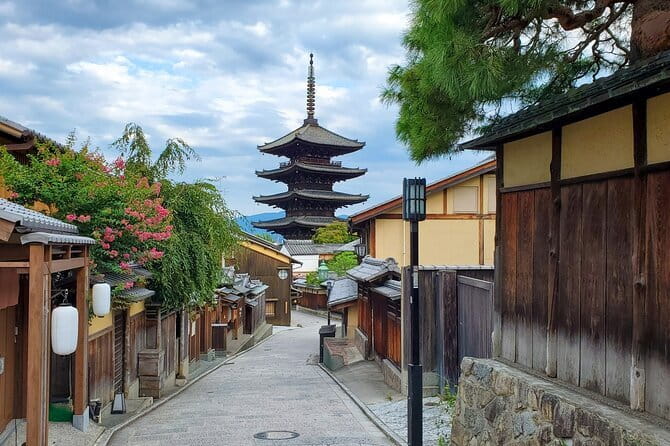
- Ninenzaka cobblestones with teahouses, craft shops, and snackable stops
- Susanoo, the god of storms explained in a way that connects to what you see
A 2-hour Gion loop built around Yasaka Shrine
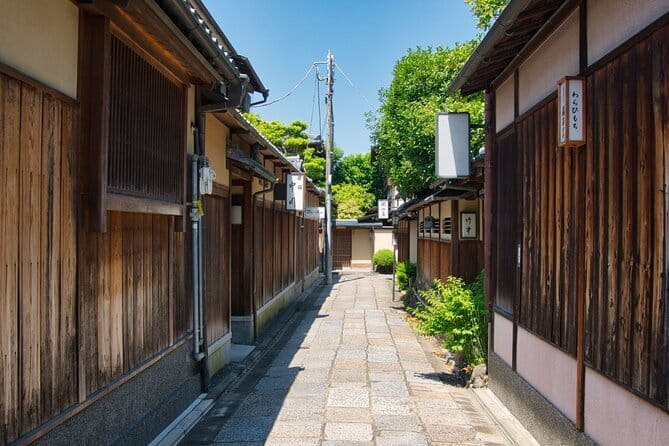
This tour is the kind of Kyoto introduction that helps you stop guessing and start noticing. Two hours sounds short, but the route is built around three high-impact areas: Gion, Ninenzaka, and Yasaka Shrine.
The big win is how the guide turns scenery into story. You’re not just taking photos, you’re learning what the places mean, including the shrine dedication to Susanoo, the god of storms. That gives your walk a thread, so it feels like a single experience rather than random sightseeing.
If you’re a first-time visitor, this is also a smart way to get bearings fast. Gion can feel like a postcard maze, and Ninenzaka gets busy. Having a plan keeps you from spending your time circling the same blocks.
Starting at Kyoto Tourist Lounge Gion, then letting the guide lead
You meet at the Kyoto Tourist Lounge Gion. It’s a good anchor point because it’s designed for visitors, so you spend less effort trying to coordinate meetups and more time on the streets.
From there, the group heads into Gion right away. The early minutes matter because that’s when you learn the local rhythm for walking, looking, and where to stand for good views. It also helps you get comfortable with the area before you reach the more photogenic lanes.
English is the working language, so you can ask quick questions and follow along without needing guesswork. One thing I really appreciate in a short tour like this is that the guide does not treat the group like background noise.
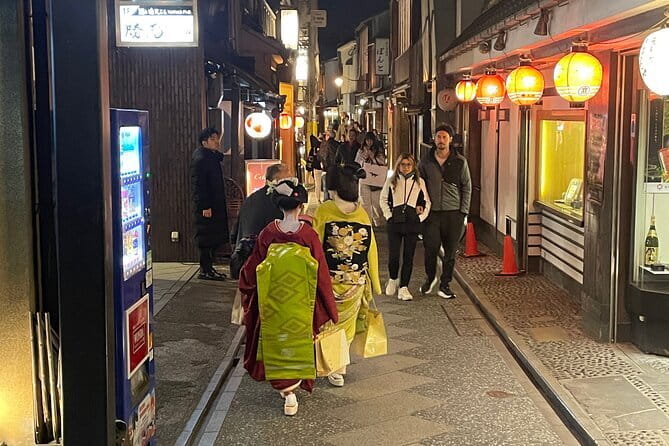
Lantern-lit streets of the geisha quarter
- Kyoto Geisha Walking Tour: Gion District & Hidden Gems
★ 4.7 · 3,273 reviews - Kyoto: Gion Magical Night Walking Tour with Geisha Trivia
★ 4.9 · 2,393 reviews - Kyoto: Gion Geisha District Walking Tour – Stories of Geisha
★ 4.7 · 2,187 reviews - Best of Kyoto: Gion, Geisha, Pagodas & Cobblestones
★ 4.9 · 2,058 reviews
Gion’s first segment: learning how the neighborhood “reads”
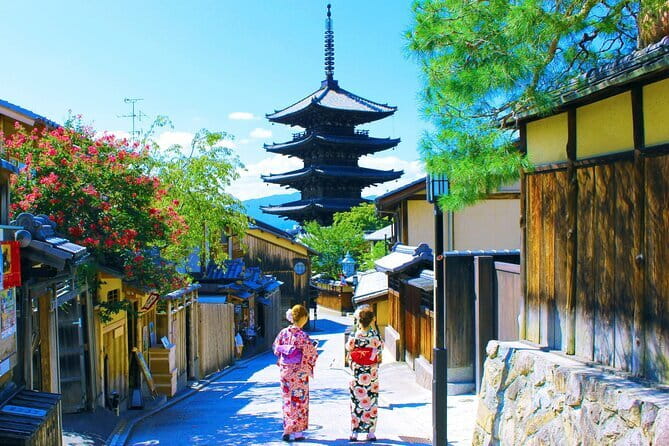
The first guided portion is focused, about 15 minutes, and it’s meant to set context. Gion is famous for traditional scenery, but the details are what make it click: the layout of lanes, the way buildings face the street, and the sense of everyday life next to Kyoto’s heritage image.
This is where the tour is at its best for beginners. You learn what to pay attention to while you still have energy, so later stops feel easier instead of overwhelming.
You may also notice the guide adjusting the pace based on foot traffic. That can make a difference, because Gion can get crowded. A good pacing strategy keeps you from feeling rushed when you find something you actually want to photograph.
Kenninji Temple in 15 minutes, what to watch for
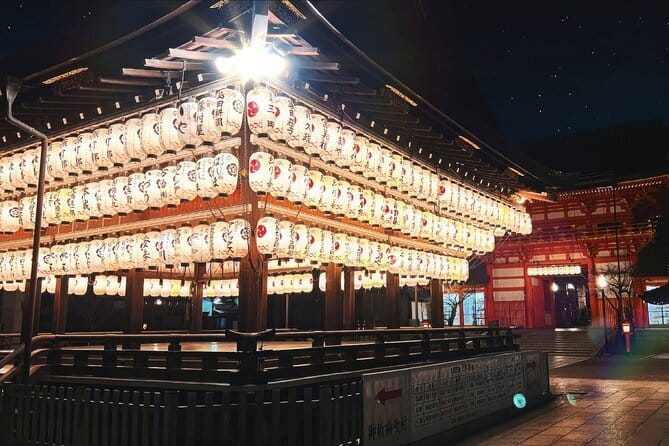
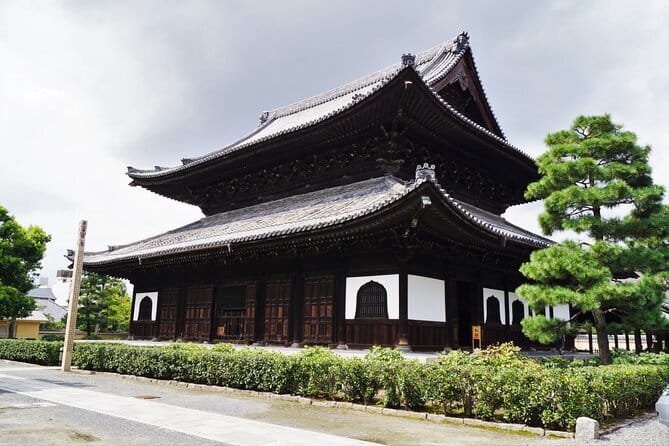
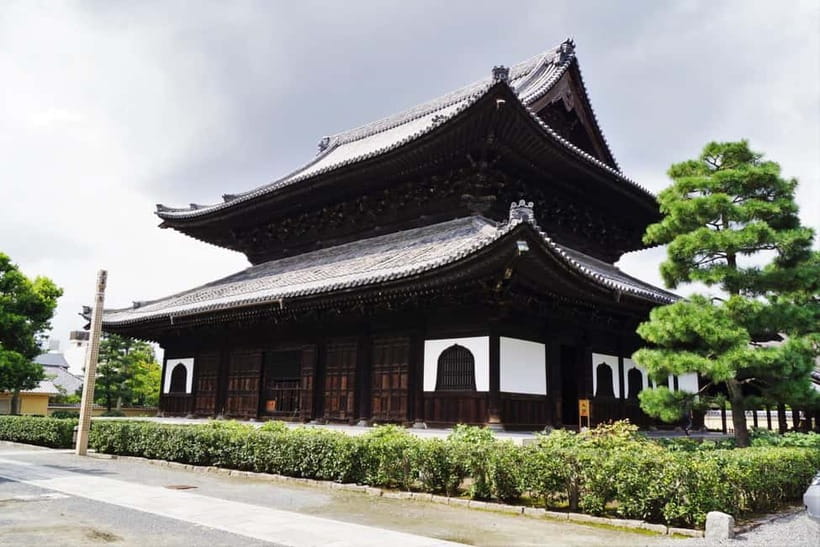
Kenninji Temple gets a guided visit of about 15 minutes. In a short window, you cannot absorb everything, so the value here is guidance on what matters most, not trying to see everything.
Think of this stop as a reset in mood. Temples tend to slow your senses down, even if you’re still walking. With a guide, you also get help understanding the visual cues, which often makes the place feel far more meaningful than a quick look would.
A well-run temple stop also helps you avoid common tourist mistakes, like spending too long on photos and not enough time reading the scene. When you arrive for this kind of stop, I recommend you keep your camera ready but stay present first. Let the guide point out what to notice, then shoot.
The short guided stop you should not skip
After Kenninji Temple, there is another visit and guided segment of about 15 minutes. The specific spot is part of the route’s logic, and in practice these in-between stops are what prevent the tour from feeling like a checklist.
This is often where you pick up “small facts” that make the later sights click. For example, understanding how the streets and landmarks connect, or getting a quick cultural note that changes how you interpret signs, shrines, or architectural details.
In a two-hour tour, you get the greatest payoff when you treat every segment as a mini-lesson. If you mentally skip one stop, you usually feel it later when your context suddenly disappears.
Photo stops in the old streets: where timing helps
You’ll have a photo stop as part of the guided flow. Another photo stop happens later near Yasaka Shrine, and these are useful because they’re timed when you can actually frame the scene.
A quick note for your camera planning: Kyoto’s beauty can be very reflective. Bright day glare can wash out details, especially around gates and stone surfaces. If you can, aim for softer light, or at least adjust your exposure so vermilion and wood tones stay true.
The guide also helps you stand in places where your photos do not block foot traffic. That’s a small kindness that often also gives you a better view, because you’re not shooting from awkward angles.
A quieter way to spend a day in Kyoto

Ninenzaka cobblestones and teahouses, the “walk like a local” lane
Ninenzaka is the postcard moment that also delivers practicality. It’s a cobblestone street lined with teahouses and artisan shops, and the tour gives you about 15 minutes with a photo stop.
This is a great lane to slow down a little. Cobblestones make walking feel different, and you’ll start noticing the way buildings and storefronts hug the street. It’s also where you can scan for small gifts and everyday sweets if you want snacks, because the design of the area is made for strolling.
Since the tour includes guided time here, you’ll know what to look for instead of just drifting. I like that approach because it keeps you from getting stuck trying to read everything at once. You get a feel for the lane’s character, then you can decide what you want to linger on after the tour.
One practical tip: bring a water bottle. This part of the walk can feel longer than it is, especially in warm weather, because cobblestones demand shorter steps and more careful footing.
Yasaka Shrine gardens and vermilion torii gates: the highlight payoff

Then you reach Yasaka Shrine, with a photo stop and guided visit time that brings you to the end of the tour. Yasaka Shrine is over 1,300 years old, and the guide focuses on what makes it spiritually and visually memorable.
The vermilion torii gates are a big part of the appeal. They give strong color contrast against stone paths and greenery, so your photos look more dramatic even with simple framing. More important, the guide helps you understand how the gate and pathways function in the shrine experience, not just how they look.
You’ll also spend time in the gardens, which is where the mood shift happens. Gion’s street energy falls away, and the shrine feels like a calm pocket in the middle of a busy area. That contrast is one reason this tour works so well for first-timers: you experience both the neighborhood vibe and the quiet sanctuary.
The tour’s explanation ties Yasaka Shrine to Susanoo, the god of storms. When that story is explained clearly, you start noticing that the place is designed for reverence and reflection, not just sightseeing. It also makes sense of why people treat the shrine as more than a backdrop.
Price and value: why $22 makes sense for first-timers
At $22 per person for about 2 hours, you’re paying for structure and interpretation, not transportation or meals. And that’s exactly what you want in Kyoto early on.
The tour includes an English local guide and the walking route through Gion and the shrine area. That matters because a guide can cut your confusion time. Without guidance, you might spend a lot of time asking, waiting, or wandering aimlessly between “big names.” With guidance, you get a route that connects landmarks into a coherent story.
What is not included is also part of the value equation. There’s no hotel pickup and no meals, so plan on meeting at the lounge and handling your own snack breaks. If you’re trying to keep costs tight, that is good news. You get the experience without paying for a meal you might not eat.
If you like guided tours that are short, walkable, and focused on the most meaningful stops, this price point feels fair. It’s a low-risk way to see several key locations without committing to half a day.
What to bring and what to avoid on this walk
This is an easy checklist, and it makes a difference.
Bring:
- comfortable walking shoes (you’ll thank yourself later)
- a camera (photo stops are built into the route)
- water (you’ll stay sharper if you’re hydrated)
Not allowed:
- smoking
Also, the tour is not designed for people using wheelchairs or those who have mobility impairments. The route is a walking focus, so you’ll want to be ready for steady time on your feet.
Weather matters too. Kyoto can shift quickly between sun and shade, and shrine gardens are cooler than main streets. Layers are a smart move if you’re going in spring or fall.
The pacing and group experience, and who it suits best
This tour lasts about 2 hours, with multiple guided segments around 15 minutes each. That structure is ideal if you want the highlights, but you don’t want to feel dragged from one location to another.
If you’re traveling solo, this can be a comforting option because you’re not trying to “figure out Kyoto” alone. If you’re with friends, it’s also a nice way to keep the trip moving while still letting you stop for photos at the right moments.
Best fit:
- first-time Kyoto visitors who want a guided on-ramp
- people who enjoy cultural explanations tied to specific places
- travelers comfortable with an around-town walking pace
Less ideal for:
- anyone who needs step-free or wheelchair-friendly routes
- travelers who strongly dislike walking for short stretches in crowded areas
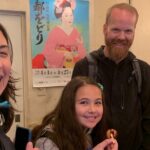
One more note from recent guidance quality: the tour is praised for helpful insights and friendly explanations. In some groups, guides including Saki have been singled out for warmth and clarity, and the experience can include extra context from people like a Norwegian visitor and a Japanese fine arts student who add appreciation for what you’re seeing.
Should you book this Kyoto Gion walking tour with Yasaka Shrine?
If you want a simple, high-value introduction to Kyoto’s spiritual and street life, I’d say book it. This is one of those tours where the route is tight enough to keep you oriented, but the stops are meaningful enough to leave you with real context, not just photos.
Book it if:
- you want Yasaka Shrine explained, not just visited
- you want to see Ninenzaka and know how to approach it
- you like short walking tours with an English guide
Skip it if:
- you need wheelchair or mobility-friendly routing
- you are looking for a food-heavy tour or a long sit-down experience (meals are not included)
- you want more free time to wander without any guidance structure
If you’re standing in Kyoto thinking, where do I start, this tour is a practical answer. It connects Gion, temples, and shrine culture in a way that makes the city feel understandable fast.
New This Season
- Koyasan Day Trip by Private Car from Kyoto
- Old Port Town and Ultimate Sake Tasting Private Tour From Kyoto
- Kyoto’s Timeless Charm: 3hr Exploration of History and Peace
- Kyoto: 5 Types of Sushi Making
- Sacred Peak & Ancient Paths: Kurama-Kibune Hiking Experience
- Kyoto: Exclusive ZEN practice at Manpukuji temple in Uji
- Kyoto: Private Seasonal Aroma Yoga Class
- Traversing Kyoto’s Scenic West – Arashiyama to Kinkakuji
Gion Geisha Quarter Walks, compared.
Kyoto Geisha Walking Tour: Gion District & Hidden Gems
Read our review →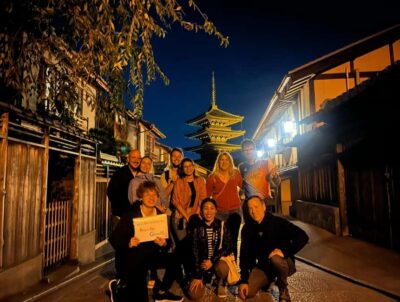
Gion Magical Night Walking Tour with Geisha Trivia
Read our review →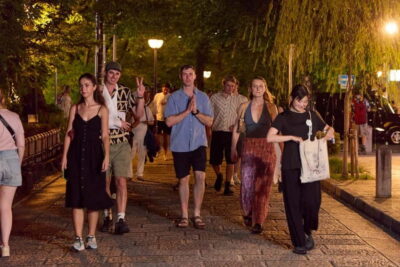
Gion Geisha District Walking Tour – Stories of Geisha
Read our review →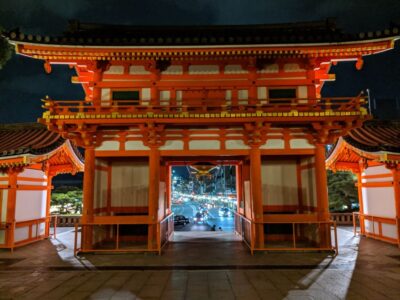
Best of Kyoto: Gion, Geisha, Pagodas & Cobblestones
Read our review →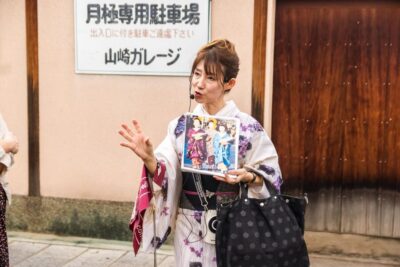
Kyoto Night Foodie Tour in Gion (9+ dishes + 6 Sake tastings)
Read our review →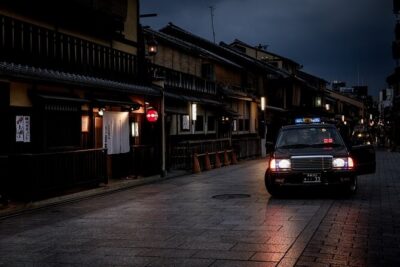
Kyoto Gion Geisha District Walking Tour – The Stories of Geisha
Read our review →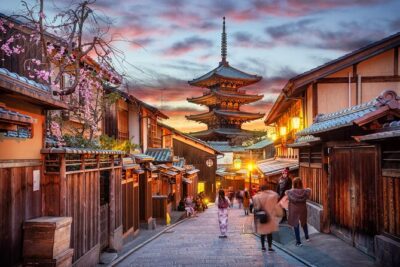
Kyoto Gion: 2-Hour Geisha Culture & History Walking Tour
Read our review →Also filed under