
Reviewed · GION GEISHA QUARTER WALKS
Kyoto: Gion Walking Tour
Gion hides stories in plain sight. On this 2-hour Kyoto walk, you move through classic hanamachi lanes, get context for what you see, and ask questions as you go. It is not just photo stops, it is a guided read of the neighborhood.
I love the small-group setup, capped at 6 people, which keeps the pace relaxed and makes it easier to hear every stop explanation. I also like how Jose and Saskia style the tour as a back-and-forth conversation, with lots of answers, personal impressions of Japanese daily life, and frequent detail-spotting using an iPad.
One consideration: a maiko or geiko sighting is never guaranteed, so plan for the history and architecture first.
In This Review
- Key points to know before you go
- Gion in 2 Hours: what this small-group walk really covers
- Meeting in Kyoto Shijo-Kawaramachi, then easing into Gion
- Pontocho alleys and the Kamogawa angle that makes the district click
- Sanjo Ohashi and Yamato-dori: history you can see from street level
- Gion-Kobu north lanes: machiya houses, hanamachi structure, and lifestyle context
- Tatsumi Jinja and Tatsumi Hashi: a calm break that changes your perspective
- Gion-Higashi and the Yasaka Shrine connection to the district name
- What is included, and what is not: Hanamikoji-dori is intentionally left out
- Guides who answer everything, and why that matters more than you think
- Pace, distance, and why the small group size feels like a private tour
- Price and value: is $35 worth it?
- When to go: cherry blossoms route changes and weather reality
- Who this tour fits best
- Should you book this Kyoto Gion walking tour?
- FAQ
- How long is the Kyoto Gion Walking Tour?
- How far do we walk?
- How many people are in the group?
- Which areas of Gion are visited?
- Is Hanamikoji-dori included?
- Will I definitely see a maiko or geiko?
- Where do we meet the guide?
Key points to know before you go
- Three hanamachi in one walk: Pontocho, Gion-Kobu, and Gion-Higashi, covering only part of Gion on purpose
- You notice what you would miss alone: bridges, shrines, and house-front details get explained in plain language
- Built for questions: the guide adjusts on the fly, even if you ask the same thing twice
- Small group focus: limited to 6 participants, with a pace that does not punish you in the crowd
- No pressure on sightings: you learn the lifestyle, not a hunt for performers
Gion in 2 Hours: what this small-group walk really covers
If you have limited time in Kyoto, Gion can feel like a blur of wooden facades and postcard alleys. This tour helps you slow down just enough to understand what you are looking at. In two hours, you cover about a 3.3 km, roughly 2-mile route, with stop after stop that connects street-level details to the bigger story of Kyoto and the Gion district.
What makes this experience practical is the way it keeps you oriented. The route threads through three of the five hanamachi (geisha districts) in downtown Kyoto: Pontocho, Gion-Kobu, and Gion-Higashi. You also get time near key religious and historic landmarks that shaped the district name, so the walk feels anchored rather than random.
One more thing I appreciate: this is designed for real interaction. People in the small group repeatedly highlight how guides keep encouraging questions and follow your interests. That is a big deal in Gion, where it is easy to see things and wonder what they mean.
Meeting in Kyoto Shijo-Kawaramachi, then easing into Gion
Your guide waits in front of the Disney Store in Kyoto Shijo-Kawaramachi. Look for the person holding an iPad showing the GetYourGuide image for the Kyoto Gion Guided Walking Tour. It is a clear meet point, and that matters when you are trying not to waste your first minutes of the day.
From there, you are walking into the part of Kyoto where small features tell big stories. The tour stays focused on neighborhoods and lanes that are famous, but often misunderstood by first-timers who only know Gion as a single nightlife zone. You will get help seeing how the district works as a set of places, traditions, and daily rhythms.
One practical tip: do not treat this like a quick sightseeing loop. Wear comfortable shoes, bring water, and if it is bright out, add sunscreen and a sun hat. The tour does not provide amenities, so you will want to carry what you need.
Lantern-lit streets of the geisha quarter
- Kyoto Geisha Walking Tour: Gion District & Hidden Gems
★ 4.7 · 3,273 reviews - Kyoto: Gion Magical Night Walking Tour with Geisha Trivia
★ 4.9 · 2,393 reviews - Kyoto: Gion Geisha District Walking Tour – Stories of Geisha
★ 4.7 · 2,187 reviews - Best of Kyoto: Gion, Geisha, Pagodas & Cobblestones
★ 4.9 · 2,058 reviews
Pontocho alleys and the Kamogawa angle that makes the district click
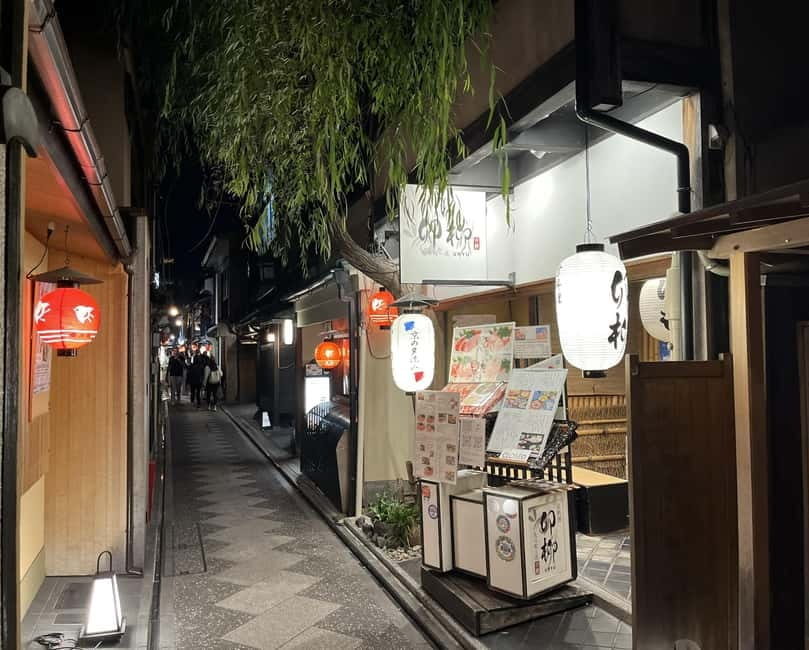
The walk starts in the Pontocho area. This is where many people first feel the personality of Gion because the streets are narrow, the sightlines are layered, and the atmosphere changes block by block. The tour spends real time moving through the alleyways, not just skimming them.
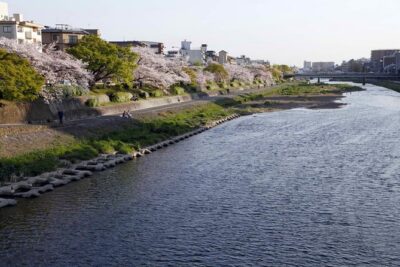
A highlight here is the stop that connects the neighborhood to the Kamogawa river area. Even if you do not plan to take photos, this is a useful section because you learn how waterways and street layouts shaped where people gathered, built, and carried out daily life. It is the kind of context that helps you make sense of why certain streets feel more ceremonial or more everyday once you know what you are looking for.
You also encounter specific exterior details along the way, including the Yagi-san and Kita-san statues mentioned in the route. These kinds of small landmarks are the difference between walking through Gion and reading it.
Sanjo Ohashi and Yamato-dori: history you can see from street level
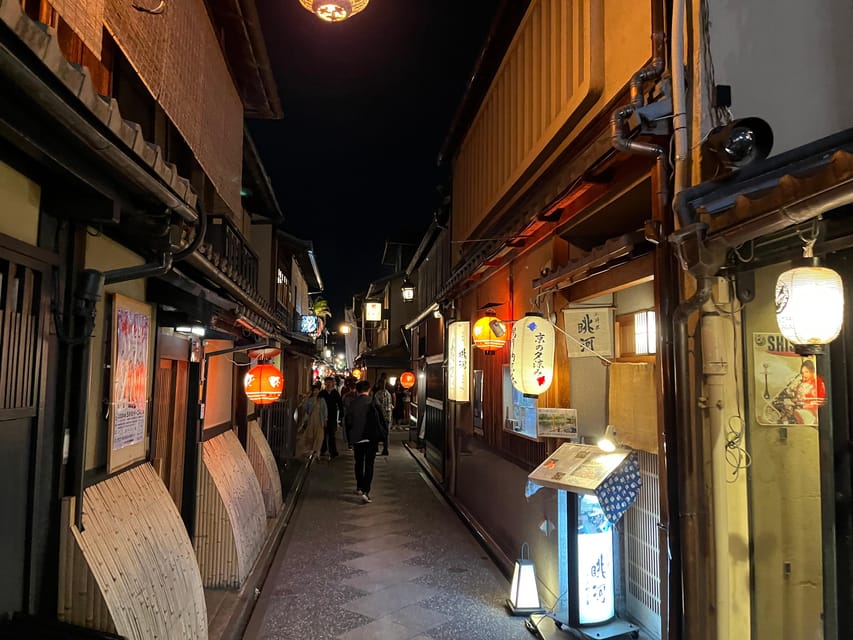
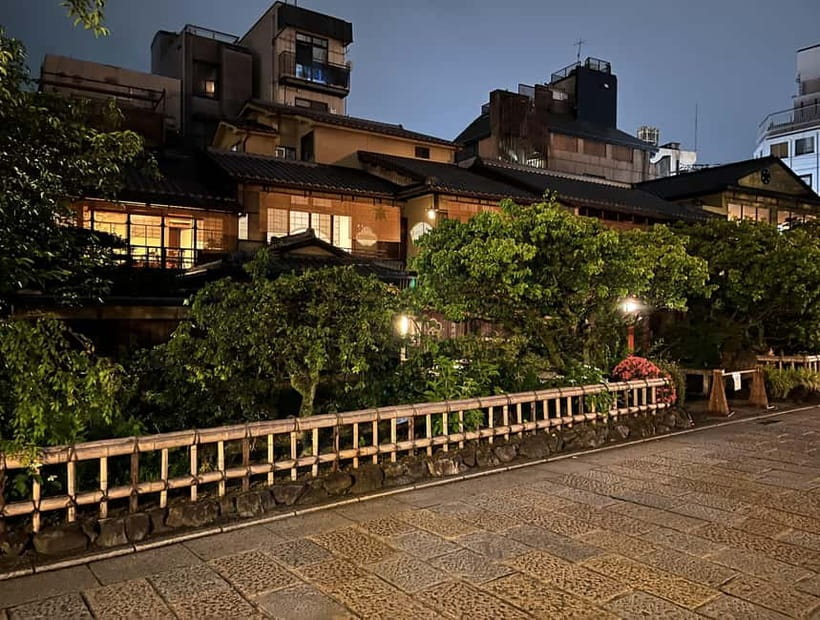
Next you move toward the Sanjo Ohashi bridge area and Yamato-dori. Bridges might sound like a generic stop, but here it is more than a photo moment. Elevated viewpoints, river lines, and street widths help you understand how neighborhoods connect across Kyoto’s downtown grid.
Yamato-dori is also a good place to reset your mental map. A lot of visitors arrive in Gion already chasing one famous lane. This part of the walk quietly trains you to notice the wider street system that makes Gion feel both distinct and connected.
If you are wondering how a walking tour can feel different from just following a route on your phone, this section is a key answer. The guide helps you connect what looks like decoration or a random corner to something historical or practical.
Gion-Kobu north lanes: machiya houses, hanamachi structure, and lifestyle context
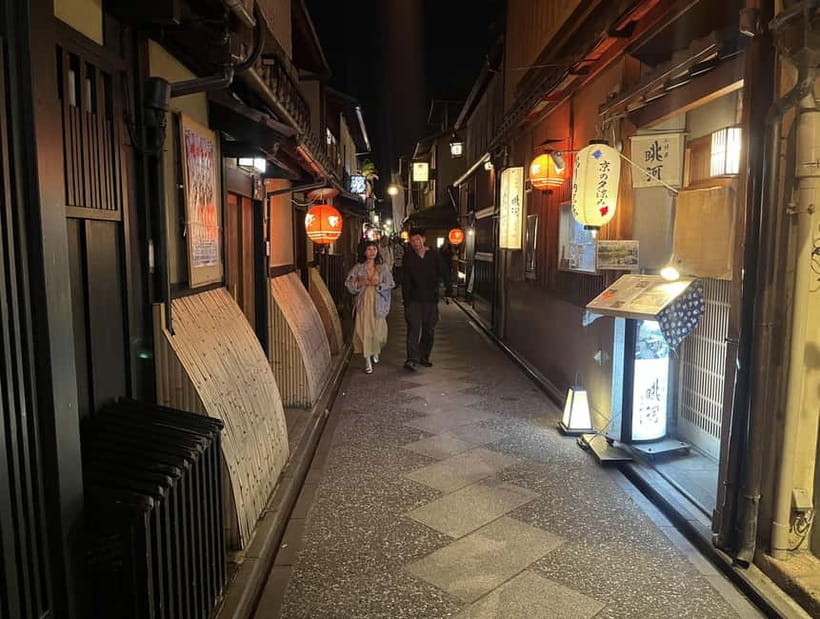
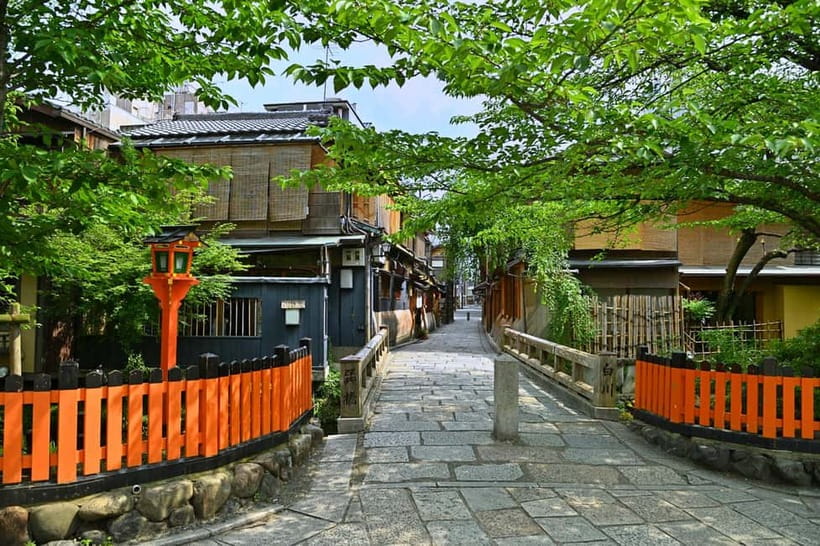
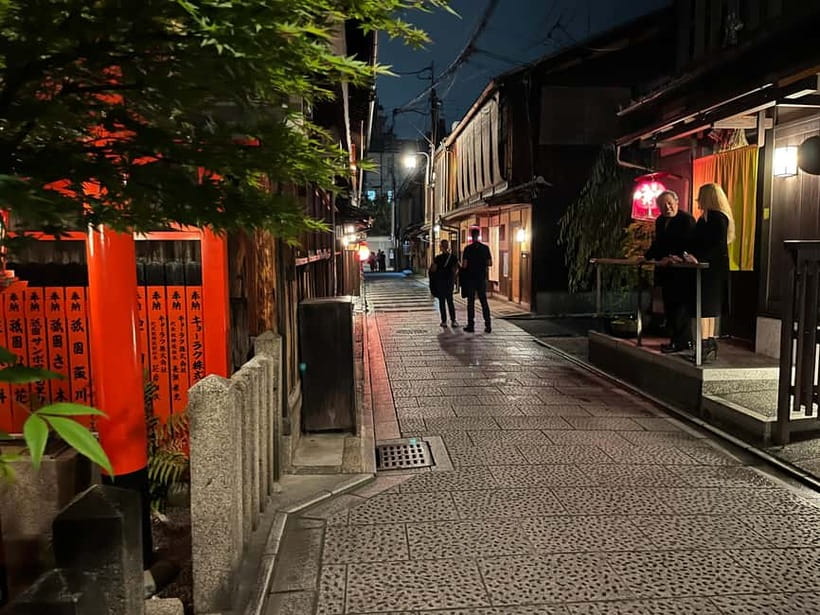
The tour then shifts into Gion-Kobu, with stops that include Gion-Shinbashi-dori and areas around Gion-Shirakawa. This is where you start seeing how the hanamachi identity is expressed in details you would otherwise overlook.
The guide focuses on the machiya houses and the way their layouts, facades, and street frontage create a lived-in traditional environment. You learn why the district is more than a stage. People talk about geiko and maiko as if they only exist for evenings out. The walk gives you a fuller picture, including practices and routines tied to how the district functions.
A common praise from participants is how the guide blends neighborhood history with daily life stories. You hear personal explanations about Japan that make the culture feel less like a museum and more like something operating right now. That combination is what makes Gion feel human.
Tatsumi Jinja and Tatsumi Hashi: a calm break that changes your perspective
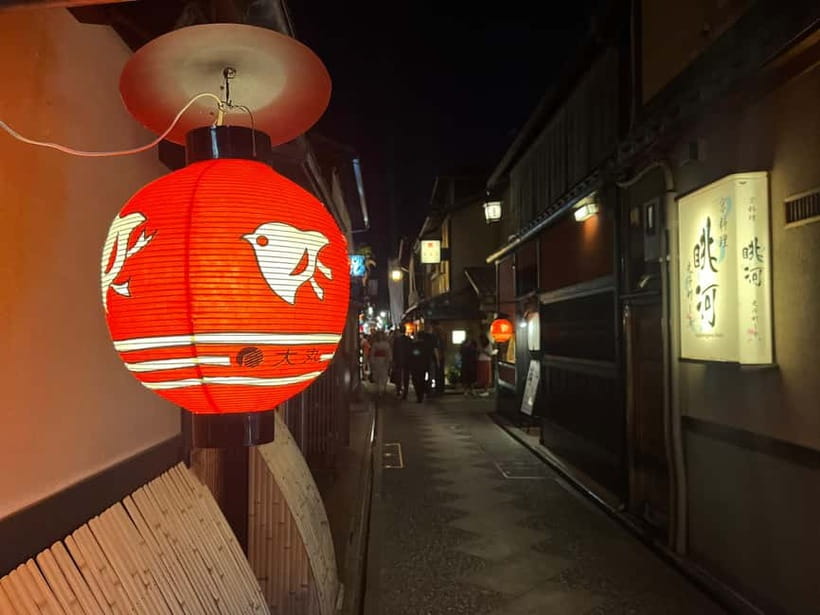
Between the denser hanamachi lanes, the route adds a slower, more reflective stretch around Tatsumi Jinja and the nearby Tatsumi Hashi bridge. This kind of pause is smart for two reasons.
First, it gives your legs a breather without dropping the theme. Second, shrine space helps you understand how tradition shapes everyday movement in Kyoto, even in neighborhoods that tourists associate mainly with entertainment.
A shrine stop also changes your visual habits. Instead of looking only for iconic scenery, you start noticing the small cues that make a religious site feel active and respected, not staged.
A quieter way to spend a day in Kyoto



Gion-Higashi and the Yasaka Shrine connection to the district name
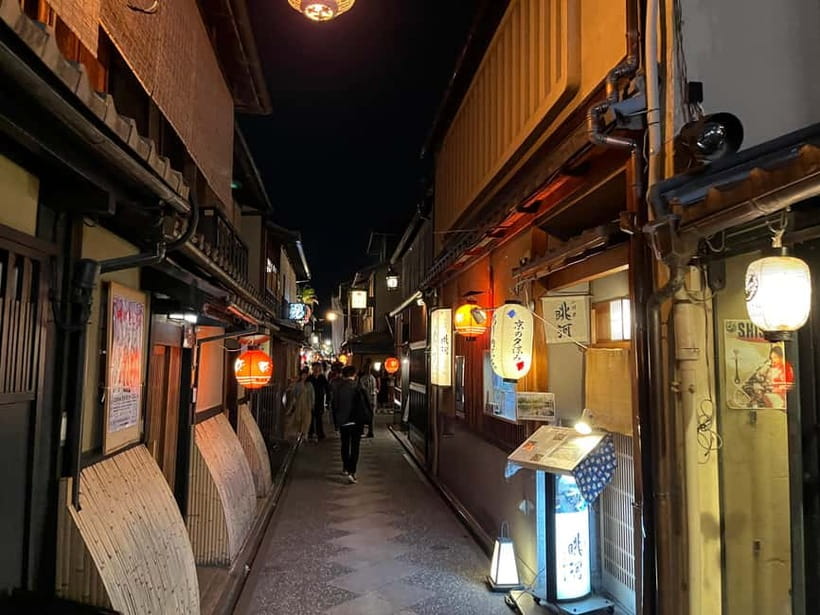
The last major portion of the walk reaches Gion-Higashi, then finishes near Yasaka Shrine (the former Gion Shrine, which is tied to where the name Gion comes from). If you only know Gion from its famous entertainment reputation, this section is an important reality check. It reframes the district as something rooted in more than nightlife.
This is also where you may hear time-appropriate context about the Gion Festival, described as one of Japan’s three most famous and important festivals, with origins in the Gion district more than 1100 years ago. Even if the full festival detail does not fit, the guide explains the relationship between district identity and long-standing events.
Yasaka Shrine at the end of a walking tour works well because it functions like a narrative conclusion. You spend the earlier part of the walk learning how the neighborhood is organized. Then you end where tradition and communal identity are visible.
What is included, and what is not: Hanamikoji-dori is intentionally left out
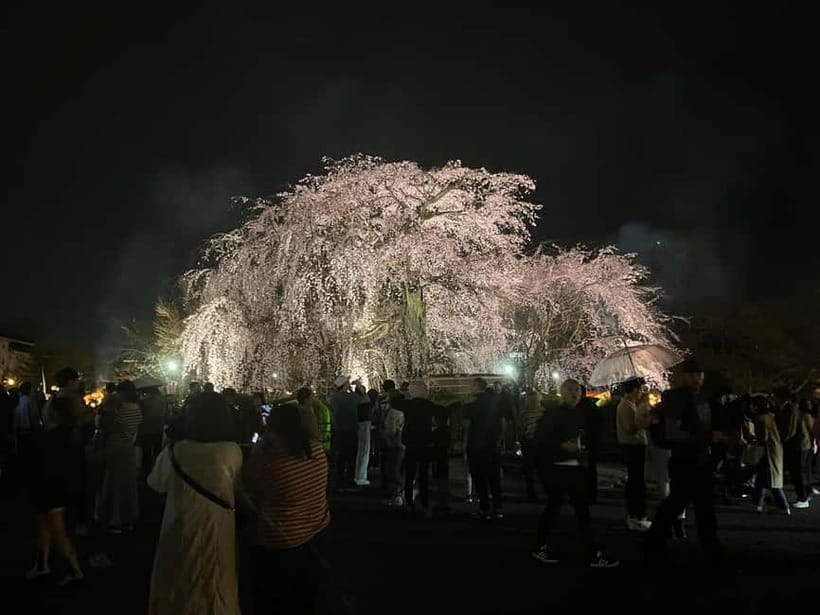
A key detail: Hanamikoji-dori is not included in the route. This can be a dealbreaker if your goal is to walk the most famous narrow lane in pure postcard form. But it can also be a benefit.
Because Hanamikoji-dori is so heavily visited, sticking only to that lane tends to compress your experience into one kind of scenery. By focusing on Pontocho, Gion-Kobu, and Gion-Higashi, plus bridges and shrine stops, the tour gives you more variety and more “why” behind what you see.
Also note the tour does not promise sightings. The guide may help you look, but a maiko or geiko sighting cannot be guaranteed. If that is your main reason for booking, you should choose the tour with realistic expectations, treating sightings as a bonus rather than the goal.
Guides who answer everything, and why that matters more than you think
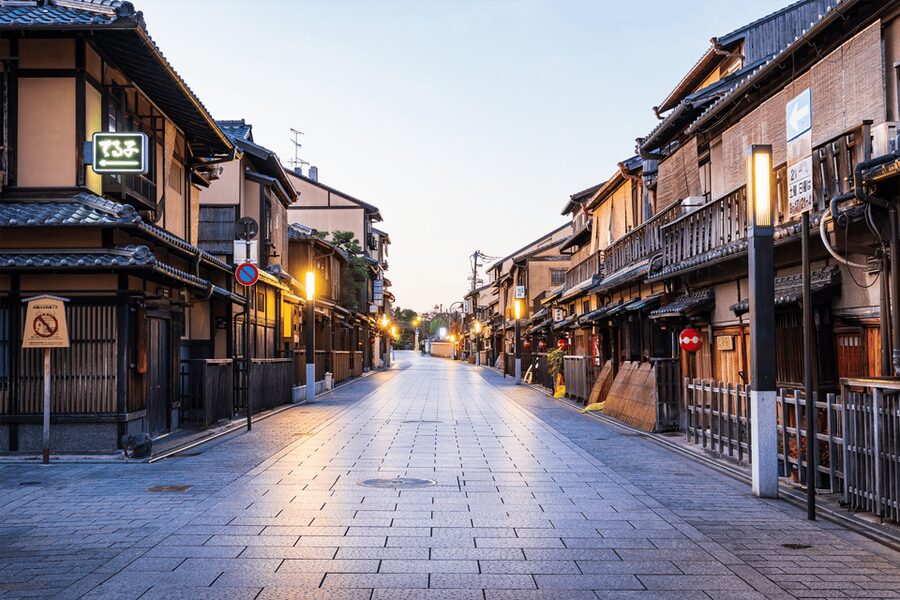
What comes up again and again in the feedback is the guide style: high energy, clear explanations, and a willingness to answer questions many times over. Jose and Saskia are specifically mentioned for making the walk feel fun and interactive, not like you are being lectured while you dodge pedestrians.
You also get help with learning that actually sticks. Several people liked the way the guide uses an iPad with photos and video while talking. That is not just tech for tech’s sake. In Gion, details can be subtle, like house frontage features, small symbols, or how streets guide movement. Visuals help you connect the explanation to what you are seeing right then.
One of the funniest points shared is that the guide can turn explanations into unexpected comparisons, including jokes about how geisha clans and even football teams have something in common. It sounds silly until you realize the point: you remember the concept because the guide made it human.
Pace, distance, and why the small group size feels like a private tour
The tour is limited to 6 participants, and that cap shows in the way the walk flows. In crowded Gion lanes, big groups get stuck waiting. Here, stops are frequent, but the group is small enough to keep moving and listening.
You should still expect a real walking tour. At 3.3 km total distance over two hours, you are not doing a marathon, but you are also not standing still the whole time. Comfortable shoes matter, especially if you are visiting during warm months.
This is also the sweet spot for first-time orientation. You get enough stops to learn, but the time is short enough that you can keep your day flexible afterward for dinner, a second walk, or a night in another part of Kyoto.
Price and value: is $35 worth it?
At $35 per person for a 2-hour walking tour, this is priced like a budget-friendly guided experience, not a premium private driver day. The real question is what you get for that money, and the answer is time with a real guide who adjusts to your interests.
The value comes from three things:
- Focused geography: three hanamachi covered in a short window, plus bridge and shrine context
- Interaction: you can ask questions throughout, not only at the end
- Small group: capped at 6, so you are more likely to feel seen than one among many
Also, there is no cost surprise like a museum ticket in the middle of the walk. What you do need to budget for is your own snacks and water since amenities are not provided.
If you are traveling on a tight schedule, this kind of guide time often saves you energy. You would spend hours trying to figure out what you are seeing alone. Here, the walk gives you a framework so your self-guided exploring after feels smarter.
When to go: cherry blossoms route changes and weather reality
The tour can slightly alter the route during cherry blossom season, late March into early April, to showcase blossoms around Gion. If you are visiting in sakura peak time, that is a nice bonus because it turns the walk into something more than architecture and street layouts.
Weather matters in this neighborhood. Rain or heat can change how pleasant the alleys feel. The tour does not provide amenities, so bring an umbrella and water if needed. Sun protection is worth it because Kyoto can hit bright, hard light.
If you want to get the most out of your photos, plan for the lighting. Bridges and river-adjacent angles can look great, but you will likely spend time at street-level stops where light can be trickier than open squares.
Who this tour fits best
This is a strong fit if you want:
- A guided orientation to Gion beyond one famous lane
- Lots of Q&A about Kyoto, culture, and how the geiko and maiko world fits into daily life
- A small group experience that stays conversational
It is also a good choice if you already know some Kyoto basics but want Gion-specific clarity. Several people mention they walked past areas before and then noticed details only after the guide pointed them out.
If your top priority is guaranteed performer sightings or a specific famous lane, you may feel mismatched. This tour is built around understanding and atmosphere, not a guaranteed show.
Should you book this Kyoto Gion walking tour?
Yes, if you want the best use of a short window in Kyoto and you like learning while walking. The combination of a small group size, interactive guide style, and a route that includes Pontocho, Gion-Kobu, Gion-Higashi, plus Yasaka Shrine context makes this a practical introduction to the neighborhood.
Book it if you enjoy questions, want help noticing architectural and street-level details, and you are curious about how geiko and maiko life connects to long-running Kyoto tradition. Just go in knowing that maiko and geiko sightings are not guaranteed, and Hanamikoji-dori is not part of the route.
If that expectation matches how you want to experience Gion, this is a great way to turn two hours into a much richer Kyoto memory.
FAQ
How long is the Kyoto Gion Walking Tour?
The tour lasts 2 hours.
How far do we walk?
The route is about 3.3 km, roughly 2 miles.
How many people are in the group?
It is limited to 6 participants.
Which areas of Gion are visited?
The tour visits three of the five hanamachi: Pontocho, Gion-Kobu, and Gion-Higashi.
Is Hanamikoji-dori included?
No. Hanamikoji-dori is not included, so plan your expectations accordingly.
Will I definitely see a maiko or geiko?
No. A maiko or geiko sighting cannot be guaranteed.
Where do we meet the guide?
Meet in front of the Disney Store – Kyoto Shijo-Kawaramachi, looking for the guide holding an iPad with the GetYourGuide image for this tour.
New This Season
- Koyasan Day Trip by Private Car from Kyoto
- Old Port Town and Ultimate Sake Tasting Private Tour From Kyoto
- Kyoto’s Timeless Charm: 3hr Exploration of History and Peace
- Kyoto: 5 Types of Sushi Making
- Sacred Peak & Ancient Paths: Kurama-Kibune Hiking Experience
- Kyoto: Exclusive ZEN practice at Manpukuji temple in Uji
- Kyoto: Private Seasonal Aroma Yoga Class
- Traversing Kyoto’s Scenic West – Arashiyama to Kinkakuji
Gion Geisha Quarter Walks, compared.
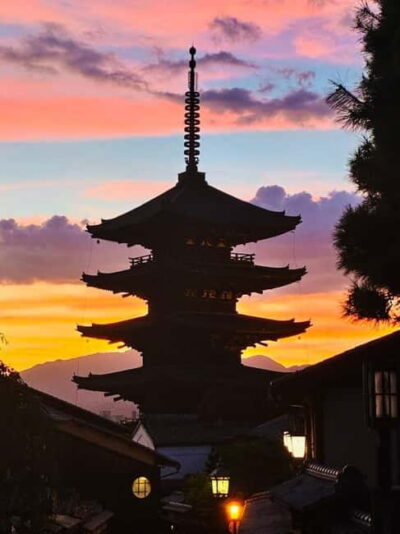
Kyoto Geisha Walking Tour: Gion District & Hidden Gems
Read our review →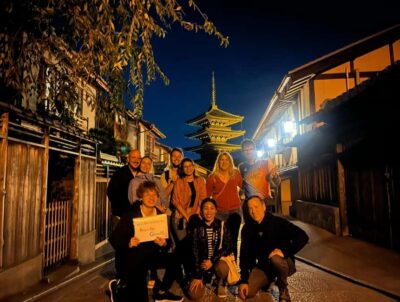
Gion Magical Night Walking Tour with Geisha Trivia
Read our review →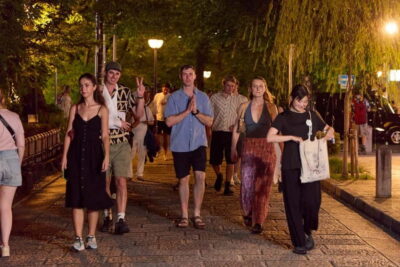
Gion Geisha District Walking Tour – Stories of Geisha
Read our review →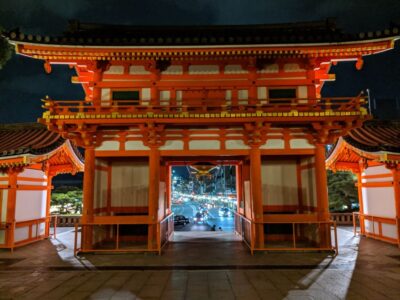
Best of Kyoto: Gion, Geisha, Pagodas & Cobblestones
Read our review →
Kyoto Night Foodie Tour in Gion (9+ dishes + 6 Sake tastings)
Read our review →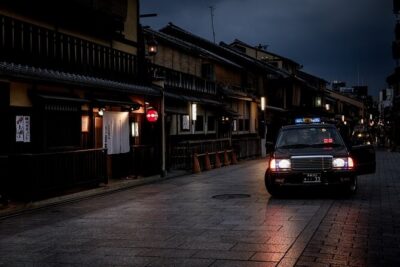
Kyoto Gion Geisha District Walking Tour – The Stories of Geisha
Read our review →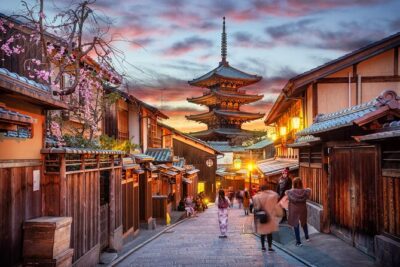
Kyoto Gion: 2-Hour Geisha Culture & History Walking Tour
Read our review →Also filed under