
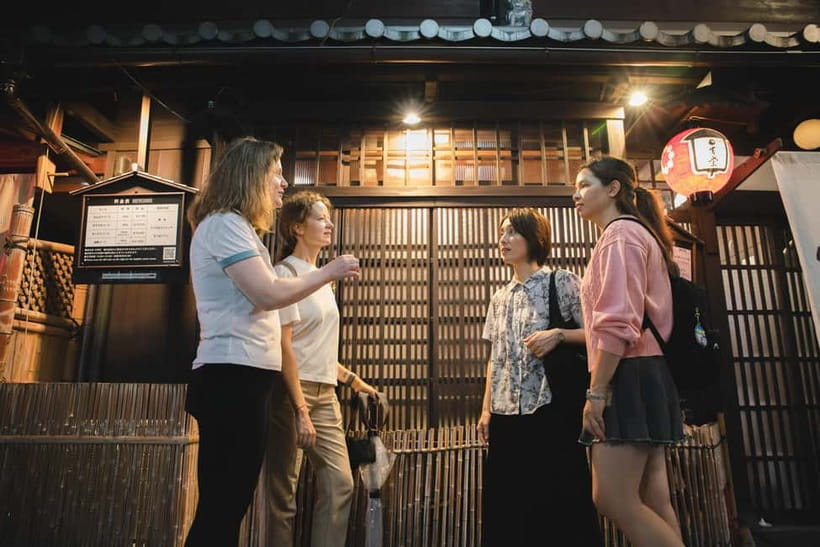
Reviewed · GION GEISHA QUARTER WALKS
Kyoto: Gion World of the Geisha Guided Walking Tour
Gion makes more sense with a local guide. This Gion walking tour is a smart way to cover the famous lanes and the calmer corners in a few hours, with English stories about maiko and geiko, plus practical tips for spotting them. You also get background on the geisha districts in Gion, called Kagai, so the streets feel less like scenery and more like a living tradition.
I also like the small group format and the pacing. You get focused time at Yasaka Shrine, then real walking time through Gion, including sightseeing stops that prevent the usual aimless drifting. One consideration is that the walking route includes stairs and is not suitable for wheelchair users or people with mobility impairments.
In This Review
- Key points before you go
- A practical way to understand Gion’s geisha world
- Starting options: Shrine, kimono pickup, or the Kanji Museum meeting point
- Yasaka Shrine stop: a guided reset for your Gion walk
- Gion for 80 minutes: Kagai stories, Maiko vs Geiko
- Photo stop and sightseeing breaks that keep the route friendly
- Shirakawa Canal and Gion Corner sightseeing time
- Price and value: why $29 can feel like a bargain
- What to wear, and how to prepare for walking in Kyoto
- Who this tour is ideal for, and who should skip it
- Should you book the Kyoto Gion World of the Geisha guided walking tour?
- FAQ
- How long is the Kyoto Gion World of the Geisha guided walking tour?
- Is the tour guided in English?
- Where do I meet for the tour?
- If I choose the kimono rental option, where should I go after dressing?
- Will I definitely see geiko or maiko during the tour?
- Is this tour suitable for wheelchair users or people with mobility impairments?
- Does the tour run in bad weather?
Key points before you go
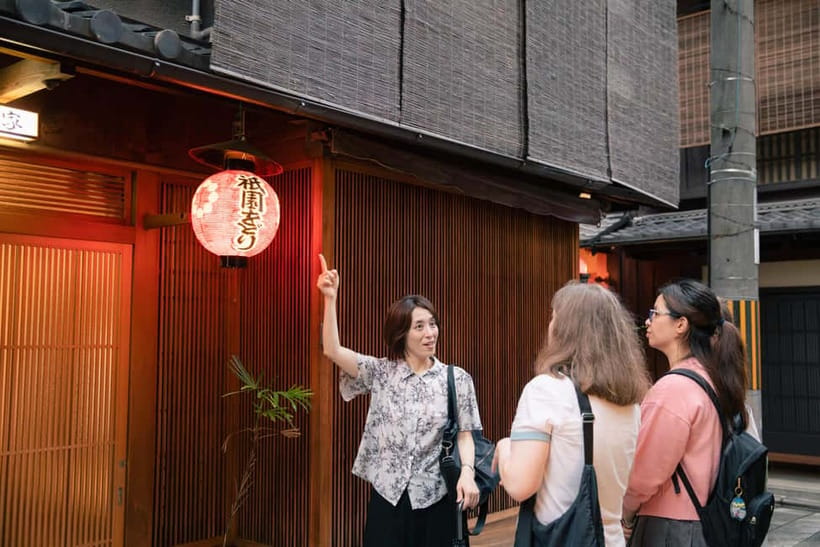
- English live guide, small group pace: You’re not stuck with a crowded “follow the leader” herd.
- Two geisha districts in Gion: You see more than just one postcard pocket of Kyoto.
- Maiko vs Geiko, explained clearly: You learn the Kyoto names and the lifestyle differences behind the roles.
- Yasaka Shrine sets the context: A quick guided start helps you read the neighborhood as you walk.
- Photo-friendly breaks plus Shirakawa Canal time: You get designated moments to slow down and look.
A practical way to understand Gion’s geisha world
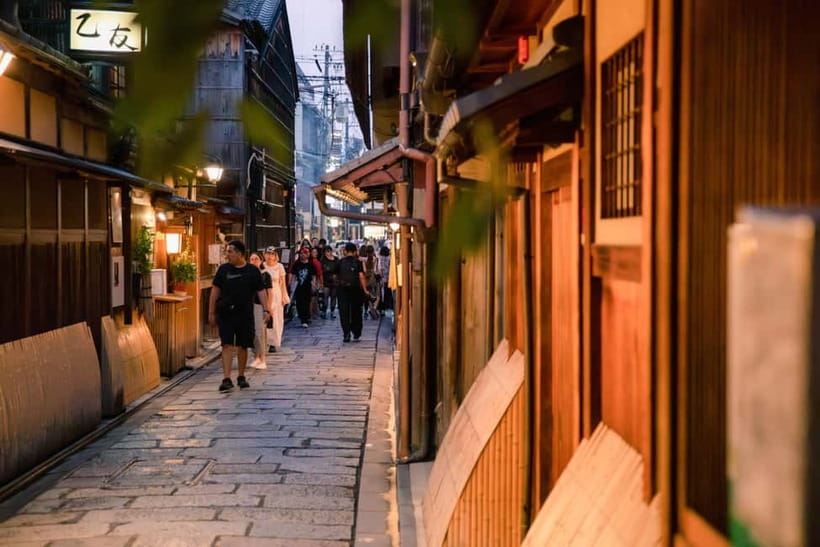
Kyoto’s Gion is one of those places where you can wander for hours and still feel like you’re only skimming the surface. This tour is designed to fix that fast. Instead of leaving you to guess what you’re looking at, you get a guided walk through the geisha districts in Gion, with stories that connect the streets to the people and traditions behind them.
The heart of the experience is the explanation of Maiko, the apprentice role, and Geisha, which Kyoto calls Geiko. Your guide also shares history and day-to-day context tied to Kagai, the geisha district area name used for this part of Gion. That matters because it changes how you notice details, like how the alleys feel more purposeful than random, and why certain spots get attention.
One more helpful angle: the tour isn’t just lecture mode. You walk through real streets, shrines, and traditional architecture, and your guide gives tips on where you might see maiko in action. If you are lucky, you may even spot geiko or maiko while you’re on the route, but the tour plan is built so you still get value even if you don’t catch anyone.
Starting options: Shrine, kimono pickup, or the Kanji Museum meeting point
This tour is flexible about where you begin, and that can make or break your day in Kyoto. Depending on what you book, the meeting point changes among three main options: the Statue of Izumo-no-Okuni, the Wargo Kyoto Kimono Rental Kyoto Gion Store, or the 漢検漢字博物館・図書館 (Japan Kanji Museum & Library).
If you choose the kimono rental option, there’s a key detail to plan around. After you change into your kimono, you go to the Japan Kanji Museum & Library by yourself, and the guide is waiting there. That means you should not count on the guide finding you at the rental store, so arrive early enough to get dressed and still have time to get yourself to the museum.
If you start at Yasaka Shrine or the Kanji Museum area, you’ll likely find it easier to connect the tour with other sights later. If you’re starting at the statue or the kimono store, aim to keep the rest of your morning simple. Gion is walkable, but the tour is still a fixed route, and you want to stay ahead of your own schedule.
Lantern-lit streets of the geisha quarter
- Kyoto Geisha Walking Tour: Gion District & Hidden Gems
★ 4.7 · 3,273 reviews - Kyoto: Gion Magical Night Walking Tour with Geisha Trivia
★ 4.9 · 2,393 reviews - Kyoto: Gion Geisha District Walking Tour – Stories of Geisha
★ 4.7 · 2,187 reviews - Best of Kyoto: Gion, Geisha, Pagodas & Cobblestones
★ 4.9 · 2,058 reviews
Yasaka Shrine stop: a guided reset for your Gion walk
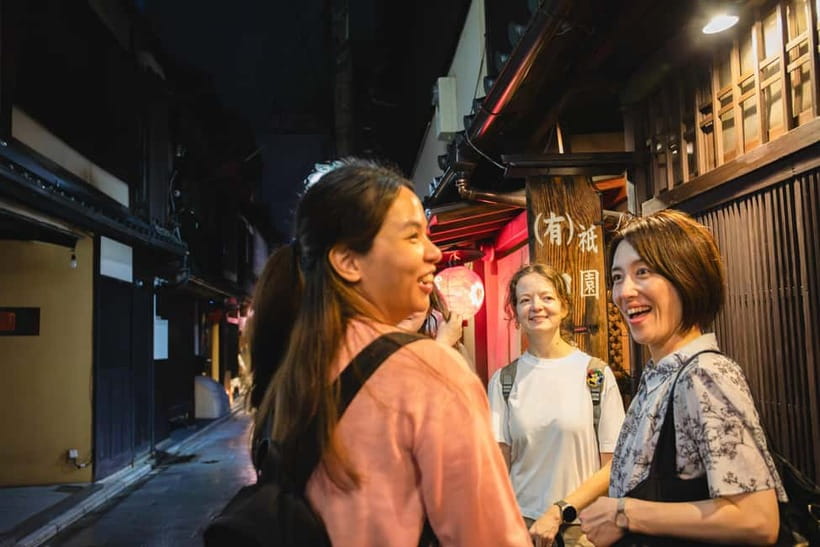
Your tour begins with a guided visit at Yasaka Shrine, about 40 minutes. This is a smart move, because it puts you in the right mindset before the alleys of Gion start to blur together. Even if you’ve seen Kyoto shrines before, a guided stop helps you connect the shrine setting to what comes next in the neighborhood.
Practically, it also gives you a pause point. The itinerary then moves you into walking time, so having a structured early section helps you get oriented without rushing. You’ll be able to take in the general surroundings, then shift gears into the geisha district stories as you walk.
Drawback to consider: this part is fixed time with guidance, so don’t plan to treat it like optional sightseeing. If you want total freedom to wander on your own, this stop may feel like it compresses your pace for a short segment.
Gion for 80 minutes: Kagai stories, Maiko vs Geiko
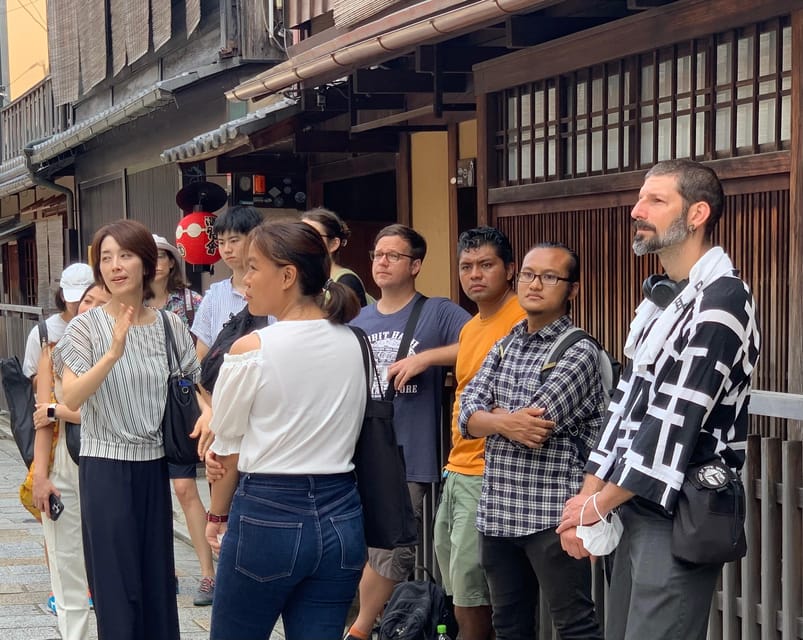
Next comes the main walking block through Gion, roughly 80 minutes guided. This is where the tour does its most useful work: it turns architecture and alley shapes into meaning. Instead of just telling you that Gion is a famous geisha district, the guide explains lifestyle elements tied to Maiko and Geiko, and connects them to the Kagai area.
I like that the tour frames the roles using Kyoto terminology. In Kyoto, Geisha are called Geiko, and Maiko are the apprentice stage. That naming detail may sound small, but it’s exactly the kind of thing that makes street sightings less confusing. When you know what you’re likely looking at, you can appreciate why certain neighborhoods and traditions are associated with each role.
The tour also aims to cover two geisha districts in Gion. Even if you’ve visited Gion before, this approach helps you avoid the classic problem where you only see one slice. By moving through more than one district section, you get a broader feel for how Gion’s character shifts from lane to lane.
One more practical piece: your guide will share tips for where you can see maiko in action. The key here is phrasing. You’re getting suggestions tailored to Gion, not vague advice. That’s valuable because maiko sightings are not something you can force, but you can increase your chances by knowing the rhythms of the area.
Photo stop and sightseeing breaks that keep the route friendly
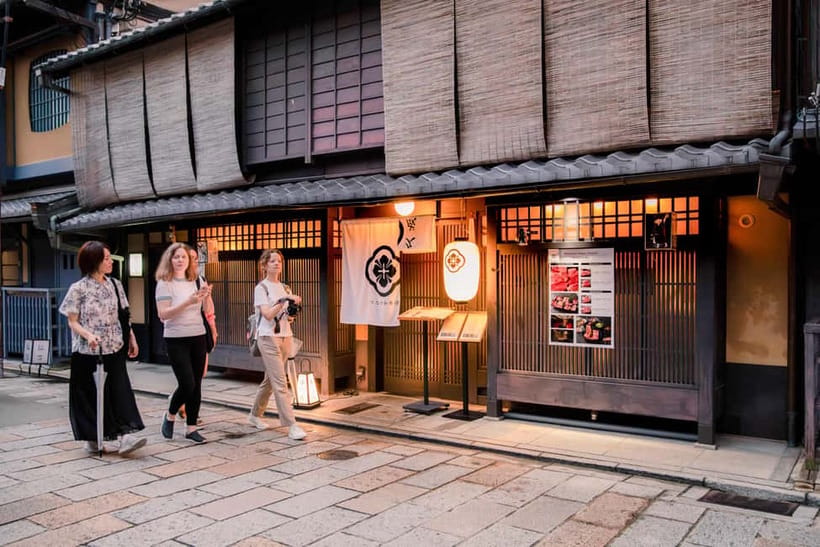
After the guided walking segments, the tour builds in short pauses, including a brief sightseeing moment and a photo stop of about 5 minutes. Then you move toward Shirakawa Canal for more sightseeing.
These small breaks sound minor, but they matter for a walking tour. They prevent the day from turning into constant motion, and they give you time to frame photos without sprinting ahead. If you’ve ever tried to photograph Japanese streets while also trying to follow a guide’s pace, you’ll understand why a planned stop helps.
What I’d watch for is expectations. A 5 minute photo break is great for quick shots, but it’s not designed for a deep photo session with heavy lens changes and long compositions. If you want slow, detailed photography, plan to do that after the tour on your own.
Shirakawa Canal and Gion Corner sightseeing time
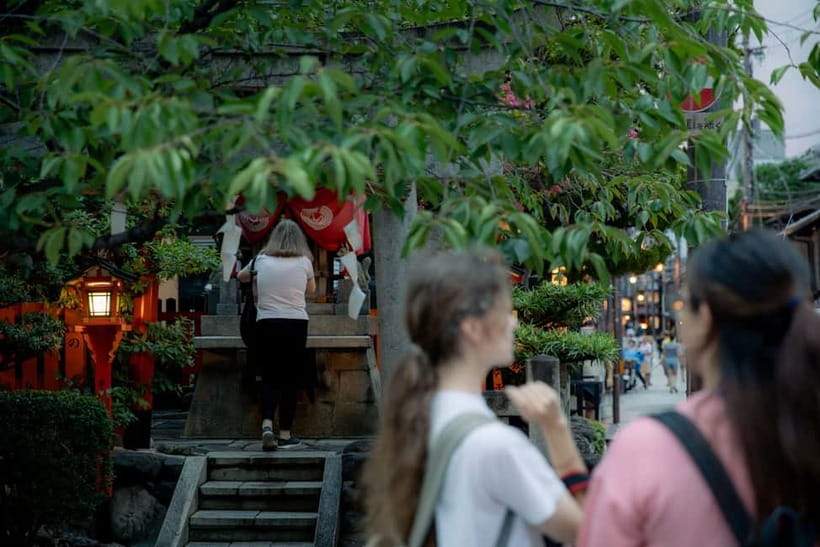
Shirakawa Canal is one of the most popular visual spots in the Gion area, and your tour includes time there for sightseeing. The itinerary then continues with additional guided sightseeing, followed by a guided stop at Gion Corner.
I like this sequencing because it mixes “look and learn” moments. You see the canal area, then you shift back into guided context. Gion Corner is included as a guided sightseeing stop, which gives you a chance to understand what you are looking at in that specific place, rather than treating it as another building you pass.
A minor caution: Gion is very photogenic, and it’s easy to get distracted while walking. Keep your attention on the guide during these parts, especially if they are explaining what you should notice. It’s usually the explanation that turns a pretty location into a memorable moment.
A quieter way to spend a day in Kyoto




Price and value: why $29 can feel like a bargain
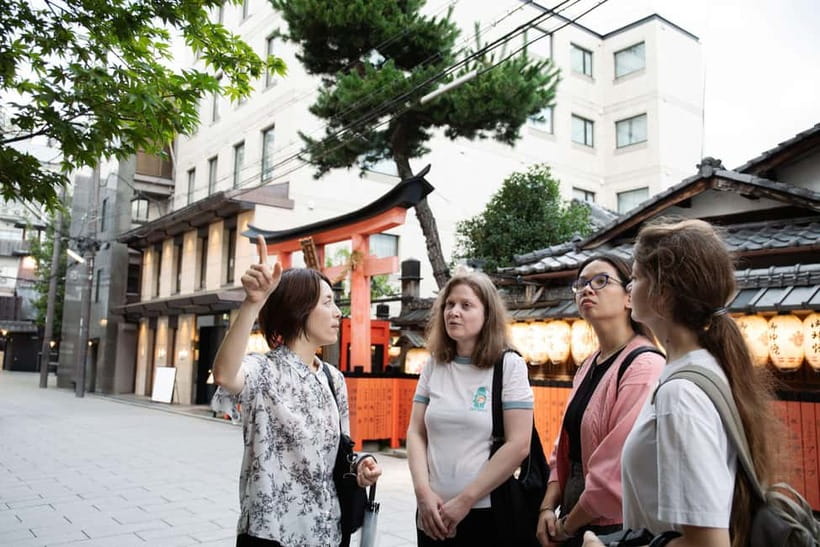
At $29 per person, this tour competes with a lot of basic “see a few temples” packages. What makes it feel like good value is what is included and how the time is structured. You get a live English guide, plus the guided walk through Gion.
Also, the tour targets a specific goal: understanding the geisha district atmosphere and the Maiko and Geiko roles. Many Kyoto walking tours are broad. This one is narrower and more focused, which is why the guide’s stories can actually stick.
One small note on duration: the listing shows a duration range of 2 hours up to 270 minutes. That tells you the tour length can vary based on your starting time, pace, and how the group moves through the areas. To avoid stress, treat it as a half-day-ish slot even if it often runs closer to the shorter end of the range.
As for how well it’s received, the tour sits at 4.6 stars from 25 reviews. A recurring praise point is the guide quality and the route flow. One recent review specifically named Ito and called out his strong command of the Gion district and his friendliness.
What to wear, and how to prepare for walking in Kyoto
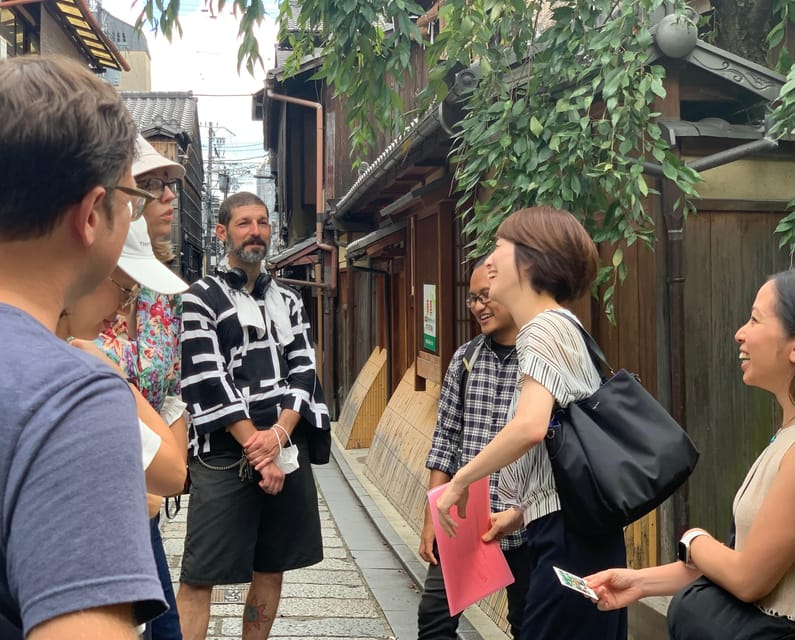
This is a walking tour, and it takes place rain or shine. That means you should plan like it could be wet, or at least damp enough for slick pavement. Wear comfortable walking shoes you trust, because this route includes stairs and is not suitable for people with mobility impairments or wheelchair users.
If you’re traveling with kids, note that children must be accompanied by an adult. Also, keep your group size and timing in mind. Even with a small group, a guided walk means the pace is shared, not individually tailored.
One more practical tip: bring a small layer even in warmer months. Rain or mist can change how comfortable you feel quickly, especially when you’re outside for the whole experience.
Who this tour is ideal for, and who should skip it
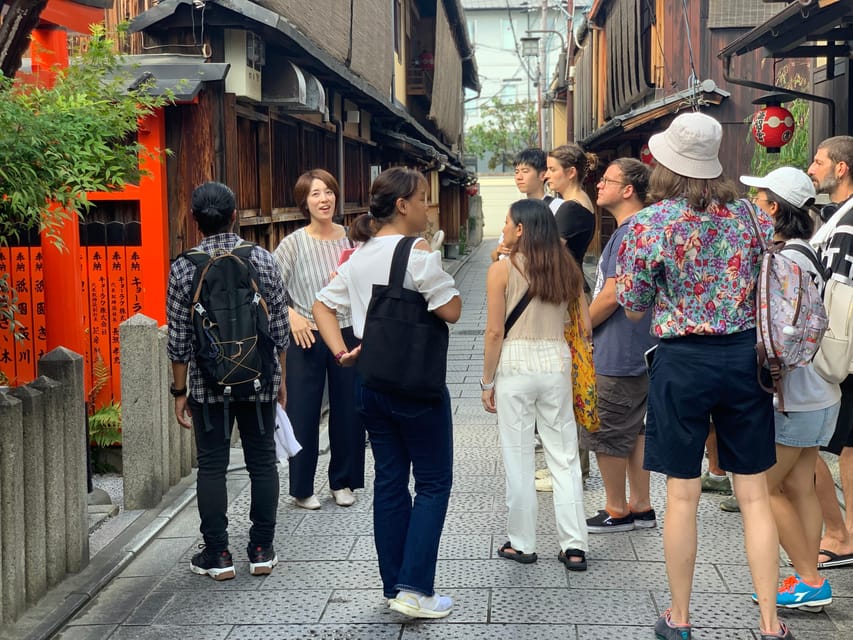
This tour is a great fit if you are in Kyoto for a limited time and want a fast, guided explanation of Gion’s geisha culture. It’s also ideal if you like street-level travel, where the value is in how you interpret what you see.
It’s especially good for first-timers who feel overwhelmed by Kyoto’s reputation for tradition. A guide can translate the signals, like why Gion’s look is so consistent, and what the Maiko and Geiko roles mean in Kyoto terms.
Skip it if you need wheelchair access or you cannot handle stairs. The tour explicitly says it is not suitable for people with mobility impairments. Also, if you dislike walking for a few hours and want lots of sitting or flexibility to stop and start whenever you want, this format may feel too structured.
Should you book the Kyoto Gion World of the Geisha guided walking tour?
I’d book it if your goal is to understand Gion in a few hours, not just to photograph it. For the $29 price, you’re paying for a live English guide, guided Gion walking time, and context that makes the whole area easier to interpret.
Choose your starting point based on your day flow:
- If you already plan to be near Yasaka Shrine, starting there keeps things simple.
- If you want a kimono experience, start with the option that includes the rental tie-in, but remember you still need to get yourself to the Japan Kanji Museum & Library after dressing.
- If you want a straightforward meetup point, the Kanji Museum & Library option can work well.
One more deciding factor: set expectations about encounters. The tour says you might see geiko or maiko if you’re lucky, and your guide will share tips on where to see maiko in action. That’s the right mindset, because you are here for the culture and the walking stories first, and sightings are a bonus.
If that sounds like your style, this is a smart, focused way to experience Gion with real explanations and a pace that does not waste your time.
FAQ
How long is the Kyoto Gion World of the Geisha guided walking tour?
The duration is listed as 2 hours up to 270 minutes, depending on the starting time and how the group proceeds.
Is the tour guided in English?
Yes, the tour has a live English-speaking guide.
Where do I meet for the tour?
The meeting point may vary depending on the option booked.
If I choose the kimono rental option, where should I go after dressing?
After changing into kimono, you should go to Japan Kanji Museum & Library by yourself. The guide will be waiting at that point.
Will I definitely see geiko or maiko during the tour?
You might encounter geiko and maiko during the tour if you are lucky. The guide will also share tips on where you can see maiko in action.
Is this tour suitable for wheelchair users or people with mobility impairments?
No. It is not suitable for people with mobility impairments, and it is not for wheelchair users because the route includes stairs.
Does the tour run in bad weather?
Yes, the tour takes place rain or shine.
New This Season
- Koyasan Day Trip by Private Car from Kyoto
- Old Port Town and Ultimate Sake Tasting Private Tour From Kyoto
- Sacred Peak & Ancient Paths: Kurama-Kibune Hiking Experience
- Kyoto’s Timeless Charm: 3hr Exploration of History and Peace
- Kyoto: 5 Types of Sushi Making
- Kyoto: Exclusive ZEN practice at Manpukuji temple in Uji
- Kyoto: Private Seasonal Aroma Yoga Class
- Traversing Kyoto’s Scenic West – Arashiyama to Kinkakuji
Gion Geisha Quarter Walks, compared.
Kyoto Geisha Walking Tour: Gion District & Hidden Gems
Read our review →
Gion Magical Night Walking Tour with Geisha Trivia
Read our review →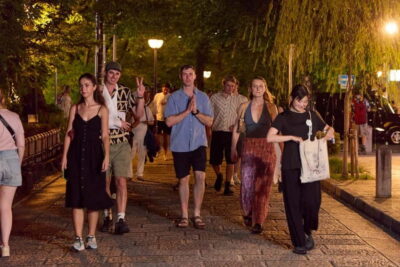
Gion Geisha District Walking Tour – Stories of Geisha
Read our review →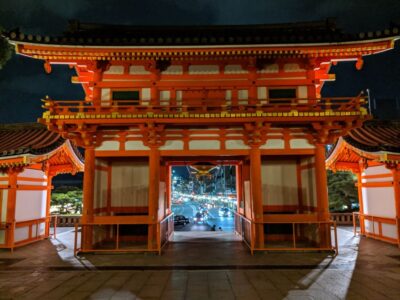
Best of Kyoto: Gion, Geisha, Pagodas & Cobblestones
Read our review →

Kyoto Night Foodie Tour in Gion (9+ dishes + 6 Sake tastings)
Read our review →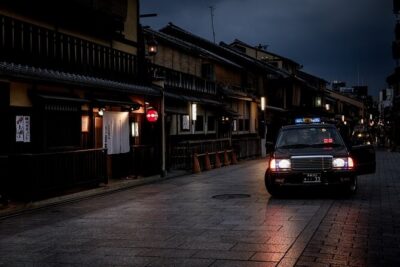
Kyoto Gion Geisha District Walking Tour – The Stories of Geisha
Read our review →
Kyoto Gion: 2-Hour Geisha Culture & History Walking Tour
Read our review →Also filed under