
Reviewed · GION GEISHA QUARTER WALKS
Kyoto: Half-Day Private Tour Gion Geisha District & Kiyomizu
Geisha lanes and temple views, packed into four hours. I love how this route ties together Gion’s machiya streets and geisha culture, then lands on Kiyomizu-dera’s wooden stage and wide-open views. One possible drawback: if you want heavy, ritual-by-ritual history, you may want to ask extra questions early, because the storytelling can feel more like a tour walk than a deep lecture.
You’ll move at a human pace through famous Kyoto sights without feeling rushed. The format is private or small-group, with a guide in English or Japanese, and the plan is built for both photos and hands-on context. If you’re expecting a classic small group vibe, just note that private can mean it is you and the guide.
In This Review
- Key points worth knowing before you go
- Why This Half-Day Kyoto Route Makes Sense
- Meeting at 中京警察署 四条交番 by Pontocho Street
- Gion: Hanamikoji and Shirakawa Lanes, Machiya Houses, and Geisha Culture
- Yasaka Shrine: 1,400 Years of Ceremonies and Why It Matters
- Ninenzaka and Sannenzaka: Browsing Streets and the Yasaka Pagoda View
- Kiyomizu-dera’s Wooden Stage and Panoramic Views
- Price and Value for a Private or Small Group Tour
- Who Should Book This Gion and Kiyomizu Tour
- Should You Book This Kyoto Half-Day Tour?
- FAQ
- How long is the tour?
- What does the tour cost?
- Is this tour private, or is it a group tour?
- What languages are the guides available in?
- Where do I meet the guide?
- What is included in the tour?
- Is entry to Zuigudo Hall included?
- Can I cancel and get a full refund?
Key points worth knowing before you go
- Gion machiya and geisha district atmosphere make the first stretch feel like Kyoto in its traditional clothes
- Yasaka Shrine’s 1,400-year story gives the visit more meaning than a quick photo stop
- Ninenzaka and Sannenzaka lanes are made for walking, browsing crafts, and finding the best views without guesswork
- Yasaka Pagoda sightlines are timed through the area you will actually be standing in
- Kiyomizu-dera with entry included saves time and hassle, and the wooden stage is the big payoff
Why This Half-Day Kyoto Route Makes Sense
Four hours sounds short. In Kyoto, it is also the right kind of short, because the best bits are spread out. This tour keeps you moving through a logical flow: Gion first, then Yasaka Shrine, then the slope streets of Ninenzaka and Sannenzaka, and finally Kiyomizu-dera.
The value for you is not just the check-list of famous names. It is the way the guide connects what you are seeing. When the cultural thread runs through Gion, Yasaka Shrine, and the temple, your photos turn into a story you can actually remember.
This is also a solid fit if you are not trying to do everything in one day. You get the highlights you came for, but you still have time to look around shopfronts and streets instead of only sprinting between sights.
Meeting at 中京警察署 四条交番 by Pontocho Street
Logistics can make or break a short tour, and this one is clear about where to start. Meet your guide in front of the police box next to Pontocho Street, at 中京警察署 四条交番. Your guide will hold a yellow sign with the DeepExperience logo.
That matters because Kyoto has plenty of street-level confusion, especially if you are also trying to orient yourself. Having a fixed landmark reduces the first-stress factor, and with only four hours total, you do not want to burn time hunting.
If you are arriving a few minutes early, take a moment to spot that yellow sign. It is the fastest way to confirm you found the right guide.
The wooden stage above the hillside
- Kyoto: Tea Ceremony in a Traditional Tea House in Kiyomizu
★ 4.9 · 3,519 reviews - Kyoto: Nijo Castle, Kiyomizu & Fushimi Inari Guided Tour
★ 4.7 · 700 reviews - Kyoto: Nijo, Kinkaku-ji, Arashiyama, Kiyomizu & Fushimi Inari
★ 5.0 · 699 reviews - Kyoto Tea Ceremony & Kiyomizu-dera Temple Walking Tour
★ 5.0 · 115 reviews
Gion: Hanamikoji and Shirakawa Lanes, Machiya Houses, and Geisha Culture
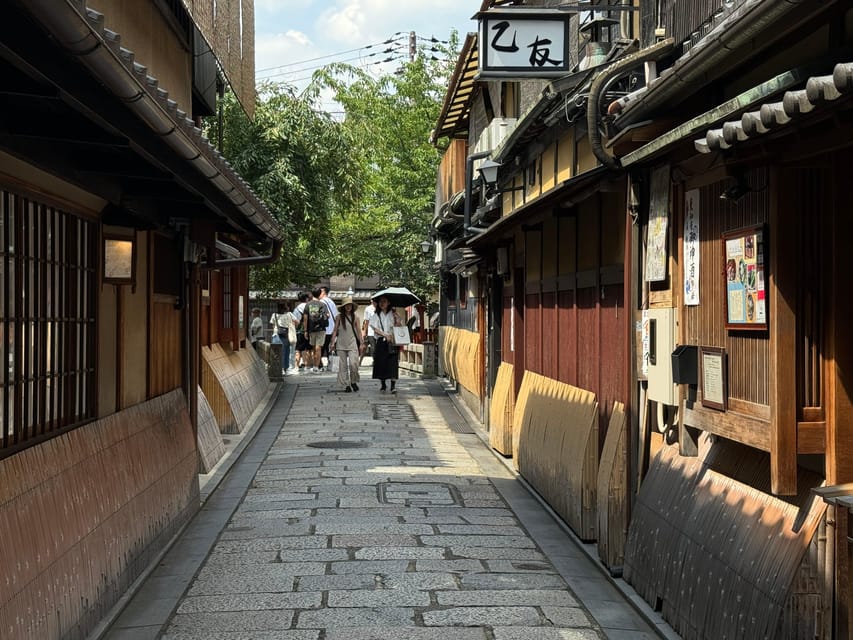
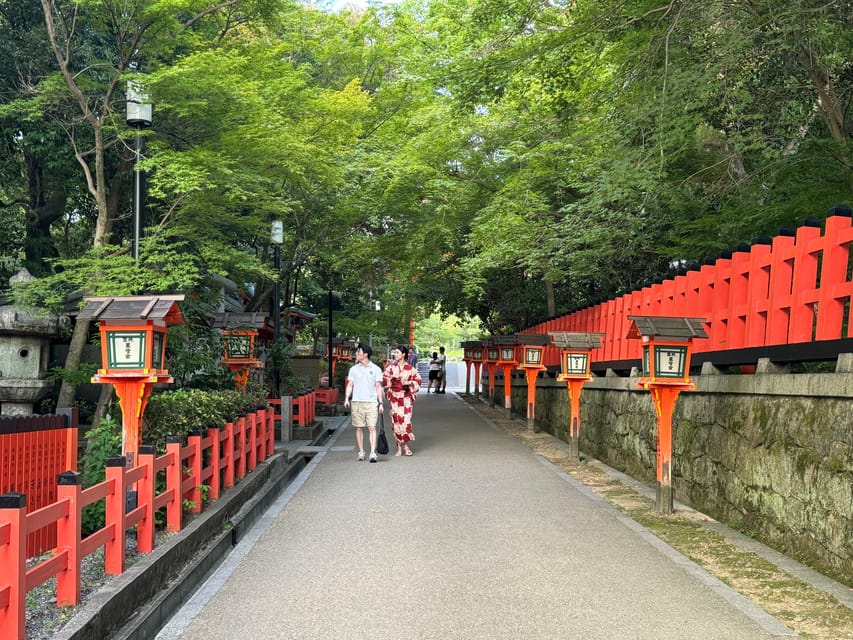
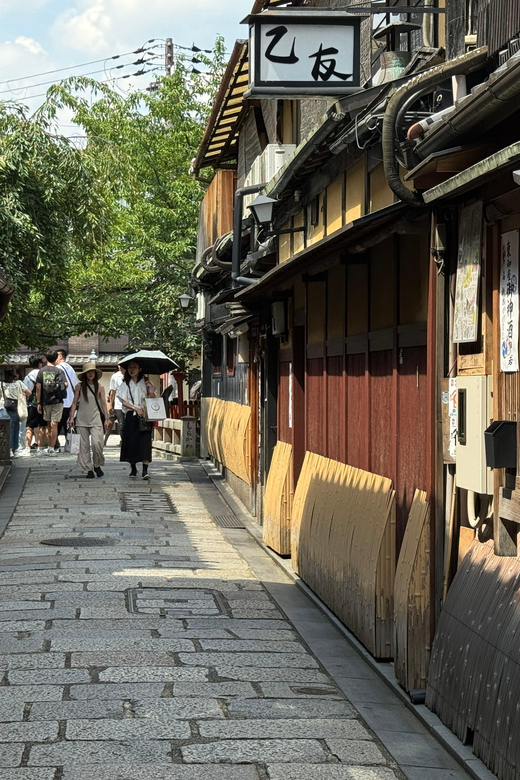
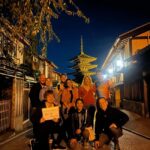
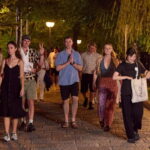
Gion is Kyoto’s best-known geisha district. It is also one of the easiest places to understand why people obsess over Kyoto’s traditional streetscape. On this tour, you start with a guided walk plus a photo stop.
As you head through the area, you will see the traditional wooden machiya houses and the small-scale lanes that made Kyoto famous long before most visitors ever arrived. The focus is not on a single monument. It is on atmosphere, architecture, and the cultural role of tea houses and geisha entertainment districts.
Two specific things I like about this Gion segment for your planning:
- You get time for street-level looking, not just a quick glance.
- The guide can point out details tied to geisha and maiko culture, which helps you notice things you would otherwise miss.
A small caution: Gion can be photogenic from many angles, so it is easy to wander off-script for a perfect photo. The short tour format means you should keep pace with the guide, then use your camera time where the guide tells you the sightlines work.
Also, from guide styles on past departures, I would expect a friendly, hosting approach. Some guides, like Teppei, are described as charming, which usually means the walk feels easy. If you want deeper coverage of rituals and culture, politely ask for more detail as you go.
Yasaka Shrine: 1,400 Years of Ceremonies and Why It Matters
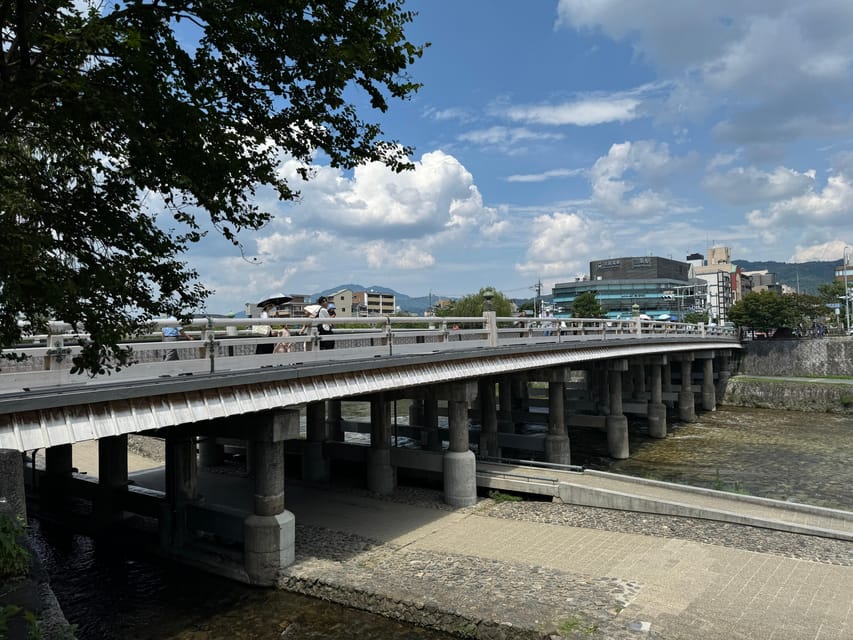
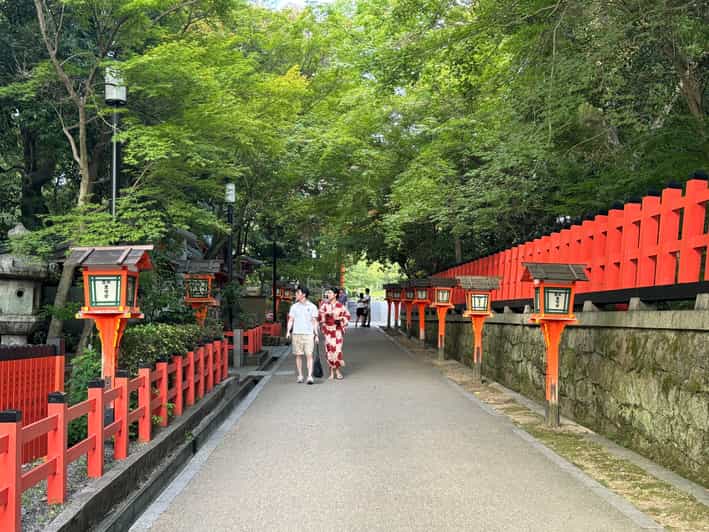
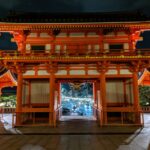
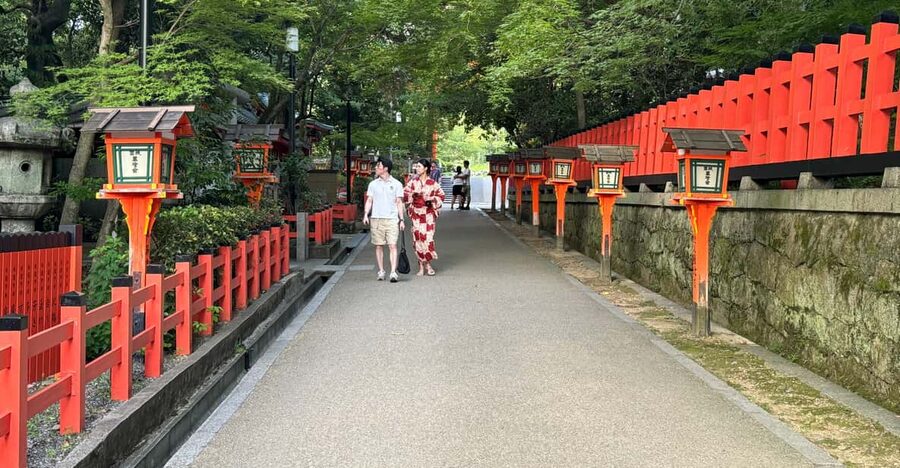
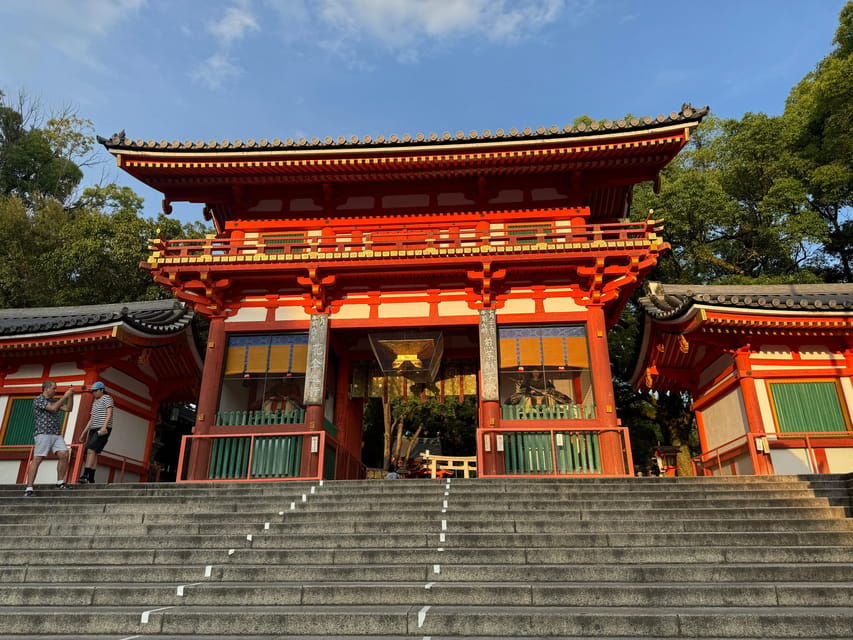
After Gion, you move to Yasaka Shrine, which the tour frames as a site with about 1,400 years of cultural significance. You get a photo stop, a visit, and a guided segment.
What makes this stop useful is that it provides context. In Kyoto, a shrine is not just a backdrop. It is a living cultural place, tied to ceremonies and festivals. When you stand at Yasaka Shrine with guidance, you are more likely to connect what you see to the long timeline that shaped the area.
In practice, this stop is short, about 20 minutes including the visit. That can be perfect in a half-day tour, but it also means you will not get a slow, minute-by-minute explanation of every tradition on-site. If you care most about the rituals, this is where you should use your time wisely, asking questions while you are standing there.
The best strategy: focus on the big visual cues your guide highlights, then take a couple of calm minutes to look at the details you can actually read with your own eyes. This is also a good moment to adjust your walking rhythm, because the next stretch involves more lane time.
Ninenzaka and Sannenzaka: Browsing Streets and the Yasaka Pagoda View
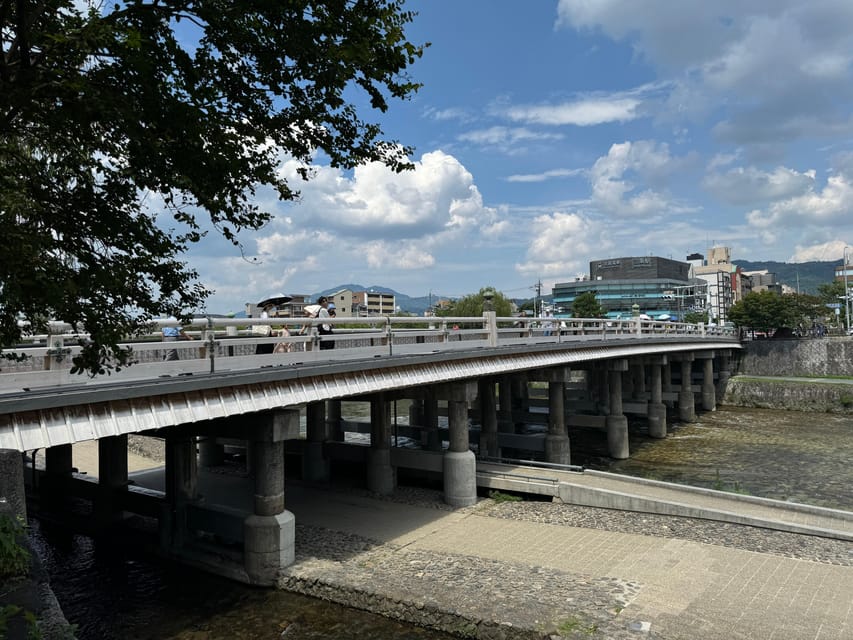
Next comes the slopes and stone-street lanes of Ninenzaka and Sannenzaka. Expect a photo stop and a short guided walk, with time to browse local shops and tea houses along the way.
These lanes are famous for their old-school Kyoto feel. The good part for you is that this is not a rushed look at a single temple wall. It is a street experience. You slow down just enough to notice shop items, street textures, and the way the lanes shape the view.
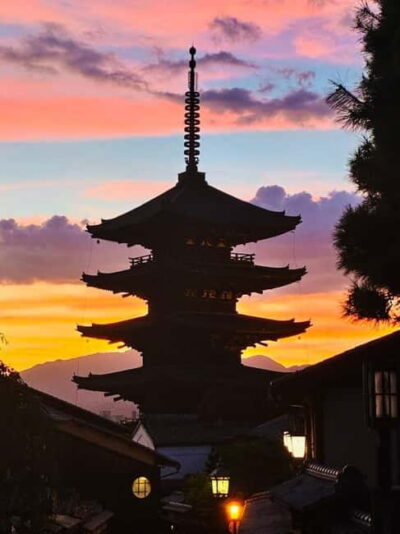
One of the tour highlights is the Yasaka Pagoda, the iconic five-story structure. The plan uses the fact that Yasaka Pagoda looks particularly striking from nearby streets in this area. That means you are not hunting for a perfect angle on your own while your schedule tightens.
If you care about photos, this is the segment to be ready. You will be taking images from multiple points, because the pagoda is a vertical landmark and the lanes give you natural vantage points.
A practical tip: browsing can expand your time quickly. In a four-hour tour, keep one goal in mind. Either shop for one or two items you truly want, or treat the browsing as window shopping, and save your buying for later.
From guide feedback, some guides have also aimed to make movement easier and avoid the worst congestion in the lanes. I would treat that as a real advantage of going with a guide, not a bonus, because it can directly affect how relaxed you feel during the slope walk.
Kiyomizu-dera’s Wooden Stage and Panoramic Views
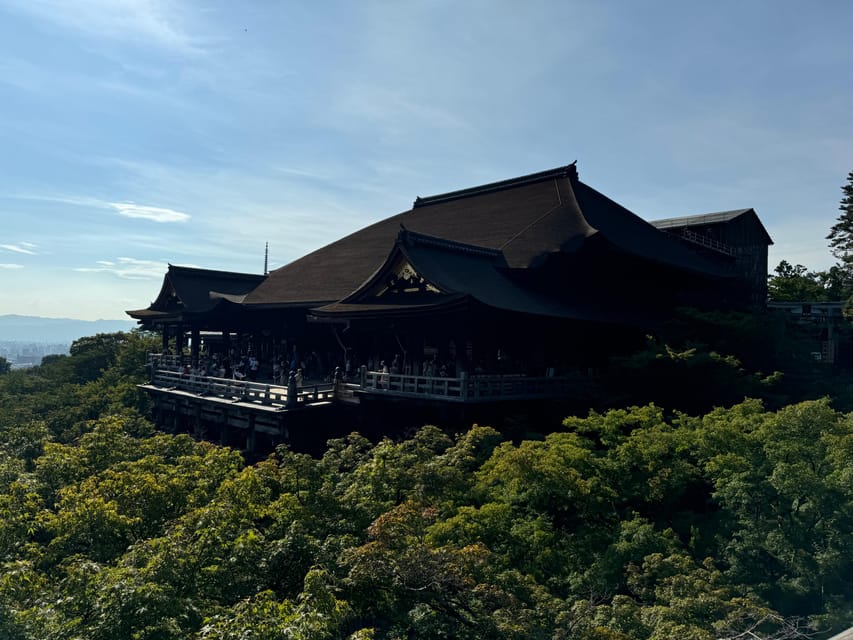
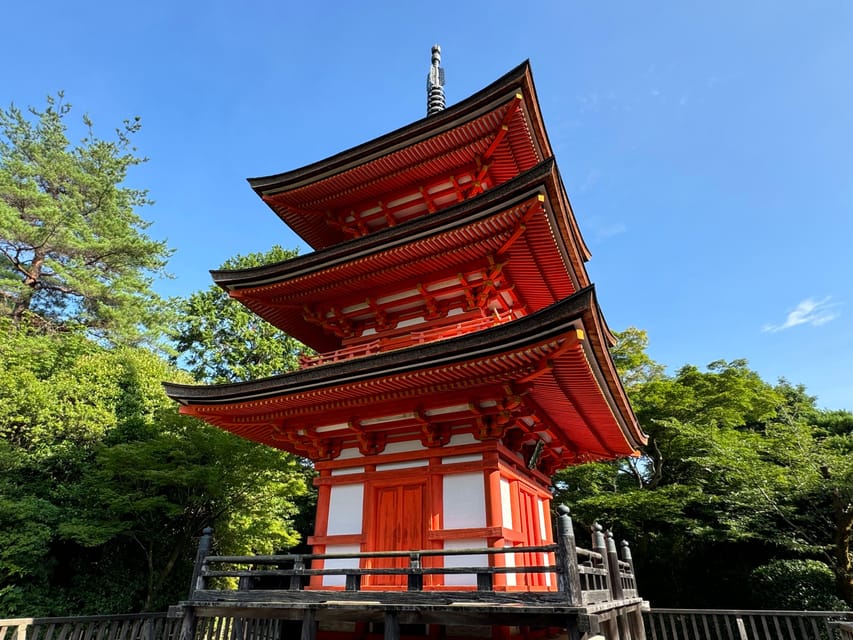
Kiyomizu-dera is the grand finale here. You get a photo stop plus a guided visit lasting about an hour. Importantly, entry to Kiyomizu-dera is included.
The main reason this temple earns its reputation is the wooden stage and the views. The stage area is designed for looking out, not just admiring from ground level. With the guide, you will be pointed toward the places that give you those panoramic sightlines without wasting time.
This is also the segment where pacing matters. Because the tour is only four hours, your hour at Kiyomizu-dera needs to cover what matters most. In practice, that usually means the guide helps you hit the key photo spots and the core temple areas without getting lost.
There is one trade-off to know up front: entry to Zuigudo Hall is not included. If Zuigudo Hall is your must-see, plan to pay for it separately so you do not feel surprised once you arrive.
For photography, keep in mind that your best shots often happen when you stop moving. So give yourself a couple of quiet pauses during the visit. Even if the stage is the headline, your best memories may come from the moments you take a step back and let the whole view land.
Lantern-lit streets of the geisha quarter
Price and Value for a Private or Small Group Tour
At $77 per person for about 4 hours, this tour sits in a reasonable midrange for Kyoto. The big reason it can feel like good value is that you are paying for a guide plus included temple entry.
Here is how I look at it for your money:
- You are not just getting transportation. You are getting a guided route with multiple cultural stops.
- The plan includes Kiyomizu-dera entry, which helps on time and reduces hassle.
- The private or small-group format means you are not forced into a rigid group pace.
If you are traveling with a partner and you split the cost, it can feel especially worthwhile. Even if you are solo, a private setup can be a comfort win, especially when you want a guide who can adjust to your pace.
When it might not feel like the best deal: if you already know Kyoto well and you only want a quick photo circuit. This tour works best when you want interpretation, not just a route.
Based on guide feedback from past departures, the experience quality often hinges on the guide. Some guides, like Julien, have been praised for sharing facts about Kyoto and personal stories from time in Japan, plus keeping the pace comfortable. That kind of guide presence tends to make the price feel fair, because it turns famous places into something you understand.
Who Should Book This Gion and Kiyomizu Tour
This tour is a strong match if you want the classic Kyoto highlights in a tight timeline, with human guidance. I think it is ideal for:
- First-time visitors who want Gion, Yasaka Shrine, and Kiyomizu-dera without guesswork
- Couples and solo travelers who like a private or smaller-group feel
- People who value context, even if you do not want an all-day museum-style pace
It is also a good fit if you like walking and looking at old streets. The Ninenzaka and Sannenzaka lanes are as much about the strolling experience as they are about the pagoda view.
If you are the type who demands very detailed coverage of rituals and history, go in with a mindset of asking targeted questions. The tour is balanced, but it is not designed to be a long lecture. You can get more out of it by being specific about what you care about.
Should You Book This Kyoto Half-Day Tour?
Yes, if you want a guided hit list that still feels thoughtful. This is one of those schedules that makes sense because the route connects cultural ideas instead of treating each stop like a separate postcard.
I would especially book it if:
- You want a guide-led walk through Gion’s traditional streets and not just a photo line
- You want a shrine stop with real context, including the long timeline tied to Yasaka Shrine
- You want Kiyomizu-dera entry included and a guided path to the wooden stage and views
Skip it only if your top priority is raw independence, or if you are chasing an ultra-deep dive into every shrine and temple detail. In that case, you might prefer a slower, more flexible format.
If you do book, bring one habit that pays off immediately. Ask your guide one or two specific questions early, then let the rest of the tour flow. With a good guide, that is when the half-day window gives you the biggest payoff.
FAQ
How long is the tour?
The tour duration is 4 hours.
What does the tour cost?
The price is $77 per person.
Is this tour private, or is it a group tour?
It offers private or small groups, depending on availability.
What languages are the guides available in?
Guides are available in English and Japanese.
Where do I meet the guide?
Meet your guide in front of the police box at 中京警察署 四条交番 next to Pontocho Street. The guide will hold a yellow sign with the DeepExperience logo.
What is included in the tour?
The tour includes a guide and entry to Kiyomizu temple.
Is entry to Zuigudo Hall included?
No, entry to Zuigudo Hall is not included.
Can I cancel and get a full refund?
Yes. You can cancel up to 24 hours in advance for a full refund.
New This Season
- Koyasan Day Trip by Private Car from Kyoto
- Old Port Town and Ultimate Sake Tasting Private Tour From Kyoto
- Kyoto’s Timeless Charm: 3hr Exploration of History and Peace
- Kyoto: 5 Types of Sushi Making
- Sacred Peak & Ancient Paths: Kurama-Kibune Hiking Experience
- Kyoto: Exclusive ZEN practice at Manpukuji temple in Uji
- Kyoto: Private Seasonal Aroma Yoga Class
- Traversing Kyoto’s Scenic West – Arashiyama to Kinkakuji
Gion Geisha Quarter Walks, compared.
Kyoto Geisha Walking Tour: Gion District & Hidden Gems
Read our review →
Gion Magical Night Walking Tour with Geisha Trivia
Read our review →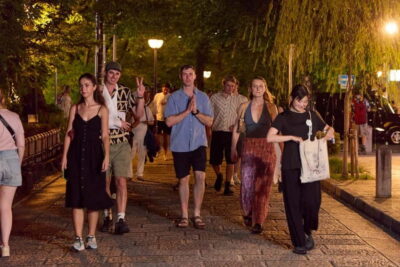
Gion Geisha District Walking Tour – Stories of Geisha
Read our review →
Best of Kyoto: Gion, Geisha, Pagodas & Cobblestones
Read our review →
Kyoto Night Foodie Tour in Gion (9+ dishes + 6 Sake tastings)
Read our review →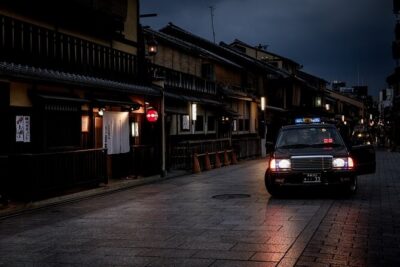
Kyoto Gion Geisha District Walking Tour – The Stories of Geisha
Read our review →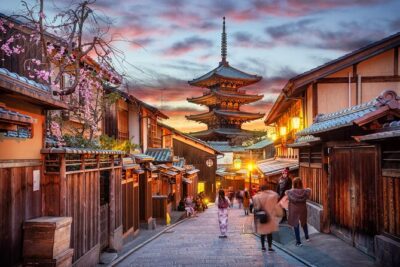
Kyoto Gion: 2-Hour Geisha Culture & History Walking Tour
Read our review →Also filed under