
Reviewed · TEMPLE GARDENS
Kyoto: Higashi Hongan-ji Temple & Shōsei-en Garden Walk Tour
Big temple calm, then a garden stroll. This 90-minute Kyoto tour strings together Higashi Hongan-ji Temple and Shōsei-en Garden in a way that feels calm and focused, not rushed.
I especially love how the tour spotlights the sheer Goei-dō Hall scale and the temple mood that comes with it, solemn and spacious. I also like that your English-speaking guide connects what you’re seeing to the Jōdo Shinshū Buddhist story, including how Higashi Hongan-ji relates to its sister temple, Nishi Hongan-ji. One consideration: you do walk the grounds and garden, so bring comfortable shoes, and plan for possible photography limits in some temple areas.
In This Review
- Key Things You’ll Notice on This Tour
- Higashi Hongan-ji and Shōsei-en: A Smart Pairing in Kyoto
- Entering Higashi Hongan-ji Temple Grounds and the Goei-dō Hall First Impression
- Learning Jōdo Shinshū Through What You See (Not Just Facts)
- The Goei-dō Hall Details That Make It Worth Slowing Down
- Shōsei-en Garden Walk: Kyoto’s Quiet Pond-Strolling Style
- How to Get the Most From the One-Hour Garden Portion
- Itinerary Flow and Timing: 90 Minutes That Stay Relaxed
- Price and Value: Why $103 Works for the Right Traveler
- Who This Tour Suits Best (and Who Might Rethink It)
- What to Know Before You Go, Practical Tips Included
- Should You Book the Kyoto Higashi Hongan-ji and Shōsei-en Walk Tour?
- FAQ
- How long is the Kyoto Higashi Hongan-ji and Shōsei-en garden walk tour?
- Where is the meeting point for the tour?
- What does the tour include?
- Is transportation included?
- Are meals and drinks included?
- Is this tour private?
- What languages are available for the live guide?
- Is photography allowed?
- Is the tour walking-heavy?
- What is the cancellation policy?
Key Things You’ll Notice on This Tour
- Goei-dō Hall at Higashi Hongan-ji: one of the largest wooden structures in the world, with black lacquered pillars and golden details
- A real Jōdo Shinshū orientation: your guide explains the sect’s history and the temple’s role in Japanese Buddhism
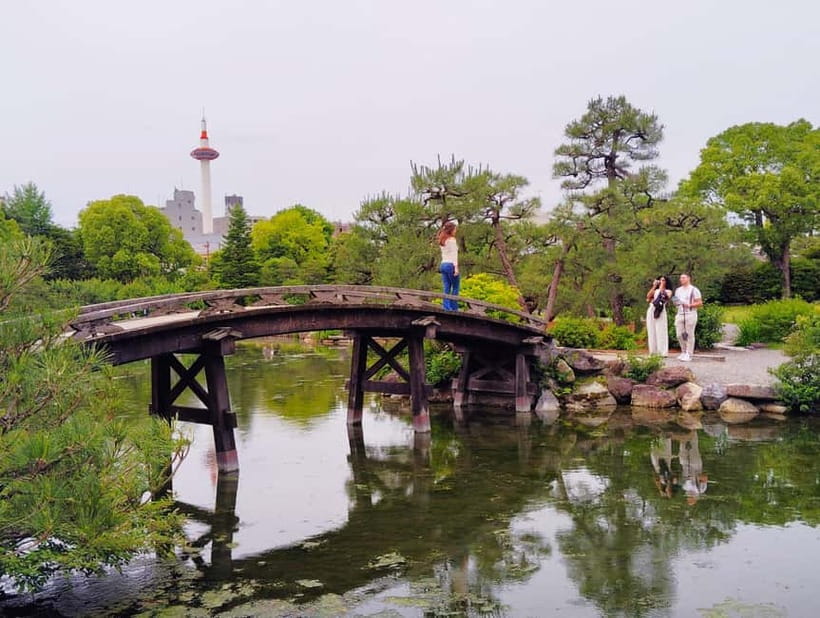
- Shōsei-en’s pond-strolling design (chisen-kaiyu-shiki): slow paths, bridges, and views timed for reflection in still water
- The garden’s quiet backstory: it once served as a retreat for monks and high-ranking guests
- Photography rules that can change by area: you might find some sections restrict pictures, especially indoors
Higashi Hongan-ji and Shōsei-en: A Smart Pairing in Kyoto
Kyoto can feel like nonstop temples, and that’s exactly why I like this pairing. Higashi Hongan-ji delivers the big spiritual architecture side of Kyoto. Then Shōsei-en gives you the softer, slower nature side, right nearby. You’re not switching themes randomly. You’re moving from reverence to reflection.
This format works well because both places reward the same travel style: slow attention. At the temple, it’s about scale and silence. In the garden, it’s about walking at a walking pace, letting the pond views do the work. If you’re short on time but want something more than a quick photo stop, this tour is built for that.
Entering Higashi Hongan-ji Temple Grounds and the Goei-dō Hall First Impression
Your tour starts at the御影堂門, at the Goei-dō Gate area of Higashi Hongan-ji. Even before you fully understand what you’re looking at, you feel the size. The grounds are vast, and the buildings give you that “Kyoto has different rules” feeling, where space itself becomes part of the experience.
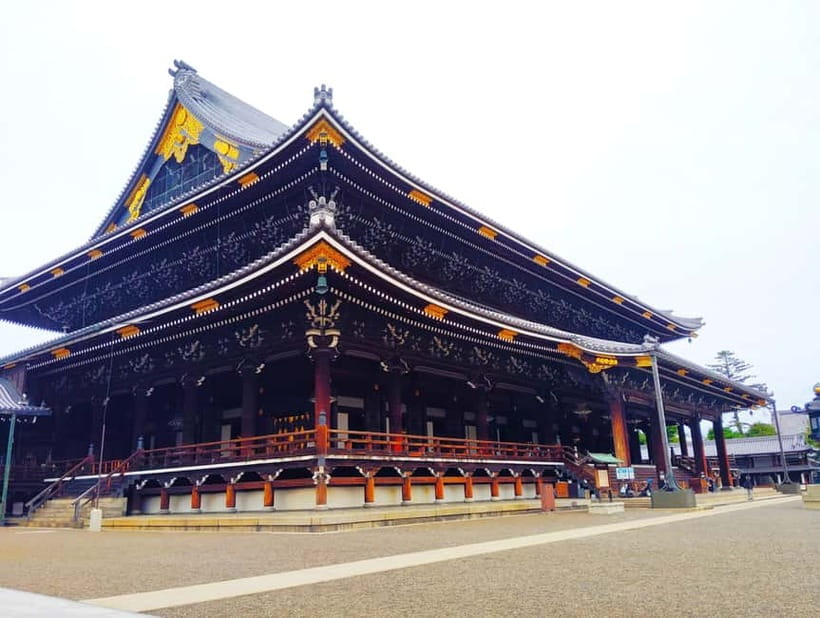
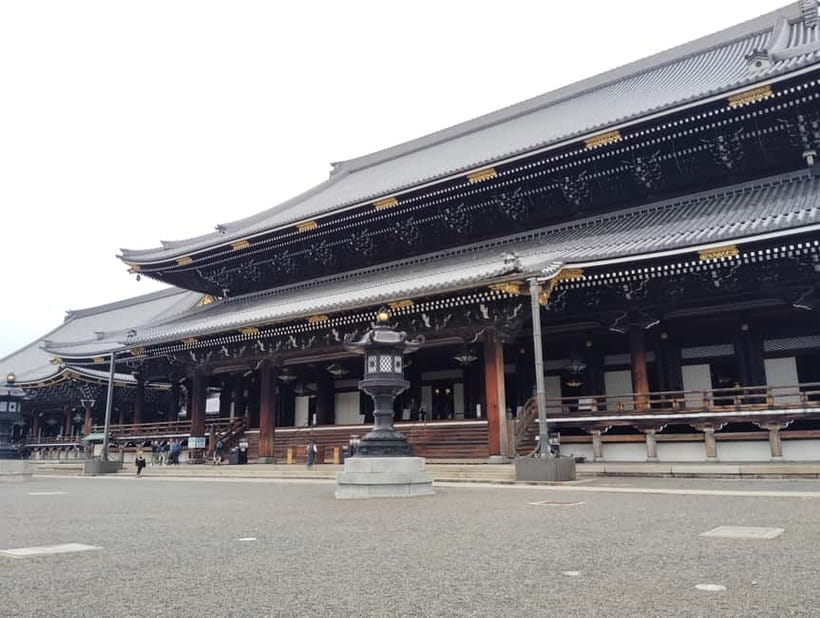
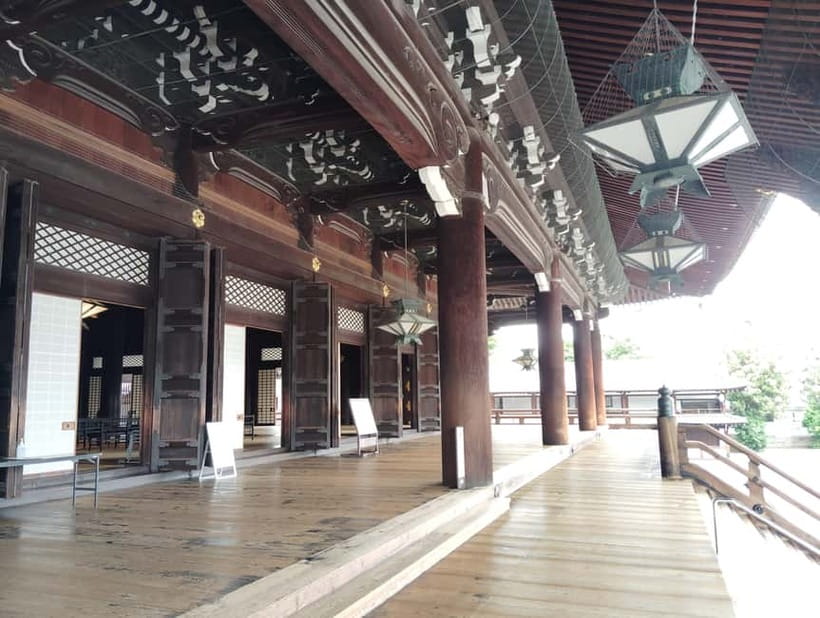
The standout moment is the Goei-dō Hall. You’ll see why it’s famous, described as one of the largest wooden structures in the world. But the better point for your day is the atmosphere it creates. The hall’s black lacquered pillars, golden embellishments, and solemn silence combine into a mood that’s both majestic and deeply contemplative. In other words, it’s not just impressive from a distance. It changes how you stand, how you walk, and how long you naturally linger.
Photo stop time is included early, so you get a chance to capture the hall’s presence before the rest of the visit moves you along. If you’re planning your photos, focus on details too, not just the entire facade. The contrast of dark wood and gold trim is what makes close-up shots worth it.
Moss, stone, and raked gravel gardens
- Kyoto Arashiyama Walking Tour: Bamboo, Monkeys, Gardens & Secrets
★ 5.0 · 1,216 reviews - Kyoto Zen Meditation & Garden Tour at a Zen Temple with Lunch
★ 5.0 · 441 reviews - Kyoto Arashiyama Bamboo forest & Garden Half-Day Walking Tour
★ 5.0 · 413 reviews - Kyoto: Zen Garden, Zen Mind (Private)
★ 5.0 · 126 reviews
Learning Jōdo Shinshū Through What You See (Not Just Facts)
A big part of why this tour works is that the guide turns the architecture into context. You learn about the Jōdo Shinshū Buddhist sect and how Higashi Hongan-ji functions as one of the head temples. That matters, because otherwise many large temples in Japan can blur together.
You also hear how Higashi Hongan-ji relates to Nishi Hongan-ji, the sister temple. That kind of comparison is more useful than a long list of names because it gives you a framework. You start noticing patterns in how temples present identity and authority, and how the story of a sect shows up in its spaces.
Your guide is fluent in English and also able to work in Japanese as needed, and the private group setup keeps the pace sensible. In a short 90 minutes, the goal is clarity, not overload. You should walk away with the sense that you understand the “why” behind the building scale and the quiet, not just the “what.”
The Goei-dō Hall Details That Make It Worth Slowing Down
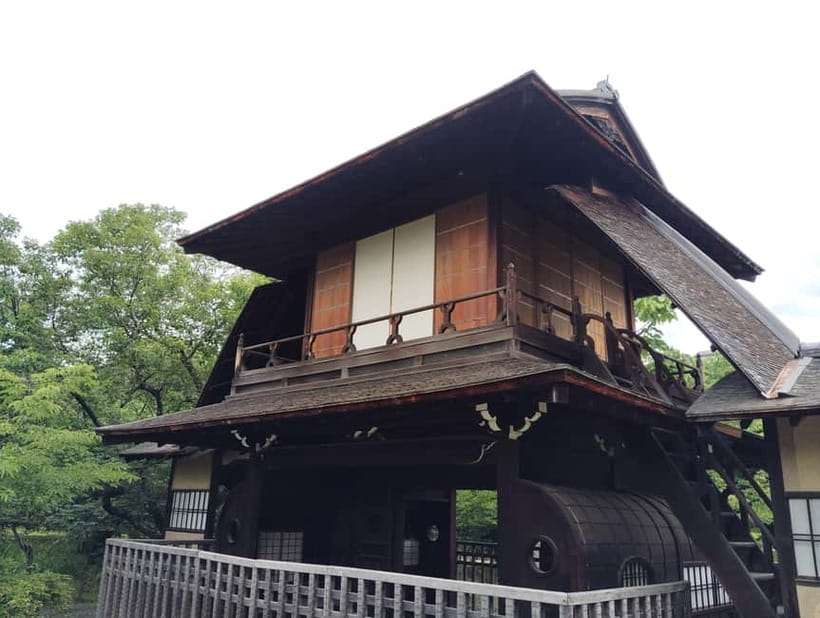
What you’ll likely enjoy most is that the tour doesn’t treat the Goei-dō Hall as a generic landmark. The description you get is visual and practical: black lacquered pillars, golden embellishments, and that solemn silence. Those three details shape the whole experience.
Here’s how I’d translate that for your visit. When you look at the hall, try to notice:
- How the dark wood catches light differently than modern materials
- How the gold elements pull your eye toward sacred focal points
- How the interior or surrounding quiet makes you instinctively lower your voice
You don’t need to “act spiritual.” The space encourages calm on its own. If you tend to rush on temple days, this is a good place to reset your pace.
Shōsei-en Garden Walk: Kyoto’s Quiet Pond-Strolling Style
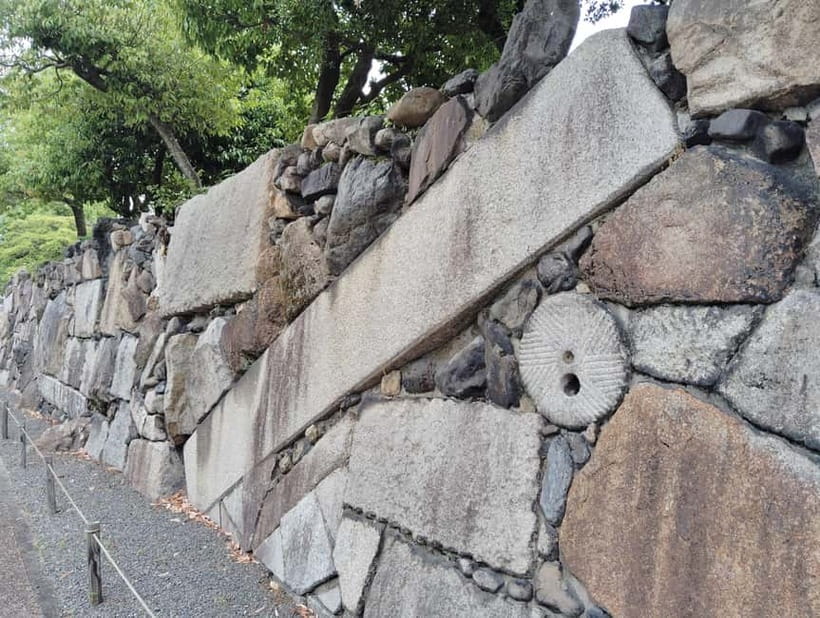
After Higashi Hongan-ji, you head just a few blocks away to Shōsei-en Garden. The proximity is part of the contrast. Even though Kyoto is busy, Shōsei-en feels tucked away, like you’ve stepped into a different tempo.
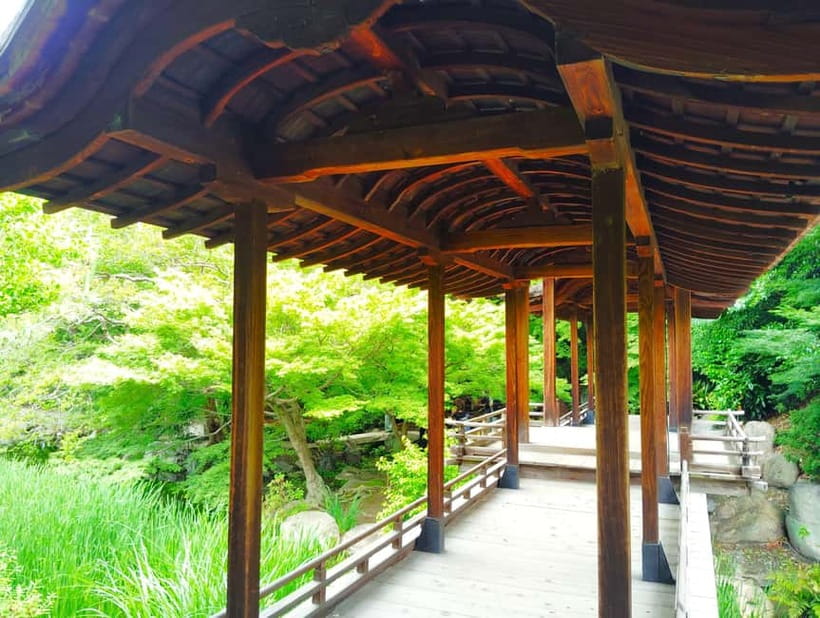
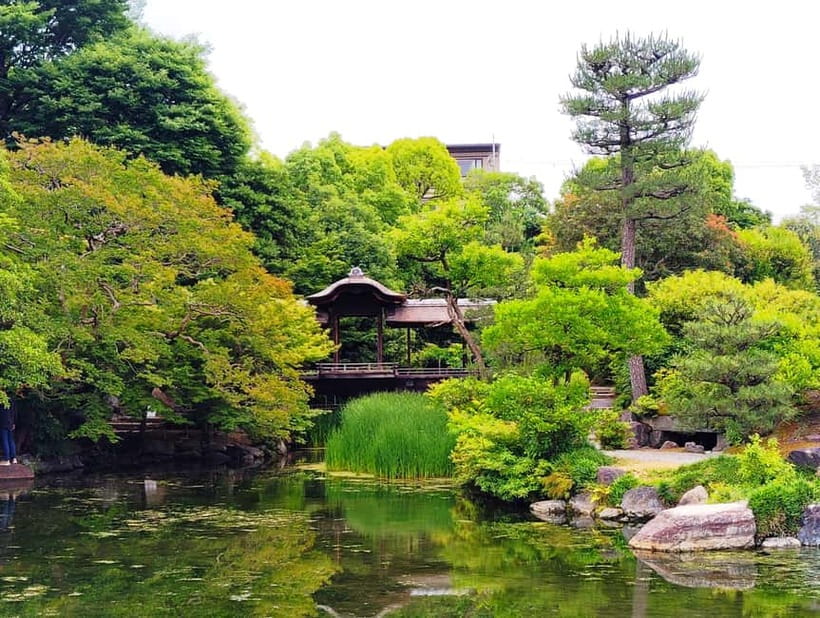
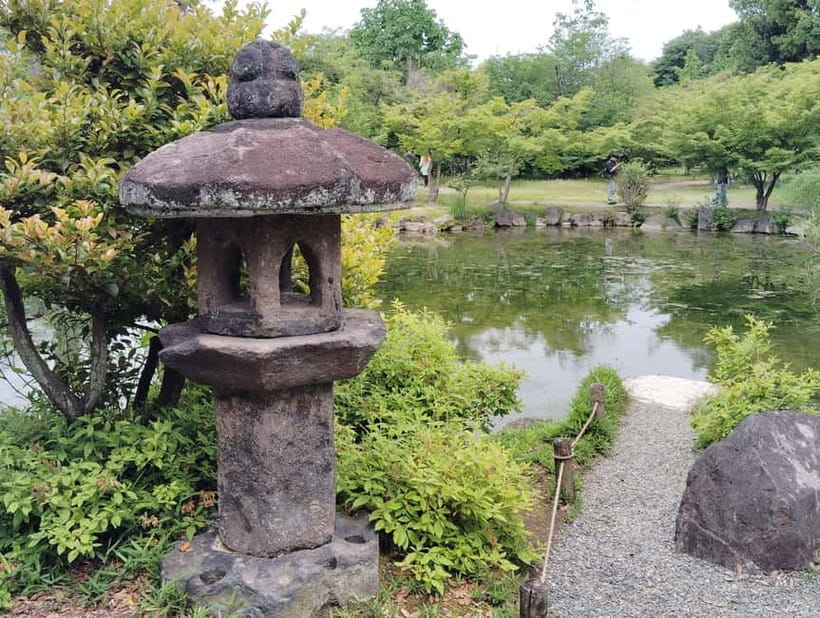
Shōsei-en is designed in the pond-strolling style, chisen-kaiyu-shiki. That means the garden isn’t one big view you stand at once. It’s a route. You’ll stroll through paths and cross elegant bridges, with traditional tea house elements along the way. As you walk, you’re meant to see different compositions, including how seasonal plants reflect in still waters.
What I like about this kind of garden is that it trains your attention without demanding anything from you. If you’re not an expert in Japanese landscaping, don’t worry. The experience guides you through it with the walking route.
You’ll also learn the garden’s backstory. It once served as a retreat for temple monks and high-ranking guests. That gives the place extra meaning. You’re not only looking at beauty. You’re standing inside a design meant for rest, reflection, and careful observation.
How to Get the Most From the One-Hour Garden Portion
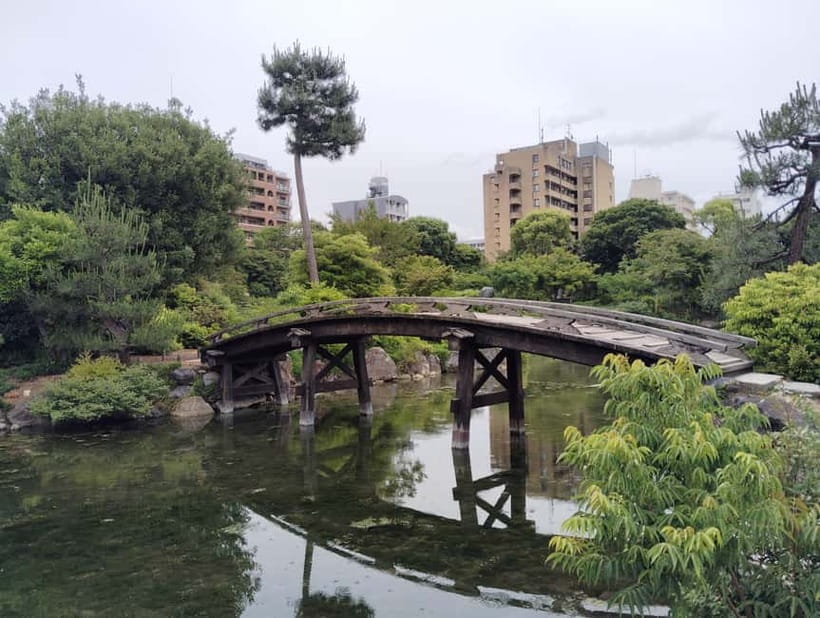
The Shōsei-en part is about one hour, and that’s enough time to do it properly if you accept the pace. I’d keep these practical tips in mind:
- Don’t treat it like a checklist of photos. Let the bridges and pond reflections set your direction.
- Pause when the water view lines up with tea house structures or garden plantings.
- Wear shoes that can handle a leisurely walk. You’ll be moving, not just standing.
Because photography may be restricted in certain areas of temples, you might find you can take photos outside but need to be more careful in interior or specific sections. The safe move is to ask your guide what’s okay and when. You’ll avoid frustration and keep the vibe respectful.
More rooftops worth a detour

Itinerary Flow and Timing: 90 Minutes That Stay Relaxed
The tour runs for 90 minutes total, with a structured flow that prevents you from feeling lost.
- Higashi Hongan-ji: about 30 minutes, including a photo stop and a guided visit
- Shōsei-en Garden: about 60 minutes, including another photo stop and a guided walk
That pacing is ideal for a couple of reasons. First, the temple sets the emotional tone. Second, Shōsei-en acts like a decompression chamber. You go from indoor-scale reverence to outdoor calm and reflections.
If you’re planning this as part of a day that also includes markets or shopping, you can place it as a break. It’s short enough to fit between busier activities, and it changes your mental gear in a good way.
Price and Value: Why $103 Works for the Right Traveler
At $103 per person, this isn’t a “grab it and forget it” budget tour. It’s priced as a guided, private-style experience focused on two high-value sights.
So is it worth it? I think it can be, because you get three value drivers that matter in Kyoto:
- A guided visit of Higashi Hongan-ji, not just a walk-by
- Access to Shōsei-en as part of a routed garden stroll, not random wandering
- A guide fluent in English, plus Japanese capability, which helps you understand what you’re seeing fast
Also, the group is listed as a private group. That usually means you spend less time waiting around and more time actually taking in the sights at a human pace. If you want context without booking a full half-day, this 90-minute format is one of the more practical choices.
If you already know a lot about Jōdo Shinshū and Japanese garden design, you might not need as much guidance. But even then, the Goei-dō Hall scale and the garden route are still easier when someone gives you the story and the viewing order.
Who This Tour Suits Best (and Who Might Rethink It)
This is a strong fit if you want:
- Temple depth without a long day
- A quiet nature break close to the rail hub area
- A guide who can explain religious context in a way that feels approachable
- A manageable amount of walking (comfortable shoes still required)
It may be less suitable if:
- You have mobility limitations. The tour involves walking around temple grounds and through the garden.
- You strongly prefer to spend your time without any rules or restrictions. Photography may be restricted in some areas.
Private group tours are also a good match for travelers who like asking questions. If you enjoy dialogue rather than just listening to fixed audio guides, this tour format tends to work well.
What to Know Before You Go, Practical Tips Included
Here are the small, real-world things that affect your comfort and your results:
- Wear comfortable shoes. You’ll be walking both the temple area and garden paths.
- Expect some photography limitations in temple areas. If you care about photos, ask your guide what’s allowed in each zone.
- Keep your expectations realistic. This is 90 minutes. You’ll get meaningful highlights, not every nook and corner.
Meeting point detail matters. Your guide waits in front of the Goei-dō Gate of Higashi Hongan-ji Temple, holding a yellow sign that says DeepExperience. Use that as your visual anchor so you don’t waste time searching.
Should You Book the Kyoto Higashi Hongan-ji and Shōsei-en Walk Tour?
If you like a calm, well-guided short visit, I’d say book it. This tour makes smart use of a compact time window by pairing one of Kyoto’s most impressive wooden halls with a pond-strolling garden designed for reflection. The guide’s focus on the Jōdo Shinshū Buddhist sect and the relationship between Higashi and Nishi Hongan-ji gives you context that many quick temple stops simply don’t provide.
If you only want a self-paced temple photo run, you might skip it. But if you want understanding, pacing, and a genuine mental breather in the middle of a Kyoto day, this one is a solid choice.
FAQ
How long is the Kyoto Higashi Hongan-ji and Shōsei-en garden walk tour?
It lasts 90 minutes.
Where is the meeting point for the tour?
You meet in front of the Goei-dō Gate of Higashi Hongan-ji Temple. The guide will be holding a yellow sign that says DeepExperience.
What does the tour include?
It includes a guided tour of Higashi Hongan-ji Temple, a visit to Shōsei-en Garden, and an expert English-speaking guide.
Is transportation included?
No. Transportation to and from the meeting point is not included.
Are meals and drinks included?
No. Meals and drinks are not included.
Is this tour private?
Yes. It is listed as a private group.
What languages are available for the live guide?
The tour is offered with a live guide in English and Japanese.
Is photography allowed?
Photography may be restricted in certain areas of the temples, so it’s best to follow any guidance from your guide on-site.
Is the tour walking-heavy?
Yes. It involves walking through temple areas and around the garden, and it may not be suitable for those with mobility impairments. Comfortable shoes are recommended.
What is the cancellation policy?
You can cancel up to 24 hours in advance for a full refund.
More Walking Tours in Kyoto
New This Season
- Koyasan Day Trip by Private Car from Kyoto
- Old Port Town and Ultimate Sake Tasting Private Tour From Kyoto
- Kyoto’s Timeless Charm: 3hr Exploration of History and Peace
- Kyoto: 5 Types of Sushi Making
- Sacred Peak & Ancient Paths: Kurama-Kibune Hiking Experience
- Kyoto: Exclusive ZEN practice at Manpukuji temple in Uji
- Kyoto: Private Seasonal Aroma Yoga Class
- Traversing Kyoto’s Scenic West – Arashiyama to Kinkakuji
Temple Gardens, compared.
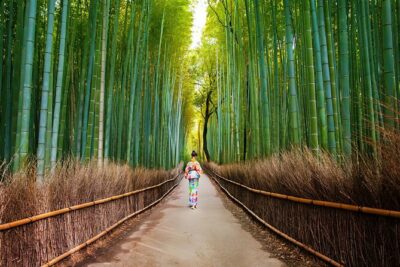
Kyoto Arashiyama Walking Tour: Bamboo, Monkeys, Gardens & Secrets
Read our review →
Kyoto Zen Meditation & Garden Tour at a Zen Temple with Lunch
Read our review →
Kyoto Arashiyama Bamboo forest & Garden Half-Day Walking Tour
Read our review →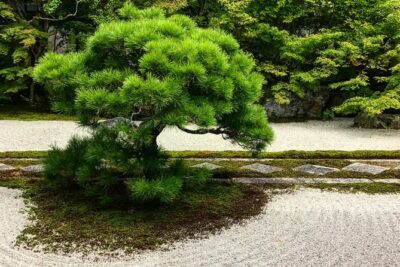
Kyoto Kiyomizu Tea Ceremony with Scenic Garden Views
Read our review →
Zen Meditation and Garden Tour at a Temple with Lunch
Read our review →
Stunning Private Tea Ceremony: Camellia Garden Teahouse
Read our review →Also filed under