
Reviewed · WALKING TOURS
Kyoto Higashiyama Walking Private Tour
Kyoto looks different from street level. This private walking tour of Higashiyama takes you through Kyoto’s eastern highlights on foot, mixing famous sights like Kiyomizu-dera with quieter lanes you’d likely miss. You’ll cover about 3 km over roughly 3 hours, with a small group capped at 6 and a mobile ticket for easy check-in.
I really like the guide side of this tour. My favorite part was how Akari’s local knowledge connected the dots, plus the helpful food and coffee tips that make the next stop feel effortless instead of random.
One thing to consider is the walking. You’ll handle gentle slopes and stone steps, and there’s no hotel pickup, so you’ll want to plan how you get to the meeting point near Minamiza Theater.
In This Review
- Key highlights worth your attention
- Why Higashiyama feels right on foot
- Meeting at Minamiza Theater, then stepping straight into Gion
- Hanamikoji Street and the chance to spot geisha or maiko
- Yasaka Shrine, vermilion gates, and how locals pray
- Ishibe-koji and Nene no Michi, the quieter story streets
- Yasaka Pagoda viewpoint, then Sannenzaka’s sloped street life
- Kiyomizu-dera Temple, the stage, and the city views
- What an English local guide changes (Akari effect)
- Mobile ticket and the no-pickup reality
- Price and value: is $52.03 per person a fair deal?
- Who should book this tour, and who should skip it?
- Should you book this Kyoto Higashiyama walking tour?
- FAQ
- How long is the Kyoto Higashiyama Walking Private Tour?
- Where does the tour start and end?
- Is this tour a large group or a private experience?
- What sites do we visit during the walk?
- How much walking is involved?
- What’s included in the price?
- What is not included?
- What fitness level do I need?
Key highlights worth your attention
- Small group, up to 6 guests keeps the pace relaxed and questions easy to answer
- About 3 km in ~3 hours is a manageable walking loop for most active visitors
- Iconic stops plus side alleys includes Ishibe-koji and Nene no Michi, not just the big-name photos
- Yasaka Pagoda photo viewpoint is timed for calmer viewing and better framing
- English-speaking local guide shares stories that explain what you’re looking at, not just where to stand
- Practical local tips after the tour help you plan eating, shopping, and wandering next
Why Higashiyama feels right on foot
Higashiyama is where Kyoto starts to feel human again. The streets are narrow, the slopes are real, and the city changes as you turn a corner. This walking format matters because you see the texture of daily life, not just the postcard version.
This tour is built around a steady but not exhausting route. Expect roughly 3 km total, with gentle climbs and stone steps. That’s a good fit if you want big sights plus the “in between” parts that make Kyoto memorable.
It’s also a private setup for up to 6 people. That small size changes the tone. You can slow down for photos, ask why a place matters, and get a sense of flow rather than sprinting from one stop to the next.
Meeting at Minamiza Theater, then stepping straight into Gion
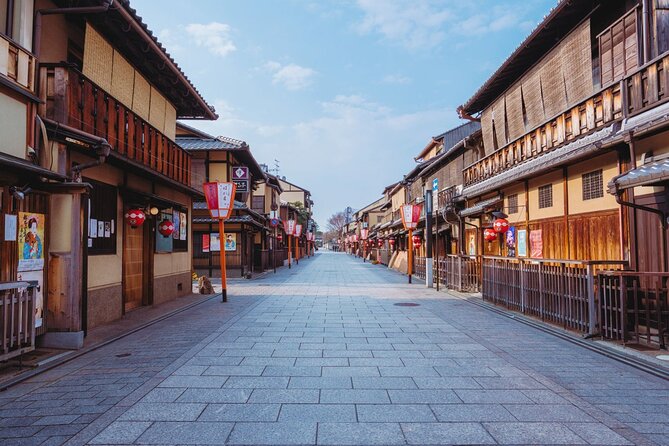
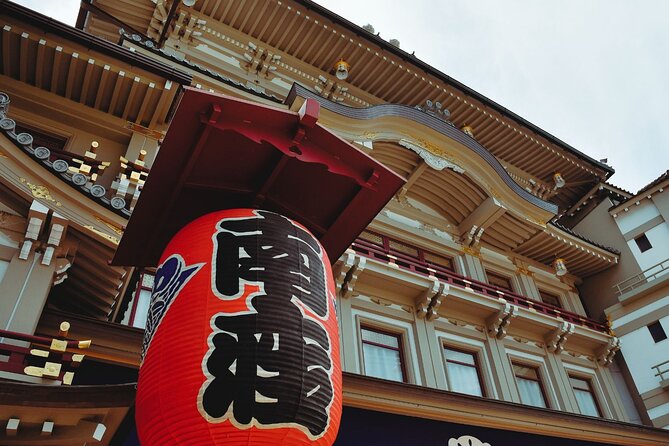
You start at Minamiza Theater, right by the entrance to Gion. It’s a neat opener because it points you toward Kyoto’s performing arts tradition before you even hit the shrines and temple crowds.
Minamiza is known as one of Japan’s oldest kabuki theaters, and the tour uses that as a springboard. You’ll get the cultural significance of the theater and how it connects to the heart of Kyoto’s entertainment district.
From there, the walk naturally feeds you into Gion’s rhythm. You’re not just dropped onto a famous street, you’re guided into the context so the scenery makes sense.
A quieter way to spend a day in Kyoto
- Kyoto Geisha Walking Tour: Gion District & Hidden Gems
★ 4.7 · 3,273 reviews - Kyoto: Gion Magical Night Walking Tour with Geisha Trivia
★ 4.9 · 2,393 reviews - Kyoto: Gion Geisha District Walking Tour – Stories of Geisha
★ 4.7 · 2,187 reviews - Night Walk in Gion: Kyoto’s Geisha District
★ 4.5 · 2,003 reviews
Hanamikoji Street and the chance to spot geisha or maiko
Hanamikoji Street is one of the classic Gion walks, lined with preserved traditional teahouses. On this tour, you don’t just stroll past them. You get the cultural context for what you’re seeing and how the district works day to day.
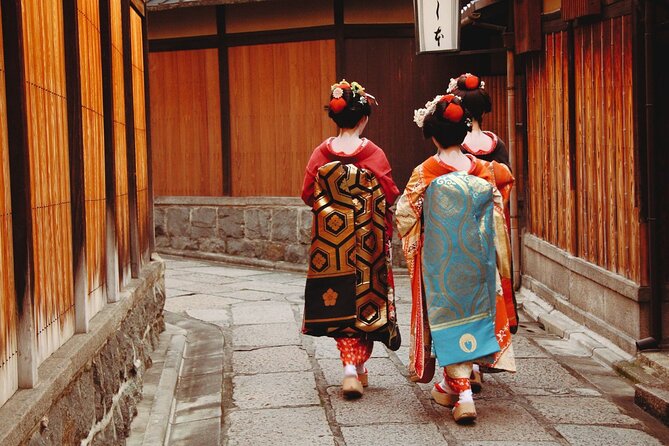
If you’re lucky, you might spot a geisha or maiko on her way to an appointment. You should treat that as a bonus, not a guarantee. The real value is learning how to look respectfully and where the alley-like lanes create the best “old Kyoto” atmosphere.
Practical tip: have your camera ready, but keep it low-key. The vibe here is not about grabbing a shot and rushing away. The tour pacing helps you do this without feeling like you’re stalking.
Yasaka Shrine, vermilion gates, and how locals pray
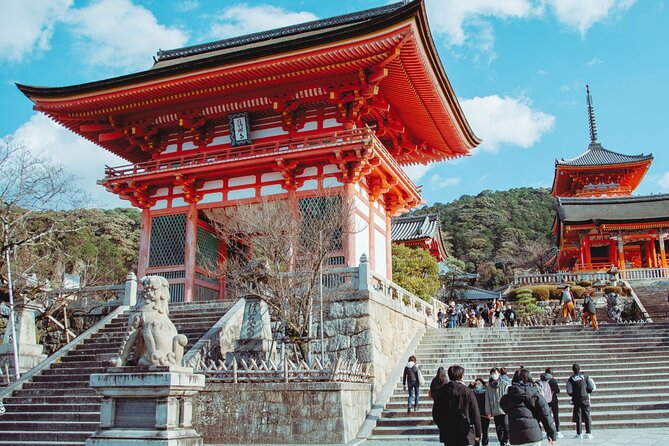
Next up is Yasaka Shrine, one of Kyoto’s important Shinto sites. The famous vermilion gates are the headline, but the tour focuses on the spiritual atmosphere and how people pray for good fortune and protection.
That context helps. When you understand the purpose behind the gestures and the flow of visitors, the shrine stops feeling like scenery and starts feeling like a living place. You’ll also get guidance on what to notice as you move through the grounds.
A drawback for some people: shrines can get busy during peak times. The advantage here is that you’re moving with an English-speaking guide who can help you find calmer angles and keep the experience from turning into a photo traffic jam.
Ishibe-koji and Nene no Michi, the quieter story streets
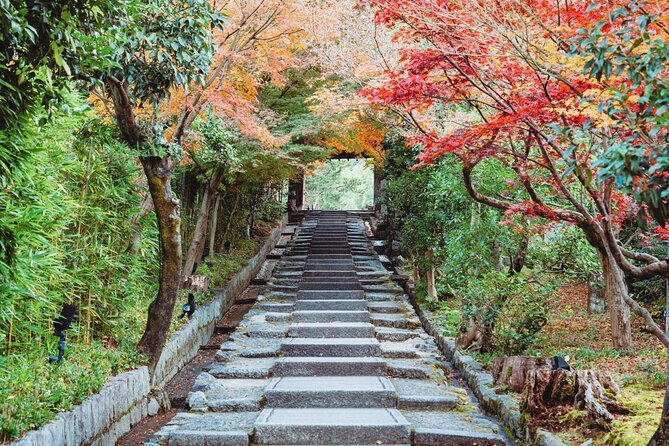
This is where the tour earns its keep for me. After the big-name areas, you shift into smaller streets that feel more like Kyoto in everyday mode.
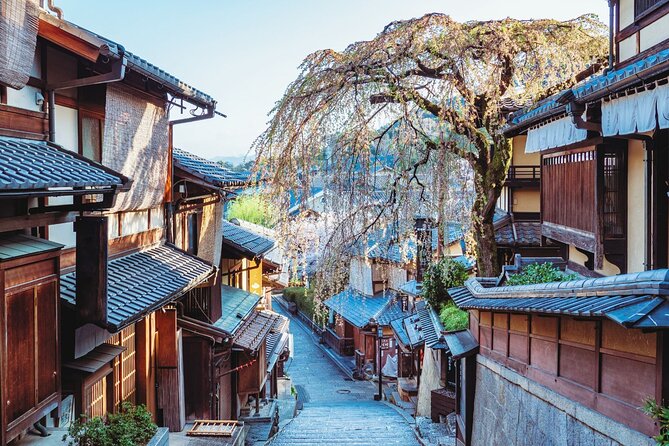
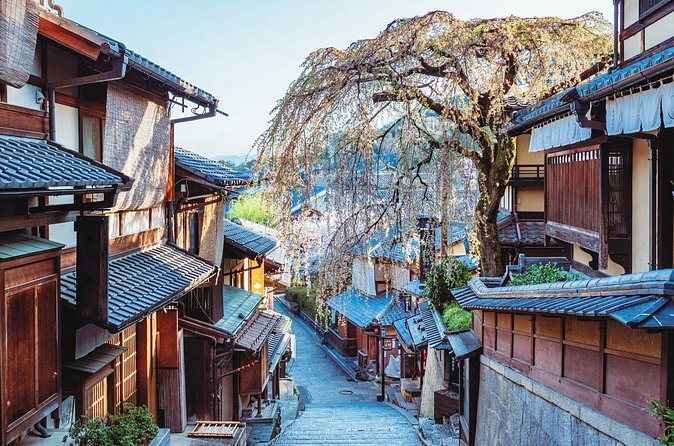
Ishibe-koji is a narrow, stone-paved alley that feels like a tucked-away pocket of old Kyoto. The buildings are beautifully preserved, and the street is built for photos. Even if you’re not trying to be a professional photographer, you’ll appreciate the way the stone and walls create depth and shadow.
Then you walk along Nene no Michi, named after Nene, the beloved wife of samurai Toyotomi Hideyoshi. This is the kind of detail that makes the walking route feel intentional. You’re not just passing through; you’re learning why this path exists and what name ties it to history.
If you like architecture and small-scale streets, these sections are likely to be your favorite part of the entire loop. They’re also a great place to slow down, take a few steps back for framing, and enjoy the calm.
Yasaka Pagoda viewpoint, then Sannenzaka’s sloped street life
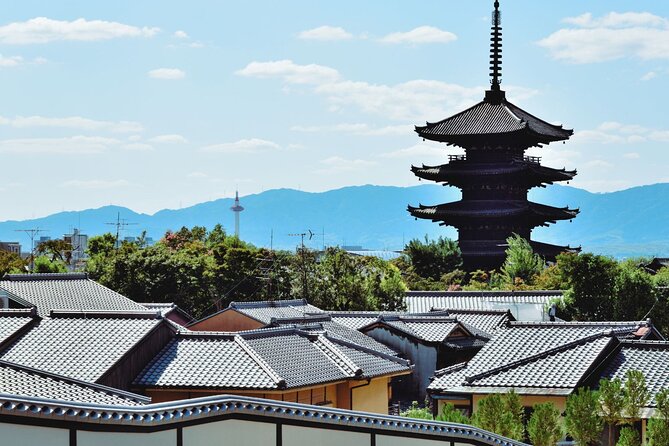
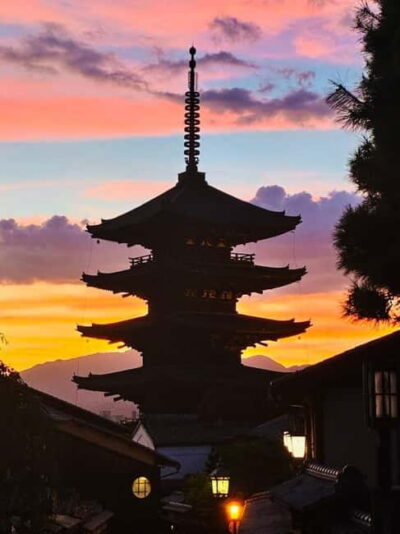
After the alley sections, the tour brings you to a quiet viewpoint of Yasaka Pagoda. The five-story wooden pagoda sits among traditional townhouses, and the viewpoint is designed for stunning photos without feeling like you’re fighting the crowd the whole time.
From there, you head down Sannenzaka, the gently sloping stone path lined with shops and cafes. This is where “temple area” turns into “shopping and wandering” in the best way. You get a blend of history and local culture, with plenty of chances to stop, browse, and reset your legs.
A practical heads-up: Sannenzaka is steep enough to matter, especially after a few hours of walking. Wear shoes with grip. If you’re traveling with anyone who has knee trouble, this is the part where you might slow down and take a break rather than rushing.
A day of temples goes further with something to break it up.

Kiyomizu-dera Temple, the stage, and the city views
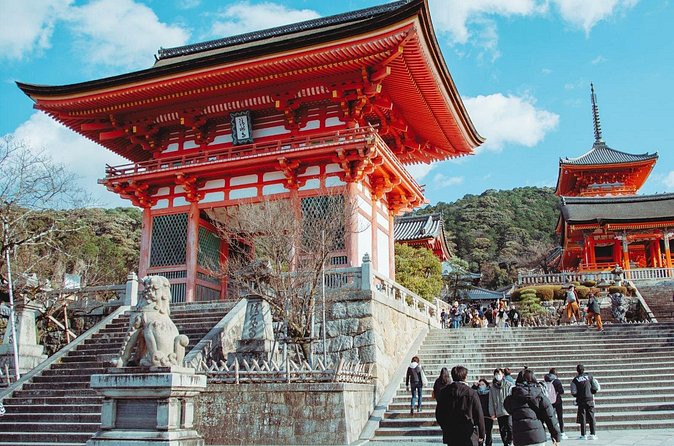
You finish with a UNESCO World Heritage site: Kiyomizu-dera Temple. This is Kyoto at full volume, and the tour helps you understand what you’re seeing as more than a landmark.
Kiyomizu-dera is famous for its wooden stage overlooking Kyoto. That stage is the signature, but the tour also connects it to the temple’s spiritual significance. Then you get the panoramic city views that make people stop mid-walk with that quiet, wow moment.
Because this is near the end of the route, you’ll feel the day’s rhythm in your legs. That’s not a bad thing. It means you arrive ready to enjoy the views instead of looking for the next “must-see” photo spot.
You’ll also end the walking tour at a scenic spot near Kiyomizu-dera Temple with a beautiful city view. This is a smart move, because it gives you a natural landing point for whatever you do next, whether that’s a slow stroll, a snack, or heading to your next neighborhood.
What an English local guide changes (Akari effect)
A walking tour can be just a list of stops. This one aims for more. The guide’s role is to explain what each place means and tell stories that make the route click.
In the feedback I took seriously, Akari’s local knowledge made a noticeable difference. She doesn’t just point out sights, she shares insights and personal stories that help you see why Kyoto’s details matter.
You also get local tips for what to eat, plus suggestions for coffee along the way. That’s not fluff. Food and drinks are what turn a “sightseeing day” into an actual experience you remember, and having someone suggest options in real time saves you time and guessing.
Mobile ticket and the no-pickup reality
This is a walking tour with no hotel pickup or drop-off. That’s common, but it matters for planning. You’ll want to arrive near the meeting point at Minamiza Theater and be ready to start on foot.
The upside is that you control your day. Once you’re at the start, you’re in the middle of Higashiyama right away, and you don’t burn time waiting for transport.
You’ll get a mobile ticket, which is handy for most travelers. It reduces paper fuss and makes day-of logistics simpler.
Price and value: is $52.03 per person a fair deal?
At $52.03 per person for about 3 hours, the value depends on what you want from the day.
You’re paying for:
- A private experience limited to 6 guests
- An English-speaking local guide
- Visits to major stops like Kiyomizu-dera, Yasaka Shrine, and Sannenzaka
- Local recommendations for food, shopping, and exploration after the tour
If you’re the type who likes order and context, this price can feel very fair. A guided route helps you avoid wasting time figuring out connections between neighborhoods. It also helps you enjoy the “in between” areas, like Ishibe-koji and Nene no Michi, instead of only chasing the busiest viewpoints.
If you’re comfortable navigating alone and you just want the headline sights, you may find cheaper self-guided options. But you’d trade off the storytelling and the practical tips that help your day flow.
Who this fits best:
- Couples and small friend groups who want a calm pace
- First-timers who want orientation in Higashiyama without feeling overwhelmed
- Travelers who care about respectful understanding of shrines and the district context
Who should book this tour, and who should skip it?
You should book if you want a walkable intro to eastern Kyoto that includes the classics and the quieter lanes. This is a solid choice if you’re moderately active and enjoy changing scenery every few minutes.
Skip or reconsider if:
- You struggle with stone steps and uphill walking
- You need a low-footprint day or lots of seated time
- You don’t want to handle meeting logistics in advance (since there’s no hotel pickup)
The good news is that the route is described as having gentle slopes and stone steps, not a full-on hike. With decent shoes and a slower pace when needed, most visitors who rate themselves as moderately fit can handle it.
Should you book this Kyoto Higashiyama walking tour?
I’d book this tour if you want your Higashiyama day to feel guided but not rushed. The combination of Kiyomizu-dera, Yasaka Shrine, Sannenzaka, and the calmer side streets like Ishibe-koji makes it more than a highlight reel. Add the small group limit and a guide like Akari, and you get context plus practical tips you can actually use.
You should think twice if you’re trying to minimize walking or you dislike tours where you follow a set route from point to point. Also remember that you’ll start at Minamiza Theater and end near Kiyomizu-dera with a view, so plan your next step accordingly.
If you’re choosing between doing “just photos” and doing a day that teaches you how Kyoto works street by street, this one leans the right way.
FAQ
How long is the Kyoto Higashiyama Walking Private Tour?
It runs for about 3 hours.
Where does the tour start and end?
The tour starts at Minamiza Theater near the entrance to Gion, and it ends at a scenic spot near Kiyomizu-dera Temple with a city view.
Is this tour a large group or a private experience?
It’s a private tour/activity with a small group limited to up to 6 guests, so only your group participates.
What sites do we visit during the walk?
You’ll visit Kiyomizu-dera Temple, Yasaka Shrine, and Sannenzaka, along with stops around Gion and Higashiyama such as Hanamikoji Street and Ishibe-koji.
How much walking is involved?
The route is described as about 3 km total and includes gentle slopes and stone steps.
What’s included in the price?
An English-speaking local guide, visits to the key sites, and local tips and recommendations are included.
What is not included?
Hotel pickup and drop-off are not included, and transportation to or from the meeting point is not included because it is a walking tour. Food and drinks and personal purchases are also not included.
What fitness level do I need?
You should have a moderate physical fitness level because the route includes gentle slopes and stone steps.
New This Season
- Koyasan Day Trip by Private Car from Kyoto
- Old Port Town and Ultimate Sake Tasting Private Tour From Kyoto
- Kyoto’s Timeless Charm: 3hr Exploration of History and Peace
- Kyoto: 5 Types of Sushi Making
- Sacred Peak & Ancient Paths: Kurama-Kibune Hiking Experience
- Kyoto: Exclusive ZEN practice at Manpukuji temple in Uji
- Kyoto: Private Seasonal Aroma Yoga Class
- Traversing Kyoto’s Scenic West – Arashiyama to Kinkakuji
Walking Tours, compared.
Kyoto Geisha Walking Tour: Gion District & Hidden Gems
Read our review →
Gion Magical Night Walking Tour with Geisha Trivia
Read our review →
Gion Geisha District Walking Tour – Stories of Geisha
Read our review →
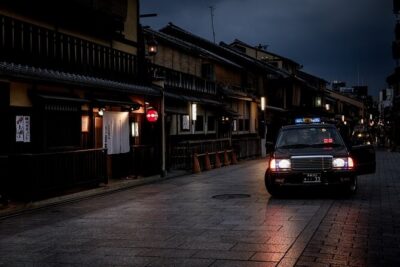
Kyoto Gion Geisha District Walking Tour – The Stories of Geisha
Read our review →
Nishiki Market Brunch Walking Tour (7 Tastings + Brunch)
Read our review →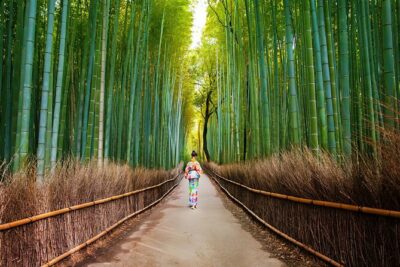
Kyoto Arashiyama Walking Tour: Bamboo, Monkeys, Gardens & Secrets
Read our review →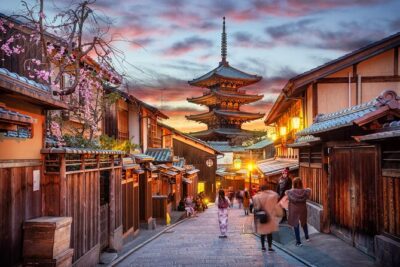
Kyoto Gion: 2-Hour Geisha Culture & History Walking Tour
Read our review →Also filed under