
Reviewed · WALKING TOURS
Kyoto: Historic Higashiyama Walking Tour
Kyoto in a single walking afternoon. This Kyoto: Historic Higashiyama Walking Tour strings together Fushimi Inari’s torii lanes, Gion’s atmosphere, and two major temple stops, with a live guide keeping the time moving and the stories grounded. I especially like the small group size (up to 10), because it makes it easier to hear, ask questions, and keep your footing when the streets get crowded.
Two highlights land fast. First, Fushimi Inari is not just torii photos, you get the shrine context and the route through Senbontorii with a guide at your side. Second, Kodaiji Temple delivers calm, with its gardens and bamboo grove feel, plus admission is included. The main drawback to keep in mind is physical, there’s some uphill walking and it is not suitable for people with mobility impairments.
In This Review
- Key Things I’d Prioritize on This Tour
- Why This Higashiyama Walk Works in 4 Hours
- Meeting at JR Inari Station, Where Your Tour Really Starts
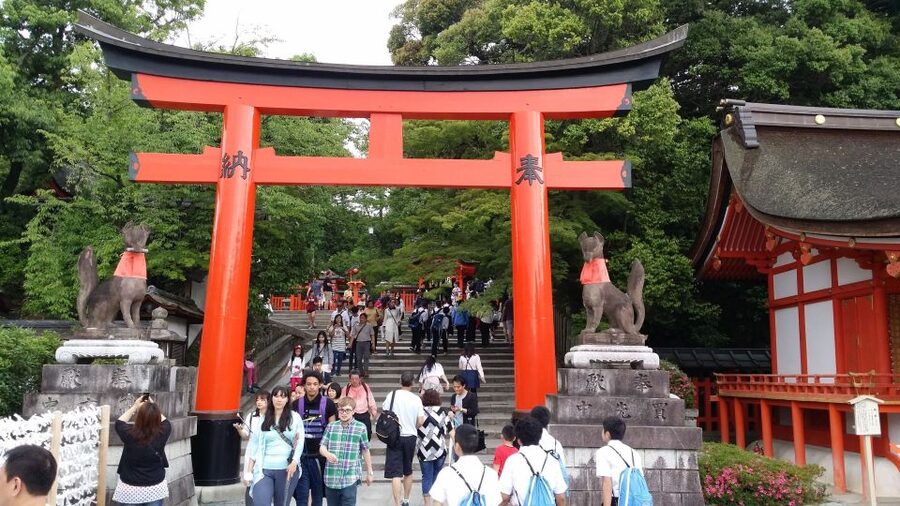
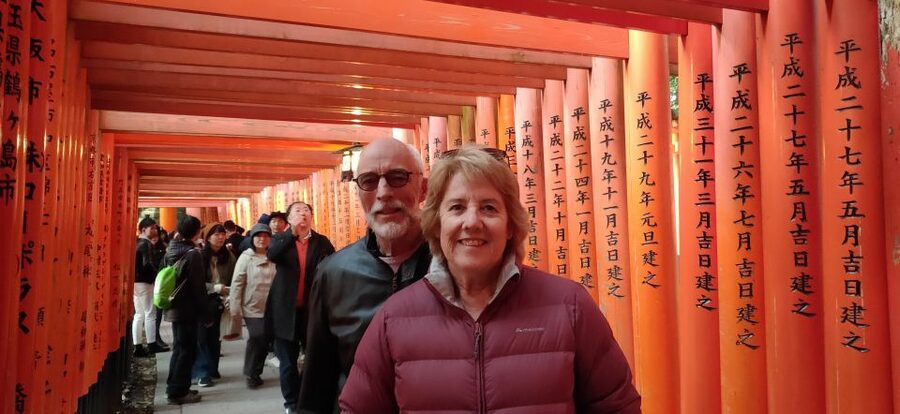
- Fushimi Inari Taisha and Senbontorii: More Than the Postcard Torii
- A small reality check
- The Short Train Hop to Gion and the Stories Along the Way
- Kodaiji Temple: Gardens, Bamboo Grove, and the Included Ticket
- Sannenzaka Stroll: Snacks, Souvenirs, and the Walk Up to Kiyomizu
- Kiyomizu-dera and Otowa Waterfall: The View, the Wishes, the Water
- What can go wrong here
- Price and Value: Is $106 a Fair Deal?
- Languages, Group Size, and the Comfort Factor
- Who Should Book This Higashiyama Tour
- Quick Tips to Make the Most of It
- Should You Book This Kyoto: Historic Higashiyama Walking Tour?
- FAQ
- Where is the meeting point?
- How long is the tour?
- How many people are in the group?
- Which attractions have admission fees included?
- What transportation is included?
- Are food and drinks included?
- What languages are available for the guide?
- Is there a lot of uphill walking?
- What is the cancellation policy?
Key Things I’d Prioritize on This Tour
- Fushimi Inari Taisha and Senbontorii, guided time right where the torii atmosphere is the strongest
- Gion with real context, including stories about the geisha-era entertainment quarter
- Kodaiji Temple admission included, with gardens and a bamboo grove stop for quieter moments
- Kiyomizu-dera and Otowa Waterfall, admission included, plus guidance on the famous wish practice
- Up to 10 people, which helps the guide adapt on the fly, including for heat and fatigue
Why This Higashiyama Walk Works in 4 Hours
Higashiyama is one of Kyoto’s “there’s no way to see it all” districts. The streets are packed with famous names, but they also turn into footpaths, staircases, and back streets where the magic happens. This tour is built for that reality. In four hours, you cover the right pieces without spending half your day figuring out where to go next.
What I like is how the route has a natural flow. You start at Fushimi Inari in the south part of the Higashiyama foothills, then you transfer to Gion, and you end with the big view payoff at Kiyomizu-dera. Instead of bouncing across town, you move along the spine of eastern Kyoto. That matters, because it keeps your energy for walking and temple time.
The vibe is also practical. You’re not trying to do everything. You’re getting a guided overview of the area’s personality, with enough time at the key sites to actually absorb them and not just pass by.
Meeting at JR Inari Station, Where Your Tour Really Starts
Meeting logistics can make or break a walking tour, especially when you arrive in Kyoto a little jet-lagged or late. Here, the meeting point is straightforward: just outside the fare gates of JR Inari Station, in front of the station entrance.
If you’re coming in via the Keihan line, the tour notes that walking a few minutes to JR Inari Station makes sense. That’s helpful, because Kyoto stations can be connected in confusing ways when you’re new. Get yourself to JR Inari Station first. Once you’re there, the rest is easy.
Also note what you should bring. Comfortable shoes are a must. You’ll want something with good grip for stone steps and uneven surfaces, especially later when the route shifts into stair-and-slope territory.
More of Kyoto's centuries, explained
- Kyoto Gion: 2-Hour Geisha Culture & History Walking Tour
★ 5.0 · 1,186 reviews - Kyoto Gion Historical Walking Tour
★ 5.0 · 188 reviews - Historical Kyoto E-Bike Tour
★ 5.0 · 181 reviews - Kyoto: Nijo Castle World Heritage Guided Tour with Admission
★ 5.0 · 128 reviews
Fushimi Inari Taisha and Senbontorii: More Than the Postcard Torii
Fushimi Inari Taisha is where Kyoto starts to feel like a theme you keep noticing. The first “wow” is the torii gates, that vermilion line that climbs the mountain side. The second “wow” is what the shrine represents. It is not random scenery. It’s Shinto culture expressed in architecture and route.
On this tour, you get guided time at Fushimi Inari Taisha (about one hour) and you also cover the shrine’s Senbontorii area. That’s important because the torii lanes can tempt you to wander endlessly. A guide helps you find the meaningful rhythm, instead of just chasing your next photo angle.
One detail that stands out in the tour experience is how guides handle curiosity. People doing this tour value the chance to ask questions about Japanese customs and history, not just read signs. Names that have come up include Damian, who shares Japanese history and customs, and Hugo, who is praised for meeting people at the station and adapting if someone is delayed.
And yes, you’ll still want time to look up. The torii lanes create repeated sightlines, so your brain keeps catching the same colors from new angles. Just plan for the walking. Even with guidance, this part involves moving around the complex.
A small reality check
It’s shrine walking, so expect stairs and uneven ground. If you’re someone who hates slow climbs, you’ll need your pace set early. The upside is that you start there, when your legs are fresher.
The Short Train Hop to Gion and the Stories Along the Way
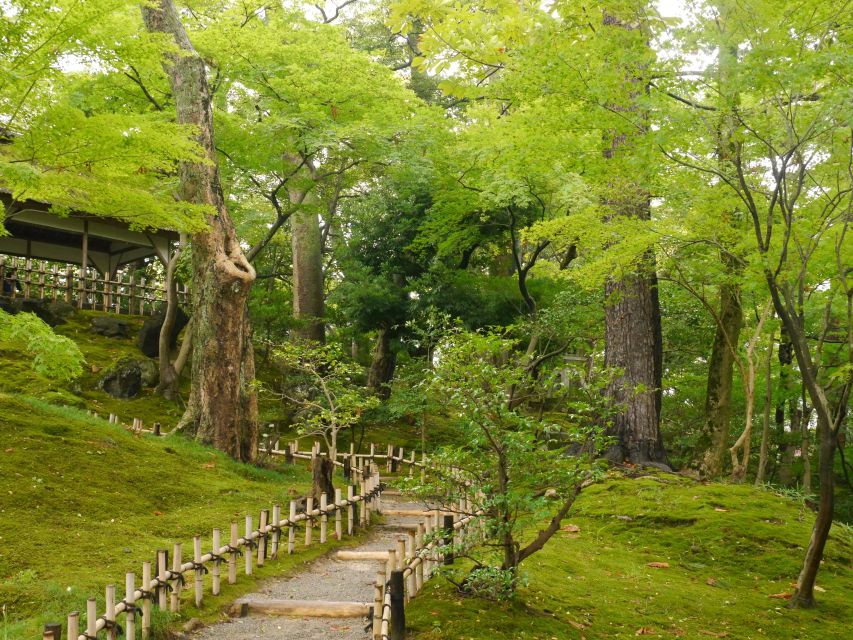
After Fushimi Inari, you take a short train ride from Fushimi Inari to Gion. That’s a smart use of time in a four-hour tour. You’re not stuck trying to cross the city on foot, and you avoid burning energy before the heavier sightseeing.
Once in Gion, you get about 30 minutes of guided wandering through the area. The focus here is atmosphere plus context. Gion is still tied to modern Kyoto life, and it’s also tied to the long tradition of entertainment districts. With a guide, it’s easier to connect what you see, wooden facades, lantern-style streets, and old-meets-new corners, to the deeper cultural background.
This is where the best guides do something subtle: they keep you from turning Gion into just another pretty neighborhood. One guide named Lito is specifically praised for engaging stories that bring rituals and wishes into the conversation in a way kids and adults can follow. Another guide, Ferdinand, has been noted for being dynamic and answering questions about Kyoto and Japan more broadly.
If you want Gion to feel like Kyoto, not a photo safari, this guided time is the reason to pick the tour.
Kodaiji Temple: Gardens, Bamboo Grove, and the Included Ticket
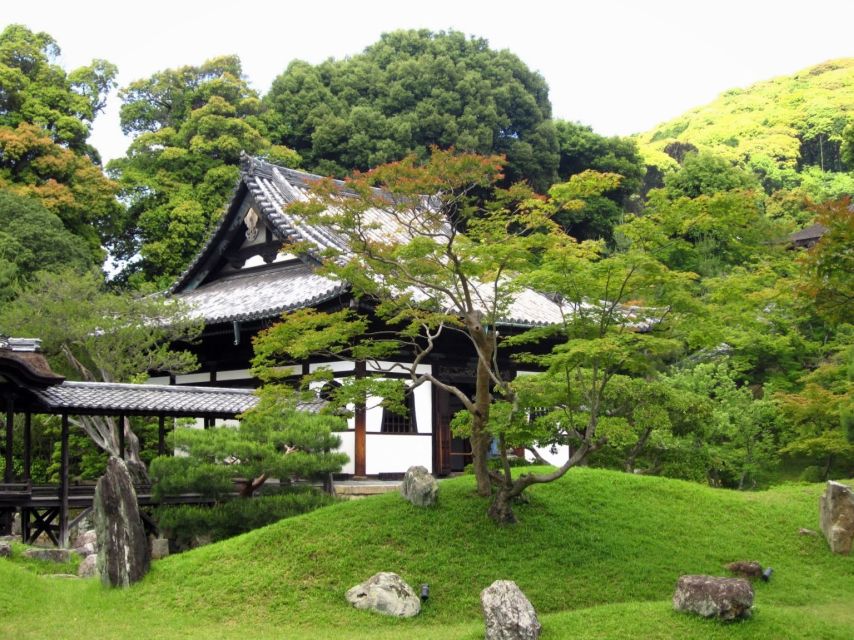
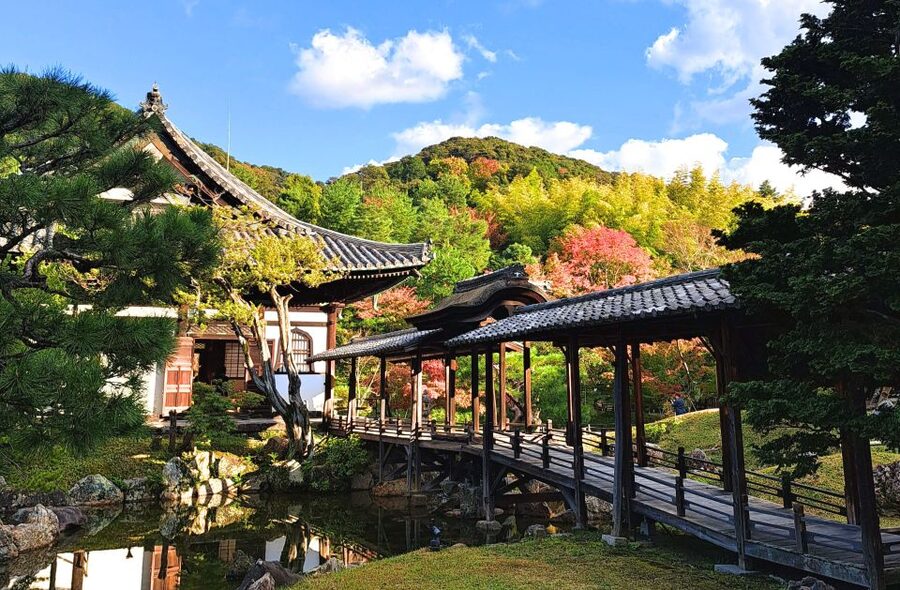
Kodaiji Temple is one of those stops that changes the mood of a walking tour. After the energy of torii gates and the entertainment district feel of Gion, Kodaiji gives you a quieter tempo.
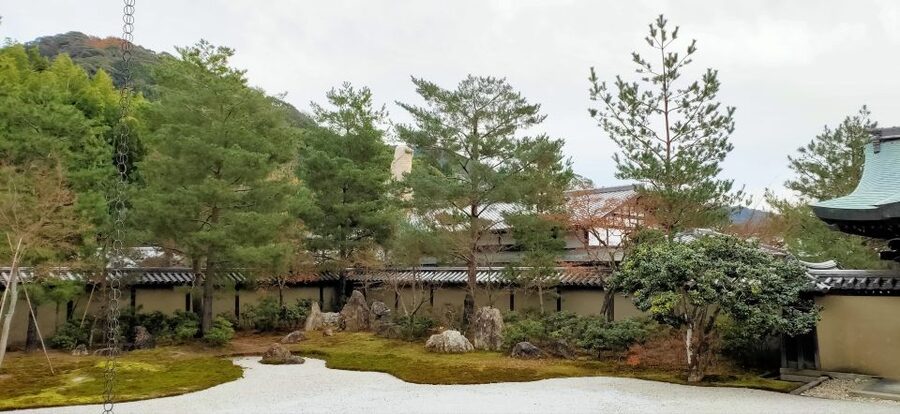
You’ll spend about 40 minutes here with a guide, and the admission is included. That saves you time and avoids the last-minute scramble of deciding whether a ticket line is worth it. More importantly, the guide helps you slow down. Kodaiji is known for serenity in its temple gardens and bamboo grove area, and the complex dates back to the early 17th century.
Why does that matter? Because in Kyoto, “temple” can mean anything from a major landmark to a small gate with a view. Kodaiji is a full experience. You’ll want time to look around properly. The gardens and bamboo grove effect are strongest when you are not rushing toward your next stop.
Here’s a practical tip. If you tend to get restless in long temple walks, commit to a short pause strategy: take a moment, then keep moving. That way you still see the space without losing energy for the final climb toward Kiyomizu-dera.
A quieter way to spend a day in Kyoto


Sannenzaka Stroll: Snacks, Souvenirs, and the Walk Up to Kiyomizu
Between Kodaiji and Kiyomizu-dera, you get the in-between Kyoto experience. The tour describes time along Sannenzaka and backstreets in Higashiyama, where you can grab a snack or look for souvenirs.
This part is not just filler. Sannenzaka is the “everyday Kyoto” corridor, the narrow shopping lane feel paired with staircases that pull you uphill. It’s also where the district’s texture shows. You’re not only seeing landmarks. You’re feeling how Kyoto transitions from temple calm to street life to the next viewpoint.
Just remember: you’re climbing. The tour notes uphill walking, and while it’s not described as exceptionally steep or demanding, it still adds up across steps and slopes. Wear shoes you trust and move at your pace. If the weather is hot or humid, pace matters more than speed, and a good guide will help you adapt. In the tour experience, guides have been noted for adjusting the route and pace when someone gets tired from the hills.
This is also a good moment to do a practical inventory check. Are you carrying enough water for your comfort? The tour does not include food and drinks, so having your own plan for refueling is key.
Kiyomizu-dera and Otowa Waterfall: The View, the Wishes, the Water
Kiyomizu-dera is where the tour payoff shows up. You’ll spend about 30 minutes there with guided time, and admission is included. The temple is famous for its clear water flowing from the mountains down toward the Otowa Waterfall.
One of the most specific bits of guidance here is the wish practice: the three divided streams are said to bring health, wealth, or happiness. You choose one of the streams, and the lore included with the tour adds a warning for greedy people, basically that if you go too greedy, the wishes won’t work out.
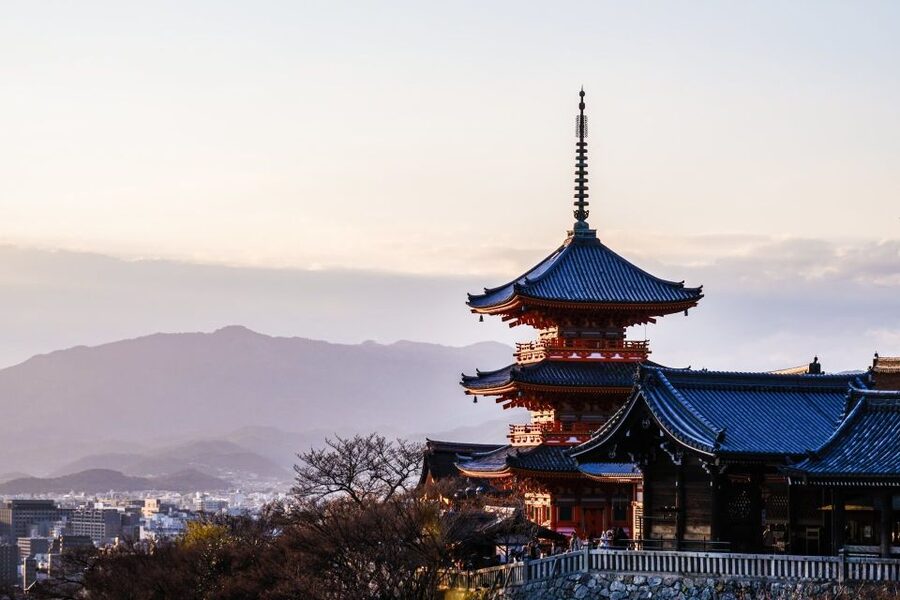
Even if you’re not a ritual person, it’s still a great cultural moment because it ties the place to the living beliefs people brought into daily life. And yes, there’s another reason Kiyomizu-dera is famous: the view of Kyoto. The tour sets you up to walk up and then enjoy a spectacular vantage once you arrive.
What can go wrong here
The Kiyomizu-dera area is popular, so it’s easy to get shoulder-to-shoulder. The small group format helps you stay oriented and not lose the group when crowds thicken.
Also, because this is the last major stop, pace yourself earlier. If you blow your energy at Fushimi Inari, Kiyomizu-dera becomes a grind instead of a reward.
Price and Value: Is $106 a Fair Deal?
At $106 per person for a 4-hour tour, you’re paying for more than someone walking you around. You’re paying for guided interpretation, a small group cap (10 people), and entry fees that would otherwise add up.
Here’s the value math that matters:
- Admission included for Kōdaiji Temple and Kiyomizu-dera
- Train ticket included from Fushimi Inari to Gion
- A live guide in English, French, Spanish, or Hebrew
Food and drinks are not included, so you’re still responsible for snacks. But for the sightseeing value, the included admissions and transport are a real help. Also, the time structure is tight enough to cover major sights without wasting your day on long transit.
If you’re visiting Kyoto for a short stretch, or you want an efficient first overview of Higashiyama, the price feels in line with what you’re actually buying: meaning, routing, and friction-free access to two ticketed temples.
If you love to go solo and hate structured pacing, this might feel more guided than you want. But if you want clarity and context in a limited time window, it’s solid value.
Languages, Group Size, and the Comfort Factor
This tour runs with live guides in French, Hebrew, Spanish, and English. That’s not just a convenience detail. When you can ask questions, the experience turns from sightseeing into understanding. People have been especially positive about guides answering questions about culture and customs, and that kind of interaction is easiest when the language barrier is low.
Small group matters too. With up to 10 participants, you’re less likely to feel like a number. It also helps in photo moments and when stopping briefly for stories.
One more comfort detail: the tour asks you not to bring luggage or large bags. So travel light. If you’re carrying a big suitcase, plan a different day for this tour.
Who Should Book This Higashiyama Tour
This tour is a good fit if you:
- Want a structured overview of Higashiyama’s big-name sights in a single half-day
- Like your Kyoto with context, stories, and cultural explanations, not just sign reading
- Prefer a small group and a guide who can adjust when people tire, especially on hills
- Can handle some stairs and uphill walking with comfortable shoes
It’s not a good fit if you need mobility accommodations. The tour notes it is not suitable for people with mobility impairments.
If you’re traveling with kids, the guide-style has been praised for keeping younger visitors engaged with rituals and wishes. That makes it more than a “grown-up temples only” day.
Quick Tips to Make the Most of It
- Start with comfortable shoes, this is not a flip-flop day.
- Bring your own water and plan a snack stop since food and drinks are not included.
- Take your time at Kodaiji and Kiyomizu-dera, those are your slower moments.
- If it’s hot or humid, trust a slower pace. You’ll enjoy the views more, and the guide can help you manage the climb.
Should You Book This Kyoto: Historic Higashiyama Walking Tour?
I’d book it if you want a smart first pass at Higashiyama with guided context, included temple admissions, and a manageable four-hour plan. The route makes sense, starting at Fushimi Inari, then moving through Gion, and finishing with the Kiyomizu-dera view and Otowa Waterfall ritual.
Skip it if you’re mobility limited, or if you want total freedom without a fixed pace. Also skip it if you hate uphill walking, even if it’s described as not exceptionally steep.
For most visitors, the combination of Fushimi Inari, Gion storytelling, Kodaiji serenity, and Kiyomizu-dera payoffs, all in one tight half-day, is exactly the kind of Kyoto win you hope for.
FAQ
Where is the meeting point?
You meet just outside the fare gates of JR Inari Station, in front of the station entrance.
How long is the tour?
The tour lasts about 4 hours.
How many people are in the group?
It’s a small group limited to 10 participants.
Which attractions have admission fees included?
Entry fees are included for Kōdaiji Temple and Kiyomizu-dera.
What transportation is included?
A train ticket from Fushimi Inari to Gion is included.
Are food and drinks included?
No. Food and drinks are not included.
What languages are available for the guide?
The live guide is available in French, Hebrew, Spanish, and English.
Is there a lot of uphill walking?
There is some uphill walking, but it is described as nothing exceptionally steep or demanding.
What is the cancellation policy?
You can cancel up to 24 hours in advance for a full refund.
New This Season
- Koyasan Day Trip by Private Car from Kyoto
- Old Port Town and Ultimate Sake Tasting Private Tour From Kyoto
- Sacred Peak & Ancient Paths: Kurama-Kibune Hiking Experience
- Kyoto’s Timeless Charm: 3hr Exploration of History and Peace
- Kyoto: 5 Types of Sushi Making
- Kyoto: Exclusive ZEN practice at Manpukuji temple in Uji
- Kyoto: Private Seasonal Aroma Yoga Class
- Traversing Kyoto’s Scenic West – Arashiyama to Kinkakuji
Walking Tours, compared.
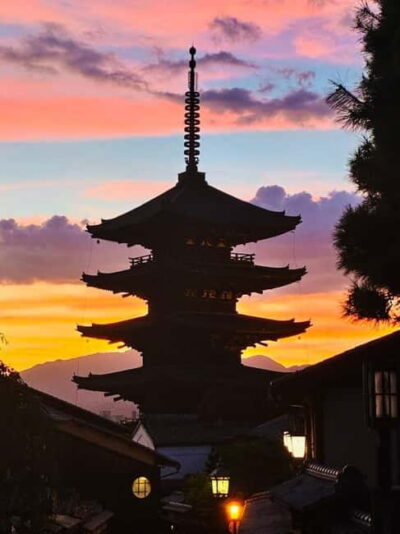
Kyoto Geisha Walking Tour: Gion District & Hidden Gems
Read our review →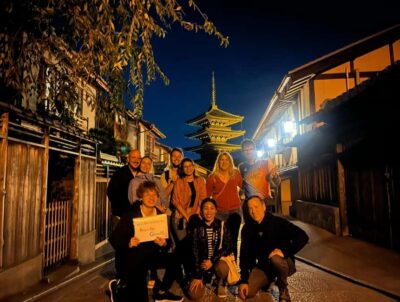
Gion Magical Night Walking Tour with Geisha Trivia
Read our review →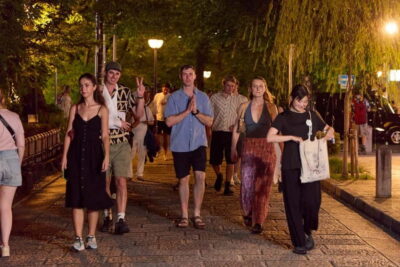
Gion Geisha District Walking Tour – Stories of Geisha
Read our review →

Kyoto Gion Geisha District Walking Tour – The Stories of Geisha
Read our review →
Nishiki Market Brunch Walking Tour (7 Tastings + Brunch)
Read our review →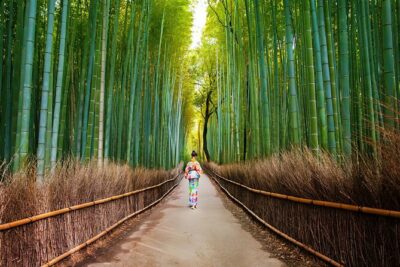
Kyoto Arashiyama Walking Tour: Bamboo, Monkeys, Gardens & Secrets
Read our review →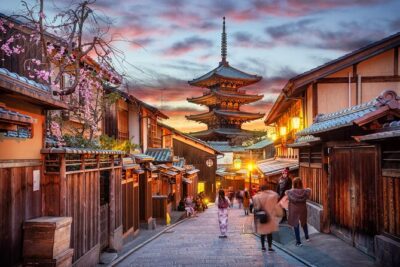
Kyoto Gion: 2-Hour Geisha Culture & History Walking Tour
Read our review →Also filed under