Reviewed · GOLDEN PAVILION VISITS
Kyoto: Kinkaku-ji Temple & Serene Garden Guided Tour with Tickets
Kyoto’s Golden Pavilion hits hard at first glance. This guided 3-hour route pairs the glittering Kinkaku-ji with the quieter, imperial-leaning Ninna-ji, so you get two UNESCO temple moods without wasting time.
I like that the tour includes tickets and a tight plan, so you can focus on what matters: gold-leaf temple views at Kinkaku-ji, then meaningful, hands-on ritual moments at Ninna-ji. The group stays small (up to 7), which helps you actually hear your guide.
One thing to keep in mind: the Ninna-ji section can shift based on temple circumstances. It is usually still worth doing, but if you are counting on one exact moment at that stop, stay flexible.
In This Review
- Key things to know before you go
- Why Kinkaku-ji and Ninna-ji are a smart combo in Kyoto
- Price and value: what $48.86 really buys you
- The short, efficient 3-hour rhythm (and why it helps)
- Kinkaku-ji, the Golden Pavilion: gold leaf, pond reflections, and the key rooms
- More than the main pavilion: what else you walk to at Kinkaku-ji
- Ninna-ji, the imperial-feeling temple: rare Main Hall access and monk-led practice
- Sutra Hall: the rotating sutra shelf ritual
- The calm finish: Imperial Residence area and time for one last photo
- How to get the most out of your guide (and what to ask)
- Practical etiquette tips for temple interiors and monk moments
- Who should book this tour, and who might want a different day plan
- Should you book this Kyoto Golden Pavilion and Ninna-ji tour?
- FAQ
- How long is the Kyoto Kinkaku-ji and Ninna-ji guided tour?
- Are admission tickets included?
- What is the group size?
- What special access do you get at Ninna-ji?
- Will I be able to participate in anything at the Sutra Hall?
- Where does the tour start and end?
- Is there free cancellation?
Key things to know before you go
- Two UNESCO temples in one focused 3-hour walk-through with admissions handled for you
- Main Hall access at Ninna-ji, plus a monk-led chanting session and Q&A time
- Sutra Hall ritual involvement, including the rotating sutra shelf
- Small group size (max 7) for better pacing and room to ask questions
- Guided photo moment with the monk before you move on to the Imperial Residence area
Why Kinkaku-ji and Ninna-ji are a smart combo in Kyoto
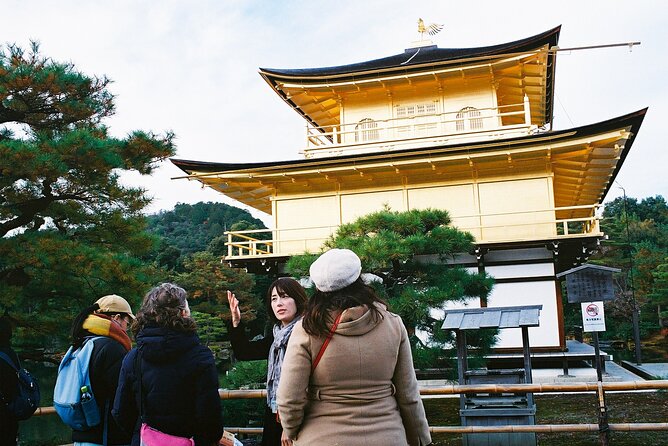
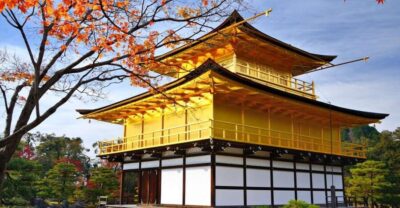
If you have only a half day in Kyoto, this pairing makes sense. Kinkaku-ji is the headliner: Zen Buddhist temple architecture dressed in gold leaf, with reflections that make the pond feel like part of the building. Then Ninna-ji changes the temperature. It leans into imperial roots, gardens, and Shingon Buddhist practice, so you do not just see temples, you feel different sides of Japanese religious life.
I also like how the tour keeps the contrast practical. You are not doing “temple sightseeing only.” You are getting explanations tied to what you are seeing, from power and prestige themes around Kinkaku-ji to spiritual traditions and ritual meaning at Ninna-ji. That helps a first-time visitor understand what they are looking at instead of snapping photos and moving on.
Price and value: what $48.86 really buys you
At $48.86 per person for about 3 hours, the big value is that admission tickets are included at both stops. In Kyoto, that can quietly save you money and time, since you are not trying to figure out ticket lines while you are also navigating public transport and crowd patterns.
You also get a small-group guide and a structured route:
- Kinkaku-ji for about 1 hour, with multiple named sights included in the walk
- Ninna-ji for about 1 hour 45 minutes, with the most special access and ritual moments
When the tour is this short, the included time with a guide matters. You will spend less of your afternoon guessing, and more of it seeing specific parts you might otherwise miss.
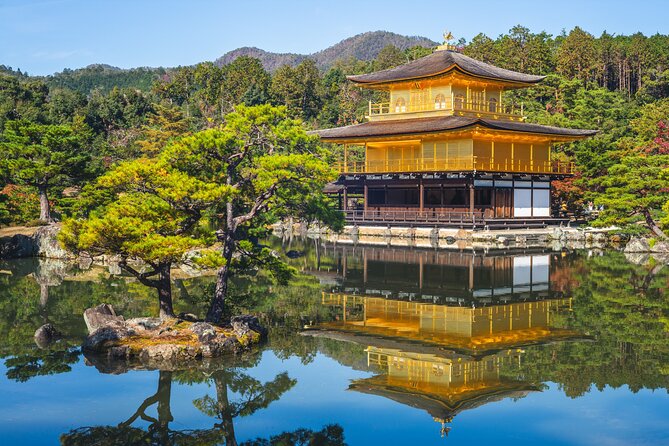
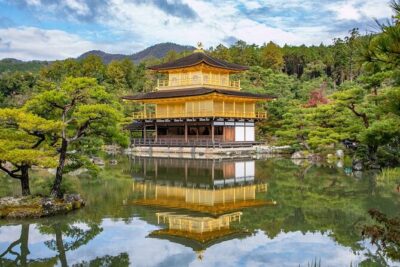
Kinkaku-ji's gold roof over still water
- Kyoto: Fushimi Inari, Kinkakuji, Bamboo Grove 1 Day Bus Tour
★ 4.8 · 4,316 reviews - Osaka/Kyoto:Kinkakuji,Arashiyama,FushimiInariShrine,NaraPark
★ 4.1 · 1,596 reviews - Kyoto: Nijo, Kinkaku-ji, Arashiyama, Kiyomizu & Fushimi Inari
★ 5.0 · 699 reviews - Kyoto: Kinkakuji, Golden Pavilion Guided Tour
★ 4.7 · 71 reviews
The short, efficient 3-hour rhythm (and why it helps)
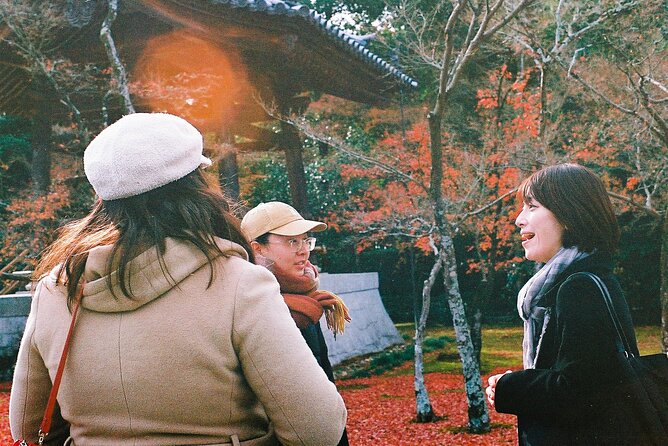
This is not a long day of temples. The plan is designed to keep momentum:
- Start at the meeting point near Yamazaki-an in Kita Ward.
- Visit Kinkaku-ji first.
- Continue to Ninna-ji.
- End at Ninna-ji.
That pacing is good if:
- you want UNESCO temples but do not want a marathon,
- you have limited time in Kyoto,
- you prefer a guide to keep the story straight.
It can also be a consideration if you love to linger. Some parts of Kinkaku-ji and Ninna-ji are visually rich, and one hour (then almost two) can feel brisk if you are the type who could spend hours in a garden alone.
Kinkaku-ji, the Golden Pavilion: gold leaf, pond reflections, and the key rooms
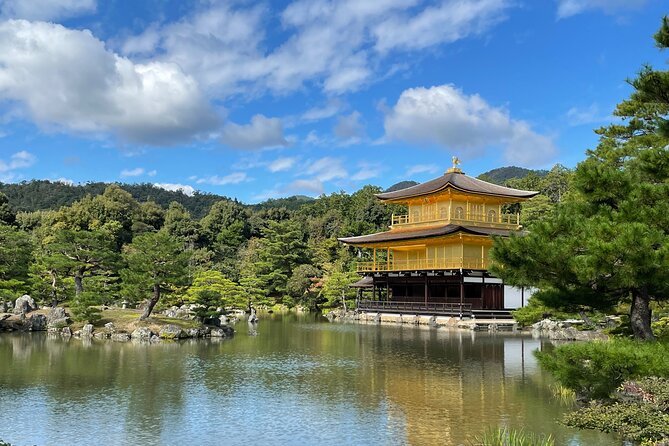
Kinkaku-ji is famous for a reason, but a guide helps you see past the postcard view. The tour focuses on Shariden, the main pavilion, which is where the top floors are covered in gold leaf. The shine is not only decorative. It connects to status and belief, since the pavilion traces back to a retirement villa built for Shogun Ashikaga Yoshimitsu, later converted into a Zen Buddhist temple.
As you walk the grounds, you are also meant to notice how the temple sits with its water setting. The reflection in the surrounding pond is one of those Kyoto moments that feels almost unreal until you see it in motion, and it helps you understand why this place became such a lasting symbol.
More than the main pavilion: what else you walk to at Kinkaku-ji
This tour does not stop at one building. You are guided past several named elements, which is where the experience becomes richer:
- Karamon Gate: a striking threshold that gives you a sense of ceremony as you move deeper into the complex.
- Rikushu-no-taki: a notable waterfall feature associated with the grounds.
- Anmintaku and Hakujanotsuka: points that help you connect the story of the site to physical landmarks.
- Yukatei Teahouse: a reminder that this was never only about worship. It also played a role in culture and leisure around the ruling class.
- Fudo Hall: another spiritual stop that balances the gold pavilion vibe with temple practice.
A practical tip: if you care about photos, plan to shoot in short bursts. Kinkaku-ji rewards quick angles, but giving yourself time to listen to your guide makes the whole place click more.
Ninna-ji, the imperial-feeling temple: rare Main Hall access and monk-led practice
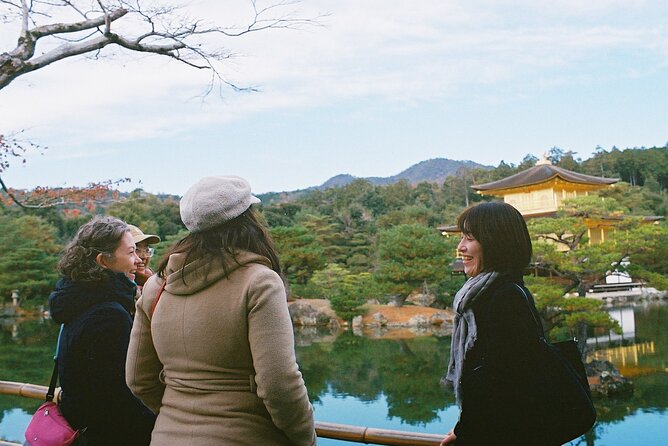
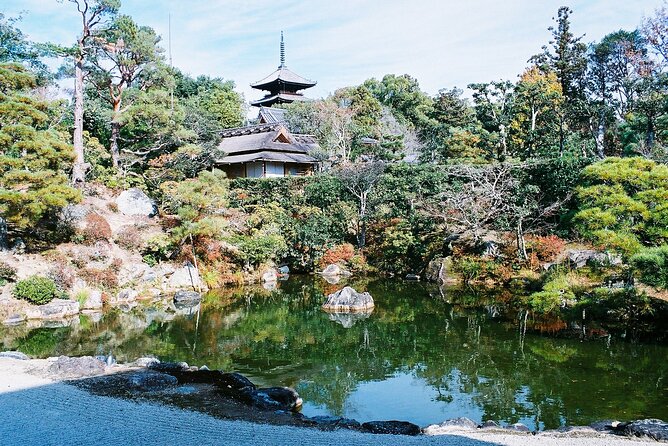
Ninna-ji is where this tour gets personal. The temple was founded in 888 by Emperor Uda, and it is known for its pagoda, gardens, and Omuro cherry trees. On this route, you get a more active experience than most “look and leave” temple visits.
The biggest highlight is that you step into the Main Hall (Kondo) for a sacred chanting session led by a monk. Main Hall access is described as rarely opened to the public, so this is not just another exterior photo stop. You also get a Q&A with the monk, which is a rare chance to ask questions about Buddhism’s spiritual traditions in plain, direct terms.
If you prefer religion that feels lived-in rather than just historical, Ninna-ji is a strong fit. You are not only learning about temple art. You are seeing how practice works in real time.
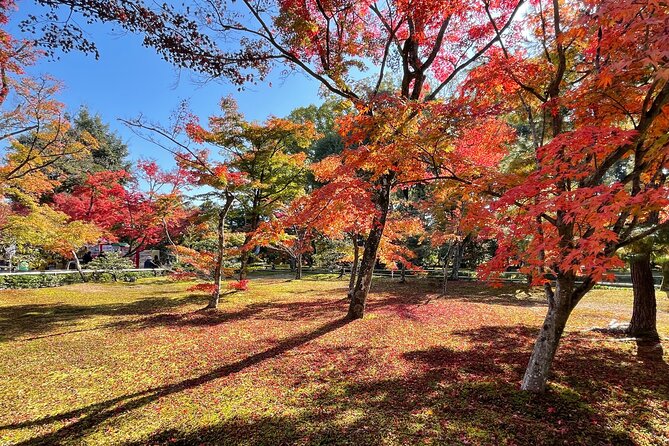
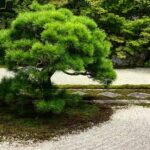
Moss, stone, and raked gravel gardens
Sutra Hall: the rotating sutra shelf ritual
In the Sutra Hall, you see and even interact with the rotating sutra shelf. This kind of ritual object can seem mysterious if you do not have context, so the guide’s explanations matter here.
The value is simple: it turns a pretty room into something you understand. You learn that repeated motions and offerings are not random. They carry meaning tied to Buddhist practice, devotion, and learning.
This is one of those moments where you can take part while still respecting the space. You are not expected to turn the whole experience into a performance. You follow the flow, listen, and respond appropriately.
The calm finish: Imperial Residence area and time for one last photo
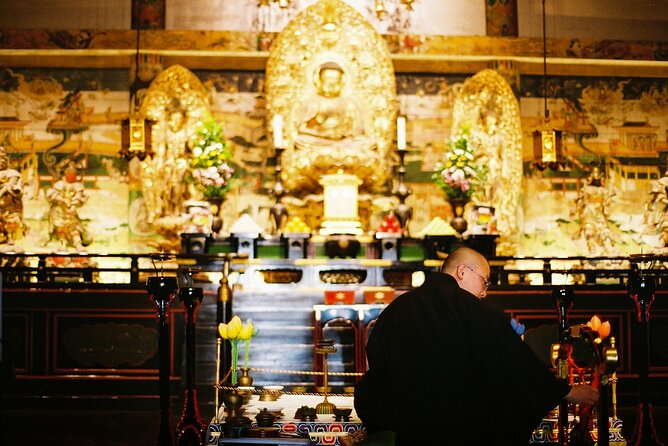
After the more structured ritual moments, the tour ends with a change of pace at the Imperial Residence. It is an elegant finish that helps you reset your senses after chanting, explanations, and the energy of temple interiors.
There is also a photo moment with the monk before you move into the residence area. If you are camera-ready and respectful, it is a nice way to mark the experience, since the rest of the time is more focused on learning and listening than posing.
How to get the most out of your guide (and what to ask)
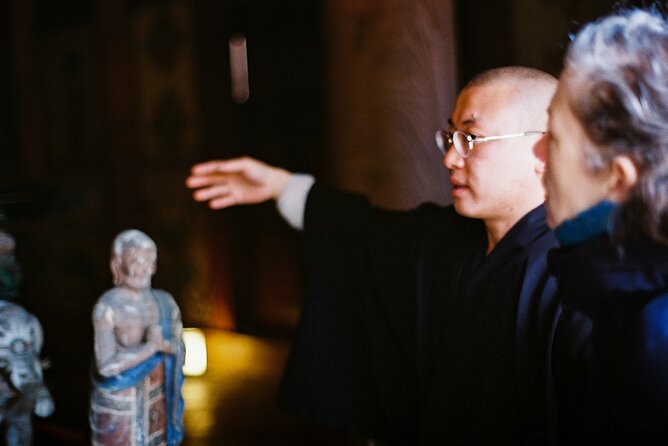
This tour’s reviews lean hard on guide quality, especially when it comes to clear English and stories that connect temple details to meaning. Names like Ellie, Eriko, and Eri come up in feedback as examples of guides who are friendly, prepared, and good at explaining the logic behind what you see.
So here is how I would use that strength while you are there:
- Ask one question about each temple’s vibe: power and prestige themes at Kinkaku-ji, spiritual tradition themes at Ninna-ji.
- If you do not understand a ritual object, ask what it symbolizes and what part your actions play.
- When the monk is available for Q&A, keep your question simple and personal, like how chanting fits into daily practice.
Even if your question is basic, you are far more likely to leave with real understanding instead of only a stack of photos.
Practical etiquette tips for temple interiors and monk moments
You are walking into sacred spaces, including a rarely opened hall and a chanting session. That means your best tool is your behavior, not your knowledge.
A few simple rules will keep you comfortable:
- Keep your voice low and follow your guide’s timing cues.
- Be mindful with photos, especially around the monk and interior areas.
- If someone is chanting, treat it as the main event. Do not talk over it or rush.
If you remember that the tour includes actual participation elements like the rotating sutra shelf, you will naturally stay in the right mental mode: respectful, curious, and attentive.
Who should book this tour, and who might want a different day plan
This is a strong match if you:
- want two UNESCO temple highlights in one short window,
- enjoy guided context more than self-guided wandering,
- like the idea of a hands-on, ritual-based cultural stop at Ninna-ji,
- are traveling with limited time and want a clear schedule.
You might consider another option if you:
- prefer unhurried temple time with long solo sitting periods,
- need lots of free time for shopping nearby,
- dislike any chance of schedule changes at Ninna-ji due to temple circumstances.
For most people, the small group size and included tickets make it feel like a calm, efficient way to do something special.
Should you book this Kyoto Golden Pavilion and Ninna-ji tour?
I think it is a good booking choice if your priority is meaningful temple access, not just exterior landmarks. The standout selling point is the Ninna-ji portion: stepping into the Main Hall for a chanting session, meeting a monk for Q&A, and learning in the Sutra Hall with the rotating sutra shelf.
The other reason to lean yes is value. Tickets included plus a small group plus a guided route across multiple named sights in each temple makes the $48.86 price feel fair for what you get.
My only hesitation is the one you should plan around: Ninna-ji timing can shift due to temple circumstances. If that possibility would stress you out, you can still book, but keep your expectations flexible. If you can roll with it, you will likely feel like you got a full, coherent Kyoto temple experience in just a few hours.
FAQ
How long is the Kyoto Kinkaku-ji and Ninna-ji guided tour?
The tour is approximately 3 hours total, with about 1 hour at Kinkaku-ji and about 1 hour 45 minutes at Ninna-ji.
Are admission tickets included?
Yes. Admission tickets are included for both Kinkaku-ji and Ninna-ji.
What is the group size?
This activity has a maximum of 7 travelers.
What special access do you get at Ninna-ji?
You can step inside the rarely opened Main Hall for a sacred chanting session led by a monk, and you also get time for Q&A with the monk.
Will I be able to participate in anything at the Sutra Hall?
Yes. The tour includes seeing and interacting with the rotating sutra shelf in the Sutra Hall.
Where does the tour start and end?
It starts at Yamazaki-an25 Kinugasa Babachō, Kita Ward, Kyoto 603-8362, Japan, and ends at Ninna-ji Temple, 33 Omuroōuchi, Ukyo Ward, Kyoto 616-8092, Japan.
Is there free cancellation?
Yes, you can cancel for a full refund up to 24 hours before the experience start time. If you cancel less than 24 hours before, the amount paid is not refunded.
Temples and Shrines

New This Season
- Koyasan Day Trip by Private Car from Kyoto
- Old Port Town and Ultimate Sake Tasting Private Tour From Kyoto
- Kyoto’s Timeless Charm: 3hr Exploration of History and Peace
- Kyoto: 5 Types of Sushi Making
- Sacred Peak & Ancient Paths: Kurama-Kibune Hiking Experience
- Kyoto: Exclusive ZEN practice at Manpukuji temple in Uji
- Kyoto: Private Seasonal Aroma Yoga Class
- Traversing Kyoto’s Scenic West – Arashiyama to Kinkakuji
Golden Pavilion Visits, compared.
Fushimi Inari, Kinkakuji, Bamboo Grove 1 Day Bus Tour
Read our review →
Kinkakuji,Arashiyama,FushimiInariShrine,NaraPark
Read our review →
Nijo, Kinkaku-ji, Arashiyama, Kiyomizu & Fushimi Inari
Read our review →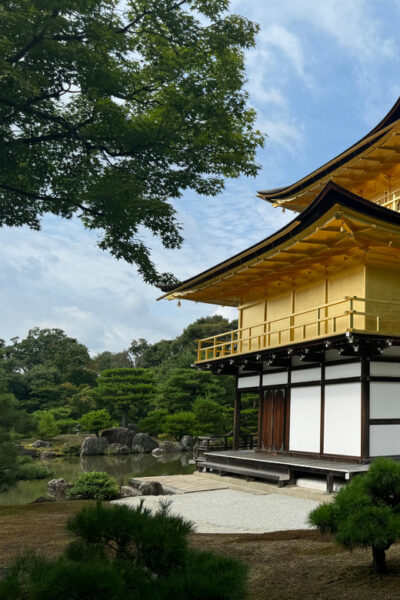
Kyoto top must-see Golden pavilion and Bamboo forest half-day Private tour
Read our review →
Kyoto Bamboo Forest & Golden Pavilion E-Bike Tour
Read our review →