
Reviewed · GION GEISHA QUARTER WALKS
Kyoto: Meet the Geisha Maiko with Gion Walking Tour
Want to meet a maiko up close? This Kyoto Gion tour gives you more than street sightseeing, with a private ochaya moment plus a guide who helps you understand what you are actually seeing. I especially love the stop-by-stop context on the walk, because it makes the district feel readable instead of random alleys and teahouse facades. One thing to consider: the performance venue has stairs, and you must follow the rules on socks and rain, or the whole experience gets stressful fast.
You start in the Gion lanes, learn how geisha and maiko fit into Kyoto life, then shift into a quiet, formal setting in Miyagawasuji for a live performance and conversation. The tour runs about 3 hours, rain or shine, and keeps the group size to a maximum of 30.
In This Review
- Key highlights worth your attention
- Gion on foot: how the walk sets up the show
- Gion Shirakawa, Hanamikoji Street, and the art of not chasing
- Tatsumi Daimyojin Shrine and Tatsumi Bridge, small stops with meaning
- The Gion Corner and the Zen precinct pause
- Miyagawasuji performance in an ochaya: what you are paying for
- Etiquette rules you must follow, especially with socks and rain
- Price and value: is $109.43 actually fair for this?
- Timing and pacing: why it can feel longer
- Who this Kyoto geisha maiko tour fits best
- Should you book this tour, or skip?
- FAQ
- How long is the Kyoto Gion walking tour with maiko and geiko?
- Where does the tour start and end?
- Is there a mobile ticket?
- Do I need socks at the performance venue?
- Can I take photos and video?
- What happens if it rains?
- Is the tour difficult to walk?
- What is the group size limit?
Key highlights worth your attention
- Private ochaya access: a rare, off-limits-in-the-normal-way setting where you meet a maiko and a retired geiko.
- Live translation and Q&A: you are not just watching, you also get time to ask questions and talk through what things mean.
- Gion walks that explain the district: places like Gion Shirakawa, Hanamikoji Street, and Tatsumi Bridge are explained as you pass them.
- A structured cultural flow: shrine, street, and temple precinct moments keep the experience grounded and not just performance-focused.
- Small-group feel at the show: the performance portion is handled like an intimate gathering rather than a big theater event.
Gion on foot: how the walk sets up the show
I like walking tours most when they do one job well: they help you see. This one does that by treating Gion like a place with layers, not a theme park. You start with the atmosphere in the Gion Shirakawa area, then you move through key landmarks that connect the look of the district to its traditions.
The first stretch is short and purposeful, about 30 minutes at the Gion Shirakawa area. That is enough time for a local guide to frame what geisha culture is, how geiko and maiko live day to day, and what you should notice as you walk. If you have ever felt lost in Gion, thinking, Where am I supposed to look, this early orientation helps a lot.
As you go, the group keeps moving at a walking pace that suits most people with moderate fitness. You should still plan for a steady walk. There is no mention of long, strenuous climbs, but you do have to be comfortable on your feet.
Gion Shirakawa, Hanamikoji Street, and the art of not chasing
Here is the mindset shift that makes this tour work: you do not hunt for geisha on the street. You learn how the district works, and then the interactions become meaningful.
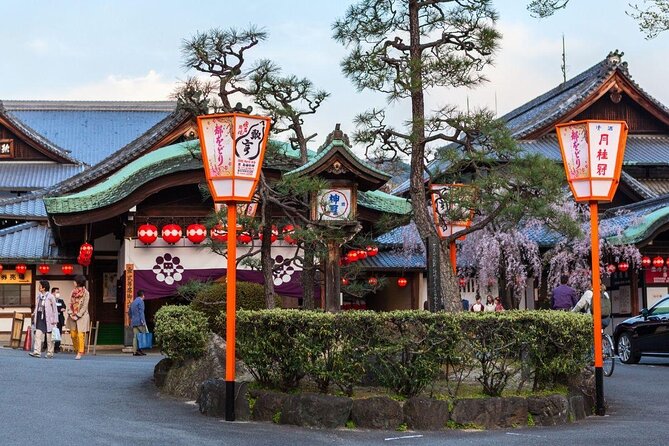
You pass through Hanamikoji Street, the main Gion corridor lined with traditional machiya houses and teahouses. Without context, it can feel like you are just looking at old buildings. With context, you start noticing why certain streets, corners, and sightlines matter, and how daily life and training shape what visitors see and what they do not.
This is also where the tour can save you time. Instead of spending your night wandering and hoping, you get a guided walkthrough tied to the arts and customs. A few people specifically called out how the tour helped them avoid the awkward and unproductive urge to chase geiko and maiko around street corners.
Lantern-lit streets of the geisha quarter
- Kyoto Geisha Walking Tour: Gion District & Hidden Gems
★ 4.7 · 3,273 reviews - Kyoto: Gion Magical Night Walking Tour with Geisha Trivia
★ 4.9 · 2,393 reviews - Kyoto: Gion Geisha District Walking Tour – Stories of Geisha
★ 4.7 · 2,187 reviews - Best of Kyoto: Gion, Geisha, Pagodas & Cobblestones
★ 4.9 · 2,058 reviews
Tatsumi Daimyojin Shrine and Tatsumi Bridge, small stops with meaning
One of my favorite things in Kyoto is that even tiny detours can carry big symbolism. You get that kind of moment with Tatsumi Daimyojin Shrine, dedicated to protection, good fortune, and safety for travelers and even warriors. It traces back to the Heian period, so it is not just a photo stop.
Right nearby, you also get the vibe of Tatsumi Bridge, a small traditional bridge in a quieter corner of Gion. It feels like Kyoto TV set dressing, but the guide’s framing matters. The bridge and the machiya houses around it show you how Gion blends everyday architecture with formal cultural life.
These stops are brief, so do not expect them to replace the bigger shrine circuits. Think of them as seasoning. They add grounded Kyoto texture to the geisha-focused core.
The Gion Corner and the Zen precinct pause
The itinerary includes a stop at Gion Corner, described as a venue that showcases traditional art performances. Even if you treat it as a quick intro rather than a long show, it signals a key point: the arts in Kyoto are not separate from daily life. They are part of training, entertainment, and cultural identity.
Then you get a calmer contrast: a walk through the precinct of an old Zen Buddhist temple located next to the geisha district. You do not enter the buildings, but you do walk through the grounds like locals and take in the quieter rhythm.
This matters because the emotional tone shifts when you move from busy streets to a formal performance setting later. If you are prone to rushing, this temple precinct stop can help you slow down, get your bearings, and pay attention.
Miyagawasuji performance in an ochaya: what you are paying for
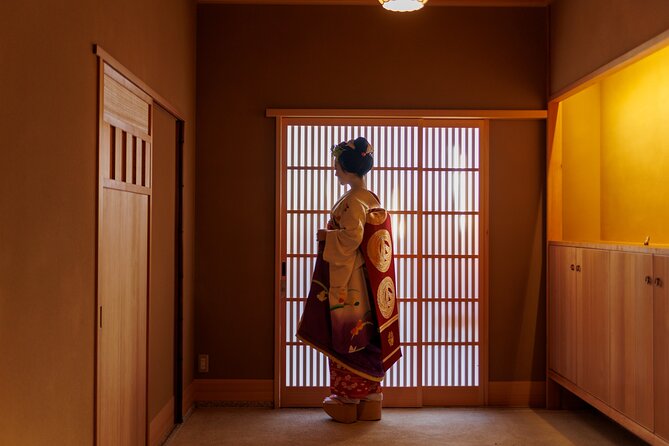
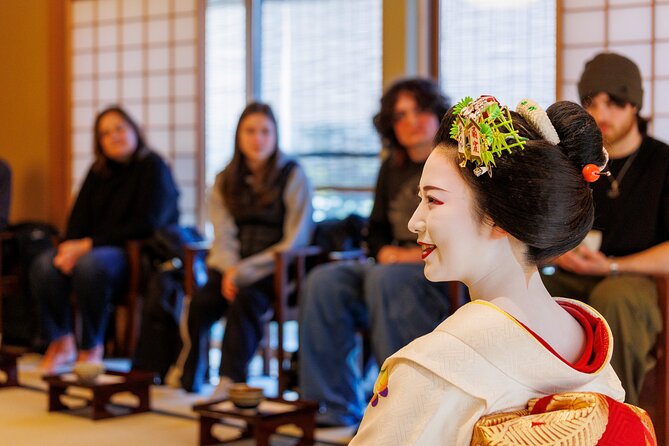
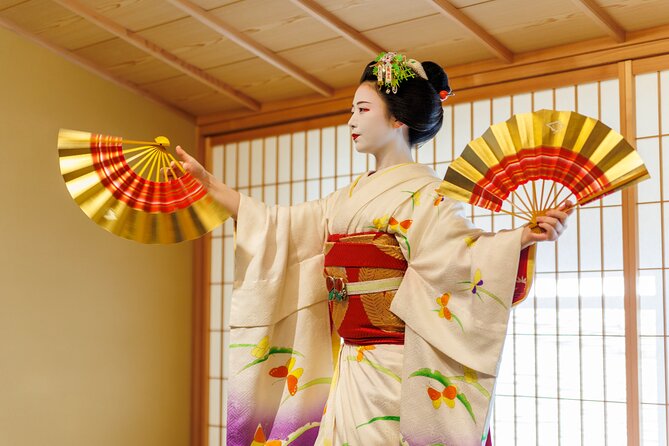
Now for the part that most people remember: the professional performance at a traditional tea house in Miyagawasuji. This is where the tour earns its reputation, because the highlight is not just seeing a maiko dance. It is the access and the conversation.
You step inside a private ochaya, a highly exclusive setting that is typically off-limits to visitors, even locals. That alone is a major value driver. Street-level geisha culture is real, but you cannot control proximity or understanding when you are outside, and you cannot ask follow-up questions comfortably.
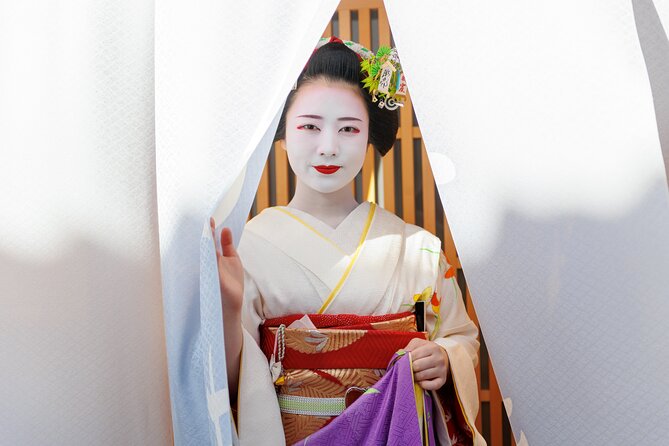
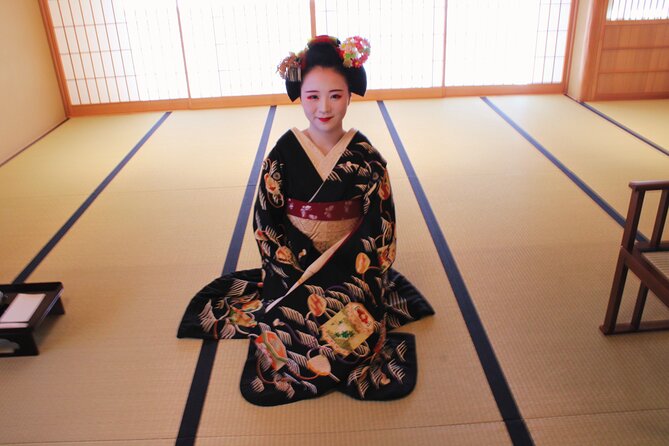
Here, you meet a maiko and a retired geiko. The guide translates for you, so you are not stuck guessing what is being said. People also mention that the hosts are welcoming and hospitable, which helps keep the mood from feeling stiff.
One practical note: the performance happens on the second floor of the private house, and access requires stairs. If you have any knee issues, you will want to consider that before you book.
Etiquette rules you must follow, especially with socks and rain
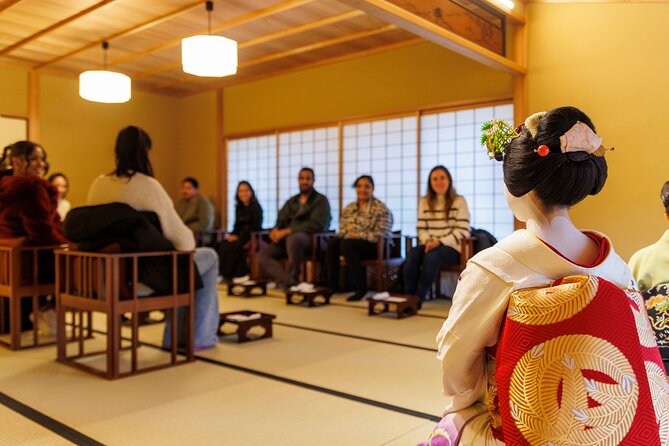
This tour has etiquette built in. That is not fluff. It affects whether you feel comfortable or rushed.
You must wear socks at the venue of the performance. That is a very specific requirement, and it shows up for a reason: traditional venues often care about cleanliness and respectful comfort.
On rainy days, the tour says no wet cloth and no wet socks are allowed at the venue. The guidance is to use an umbrella during the walk. So if you are prone to forgetting small details, pack an extra pair of dry socks and a plan for keeping them dry.
Photography rules also matter. Photography and video recording are allowed only during the performance and the photo session. If you want to post photos on social media, you need direct permission from the maiko beforehand. In other words, take your memories seriously, then handle sharing with care.
A quieter way to spend a day in Kyoto



Price and value: is $109.43 actually fair for this?
At $109.43 per person for about 3 hours, this is not a bargain-basement cultural walk. The value is not in the walking itself. The value is in the end part, the private ochaya access, and the fact that you get guidance and translation during a live interaction.
A walking tour can be great, but most walking tours do not include an exclusive cultural venue where you meet a maiko and a retired geiko and then talk afterward. Here, the included admissions for the listed stops are free, so what you are really paying for is structure and access.
I also like that the group cap is 30. That usually helps you stay attentive and keeps the show experience from feeling like a production line. If you want Gion context and you also want the real performance and Q&A, this price can feel reasonable.
If you only want to see streets and maybe spot a geisha from afar, you might feel the cost is too high. This tour is for people who want the cultural conversation, not just the scenery.
Timing and pacing: why it can feel longer
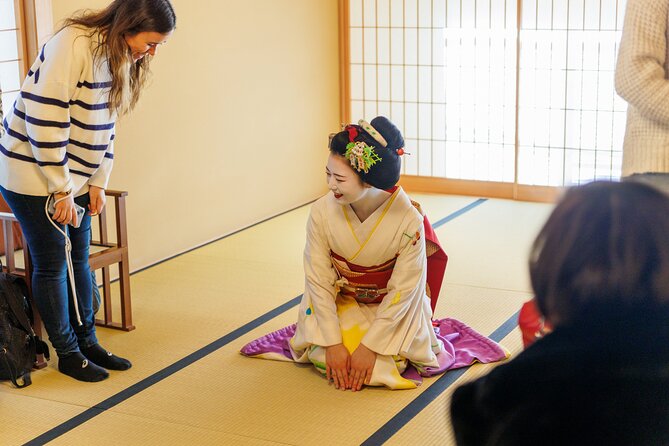
The tour runs about 3 hours, but the note is important: it may be a bit longer than expected depending on the day. That means you should plan your dinner time with a little buffer.
Also, some people found that the walking portion felt repetitive, especially if the tour was moving in a loop to cover the district while still keeping the group together. If you are the type who gets restless in long, similar-looking streets, you might want to focus mentally on the guide’s explanations rather than the scenery changing every minute.
The trade-off is that this structure makes the show feel earned. By the time you reach the ochaya, you are not just watching dance. You have the vocabulary to ask better questions and understand what the culture is trying to communicate.
Who this Kyoto geisha maiko tour fits best
This is a strong fit if:
- You care about culture and want the meaning behind what you see in Gion.
- You prefer respectful interaction over street chasing.
- You enjoy traditional arts, and you like having translation so you can follow the conversation.
- You are comfortable walking for about 3 hours total, rain or shine.
It is less ideal if:
- You do not want to deal with socks requirements or potential rain precautions.
- Stairs are a problem for you, since the performance is on the second floor.
- You are traveling with small kids, since there are no children under 10 allowed.
Should you book this tour, or skip?
I would book it if you want more than Gion photos. The private ochaya access, the chance to meet a maiko and a retired geiko, and the guided translation for Q&A are the core reasons. If that is your goal, you will likely feel like you got the point of Kyoto, not just a highlight reel.
I would also keep your expectations tuned: it is a walking tour with an older-district rhythm, then a formal performance portion where etiquette rules are real. If you show up with dry socks, comfortable shoes, and patience for some footwork, this tour can be one of the most memorable cultural interactions you have in Kyoto.
If you tell me your travel dates and whether you are visiting in rain-prone weeks, I can help you think through what to pack and how to schedule it around your Higashiyama day.
FAQ
How long is the Kyoto Gion walking tour with maiko and geiko?
The tour is about 3 hours.
Where does the tour start and end?
Both the start and end are at Miyagawasuji in Higashiyama Ward, Kyoto, and the tour ends at the special private house (the performance venue).
Is there a mobile ticket?
Yes, the tour uses a mobile ticket.
Do I need socks at the performance venue?
Yes. You must wear socks at the venue of the performance.
Can I take photos and video?
Photography and video recording are allowed only during the performance and the photo session. For social media uploads, you need direct permission from the maiko beforehand.
What happens if it rains?
The tour takes place rain or shine. On rainy days, no wet cloth and no wet socks are allowed at the venue, so you should use an umbrella during the walk.
Is the tour difficult to walk?
It is a walking tour and you should have a moderate physical fitness level. Comfortable walking shoes are recommended.
What is the group size limit?
The tour has a maximum of 30 travelers.
New This Season
- Koyasan Day Trip by Private Car from Kyoto
- Old Port Town and Ultimate Sake Tasting Private Tour From Kyoto
- Sacred Peak & Ancient Paths: Kurama-Kibune Hiking Experience
- Kyoto’s Timeless Charm: 3hr Exploration of History and Peace
- Kyoto: 5 Types of Sushi Making
- Kyoto: Exclusive ZEN practice at Manpukuji temple in Uji
- Kyoto: Private Seasonal Aroma Yoga Class
- Traversing Kyoto’s Scenic West – Arashiyama to Kinkakuji
Gion Geisha Quarter Walks, compared.
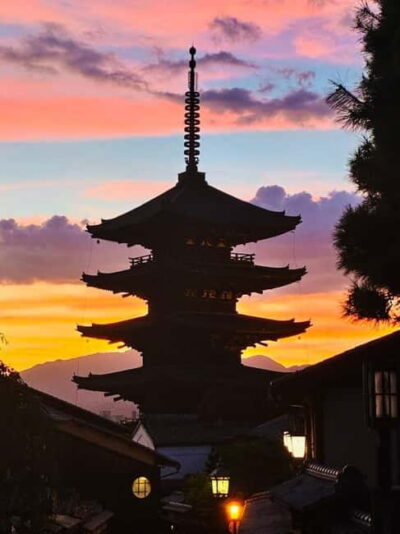
Kyoto Geisha Walking Tour: Gion District & Hidden Gems
Read our review →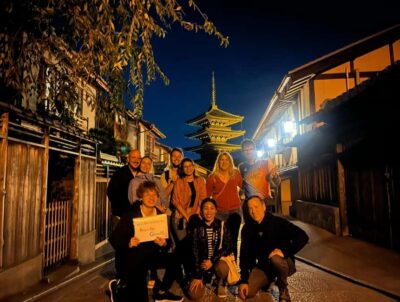
Gion Magical Night Walking Tour with Geisha Trivia
Read our review →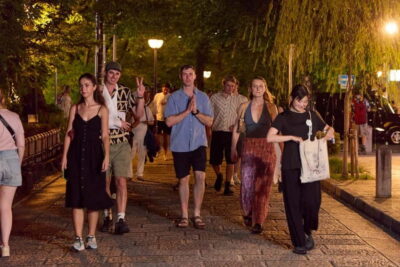
Gion Geisha District Walking Tour – Stories of Geisha
Read our review →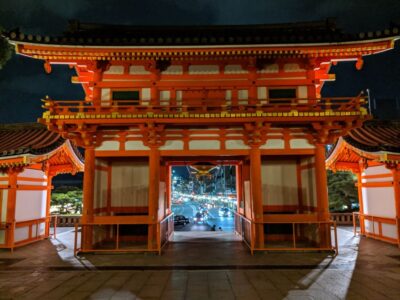
Best of Kyoto: Gion, Geisha, Pagodas & Cobblestones
Read our review →
Kyoto Night Foodie Tour in Gion (9+ dishes + 6 Sake tastings)
Read our review →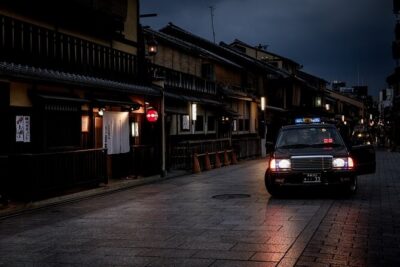
Kyoto Gion Geisha District Walking Tour – The Stories of Geisha
Read our review →
Kyoto Gion: 2-Hour Geisha Culture & History Walking Tour
Read our review →Also filed under