
Reviewed · NARA & DEER PARK DAY TRIPS
KYOTO-NARA: Giant Buddha Deer Pagoda “Geisya” (Italian, full day)
Giant Buddha energy, then Gion after dark. This Italian guided full-day route stitches together Nara’s famous Todai-ji, with its giant Buddha, and Kyoto’s Kiyomizu-dera and Gion area. You start at Kyoto Station and end in Pontocho, so the trip feels like one smooth story instead of two separate excursions.
I really like two things about this tour. First, the guided explanations in Italian make the temples feel understandable, not just scenic. Second, the group stays small, up to 15 people, which helps your guide manage pace and questions without turning it into a stampede.
One possible drawback is time. It is a full day with train, bus, and multiple walking segments, so you get great highlights, but you might want more minutes for deeper wandering if you like to linger in shops or take long photo breaks.
In This Review
- Key highlights to know before you go
- From Kyoto Station to Nara: the full-day flow that makes sense
- Todai-ji and the giant Buddha: where the scale hits hardest
- Deer, cookies, and your guide’s practical rhythm
- Ukimido and temple connections you might otherwise miss
- Back at Kyoto Station: use the one-hour break well
- Kiyomizu-dera: the pilgrimage route approach and why the walk matters
- Gion-kobu and the Maiko and Geiko world: what you actually get
- Italian guidance that makes temples feel understandable
- Price and value: what you pay for in a $176 full-day tour
- Who this Kyoto-Nara day trip suits best
- Should you book the Kyoto-Nara Giant Buddha and Gion tour
- FAQ
- What languages are used on this tour?
- How long is the Kyoto to Nara and Kyoto full-day experience?
- Where do I meet the group, and where do we end?
- Is the tour small-group, and how many people are included?
- Does the tour include transportation and entrance fees?
- Is this tour wheelchair accessible?
- What is included in the guided experience?
Key highlights to know before you go
- Todai-ji in Nara Park, home to Japan’s giant Buddha and tame deer that roam right by you
- Italian live guide who explains what you’re seeing, not just where to stand
- Small-group pacing (max 15) with help available if you need it during the day
- Kiyomizu-dera on a pilgrimage-route approach, plus Gion-kobu area guided stop
- Ukimido area pass, so you connect different temple sights instead of jumping straight to the exit
- Finish in Pontocho, a practical end point for an easy dinner plan
From Kyoto Station to Nara: the full-day flow that makes sense
This is a one-day, train-and-bus day that links Kyoto and Nara without forcing you to plan anything. You meet at Kyoto Station in a very specific spot, between the four escalators in front of the cab terminal, just outside the north central entrance. The helpful detail is that you can spot the Kyoto Tower at the top left of where you’re standing, which makes it easier to confirm you’re in the right place before you join the group.
The day starts with a train ride of about 45 minutes to Nara, then a short bus or coach transfer of about 15 minutes to reach the temple area. That sequence matters. If you are trying to do Nara independently, transit can eat up time. Here, the logistics are handled so you can focus on the sights instead of timing buses.
You should expect a day that runs on guided momentum. There is a guided block at Todai-ji in the morning, then a return to Kyoto Station for about an hour break, then the afternoon starts at Kyoto Station again with another short bus and then walks between stops. It is very structured, which is great if you want clarity, but it also means you do not have the freedom of a totally DIY day.
Todai-ji and the giant Buddha: where the scale hits hardest
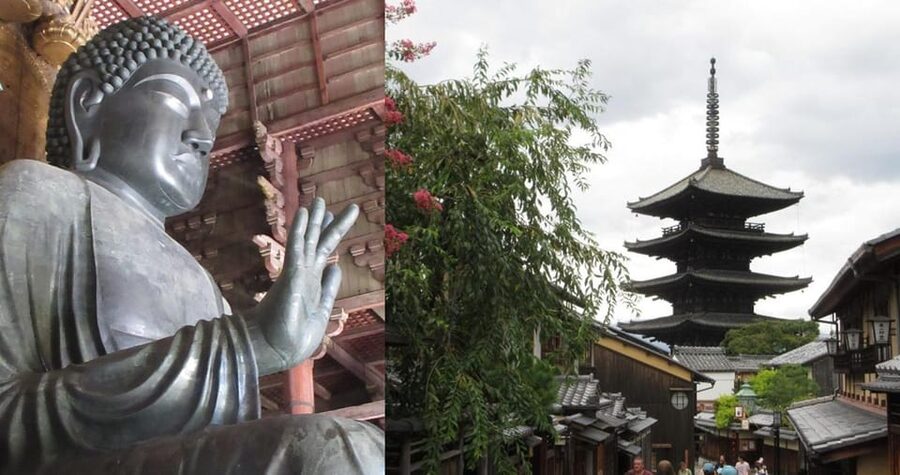
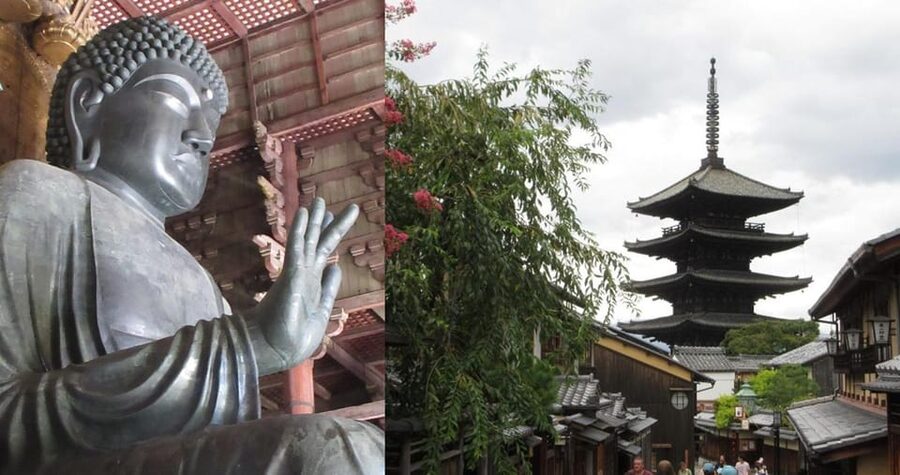
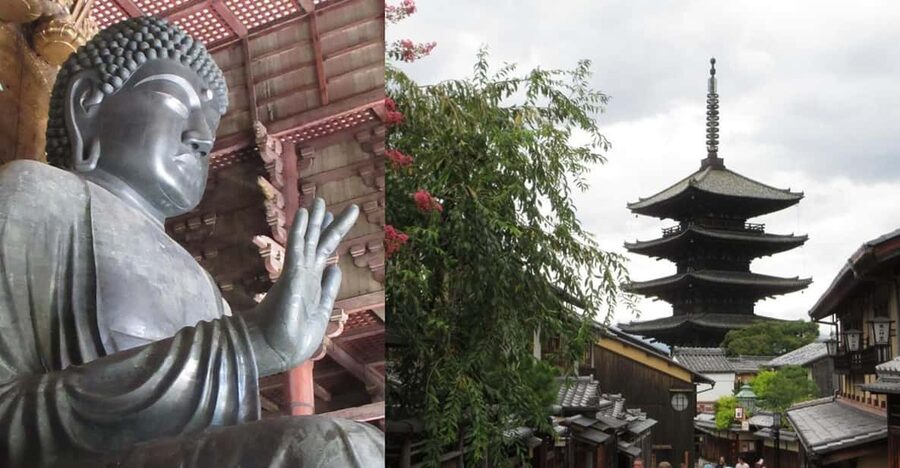
Todai-ji is the anchor stop, and it is easy to see why. The temple is famous for its huge Buddha statue, among the largest in Japan. When you see it in person, the size changes your sense of scale. You are not just looking at a statue, you are standing in a space that has been designed to make devotion feel physical and imposing.
In the group, you do not just get a quick look. You get a guided visit and explanations timed for the best moments of the experience. Your guide focuses on the monuments, especially those recognized as national treasures of Japan. That detail matters because it helps you know what you are looking at and why it matters, instead of treating everything as one big photo stop.
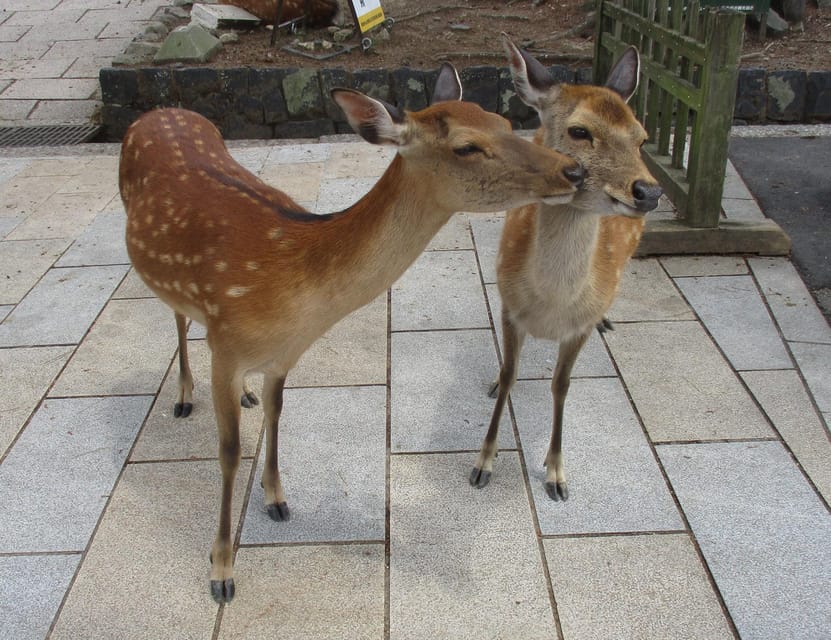
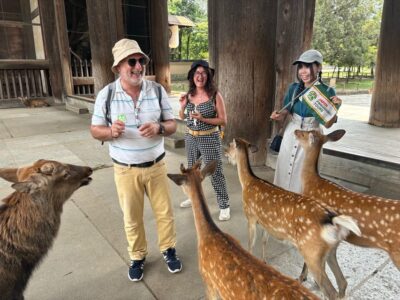
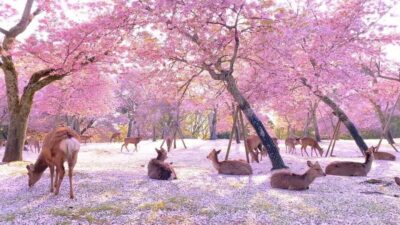
Then there is the other signature part: Nara Park. Around the temple, tame deer roam freely, and they have a long history of living alongside local residents. One of the most fun practical touches is the cookie-feeding setup. You can buy cookies from stalls and feed the deer as part of the visit. It sounds simple, but it changes how you experience the park. You are not viewing animals from a distance. You are moving through a place where people and deer coexist.
Tip for your comfort: wear shoes you trust for uneven outdoor walking. You will be standing, moving between viewpoints, and navigating around people and deer at the temple approach.
Deer that bow back, a short ride away
- Osaka/Kyoto:Kinkakuji,Arashiyama,FushimiInariShrine,NaraPark
★ 4.1 · 1,596 reviews - Kyoto/Osaka: Nara, Fushimi Inari Taisha, Arashiyama Bus Tour
★ 4.7 · 1,275 reviews - Osaka/Kyoto: Arashiyama, Nara & Fushimi Inari Shrine w/Lunch
★ 4.4 · 754 reviews - Kyoto and Nara Day Trip from Kyoto
★ 4.5 · 445 reviews
Deer, cookies, and your guide’s practical rhythm
If you have visited crowded tourist sites in Japan before, you know the biggest challenge can be managing people flow. Here, the tour format helps. A guide can steer the group through the busiest bits while you still get time for sightseeing and shopping.
Also, the tour includes help as needed during the itinerary. That sounds vague, but it usually means if you get turned around or have a question about what to do next, you do not need to guess. You get that support while you are at the temple, which is when questions are most likely to pop up.
One more point: the experience is described as including information on popular Buddhist devotion, including behind-the-scenes context that is not just the stuff you see on standard signage. Whether you are religious or not, that kind of explanation helps you read the place with your brain turned on, not just your camera.
Ukimido and temple connections you might otherwise miss
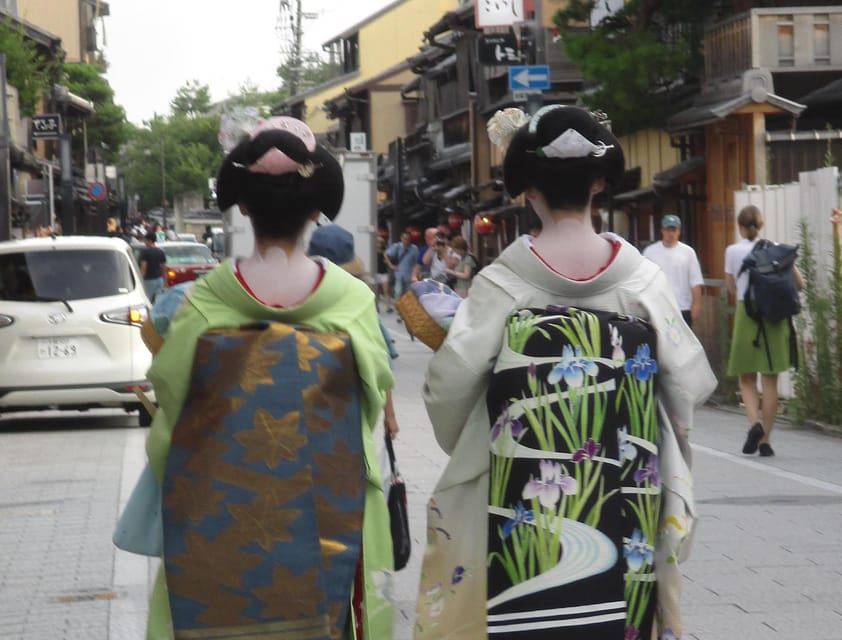
After Todai-ji, the schedule includes a short walk and a stop around Ukimido, the floating hall area. The itinerary does not give it the same long time block as Todai-ji itself, but it is included for a reason: it helps you connect one part of the complex to another so you feel like you understand the layout rather than bouncing between separate landmarks.
You should plan to treat this as a context stop. In a guided day like this, these smaller segments are where your guide usually makes the day feel cohesive. You see how the grounds relate, and you get prompted to look at details you might otherwise ignore.
If you love “little moments” at temples, this is one. Even if the time is short, it can add variety to the day so you do not feel like you only did one major temple in the morning and then jumped to the next city.
Back at Kyoto Station: use the one-hour break well
You return to Kyoto Station after the morning in Nara, with about an hour break. This is not just dead time. It is your buffer for energy, food, and reset.
How to use it:
- Grab a drink and something small to eat so you are not relying on long lines later in the afternoon.
- Take care of anything that would slow you down outdoors, like going to the restroom or charging your phone.
- If you want photos, this is a good moment to step out and get oriented, because Kyoto Station is a landmark in its own right.
Then the group heads back out again with another short bus or coach transfer and a walk to the next big stop.
This rhythm is why a guided full-day can be less stressful than DIY. You get a planned break, rather than hoping you stumble into the right timing on your own.
Kiyomizu-dera: the pilgrimage route approach and why the walk matters
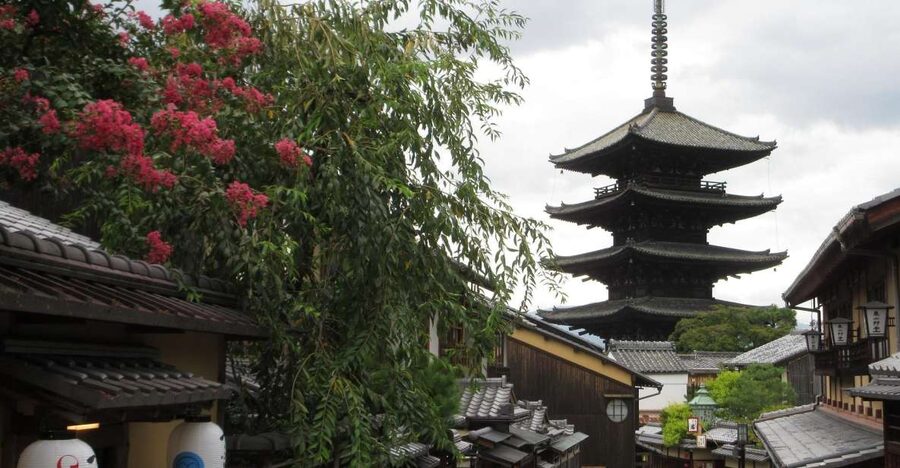
Kiyomizu-dera is the main Kyoto temple in the afternoon. What I like here is not only the temple visit itself, but the approach. The route is described as following ancient pilgrimage routes that connect the 8th century to the modern day. That means you are walking through an area that grew from old spiritual pathways into today’s shopping and snack streets.
You will move on foot between stops, including a guided visit at Kiyomizu-dera lasting about an hour. Since the time is guided, your guide can point out the details you should notice and keep the day from turning into wandering without a plan.
One reality check: it is an area packed with shops, sweets, and entertainment. That is part of the charm, but it can also be distracting if your goal is pure temple architecture and quiet contemplation. If you want both, go with a simple strategy. Do not try to shop your way through the streets and also absorb the temple. Let the temple be the priority, then spend your energy on food and souvenirs where it fits naturally.
Photo tip: the guided pacing helps, but if you want your own shots, keep your camera ready and ask for a moment if the group moves too fast for you. In this kind of tour, having a small group often makes it easier for the guide to accommodate reasonable requests.
More rooftops worth a detour


Gion-kobu and the Maiko and Geiko world: what you actually get
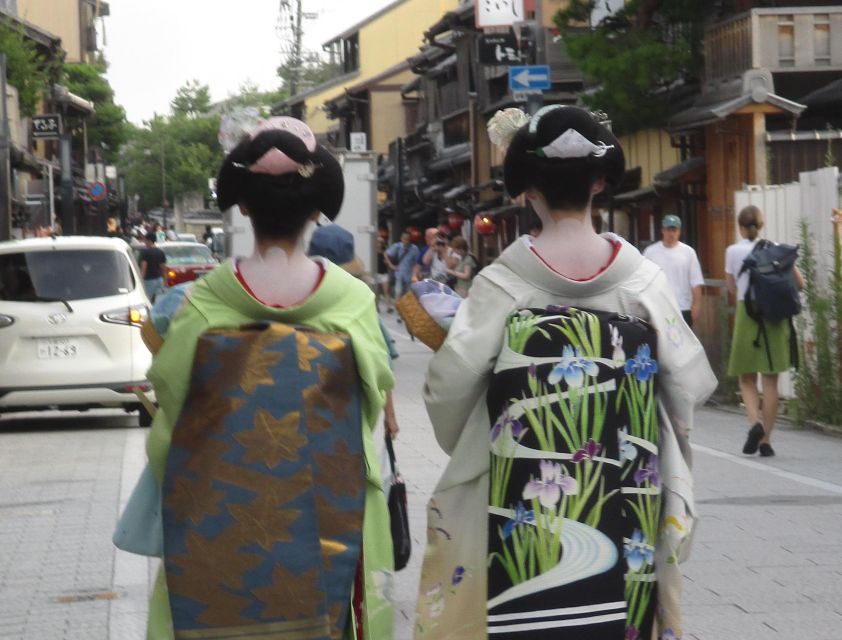
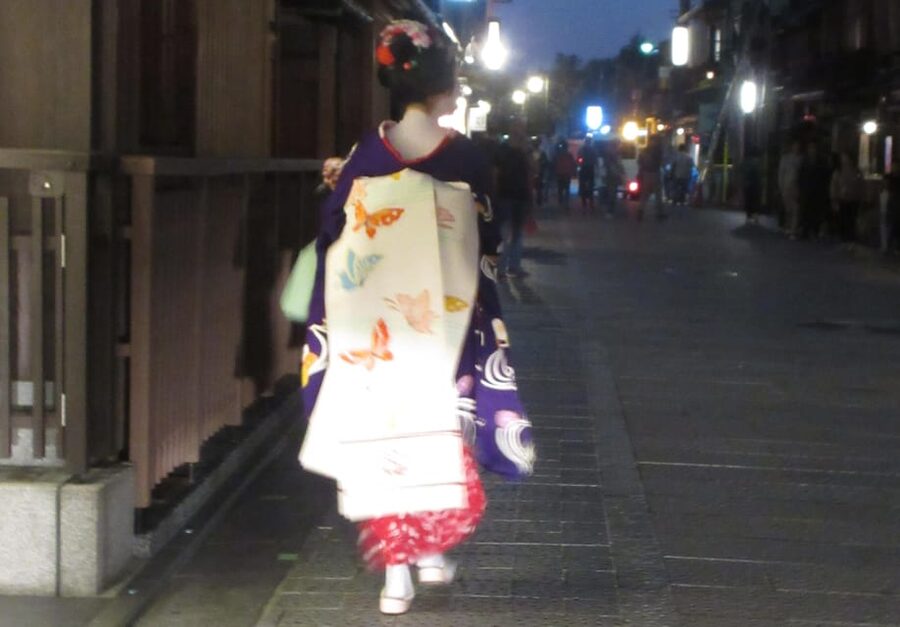
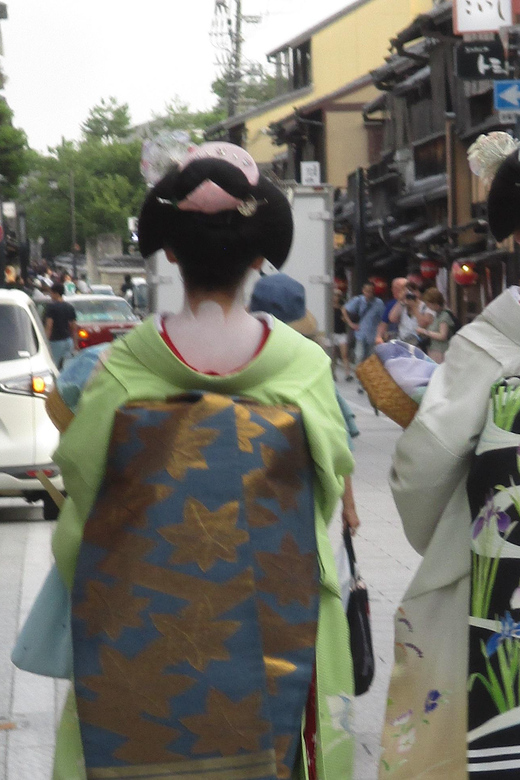
In the late afternoon, the tour shifts into Kyoto’s Gion area, specifically the Gion-kobu area. This is where professional performers, including Maiko and Geiko artists, work. The tour includes a guided visit of about 20 minutes in the area.
It is not a long stop, and you should not expect a full immersion evening cultural show in that short window. What you do get is a guided introduction to the neighborhood and what to look for. In a place like Gion, that guidance matters because there are many small visual cues, and it helps you notice them instead of just walking through looking for the biggest postcard views.
Another benefit of having a guide is context. You are not only seeing streets. You are learning the cultural and religious details connected to what you’re seeing that day, which ties Nara’s temple devotion to Kyoto’s neighborhood tradition.
Then the tour ends with a short walk and finishes at Pontocho. That is a very practical finish because it gives you a ready-made dinner zone without forcing you to backtrack across the city.
Italian guidance that makes temples feel understandable
The tour is led in Italian, and the explanations are designed to walk you through monuments in an informed way. I like this setup for a simple reason: language changes everything. When you can understand the guide clearly, you stop translating in your head and start actually noticing.
The guide style is described in a way that points to real teaching and real interaction. In past departures, the guide has been praised for perfect Italian and humor, plus the ability to answer questions. You also get a promise of support during the day, so if you need something sorted, you do not have to wait until the next stop.
One name that shows up in multiple accounts is Omae. Some departures are led by Omae, a Japanese guide who has lived in Italy for more than a decade, and that background shows in how naturally the Italian comes across. People also describe the guidance as detailed and thorough, with the guide leaving time to explore and take photos while still keeping the group on track.
If you are choosing this tour specifically because you want to understand Japan through a guide rather than just check off sites, this is where the value shows up.
Price and value: what you pay for in a $176 full-day tour
At $176 per person for a one-day tour covering Nara and Kyoto, the price is not cheap. But it is also not just paying for entry tickets.
You are paying for:
- Transportation coordination, including train and bus fares scheduled in the itinerary
- Entrance fees for the monuments visited
- Guided interpretation in Italian, including explanations for national treasure sites and temple monuments
- Group management with a small-group limit of 15
- On-request flexibility, within reason, so the day can adjust if needed
- Practical travel information about traveling in Japan in general, available upon request
Where this price makes the most sense is when you value guided time over DIY stress. Nara plus Kyoto in one day is tough if you do it on your own, especially if you want to spend more than 10 minutes in each major place. This tour structures the day so you get big highlights without losing hours to transit confusion or ticket-line guesswork.
Where you might feel the price less justified is if you want lots of free time. The schedule is guided and time-limited at each stop. One practical consideration is that some people could want the day to be more expansive given the cost. So if you are the type who likes slow browsing and long temple stays, consider whether you would rather do fewer stops and spend more time per place.
Who this Kyoto-Nara day trip suits best
This tour is a good match if:
- You want to see Todai-ji, Kiyomizu-dera, and Gion in one day without planning transit
- You prefer a guided explanation in Italian and want help along the way
- You like small groups and want your guide to answer questions clearly
- You are traveling with a mix of ages and want a route that is structured and manageable
It might be a less ideal match if:
- You hate tight schedules
- You need long stretches of free time in each area
- You are mainly shopping focused and do not care as much about temple context
If you want an efficient “greatest hits” day with guided depth, this is built for you.
Should you book the Kyoto-Nara Giant Buddha and Gion tour
I would book it if your priority is understanding the sights, not just collecting photos. The combination of Todai-ji’s scale, Nara Park’s tame deer, Kiyomizu-dera’s pilgrimage streets, and a guided stop in Gion-kobu makes for a full, varied day.
I would hesitate if you know you want more unstructured time at each location, or if you feel you pay extra mainly for the ability to linger. This is organized, guided, and time-boxed by design.
If you do book, do one thing to make it easier on yourself: arrive early enough at Kyoto Station to find the exact meeting spot comfortably. Once you join the group, the rest of the day is meant to feel smooth.
FAQ
What languages are used on this tour?
The live guide and explanations are provided in Italian.
How long is the Kyoto to Nara and Kyoto full-day experience?
The tour runs for a full day, with a schedule that includes train, bus, walking, and visits at Todai-ji, Kiyomizu-dera, and Gion, plus a break at Kyoto Station.
Where do I meet the group, and where do we end?
You meet in the space between the four escalators in front of the cab terminal, east just outside the north central entrance to Kyoto Station. The tour ends at Pontocho.
Is the tour small-group, and how many people are included?
It is a small group limited to 15 participants.
Does the tour include transportation and entrance fees?
Yes. Train and bus fares are scheduled and included, and entrance fees for the monuments in the program are included as well.
Is this tour wheelchair accessible?
Yes, it is listed as wheelchair accessible.
What is included in the guided experience?
You get a guided visit with explanatory illustration in Italian, historical and religious explanations about the monuments visited, practical assistance during the itinerary, and on-request practical information about traveling in Japan in general.
New This Season
- Koyasan Day Trip by Private Car from Kyoto
- Old Port Town and Ultimate Sake Tasting Private Tour From Kyoto
- Kyoto’s Timeless Charm: 3hr Exploration of History and Peace
- Kyoto: 5 Types of Sushi Making
- Sacred Peak & Ancient Paths: Kurama-Kibune Hiking Experience
- Kyoto: Exclusive ZEN practice at Manpukuji temple in Uji
- Kyoto: Private Seasonal Aroma Yoga Class
- Traversing Kyoto’s Scenic West – Arashiyama to Kinkakuji
Nara & Deer Park Day Trips, compared.
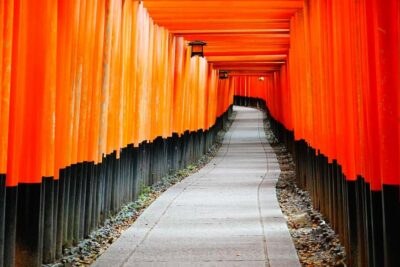
Kinkakuji,Arashiyama,FushimiInariShrine,NaraPark
Read our review →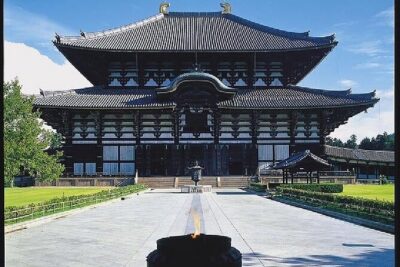
Nara, Fushimi Inari Taisha, Arashiyama Bus Tour
Read our review →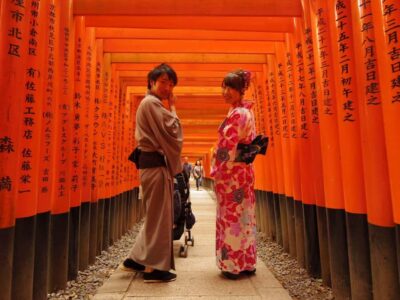
Arashiyama, Nara & Fushimi Inari Shrine w/Lunch
Read our review →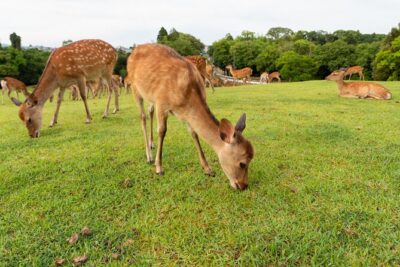
Full Day Guided Tour to Kyoto and Nara from Osaka by Van
Read our review →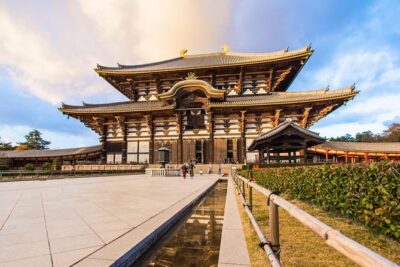
Also filed under