
Reviewed · NISHIKI MARKET FOOD WALKS
Kyoto: Nishiki Market Food Tour with Local Guide
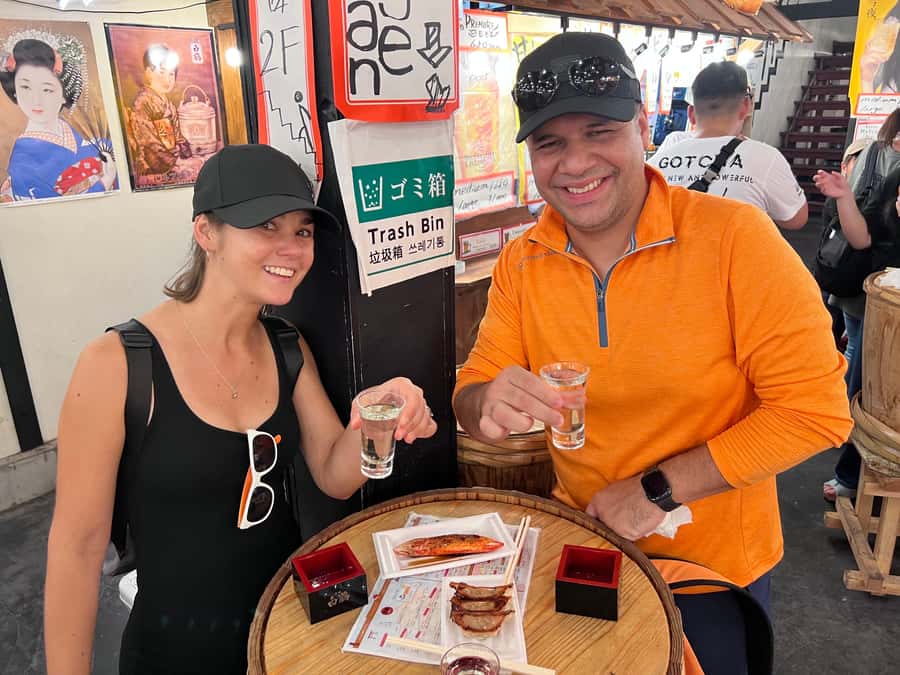
Nishiki Market makes Kyoto edible. This guided food walk is built around Nishiki’s centuries-old role as Kyoto’s food hub, with a local guide turning the stalls into context you can taste and understand.
I also like that you get both seasonal traditional food samples and clear explanations of how Kyoto dining thinking works, including Kyoto Kaiseki and the influence of Buddhist vegetarian cuisine. The main drawback is simple: it’s a lot of walking through narrow aisles, so you’ll want comfy shoes and a patient pace.
In This Review
- Key Things You’ll Notice on This Kyoto Nishiki Market Food Tour
- Nishiki Market Is Kyoto’s Food Street, Not Just a Place to Snack
- Steven and the Local Guide Factor: Why You Learn More Than You Eat
- Five Blocks of Shops: How the Tour Likely Moves Through Nishiki
- Start inside the market, then get the big picture fast
- Walk through the main stretches with targeted food tasting
- Midway explanations that connect food to how Kyoto thinks
- Finish with cultural context, including Buddhist vegetarian cuisine influence
- Seasonal Traditional Food and Kyoto Kaiseki: The Tasting Has a Point
- Buddhist Vegetarian Cuisine: Why This Market Matters Even If You Eat Meat
- Price and Value: What $64 Buys You in Kyoto
- Practical Tips: Wear Comfortable Shoes, Bring Water, Plan for Photos
- Who This Food Tour Suits Best
- Should You Book This Kyoto Nishiki Market Food Tour?
- FAQ
- FAQ
- What does the Kyoto Nishiki Market Food Tour include?
- Is hotel pickup or drop-off included?
- How much walking is involved?
- Are vegetarian options available?
- What language is the tour in?
- Can I take photos during the tour?
- How much does the tour cost?
- Is there a way to pay later?
- What is the cancellation policy?
- Can a last-minute booking be canceled?
- Who is the experience provider?
Key Things You’ll Notice on This Kyoto Nishiki Market Food Tour
- Steven’s market storytelling: strong history and cooking context, plus calm help when someone needed assistance
- Seasonal tastings: traditional foods that change with the time of year
- Kyoto Kaiseki explained: multi-course dining as a way to think about flavor and balance
- Buddhist vegetarian cuisine influence: you’ll hear why it matters in this market
- Local guide direction: you won’t just wander, you’ll learn what you’re looking at
Nishiki Market Is Kyoto’s Food Street, Not Just a Place to Snack
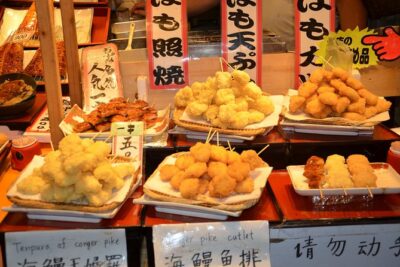
Nishiki Market is a long, straight stretch of shops, about five blocks, that has served as Kyoto’s food center for centuries. It began in the early 14th century as a small cluster of fish shops, and it grew into a big collection of more than 100 stalls and specialty stores. That history matters because it explains why the market feels like a daily ritual, not a souvenir corridor.
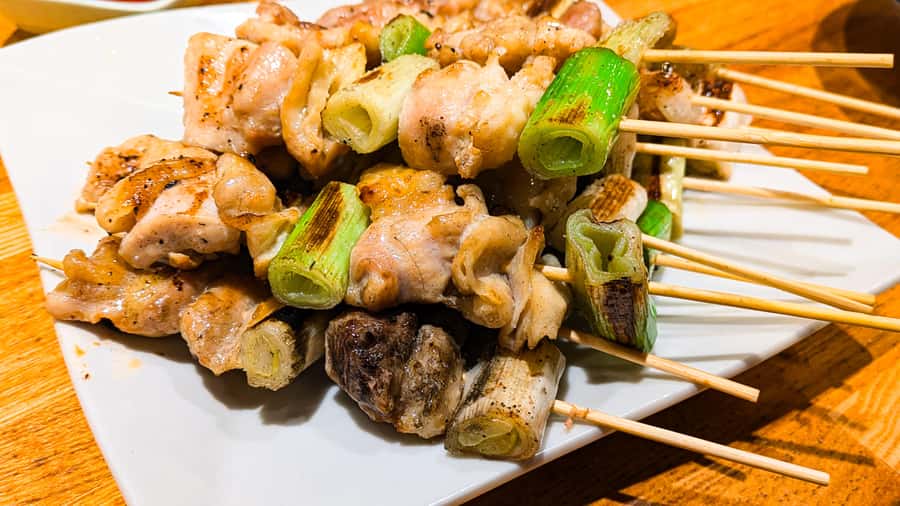
What I like about this tour format is that you’re not limited to a single type of food. Nishiki is known for fresh ingredients, seasonal produce, and artisanal goods, and the guided approach helps you understand what to look for while you sample. If you’ve ever stood in a market unsure what’s worth tasting, this solves that. You get hands-on choices paired with reasons behind them.
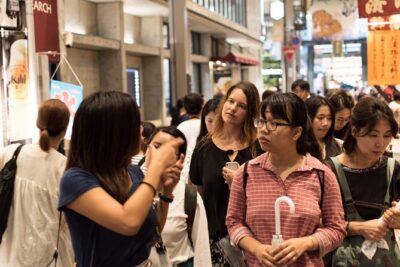
There is a catch, though. Nishiki is tight. Expect a steady walk with lots of turning corners and stopping in busy lanes, so build in comfort and stamina. If you want zero walking, you’ll probably be happier skipping this style of tour.
Steven and the Local Guide Factor: Why You Learn More Than You Eat
One of the strongest signals from the guide experience is that the guide makes people feel cared for. In one case, a guide helped when a tour partner fell, which says a lot about attention, calm, and responsiveness. That kind of readiness is worth something in a market where surfaces can be uneven and crowds can shift fast.
Knowledge also comes through clearly. Several mentions point to Steven as exceptionally well informed, with explanations that connect the stalls to how Kyoto food is cooked. You’ll also hear cultural and historical insights tied directly to what’s being sold and sampled, not just generic facts thrown at you while you walk.
You can think of the guide as your translator in two ways:
- Food translator: what you’re tasting, what makes it seasonal, and why it fits Kyoto’s style.
- Culture translator: how Buddhist vegetarian ideas shaped the market, and how Kyoto Kaiseki thinking connects to presentation and balance.
If you enjoy learning while you eat, this is the difference between collecting bites and understanding why they work.
Kyoto's kitchen, one stall at a time
- Nishiki Market Brunch Walking Tour (7 Tastings + Brunch)
★ 5.0 · 1,355 reviews - Kimono Tea Ceremony at Kyoto Maikoya, NISHIKI
★ 5.0 · 911 reviews - Kyoto Nishiki Market Food and Culture Walking Tour
★ 5.0 · 412 reviews - Kyoto: Nishiki Market Tea Ceremony with Koto Performance
★ 4.8 · 294 reviews
Five Blocks of Shops: How the Tour Likely Moves Through Nishiki
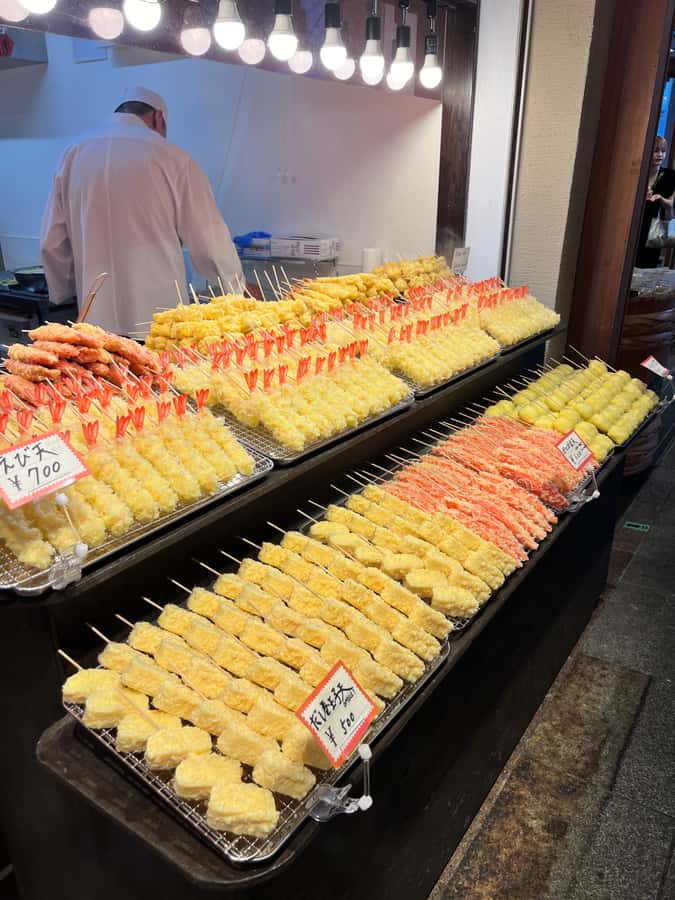
Even without a stop-by-stop list of exact stalls, you can plan around the structure the market naturally offers. Nishiki runs in that five-block line, and your guide’s job is to keep you moving while guiding what you try.
Here’s the flow you should expect in practice:
Start inside the market, then get the big picture fast
Right when you enter, the guide sets the frame: Nishiki as Kyoto’s kitchen, why it started with fish shops, and how it became a dense marketplace of over 100 stalls. This is when you learn how to read the market. You start to notice seasonal produce and “why this shop, why now” patterns instead of just looking at signage.
Walk through the main stretches with targeted food tasting
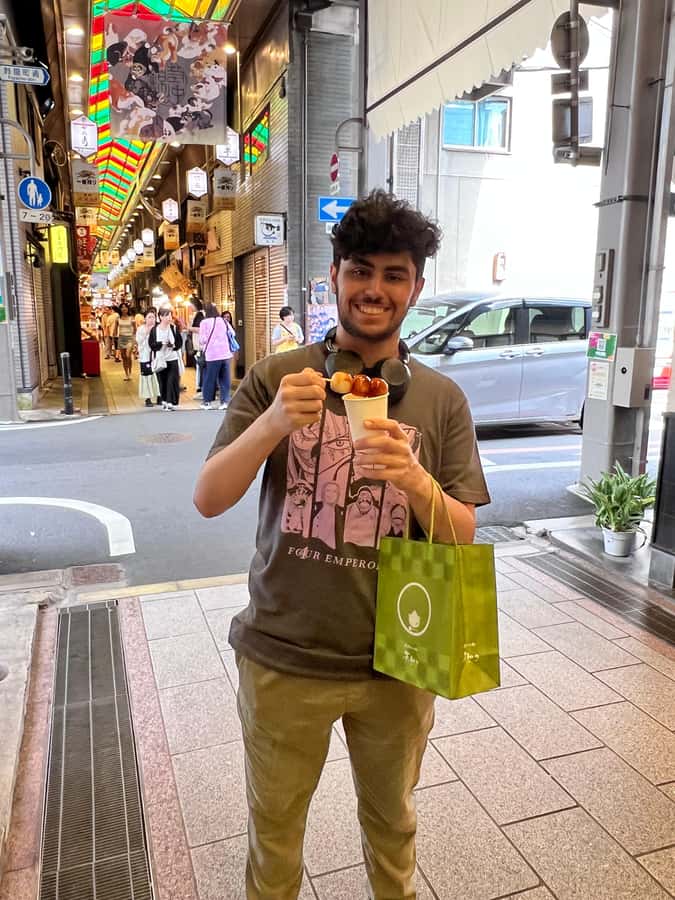
During the walk, you’ll sample an array of mouthwatering delicacies, chosen to represent Kyoto’s food culture. The important part is that the tasting is not random. You’re tasting across traditional food categories that shift with the seasons, so the tour functions like a snapshot of the market’s current rhythm.
Drawback to know: because you’re tasting, you’ll want to arrive hungry enough to enjoy it, but not so hungry that you rush. The pacing matters in a crowd.
Midway explanations that connect food to how Kyoto thinks
As you move through the market, you’ll hear about Kyoto Kaiseki, described as a multi-course dining philosophy. This isn’t just a definition. It gives you a framework to understand why different tastes might appear in a certain order and why seasonality is taken seriously.
That matters because Nishiki’s value is freshness and timing. Your guide helps you recognize how ingredients and cooking choices express the season.
More of Kyoto, tasted rather than seen

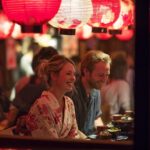
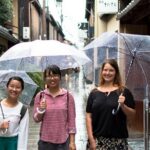
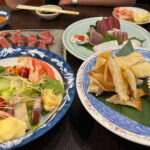
Finish with cultural context, including Buddhist vegetarian cuisine influence
The tour also highlights the influence of Buddhist vegetarian cuisine on the market. For you, that means the guide will likely connect certain foods and preferences to a larger Kyoto mindset around restraint, balance, and what the season provides. Even if you’re not vegetarian, it adds depth to what you see and taste here.
Seasonal Traditional Food and Kyoto Kaiseki: The Tasting Has a Point
The big selling idea is seasonal traditional food. It’s not just variety for the sake of variety. In Kyoto food culture, seasonality is a guiding principle, and your guide’s explanations turn that into something you can recognize while eating.
You’ll likely notice the tour keeps bringing your attention back to the logic behind each sample:
- Seasonal ingredients: why a food shows up when it does
- Kyoto Kaiseki mindset: how courses and balance shape your experience
- Cultural stories: why Kyoto approaches dining differently than other parts of Japan
This matters for value. Without context, a food tour can feel like a series of snacks. With context, you leave with reusable knowledge. You’ll be able to walk a market in Kyoto (or anywhere) and spot what’s seasonal, what’s local, and what the food is trying to communicate.
Also, the guide is offering cultural and historical insights, so you’re not paying only for taste. You’re paying for interpretation.
Buddhist Vegetarian Cuisine: Why This Market Matters Even If You Eat Meat
One of the tour highlights is the influence of Buddhist vegetarian cuisine. Kyoto has strong ties to Buddhist traditions, and those traditions shaped how people thought about food, especially the use of plant-based dishes.
For you, this adds two practical benefits:
- You’ll understand the logic behind certain flavors and choices, not just what they are.
- You’ll see that vegetarian food in Kyoto is not “special order food.” It’s part of the food culture you’re walking through.
And if you follow a vegetarian diet, the tour specifically notes that vegetarian options are available. Just notify in advance so the guide can plan tastings appropriately.
Price and Value: What $64 Buys You in Kyoto
At $64 per person, you’re paying for three things bundled together: a local guide, food tasting, and cultural and historical insights. In a market like Nishiki, the cost starts to make sense because you’re not only buying bites. You’re buying guidance that helps you choose wisely, understand what you’re tasting, and avoid the trial-and-error part of market shopping.
Also, the guide component is the real value driver. The reviews highlight Steven as exceptionally knowledgeable, and one review specifically mentions careful help when someone fell. That combination, thoughtful knowledge and real-world care, is hard to replicate if you try to self-tour.
Is it expensive? It depends on your style. If you hate group walking and you only want photos, you might feel it’s more than you needed. But if you like learning and sampling, the price is reasonable for Kyoto where good food experiences often cost more once you factor in time and a guide.
Practical Tips: Wear Comfortable Shoes, Bring Water, Plan for Photos
This tour comes with straightforward, useful ground rules. They sound basic because they are, and in a market they make a difference.
- Wear comfortable shoes. Expect a lot of walking, plus narrow aisles and crowds.
- Bring a water bottle so you can stay hydrated while you snack and walk.
- Photography is encouraged, but be respectful and ask before taking photos of vendors. That keeps things smooth and polite.
- If you want vegetarian options, notify in advance. The tour does offer options, but planning matters.
If you’re the type who likes to linger, build in extra time for breaks. You’ll enjoy the tasting more if you don’t feel rushed or crammed into a fast pace.
Who This Food Tour Suits Best
This is a great fit if you want:
- A structured food walk through Nishiki Market instead of wandering blindly
- Seasonal traditional food tasting with explanations you can remember
- Cultural context on Kyoto Kaiseki and Buddhist vegetarian influences
- An English-speaking guide and thoughtful care, with Steven called out specifically in feedback
It may be less ideal if:
- You have mobility limits and can’t handle a lot of walking
- You only want a self-led snack crawl and don’t care about historical or cooking context
- You need exact dietary certainty without giving advance notice, since vegetarian planning needs you to flag it ahead of time
Should You Book This Kyoto Nishiki Market Food Tour?
If you’re aiming to understand Kyoto food culture, not just collect snacks, I think this is a smart booking. The guide adds meaning, especially through explanations tied to Kyoto Kaiseki and the Buddhist vegetarian influence, and Steven is highlighted for strong knowledge. The pacing includes lots of walking, so bring good shoes and don’t plan on heavy sightseeing immediately afterward.
Also, the price feels fair for a guided tasting plus cultural insight. If you’re traveling on a tight schedule or you’re only doing one food activity in Kyoto, this is the kind of tour that gives you both a full belly and something you can carry into the rest of your trip.
FAQ
FAQ
What does the Kyoto Nishiki Market Food Tour include?
It includes a local guide, food tasting, and cultural and historical insights. Hotel pickup and drop-off are not included.
Is hotel pickup or drop-off included?
No. You’ll need to make your own way to the meeting point and back.
How much walking is involved?
There will be a lot of walking, since Nishiki Market is a long stretch of shops. Comfortable shoes are strongly recommended.
Are vegetarian options available?
Yes. Vegetarian options are available, but you should notify in advance if you need them.
What language is the tour in?
The tour is available in English.
Can I take photos during the tour?
Photography is encouraged, but you should be respectful of vendors and ask before taking photos.
How much does the tour cost?
The price is $64 per person.
Is there a way to pay later?
Yes. Reserve & Pay Later is offered, so you can book your spot and pay nothing today.
What is the cancellation policy?
You can cancel up to 24 hours in advance for a full refund.
Can a last-minute booking be canceled?
Yes. A last minute booking might have to be canceled.
Who is the experience provider?
The experience provider is Jacalize Co., Ltd.
Shopping Around Kyoto
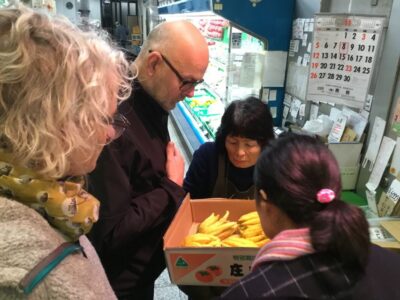
Kyoto's Markets
New This Season
- Koyasan Day Trip by Private Car from Kyoto
- Old Port Town and Ultimate Sake Tasting Private Tour From Kyoto
- Kyoto’s Timeless Charm: 3hr Exploration of History and Peace
- Kyoto: 5 Types of Sushi Making
- Sacred Peak & Ancient Paths: Kurama-Kibune Hiking Experience
- Kyoto: Exclusive ZEN practice at Manpukuji temple in Uji
- Kyoto: Private Seasonal Aroma Yoga Class
- Traversing Kyoto’s Scenic West – Arashiyama to Kinkakuji
Nishiki Market Food Walks, compared.
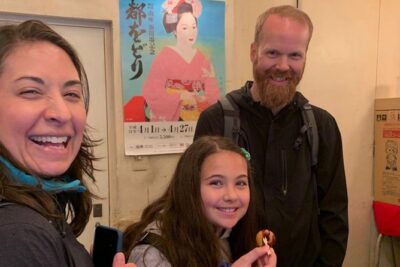
Nishiki Market Brunch Walking Tour (7 Tastings + Brunch)
Read our review →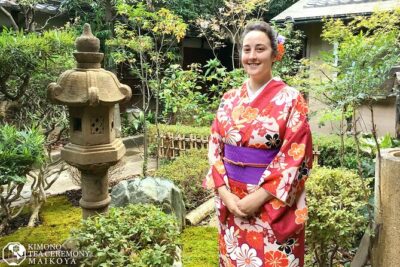
Kimono Tea Ceremony at Kyoto Maikoya, NISHIKI
Read our review →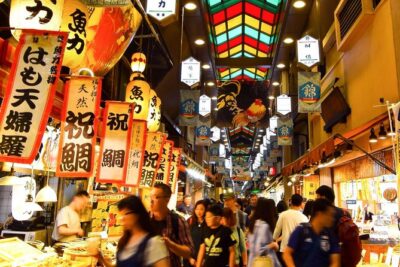
Kyoto Nishiki Market Food and Culture Walking Tour
Read our review →
Nishiki Market Tea Ceremony with Koto Performance
Read our review →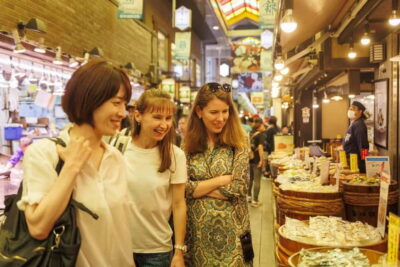
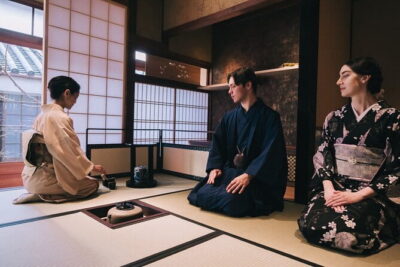
Kimono Tea Ceremony Experience at Kyoto Oritzuruya, Nishiki
Read our review →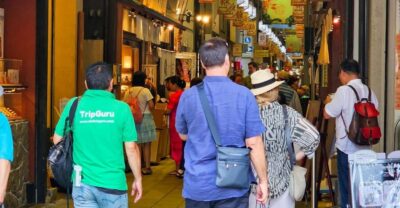
Nishiki Market and Depachika Food Tour with a Local
Read our review →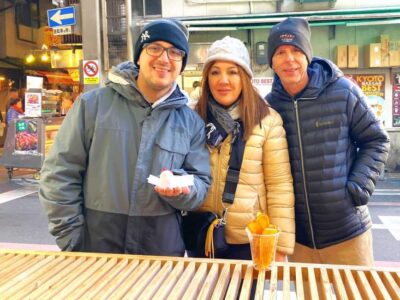
Nishiki Market Tour with a Local Foodie & Tastings
Read our review →Also filed under