
Reviewed · TEA CEREMONIES
Kyoto : Okada Tea Ceremony & Kimono
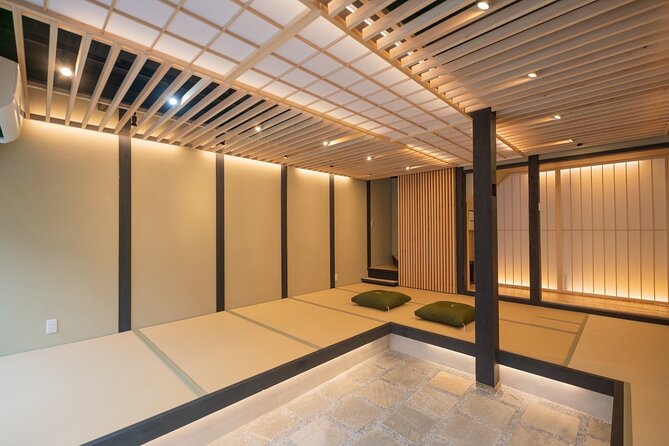
Kimono and matcha in one smooth afternoon. At OKADA Tea Ceremony & Kimono in Higashiyama, you pick a kimono, get dressed, then settle into a one-hour tea ceremony right on site. I like that the shop is next to the ceremony, so you are not zigzagging around Kyoto after changing.
I also like the focus on tea culture and meaning, not just the drinking part. You learn history and customs from Okada, and you get matcha and sweets during the ceremony. One possible consideration: you keep the kimono until 6:00 PM, so you will want to plan your afternoon walk routes around that return time.
In This Review
- Key highlights at OKADA in Kyoto
- Where this Kyoto experience fits, and why it feels efficient
- Choosing your kimono, getting dressed, and managing comfort
- The 1-hour tea ceremony: culture, customs, and your matcha moment
- Why the kimono time until 6:00 PM changes the value
- Getting there fast: Kiyomizu-michi area makes it easy
- Small group size: what max 4 travelers means for your experience
- Price and value: is $84.70 really fair here?
- Who this experience is best for (and who should think twice)
- What to watch for while wearing kimono in Kyoto
- Should you book OKADA Tea Ceremony & Kimono?
- FAQ
- How long is the experience?
- What happens first, kimono or tea?
- What is included in the tea ceremony?
- Where is the meeting point?
- How close is it to public transportation?
- How many people are in the group?
- Do I get to keep the kimono after the tea ceremony?
- What ticket method is used?
- Are service animals allowed?
- What is the cancellation policy?
Key highlights at OKADA in Kyoto
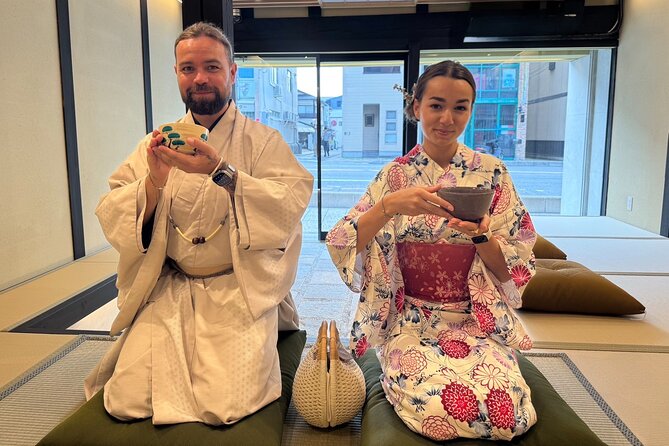
- Pick-your-kimono dressing session: You choose your kimono and get simple hairstyling as part of the experience.
- Tea ceremony with matcha and sweets: A full hour focused on culture, history, and customs, not a quick performance.
- Right next to the ceremony venue: You change, then go straight into the tea without extra travel.
- Kimono time until 6:00 PM: You can stroll nearby streets in traditional clothing after the tea ceremony ends.
- Tiny group size (max 4): More time for questions and more personal attention.
- Very easy access from Kiyomizu-michi: The meeting shop is about a 30-second walk from the bus stop.
Where this Kyoto experience fits, and why it feels efficient
This is the kind of Kyoto activity that makes sense if you hate wasting time. The kimono shop is located right next to the tea ceremony venue, and you can walk in from the Kiyomizu-michi bus stop in about half a minute. That is a big deal in Higashiyama, where travel between spots can eat your day.
The schedule also has a clean flow. You start with dressing (about 1 to 1.5 hours), then move into the tea ceremony (about 1 hour), and you still keep the kimono until 6:00 PM. I like that you get a cultural moment, then real sightseeing time in the same outfit.
The overall experience is priced at $84.70 per person for about 2 hours 30 minutes total. In practical value terms, you are paying for (1) the kimono rental and dressing help, (2) the guided one-hour tea ceremony with matcha and sweets, and (3) the extra time to wear the kimono around the area afterward.
If you want to experience Kyoto tradition without turning your day into logistics homework, this is a strong match.
Choosing your kimono, getting dressed, and managing comfort
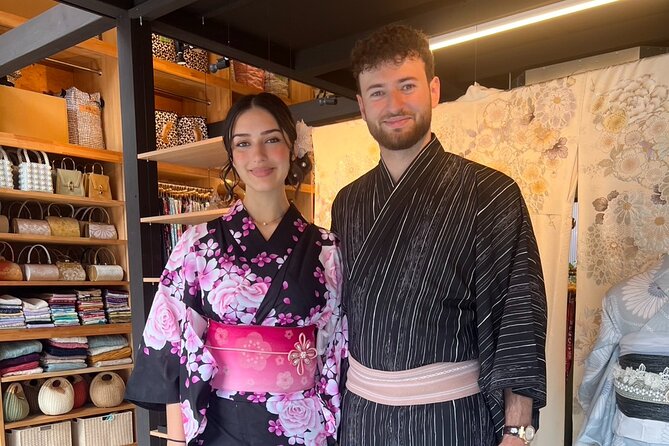
You start by choosing your kimono. Then you get dressed on site, along with simple hairstyling. This part matters more than it sounds. Kimono wearing is not about picking something pretty from a rack. It is about learning the basics of how it all works together, and having someone help you put it on correctly.
From the experience details, the shop handles the full routine for your outfit. That usually means less stress for you, especially if it is your first time. You do not need to figure out ties, fit, or the order of steps while standing in a public street.
Now, here is the practical consideration: you keep the kimono until 6:00 PM. That is fantastic for photos and wandering, but it can change how you plan the day. Wear shoes that work well with your outfit, and think about comfort for walking. If you are the type who wants to quickly pop in and out of places, kimono time can still work, but plan for a slower, more relaxed pace.
Also, this is a small group experience, with a maximum of 4 travelers. That generally makes the dressing process feel more personal and less rushed. You get time to ask questions while everything is being adjusted.
Walk the old streets in kimono
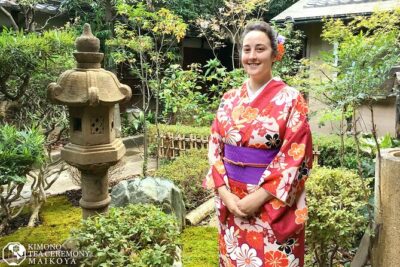
- Kimono Tea Ceremony at Kyoto Maikoya, NISHIKI
★ 5.0 · 911 reviews - Kyoto: Kimono Rental with Hairstyling and Accessories
★ 4.8 · 653 reviews - Kyoto: Kimono Tea Ceremony at Orizuruya Gion
★ 4.9 · 618 reviews - KYOTO Tea Ceremony with kimono near by Imamiya Jinjya Shrine
★ 5.0 · 343 reviews
The 1-hour tea ceremony: culture, customs, and your matcha moment
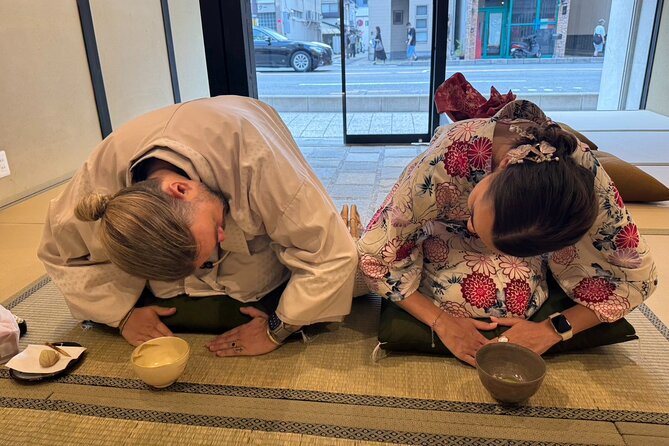
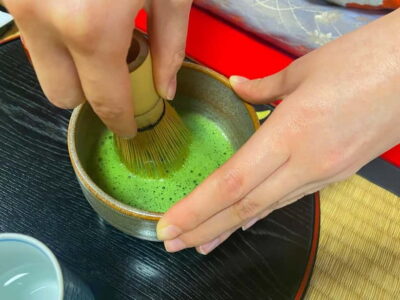
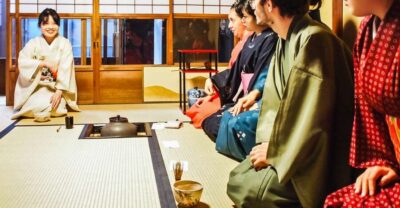
The heart of the experience is a one-hour tea ceremony. You learn about tea culture, plus the history and meaning behind the customs. This is not just one person performing while you watch. The guidance includes explanation, so you understand what you are doing and why.
You also enjoy matcha and sweets as part of the ceremony. For me, that pairing is important. The sweets help you experience the full flow of the tea moment, not just taste matcha like it is a beverage on the side.
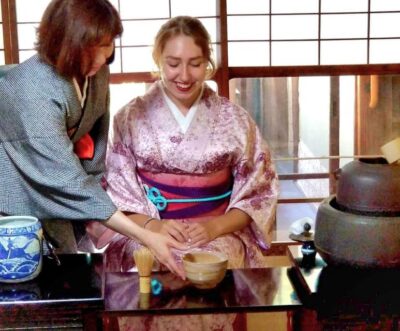
From the guidance described, the teaching style is attentive and thoughtful. Okada takes time to talk through details of tea ceremony history and etiquette. In one account, Okada even helped with photos while guests were in their kimonos, which is a nice bonus if you want to remember the look and the setting without constantly asking strangers.
One more practical note: tea ceremony seating can feel formal. If you are nervous about etiquette, this is a good way to learn it without guessing. You will have someone present to guide you through what to do.
If your goal is to come away understanding tea as a culture, not just a drink, the structure here supports that.
Why the kimono time until 6:00 PM changes the value
Most kimono experiences stop right after the ceremony. This one gives you extra hours. You keep the kimono until 6:00 PM, then the activity ends back at the meeting point.
That means you are not just paying for a photo moment. You are getting a block of time to walk around nearby streets in a traditional outfit while the whole experience is still fresh in your mind. In Kyoto, that matters because the best atmosphere often hits you while you are slowly moving through neighborhoods.
It also gives you flexibility. If you want to take your time and wander around Higashiyama without constantly switching clothing, the kimono rental makes that easier. I like that it turns the tea ceremony into a starting point for the rest of your afternoon, rather than an isolated activity.
The only real trade-off is timing. Since you are wearing the kimono until 6:00 PM, you should plan your other stops accordingly. If your day is packed with long travel across town, this experience works best as a central anchor, not something you try to squeeze in between far-apart locations.
Getting there fast: Kiyomizu-michi area makes it easy
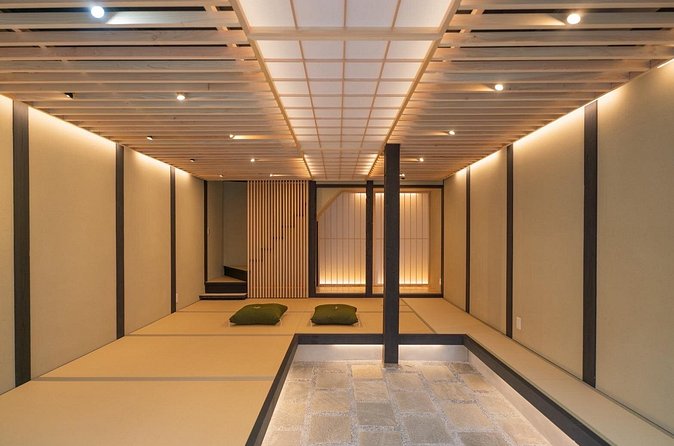
If you are building a Kyoto day, locations can make or break a plan. This one is very convenient.
- The kimono shop is about a 30-second walk from the Kiyomizu-michi bus stop.
- The ceremony venue is right next to the shop, so you can proceed immediately after getting dressed.
- It is near public transportation, which helps if your day includes buses and short walks.
The meeting point is listed as 岡田-OKADA-102 Tatsumichō, Higashiyama Ward, Kyoto, 605-0855, Japan. And the experience ends back at the meeting point.
Practically, this reduces the chance you spend your best cultural hours hunting for a door in a side street. You can treat the experience as one easy stop in a neighborhood you likely already want to explore.
Small group size: what max 4 travelers means for your experience
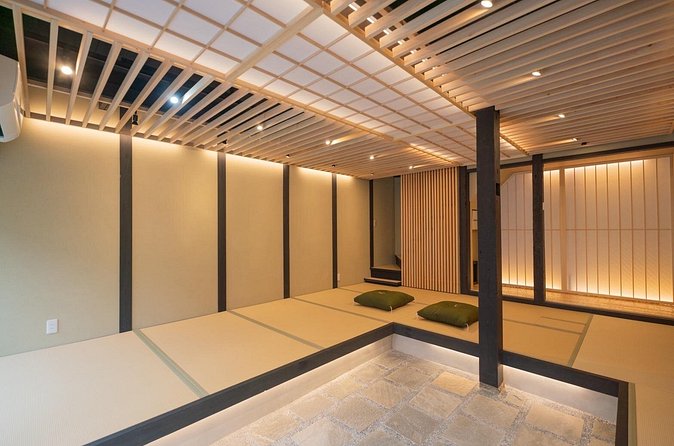
The experience has a maximum of 4 travelers. That does not sound dramatic until you think about the tea ceremony format and dressing steps.
In a larger group, explanations can get shorter, and adjustments can feel rushed. In a group this size, you are more likely to get direct attention, including space to ask questions about tea culture and customs.
It also matters for families. One of the reviews highlights that the tea house accepted a 3-year-old child, with the staff being kind, patient, and attentive. That does not guarantee every child will have the same experience, but it strongly suggests the team is used to accommodating different ages and keeping things calm.
So if you want a guided, human-sized experience rather than a production line, the small group setup is a plus.
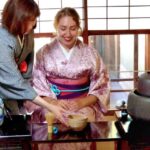
More bowls, poured the traditional way
Price and value: is $84.70 really fair here?
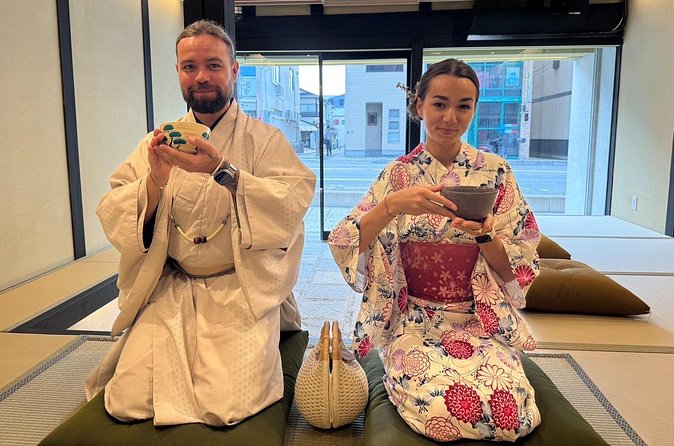
At $84.70 per person, you are not paying for a cheap show. You are paying for multiple components that would normally cost separately in Kyoto.
Here is what you are getting based on the experience description:
- Kimono rental
- Getting dressed with simple hairstyling (about 1 to 1.5 hours)
- A guided 1-hour tea ceremony
- Matcha and sweets
- The ability to keep the kimono until 6:00 PM for sightseeing
If you compare that to booking a tea class by itself plus renting kimono time elsewhere, the bundle can feel more reasonable. You are also saving time because the shop and the ceremony are next to each other, which helps you avoid extra commuting and scheduling friction.
When the total package includes both a cultural guided lesson and wearable rental time for the afternoon, the pricing structure makes sense for many visitors, especially first-timers who do not want to shop around.
My take: it is good value if you want tradition plus real Kyoto walking time, and you appreciate guided context during the ceremony.
Who this experience is best for (and who should think twice)
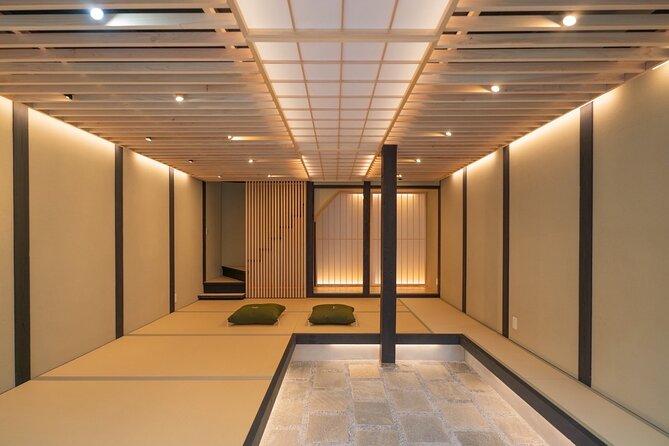
This works especially well if:
- You are in Kyoto for a short time and want two highlights in one stop: kimono and tea ceremony.
- You like the idea of learning what you are doing, not just watching.
- You want a guided cultural experience in a small group.
- You want to wear the kimono as part of your sightseeing day until 6:00 PM.
You might think twice if:
- You dislike wearing restrictive clothing for several hours.
- Your schedule is extremely tight and you cannot plan around kimono time until 6:00 PM.
- You prefer solo or very self-guided experiences with minimal staff interaction.
That said, the presence of attentive guidance during both dressing and the tea ceremony makes it easier for most people to feel comfortable.
What to watch for while wearing kimono in Kyoto
This is a practical heads-up, not a deal breaker.
- Expect slower movement. Kimono dressing and the way fabric sits can make fast walking less comfortable.
- Plan your day around the end time. The kimono time extends until 6:00 PM, so you are basically choosing a neighborhood pace for that window.
- Bring patience. You will be in a formal, guided setting for tea ceremony time, and the experience includes explanation and steps.
The good news is that the experience layout keeps things simple. You change and proceed right to tea. After tea, you just keep exploring with the kimono until the scheduled time.
Should you book OKADA Tea Ceremony & Kimono?
Book it if you want an efficient, high-touch Kyoto cultural experience: pick your kimono, get help dressing, enjoy a guided one-hour tea ceremony with matcha and sweets, then keep the kimono to explore until 6:00 PM. The small group size and the fact that the shop is next to the ceremony are practical wins, especially in Higashiyama.
Skip it if you hate wearing traditional clothing for hours or you do not have room in your afternoon to wander at a calmer pace. In that case, you could enjoy Kyoto with less commitment.
FAQ
How long is the experience?
The experience is about 2 hours 30 minutes.
What happens first, kimono or tea?
You choose your kimono and get dressed with simple hairstyling first (about 1 to 1.5 hours), then you do a 1-hour tea ceremony.
What is included in the tea ceremony?
You learn about tea culture, enjoy matcha and sweets, and hear about the history and customs of the ceremony.
Where is the meeting point?
The meeting point is 岡田-OKADA-102 Tatsumichō, Higashiyama Ward, Kyoto, 605-0855, Japan.
How close is it to public transportation?
It is near public transportation, and it is about a 30-second walk from the Kiyomizu-michi bus stop.
How many people are in the group?
The maximum group size is 4 travelers.
Do I get to keep the kimono after the tea ceremony?
Yes, you can keep the kimono until 6:00 PM to explore nearby.
What ticket method is used?
You get a mobile ticket.
Are service animals allowed?
Yes, service animals are allowed.
What is the cancellation policy?
Free cancellation is available up to 24 hours in advance of the experience start time for a full refund, based on the experience’s local time.
If you want, tell me your Kyoto itinerary (rough times and neighborhoods) and I will help you decide the best day and time to fit this in.
New This Season
- Koyasan Day Trip by Private Car from Kyoto
- Old Port Town and Ultimate Sake Tasting Private Tour From Kyoto
- Kyoto’s Timeless Charm: 3hr Exploration of History and Peace
- Kyoto: 5 Types of Sushi Making
- Sacred Peak & Ancient Paths: Kurama-Kibune Hiking Experience
- Kyoto: Exclusive ZEN practice at Manpukuji temple in Uji
- Kyoto: Private Seasonal Aroma Yoga Class
- Traversing Kyoto’s Scenic West – Arashiyama to Kinkakuji
Tea Ceremonies, compared.
Tea Ceremony in a Traditional Tea House in Kiyomizu
Read our review →
Kimono Tea Ceremony at Kyoto Maikoya, NISHIKI
Read our review →
Tea Ceremony in 100-year-old Kyo-Machiya Townhouse
Read our review →
Also filed under