
Reviewed · NARA & DEER PARK DAY TRIPS
Kyoto/Osaka: Kyoto&Nara Customized Private Highlights Tour
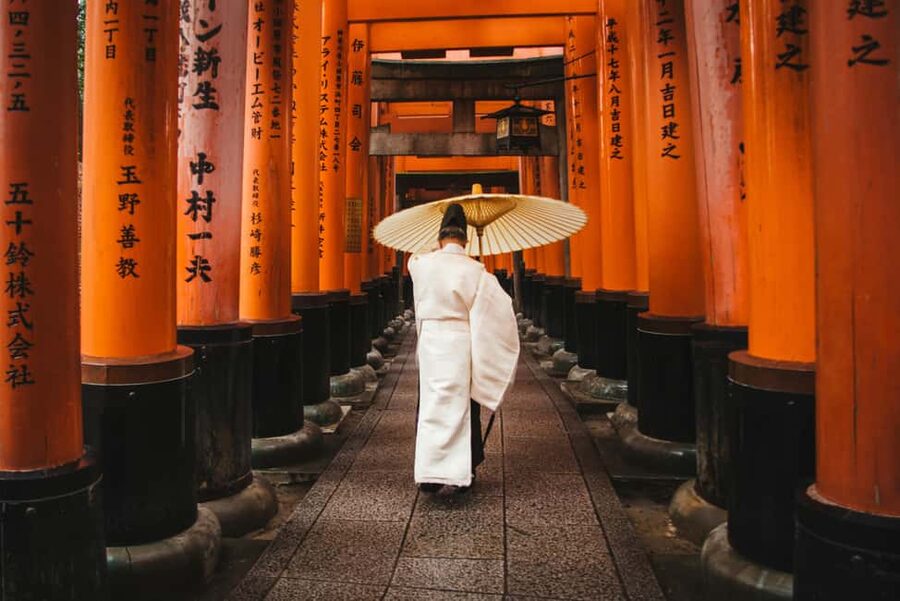
Eight to ten hours, one smooth private route. I like how this tour packs Kyoto and Nara into a single day without the headache of trains and transfers, and you get to walk the iconic vermilion torii path at Fushimi Inari Taisha plus the photo-stop at Kinkaku-ji. The one real drawback to plan for is that entrance fees and meals are not included, so your spending will go beyond the listed price.
I also like the human part. You ride in an air-conditioned vehicle with WiFi, and you have a multi-language translation app plus a driver-guide who can assist with tickets. In real life, that matters when you have questions, you want to adjust the pace, or you travel with kids.
The schedule is tight in a good way, but it is still a long day. If you hate walking or you need frequent breaks, talk with your driver early about how you want to pace things, especially once the sights start stacking up.
In This Review
- Key things that make this tour worth your time
- Why a private Kyoto and Nara day beats public transport
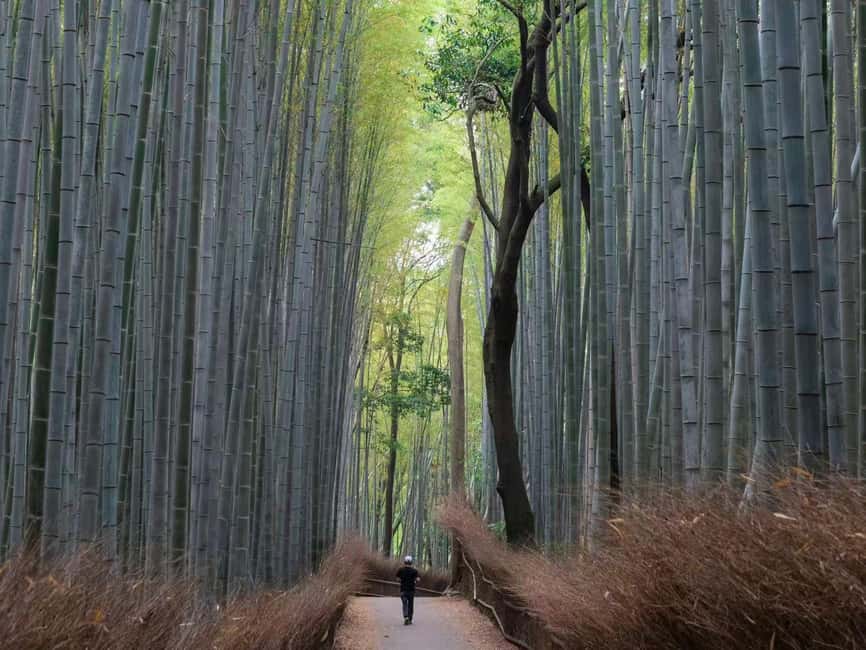
- Arashiyama Bamboo Forest, the calm start you’ll be grateful for
- Fushimi Inari Taisha torii gates, where you choose your effort
- Sanjusangen-do, a solid temple detour between giants
- Kinkaku-ji golden pavilion and the pond reflection you came for
- Todai-ji and Nara Park deer time, two icons in one flow
- Nishiki Market and Gion, the last stretch with big atmosphere
- How the tour adapts for your language, needs, and reality
- Price and value, plus what will cost extra
- Who this tour fits best in Kansai
- Should you book this Kyoto and Nara highlights tour?
- FAQ
- How long is the Kyoto and Nara highlights tour?
- Where do you pick up and drop off?
- Are entrance fees included?
- Is food included?
- What extra costs apply if the tour runs longer than 10 hours?
- What languages are available for the driver-guide?
Key things that make this tour worth your time
- Private door-to-door pickup and drop-off, with options across Kyoto, Osaka, Kobe, and even Kansai International Airport
- Arashiyama Bamboo Grove as your calm start, before the rest of the day gets busy
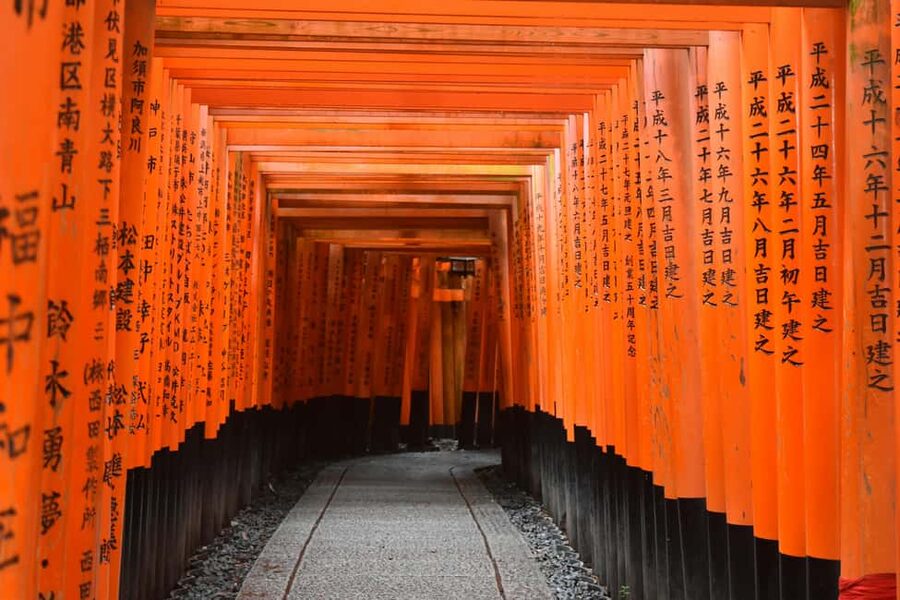
- Fushimi Inari Taisha torii gates walk, one of Kyoto’s most memorable spiritual sights
- Golden Pavilion at Kinkaku-ji, including the classic pond reflection view
- Nara Park deer time, plus Todai-ji and the Great Buddha presence
- A guide who can handle language needs (Chinese, English, Japanese, Hindi, Indonesian) and help with ticket purchases
Why a private Kyoto and Nara day beats public transport
You get the biggest benefit on day one of Japan: less transit stress, more time spent looking up. This is built around a private vehicle with hotel pickup and drop-off, so you avoid the back-and-forth planning that usually eats hours when you are bouncing between Kyoto and Nara.
The car setup is practical too. You get an air-conditioned vehicle, WiFi onboard, and a multi-language translation app. That combo is underrated. It helps you move faster at ticket counters, ask quick questions, and keep the day feeling light instead of tiring.
It’s also the kind of tour that can flex. The driver-guide can adapt to your travel style and pace, and you can even request to end the tour at a different location or city from where you started. That is useful if you are continuing on to another stop that same day.
Value-wise, the price is per group up to 6 people, not per person. For families, friend groups, or small parties, that is usually where the math starts looking good, because you are paying for one vehicle and one guide time window.
Arashiyama Bamboo Forest, the calm start you’ll be grateful for
You begin at Arashiyama Bamboo Grove, and you get about one hour there. That matters. Bamboo can feel like an instant photo scene, but time on foot is what turns it into atmosphere.
I like using this as the warm-up stop. Even on a busy day, the grove’s towering stalks create a natural reset. You will feel the shift from city motion to quiet, which sets you up better for the more intense, sacred and crowded-feeling sights later.
Practical tip: wear comfortable shoes. The tour emphasizes that for a reason. Even if the distance is not huge, temple and garden walking tends to be uneven and slow, and you will want your legs fresh for the torii walk later.
If you want photos, give yourself a moment to step away from the busiest viewpoint and look for quieter angles. You do not need perfect timing, just a little space from the crowd.
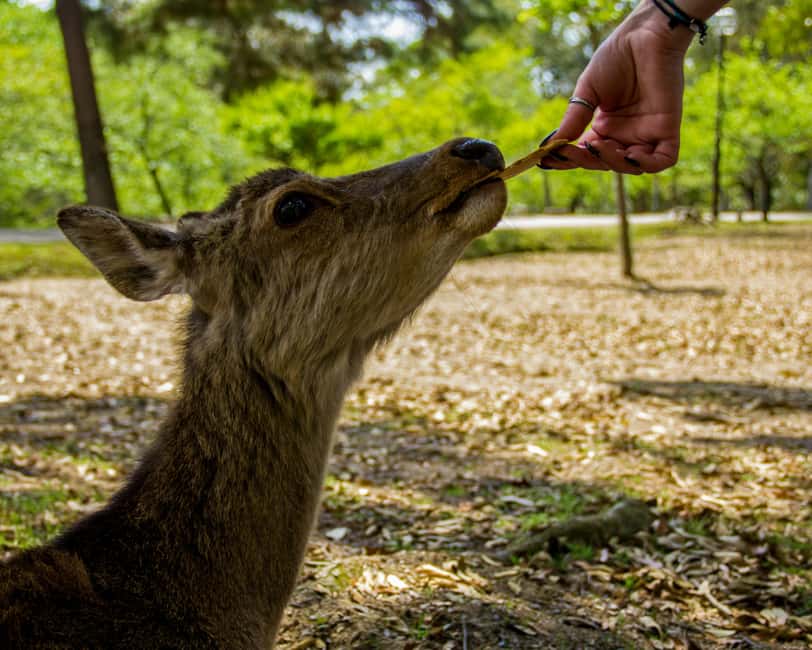
Deer that bow back, a short ride away
- Osaka/Kyoto:Kinkakuji,Arashiyama,FushimiInariShrine,NaraPark
★ 4.1 · 1,596 reviews - Kyoto/Osaka: Nara, Fushimi Inari Taisha, Arashiyama Bus Tour
★ 4.7 · 1,275 reviews - Osaka/Kyoto: Arashiyama, Nara & Fushimi Inari Shrine w/Lunch
★ 4.4 · 754 reviews - Kyoto and Nara Day Trip from Kyoto
★ 4.5 · 445 reviews
Fushimi Inari Taisha torii gates, where you choose your effort
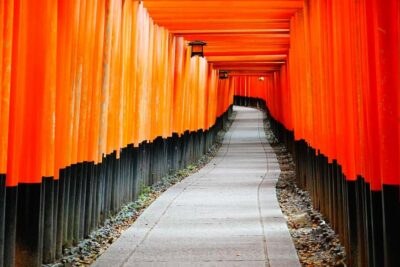
Then comes Fushimi Inari Taisha, famous for those long rows of vermilion torii gates winding up the sacred mountainside. This is one of the few places in Kyoto where movement itself becomes part of the experience. You are walking through the scenery, not just standing in front of it.
You can also control the experience with your pace. Since this is a highlights-style private tour, you can generally go at a speed that fits your group. If you want a shorter walk, you can treat it like a scenic stroll. If you want more effort, you keep climbing and let the gates lead you deeper.
One small but important point: if you feel yourself getting tired, do not push just to say you reached farther. The torii path is beautiful all the way through, and the best trip is the one your legs can enjoy.
This is also the stop where good language support pays off. A Chinese, English, Japanese, Hindi, or Indonesian-speaking driver is available, and the tour includes a translation app. That combination helps you get your bearings quickly and ask simple questions without losing time.
Sanjusangen-do, a solid temple detour between giants
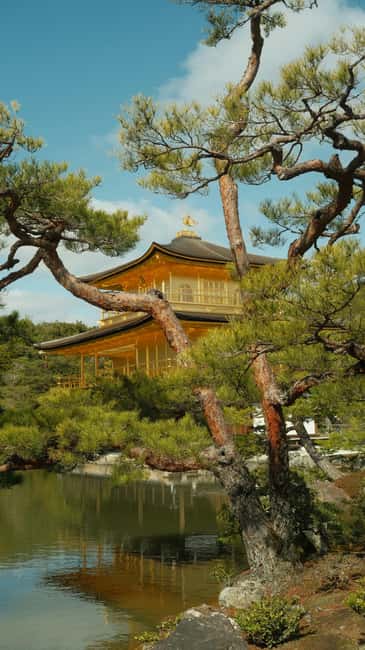
Next is Sanjusangen-do. You spend time sightseeing here, and it works well as a bridge between bigger name stops. After Arashiyama and the torii gates, Sanjusangen-do gives you another traditional temple environment to focus on.
I recommend treating this as a listening stop, not a checklist stop. Take your time to observe how the space feels, where people gather, and how the site is structured. It helps the day feel less like a sprint.
You will appreciate having a guide here. The tour includes help with ticket purchases, and a driver who can communicate in your language can help you move through any small friction, like figuring out which area you should enter first.
Kinkaku-ji golden pavilion and the pond reflection you came for
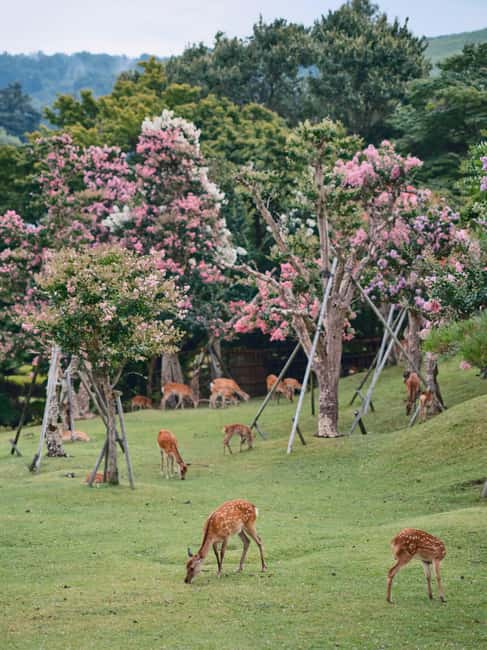
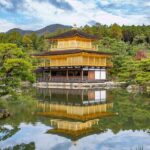
Kinkaku-ji, the golden pavilion, is a star for a reason. The brilliant gold façade reflected in the surrounding pond is one of Kyoto’s most recognizable views, and you get about one hour here.
What makes this stop work in a private-day format is pacing. This is not a “rush in, rush out” place if you want the reflection shots. The pond view means you need to find a spot where you can see water, pavilion, and people without constantly repositioning. A little flexibility helps.
Practical advice: you will want a good walking base here. This is where you will do a fair amount of moving around the grounds. If you start the day tired, this is the stop that will feel longer than expected.
If your group includes photographers, tell the driver early. Having someone nearby who knows how to manage your movement around the sight can save time and keep the group together.
Todai-ji and Nara Park deer time, two icons in one flow
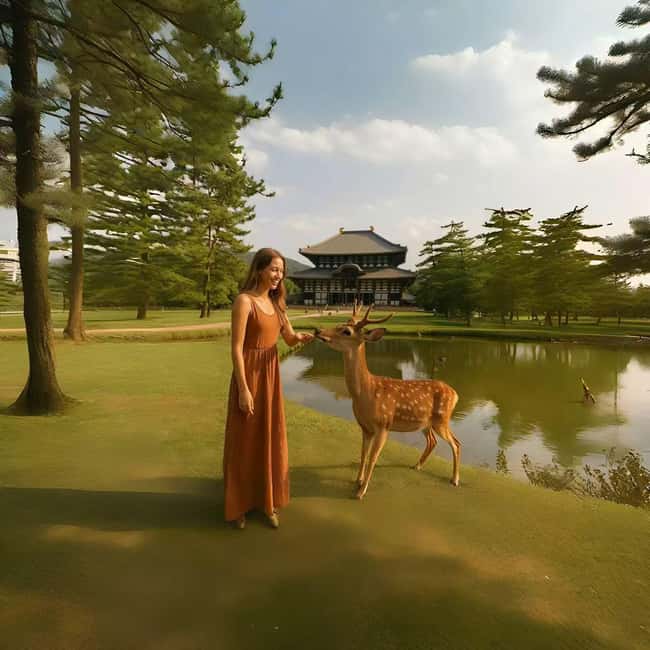
Now you switch to Nara. The tour pairs Todai-ji with Nara Park, which is smart because the day’s “awe” and “fun” are kept in balance.
At Todai-ji, you get to see the Great Buddha, and the scale plus spiritual presence are the point. Even if you have seen grand temples elsewhere, this one is hard to forget because of the sheer size and the way the main hall dominates the experience.
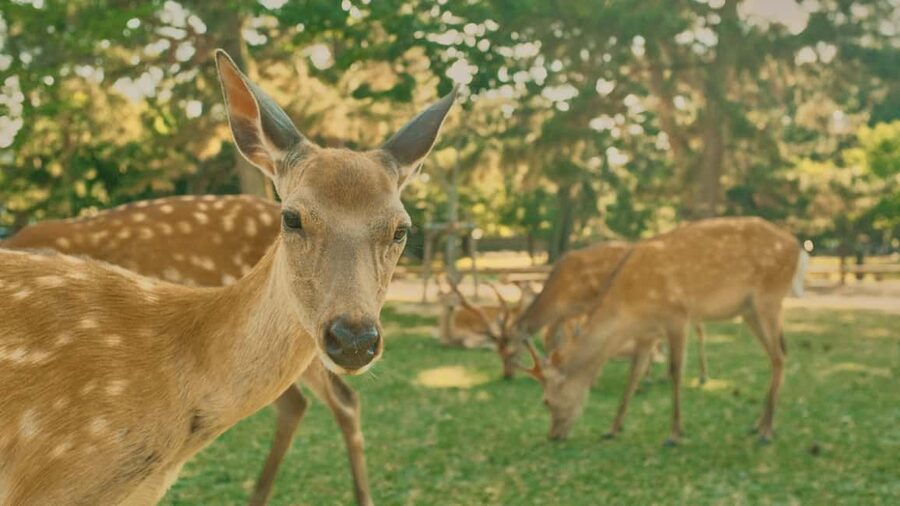
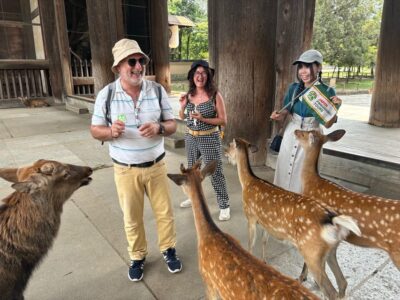
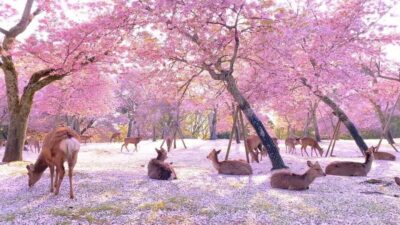
Then you transition to Nara Park, where deer roam freely. The deer encounter is not just a cute moment. It is one of those simple, sensory experiences that makes the day feel uniquely Nara instead of just a list of famous places.
A practical note: keep an eye on signs and your footing. Deer move quickly, and temple-area paths can get busy. The tour does not promise you special handling, so your best approach is to stay aware and give the deer space.
One of the tour highlights is that you get “up close” with the deer. That usually means you will be close enough for interesting moments, but you will still want to avoid chasing or crowding them. Your goal is shared space and calm photos, not chaos.
A quieter way to spend a day in Kyoto

Nishiki Market and Gion, the last stretch with big atmosphere
After the heavier temple moments, the tour adds two classic Kyoto-style experiences near the end.
First is Nishiki Market, a food market visit. This is a good place to stop for a snack or two if your group wants quick tastes. The exact foods are not listed, but the point is simple: you get a vibrant market environment and a chance to eat something you would not want to skip.
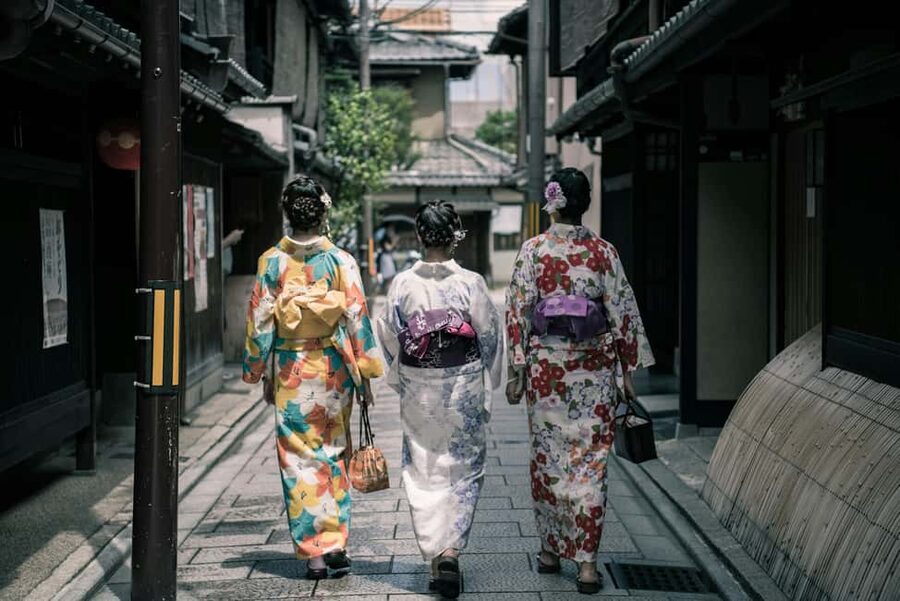
Then comes Gion for a historic district walk with a focus on traditional wooden streets and teahouses. A glimpse of a geisha is possible, but not guaranteed. Either way, the walk is often what people remember, because you feel like you stepped into a different rhythm of Kyoto.
If your group likes tea culture, pay attention to small opportunities that your driver might point out. One reviewer specifically mentioned enjoying the chance to discover a matcha tea ceremony during the day, so if that is your kind of culture, bring it up.
How the tour adapts for your language, needs, and reality
This is where the private model shines. You are not stuck with one pace or one group energy. You can keep the day aligned with your interests.
Language support is a real feature here. Drivers can speak Chinese, English, Japanese, Hindi, and Indonesian. English-speaking drivers are prioritized when available, which is helpful if you want clear explanations and easy back-and-forth.
The translation app and ticket help are also part of why the experience stays smooth. You should feel comfortable asking basic questions like where to go next, how long you have at each stop, or how to manage timing between attractions.
A standout from real-world experiences: one family had a son with celiac disease, and the guide worked to find restaurant options and adjust the itinerary accordingly. That tells me this tour is not just about driving from A to B. It is about problem-solving in real time, which is exactly what you want when plans meet dietary limits.
If you are traveling on weekends, crowds are harder to avoid. One reviewer noted that the driver could think about avoiding crowds by changing the route slightly, even if it is difficult on busy days. My advice: ask your driver up front if there are crowd patterns you should avoid and how they plan to handle peak times. A good guide will know how to shift your order or positioning without making the day feel scattered.
Price and value, plus what will cost extra
The listed price is $441 per group up to 6 people for 8 to 10 hours. That is a strong deal when you factor in private transportation plus hotel pickup and drop-off. For small groups, the vehicle and guide time are usually where your money goes anyway, so bundling it together can feel like value rather than just convenience.
Still, do not treat it like a full-cost package. Entrance fees and food and beverages are not included. So budget extra for tickets and meals, especially because you are visiting multiple major sites.
Other possible add-ons depend on your timing. If you want more than the included 10-hour service window, overtime costs 5,000 yen per hour for 6 and 9 seat vehicles. If your day runs late past local time 21:00, there is a night service fee of 2,000 yen per hour.
For families: the first baby seat is free, but a second baby seat costs an additional 2,000 yen per child. If you need one, tell the provider before departure so it is ready.
The tour does include parking fees, fuel and tolls, and the electronic equipment charge cable and socket. Those details matter in practice because they prevent small inconveniences from turning into bigger delays.
Who this tour fits best in Kansai
This is a great fit if you want iconic Kyoto and Nara in one day without the stress of public transit. It is also a strong choice if your group values comfort and time control, since you are not sharing your day with strangers you cannot coordinate with.
I especially think it works well for:
- First-time visitors who want major highlights without planning logistics all day
- Families with kids, because you can move quickly and avoid long transit waits
- Small groups up to 6 who want private attention
- Travelers who need language support and help buying tickets
- Anyone traveling in heat, since the air-conditioned vehicle makes transitions far easier
It is also wheelchair accessible, which is a meaningful practical detail when you are comparing options in Japan.
Should you book this Kyoto and Nara highlights tour?
Book it if you want a day that feels organized, comfortable, and flexible, with standout sights that include Arashiyama, Fushimi Inari, Kinkaku-ji, Todai-ji, and Nara Park deer plus a Gion walk at the end. The private door-to-door setup and the multilingual driver support are exactly what make it worth serious consideration.
Skip or think twice if you know you struggle with long walking days, or if you hate planning around multiple major sites in one push. This tour is long by design, and it will ask you to stay engaged from start to finish.
If you do book, do two things before you go: wear shoes built for temple walking, and tell your driver what your group wants most, plus what you need to avoid (food limits, crowd tolerance, and break preferences). That is how you get a day that feels like your trip, not a conveyor belt.
FAQ
How long is the Kyoto and Nara highlights tour?
The tour duration is listed as 8 to 10 hours total.
Where do you pick up and drop off?
Pickup and drop-off options include Kobe, Maizuru, Kansai International Airport, Osaka, and Kyoto. The driver picks you up at the main gate of your hotel at the start, and you will be dropped back at the end. You can also request a different end location or city.
Are entrance fees included?
No. Entrance fees are not included, and you should plan to pay them separately at the sites.
Is food included?
No. Food and beverages are not included. You can also choose what to eat during the Nishiki Market visit and any other meal stops.
What extra costs apply if the tour runs longer than 10 hours?
Overtime costs 5,000 yen per hour if you go beyond 10 hours. Night service fee is 2,000 yen per hour after local time 21:00.
What languages are available for the driver-guide?
The driver can speak Chinese, English, Japanese, Hindi, and Indonesian. When English-speaking drivers are available, the tour prioritizes arranging one for you.
New This Season
- Koyasan Day Trip by Private Car from Kyoto
- Old Port Town and Ultimate Sake Tasting Private Tour From Kyoto
- Kyoto’s Timeless Charm: 3hr Exploration of History and Peace
- Kyoto: 5 Types of Sushi Making
- Sacred Peak & Ancient Paths: Kurama-Kibune Hiking Experience
- Kyoto: Exclusive ZEN practice at Manpukuji temple in Uji
- Kyoto: Private Seasonal Aroma Yoga Class
- Traversing Kyoto’s Scenic West – Arashiyama to Kinkakuji
Nara & Deer Park Day Trips, compared.
Kinkakuji,Arashiyama,FushimiInariShrine,NaraPark
Read our review →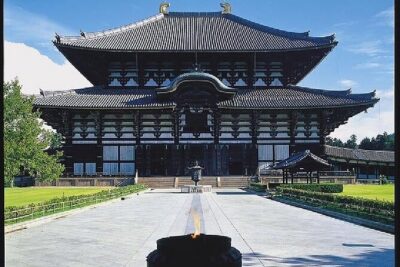
Nara, Fushimi Inari Taisha, Arashiyama Bus Tour
Read our review →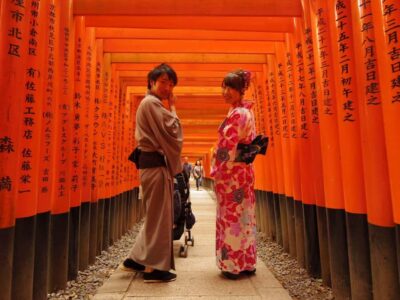
Arashiyama, Nara & Fushimi Inari Shrine w/Lunch
Read our review →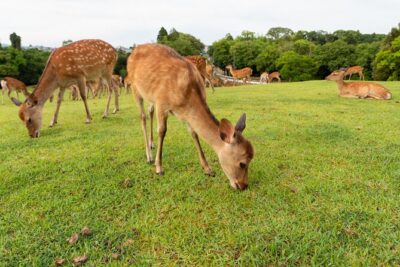
Full Day Guided Tour to Kyoto and Nara from Osaka by Van
Read our review →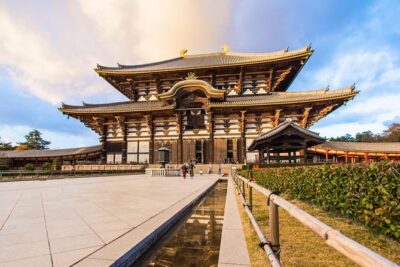
Also filed under