
Reviewed · WALKING TOURS
Kyoto: private and customized tour (walking/public transportation)
Kyoto can feel like a maze, until you have a plan. This private, customized half-day gives you a tailor-made route built around the exact Kyoto sights you care about, with a guide who keeps everything moving at your pace.
I like that it’s truly private, with your group only, and that you can steer the day toward either classic highlights or a more north, south, or southeast route. One thing to keep in mind though, you will use public transit and you may face stairs and hills, so plan your energy and footwear like you mean it.
Another big plus is the start point. You get pickup from your Kyoto hotel (or a meeting point you choose), and the guide works with you to build an efficient route instead of a random checklist. I also like that the tour ends somewhere convenient so you can keep exploring right after, instead of feeling stuck back at the starting point.
The main drawback is not the sights, it’s the process. One past booking reported a missed tour due to poor coordination unless they reached out, so I strongly suggest you confirm your pickup and route choices in writing ahead of time and make sure you can contact the provider the day of.
In This Review
- Key takeaways before you book
- Private Kyoto sightseeing that starts at your hotel
- Four route styles, from Golden Pavilion to Heian Jingu
- Route 1: Western classics
- Route 2 North: Zen gardens and temples
- Route 3 Southeast: Streets, temples, and markets
- Route 4 Northeast: Wabi-sabi and canal views
- How the 5-hour timing works (and what you might miss)
- What each Kyoto stop gives you, stop by stop
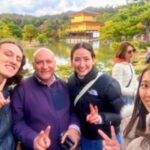
- Kinkakuji Temple (Golden Pavilion)
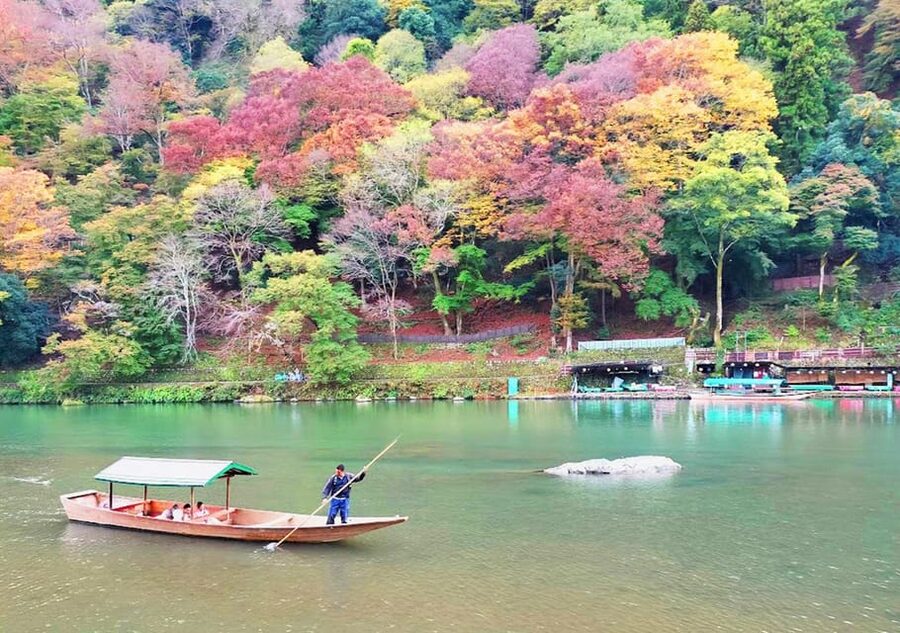
- Arashiyama, including Bamboo Forest and Katsura River views
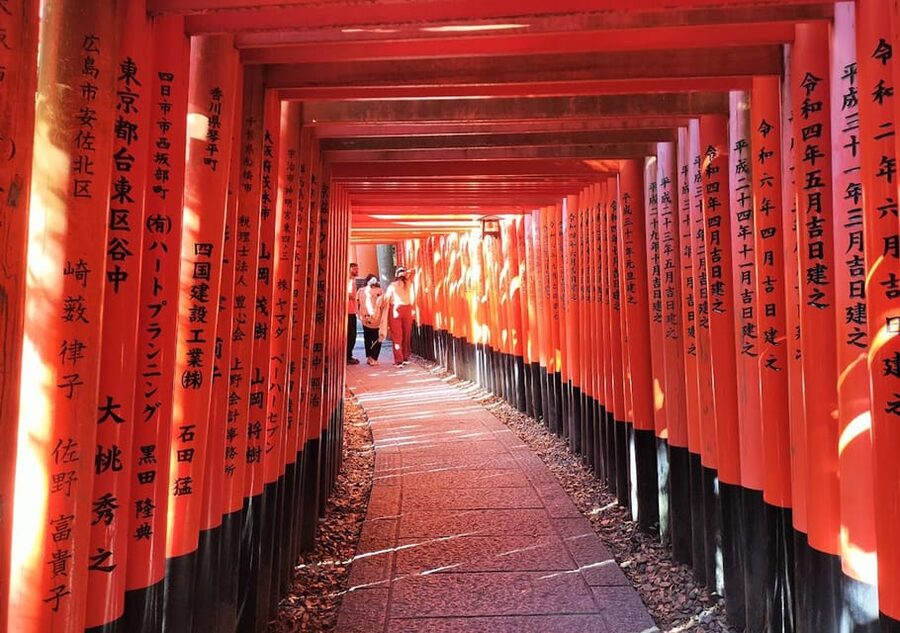
- Fushimi Inari Taisha and its thousands of torii gates
- Ryoanji dry Zen rock garden
- Tenryuji Temple
- Kiyomizu-dera Temple
- Sannenzaka, Ninenzaka, and Yasaka no to Pagoda (Hokanji Temple)
- Gion (Geisha Quarter)
- Nishiki Market
- Ginkakuji Temple (Silver Pavilion)
- The Philosopher’s Path
- Nanzenji Temple and its brick aqueduct
- Heian jingu
- Price and logistics: what $109 really means
- Comfort tips that make the day easier
- A quick word on coordination, since timing matters
- Should you book this Kyoto private customized tour?
- FAQ
- How long is the Kyoto private tour?
- Is pickup included, and where does the tour start?
- Is this tour private or shared with other people?
- What route options can I choose from?
- What costs are not included in the price?
- What should I bring?
Key takeaways before you book
- Private group, no crowd shuffle. Your guide adjusts to your speed, not a set group rhythm.
- Hotel pickup in Kyoto. You start where you’re staying, then move by foot or public transportation.
- Four route styles to choose from. Western classics, north Zen, southeast culture lanes, or an east option.
- You pick the stops. The day is built around your interests, not just the operator’s best-sellers.
- Budget for transit and entrances. The headline price does not include everything you’ll pay on the day.
- Expect walking and some stairs. Mobility limitations are a deal-breaker for this one.
Private Kyoto sightseeing that starts at your hotel
This tour is set up for comfort and control. You’re not joining a big bus group. Instead, you get a live English-speaking guide for your private party, and you decide what you want to prioritize from a menu of must-see areas.
The day usually begins with pickup from your hotel lobby at the scheduled time. From there, you head out by foot or public transportation, depending on what’s most convenient for your chosen route. That choice matters because Kyoto’s “close together” in Google Maps can still feel far when you factor in hills, stairs, and the time it takes to get from one sightseeing pocket to the next.
The tour also ends strategically. You’re not typically dumped back at the same spot you started. Instead, the guide aims to finish in a place where you can continue your Kyoto day with less wasted transit time.
Four route styles, from Golden Pavilion to Heian Jingu
You’re not locked into one single itinerary. You choose a route style, then the guide contacts you before the tour to coordinate which places you want to include. Think of it as a custom version of the classic Kyoto day, but with guardrails so you don’t waste half a morning just figuring out transportation.
A quieter way to spend a day in Kyoto
- Kyoto Geisha Walking Tour: Gion District & Hidden Gems
★ 4.7 · 3,273 reviews - Kyoto: Gion Magical Night Walking Tour with Geisha Trivia
★ 4.9 · 2,393 reviews - Kyoto: Gion Geisha District Walking Tour – Stories of Geisha
★ 4.7 · 2,187 reviews - Night Walk in Gion: Kyoto’s Geisha District
★ 4.5 · 2,003 reviews
Route 1: Western classics
This route is built around three iconic anchors.
- Kinkakuji Temple (Golden Pavilion): a gold-covered Zen temple with Zen gardens, a World Heritage Site.
- Arashiyama (Bamboo Forest): bamboo views with scenery over the Katsura River and mountains.
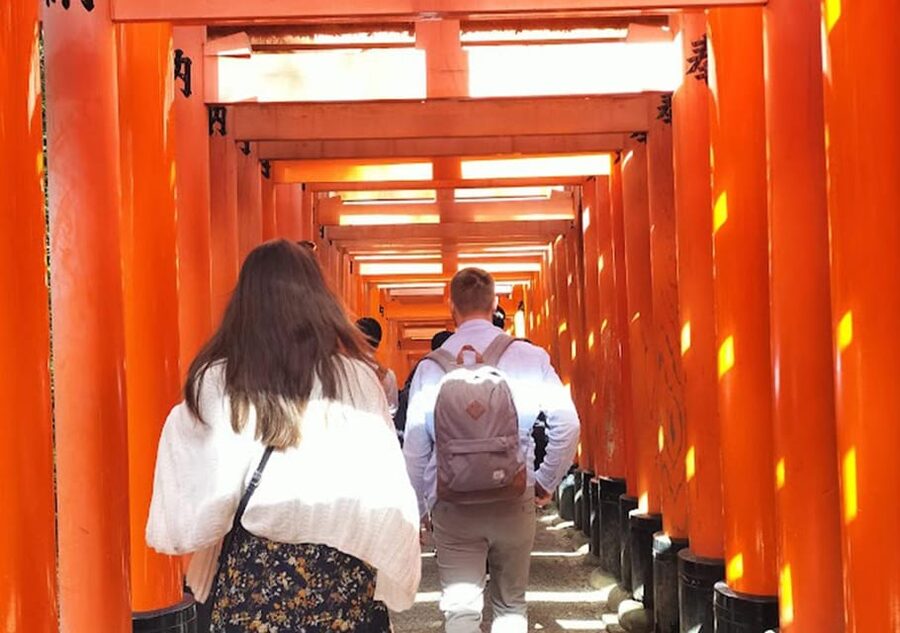
- Fushimi Inari Taisha: the famous hillside with thousands of red torii gates forming tunnel-like paths.
If you want the Kyoto “greatest hits,” this is the one. The tradeoff is that these spots are popular for a reason, so even with a private guide, you’re still visiting headline areas.
Route 2 North: Zen gardens and temples
This route leans into calmer Zen atmosphere and scenic temple grounds.
- Kinkakuji again, plus
- Ryoanji: a famous dry Zen rock garden.
- Arashiyama again, plus
- Tenryuji Temple: a Zen temple with a landscaped garden designed to harmonize with the surrounding mountains, also a World Heritage Site.
I like this option if you want variety: architectural sparkle at Kinkakuji, then visual simplicity at Ryoanji, then a more nature-forward garden at Tenryuji, with Arashiyama as the scenic break.
Route 3 Southeast: Streets, temples, and markets
This one mixes big sights with neighborhood energy.
- Fushimi Inari Taisha
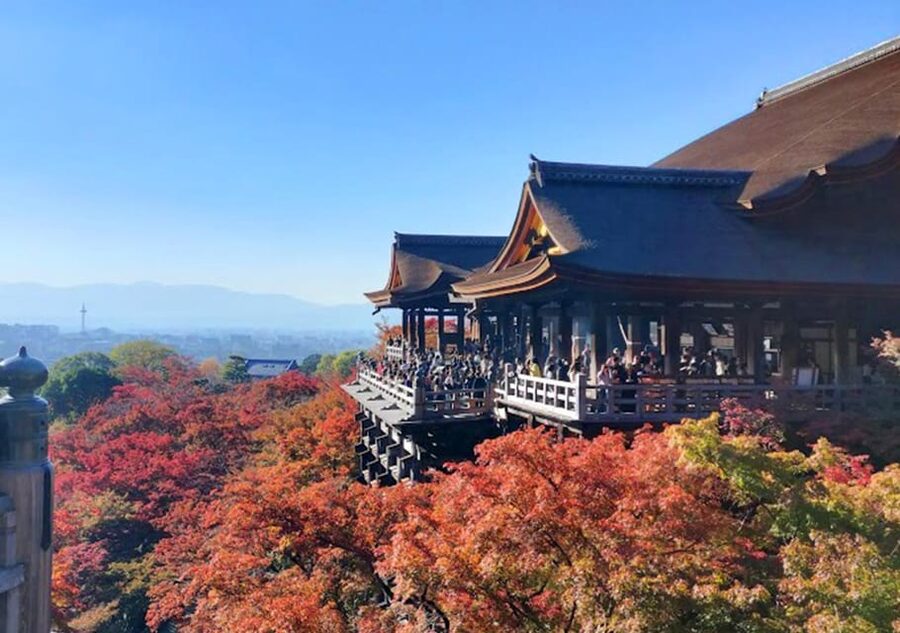
- Kiyomizu-dera Temple: famous for its wooden terrace and city panoramas, also a World Heritage Site.
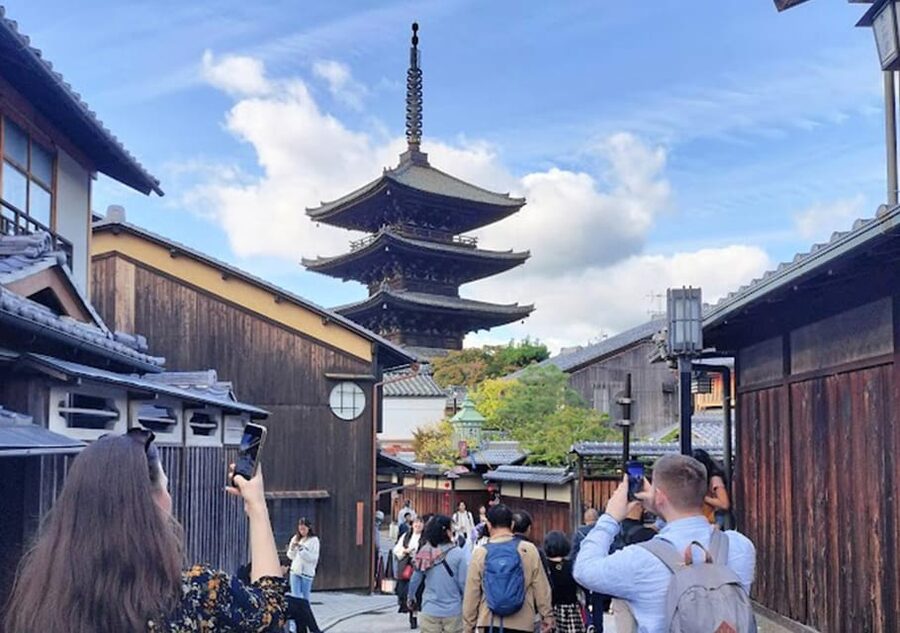
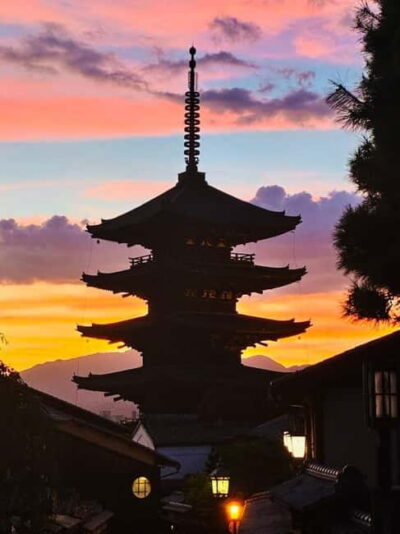
- Sannenzaka, Ninenzaka, and Yasaka no to Pagoda (Hokanji Temple): classic cobblestone streets lined with traditional stores and teahouses, plus a Kyoto landmark pagoda area.
- Gion (Geisha Quarter)
And then there’s an extra food-and-shopping stop option:
- Nishiki Market: described as the oldest market in Kyoto, where you can sample local dishes.
This is a great choice if you want Kyoto beyond temple photos. The drawback is that this route naturally includes more “walking streets” time, and you may deal with crowds in the most famous lanes.
Route 4 Northeast: Wabi-sabi and canal views
This route focuses on serene gardens and old-city atmosphere.
- Ginkakuji Temple (Silver Pavilion): a Zen shrine with sand and moss gardens tied to wabi-sabi aesthetics.
- Philosopher’s Path: a canal-side path lined with cherry trees.
- Nanzenji Temple: a large Zen complex with an enchanting setting and a historic brick aqueduct.
- Heian jingu: a Shinto shrine with a big red torii, extensive landscaped gardens, and architecture replicating the style of the Heian period.
I’d pick this if you prefer variety that’s less about one single mega-spot and more about a flow of different atmospheres.
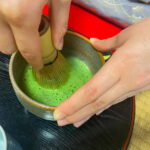
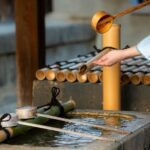
A day of temples goes further with something to break it up.
How the 5-hour timing works (and what you might miss)
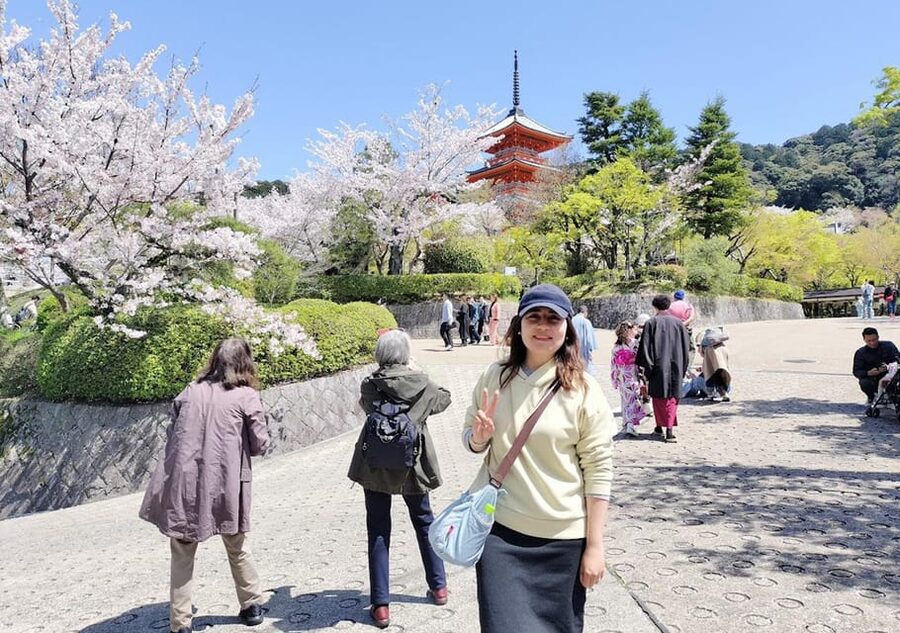
Five hours sounds short, but it’s a sweet spot in Kyoto. It’s long enough to cover multiple “anchor” places, yet short enough that you can still enjoy the areas around the temples instead of only passing through.
Still, timing is everything. You’ll have a private guide, but you’re moving through real neighborhoods using public transportation, and some parts involve stairs and hills depending on your chosen stops. That means:
- You’ll likely spend more energy than you expect in temple districts and hillside areas.
- Your pace can be flexible, but your route choice determines how much vertical walking you face.
If you’re choosing between routes, consider what type of walking you prefer. In general, the Fushimi Inari area is on a hillside, so plan for that. Route styles that include cobblestone lanes and pagoda areas also tend to involve more on-foot time, even if each step is short.
What each Kyoto stop gives you, stop by stop
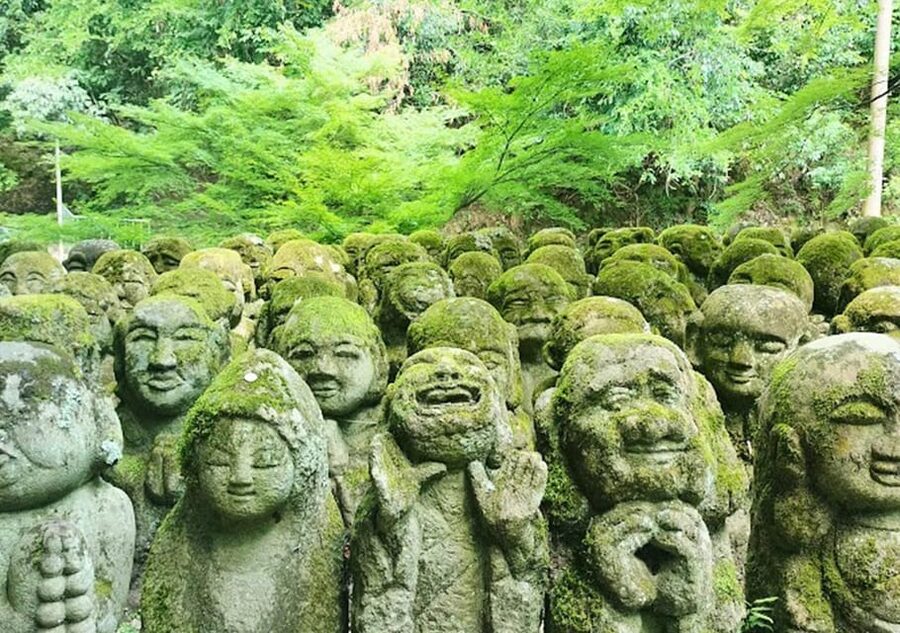
Below are the specific places included in the route options, along with the vibe each one tends to deliver based on how the tour describes it.
Kinkakuji Temple (Golden Pavilion)
This is your “wow” stop. You’ll see the gold-covered Zen temple and the Zen gardens around it, and it’s explicitly listed as a World Heritage Site. If your Kyoto bucket list includes something instantly recognizable, this is the anchor.
Practical note: even if you arrive with a plan, the gardens and viewpoints can involve walking and repositioning for sightlines, so comfortable shoes matter here.
Arashiyama, including Bamboo Forest and Katsura River views
This is the nature and scenery break. The tour highlights bamboo views plus mountains and the Katsura River. It’s not only about the bamboo forest photo. It’s also about stepping into a different Kyoto mood for a while.
Because this is an area, not just a single gate-and-bow moment, you’ll likely appreciate having a guide who can shift your route slightly to keep things enjoyable.
Fushimi Inari Taisha and its thousands of torii gates
This is the spiritual landscape. The tour describes vermilion torii gates forming tunnels along Mount Inari’s hillside. If you like wandering through an iconic visual system, this is your stop.
Practical note: hillside routes often mean more stairs and uneven walking. If you’re sensitive to that, tell your guide at the start so the route choices can reflect your comfort level.
Ryoanji dry Zen rock garden
This one is about Zen minimalism. The tour calls Ryoanji one of Japan’s most famous Zen rock gardens. In a 5-hour tour, it can be a welcome change from bright architecture and street scenes.
This stop tends to reward slower pacing, so if you tend to rush, ask your guide to build in a moment to actually look.
Tenryuji Temple
Tenryuji is framed as a World Heritage Site and specifically praised for its landscaped garden designed to harmonize with the surrounding mountains. In other words, this isn’t just a temple you pass. It’s a composed viewing experience.
If you’re choosing between north route styles, this is often the one that feels most like “Kyoto landscape design.”
Kiyomizu-dera Temple
If you want city views, this is your stop. The tour highlights its majestic wooden terrace with panoramic views, and notes it changes with the seasons. It’s also listed as a World Heritage Site.
Be ready for a bit more time on the move. Terraces and vantage points can require repositioning, and crowds can change how long you’ll want to linger.
Sannenzaka, Ninenzaka, and Yasaka no to Pagoda (Hokanji Temple)
This is the photo street portion, with cobblestone lanes, traditional stores, and teahouses. The pagoda landmark at Hokanji is explicitly named as one of Kyoto’s iconic lookouts.
This section is best if you enjoy walking past storefront details and just taking in the atmosphere. It’s less ideal if you want only major temple interiors and less on-street wandering.
Gion (Geisha Quarter)
This is the neighborhood flavor stop. The tour calls it Gion and labels it as a geisha quarter. It’s a place where Kyoto feels like Kyoto, not just a museum of famous buildings.
In a short tour, Gion works best as a targeted walk-through rather than a long hangout. That’s exactly what a guided 5-hour format is good for.
Nishiki Market
This is the food and shopping stop. The tour specifically describes Nishiki as Kyoto’s oldest market and mentions you can shop and sample many local dishes.
Since the tour does not include lunch or food, you’re using this stop to taste along the way, if you want. Bring cash and decide on a few small bites rather than trying to do a full meal on the fly.
Ginkakuji Temple (Silver Pavilion)
This is the north route’s serenity. The tour describes the Silver Pavilion as an iconic Zen shrine, with sand and moss gardens tied to wabi-sabi aesthetics. If you like quiet visual texture more than gold and crowds, this is a strong pick.
The Philosopher’s Path
The tour highlights this as a canal-side path lined with cherry trees. Even if you’re not there for peak blossoms, it still gives you a sense of a strolling Kyoto rhythm.
Nanzenji Temple and its brick aqueduct
This is big temple grounds with a signature feature. The tour names a historic brick aqueduct and describes an enchanting atmosphere.
If your favorite parts of Kyoto are “go big and look around,” this stop fits. If you prefer compact sights, it may feel like a lot of space.
Heian jingu
This is the route’s grand Shinto punctuation. The tour calls out an imposing red torii, extensive landscaped gardens, and architecture replicating the style of the Heian period.
If you want a cultural contrast to the Zen temple stops, this is the obvious one.
Price and logistics: what $109 really means
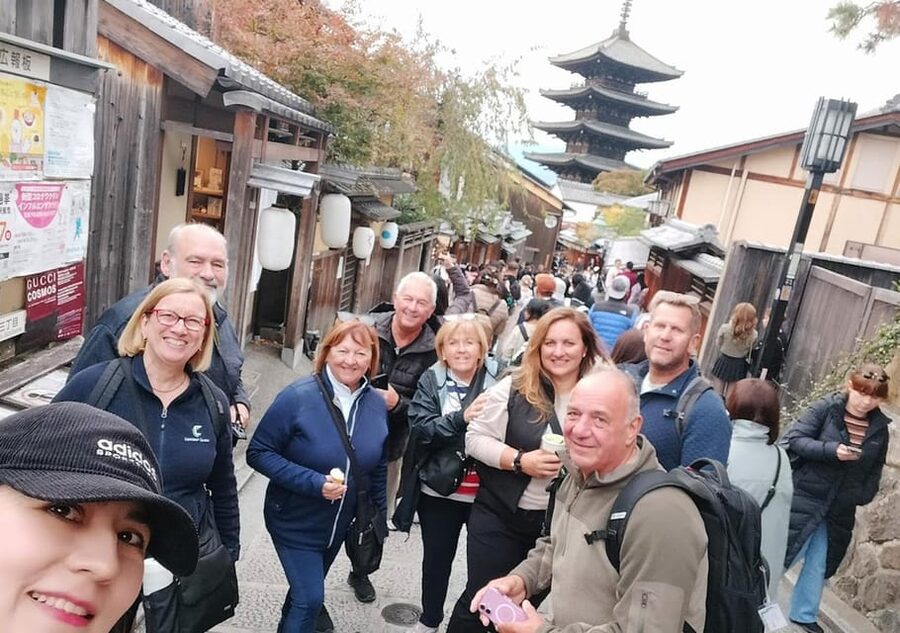
The base price is $109 per person for a 5-hour private tour. That includes a private exclusive guide for your group, hotel pickup, customization based on your choices, and help choosing an optimal itinerary.
What’s not included matters. The tour notes transportation fees are around $12 per person if you travel only by train or bus, and that number can change if you use cabs on certain routes. Entrance fees to some temples and attractions are about $3 per place, depending on the site. Lunch and drinks are also on you.
So the real value is how much time the guide saves you and how much you avoid decision fatigue. With a private guide, you’re paying for someone to:
- build a sensible route around your must-sees,
- adjust pacing,
- and handle the “how do we get there next” problem.
If you’re the type who likes to plan hard and navigate alone, you might feel like the added cost isn’t worth it. But if you want a clean Kyoto day with fewer mistakes, the private setup is where you get your money’s worth.
Comfort tips that make the day easier
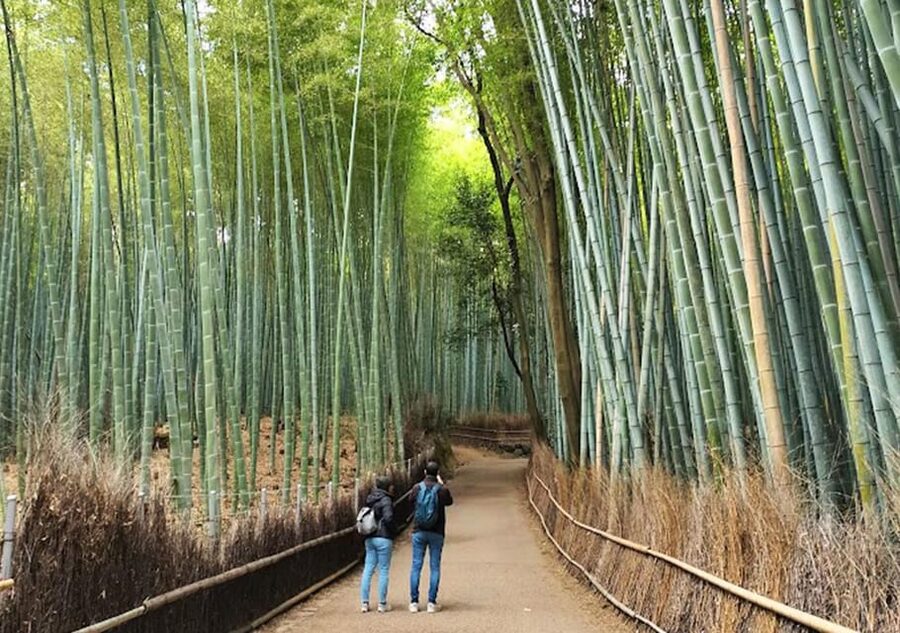
This tour is built around walking plus public transportation. The tour itself suggests bringing:
- comfortable shoes
- cash
- and if you have one, an IC card like Suica or Pasmo, plus similar transport cards
It also notes the day includes stairs and hills in some areas depending on where you go. That’s not a minor detail. It’s often the difference between a fun Kyoto day and a “why did we pick this route” day.
Also, this is not suitable for wheelchair users or people with mobility impairments. If that affects you, it’s worth looking for a different format.
Finally, one smart move: decide early how “photo-focused” versus “stroll-focused” you are. Your guide can adjust what you prioritize, but your preferences set the tone.
A quick word on coordination, since timing matters
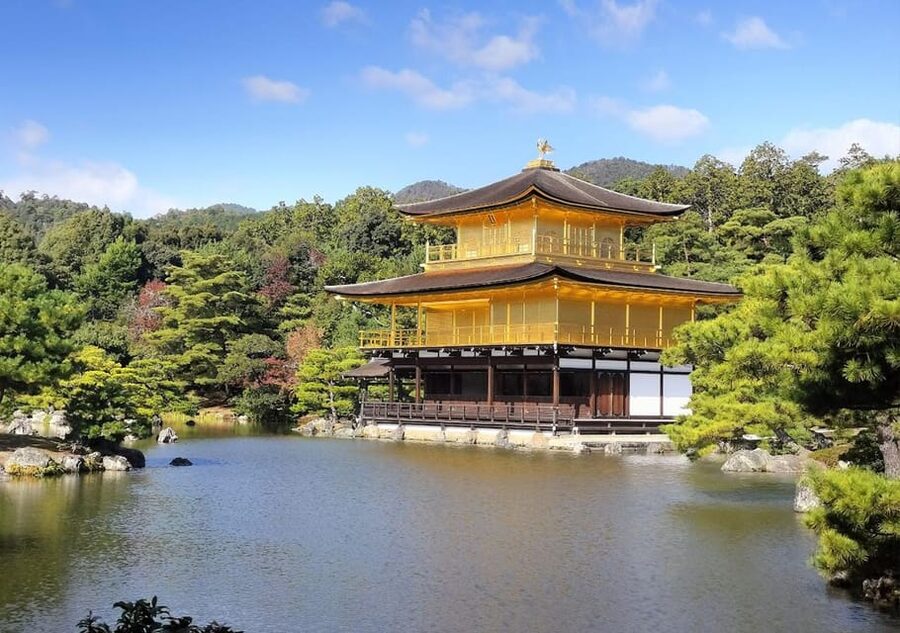
Because this is a private tour with pickup and route coordination, communication quality matters. One past booking described a situation where the tour was skipped unless they contacted the provider themselves.
So do this before you go:
- confirm your pickup time and meeting location,
- make sure you’ve agreed on your route choices in advance,
- and keep your phone ready in the hours before pickup.
That way, you avoid the one thing you cannot fix once your half-day is gone.
Should you book this Kyoto private customized tour?
I’d book it if you want a private, flexible Kyoto day with real guidance and minimal stress. It’s especially good when you already know the sights you want, but you don’t want to stitch them together with transit guesswork.
I’d think twice if you’re very sensitive to stairs and hills, or if you need a completely friction-free experience with zero coordination on your side. Also, because the price is only part of the story, be ready to budget for transport and site entrance fees.
If you’re planning a first or second Kyoto visit and want the iconic highlights plus a sensible route flow, this tour style is a practical way to get there. Just confirm the details, wear good shoes, and let the guide build the day around you.
FAQ
How long is the Kyoto private tour?
It lasts 5 hours.
Is pickup included, and where does the tour start?
Yes. Pickup is included at your Kyoto hotel. Wait in the hotel lobby at the scheduled pickup time, then you’ll start the tour by foot or public transportation.
Is this tour private or shared with other people?
It’s a private group, and it’s described as exclusive, with no other people joining you on the tour.
What route options can I choose from?
There are four route styles: Route 1 (Kinkakuji, Arashiyama, Fushimi Inari), Route 2 North (Kinkakuji, Ryoanji, Arashiyama, Tenryuji), Route 3 Southeast (Fushimi Inari, Kiyomizu-dera, Sannenzaka/Ninenzaka, Yasaka no to Pagoda, Gion, plus Nishiki Market as an option), and Route 4 Northeast (Ginkakuji, Philosopher’s Path, Nanzenji, Heian jingu).
What costs are not included in the price?
Not included are transportation fees (around $12 per person if only train or bus, varies with cabs), lunch and drinks, and entrance fees to some temples or attractions (about $3 per place, depending on the site).
What should I bring?
Bring comfortable shoes and cash. If you use an IC card such as Suica or Pasmo, or a JR pass, bring it with you.
New This Season
- Koyasan Day Trip by Private Car from Kyoto
- Old Port Town and Ultimate Sake Tasting Private Tour From Kyoto
- Kyoto’s Timeless Charm: 3hr Exploration of History and Peace
- Kyoto: 5 Types of Sushi Making
- Sacred Peak & Ancient Paths: Kurama-Kibune Hiking Experience
- Kyoto: Exclusive ZEN practice at Manpukuji temple in Uji
- Kyoto: Private Seasonal Aroma Yoga Class
- Traversing Kyoto’s Scenic West – Arashiyama to Kinkakuji
Walking Tours, compared.
Kyoto Geisha Walking Tour: Gion District & Hidden Gems
Read our review →
Gion Magical Night Walking Tour with Geisha Trivia
Read our review →
Gion Geisha District Walking Tour – Stories of Geisha
Read our review →
Kyoto Gion Geisha District Walking Tour – The Stories of Geisha
Read our review →
Nishiki Market Brunch Walking Tour (7 Tastings + Brunch)
Read our review →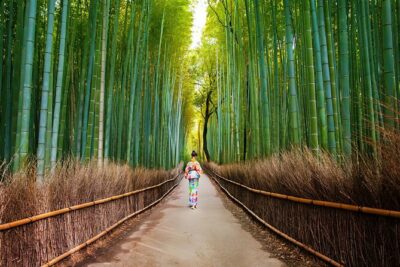
Kyoto Arashiyama Walking Tour: Bamboo, Monkeys, Gardens & Secrets
Read our review →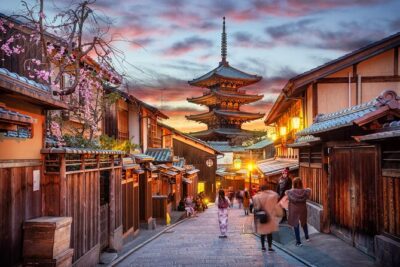
Kyoto Gion: 2-Hour Geisha Culture & History Walking Tour
Read our review →Also filed under