

Reviewed · WALKING TOURS
Kyoto : Private Custom Walking Tour With A Local Guide
Kyoto can feel like a lot at once, torii gates and tea lanes everywhere. This private walking tour helps you get your bearings fast, with a guide who can shape the day around what you want to see, from temples and gardens to photo stops.
I also like how much you can control the pace and focus, so you get real context, not just names on signs, plus useful city guidance for after the tour. One thing to consider: it’s built for walking, so expect hills, steps, and a longer day if you choose the upper end of the time range.
In This Review
- Key Points at a Glance
- Why Kyoto Works Best With a Private Walk
- How the Tour Gets Customized Without Losing the Classics
- Planning Your Time, 2 to 8 Hours, and What You’ll Actually Cover
- The Kyoto Areas You Can Expect to Pair in One Day
- Fushimi Inari and the Torii Path Experience
- Sanjusangendo and the 1001 Buddha Detail
- Kiyomizu-dera and the UNESCO World Heritage Factor
- Sannenzaka and Ninenzaka Lanes for Old Street Atmosphere
- Gion for Culture, Streets, and Street-Level Context
- Maruyama Park Area and Small Local Details
- Daimonji and the Temple and Shrine Differences Lesson
- Philosophers Path and Ginkakuji for a Slower Kyoto Mood
- Meeting Your Guide, Moving Between Sights, and Keeping the Day Comfortable
- The Money Question: Is 62 Per Person Good Value?
- What You Get, What You Pay For, and How to Set Expectations
- Guide Quality: The Real Difference You Feel on the Ground
- Who This Tour Suits Best
- Should You Book This Private Custom Walking Tour?
- FAQ
- How long is the Kyoto private custom walking tour?
- Is this tour private or shared?
- Can the guide customize the route?
- Are tickets to attractions included?
- Is hotel pickup included?
- What languages are available for the guide?
- Is food or drink included?
- Does the tour include transportation?
- Is the tour wheelchair accessible?
- What are the cancellation and payment options?
Key Points at a Glance
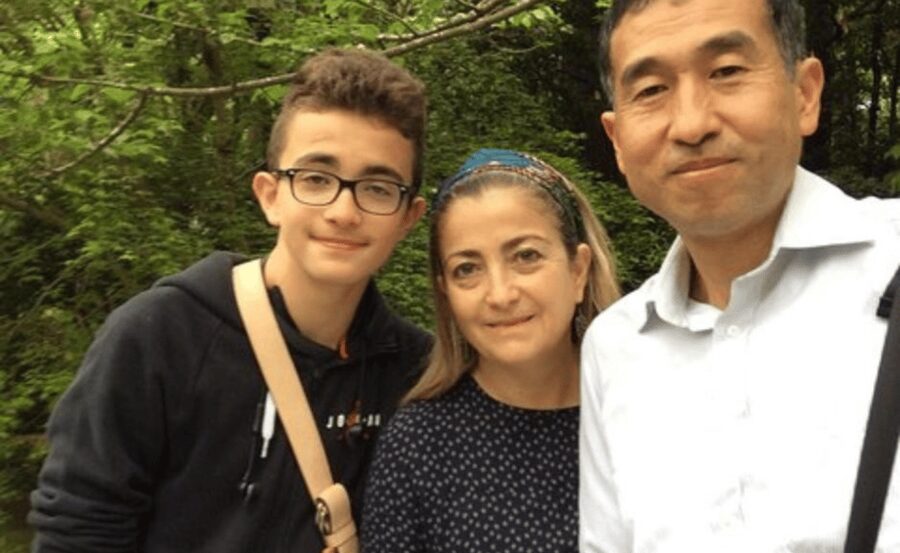
- Private and customizable route that matches your interests, including a possible museum stop
- Local guide support that can help with how to move around Kyoto efficiently
- Iconic Kyoto areas like Fushimi Inari, Gion, Higashiyama lanes, and more, plus quieter corners
- Flexibility for families and different energy levels, including heat-aware pacing
- Hotel pickup when you’re staying within the city, plus a team that can assist with tickets
Why Kyoto Works Best With a Private Walk
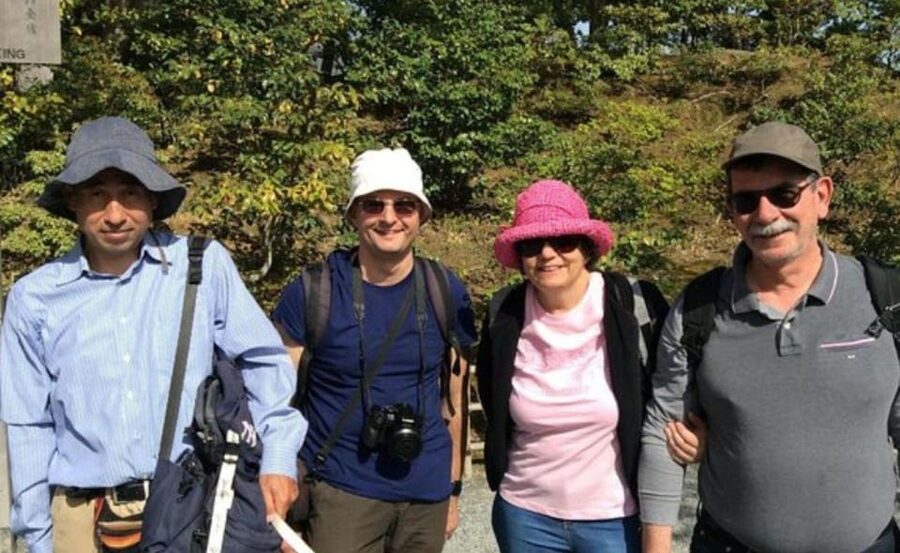
Kyoto isn’t hard to visit, but it is hard to plan on your own. Sights are spread out by neighborhood, and the details that make each place make sense are often the part you would miss if you rush from gate to gate. With this tour, you’re not just ticking boxes. You’re learning how the city is organized, why certain areas developed when they did, and how to connect what you see today with what you should do tomorrow.
I like that this is private, so the guide can slow down when you want photos or speed up when you’re chasing the next viewpoint. And because it’s customizable, you can focus on what feels most Kyoto to you, whether that’s shrine vibes, temple architecture, historic streets, or simply neighborhoods that look like they belong on a postcard.
The big payoff is practical. Guides are known to share recommendations you can use right after the walk, including food ideas, so your day doesn’t end the moment you separate. The one drawback is physical reality: it’s a walking format, so if you are not into hills or stairs, you’ll want to set expectations early with your guide and pick a shorter duration.
How the Tour Gets Customized Without Losing the Classics
This is a private walking tour with a live guide and a route that can be adjusted to your interests. If you want a museum stop, your guide can adapt to include it, assuming you align it with your timing and ticket needs. If you care more about neighborhoods than temples, the day can shift that way too.
Here’s what “custom” usually means in Kyoto terms: your guide chooses the order and mix of areas so the day feels coherent. For example, you can build a morning around a major shrine experience, then move into older lanes for atmosphere, and finish with a park or cultural area for the kind of walking Kyoto is famous for.
You also get something underrated: guidance that helps you avoid dead time. In hot weather, some guides consciously adjust the day to keep you comfortable. One guide’s approach included choosing less popular spots while accounting for the heat, then sending along food recommendations afterward. That is the kind of tailoring that makes a difference when you’re traveling with kids, or when the weather turns the whole plan into a sweaty slog.
A quieter way to spend a day in Kyoto
- Kyoto Geisha Walking Tour: Gion District & Hidden Gems
★ 4.7 · 3,273 reviews - Kyoto: Gion Magical Night Walking Tour with Geisha Trivia
★ 4.9 · 2,393 reviews - Kyoto: Gion Geisha District Walking Tour – Stories of Geisha
★ 4.7 · 2,187 reviews - Night Walk in Gion: Kyoto’s Geisha District
★ 4.5 · 2,003 reviews
Planning Your Time, 2 to 8 Hours, and What You’ll Actually Cover
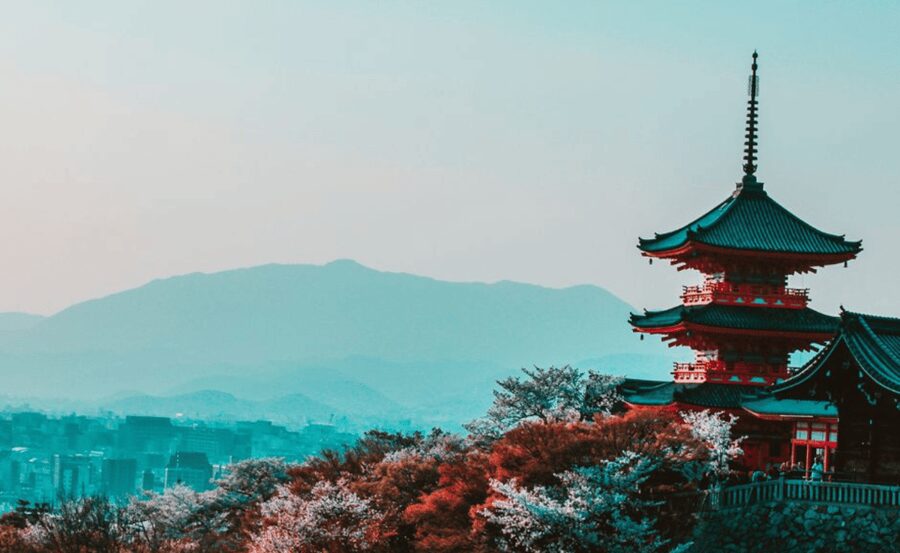
The tour runs from 2 to 8 hours, and that range matters because Kyoto will take whatever time you give it. A shorter tour can be perfect as a first day orientation, where you learn the city layout and hit a few key highlights. A longer tour is better if you want more variety, including multiple areas, extra photo stops, and maybe a museum add-on.
If you choose the shorter end, go in with a clear target: one major shrine or temple experience plus nearby streets. That way you’re not spending half your time in transit and crowd lines. If you choose the longer end, you can afford a mix of the big names and the slower, more local-feeling sections, including viewpoints and historic lanes.
In practice, you’ll get the best value when you match your time to your travel style. Couples often use a half-day to cover a couple of signature areas plus dinner guidance. Families tend to do best with enough flexibility for breaks, so the guide can adjust when kids get tired or the sun is too strong.
The Kyoto Areas You Can Expect to Pair in One Day
Because the route is customizable, there’s no single fixed itinerary you’ll follow. What you can do is build a day around the areas that your guide can slot together. Based on the way guides describe their Kyoto pacing, these are the kinds of places that commonly fit well in one walking plan:
Fushimi Inari and the Torii Path Experience
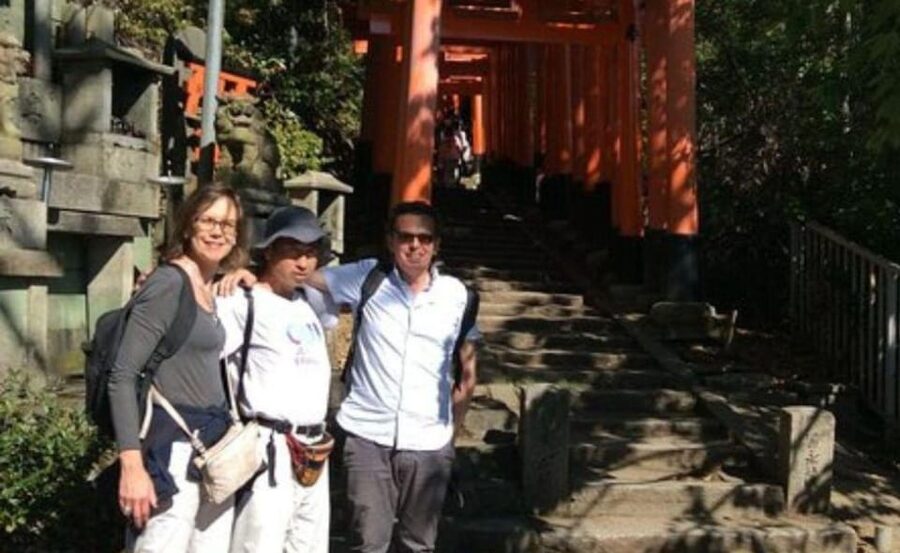
Fushimi Inari is the classic torii gate walk. A good guide helps you understand what you’re seeing as you move through the gates, not just where to take photos. One guide highlighted how the torii gates create a sense of progression as you walk, which makes the experience feel more meaningful than a quick entrance and exit.
Drawback to plan for: it can be busy and it involves walking in lines. If crowds or heat are a concern, tell your guide early, and ask for a pacing strategy that keeps you moving without feeling like you’re stuck.
Sanjusangendo and the 1001 Buddha Detail
Sanjusangendo is where Kyoto depth shows up. When a guide points out what you’re looking at, the famous 1,001 Buddha statues stop being trivia and start becoming part of the mood of the building and the space.
This is also a great stop for families because it’s easier to understand on a walking day than something that feels like pure museum time, and a guide can adjust the level of explanation.
A day of temples goes further with something to break it up.

Kiyomizu-dera and the UNESCO World Heritage Factor
Kiyomizu-dera is a must for many first-timers. A guide can help you see why it’s considered a UNESCO World Heritage site in a practical way, tying the architecture and setting to the experience on the ground.
The realistic consideration: you’re going uphill and navigating steps. If you choose a longer day, this spot often works best when it’s not your only major destination, so the day doesn’t become one long climb with nothing to reward you after.
Sannenzaka and Ninenzaka Lanes for Old Street Atmosphere
The lanes of Sannenzaka and Ninenzaka are where Kyoto turns into the kind of walking you remember. Guides often point out cultural details and photo spots, which is helpful because these streets can look like a single stretch unless you know where to focus.
This is also one of the best places to slow down. Even if your legs are telling you to move, your eyes will want to stop. The guide’s job here is to balance your time so you get the vibe without turning the day into standing around.
Gion for Culture, Streets, and Street-Level Context
Gion is about more than the idea of geisha culture. With the right guide, you can learn how the neighborhood feels in layers, and why certain areas developed their reputation. A guide-led Gion walk was specifically described as a discovery of the area, with adjustments for kids, which tells you this stop can be flexible.
If you’re traveling with family, ask your guide to tailor explanations to what children can absorb. One guide adapted a Gion discovery for kids, which is exactly what you want from a private format.
Maruyama Park Area and Small Local Details
Finishing with Maruyama Park adds a different tone. It’s a place where you can learn about geisha culture in a grounded way and also spot small local surprises. One tour included learning about cultural context, plus noticing a Pokémon manhole, which is the kind of detail that makes photos feel less generic.
This is also a good end-of-tour area because it gives you space to breathe after temple time.
Daimonji and the Temple and Shrine Differences Lesson
If your guide is up for a more active day, Daimonji can be a memorable choice. In one Kyoto walk, the guide explained differences between temples and shrines before the trek up. That kind of framing helps you look at Kyoto with less confusion later, because you start noticing patterns as you travel.
Practical note: this is not a stroll. If your walking tolerance is limited, you may want to swap Daimonji for something flatter or choose fewer major climbs.
Philosophers Path and Ginkakuji for a Slower Kyoto Mood
Philosophers Path is the kind of place where the walking pace matters. A guide can connect it to the city’s broader historic flow, then pair it with nearby stops like Ginkakuji for a cohesive day.
The benefit here is mood. These places tend to make the tour feel less like a checklist and more like Kyoto at walking speed.
Meeting Your Guide, Moving Between Sights, and Keeping the Day Comfortable

Your tour starts with pickup in Kyoto and typically includes help coordinating the meeting spot. If your accommodation is in the city, hotel pickup can be included. Otherwise, you’ll meet in Kyoto as arranged.
For getting around, the tour is mostly walking. The description also notes that public transport is part of the mix depending on the option you choose. That matters because Kyoto days can be long, and a short transit hop can mean the difference between a fun tour and a tour where you’re too tired to enjoy what you paid for.
Comfort is a recurring theme in how people talk about these guides. One guide kept twin boys cool and entertained in hot weather. Another adjusted the day to account for heat while still hitting major sights and quieter spots. That tells me you should plan to communicate early about your group and your limits. Ask for pacing, breaks, and shade or cafe stops if you need them.
The Money Question: Is 62 Per Person Good Value?

The listed price is $62 per person, with a duration that can range from 2 to 8 hours. On paper, it’s not a cheap impulse buy. But walking tours are one of those travel categories where value is about what you avoid, not just what you get.
Here’s what you’re paying for:
- a private guide who can tailor the day, so you don’t waste hours guessing what matters
- practical direction you can use after the tour, including food recommendations
- support with tickets if you want attractions covered by admission, since the team can help book them
Since tickets to attractions are not included, your real cost depends on what you choose. If you stick to exterior areas and free-access viewpoints, you’ll keep costs down. If you add museum time or paid temples, you’ll pay extra, but the guide support can still be worth it because you avoid decision fatigue and bottlenecks.
If you’re traveling as a couple or small family, private time can be great value because the alternative is spending long hours on your own and still feeling like you missed the point. If you’re a solo traveler who loves planning, you could DIY. But if you want Kyoto to make sense quickly, this is the kind of guided structure that pays off.
What You Get, What You Pay For, and How to Set Expectations
This tour includes:
- a private walking tour
- customization of the route
- help from the team to book tickets for desired visits
- hotel pickup if you’re staying in the city
This tour does not include:
- drinks or food
- tickets to attractions
- local transportation by car (since it’s a walking tour)
In other words, it’s built as a guide-first experience, not a packaged meal-and-museum bundle. That’s good for travelers who want to choose where they eat. One guide even sent people to a specific udon restaurant at the end of the tour, which is the sort of local tip that can turn a guided afternoon into a full-day win.
Guide Quality: The Real Difference You Feel on the Ground
The best thing about this tour category is the guide factor. The descriptions and highlights from people who went show a pattern: guides are not only about facts, they’re about pacing, clarity, and turning chaos into a walk you can follow.
Examples of the kind of guide support that tends to score highest:
- explaining how temple and shrine differences play out in Kyoto
- adapting routes based on heat and energy levels
- taking into account what families need so kids don’t melt
- sharing advice after the tour, like where to eat next
- offering efficient movement between areas
Specific guide names came up in Kyoto contexts, like Maria, Yuji, Jerome, Kevin, Gef, Terry, Ian, Kenta, Wajid, and Omar. That variety is a clue: you can often match the guide style to your travel style, as long as you communicate your interests ahead of time.
Who This Tour Suits Best
This is especially a good fit if you:
- want a first-day orientation to Kyoto’s neighborhoods
- prefer walking with local context instead of reading guidebooks on the go
- travel with family or need a pace-adjusted day
- care about cultural explanations, not just landmark photos
- want practical guidance for what to do next, including food
It may be less ideal if you dislike walking, know you need a very low-step day, or want a tour with meals fully included. Since tickets and food aren’t included, you’ll also want to budget for admissions if you add museums or paid attractions.
Should You Book This Private Custom Walking Tour?
If you want Kyoto to feel organized from the start, I think this is a strong choice. The private and customizable format is the big reason. You get classic sights plus guidance that makes the city easier to navigate after the tour, and people mention guides who handle heat and family pacing well.
Book it if:
- you’re short on time and want high signal per hour
- you want a guide to connect the dots between temples, shrines, and neighborhoods
- you like the idea of walking but also having someone manage the flow
Skip it or shorten the day if:
- you have limited walking tolerance and aren’t comfortable with hills and steps
- you don’t want to think about ticket costs for attractions
If you do book, send your must-sees and your limits upfront. The tour’s whole point is that the day can bend to you.
FAQ
How long is the Kyoto private custom walking tour?
It runs for 2 to 8 hours. You can check availability to see starting times.
Is this tour private or shared?
It’s a private group experience, meaning it is not a shared group tour.
Can the guide customize the route?
Yes. The tour is custom, and the guide can adapt based on your interests. A museum visit can also be added if you request it ahead of time.
Are tickets to attractions included?
No. Tickets to attractions are not included, though the team can help book tickets for the visits you want.
Is hotel pickup included?
Hotel pickup is included if your accommodation is located in Kyoto (within the city).
What languages are available for the guide?
The tour guide is available in Spanish, English, French, and Italian.
Is food or drink included?
No. Drink or food is not included.
Does the tour include transportation?
It’s a walking tour. Walking is included, and public transport is also included depending on the option you select. Car transportation is not included.
Is the tour wheelchair accessible?
Yes, it is listed as wheelchair accessible.
What are the cancellation and payment options?
You can cancel up to 24 hours in advance for a full refund. There is also a reserve now and pay later option.
New This Season
- Koyasan Day Trip by Private Car from Kyoto
- Old Port Town and Ultimate Sake Tasting Private Tour From Kyoto
- Kyoto’s Timeless Charm: 3hr Exploration of History and Peace
- Kyoto: 5 Types of Sushi Making
- Sacred Peak & Ancient Paths: Kurama-Kibune Hiking Experience
- Kyoto: Exclusive ZEN practice at Manpukuji temple in Uji
- Kyoto: Private Seasonal Aroma Yoga Class
- Traversing Kyoto’s Scenic West – Arashiyama to Kinkakuji
Walking Tours, compared.
Kyoto Geisha Walking Tour: Gion District & Hidden Gems
Read our review →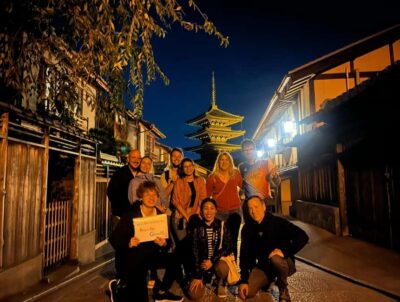
Gion Magical Night Walking Tour with Geisha Trivia
Read our review →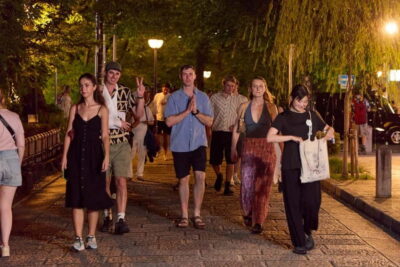
Gion Geisha District Walking Tour – Stories of Geisha
Read our review →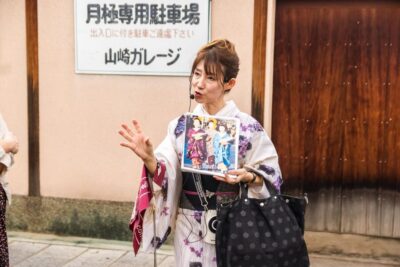
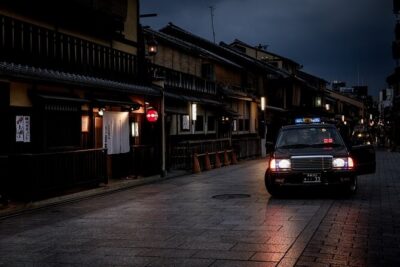
Kyoto Gion Geisha District Walking Tour – The Stories of Geisha
Read our review →
Nishiki Market Brunch Walking Tour (7 Tastings + Brunch)
Read our review →
Kyoto Arashiyama Walking Tour: Bamboo, Monkeys, Gardens & Secrets
Read our review →
Kyoto Gion: 2-Hour Geisha Culture & History Walking Tour
Read our review →Also filed under