
Reviewed · WALKING TOURS
Kyoto Run & Walk Tour with Locals
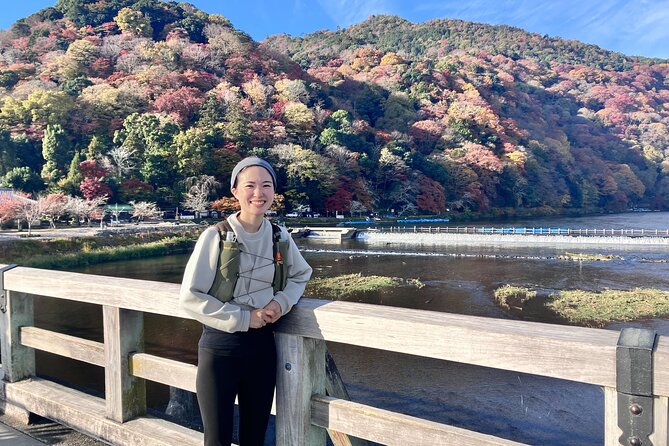
Start moving before Kyoto gets crowded. This early-morning run and walk led by local English guide Soyo, who has lived in Kyoto for over 30 years, takes you past temples and quiet neighborhoods at an easy jog. I really liked the mix of gentle exercise with real local context, not just a photo stop parade, and the route often includes cherry blossoms or autumn foliage depending on the season. One thing to consider is that it is still moderate physical activity, and if the weather is wet you will likely be walking instead of running, so bring your own rain gear.
With only up to 4 travelers, the pace stays friendly and the guide can explain things as you go. You get a structured loop that is short enough to feel doable, but long enough to make Kyoto feel like a lived-in city instead of a checklist. The main downside is simple: you do not get running shoes or a locker, so you need to plan what you carry and wear.
In This Review
- Key highlights worth waking up for
- Why Kyoto feels different when you run early
- Meet your guide: Soyo and the value of local context
- The pace plan: easy jog, walking breaks, and how long it lasts
- Logistics that actually matter: where you start and what to bring
- Stop-by-stop: Higashi Hongan-ji Temple to Takasegawa
- Kamogawa River: a steady stretch for easy running
- Heian Shrine and Yasaka Shrine: pauses that change your pace
- Hanamikoji Street after your workout
- Price and value: $19.51 for a local-led morning
- What to wear and carry for a smooth run-and-walk
- Rain plan: light rain becomes walking, heavy weather cancels
- Who should book this Kyoto Run and Walk tour
- Should you book this Kyoto Run & Walk Tour with Locals?
- FAQ
- How long is the Kyoto Run and Walk Tour?
- What pace will I run at?
- Is the tour good for beginners or first-time runners?
- Who is the guide?
- Where do I meet, and where does it end?
- What is included in the price?
- What should I bring since running gear is not included?
- What happens if it rains?
- How big is the group?
Key highlights worth waking up for
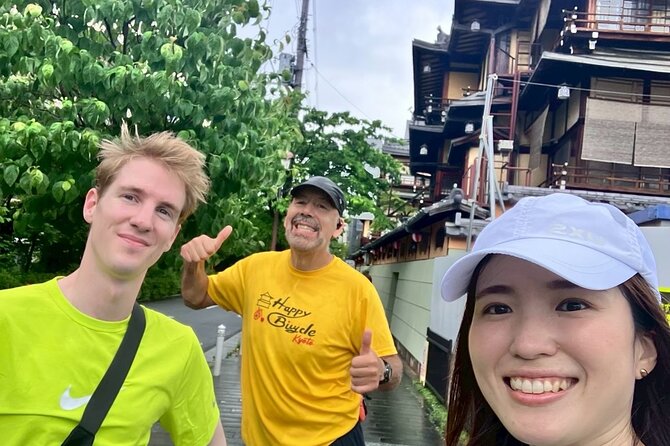
- Local English guide Soyo with 30+ years in Kyoto, so questions get answered in plain language
- Early start to help you see temples, river areas, and streets before the day heats up
- Easy jog pace (about 7 to 9 min per kilometer), welcoming for first-time runners
- Small group limit of 4, which keeps things relaxed and conversation-friendly
- Stops for explanations, so it is not just motion, you learn while you move
- Seasonal scenery, with possible cherry blossoms or autumn foliage depending on timing
Why Kyoto feels different when you run early
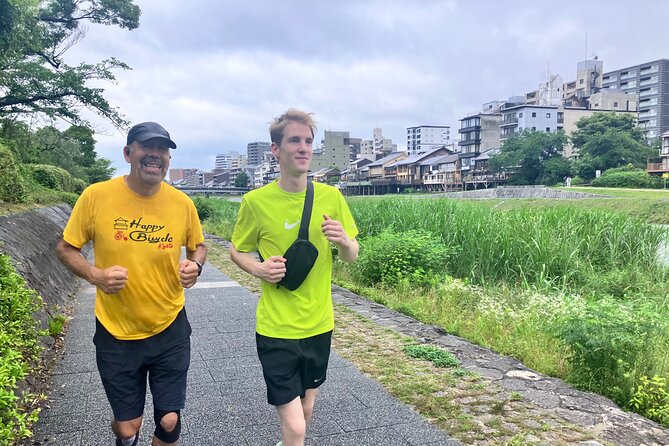
Kyoto looks great in the daytime, but it feels different early. On this tour, you get out before the city’s big daily rush, and that changes everything. You can focus on the walkable rhythm of Kyoto, plus the quiet atmosphere around temples and river areas while streets are still waking up.
I also like that the experience is designed around fresh-air sightseeing. You are not stuck in traffic or waiting in lines, and you are active enough to feel the city wake up with you. If you happen to be in season, you might see cherry blossoms or autumn foliage, which makes those slower explanation stops feel extra rewarding.
That said, you should book this with the right mindset. This is not a sprint-and-hit-famous-spots tour. If you want to run hard, you will probably feel like you are holding back.
Meet your guide: Soyo and the value of local context
This tour stands or falls on the guide. Here, you are with Soyo, an English-speaking local who has lived in Kyoto for more than 30 years. That matters, because you will hear practical, city-based points of view, not just generic talking points.
In the early-morning calm, it is also easier to have real conversation. You are moving, but you are also stopping at key places for explanations. That blend is why the tour feels like Kyoto with a human guide, not a recorded route.
The other value piece is comfort. A slow pace is built in, so even if you do not run often, you are not going to be pushed past your limits. You can keep it steady, breathe, and still enjoy the scenery as the guide shares what to notice.
A quieter way to spend a day in Kyoto
- Kyoto Geisha Walking Tour: Gion District & Hidden Gems
★ 4.7 · 3,273 reviews - Kyoto: Gion Magical Night Walking Tour with Geisha Trivia
★ 4.9 · 2,393 reviews - Kyoto: Gion Geisha District Walking Tour – Stories of Geisha
★ 4.7 · 2,187 reviews - Night Walk in Gion: Kyoto’s Geisha District
★ 4.5 · 2,003 reviews
The pace plan: easy jog, walking breaks, and how long it lasts
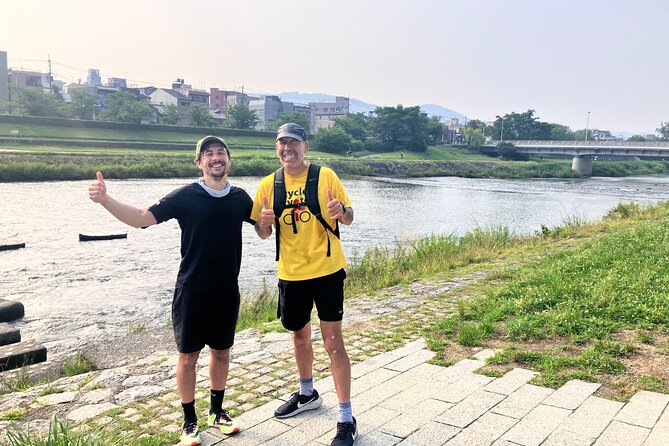
Expect a relaxed running pace. The description puts it around 7 to 8 min per kilometer in one place, and 8 to 9 min per kilometer in another, so practically, you should plan for an easy jog you can keep up without gasping. If you can handle a light jog, you will be fine.
Timing is about 2 hours on the listing details, and the course is described as about 2.5 hours with breaks at stops. In real life, that means you should treat the whole thing as a half-morning commitment, not a quick workout you can tack onto a late brunch plan.
Also, there are breaks. You pause at stops for explanations, so it is not one continuous stretch of running. That is good for everyone, especially beginners. You get recovery, plus context, and it stops the tour from feeling like a timed race.
Logistics that actually matter: where you start and what to bring
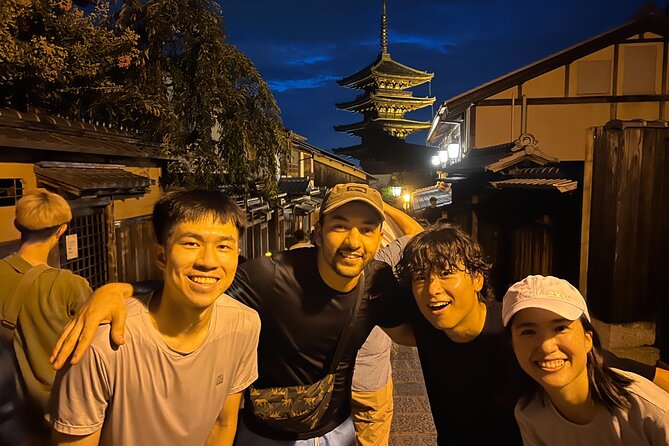
The meeting point is Starbucks Coffee Kyoto Tower Sando in Shimogyo Ward. It is a straightforward landmark, and the area is near public transportation, which is helpful if you are staying somewhere far from the main sights.
The tour uses a mobile ticket, so make sure your phone battery is decent. You also end back at the meeting point, which makes it simpler when you want to continue your day without complicated return plans.
What you should bring is mostly common sense, but it is worth stating clearly:
- running shoes and suitable running clothes, since running wear and shoes are not included
- your own rain gear if the weather is wet
- something small for personal items, because lockers are not included
- comfortable layers, since early mornings can feel cooler than you expect
Bottled water is included, which is a nice touch when you are moving for a couple hours.
Stop-by-stop: Higashi Hongan-ji Temple to Takasegawa
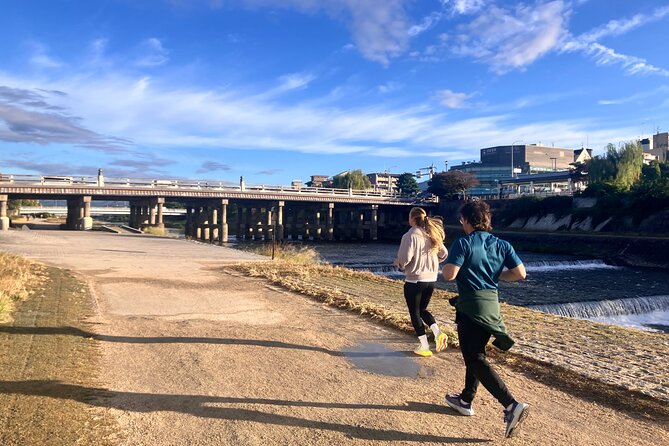
The first stop is Higashi Hongan-ji Temple. Starting with a major temple area is smart, because you set the tone of the tour early. You also get a chance to find your rhythm before you settle into the longer segments. If you are a first-time runner, this is where you figure out how the group will move, how often you pause, and how talk-through explanations work while you keep going.
Then you head toward Takasegawa. This section matters because it often feels like the bridge between big landmark energy and smaller, quieter streets. By the time you reach this area, the tour has already eased you into motion, and the guide can point out what to notice at ground level, where tourists often do not linger.
A practical consideration here: since you are starting early, these areas can still feel a little calm and cool. Wear something you can manage while you run, but do not dress too warm for later if you burn energy quickly.
Kamogawa River: a steady stretch for easy running
Next up is the Kamogawa River. River routes usually do two things well for a run-and-walk tour. They help you keep a steady rhythm, and they give you open space where you can breathe easier while still seeing Kyoto.
Even if you are not a serious runner, this kind of segment makes the tour feel like a real activity, not just a series of stops. You are not constantly braking, turning, and starting over. That makes it easier to stick to the slow pace and still feel like you accomplished something physical.
If you get the option of nicer weather, this is also where the scenery can feel extra pleasant. And if rain arrives, river areas can be slick, so keep your steps careful.
A day of temples goes further with something to break it up.
Heian Shrine and Yasaka Shrine: pauses that change your pace
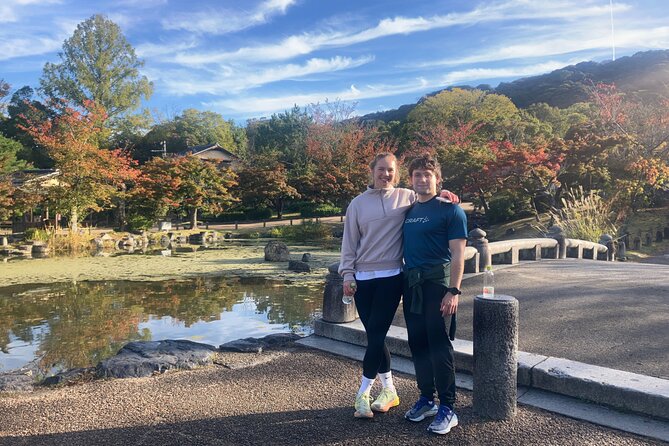
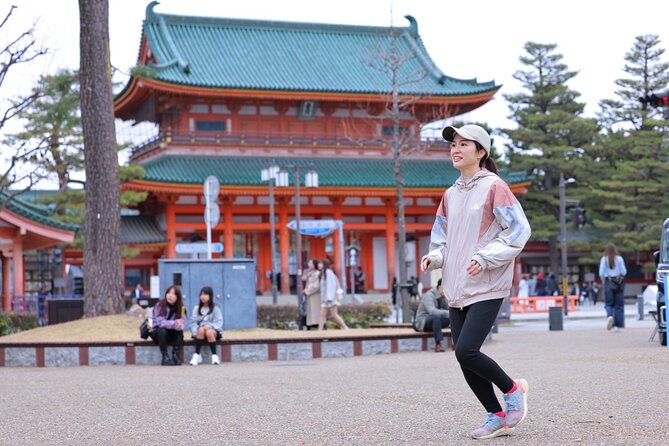
You then reach Heian Shrine. This stop is where the tour often becomes more than exercise. The pace stays relaxed, but the guide’s explanations can help you understand how people experience Kyoto on foot, day after day.
After that, you continue to Yasaka Shrine. This is another strong mid-tour anchor. Two shrine stops back-to-back can sound like a lot, but the intention is to balance scenery with learning. Since you are already warmed up from running and walking, these pauses feel like planned moments, not interruptions.
One drawback to note: if you are someone who hates stopping, this tour may feel slower than you expected. It is designed with breaks for explanations, and that is part of the value. You are not just passing through. You are learning as you move.
Hanamikoji Street after your workout
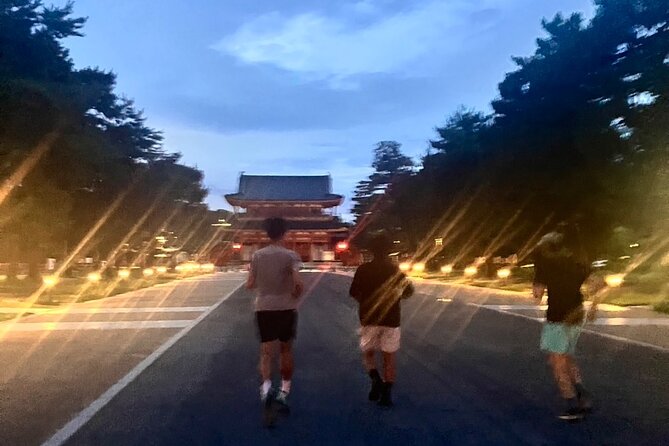
The tour finishes by going to Hanamikoji Street. This is a good way to end, because it shifts you from the calmer shrine and river feel to a more street-level Kyoto atmosphere. After you have been running and walking for a while, a classic Kyoto street can feel like a reward, and it is also a natural place to slow your pace even more.
It also helps you transition back into your own exploration. When your legs are still awake but not exhausted, you can decide what you want to do next, whether that is wandering nearby streets or heading back toward your main plans.
If your goal is photos, this kind of ending spot can work well, but do not treat this as a race for pictures. The tour is built around movement plus guidance. Let the street moment be part of that flow.
Price and value: $19.51 for a local-led morning
The price is listed at $19.51 per person, and for Kyoto, that is the big question: is it worth it?
Here is why it can be good value. You are paying for an English-speaking local guide, a small group setup (max 4), and a planned loop with multiple stops. You also get bottled water included. Most importantly, you are not just seeing sites, you are seeing them in an order and timing that helps you avoid crowds, which is where Kyoto can start to feel like one long line.
What you need to cover yourself is also clear: running wear and shoes, and no locker. If you already have the basics, the value gets better. If you need to rent or buy gear, that cost can change the math.
Overall, I think this is priced like a practical way to get both exercise and local insight, without burning a full half-day on something less active.
What to wear and carry for a smooth run-and-walk
You can make or break your experience with small choices here. Since the pace is easy, the main risk is not going too fast. It is slipping, getting cold, or carrying too much.
Because there is no locker included, I strongly suggest traveling light. Bring only what you truly need for the morning, and keep it secure. Plan to carry essentials such as your phone, a small pack if you use one, and any layer you might need.
Footwear is the other key. Even if you are only at a relaxed jog pace, sidewalks and paths can be uneven or wet depending on conditions. If you have comfortable running shoes, use them.
And if you are thinking of doing this during a rainy season, treat rain gear as part of your outfit, not an afterthought.
Rain plan: light rain becomes walking, heavy weather cancels
Kyoto weather can change fast, so it helps that the tour has a clear approach. In case of light rain, the tour still runs, but it becomes a walking tour. That means you should bring your own rain gear.
If weather turns severe, like heavy rain, wind, snow, heat wave, or typhoon conditions, the decision is made by 12:00 p.m. the day before. You will be notified if it is cancelled, and in a prior cancellation there is no cancellation fee. If it is cancelled due to poor weather, you are offered a different date or a full refund.
Practical advice: if you hate walking in rain, this might not be your best match. If you are okay adjusting and staying flexible, the light-rain option keeps your plans alive.
Who should book this Kyoto Run and Walk tour
This is best for you if you want an early-morning Kyoto experience that mixes movement with guided context. It is especially good if:
- you are a casual runner or first-time runner and want an easy pace
- you prefer seeing sites before the biggest crowds
- you like talking with a local in English and asking questions
- you want a smaller group experience instead of a big tour bus vibe
It might be less ideal if you only want to walk slowly. The running-and-walking structure is part of the design, even though the pace stays relaxed.
Also, this is rated as moderate physical fitness. If you feel shaky about steady jogging, go in with confidence but also honesty about your limits. The guide is set up for all levels, but you still have to show up able to move.
Should you book this Kyoto Run & Walk Tour with Locals?
I would book it if you want Kyoto to feel real early in the day. The small group size and the English guide, Soyo, are the heart of the experience. The slow pace means you get exercise without turning your morning into a stress test.
It is also a smart pick when you want to see more than just the most obvious big-name streets. You end up covering temples, river areas, and a classic street, with breaks for explanations that make the route feel intentional.
Skip it only if you are not comfortable jogging at an easy pace, or if you are not willing to bring rain gear and adjust to a walking version in light rain. If you can do those two things, this tour is a very practical way to start your Kyoto day with both legs and curiosity.
FAQ
How long is the Kyoto Run and Walk Tour?
The tour is listed at about 2 hours, and the course is described as about 2.5 hours with stops for explanations.
What pace will I run at?
The run is described as slow and relaxed, around 7 to 9 minutes per kilometer.
Is the tour good for beginners or first-time runners?
Yes. The pace is welcoming for all levels, including first-time runners.
Who is the guide?
The tour is guided in English by Soyo, a local who has lived in Kyoto for over 30 years.
Where do I meet, and where does it end?
You meet at Starbucks Coffee Kyoto Tower Sando, and the tour ends back at the same meeting point.
What is included in the price?
Bottled water is included.
What should I bring since running gear is not included?
You should bring your own running wear and running shoes. A locker is not included, so plan for your personal items. If it rains, bring your own rain gear.
What happens if it rains?
In light rain, the tour still runs but becomes a walking tour. For heavy rain or extreme conditions, a decision is made by 12:00 p.m. the day before.
How big is the group?
The maximum group size is 4 travelers.
New This Season
- Koyasan Day Trip by Private Car from Kyoto
- Old Port Town and Ultimate Sake Tasting Private Tour From Kyoto
- Kyoto’s Timeless Charm: 3hr Exploration of History and Peace
- Kyoto: 5 Types of Sushi Making
- Sacred Peak & Ancient Paths: Kurama-Kibune Hiking Experience
- Kyoto: Exclusive ZEN practice at Manpukuji temple in Uji
- Kyoto: Private Seasonal Aroma Yoga Class
- Traversing Kyoto’s Scenic West – Arashiyama to Kinkakuji
Walking Tours, compared.
Kyoto Geisha Walking Tour: Gion District & Hidden Gems
Read our review →
Gion Magical Night Walking Tour with Geisha Trivia
Read our review →
Gion Geisha District Walking Tour – Stories of Geisha
Read our review →
Kyoto Gion Geisha District Walking Tour – The Stories of Geisha
Read our review →
Nishiki Market Brunch Walking Tour (7 Tastings + Brunch)
Read our review →
Kyoto Arashiyama Walking Tour: Bamboo, Monkeys, Gardens & Secrets
Read our review →
Kyoto Gion: 2-Hour Geisha Culture & History Walking Tour
Read our review →Also filed under