
Reviewed · TEA CEREMONIES
Kyoto: Tea Ceremony with Kimono and Photoshoot
Kyoto can feel like a stage set, but this kimono tea ceremony makes it real. You dress in a traditional kimono, then follow an English explanation of the tea ritual from the friendly team, including tea master Mami, before you make and taste your own matcha.
Two things I really like about this experience: the hands-on matcha-making part, and the fact you leave with 3 professional photos. This is not just a quick costume shop stop, you get instruction, you get to participate, and you get pictures you can actually use later.
One thing to plan carefully is timing. If you’re more than 10 minutes late, you are not allowed to join, and there is no refund, so give yourself a buffer and do not gamble on Kyoto traffic and foot pace.
In This Review
- Key things that make this tea ceremony worth your time
- Kimono dressing in Kyoto, Nishiki Market and Gion options
- What the English tea ceremony actually teaches you
- Making your own matcha plus sweets pairing
- The photoshoot, 3 professional shots and kimono moments
- Price and value, what $127 buys you in the real world
- Timing tips so you do not lose your slot
- Who this Kyoto kimono tea ceremony fits best
- Should you book Kyoto Tea Ceremony with Kimono and Photoshoot?
- FAQ
- How long is the Kyoto kimono tea ceremony experience?
- What is included in the price?
- Is the tea ceremony taught in English?
- Are there different meeting locations?
- Do I need to provide my height and gender?
- What time do I need to return the kimono?
- Are there rules about shoes and smoking?
- What if I have allergies?
- What photos do I receive at the end?
Key things that make this tea ceremony worth your time
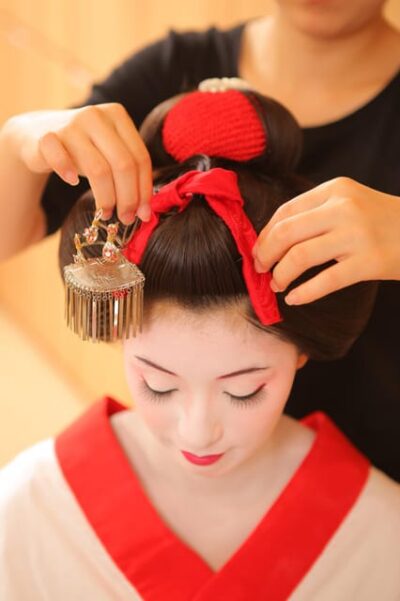
- You choose a kimono look, including color, plus hair accessories if you are dressing in the female style
- An English tea ceremony demonstration walks you through what is happening and why
- You make matcha yourself and enjoy it with Japanese sweets
- You get pro photos as a memento, not just phone snapshots
- Small group size keeps the pace relaxed, with room for questions
Kimono dressing in Kyoto, Nishiki Market and Gion options
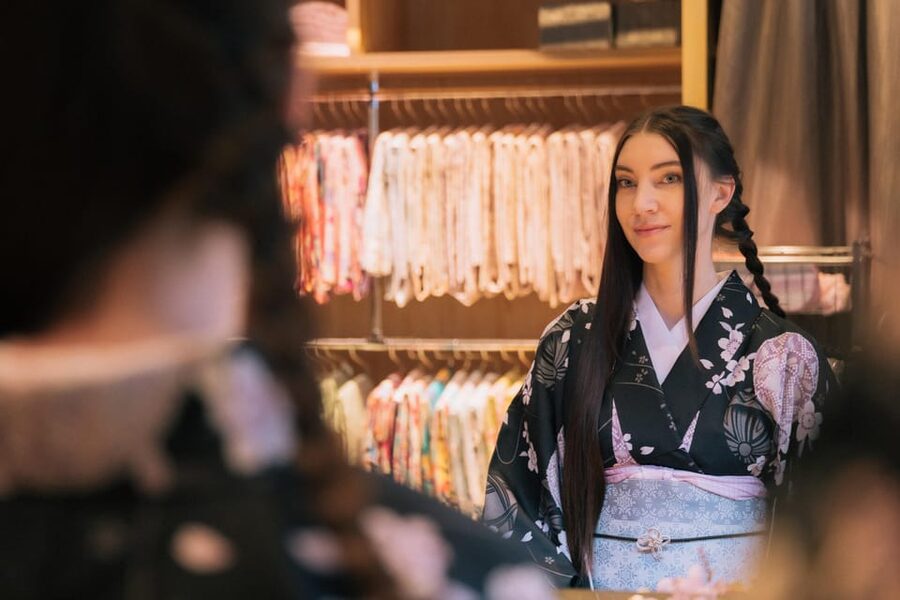
This experience starts with kimono dressing, and it matters because the outfit sets the tone for the whole tea ceremony. Your kit is prepared in advance, so you will need to share your height and gender for sizing. Once you arrive, the staff guide you through changing into the kimono and getting it adjusted properly.
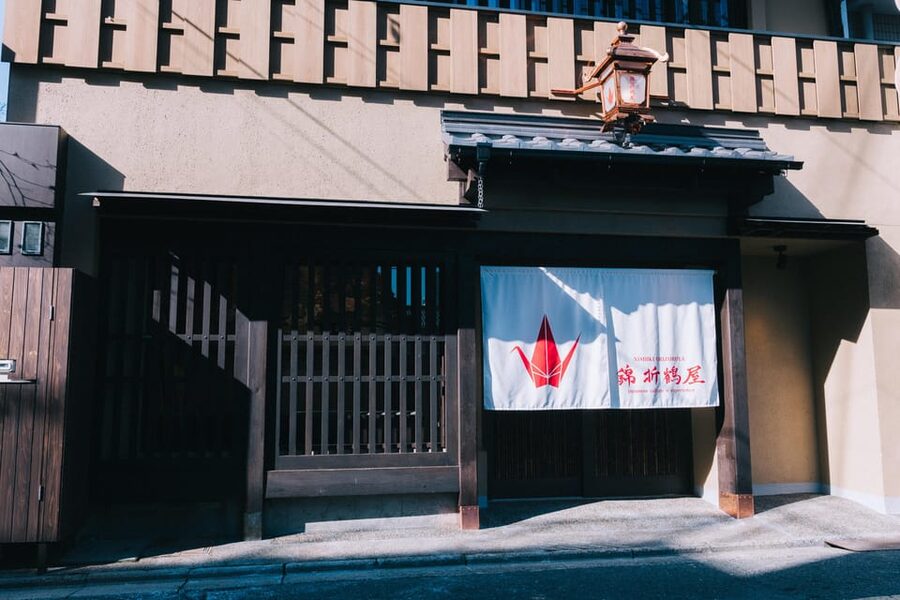
There are two locations, and you must book the right one. Nishiki Market is one option, and Gion is the other. Your meeting point can vary by booking, so confirm it before you leave your hotel. The biggest practical win here is that you get to experience two very different Kyoto vibes in one day, at least on foot.
You also have clear indoor rules. Shoes are not allowed indoors, so you will be barefoot or in the kind of slip footwear the shop provides if they use it. Plan for it the way you would plan for a temple visit: no grippy, dirty shoes you expect to keep on. Also, smoking is not permitted.
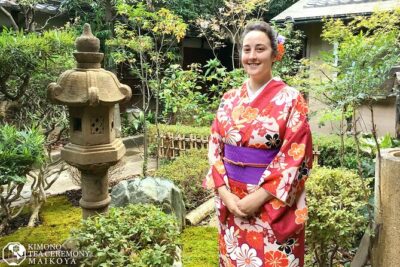
After the ceremony, you can stroll around in your kimono, which is where the whole thing becomes more than a lesson. It is a chance to take in the streets while dressed in something locals would recognize instantly. Just keep an eye on the required return time for your kimono on the same day. Nishiki Market is latest 6:00 PM, and Gion is latest 5:00 PM.
What the English tea ceremony actually teaches you
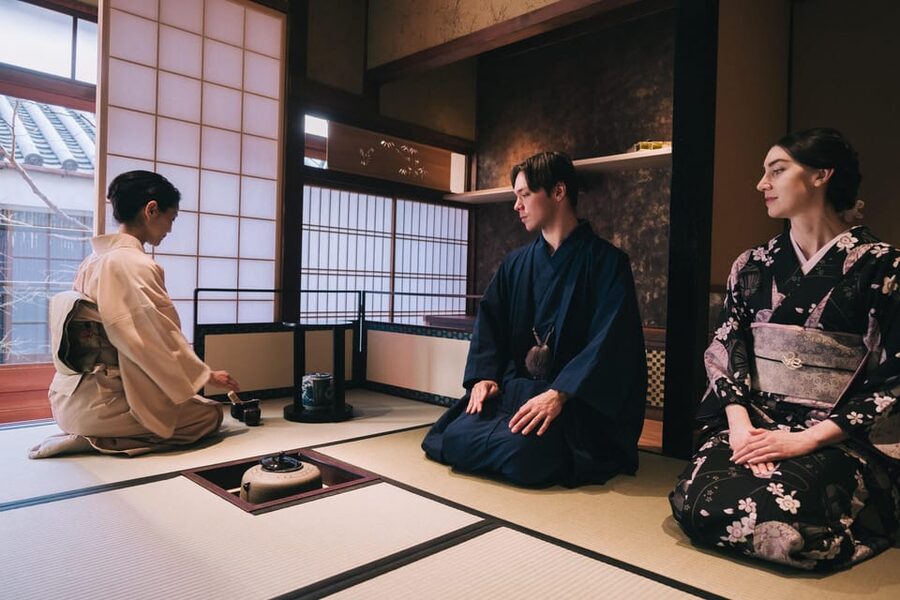
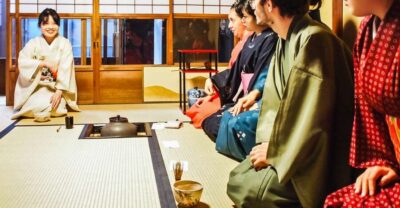
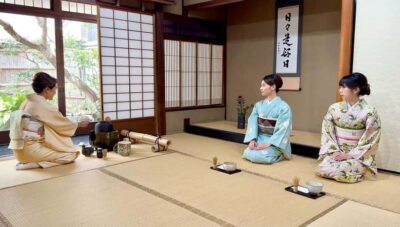
The tea ceremony is about more than watching someone pour green tea. You get an explanation of the history and culture of the ceremony, and you see a demonstration in English at a calm pace. A small group size helps here, because you are not stuck listening over people talking, or rushed through the steps.
You can expect the ceremony to include key moments tied to purification and mindfulness. One participant highlighted the cleansing and blessing aspect, which is the kind of detail you normally miss if you only do a photo session. Here, the English guidance gives the ritual meaning, not just motion.
You will also learn how the matcha experience works, including what you are doing when you whisk and how you are meant to enjoy it. The tone is relaxed, not stiff or lecture-like. The guide style is friendly and practical, the kind that explains the purpose of each step so you can follow along without guessing.
If you care about cultural context, this is one of the best parts. Kyoto has a lot of performance-based experiences. This one slows you down. You learn the logic of the room, the tea, and the sequence, then you do a matching version yourself.
Walk the old streets in kimono
- Kimono Tea Ceremony at Kyoto Maikoya, NISHIKI
★ 5.0 · 911 reviews - Kyoto: Kimono Rental with Hairstyling and Accessories
★ 4.8 · 653 reviews - Kyoto: Kimono Tea Ceremony at Orizuruya Gion
★ 4.9 · 618 reviews - KYOTO Tea Ceremony with kimono near by Imamiya Jinjya Shrine
★ 5.0 · 343 reviews
Making your own matcha plus sweets pairing
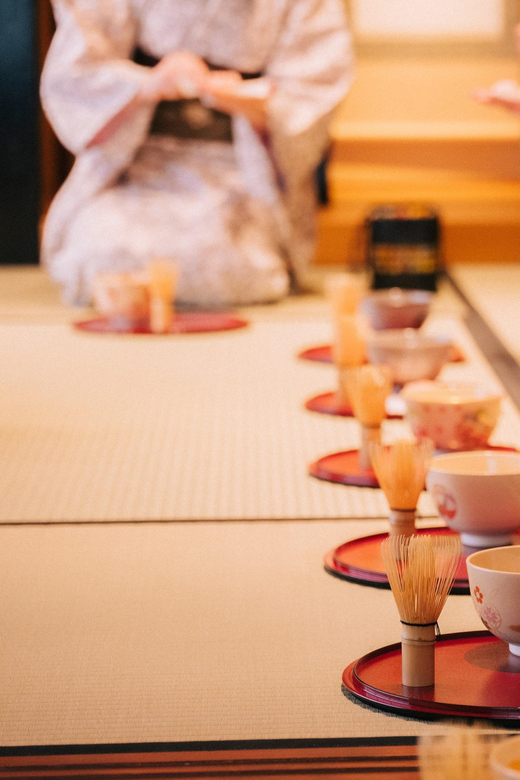
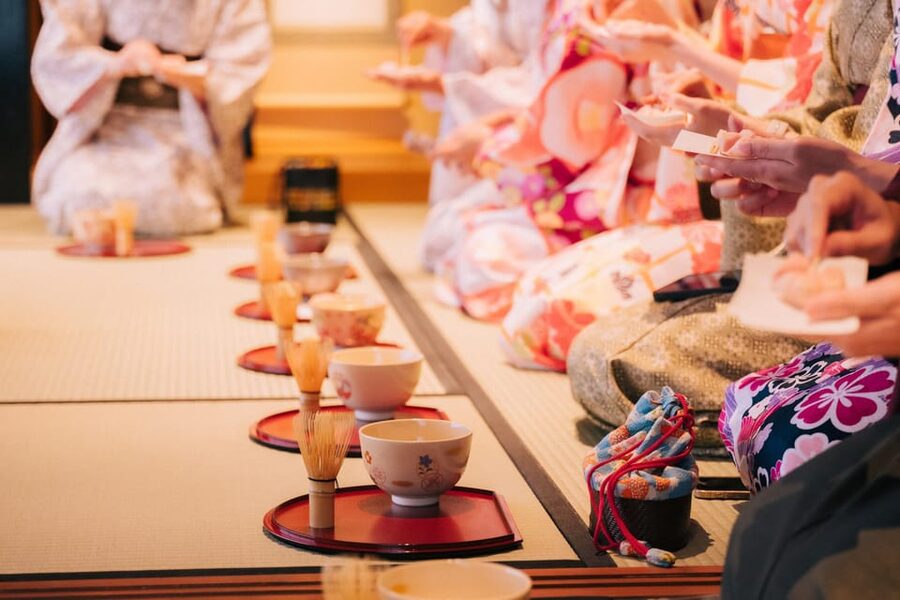
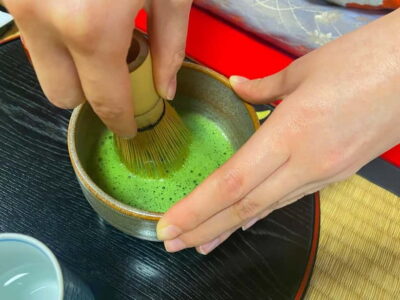
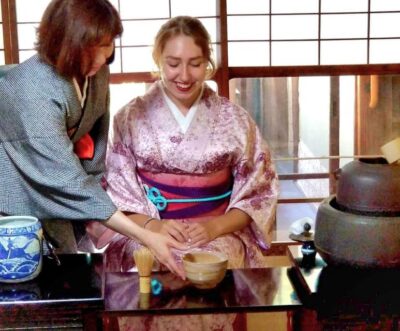
Then comes the fun part: you make matcha green tea yourself. This is not a sit-and-watch moment. You get hands-on time to prepare the tea and understand the process well enough to enjoy it rather than just survive it.
The ceremony includes Japanese sweets to pair with your matcha. It makes the experience feel complete because matcha is strong and slightly bitter, and the sweets help you appreciate the balance. If you have any food allergies, you need to tell the provider in advance. Do not wait until you arrive. Tea ceremonies include tasting, so allergy planning is not a side detail.
You may find that the ritual pacing makes you slow down for the taste. That is the point. When you are the one whisking, you tend to pay attention to aroma, foam, and how the flavor changes as you sip. If you like learning by doing, this segment is a big reason the experience has such high ratings.
The photoshoot, 3 professional shots and kimono moments
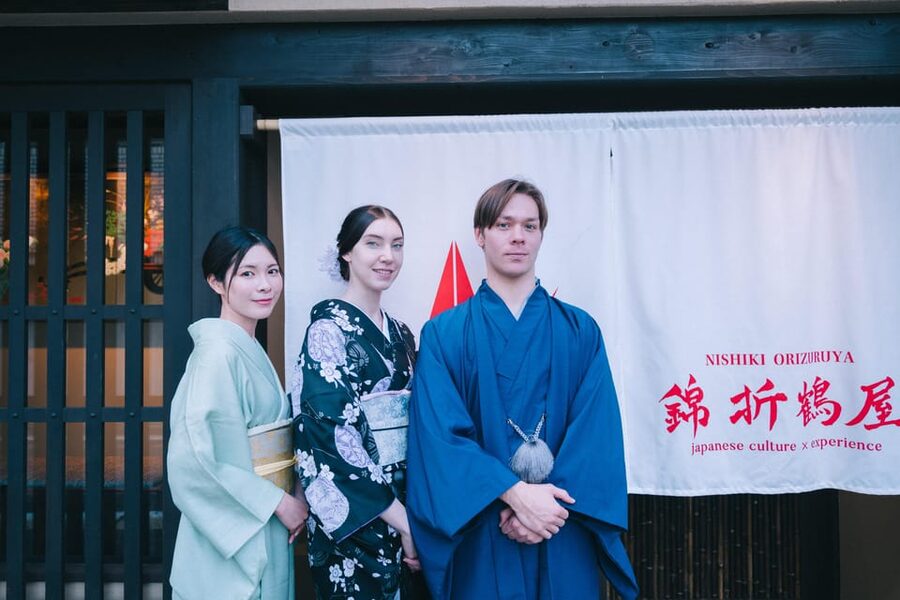
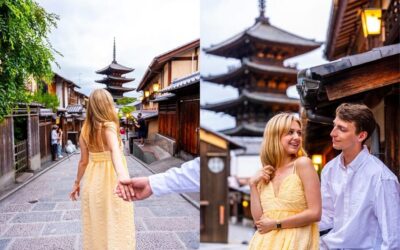
If you are in Kyoto, you want photos. But you do not want the ones that look like you were squeezed into a rental outfit between crowds. This experience includes a professional photographer and the option to have your kimono moments captured.
You receive 3 photos as a memento. That is a specific, tangible number, which I appreciate because it sets expectations. You are not left wondering what you will get back, or whether the images will actually show your face clearly.
You also usually have time to take your own pictures, and after the ceremony you can walk outside in your kimono. That combination is smart. Professional portraits handle the polish. Your phone handles the casual street moments. Together, you get a set that feels like a story, not a single posed shot.
Practical tip: keep your phone charged and your battery pack ready. You will be wearing a kimono, and you will want to capture streets without changing outfits mid-day. Also remember shoes indoors rule earlier, so you may be changing between indoor and outdoor footwear and may want to do it quickly.
Price and value, what $127 buys you in the real world
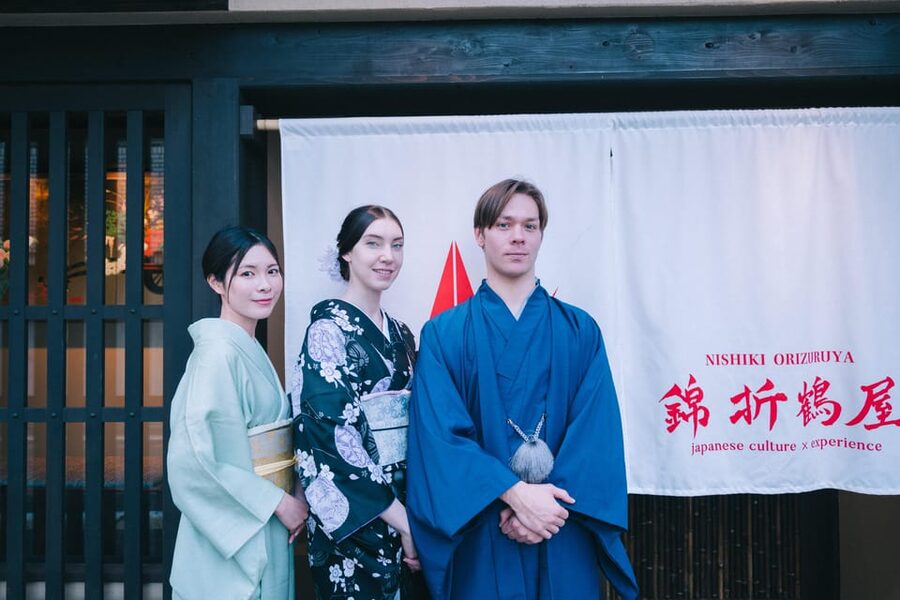
At $127 per person for 90 minutes, this is not a budget activity. But it is also not overpriced for what you receive, because you are getting four things in one package: kimono dressing, an English tea ceremony demonstration, matcha plus sweets, and professional photo deliverables.
Here is why the value holds up. If you only rent a kimono, you still have a logistics chore, and you still have no cultural guidance. If you only do a tea ceremony, you often miss the full visual Kyoto moment and the photo memories. This blends the two, plus adds the hands-on matcha portion and a small group pace.
The small group size, limited to 10 participants, also matters for value. You get more attention, and the schedule feels less chaotic than a big group experience. And the tea master explanation in English helps you get actual meaning, not just the visuals.
In short, you pay for participation and permanence. The kimono is the costume. The ceremony is the content. The photos are the keepsake.
Timing tips so you do not lose your slot
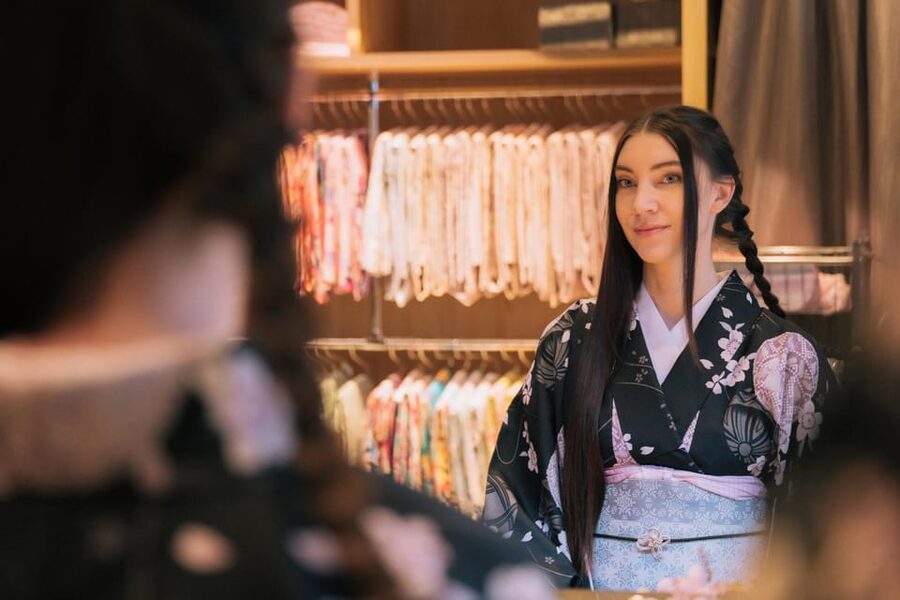
Kyoto can be unpredictable, which is why this part needs attention. You must arrive on time. If you are later than 10 minutes from the starting time, you are not allowed to join and there is no refund. That single rule shapes the whole planning strategy.
I suggest you build in a real buffer. Do not arrive exactly at the meeting time unless you know that location perfectly. Kyoto streets are full of small turns, and kimono dressing takes time, too, so you do not want to rush.
Also, expect the schedule to follow the group flow rather than a perfectly rigid clock. One participant noted that they arrived early, then the ceremony started later than expected. That can happen when outfits are being fitted and the tea room schedule is paced. The good news is you are not stranded, you are typically in the waiting area while your group comes together.
Finally, make sure you pick the correct location when booking. If you arrive at the wrong shop, you are not allowed to join the experience. Treat location selection as step one, not step two.
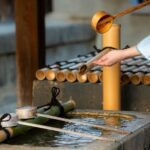
More bowls, poured the traditional way
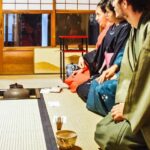
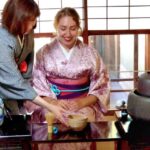
Who this Kyoto kimono tea ceremony fits best
This experience is a strong match for adults and for older kids, since it is not suitable for children under 5. It is also not suitable for wheelchair users, so plan accordingly.
It fits best if you want culture with a practical payoff. If you like when instruction turns into participation, you will appreciate the matcha-making segment. If you want photos but dislike the hard sell of pure dress up shops, you will like that the ceremony adds substance.
It is also a nice choice if you are traveling solo or as a couple and want structure in your day. The pacing is built in, you know what you will do next, and the experience ends with a clean handoff so you can keep exploring Kyoto afterward in your kimono.
If you hate waiting in general, this might be a mixed bag because fitting and group pacing can create a short wait before the ceremony demonstration. But in exchange, you get a calm, small group format.
Should you book Kyoto Tea Ceremony with Kimono and Photoshoot?
Book it if you want a Kyoto experience that looks beautiful and explains itself in English. You get kimono dressing, matcha you make, sweets to taste, and a professional photo set of 3 images. For $127, the mix of hands-on participation and photo memento is the key value piece.
Skip it only if strict timing makes you nervous, or if you prefer free-form cultural exploration with no set start time. Also skip if you need accessibility accommodations, since wheelchair access is listed as not suitable.
If you do book, pick the correct location, set your alarm early, and treat the 90 minutes like a mini cultural workshop plus a photo story. When the kimono is on and the matcha is in your hands, you will understand why this is a repeat favorite for people who care about getting more than a quick photo.
FAQ
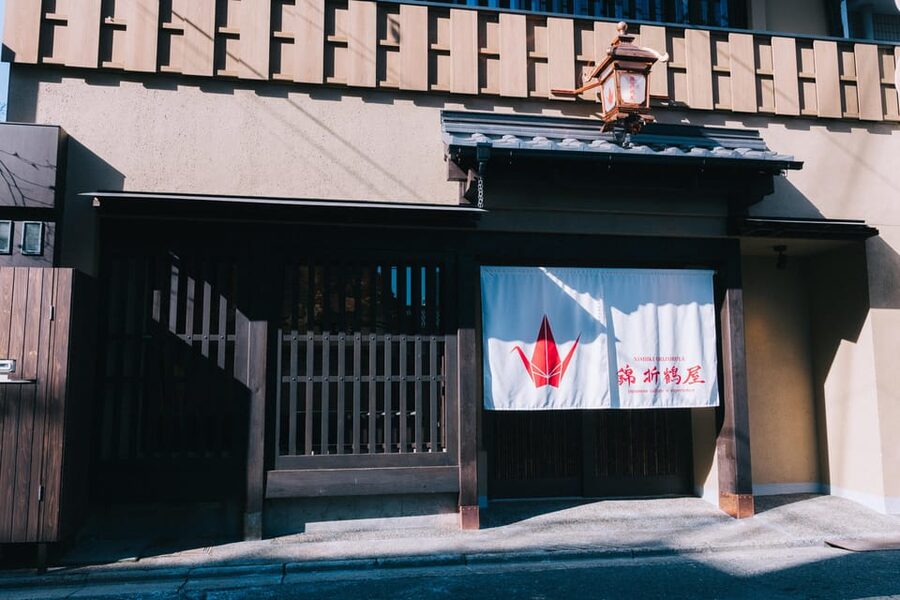
How long is the Kyoto kimono tea ceremony experience?
The experience lasts 90 minutes.
What is included in the price?
You get an English tea ceremony demonstration, kimono dressing, matcha green tea with Japanese sweets, and 3 photos taken by a professional photographer.
Is the tea ceremony taught in English?
Yes, the instructor language for the tea ceremony demonstration is English.
Are there different meeting locations?
Yes. You can book either the Nishiki Market location or the Gion location, and your meeting point may vary depending on the option you choose.
Do I need to provide my height and gender?
Yes. The provider needs your height and gender of all participants in advance to prepare the kimono set.
What time do I need to return the kimono?
You return the kimono the same day by the designated time. Nishiki Market is latest 6:00 PM, and Gion is latest 5:00 PM.
Are there rules about shoes and smoking?
Yes. Smoking is not allowed, and shoes are not allowed indoors.
What if I have allergies?
If you have any food allergies, you need to let the provider know in advance.
What photos do I receive at the end?
You receive 3 photos taken by a professional photographer as a memento of your experience.
Photography Sessions in Kyoto
New This Season
- Koyasan Day Trip by Private Car from Kyoto
- Old Port Town and Ultimate Sake Tasting Private Tour From Kyoto
- Kyoto’s Timeless Charm: 3hr Exploration of History and Peace
- Kyoto: 5 Types of Sushi Making
- Sacred Peak & Ancient Paths: Kurama-Kibune Hiking Experience
- Kyoto: Exclusive ZEN practice at Manpukuji temple in Uji
- Kyoto: Private Seasonal Aroma Yoga Class
- Traversing Kyoto’s Scenic West – Arashiyama to Kinkakuji
Tea Ceremonies, compared.
Tea Ceremony in a Traditional Tea House in Kiyomizu
Read our review →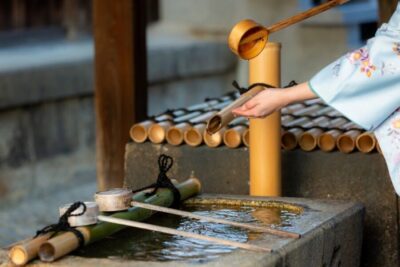
Kimono Tea Ceremony at Kyoto Maikoya, NISHIKI
Read our review →
Tea Ceremony in 100-year-old Kyo-Machiya Townhouse
Read our review →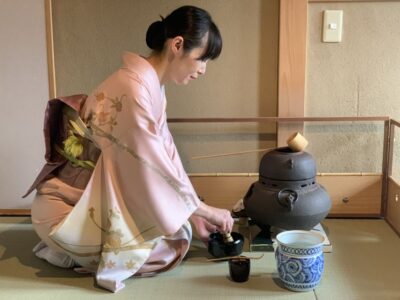
Also filed under