
Reviewed · GION GEISHA QUARTER WALKS
KYOTO: Tempio Kiyomizu Pagode Gion “Geisya” (Guida Italiana)
Kyoto reads like a story here. This Italian-guided walk traces the old pilgrimage route up to Kiyomizu-dera and then glides into classic Gion, with the streets doing half the storytelling for you. I like two things a lot: the native Italian guide, Omae, who explains the sights clearly as you go, and the practical value of having transport plus entrance tickets rolled into the price.
One consideration: it is a half-day with multiple short stretches on foot, so you will want comfortable shoes and a pace that matches walking between temple areas and neighborhood streets.
If you want Kyoto that feels walkable and personal, this is a smart fit. You start at Kyoto Station, ride briefly by bus, do a temple visit, then spend the rest of the time moving through lanes, historic streets, and atmosphere.
In This Review
- Key points that make this tour worth your time
- How the Kiyomizu-dera to Gion route tells Kyoto’s story
- Getting there from Kyoto Station, and why the meeting point matters
- Kiyomizu-dera visit: the heart of the pilgrimage lanes
- Sannenzaka and Ninenzaka: why the lanes are more than scenery
- Gion visit and the Kyoto Minami-za pass-by
- Pontocho finish: the best kind of let’s-keep-going ending
- What you learn with an Italian-speaking guide (and why it changes everything)
- Duration and pacing: a 5-hour plan that actually feels manageable
- Price and value: what $117 includes and who it makes sense for
- Who this tour fits best
- Should you book this Kyoto Kiyomizu-dera and Gion tour?
- FAQ
- What is the duration of the tour?
- How much does the tour cost?
- Is the tour guided in Italian?
- Where do I meet the guide?
- What does the tour include in the price?
- What are the main stops?
- Is free cancellation available?
- Is the tour wheelchair accessible?
Key points that make this tour worth your time
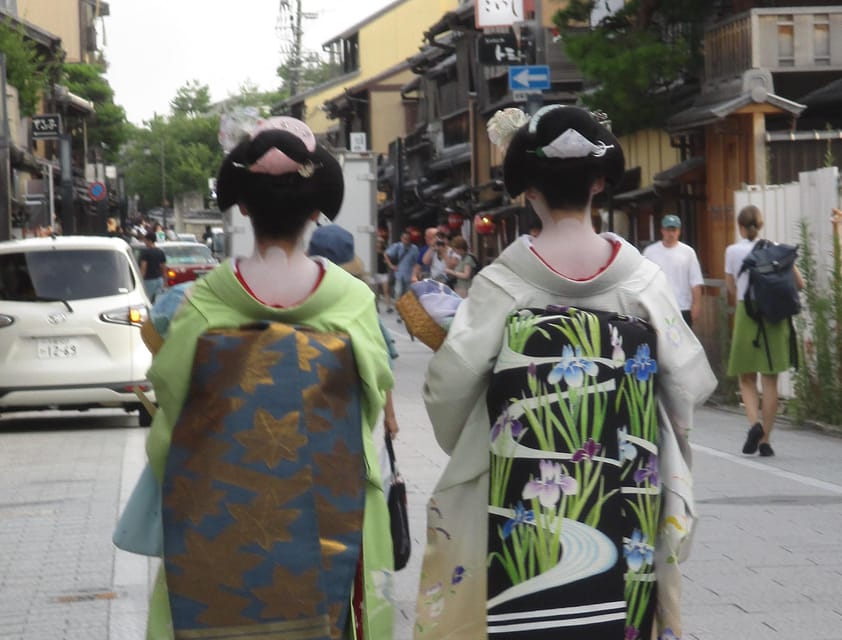
- Italian guide Omae: explanations in Italian, timed to what you are looking at in the moment
- Kiyomizu-dera first: a full visit window that lets the temple area sink in
- Sannenzaka and Ninenzaka: classic shopping lanes built for strolling and people-watching
- Gion focus: a guided stop that helps you understand what you are seeing, not just pass by it
- Pontocho finish: you end in a lively, photogenic area for an easy next step
- Short itinerary, clear flow: start at Kyoto Station, a quick ride, then mostly on foot
How the Kiyomizu-dera to Gion route tells Kyoto’s story
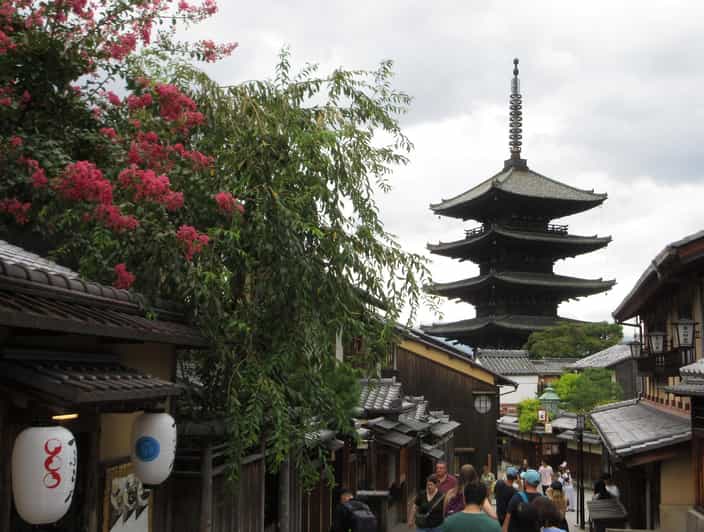
This tour follows one of Kyoto’s best “move through time” patterns. You begin where many people land, Kyoto Station, then take a short bus ride to the Kiyomizu-dera area. From there, you spend time on the pilgrimage lanes that connect the temple to the surrounding streets.
What I like about this approach is that it makes the geography do the talking. The Kiyomizu-dera area developed over centuries, and the walking route reflects that. You are not stuck inside a single complex. Instead, you go from temple spirituality to everyday Kyoto life, with souvenir shops, sweets, and cafes lining the lanes. That mix is exactly what gives these neighborhoods their energy.
Also, the pacing is built for real attention. You get a dedicated 1-hour visit at Kiyomizu-dera, then the walking segments are short, so you can enjoy the streets without feeling like your only job is to move forward.
Getting there from Kyoto Station, and why the meeting point matters
Your tour starts at Kyoto Station, North Entry (Karasuma-Guchi). The meeting point is specific: on the space between the four escalators in front of the cab terminal, on the east side just outside the central north entrance of the station.
This detail matters more than it sounds. Kyoto Station is big, and first-morning confusion is real. The good news: you get an email by the day before with confirmation and meeting-point directions, and the tour is clearly set up to get you into the flow quickly.
From there, it is a brief bus or coach transfer of about 15 minutes. That is enough to make the start easy, without eating the day. Then you are out in the temple area and ready for walking.
If you like tours that respect your energy, this structure helps. You do not spend half the tour commuting across town.
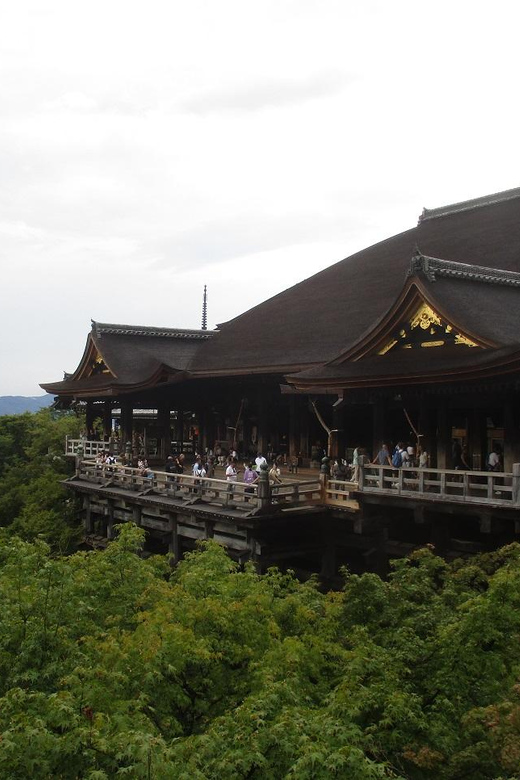
The wooden stage above the hillside
- Kyoto: Tea Ceremony in a Traditional Tea House in Kiyomizu
★ 4.9 · 3,519 reviews - Kyoto: Nijo Castle, Kiyomizu & Fushimi Inari Guided Tour
★ 4.7 · 700 reviews - Kyoto: Nijo, Kinkaku-ji, Arashiyama, Kiyomizu & Fushimi Inari
★ 5.0 · 699 reviews - Kyoto Tea Ceremony & Kiyomizu-dera Temple Walking Tour
★ 5.0 · 115 reviews
Kiyomizu-dera visit: the heart of the pilgrimage lanes
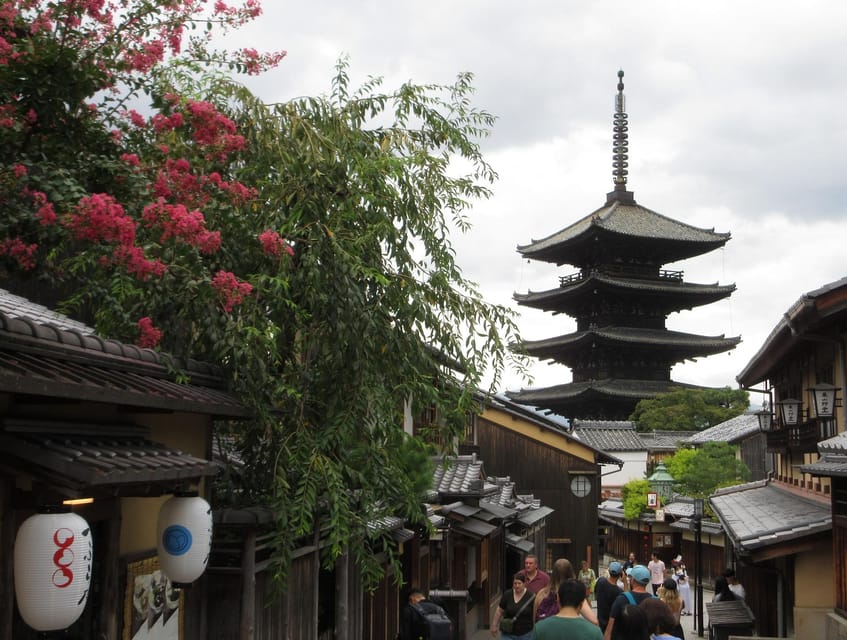
At Kiyomizu-dera, you get a guided visit and sightseeing time of about 1 hour. This is not just a quick look at a temple backdrop. You have enough time for your guide to connect the religious and historical context to the places you see.
Why that matters: Kyoto’s temples are visually impressive, but they can feel vague if nobody puts the meaning in your hands. A good guided explanation helps you notice details you might otherwise skip. You start to understand how Kiyomizu-dera fits into the broader pilgrimage tradition, and why people historically walked these routes rather than simply arriving by transit.
Also, Kiyomizu-dera is the anchor of the whole day. Everything after is easier to appreciate once you have this starting point. You are already thinking in Kyoto time, not just camera time.
Practical tip: arrive mentally ready to slow down once you are there. The value of the guided part is in the pauses, not just the photo stops.
Sannenzaka and Ninenzaka: why the lanes are more than scenery
After Kiyomizu-dera, you move on foot. The itinerary includes short walks through two of Kyoto’s best-known strolling streets: Sannenzaka and Ninenzaka.
- Sannenzaka is reached by a short walk (about 3 minutes). It is one of those lanes where the street itself feels like a museum exhibit, except you can taste snacks and browse along the way.
- Ninenzaka follows soon after (about 2 minutes), and you continue the on-foot progression through the area (there is also a longer walking segment of about 15 minutes later in the sequence).
Here is what I think makes these lanes work in a guided format. Without context, these streets can blur together as “shops and sweets.” With a guide, they become a way to read daily life around a major religious site. You start to see how tourist fun and traditional atmosphere coexist in the same corridor.
And yes, there are plenty of stores and cafes. That is part of the experience. You will have a natural chance to snack, warm up, or just watch the flow of people heading in and out.
If you care about Kyoto beyond the Instagram highlights, this is where the tour earns its keep.
Gion visit and the Kyoto Minami-za pass-by
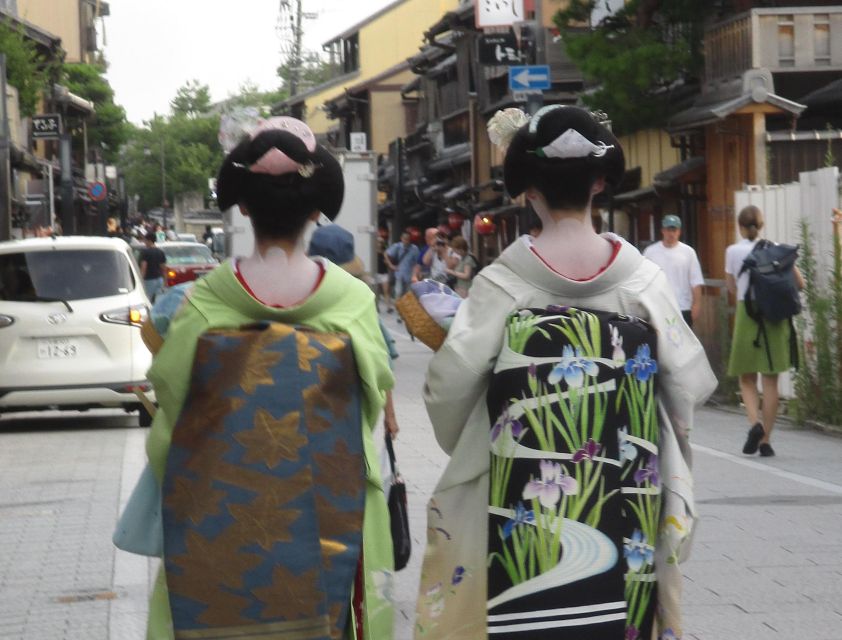
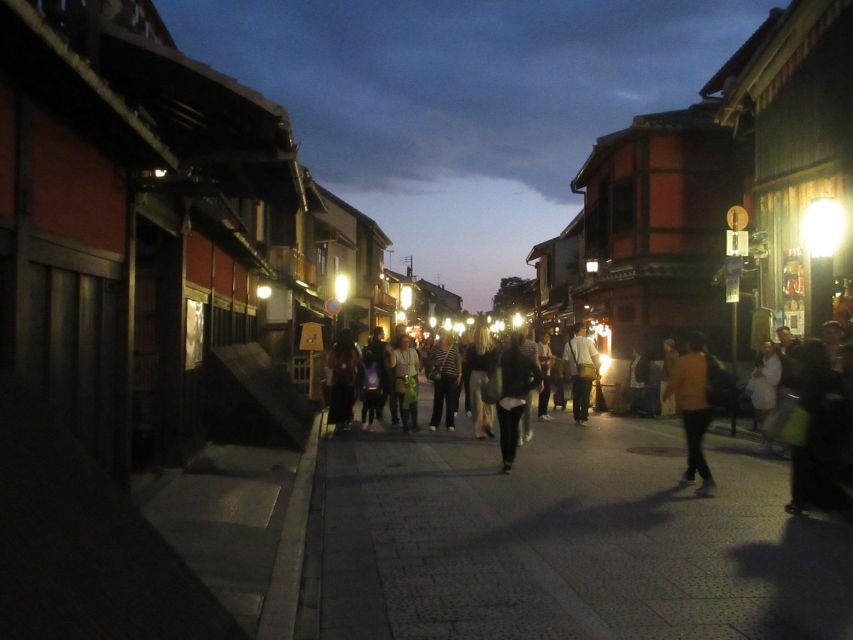
Next up is Gion, with about 30 minutes of guided sightseeing. Gion is one of Kyoto’s most famous districts, and it can be tempting to treat it like a photo zone. The smarter play is what this tour supports: you slow down and let the guide explain what you are seeing as you pass key points.
After that, you pass by Kyōto Minami-za (about 3 minutes). Even with only a brief pass-by, it is a useful pause. This kind of stop gives you a fuller sense that Gion is not frozen in time. Kyoto’s cultural life keeps going, day after day.
One thing I like about ending this segment with a clear next step is that Gion can sprawl. By keeping the time focused, you avoid the common mistake of walking around a famous neighborhood and forgetting what made it special in the first place.
Pontocho finish: the best kind of let’s-keep-going ending
The tour ends in Pontocho. From the last on-foot segment, you finish after a short walk (about 3 minutes).
Pontocho is a great finish for an easy continuation because it feels like a natural “next chapter.” You can regroup, grab a drink, and decide what you want to do after the tour without feeling like you are still trapped in a tight schedule.
Also, the tour ends closer to where many people like to wander at night. That gives you flexibility. If you still have energy, you can keep exploring. If not, you have a clear landing spot.
This is the kind of ending I appreciate: not an awkward drop-off in the middle of nowhere, but a recognizable area with atmosphere.
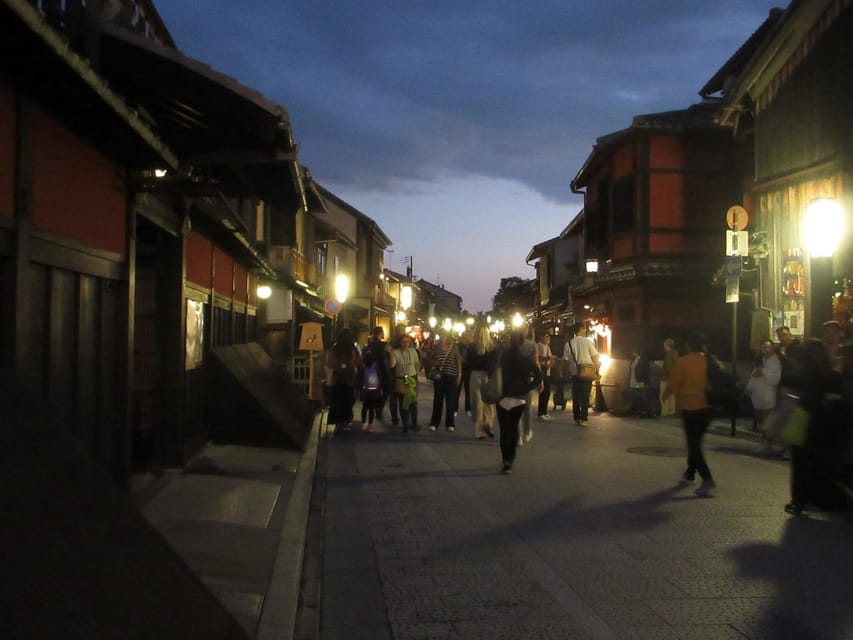
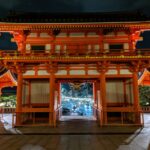
Lantern-lit streets of the geisha quarter
What you learn with an Italian-speaking guide (and why it changes everything)
The standout element is the live guide in Italian. The route is full of “small signals” that are easy to miss without help: the meaning of pilgrimage movement, the role of temple-centered neighborhoods, and the way historic streets support a visitor experience.
The reviews you have likely read on similar tours tend to focus on the same core point: a good guide turns the day from sightseeing into understanding. For this tour, the guide name that shows up again and again is Omae. The tone described is friendly and energetic, but also careful with details, which is exactly what you want when you are learning a different cultural framework.
Here is my practical take: if you do not speak Japanese, a guided walk in a dense city like Kyoto is one of the best value investments you can make. You get interpretation without needing to hunt down answers between stops.
And because the guide answers questions along the way, you can follow your own interests. Maybe you are curious about the religious tradition, or maybe you care more about the streets and everyday life. Either way, the structure supports it.
Duration and pacing: a 5-hour plan that actually feels manageable
This tour is 5 hours total. That sounds short until you consider the basics. You start at Kyoto Station, take a 15-minute transfer, then spend time at Kiyomizu-dera, move through Sannenzaka and Ninenzaka, visit Gion, and finish at Pontocho.
The pacing does not waste time. The walking sections between major streets are intentionally short, so you can enjoy the lanes instead of just trudging through them.
If you are planning Kyoto as a first-time visitor, this kind of half-day plan helps you in two ways:
- It gives you a high-impact overview with cultural context.
- It leaves the rest of the day open for extra exploration, shopping, or another neighborhood.
Price and value: what $117 includes and who it makes sense for
The price is $117 per person, and it includes transport and entrance tickets for the monuments scheduled during the itinerary. On its face, that is not a bargain-basement cost. But value in Kyoto is rarely about choosing the cheapest option. It is about how much you avoid common expenses and time sinks.
Here is how this price tends to work in your favor:
- Transport is included, so you are not adding another layer of planning or ticketing.
- Entrance tickets are included, so you do not lose time figuring out access rules once you arrive.
- You also get 5 hours of a live guide, which is the main upgrade you feel while walking.
This tour is especially good if you want Italian language support and you prefer a structured plan. If you are confident navigating on your own and already know exactly what you want at Kiyomizu-dera and Gion, you could DIY. But if you want meaning, flow, and fewer decisions, this one earns its cost.
Who this tour fits best
This experience is a strong match if you:
- want an Italian-guided introduction to Kyoto’s temple area and classic neighborhoods
- like the idea of a walking route with short segments and clear stops
- care about understanding cultural and religious context, not just taking photos
- want a single-day thread connecting Kiyomizu-dera to Gion and ending in Pontocho
It is also listed as wheelchair accessible, which is helpful information if mobility is a factor for you. The route includes walking portions, so it is wise to think about how comfortable you are with moving between areas while using accessibility support.
Should you book this Kyoto Kiyomizu-dera and Gion tour?
I would book it if your ideal Kyoto morning includes temple atmosphere, historic streets, and a guide who can explain it in Italian. The combination of Kiyomizu-dera plus Sannenzaka and Ninenzaka, then Gion, then a clean finish in Pontocho is a smart way to get a lot of Kyoto character without needing a full day.
I would reconsider if you hate walking, or if you prefer to spend long stretches lingering at just one site rather than following a set route. Also, if you already have a very strong guidebook plan for Kiyomizu-dera and you want full freedom, you might feel constrained by the fixed flow.
But for most visitors, the included tickets, the transport, and the guided Italian explanations make it a practical, high-value way to experience Kyoto’s most memorable corridors.
FAQ
What is the duration of the tour?
The tour lasts 5 hours.
How much does the tour cost?
The price is $117 per person.
Is the tour guided in Italian?
Yes. The live tour guide speaks Italian.
Where do I meet the guide?
Meet at Kyoto Station, North Entry (Karasuma-Guchi), at the space between the four escalators in front of the cab terminal, toward the east just outside the central north entrance.
What does the tour include in the price?
The price includes transport and entrance tickets for the monuments scheduled during the itinerary.
What are the main stops?
You start in Kyoto Station, visit Kiyomizu-dera, walk through Sannenzaka and Ninenzaka, visit Gion, pass by Kyōto Minami-za, and finish in Pontocho.
Is free cancellation available?
Yes, you can cancel up to 24 hours in advance for a full refund.
Is the tour wheelchair accessible?
Yes, the activity is listed as wheelchair accessible.
New This Season
- Koyasan Day Trip by Private Car from Kyoto
- Old Port Town and Ultimate Sake Tasting Private Tour From Kyoto
- Kyoto’s Timeless Charm: 3hr Exploration of History and Peace
- Kyoto: 5 Types of Sushi Making
- Sacred Peak & Ancient Paths: Kurama-Kibune Hiking Experience
- Kyoto: Exclusive ZEN practice at Manpukuji temple in Uji
- Kyoto: Private Seasonal Aroma Yoga Class
- Traversing Kyoto’s Scenic West – Arashiyama to Kinkakuji
Gion Geisha Quarter Walks, compared.
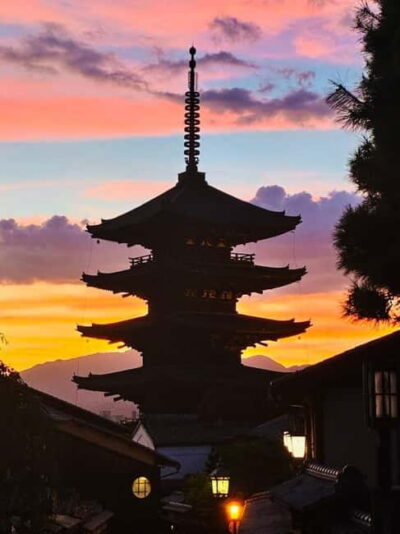
Kyoto Geisha Walking Tour: Gion District & Hidden Gems
Read our review →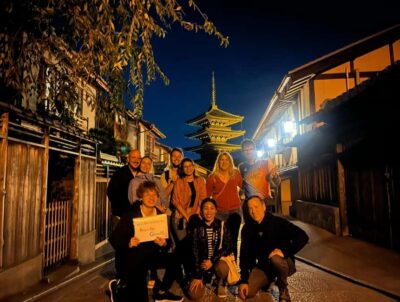
Gion Magical Night Walking Tour with Geisha Trivia
Read our review →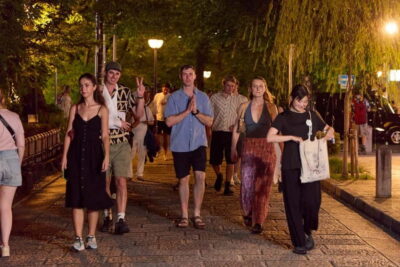
Gion Geisha District Walking Tour – Stories of Geisha
Read our review →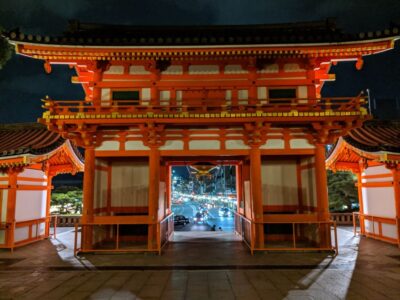
Best of Kyoto: Gion, Geisha, Pagodas & Cobblestones
Read our review →
Kyoto Night Foodie Tour in Gion (9+ dishes + 6 Sake tastings)
Read our review →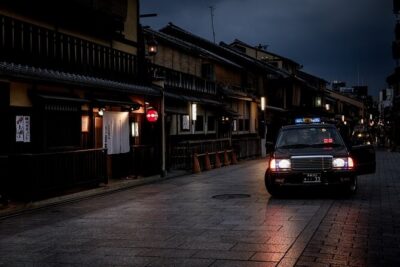
Kyoto Gion Geisha District Walking Tour – The Stories of Geisha
Read our review →
Kyoto Gion: 2-Hour Geisha Culture & History Walking Tour
Read our review →Also filed under