
Reviewed · GION GEISHA QUARTER WALKS
Kyoto: The Original Geisha Walking Tour (established 2002)
Kyoto has a way of feeling both old and human. This 105-minute walk through Hanamachi with Peter MacIntosh is a smart mix of storytelling, street-level viewing, and practical photography tips. I especially like that it stays grounded in real life details, not spooky myths or movie leftovers.
There is one real consideration: you are not guaranteed to see maiko or geiko along the way. If that sight is your only goal, you may feel a little let down, even though the cultural walk itself is solid.
In This Review
- Key things that make this geisha tour worth your time
- Why Peter MacIntosh is the right guide for this Hanamachi walk
- Meeting at Minamiza Kabuki Theatre on Shijo and Kawabata
- The 105-minute structure: enough time to look, not enough to get bored
- Hanamachi cobblestones and traditional architecture: where the real viewing happens
- Geisha culture myths, misconceptions, and the flower-and-willow lens
- When you might spot maiko or geiko, and how to handle it respectfully
- Photography tips, plus the rules that keep things polite
- What you should bring (and what will make the walk easier)
- Price and value: is $54 a fair deal for 105 minutes?
- Who this tour fits best, and who should skip it
- Practical etiquette: how to get more out of the walk
- Should you book the Kyoto Original Geisha Walking Tour?
- FAQ
- Where does the tour start and what time is it?
- How long is the Kyoto: The Original Geisha Walking Tour?
- Is the tour in English?
- Is it a small group tour?
- Can I take photos during the tour?
- Will I definitely see maiko or geiko?
Key things that make this geisha tour worth your time
- Peter MacIntosh’s 30 years of research turns geisha culture into clear, everyday explanations you can actually use while you look.
- Small group size (up to 9) means more Q&A and fewer awkward moments when you want to ask about what you are seeing.
- Hanamachi cobblestone strolling focuses on the traditional architecture and street atmosphere, not just quick photos.
- Photography guidance included, plus a set of souvenir postcards you can take home as a simple memory anchor.
- Myth-busting approach helps you separate performance and symbolism from what you might be assuming.
Why Peter MacIntosh is the right guide for this Hanamachi walk
This tour is led by Peter MacIntosh, an English-speaking geisha culture expert who brings three decades of research and stories into the walk. That matters because geisha culture is easy to misread if you only know what movies, woodblock prints, or headlines have told you.
You will also notice the difference between facts and interpretation. Peter does not just point at things, he helps you understand what those details mean and how to watch with respect, especially when a moment involves privacy.
Meeting at Minamiza Kabuki Theatre on Shijo and Kawabata
You meet at the front of Minamiza Kabuki Theatre, right at the corner of Shijo and Kawabata. The start time is 4:00 p.m., and the tour finishes around 5:45 p.m., so it fits well between an earlier dinner plan and an evening wander.
A big plus is the small group limit of 9 people. On a tour like this, that size keeps the vibe calmer when you are learning street etiquette and when someone spots a geisha or maiko nearby.
Lantern-lit streets of the geisha quarter
- Kyoto Geisha Walking Tour: Gion District & Hidden Gems
★ 4.7 · 3,273 reviews - Kyoto: Gion Magical Night Walking Tour with Geisha Trivia
★ 4.9 · 2,393 reviews - Kyoto: Gion Geisha District Walking Tour – Stories of Geisha
★ 4.7 · 2,187 reviews - Best of Kyoto: Gion, Geisha, Pagodas & Cobblestones
★ 4.9 · 2,058 reviews
The 105-minute structure: enough time to look, not enough to get bored
The timing is built for a focused walk. You have about an hour and three quarters to move through the Hanamachi atmosphere, absorb explanations, and ask questions without feeling rushed to the next stop every few minutes.
What you likely feel in practice is a steady rhythm: look around, get context, then look again with new eyes. That is the real value of a guided approach here, because Hanamachi is full of cues, but most of them are easy to overlook on your own.
Hanamachi cobblestones and traditional architecture: where the real viewing happens
The heart of the experience is a scenic stroll through Kyoto’s famous Hanamachi districts. The tour leans into the street experience: cobblestones, traditional architecture, and the visual cues that shaped how geisha culture was presented for generations.
You are not just sightseeing. You are learning how to notice details without turning the street into a stage. That includes understanding why certain moments should be treated gently and why your timing, posture, and tone matter.
Geisha culture myths, misconceptions, and the flower-and-willow lens
This is where the guide’s research time really shows. The tour is designed to answer questions, correct misconceptions, and explain what geisha culture is like past and present, in plain language.
Peter’s background also means you get more than a one-note lecture. You get stories and context that help you decode what you are seeing, whether it is related to etiquette, roles in the community, or why certain images stuck in art and media.
A helpful thing for you as you walk: the tour gives you a mental checklist for what to ask. Not, Who are they? but What am I looking at, and what does it mean in this setting?
When you might spot maiko or geiko, and how to handle it respectfully
The tour keeps expectations honest. You might see real maiko and geiko, but there is no guarantee, and you should be prepared for the possibility that you do not catch sight of anyone on the way.
If you do spot someone, the best move is to act like you are a respectful passerby, not a hunter. The tour’s rules and guidance around privacy are there for a reason, and they help protect both locals and visitors.
You also do not need a sighting to get value. The explanations you hear along the walk help you understand why the district looks the way it does, and that makes the whole experience feel worth it even without a close encounter.
A quieter way to spend a day in Kyoto


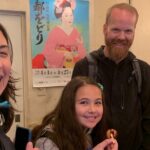

Photography tips, plus the rules that keep things polite
Photography is part of the experience, but it comes with boundaries. You are allowed to take photos, yet you should respect the privacy of geishas and locals, and there are limits on how you shoot.
Here is what is specifically not allowed:
- Tripods
- Video recording
- Audio recording
That setup changes how you photograph. You will likely shoot quickly, keep your distance, and avoid blocking foot traffic, which is exactly what you want in a residential, working district.
You also get a set of souvenir postcards included. Think of them as a low-effort way to keep a memory of the walk, especially if you find yourself too focused on looking carefully for your camera to catch everything.
What you should bring (and what will make the walk easier)
This walk is simple gear-wise. Bring comfortable shoes first, because you are moving through Kyoto streets for about 105 minutes. Add a camera if you want to use the photo tips, and water so you stay comfortable when weather shifts.
Also plan for any weather. The activity can run in different conditions, so dressing for layers and rain protection is smart.
Because the tour is not for small kids, it is also more likely to stay calm and focused. Not suitable for children under 8 years means you are less likely to have interruptions that break the learning flow.
Price and value: is $54 a fair deal for 105 minutes?
At $54 per person for about 105 minutes, the value comes from three things you cannot easily replicate alone: an expert guide, a structured walk through Hanamachi, and tailored photography coaching.
If you are the type who likes to understand what you are seeing, this price is easier to justify. You are paying for interpretation and context, not just access to a famous neighborhood. The postcards included add a small extra touch, but the real value is that you walk with someone who has studied the culture for years.
If your main goal is photos, you will still likely enjoy it, but you should come expecting respectful limits and a slower, observation-first pace.
Who this tour fits best, and who should skip it
This tour is a strong match for adults and older teens who want a clearer understanding of geisha culture in Kyoto. It is also a good fit if you care about photography and want guidance on what to capture without being intrusive.
It is less ideal if:
- you are traveling with very young children
- you hate walking, even at a moderate pace
- you only want a guaranteed chance to see geiko or maiko
The tour is wheelchair accessible, which is a meaningful benefit if you need mobility options in Kyoto streets.
Practical etiquette: how to get more out of the walk
You will enjoy this more if you treat it like learning to observe. Keep your voice low, move with the flow of pedestrians, and do not rush the guide or the group when something is being explained.
Because photography is allowed but restricted, focus on respectful shots. Avoid staging, do not block doorways or paths, and follow the guide’s reminders about privacy.
Finally, bring curiosity. Peter’s style of myth-busting and explanation works best when you are willing to ask questions and adjust what you think you already know.
Should you book the Kyoto Original Geisha Walking Tour?
I would book it if you want a thoughtful, street-level introduction to geisha culture with a real expert and a small group. The combination of Peter MacIntosh’s 30 years of research, the Hanamachi walking format, and the photo tips makes it a practical choice, not just a sightseeing stop.
Skip it or reconsider if you need a guaranteed maiko or geiko sighting. This walk is about learning and respectful viewing first, and the chance to see someone is luck-based.
If you want, tell me your travel dates and what you care about most, geisha culture, photography, or the atmosphere of Hanamachi, and I can suggest what time of day and pacing will likely feel best with your other Kyoto plans.
FAQ
Where does the tour start and what time is it?
You meet in front of Minamiza Kabuki Theatre at the corner of Shijo and Kawabata. The tour starts at 4:00 p.m. and finishes around 5:45 p.m.
How long is the Kyoto: The Original Geisha Walking Tour?
The duration is 105 minutes.
Is the tour in English?
Yes, it is a live tour guide in English.
Is it a small group tour?
Yes. The group is limited to 9 participants.
Can I take photos during the tour?
Photography is allowed, but you should respect the privacy of geishas and locals. Tripods, video recording, and audio recording are not allowed.
Will I definitely see maiko or geiko?
There is no guarantee of seeing maiko and geiko along the way. You might see them, but it depends on what happens during the walk.
New This Season
- Koyasan Day Trip by Private Car from Kyoto
- Old Port Town and Ultimate Sake Tasting Private Tour From Kyoto
- Kyoto’s Timeless Charm: 3hr Exploration of History and Peace
- Kyoto: 5 Types of Sushi Making
- Sacred Peak & Ancient Paths: Kurama-Kibune Hiking Experience
- Kyoto: Exclusive ZEN practice at Manpukuji temple in Uji
- Kyoto: Private Seasonal Aroma Yoga Class
- Traversing Kyoto’s Scenic West – Arashiyama to Kinkakuji
Gion Geisha Quarter Walks, compared.
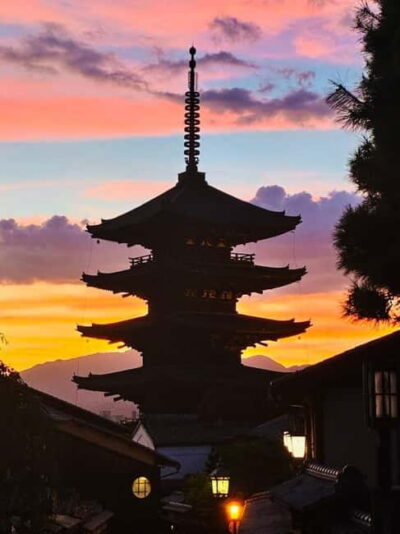
Kyoto Geisha Walking Tour: Gion District & Hidden Gems
Read our review →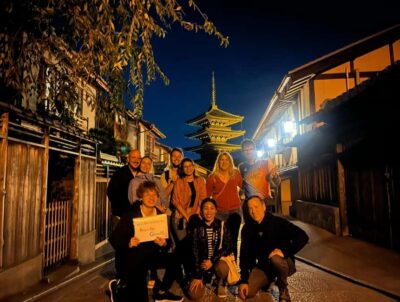
Gion Magical Night Walking Tour with Geisha Trivia
Read our review →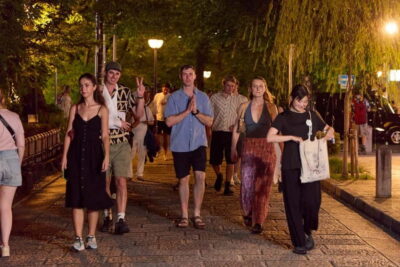
Gion Geisha District Walking Tour – Stories of Geisha
Read our review →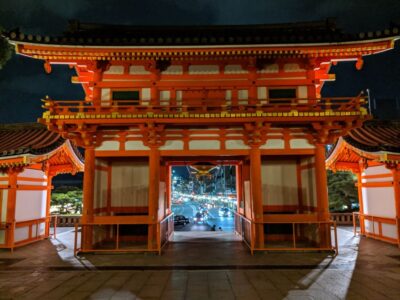
Best of Kyoto: Gion, Geisha, Pagodas & Cobblestones
Read our review →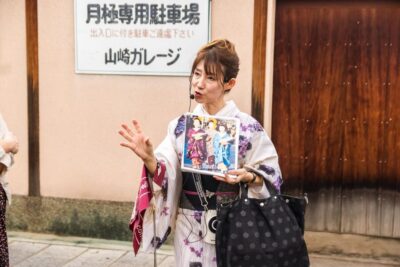
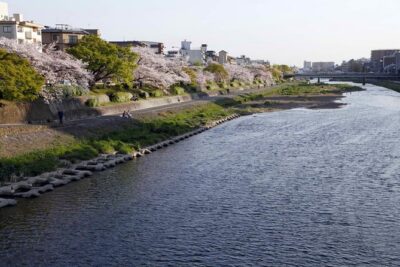
Kyoto Night Foodie Tour in Gion (9+ dishes + 6 Sake tastings)
Read our review →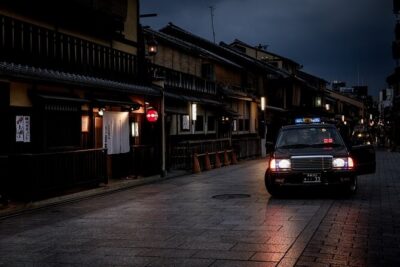
Kyoto Gion Geisha District Walking Tour – The Stories of Geisha
Read our review →
Kyoto Gion: 2-Hour Geisha Culture & History Walking Tour
Read our review →Also filed under