Reviewed · ZEN MEDITATION SESSIONS
Kyoto: Toji Temple Walking Tour with Meditation Guide
Quiet Kyoto helps your mind slow down. This Toji Temple walking tour pairs history with a guided meditation session, so what you see has meaning, not just scenery. It’s a focused 1-hour experience that stays centered on practice and context.
I like the small group setup, and how the guide explains the Buddhist schools connected to Toji and Japan. When Roy is leading, his teaching style is practical, and the meditation feels shaped for both first-timers and people who meditate regularly. The main drawback is the walking format, so this tour is not suitable for people with mobility impairments.
In This Review
- Key things I’d plan for on this Toji meditation tour
- Why Toji Temple practice feels different in this 1-hour format
- Starting at the South Gate (なんだいもん), then orienting your senses
- Founder stories and the Buddhist schools your guide will connect to Toji
- Esoteric Buddhism: what it is and why the tour frames it spiritually
- Meditation guidance that actually fits beginners and regular practitioners
- How the walking tour portion sets up what you notice during meditation
- Practical details that affect your comfort and your photos
- Wear and behave
- Photography rules
- Entry fees and what you must plan for
- Price and value: is $35 for 1 hour a fair deal?
- Who should book this Kyoto Toji Temple meditation tour
- A realistic heads-up: what could feel challenging
- Should you book this Toji Temple meditation tour?
Key things I’d plan for on this Toji meditation tour
- Meet at the South Gate (なんだいもん) on the south side of the temple, so you avoid wandering in circles.
- A short, 1-hour structure that mixes temple context with guided practice.
- Esoteric Buddhism explained in plain terms, including what makes it different from other branches.
- Meditation in a tranquil hall that feels removed from the usual rush.
- English and Chinese live guides, with small-group attention that helps you keep up.
- Photography rules inside vs outside, so you know where you can and cannot take photos.
Why Toji Temple practice feels different in this 1-hour format
Toji Temple is a World Heritage Site, but this tour is not about rushing through big highlights. The point is to slow down just enough to notice how Buddhism shows up in daily spirituality: teaching, ritual, and mind training.
In a lot of temple visits, you get the architecture and the general facts, then you move on. Here, the walking tour is built to connect history with lived practice. That makes the place feel less like a stop and more like a classroom.
The meditation portion is also a key reason this experience works. Even if you know nothing about Buddhism, you’re not left guessing what to do or how to sit. If you’ve meditated before, you can still use the guidance to sharpen your attention.
Starting at the South Gate (なんだいもん), then orienting your senses
You’ll meet at Toji Temple’s SOUTH Gate (なんだいもん), on the south side. Getting the meeting point right matters more than people think. Kyoto temple grounds can feel easy to get lost in, especially when you arrive a few minutes late and your brain is already stressed.
From there, the tour keeps a walking rhythm that stays inside the temple atmosphere. Expect time spent moving through the grounds while your guide sets the theme: why this temple matters, who shaped its influence, and how different schools of Buddhism approach practice.
Tip: wear comfortable walking shoes. The session is only 1 hour, but it’s still a real walk, and you’ll want your body to feel steady during the meditation portion.
Sit in silence at a Zen temple
- Kyoto Zen Meditation & Garden Tour at a Zen Temple with Lunch
★ 5.0 · 441 reviews - Kyoto: Zen Experience in a Hidden Temple
★ 5.0 · 437 reviews - Kyoto: Tea Ceremony Meditation – Make Matcha with Tea Master
★ 4.8 · 406 reviews - Kyoto: Zen Meditation at a Private Temple with a Monk
★ 5.0 · 202 reviews
Founder stories and the Buddhist schools your guide will connect to Toji
One of the most valuable parts of this tour is that you get history tied to identity. You learn about Toji Temple’s background and the founder’s impact on Japan’s culture, society, and spirituality. That’s not just trivia. It helps you understand why the temple’s teachings mattered beyond religious ceremony.
Then the guide shifts to Buddhist schools. You’ll learn about the different factions, also called schools, and how their practices differ. This matters because it gives you a map for what you’re seeing. Without that, temples can feel like isolated buildings. With it, the symbols and rituals start to make logical sense.
What I like about this approach is the tone. You’re not expected to already know terminology. The tour is designed for long-time meditators, beginners, and people who know nothing about Buddhism, which keeps explanations practical rather than academic.
Esoteric Buddhism: what it is and why the tour frames it spiritually
The tour highlights the esoteric branch of Buddhism and explains why it holds spiritual significance. This is one of the unique angles here, because esoteric Buddhism often gets lumped into vague statements when people try to learn on their own.
On this walking tour, you get a clearer idea of what makes esoteric practices distinct from other branches. You’ll learn about associated practices linked to this tradition, and how those practices relate to mind training and spiritual focus.
If you’ve ever wondered why certain Buddhist teachings feel more ritual-based or instruction-heavy than others, this part helps. It gives you a reason for the style of practice, not just a description.
And because the tour includes meditation guidance, the esoteric section isn’t only intellectual. It becomes something you can experience in a small way, which tends to make the concepts stick.
Meditation guidance that actually fits beginners and regular practitioners
The meditation experience is built for mixed experience levels. That’s the real win. You might be new to meditation, or you might already have a routine. Either way, the guide’s goal is to meet you where you are and help you participate comfortably.
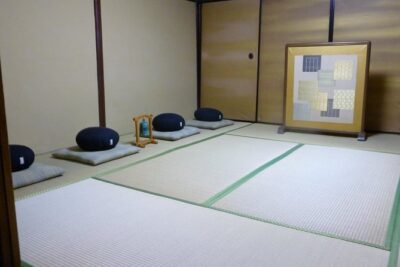
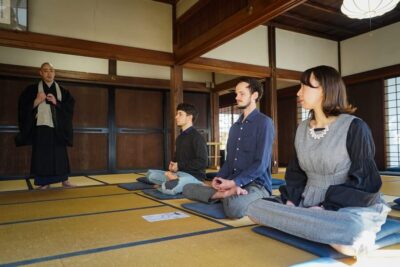
You also sit in a tranquil hall that feels quieter than what many people experience. That detail matters. Meditation is sensitive to environment. If the space feels calm and intentional, it becomes easier to settle.
Here’s what you should pay attention to as you’re being guided:
- Follow the guide’s cues at your own pace, even if you feel self-conscious at first.
- Don’t force deep clearing of the mind. In guided settings, the goal is usually steady attention, not instant enlightenment.
- Treat the sitting time as training. Even a short session can make your next minutes in the temple feel different.
A small group helps here, too. The tour data says the experience is limited to 1 participant, so you’re not competing for attention or hoping the guide notices you missed a step.
How the walking tour portion sets up what you notice during meditation
Even though the tour is short, the walking part does something important: it prepares your attention. Your guide uses the temple setting as a living context, connecting what you’re learning to how meditation feels.
So instead of walking in, hearing a lecture, then leaving, you go through a sequence:
- Orientation at the South Gate, then movement through the temple atmosphere.
- History and founder impact, then the different Buddhist schools.
- Focus on esoteric Buddhism and its practices.
- Meditation guidance in a calm indoor space.
- Time to absorb what all that means in your own body and mind.
The benefit is that you’re not just collecting facts. You’re building an experience. That’s why people tend to remember tours like this more than standard temple checklists.
More rooftops worth a detour

Practical details that affect your comfort and your photos
This is where you can save yourself headaches.
Wear and behave
- Wear comfortable clothing suitable for walking.
- Arrive 10 minutes early to meet the guide.
- No pets, and no smoking.
Photography rules
- Photography is not allowed inside temple buildings.
- Outdoor photography is allowed, but be respectful.
That inside-outside split is common at temples, but it can still catch you off guard. If you love photos, plan on taking them outside where you can, and save your phone away during the meditation space and inside structures.
Entry fees and what you must plan for
Entry fees are not included, and transportation to the temple is also not included. So budget for any separate temple admission costs and plan how you’ll get there on your own.
Price and value: is $35 for 1 hour a fair deal?
At $35 per person for a 1-hour guided experience, the value comes from what’s included, not just the headline price.
You’re paying for:
- A guided walking tour
- Historical and cultural insights
- An introduction to Buddhist practices
- Live guidance in English and Chinese
- A meditation component adapted for different experience levels
What’s not included matters too. You still handle transportation and any entry fee. Also, meals and drinks are not included, so treat this as a small mental reset you can fit between other Kyoto plans.
Where the pricing feels especially fair is the attention level. The tour is described as small group, limited to 1 participant. In plain terms, you’re more likely to get guidance that actually lands, whether you’re asking basic questions or trying to follow meditation instructions in real time.
Who should book this Kyoto Toji Temple meditation tour
This tour fits well if you want spiritual context without getting lost in explanations you cannot use.
It’s a good match for:
- People who like guided structure and want meditation help in a calm setting
- First-time visitors who feel overwhelmed by temple facts
- Meditators who want a short, guided session in a meaningful location
- Anyone curious about esoteric Buddhism and how it differs from other schools
It may not be the best fit if:
- You need mobility accommodations. The tour is not suitable for people with mobility impairments.
- You want a long, self-paced temple wander. This is short and guided, not a free-roam day.
A realistic heads-up: what could feel challenging
The main challenge is physical and timing-related. It’s a 1-hour walking tour with a meditation session, so you should be comfortable walking and then sitting for at least a short stretch.
Also, if you’re the type who expects lots of building photo time, remember that photography is not allowed inside temple buildings. You’ll likely spend more time observing quietly than documenting.
If you can handle those points, you’ll probably enjoy the calm focus. If you want maximum flexibility, you might prefer a temple audio guide plus self-study later.
Should you book this Toji Temple meditation tour?
If your goal is to see Toji Temple with a mind training lens, I think it’s an excellent choice. The combination of walking context, school explanations, esoteric Buddhism focus, and guided meditation gives you something more useful than a standard sightseeing visit.
Book it if you want a short session with a guide who can work with different meditation experience levels, and if you like calm, respectful learning in a World Heritage setting. Skip it if mobility is an issue, or if you’re looking for a long, self-directed explore where you can photograph inside temple buildings.
If that sounds like you, go for it and show up a few minutes early. Your mind will thank you.
More Walking Tours in Kyoto
New This Season
- Koyasan Day Trip by Private Car from Kyoto
- Old Port Town and Ultimate Sake Tasting Private Tour From Kyoto
- Kyoto’s Timeless Charm: 3hr Exploration of History and Peace
- Kyoto: 5 Types of Sushi Making
- Sacred Peak & Ancient Paths: Kurama-Kibune Hiking Experience
- Kyoto: Exclusive ZEN practice at Manpukuji temple in Uji
- Kyoto: Private Seasonal Aroma Yoga Class
- Traversing Kyoto’s Scenic West – Arashiyama to Kinkakuji
Zen Meditation Sessions, compared.
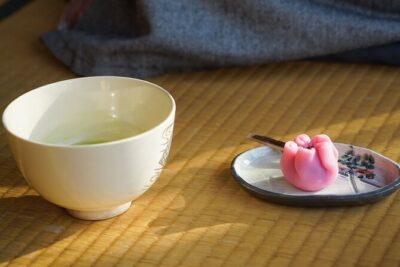
Kyoto Zen Meditation & Garden Tour at a Zen Temple with Lunch
Read our review →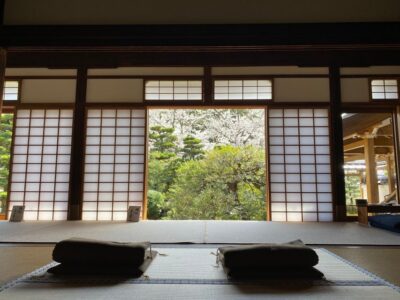
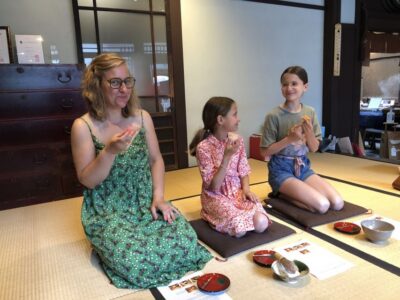
Tea Ceremony Meditation – Make Matcha with Tea Master
Read our review →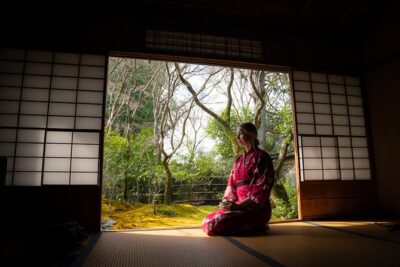
Zen Meditation and Garden Tour at a Temple with Lunch
Read our review →Zen Meditation at a Private Temple with a Monk
Read our review →