
Reviewed · FUSHIMI INARI SHRINE WALKS
Nara and Fushimi Inari, the sacred heart of Japan
Todai-ji and torii gates in one morning is a lot. This tour threads Nara and Fushimi Inari into a single half-day pilgrimage, with a storyteller focused on Japanese rituals and sacred meaning.
I especially like the way it combines two icons that feel very different, yet connected by faith and practice. You also get a small group experience, up to 12 people, which helps the day feel more human.
My second favorite part is the practical “rain, shine, or both” approach, plus the moderate walking pace that suits most visitors who can handle an active day. One possible drawback is the tight schedule: at this duration, you will likely feel you are seeing the highlights rather than lingering for a long, slow visit at each place.
In This Review
- Key Things I’d Pay Attention To
- Nara and Fushimi Inari: what this “sacred heart” day really delivers
- Start at Kyoto Station, then go straight for the “spiritual big hitters”
- Todai-ji Temple and the Great Buddha: a “you feel it” kind of stop
- Nara Park with its deer: how to enjoy it without making it weird
- Transitioning to Fushimi Inari: from open space to a symbolic tunnel
- Walking the torii path toward the inner sanctuary
- Ritual explanations: why a storyteller changes the day
- Rain plans and what to wear for a 6 hour 45 minute walking day
- Price and logistics: is $124.14 per person good value
- Who this tour fits best (and who should choose DIY)
- Practical tips before you go
- Should you book Nara and Fushimi Inari as a tour?
- FAQ
- What is the duration of the tour?
- Where does the tour start and end?
- What time does the tour begin?
- What language options are included?
- Is the tour mostly walking?
- Are entrance fees included in the price?
- What does public transportation cost?
Key Things I’d Pay Attention To
- A focused pairing of Nara and Fushimi Inari keeps the day efficient without skipping the big names.
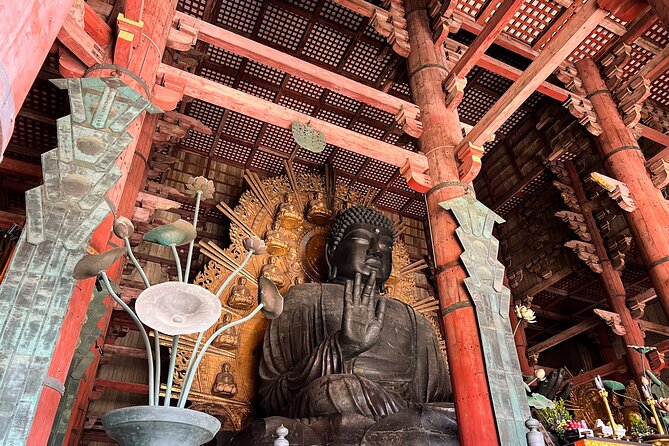
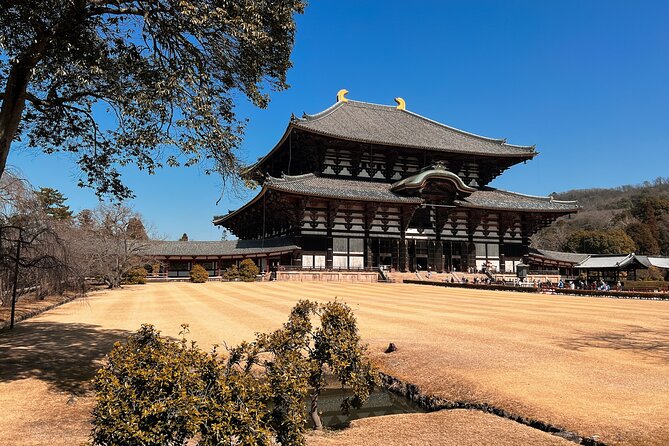
- Todai-ji’s Great Buddha area is a must, and the tour frames why it matters spiritually.
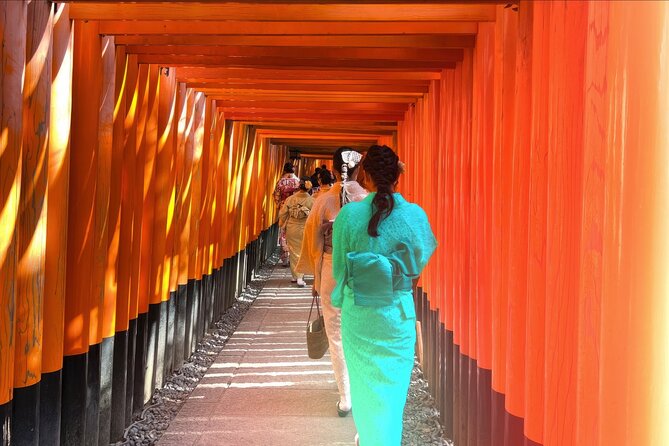
- Fushimi Inari’s torii path is the main event, and you get help spotting what to notice as you walk.
- Small group size (max 12) makes it easier to ask questions and follow along.
- English or Italian storytelling adds meaning beyond just sightseeing.
Nara and Fushimi Inari: what this “sacred heart” day really delivers
This is not a slow, sit-and-think temple day. It is a guided walking day that gives you a clear route and a spiritual lens, starting in Kyoto and ending back at Kyoto Station. The headline is simple: you see the two places people remember for the rest of their trip, Todai-ji in Nara and Fushimi Inari Taisha in Kyoto, then you understand them as living religious spaces.
What makes it interesting is the contrast. Nara feels grounded and open. Fushimi Inari feels vertical and symbolic, with those famous vermilion torii gates shaping your steps. I like that you are not just hopping between photo stops. The storyteller approach is meant to connect each site to the rituals and cultural heritage behind it.
The biggest value you should look for is interpretation. If you want someone to explain what you are looking at, and how to read the sacred details without turning the day into a rushed checklist, this kind of tour can be a good fit.
Start at Kyoto Station, then go straight for the “spiritual big hitters”
The day starts at Kyoto Station Building (address listed as 901 Higashishiokōjichō, Shimogyo Ward) at 9:15 am. The tour ends back at the same meeting point, so you are not scrambling with last trains or trying to match bus schedules after a long walk.
I like this structure because it reduces decision fatigue. Kyoto is easy to get lost in even when you know the areas. Here, you pick a tour, show up on time, and let the logistics be handled. That matters most on days when you also want to enjoy what you are seeing, not just survive moving between crowds.
Group size is capped at 12 travelers. That usually means better flow through stations and less confusion when the group needs to pause for explanations. It is also a better setting for questions, especially if you are interested in the religious side of what you are seeing, not just the architecture.
Still climbing through the orange gates?
- Kyoto: Fushimi Inari, Kinkakuji, Bamboo Grove 1 Day Bus Tour
★ 4.8 · 4,316 reviews - Fushimi Inari Hidden Hiking Tour (Private Option Available)
★ 5.0 · 1,750 reviews - Osaka/Kyoto:Kinkakuji,Arashiyama,FushimiInariShrine,NaraPark
★ 4.1 · 1,596 reviews - Kyoto/Osaka: Nara, Fushimi Inari Taisha, Arashiyama Bus Tour
★ 4.7 · 1,275 reviews
Todai-ji Temple and the Great Buddha: a “you feel it” kind of stop
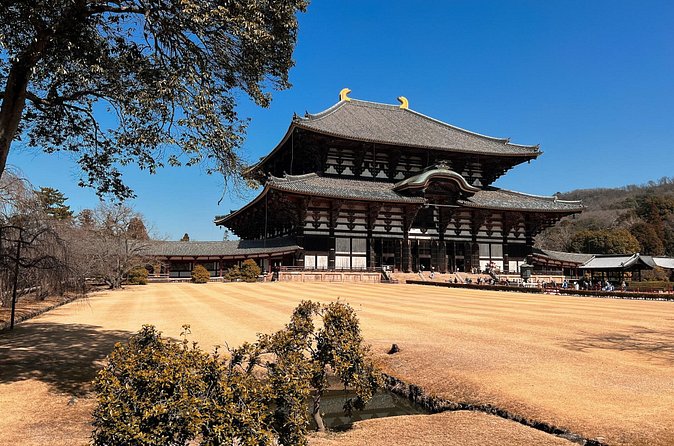
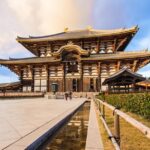
Todai-ji is the morning anchor, and the tour focuses on the area tied to the Great Buddha. Even if you have seen photos, this is one of those places where the scale and solemn vibe land faster than your brain expects. The storyteller framing is the point here, because Todai-ji is not only a landmark. It is a place where practice and belief are part of the experience.
What I’d plan for:
- You will want to spend real attention on the main Buddha area, even if the day overall is time-limited.
- Expect a calm but active visit, where the guide helps you understand what you should notice while moving through the space.
A practical consideration: Todai-ji is a heavy stop. It can feel crowded depending on your timing, and it requires staying focused while moving with the group. If you hate any kind of schedule pressure, you may prefer a DIY day that lets you sit longer.
Still, as a first “sacred heart” lesson, Todai-ji is a strong choice because it gives you a physical sense of devotion. The morning sets the tone for the rest of the day.
Nara Park with its deer: how to enjoy it without making it weird
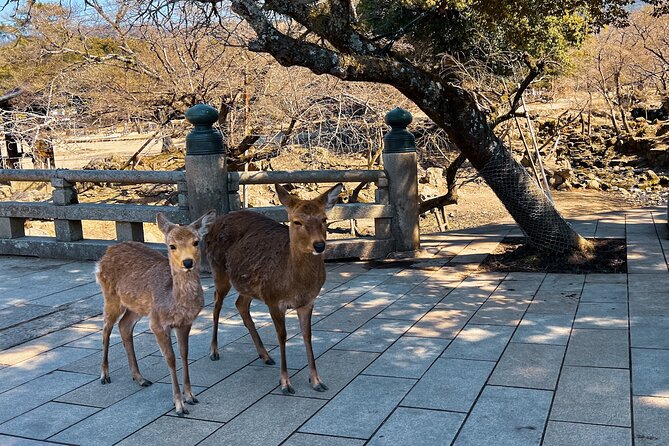
After Todai-ji, you move into Nara Park, where deer roam freely. This is one of those places where the spectacle is the obvious animals, but the real trick is managing behavior. Deer are not background scenery. They are wild animals used to human attention.
So here’s what I recommend you do:
- Keep your distance unless the area feels calm and controlled by the flow around you.
- Be mindful of food behavior. Even if you see people feeding, assume it is not a good idea to follow casually.
- Treat deer like you would treat a crow or a pigeon, it is close, it is not a prop.
The tour’s value is that you are not wandering aimlessly. The guide keeps you moving, which can save time in a park that can feel bigger than it looks. But again, this is a half-day, so you are not going to “soak up” the park for hours. You get a taste, plus context, and then you move on.
If your goal is a photo-heavy deer obsession, this format might feel too structured. If your goal is a meaningful day that includes the deer without turning the day into a feeding frenzy, it fits well.
Transitioning to Fushimi Inari: from open space to a symbolic tunnel
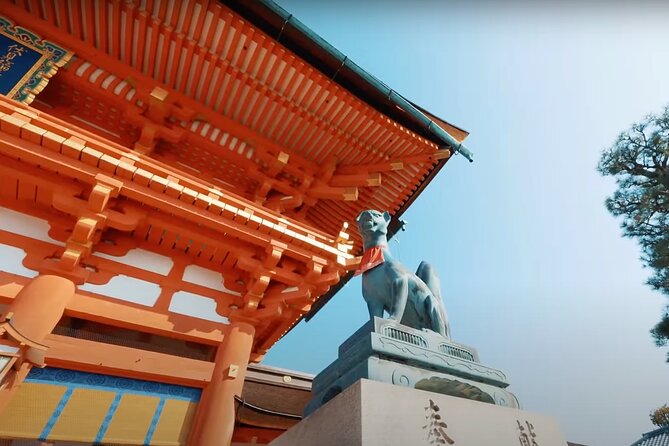
Later, you head to Fushimi Inari Taisha, where the main experience becomes the walking route through the thousands of vermilion torii gates. This part of the tour is where the day turns from “temple visit” into “pilgrimage walk.”
What I like here is how the gates change your pace. Even when the crowd level is high, you can feel your steps become part of the ritual. You are not just looking at an attraction, you are moving along a sacred path designed to lead you deeper.
This is also the part where timing matters. The tour runs about 6 hours 45 minutes total, so you will be in motion most of the day. For many people, that is exactly what they want. For others, it can feel like a lot of standing and walking in one go.
If you have any limits on walking time, plan to slow down where it feels necessary. Fushimi Inari can have long stretches, and you will want to keep energy for the inner sections rather than spending it all at the start for photos.
Walking the torii path toward the inner sanctuary
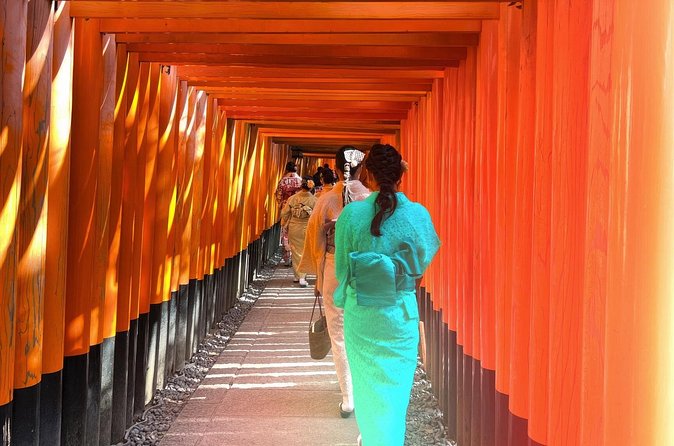
The heart of Fushimi Inari is not only the gates you recognize on postcards. The experience is the progression inward, toward the inner sanctuary area. The tour positions you for that idea, helping you notice what matters as you walk deeper.
Here’s the practical reality:
- You’ll spend a lot of the day on your feet.
- Photos are easy to grab, but the spiritual value comes when you keep your attention on the route and meaning, not only the red gates.
If you go in with a single goal like photos for social media, you might feel the tour is too interpretive. If you want a guided path that tells you how to read what you see, you’ll likely get more out of it.
Also, if you are sensitive to crowds, Fushimi Inari can feel busy. A small group helps because you are not totally on your own, but you still share the space.
Deer that bow back, a short ride away

Ritual explanations: why a storyteller changes the day
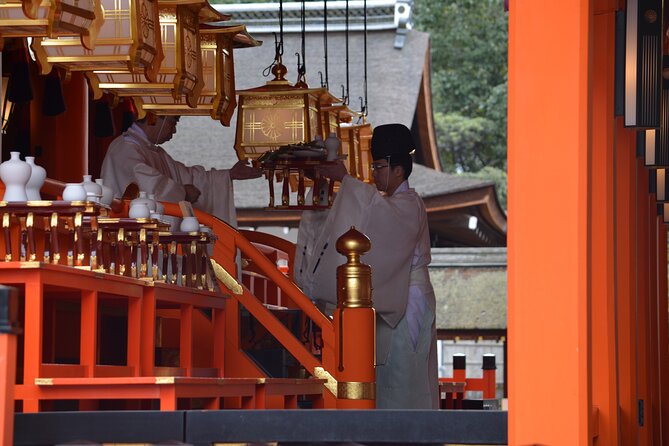
A big piece of this experience is the English or Italian speaking travel storyteller. The tour description promises that you will learn about rituals and Japanese spirituality, so the guide becomes your translator for the meaning behind the sights.
This is one of those “small detail, big difference” things. Without context, Todai-ji and Fushimi Inari can feel like beautiful sites you check off. With context, you are more likely to notice offerings, the logic behind sacred routes, and the reasons temples and shrines have specific patterns.
I also appreciate that the tour leans into spirituality as a shared cultural thread. It is not just Buddhism versus Shinto as separate boxes. The day is meant to show how Japanese sacred practice shapes daily life and symbolism across locations.
There is a rain note too. The tour specifically says it still goes on in rain, shine, or a mix. That means you should pack and dress like you will walk for hours.
Rain plans and what to wear for a 6 hour 45 minute walking day
You should assume you will walk no matter the weather. That does not mean miserable rain is guaranteed, but it does mean you need to be ready.
My clothing advice:
- Wear comfortable shoes you trust for uneven ground.
- Bring a lightweight rain layer.
- If it is raining hard, protect your phone so you can still take photos without stressing.
If you hate being wet, you can still enjoy it. The guide format helps because you do not have to decide on the fly. You follow the plan, keep moving, and focus on the sacred sites rather than managing logistics.
Price and logistics: is $124.14 per person good value
At $124.14 per person, this is not a “cheap day.” The main question is what you are paying for. You are paying for:
- A guided day with an English or Italian speaking storyteller
- A set route from Kyoto Station to Nara, then Fushimi Inari, then back
- Mobile ticket convenience
- Group size limited to 12 travelers
Costs not included can add up. You should budget for:
- Public transportation: about 2,500 JPY if you do not hold a JR Pass, about 500 JPY if you do hold one
- Entrance fee: about 1,200 JPY
So the practical value depends on your travel style. If you would otherwise spend time figuring out trains, planning the order, and researching ritual context on your own, the guide can be worth the money. If you are comfortable going DIY and you want total control over timing, you might feel better investing that money in extra time at one site instead.
One more note based on the cautionary feedback you might see online: some people expect a tour to feel like a full day. This is closer to a focused half-day pilgrimage. If you are the type who likes to linger quietly for hours, consider whether this schedule will feel satisfying or rushed.
Who this tour fits best (and who should choose DIY)
This tour is best for you if:
- You want a guided spiritual explanation rather than self-guided wandering
- You like the idea of combining Nara and Fushimi Inari in one day without working out the logistics
- You can handle moderate walking with a small group setting
- You prefer an English or Italian storyteller to connect the dots
It might not be the best fit if:
- You want to spend long, quiet time sitting and reflecting at a single site
- You dislike any schedule pressure at all
- You are comfortable planning and translating on your own, and you would rather put that money toward extra days in Kyoto
The moderate fitness note matters. You do not need to be an athlete, but you should be ready for sustained walking and time standing in sacred spaces.
Practical tips before you go
These are simple things that help the day go smoothly:
- Be on time for the 9:15 am start at Kyoto Station Building.
- Bring a small towel or wipes if you are dealing with rain or dust.
- If you hate crowds, go slowly and let the group pace guide you, but don’t feel obligated to sprint ahead for photos.
- Keep your expectations aligned with the 6 hours 45 minutes duration. You will cover a lot, but you will not see every corner in depth.
The tour is designed for meaning, not endless wandering. When you treat it like a guided pilgrimage route, you tend to enjoy it more.
Should you book Nara and Fushimi Inari as a tour?
Book it if you want the best of two sacred icons, with a guide who helps you understand the rituals and symbolism behind them. The small group size, storyteller format, and convenient start and end at Kyoto Station all point to a low-stress way to do a spiritual day.
Skip or consider DIY instead if you feel you can build the day yourself and you plan to spend extra hours at one site. Also consider DIY if you hate a tight schedule. This experience is built to cover Nara and Fushimi Inari within a single morning to early afternoon style window, so time to linger is limited.
In plain terms: this is a guided “high points with meaning” day. If that matches your pace and interests, it is a strong pick.
FAQ
What is the duration of the tour?
The tour lasts about 6 hours 45 minutes.
Where does the tour start and end?
It starts at Kyoto Station Building, 901 Higashishiokōjichō, Shimogyo Ward, Kyoto, and it ends back at the same meeting point.
What time does the tour begin?
The start time is 9:15 am.
What language options are included?
The tour includes an English or Italian speaking travel storyteller.
Is the tour mostly walking?
Yes. It requires moderate physical fitness.
Are entrance fees included in the price?
No. The entrance fee is about 1,200 JPY and is not included.
What does public transportation cost?
If you do not hold a JR Pass, it is about 2,500 JPY. If you hold a JR Pass, it is about 500 JPY.
New This Season
- Koyasan Day Trip by Private Car from Kyoto
- Old Port Town and Ultimate Sake Tasting Private Tour From Kyoto
- Kyoto’s Timeless Charm: 3hr Exploration of History and Peace
- Kyoto: 5 Types of Sushi Making
- Sacred Peak & Ancient Paths: Kurama-Kibune Hiking Experience
- Kyoto: Exclusive ZEN practice at Manpukuji temple in Uji
- Kyoto: Private Seasonal Aroma Yoga Class
- Traversing Kyoto’s Scenic West – Arashiyama to Kinkakuji
Fushimi Inari Shrine Walks, compared.
Fushimi Inari, Kinkakuji, Bamboo Grove 1 Day Bus Tour
Read our review →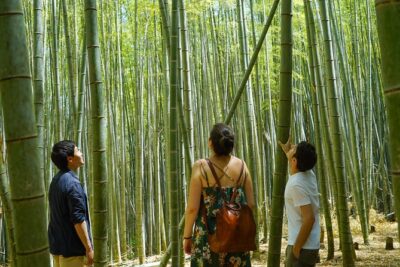
Fushimi Inari Hidden Hiking Tour (Private Option Available)
Read our review →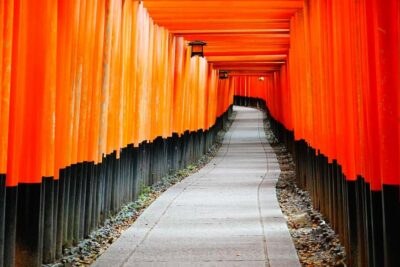
Kinkakuji,Arashiyama,FushimiInariShrine,NaraPark
Read our review →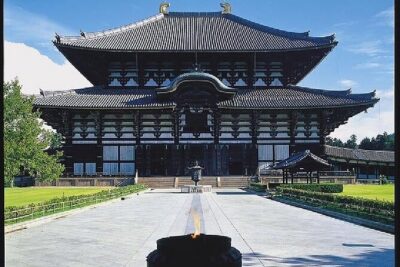
Nara, Fushimi Inari Taisha, Arashiyama Bus Tour
Read our review →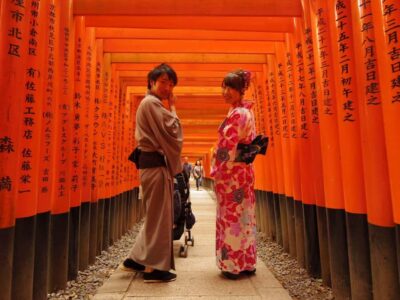
Arashiyama, Nara & Fushimi Inari Shrine w/Lunch
Read our review →
Nijo Castle, Kiyomizu & Fushimi Inari Guided Tour
Read our review →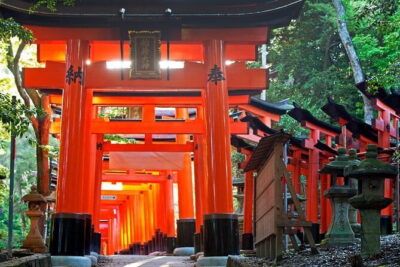
Nijo, Kinkaku-ji, Arashiyama, Kiyomizu & Fushimi Inari
Read our review →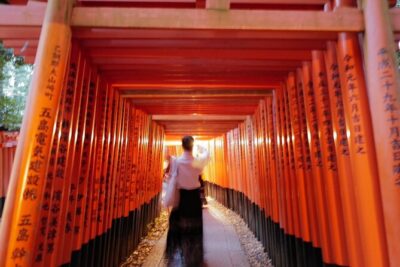
Also filed under