
Reviewed · WALKING TOURS
Peaceful Kyoto Walking Tour
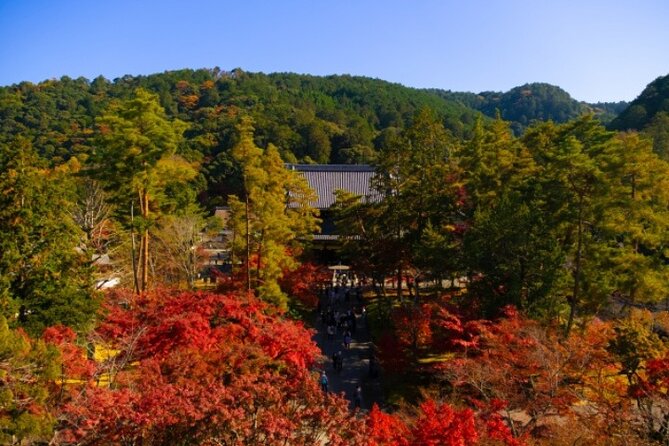
Kyoto can feel loud, but this route is quiet. You get a peaceful walking loop through some of Eastern Kyoto’s most photogenic temple approaches, with plenty of time to slow down and notice small details. I especially liked how the walk is built around seasonal scenery rather than just ticking off big-name stops, and how the guide keeps the story clear and human. One thing to consider: you’ll pay extra for temple entry at Eikando and for whatever coffee or tea you want to grab.
The best part is the pacing. You spend real time at the major zen stops, then get that local rhythm on the Philosopher’s Path with a takeout coffee in hand. I also liked that the group is kept small, so the tour feels more like a shared stroll than a cattle-stand line. The only real drawback is the seasonal variability, especially for peak foliage and blossoms.
If you want Kyoto without the crush, this is a smart pick. You’ll walk scenic stone paths and temple grounds, soak up classic Kyoto views, and end at Ginkaku-ji. Just keep your expectations realistic for weather and crowds, because this is an outdoor, seasonal walk.
In This Review
- Key things to look forward to
- A Calm Half-Day Route Through Eastern Kyoto
- Meeting Point, Group Size, and the Pace You Feel
- Nanzen-ji: The Grand Gate and the Red-Brick Aqueduct View
- Blue Bottle Coffee to Go, Then the Philosopher’s Path Like a Local
- Eikando Zenrinji: Maple Season Fame, Optional Entry Choices
- Ginkaku-ji: UNESCO Zen Gardens That Quiet Your Brain
- Price and Value: What the $62.86 Really Buys
- Seasonal Timing: Autumn Leaves and Cherry Blossoms, With Realistic Expectations
- Who Should Book This Tour (and Who Might Not)
- Should You Book This Peaceful Kyoto Walking Tour?
- FAQ
- How long is the Kyoto walking tour?
- Where does the tour start and end?
- Is the coffee included in the tour price?
- Which temple admissions are included, and which are not?
- What is the season timing for autumn leaves and cherry blossoms?
- How large is the group?
- What is the cancellation policy?
Key things to look forward to
- A small-group, calm pace for a half-day that stays relaxed for about 4 hours
- Nanzen-ji’s red-brick aqueduct plus a grand temple setting surrounded by seasonal trees
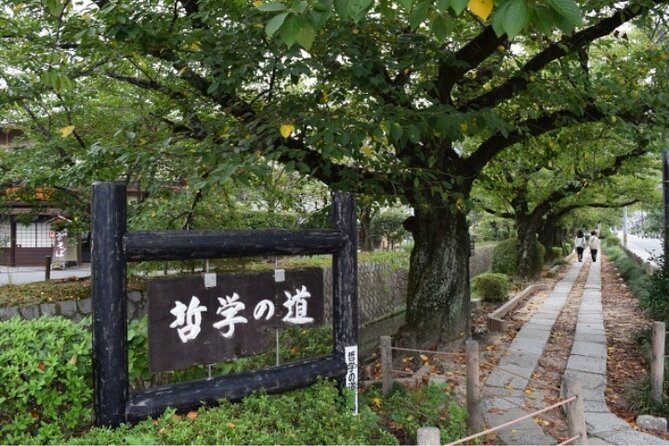
- Blue Bottle to-go in a renovated townhouse, then a slow walk along the Philosopher’s Path
- Philosopher’s Path at the right time of year, 2 kilometers between major sites
- Eikando’s maple reputation, with optional entry depending on season timing
- Ginkaku-ji’s UNESCO dry garden and moss for a quieter ending
A Calm Half-Day Route Through Eastern Kyoto
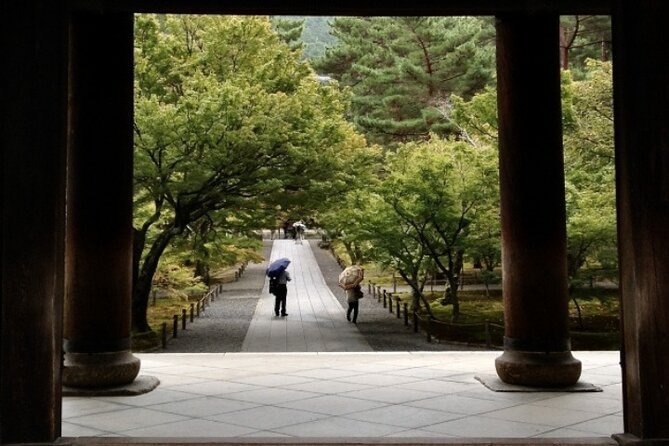
Kyoto is famous for its temples, but the real magic is in how you approach them. This tour is designed for that middle ground, where you get classic sights without spending the whole day wedged into crowds. The route links the Nanzen-ji area to the Ginkaku-ji side, so it feels like a natural, scenic progression instead of backtracking.
I like that the focus stays on atmosphere. You are not just looking at buildings, you are walking through the layered scenery, stone walkways, temple exteriors, and the green softness around zen gardens. The seasonal charm matters here, because the path and temple settings are especially photogenic when the trees change.
One more practical point: with a 4-hour format and a start time of 9:00 am, you get a calmer feel in the morning. It is a great match for jet lag recovery too, because it is long enough to matter, but short enough to keep your energy for dinner.
Meeting Point, Group Size, and the Pace You Feel
You meet near Keage Station (Higashimonozacho, Higashiyama Ward), and the tour finishes at Ginkaku-ji. That end point is convenient because Ginkaku-ji sits in the Sakyo Ward area, close to the Philosopher’s Path walking corridor, so you can keep exploring afterward without major transit juggling.
The group maximum is 12 travelers, which is a meaningful difference in Kyoto. Smaller groups move more smoothly and you get more flexibility to pause for photos or let the flow of people pass. You also have an English guide, and the small size makes it easier for the guide to point out details without shouting over everyone.
What the timing feels like in real life: you will have a little breathing room at each main stop, not just a quick look and run. That is especially important at Ginkaku-ji, where the garden experience is visual and slow. If you prefer a stroll with frequent “look at this” moments, you will probably enjoy the way this one is structured.
A quieter way to spend a day in Kyoto
- Kyoto Geisha Walking Tour: Gion District & Hidden Gems
★ 4.7 · 3,273 reviews - Kyoto: Gion Magical Night Walking Tour with Geisha Trivia
★ 4.9 · 2,393 reviews - Kyoto: Gion Geisha District Walking Tour – Stories of Geisha
★ 4.7 · 2,187 reviews - Night Walk in Gion: Kyoto’s Geisha District
★ 4.5 · 2,003 reviews
Nanzen-ji: The Grand Gate and the Red-Brick Aqueduct View
Nanzen-ji is a Rinzai Zen temple with a presence that hits right away. The big attraction on this tour is the approach setting, including the grand gate and the red-brick aqueduct built in the Meiji era. Put those structures together, then frame them with seasonal trees, and you get a Kyoto scene that feels both monumental and peaceful.
You get about 1 hour here, with the admission included. That is a good length, because Nanzen-ji is not only one photo spot. You can take your time moving through the temple grounds and get a better sense of how the space works, rather than racing from one exterior angle to the next.
A realistic consideration: Nanzen-ji is a major temple, so even on a calmer walk, you will likely see other visitors. The advantage is that your guide helps you focus on the parts you might miss on your own, like how the aqueduct dominates the view and how the gate and surrounding trees change the feel of the space.
Blue Bottle Coffee to Go, Then the Philosopher’s Path Like a Local
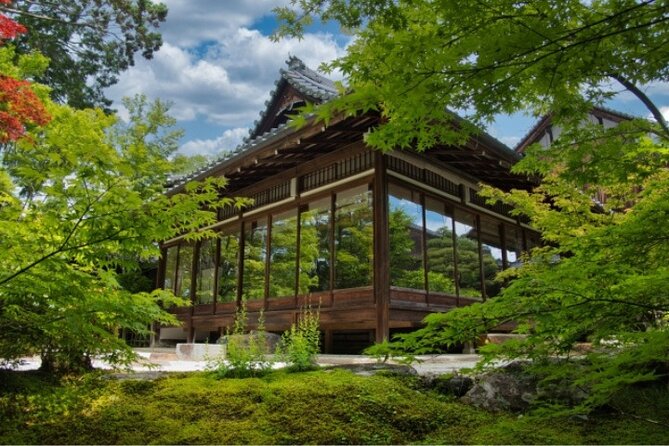
After Nanzen-ji, you stop at Blue Bottle Coffee Kyoto Cafe. It is located in a renovated Kyoto townhouse, and the point of this stop is less about lingering and more about practicing local rhythm. You grab coffee for the next walk segment, not as a café “event.”
The stop is short, about 15 minutes, and the coffee itself is not included. That matters for value. You are paying for the guided transition and the experience of taking your coffee into the street-side walking culture, but your drink is extra. Still, this is a nice way to soften the day’s pace, because it makes the Philosopher’s Path feel like a real morning stroll rather than a timed march.
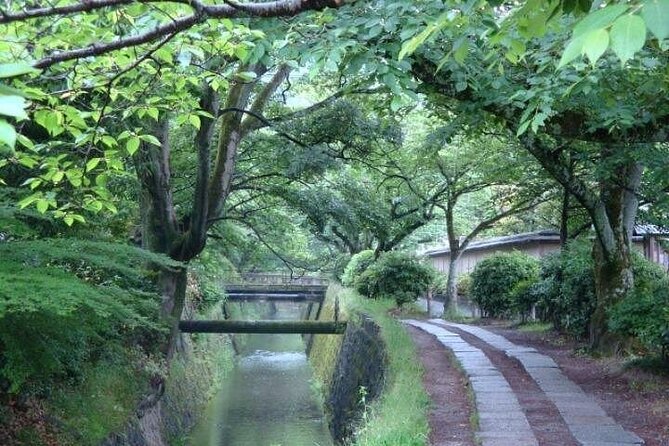
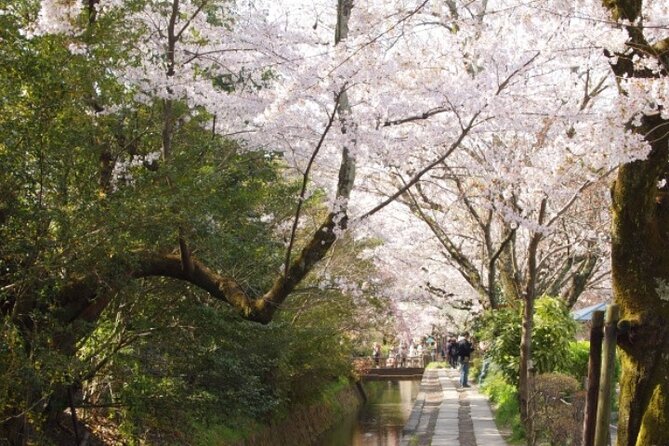
Then you head onto the Philosopher’s Path, a 2-kilometer trail that connects Nanzen-ji to Ginkaku-ji. The canal-side setting is lined with seasonal beauty, with cherry blossoms in spring and vibrant maples in autumn. You also pass small cafés and artisan shops, so if you want a snack or a small souvenir break, you can do it without breaking the flow.
Practical tip: the Path is a walk, so wear comfortable shoes. Even with a guided route, this is still Kyoto, meaning you will likely be stepping on uneven stone or sidewalk sections. Early in the day helps, but you still want footwear that makes you feel stable.
Eikando Zenrinji: Maple Season Fame, Optional Entry Choices
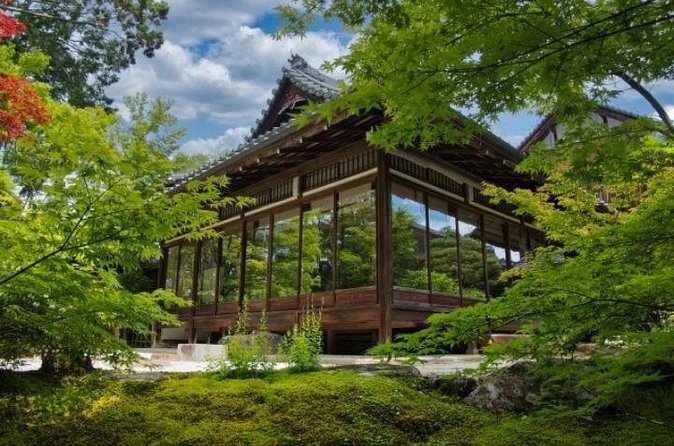
Next up is Eikando Zenrinji, one of Kyoto’s best-known maple spots. On this tour, you mainly see the temple entrance and surroundings, with about 30 minutes at this stop. The key detail is how the tour handles entry: depending on the season, you may have optional entry available.
Eikando has an admission fee listed, and it is not included. The cost is ¥600 per person, so consider it when you book. If you are going in peak autumn color season, it could be worth it. If you are visiting outside the main maple window, you might prefer to treat this as a photo-and-exterior moment rather than paying for additional entry.
What I like about how this is handled: it keeps the pace from turning into a money-versus-time scramble. You get the famous setting either way, then you decide whether you want the extra step inside based on your day and the seasonal moment.
Ginkaku-ji: UNESCO Zen Gardens That Quiet Your Brain
The tour ends at Ginkaku-ji (Jisho-ji), a UNESCO World Heritage Site known for refined architecture, a dry landscape garden, and lush moss. This is the perfect finish if you are trying to slow down at the end of a busy sightseeing day.
You get about 30 minutes here, and the admission is included. That time window works well. The garden experience does not need hours to feel special, especially if you approach it with a calm mindset. You can step back, look across the garden features, and notice the way moss and textures change the mood as you move.
Ginkaku-ji has that Zen aesthetic of simplicity, which can be surprisingly calming after walking around more crowded temple areas. If you care about architecture and garden design even a little, this stop rewards you quickly.
One consideration: because it is a well-known UNESCO site, it can still have visitors. The good news is that the space feels contemplative, and the tour format helps you focus on the viewpoints and the garden impression instead of getting lost.
A day of temples goes further with something to break it up.
Price and Value: What the $62.86 Really Buys
At $62.86 per person for about 4 hours, you are paying for three things: an English guide, a structured walking route connecting key sites, and time at the main temple experiences. It is not just a “walk with a map.”
Here is where value shows up clearly. You have temple admission included for Nanzen-ji (¥600) and Ginkaku-ji (¥500). That alone is a big chunk of what you would pay if you did these independently, and it saves time on deciding where to line up. The one temple fee you should plan for is Eikando (¥600), since it is listed separately. You also pay for your coffee or tea whenever you grab it, including at Blue Bottle.
So the real budgeting question is simple: do you want to enter Eikando, and what do you want to drink along the way? If you keep drinks modest and only pay the optional entry when it matches the season, the tour stays a very fair deal for what you get.
The other value angle is the small group limit of 12. In Kyoto, a tight group can mean less waiting and fewer bottlenecks, which makes the whole day feel smoother.
Seasonal Timing: Autumn Leaves and Cherry Blossoms, With Realistic Expectations
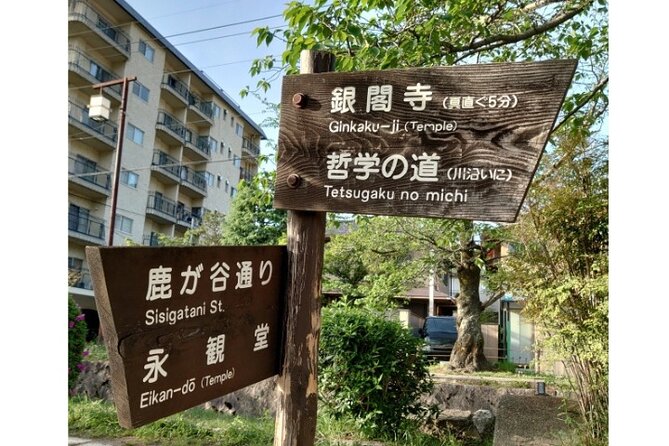
This route is heavily seasonal. The tour explicitly notes that timing can shift each year.
- Autumn foliage: mid-November to early December
- Cherry blossoms: around early April
If you book for peak leaf season, you are choosing the moment when maples can turn the Philosopher’s Path and temple approaches into a full color show. Eikando’s reputation for brilliant autumn colors is part of why this route is so popular then.
If you book for spring, the cherry blossoms lining the Philosopher’s Path are the draw. Even if blossoms are not at peak perfection, the canal-side walk and the temple exteriors still look great. The key is to remember that nature controls the calendar, not the tour.
Who Should Book This Tour (and Who Might Not)
This tour fits you best if you want Kyoto with less stress. It is great for people who like slow travel, nature scenery, and temple atmospheres more than nonstop museum-style checklisting.
It is also a strong option if you are pairing Kyoto with limited time. Because it covers major highlights across a single walking corridor and ends at Ginkaku-ji, you can build the rest of your day around an easy continuation.
You might consider a different format if you are the type who hates walking. This is still a walking tour, including the 2-kilometer Philosopher’s Path segment. Also, if you already know you only want to do paid interior temple entries and you dislike any optional parts, the Eikando section might feel like a variable.
One more small note from past experiences: some guests have connected with guides who were friendly and engaging, including a guide named Miyabi mentioned in previous feedback. That kind of personality can make the walk more than just logistics, turning it into a story-driven stroll.
Should You Book This Peaceful Kyoto Walking Tour?
Yes, you should book if you want a calmer, guided Kyoto walk that mixes zen temples with a local-feeling coffee-and-path rhythm. The value is strong because you get admissions for Nanzen-ji and Ginkaku-ji, a small group size, and an actual route that connects the major scenic corridor.
If you are visiting in autumn foliage season and you are open to optional entry at Eikando, this is especially appealing. If you are going in cherry blossom season, the Philosopher’s Path timing is the headline, and the tour structure helps you experience it without turning it into an all-day sprint.
If you only want fully included admissions or you hate optional choices, read the fee details closely and plan for the Eikando payment and your coffee costs. For most people seeking a thoughtful, scenic half-day in Kyoto, this one is a smart, practical way to see the city’s quieter beauty.
FAQ
How long is the Kyoto walking tour?
It is approximately 4 hours.
Where does the tour start and end?
You start near Keage Station (Higashikomonozacho, Higashiyama Ward) and the tour ends at Ginkaku-ji (Ginkaku-ji2, Ginkakujichō, Sakyo Ward).
Is the coffee included in the tour price?
No. Coffee and/or tea are not included, so you pay for drinks separately. The Blue Bottle stop is a chance to grab coffee to go.
Which temple admissions are included, and which are not?
Admission is included for Nanzen-ji and Ginkaku-ji. Eikando has an admission fee listed separately. Specific amounts are provided: Nanzen-ji is ¥600, Eikando is ¥600, and Ginkaku-ji is ¥500.
What is the season timing for autumn leaves and cherry blossoms?
Autumn foliage is typically mid-November to early December. Cherry blossoms are around early April. The exact timing may vary slightly each year.
How large is the group?
The maximum group size is 12 travelers.
What is the cancellation policy?
You can cancel for a full refund if you cancel up to 24 hours in advance of the experience start time. If you cancel less than 24 hours before, the amount paid is not refunded.
New This Season
- Koyasan Day Trip by Private Car from Kyoto
- Old Port Town and Ultimate Sake Tasting Private Tour From Kyoto
- Kyoto: 5 Types of Sushi Making
- Sacred Peak & Ancient Paths: Kurama-Kibune Hiking Experience
- Kyoto’s Timeless Charm: 3hr Exploration of History and Peace
- Kyoto: Exclusive ZEN practice at Manpukuji temple in Uji
- Kyoto: Private Seasonal Aroma Yoga Class
- Traversing Kyoto’s Scenic West – Arashiyama to Kinkakuji
Walking Tours, compared.
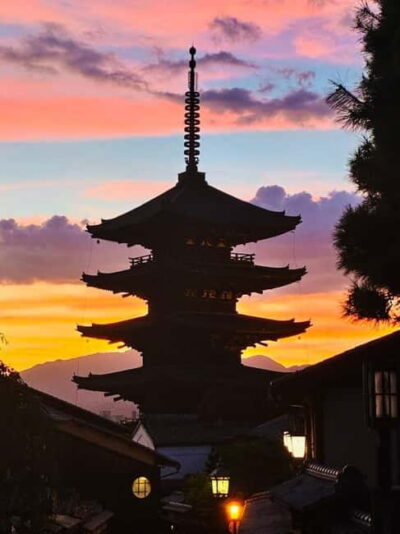
Kyoto Geisha Walking Tour: Gion District & Hidden Gems
Read our review →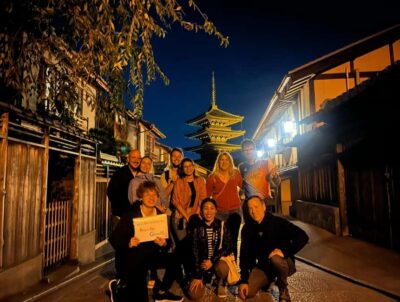
Gion Magical Night Walking Tour with Geisha Trivia
Read our review →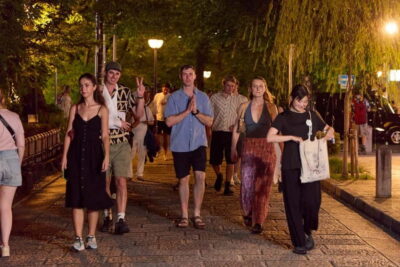
Gion Geisha District Walking Tour – Stories of Geisha
Read our review →
Kyoto Gion Geisha District Walking Tour – The Stories of Geisha
Read our review →
Nishiki Market Brunch Walking Tour (7 Tastings + Brunch)
Read our review →
Kyoto Arashiyama Walking Tour: Bamboo, Monkeys, Gardens & Secrets
Read our review →
Kyoto Gion: 2-Hour Geisha Culture & History Walking Tour
Read our review →Also filed under