
Reviewed · WALKING TOURS
Peaceful Kyoto Walking Tour
Kyoto feels quiet, even in daylight. This peaceful, guided 4-hour route stitches together some of the city’s most serene Zen spots, and I especially like Nanzen-ji for its Sanmon Gate, Hojo Garden, and the brick aqueduct of the Lake Biwa Canal.
I also love the rhythm of the day, including a reset stop at Blue Bottle Coffee in a 100-year-old townhouse before you head into more temples and gardens. The main thing to keep in mind is that this is still a walking tour, and the tour notes say it may not be a good fit for people with mobility impairments.
In This Review
- Key highlights worth planning around
- A calm Kyoto route that still feels efficient
- Keage Station start: the easiest way to get oriented
- Nanzen-ji: Zen architecture, manicured gardens, and the aqueduct shot
- Blue Bottle Coffee in a 100-year-old townhouse: the reset that keeps the tour enjoyable
- Eikando (Zenrin-ji): pond garden quiet and a Buddha statue that anchors the mood
- Philosopher’s Path: cherry-tree calm from Eikando toward Ginkaku-ji
- Ginkaku-ji (Jisho-ji): wabi-sabi gardens and the white sand calm
- Price and budget reality: what your $61 covers, and what it doesn’t
- Who this tour suits best, and who should consider alternatives
- Should you book the Peaceful Kyoto Walking Tour?
- FAQ
- How long is the Kyoto walking tour?
- Where does the tour start and where does it end?
- Is the tour guided in English?
- Are temple admission fees included in the price?
- Is coffee included?
- What should I bring?
- Is it suitable for wheelchairs or people with mobility impairments?
Key highlights worth planning around
- Nanzen-ji’s Sanmon Gate and Hojo Garden plus the Lake Biwa Canal aqueduct for big visual rewards
- Blue Bottle Coffee in a 100-year-old townhouse, a cozy break that feels local, not rushed
- Eikando (Zenrin-ji) with an Amida Buddha statue and a pond garden that works in any season
- Philosopher’s Path along the canal, with cherry trees and seasonal flowers, tied to philosopher Kitaro Nishida
- Ginkaku-ji (Jisho-ji) wabi-sabi gardens, including the white sand garden Ginsadan and moss-covered grounds
A calm Kyoto route that still feels efficient
This tour is built for people who want Kyoto to feel like Kyoto, not like a checklist. You get guided time at major temples, but there’s also breathing room built in, so the day stays peaceful instead of frantic.
At $61 for about 4 hours, the value depends on your preferences. You’re paying for an English-speaking guide and a smart walking order that links multiple UNESCO-worthy and garden-focused stops without wasting time backtracking. The admissions fees and drinks are extra, so plan on budgeting for those.
If you want a gentle start to Kyoto and you enjoy explanations you can actually follow, this is the kind of tour that makes walking feel rewarding. Guides such as Eiko and Ayoko have been praised for clear, easy English and for helping people understand what they’re looking at, not just where to stand for photos.
Keage Station start: the easiest way to get oriented
You begin at 蹴上駅 (Keage Station). This matters because Kyoto’s temple area can feel spread out, and starting with a known rail point helps you avoid wandering before the tour even starts.
From the start, your job is simple: wear comfortable shoes, keep water handy, and be ready to walk at a steady pace. The tour stays focused on a “mind and body” flow: temple intensity, a coffee reset, then more gardens and quiet pathways.
One practical note: the tour is listed as wheelchair accessible, but it also notes it is not suitable for people with mobility impairments. If you need support, it’s worth checking details with the provider before booking, because the walking itself is a big part of the experience.
A quieter way to spend a day in Kyoto
- Kyoto Geisha Walking Tour: Gion District & Hidden Gems
★ 4.7 · 3,273 reviews - Kyoto: Gion Magical Night Walking Tour with Geisha Trivia
★ 4.9 · 2,393 reviews - Kyoto: Gion Geisha District Walking Tour – Stories of Geisha
★ 4.7 · 2,187 reviews - Night Walk in Gion: Kyoto’s Geisha District
★ 4.5 · 2,003 reviews
Nanzen-ji: Zen architecture, manicured gardens, and the aqueduct shot
Your first major stop is Nanzen-ji, with about one hour of guided time. This is a strong opening because it mixes monumental architecture with garden calm.
Here’s what makes it special:
- You’ll see the imposing Sanmon Gate, the kind of gate that makes you slow down without being told.
- You’ll spend time in the Hojo Garden, where careful landscaping supports the Zen idea of controlled simplicity.
- You’ll also spot the brick aqueduct of the Lake Biwa Canal, an unusual feature that gives the temple grounds a slightly industrial, very photo-friendly contrast.
Nanzen-ji can feel like a world apart from Kyoto’s busier streets. That’s exactly why it works as a first stop. It sets the tone: this is a tour about attention, not speed.
Potential drawback: Nanzen-ji’s gardens and temple areas can involve walking inside the grounds. If you’re prone to sore feet, you’ll want your shoes to be truly comfortable, not just “fine for an hour.”
Blue Bottle Coffee in a 100-year-old townhouse: the reset that keeps the tour enjoyable
Next comes Blue Bottle Coffee Kyoto Cafe, and you get about 25 minutes for your coffee break. Drinks are not included, so you’ll pay for your beverage separately.
What I like about this stop is the setting. This cafe is in a 100-year-old townhouse, so the vibe isn’t generic. You’re not just refueling, you’re getting a taste of Kyoto’s quieter side, the kind of place where older buildings still shape how people live and meet.
This break is also a smart pacing tool. After temple walking, your legs need a breather, and your brain benefits from a short pause between garden worlds. Even if you order something simple, the time window makes it useful instead of turning into a long detour.
Quick tip: since coffee is extra, pick your drink early and use the time for a quick rest plus a moment to regroup for the next temple.
Eikando (Zenrin-ji): pond garden quiet and a Buddha statue that anchors the mood
You head to Eikan-dō (Zenrin-ji) for about 30 minutes of temple time, including guided context and time to look around. This stop is famous in autumn for foliage, but it also works outside the peak season because gardens still carry the mood year-round.
What you’ll focus on:
- The Amida Buddha statue, which gives the space a clear spiritual center.
- A tranquil pond garden, where the setting encourages you to watch rather than rush.
- A longer stretch of free time to explore on your own.
This is one of the best parts of a “peaceful walk” tour because it lets you shift from guided seeing to personal noticing. You can slow down and take in how the garden changes, not just what it looks like.
Possible consideration: because this is a guided stop with short, structured timing, you might feel a mild sense of time pressure if you want to linger at every corner. The good news is that you do get a portion of free time to roam.
Philosopher’s Path: cherry-tree calm from Eikando toward Ginkaku-ji
After Eikando, you walk north along the Philosopher’s Path. This section gives you around 45 minutes for a mix of strolling and light shopping.
Why this path is worth your attention:
- It’s a scenic canal-side walk lined with cherry trees and seasonal flowers.
- You get a quiet feeling compared with the heavier tourist corridors.
- The route is associated with philosopher Kitaro Nishida, who is said to have walked here while thinking.
In practical terms, the Philosopher’s Path is what turns this from a “temples tour” into a Kyoto tour. It’s a human-scale corridor where you can enjoy the city’s pace, stop for photos when something catches your eye, and look at the way locals and visitors share the same narrow strips of space.
Shopping time helps too. You might find small treats, souvenirs, or seasonal snacks, but keep your hands free if you’re also carrying your camera and water. This walk is best enjoyed at a relaxed speed, not while sprinting for the next photo.
A day of temples goes further with something to break it up.
Ginkaku-ji (Jisho-ji): wabi-sabi gardens and the white sand calm
You finish at Ginkaku-ji (Jisho-ji), also called 東山慈照寺. You’ll have about 30 minutes with guide-led highlights.
This is the “why Kyoto feels thoughtful” ending. Ginkaku-ji is known for wabi-sabi, the appreciation of calm imperfection and understated beauty. In the garden areas, you’ll get a chance to see how that idea plays out in real space.
Look for:
- The white sand garden Ginsadan, which creates a striking, quiet visual effect.
- A moss-covered garden area, where texture matters as much as shape.
- A serene study hall, which helps you understand the temple as a place of contemplation, not only sightseeing.
A lot of temple tours stop at “look at the big building.” Here, the experience leans more toward “look longer.” That makes it a good capstone for travelers who want their photos to feel connected to the atmosphere, not disconnected from it.
Price and budget reality: what your $61 covers, and what it doesn’t
The tour price is $61 per person for a 4-hour guided walk in English. That’s a fair deal if you value organization, route planning, and clear explanations.
But you should budget for the extras you’ll run into:
- Nanzen-ji admission: JPY 600
- Eikando (Zenrin-ji) admission: JPY 600
- Ginkaku-ji admission: JPY 500
- Coffee and tea at Blue Bottle: not included
So admissions total JPY 1,700, and your drinks are on top. If you’re traveling with someone who always orders drinks, this can add up. Still, the way the route is structured means you’re paying mainly for the guide and the “don’t-waste-time” sequencing.
My take: this is good value for first-timers who want fewer decisions and more meaning. It’s also a decent choice for people who’ve been to Kyoto before, because you get a guided focus on garden details and temple context.
Who this tour suits best, and who should consider alternatives
This is a great fit if you:
- Like quiet mornings and calm pacing
- Want a focused walk that includes both temples and a scenic canal route
- Enjoy learning what you’re seeing, especially around Zen gardens and symbolism
- Plan to take photos but also want to understand composition
You might want a different option if you:
- Have mobility limitations and need minimal walking
- Prefer very flexible, self-paced time at each site
- Don’t want to pay temple admissions separately
If you’re on the fence, consider this simple question: do you want someone else to handle the route and explanations for a half-day? If yes, this tour makes life easy.
Should you book the Peaceful Kyoto Walking Tour?
I’d book it if you want Kyoto to feel thoughtful, not hectic. The strongest reason is the pairing of major Zen temple sites with the Philosopher’s Path and a real break in a 100-year-old townhouse. That combination turns the day into something you remember as a mood, not just a list of stops.
You should also book it if you care about getting garden context. The guided time at Nanzen-ji and Ginkaku-ji, plus the way Eikando and the Philosopher’s Path slow things down, makes this more than sightseeing.
Just be honest with your feet. Wear comfortable shoes, bring water, and accept that this is a walking tour. If mobility is a concern, confirm suitability before you commit.
FAQ
How long is the Kyoto walking tour?
The tour duration is 4 hours.
Where does the tour start and where does it end?
It starts at 蹴上駅 (Keage Station) and finishes at 東山慈照寺 (Ginkaku-ji / Jisho-ji area).
Is the tour guided in English?
Yes. The tour includes a live English guide.
Are temple admission fees included in the price?
No. Admission fees are listed separately: Nanzen-ji (JPY 600), Eikando (JPY 600), and Ginkaku-ji (JPY 500).
Is coffee included?
Coffee or tea is not included. Drinks at Blue Bottle Coffee are paid individually.
What should I bring?
Bring comfortable shoes, a camera, and water.
Is it suitable for wheelchairs or people with mobility impairments?
The activity is listed as wheelchair accessible, but it also states it is not suitable for people with mobility impairments. Since the tour involves walking, it’s best to check with the provider if you have mobility needs.
New This Season
- Koyasan Day Trip by Private Car from Kyoto
- Old Port Town and Ultimate Sake Tasting Private Tour From Kyoto
- Kyoto’s Timeless Charm: 3hr Exploration of History and Peace
- Kyoto: 5 Types of Sushi Making
- Sacred Peak & Ancient Paths: Kurama-Kibune Hiking Experience
- Kyoto: Exclusive ZEN practice at Manpukuji temple in Uji
- Traversing Kyoto’s Scenic West – Arashiyama to Kinkakuji
- Kyoto: Private Seasonal Aroma Yoga Class
Walking Tours, compared.
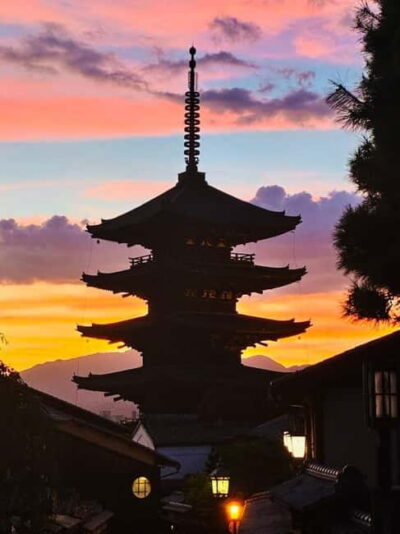
Kyoto Geisha Walking Tour: Gion District & Hidden Gems
Read our review →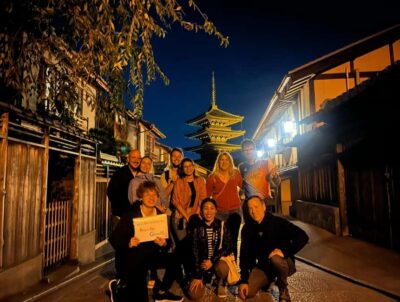
Gion Magical Night Walking Tour with Geisha Trivia
Read our review →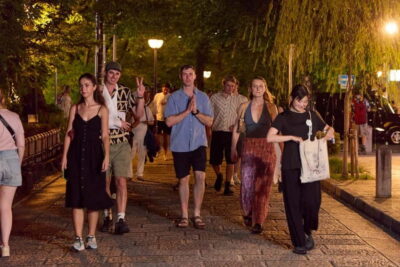
Gion Geisha District Walking Tour – Stories of Geisha
Read our review →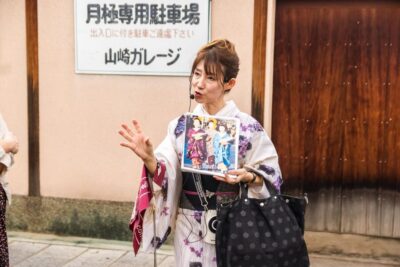
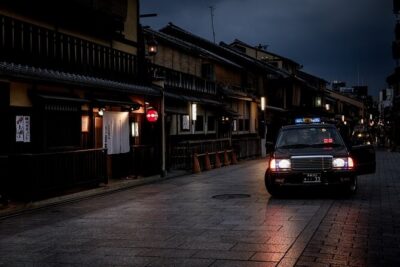
Kyoto Gion Geisha District Walking Tour – The Stories of Geisha
Read our review →
Nishiki Market Brunch Walking Tour (7 Tastings + Brunch)
Read our review →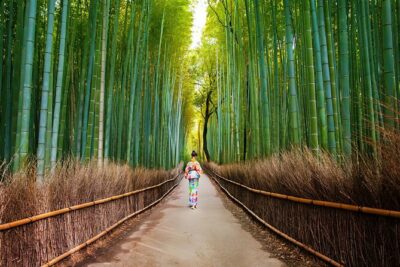
Kyoto Arashiyama Walking Tour: Bamboo, Monkeys, Gardens & Secrets
Read our review →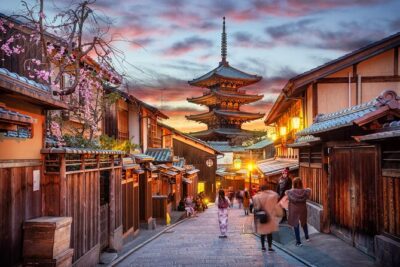
Kyoto Gion: 2-Hour Geisha Culture & History Walking Tour
Read our review →Also filed under