
Reviewed · WALKING TOURS
Private Customized Walking Tour in Kyoto
Kyoto walks better with a guide. This private customized itinerary lets you steer the pace, with an English guide, and you can even end whenever you want. I like that the route builds in big-name Kyoto sights with real context, and I also like how flexible the guide can be when you have a specific interest, like Zen or Japanese swords. One catch: the day involves a fair amount of walking, and key temple admissions are not included.
Pickup is offered and the tour uses a mobile ticket, so it’s easier to plug in without stress. You also get a Kyoto Bus/Metro 1-day pass, which matters because Kyoto distances can feel longer than they look on a map. And when you ask, the guide will take a free group photo, which is handy if you are traveling as a couple or family.
In This Review
- Key things to know
- Private Kyoto, built around your pace
- Getting there: pickup, mobile ticket, and the Bus/Metro pass
- Stop 1: Kinkakuji Temple, the Golden Pavilion moment
- Stop 2: Fushimi Inari-taisha, Senbon Torii and blessing themes
- Stop 3: Kiyomizu-dera in the Higashiyama preservation area
- Stop 4: Nanzen-ji, Zen calm after the big crowds
- Stop 5: Nishiki Market shopping district for snacks and local rhythm
- Price and logistics: is $130.06 per person worth it?
- Timing hacks, what to ask, and what to wear
- Who this Kyoto tour fits best
- Should you book this private customized Kyoto walking tour?
- FAQ
- How long is the Private Customized Walking Tour in Kyoto?
- Is this tour private?
- Is pickup available?
- Are admission tickets included for the temples?
- Does the tour include lunch or snacks?
- What transportation is included?
- Will I get a mobile ticket?
- Are photos included?
- What is the cancellation policy?
- Is there a fitness requirement, and are service animals allowed?
Key things to know
- Private, customized route based on what you want to see, with flexibility to end early
- English guide on hand for context, pacing, and question-heavy sightseeing
- Bus/Metro 1-day pass included (with specific rail lines excluded)
- A mix of major temples and local life from Kinkakuji to Nishiki Market
- Paid admissions at several temples means you should plan for extra cash
Private Kyoto, built around your pace
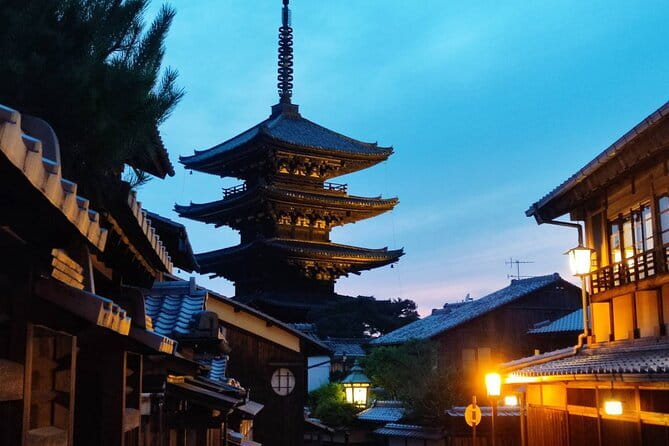
This is a private walking tour in Kyoto, which means you are not stuck with a group tempo. You can ask for a focus (culture, Zen, history, or a specific curiosity), and the guide can adjust the route accordingly. That customization is the main value here, because Kyoto is huge and your interests decide what makes the day feel perfect.
I also like the built-in freedom. The tour can be ended whenever you like, so you are not forced to hit every stop if your legs are done or the weather changes. That is a real plus in Kyoto, where the famous sites can feel deceptively “short” until you start walking between them.
The day is designed for moderate physical fitness. Even with transit included, you should expect time on your feet at each landmark, plus stairs and uneven paths at temples. If you know you tire quickly, pick the shorter end of the 4 to 9 hour window and keep comfy shoes non-negotiable.
Getting there: pickup, mobile ticket, and the Bus/Metro pass
The tour offers pickup, and it runs with a mobile ticket. That combo reduces the “where do we meet?” headache, especially if you are staying farther from the downtown cluster.
You also get a Kyoto Bus/Metro 1-day pass included. That helps you move around the city without buying separate rides all day, and it is especially useful when your stops are spread across different neighborhoods. The pass does not include JR, Keih, Hankyu, Randen, or Kintetsu lines, so if your route normally uses those, you will want to plan around bus and metro connections.
Finally, remember that the allotted time includes travel back and forth. In plain terms, that means the sightseeing time is not all “free time.” If your ideal day is temple-heavy, you will want to start with enough energy and keep a light snack plan (since lunch and snacks are not included).
A quieter way to spend a day in Kyoto
- Kyoto Geisha Walking Tour: Gion District & Hidden Gems
★ 4.7 · 3,273 reviews - Kyoto: Gion Magical Night Walking Tour with Geisha Trivia
★ 4.9 · 2,393 reviews - Kyoto: Gion Geisha District Walking Tour – Stories of Geisha
★ 4.7 · 2,187 reviews - Night Walk in Gion: Kyoto’s Geisha District
★ 4.5 · 2,003 reviews
Stop 1: Kinkakuji Temple, the Golden Pavilion moment
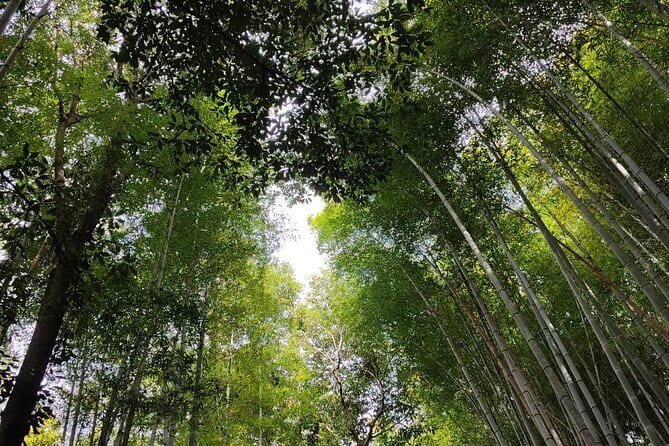
Kinkakuji, the Golden Pavilion, is one of Kyoto’s most photographed sights for a reason. The complex includes the Golden Shariden, the Abbots Hall, and a garden setting with tea house areas nearby, so you get more than one view per visit. The garden approach also helps you slow down, because the sightlines are part of the experience.
Your stop here is about 45 minutes. That is a good length if you want to see the main highlights and still have time for the next neighborhoods without feeling rushed. One practical note: admission tickets are not included for this stop, so you should budget for a paid entry.
Also, think of Kinkakuji as an “arrival point” for Kyoto’s style. After you see how the architecture and gardens are designed to work together, the rest of the temples make more sense. You will likely get more out of the visit if you ask the guide what to look for in the garden layout, since the visual focus changes as you move.
Stop 2: Fushimi Inari-taisha, Senbon Torii and blessing themes
Fushimi Inari-taisha is famous for the Senbon Torii, the long lines of torii gates that create that strong tunnel feeling. This stop is about 1 hour, and it is free, so you can spend your attention on the walk and the atmosphere instead of calculating entry fees.
What makes this shrine more than just a photo site is the meaning. It is associated with blessings for good sales, safe child growth and birth, romance, and good harvest. It is also a pilgrimage stop for people on their journeys, so the space carries a sense of ongoing devotion.
This stop is where your shoe choice pays off. The ground can be uneven, and you may want to take your time deciding how far up you go along the paths. Since you have a private guide, you can ask for the best way to experience the torii lines without turning it into a full endurance hike, especially if you want to keep the rest of the day enjoyable.
Stop 3: Kiyomizu-dera in the Higashiyama preservation area
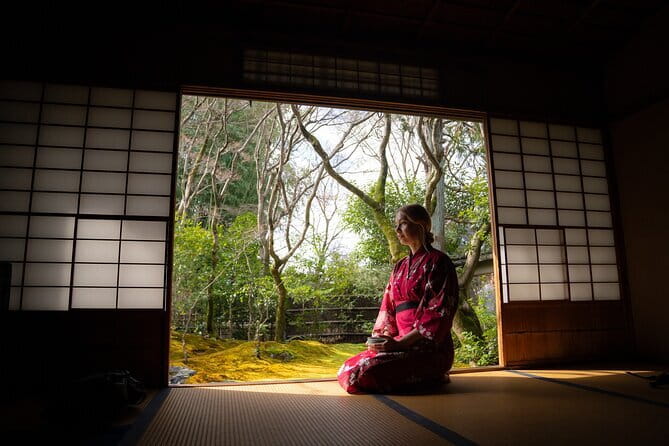
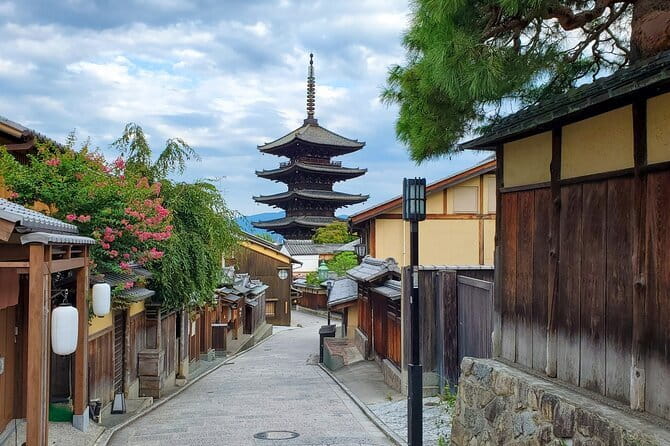
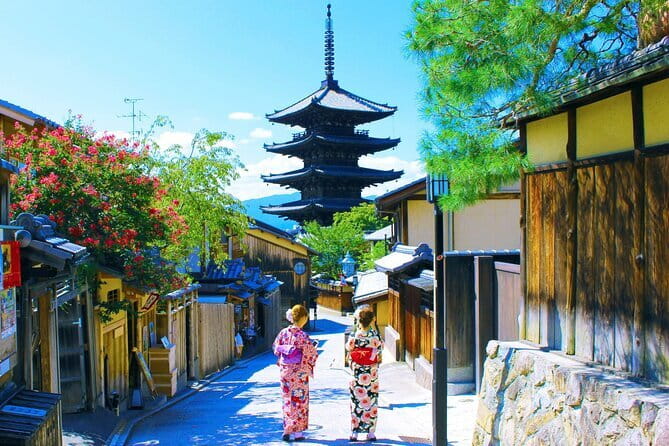
Kiyomizu-dera is famous, but it is also strategically placed in one of Kyoto’s most atmospheric zones: the Higashiyama preservation area. Your guide will connect the temple to the surrounding streets, including nearby Sannenzaka and Ninenzaka, with Gion Hanami Koji close by. That matters because Kyoto feels different when you’re not only looking at buildings, but also absorbing the lanes around them.
The stop time is about 1 hour. Admission tickets are not included here, so plan to pay your own entry. That said, the temple’s location gives you extra value even if you arrive slightly tired, because the area around it is part of what you will remember.
A smart way to handle this stop is to use the hour for two things: the temple views and the nearby street scenery. If you only rush the main viewpoint, you miss a lot of the “Kyoto feel” that comes from the preserved neighborhood layout. Ask your guide where to pause for the best perspectives, and you will get better angles without wasting time wandering.
Stop 4: Nanzen-ji, Zen calm after the big crowds
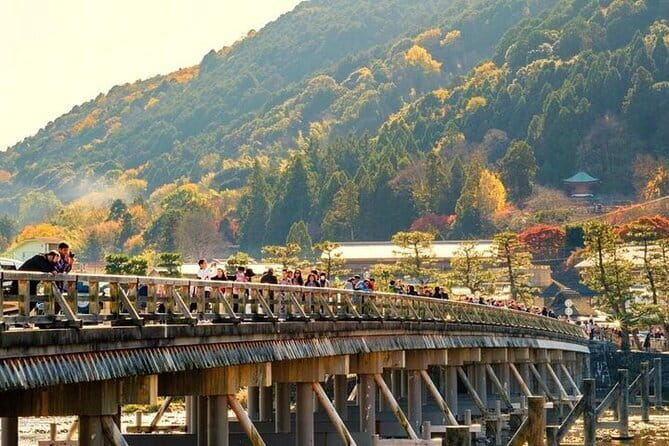
Nanzen-ji is a great counterbalance to the more famous Kyoto hits. The temple was founded by Kameyama Emperor after the Mongolian invasion, with the goal of long lasting peace. That historical hook changes how you think about the temple, since it is tied to a moment when stability mattered.
It is also a Zen temple with a dry garden and a garden in the villa of Kameyama Emperor. Dry gardens can feel abstract, but with a guide’s explanation, they become easier to read. Your stop is about 1 hour, and admission tickets are not included, so budget for entry.
This is often the kind of stop that helps your day feel rounded. After lots of gates and famous facades, Nanzen-ji gives you a slower pace and a different visual rhythm. If your legs are getting heavy, this can be a good place to focus on quality of views rather than maximum walking distance.
A day of temples goes further with something to break it up.
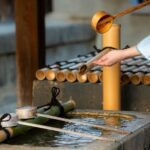
Stop 5: Nishiki Market shopping district for snacks and local rhythm
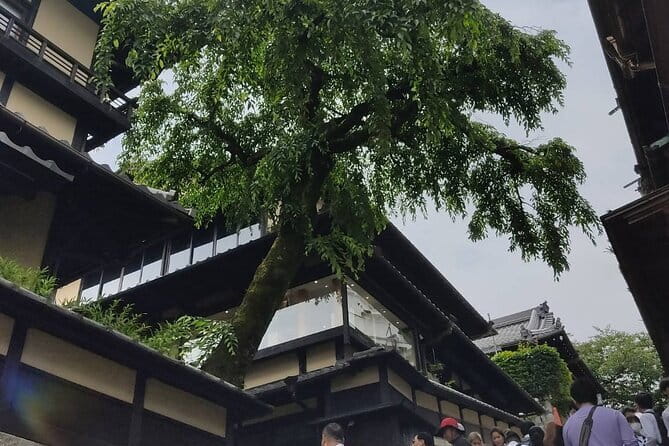
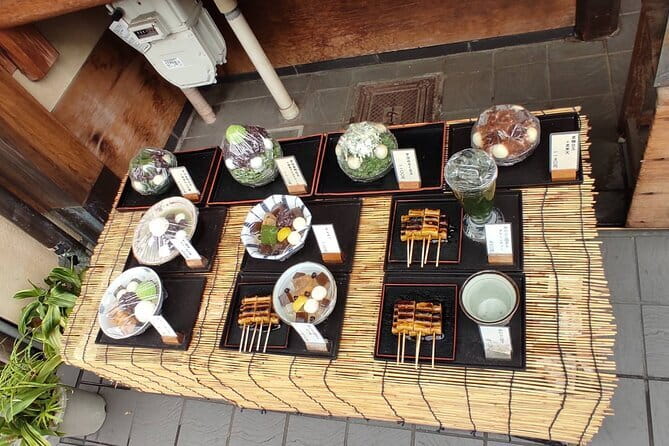
Nishiki Market shopping district is where Kyoto becomes more everyday. It started as a place locals used to buy food for their tables, and today it still operates like a lively food market district. Your time here is about 30 minutes, and admission is free, so it’s a practical way to finish your walk with less pressure.
If you want to buy small bites, this is the moment. The tour does not include lunch or snacks, so consider this your “use it or lose it” opportunity for tasting along the way. The guide’s notes can help you pick items, especially if you are not sure what is worth grabbing when everything smells good.
Also, this stop works as a reset. Markets move at a human pace, not the long queue pace of the major temples. It’s a nice way to end the day feeling like you touched daily life, not just monuments.
Price and logistics: is $130.06 per person worth it?
At $130.06 per person, this is not a budget tour. The value comes from the fact that it is private, you get an English guide, you get a customized plan, and you receive a Kyoto Bus/Metro 1-day pass.
Here’s the practical tradeoff to think about:
- What you get included: guide service, itinerary notes, photo help when you ask, the Kyoto Bus/Metro 1-day pass, and a route that can be adjusted to your interests.
- What costs extra: lunch and snacks, private transportation, and admission tickets at several stops.
So the real question is how many paid entries you plan to take and whether you want the convenience of a guide to handle timing and pacing. If you are traveling as two or three people, private tours often feel more reasonable because you are splitting guide costs across your group. If you are traveling solo, it can still be worth it when you care about customization and you do not want to spend your day making route decisions.
One more thing: this tour is booked about 69 days in advance on average. That suggests demand, and it also means you should not leave it to the last minute if you have fixed travel dates.
Timing hacks, what to ask, and what to wear
Because the day can run from 4 to 9 hours, treat it like an active half-day to full-day plan. That means building in comfort and keeping your expectations realistic about walking time.
Here are smart moves that fit the tour setup:
- Wear shoes you can walk in for hours, since the temples and approach paths often involve stairs and uneven ground.
- Bring a small amount of cash or payment method for temple admissions since some stops are not included.
- Decide your priority theme before you start, then tell your guide. A guide like Sho has been known to tailor Kyoto focus toward specific interests, even niche topics like Japanese swords, so asking is how you get that payoff.
- If you want photos, ask for them early. The guide offers free photo shoots when asked, and it’s easiest to get the shots before you feel rushed.
Weather is also a factor. The experience notes that good weather is required, and if it is canceled due to poor weather, you can get a different date or a full refund. In real Kyoto, light rain is common, so having flexibility is good, but don’t assume you can beat heavy weather.
Who this Kyoto tour fits best
This is a good match if you want a guided Kyoto day that still feels personal. It also fits well when:
- You like temples but want more than a checklist.
- Your group includes different interests, so you need a guide to balance what everyone cares about.
- You value practical logistics, like the transit pass and a clear route, without paying for private car transport.
It may be less ideal if you strongly prefer totally self-guided sightseeing with zero structure, or if you cannot manage moderate walking over multiple stops. In that case, you might still want a guide for just part of the day, then go independent for the rest.
Should you book this private customized Kyoto walking tour?
Book it if you want your Kyoto day to feel tailored, not generic. The mix of Kinkakuji, Fushimi Inari-taisha, Kiyomizu-dera, Nanzen-ji, and Nishiki Market hits the highlights while still leaving room for a different angle through your guide’s explanations.
Skip or reconsider if you are not interested in paying admissions for multiple temples, or if walking for several hours is a stretch. Also be honest about your ideal pace. This tour gives you freedom to end early, but it is still a walking day, so you should plan like it.
If you do book, think about your top two themes, then ask your guide to build around them. That’s where the private format pays off.
FAQ
How long is the Private Customized Walking Tour in Kyoto?
The tour runs about 4 to 9 hours.
Is this tour private?
Yes. It is private, so only your group participates.
Is pickup available?
Yes, pickup is offered.
Are admission tickets included for the temples?
Admission tickets are not included for Kinkakuji Temple, Kiyomizu-dera Temple, and Nanzen-ji. Fushimi Inari-taisha and Nishiki Market are listed as free.
Does the tour include lunch or snacks?
No. Lunch and snacks are not included.
What transportation is included?
You get a Kyoto Bus/Metro 1-day pass. It does not include JR, Keih, Hankyu, Randen, and Kintetsu lines.
Will I get a mobile ticket?
Yes. The tour includes a mobile ticket.
Are photos included?
When asked, the guide will take a free photo shoot.
What is the cancellation policy?
You can cancel for free up to 24 hours in advance for a full refund. If you cancel less than 24 hours before the start time, the amount paid is not refunded.
Is there a fitness requirement, and are service animals allowed?
The tour requires travelers to have a moderate physical fitness level. Service animals are allowed.
New This Season
- Koyasan Day Trip by Private Car from Kyoto
- Old Port Town and Ultimate Sake Tasting Private Tour From Kyoto
- Kyoto’s Timeless Charm: 3hr Exploration of History and Peace
- Kyoto: 5 Types of Sushi Making
- Sacred Peak & Ancient Paths: Kurama-Kibune Hiking Experience
- Kyoto: Exclusive ZEN practice at Manpukuji temple in Uji
- Kyoto: Private Seasonal Aroma Yoga Class
- Traversing Kyoto’s Scenic West – Arashiyama to Kinkakuji
Walking Tours, compared.
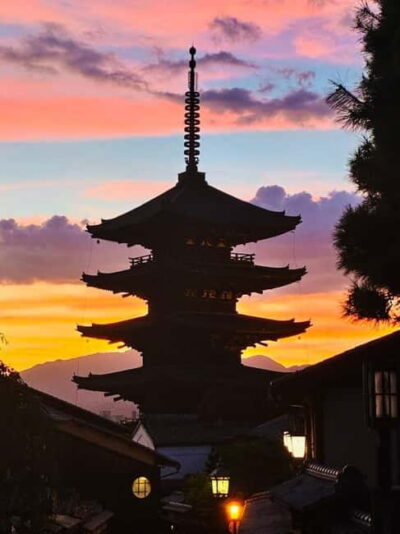
Kyoto Geisha Walking Tour: Gion District & Hidden Gems
Read our review →
Gion Magical Night Walking Tour with Geisha Trivia
Read our review →
Gion Geisha District Walking Tour – Stories of Geisha
Read our review →
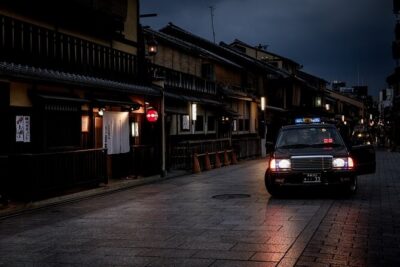
Kyoto Gion Geisha District Walking Tour – The Stories of Geisha
Read our review →
Nishiki Market Brunch Walking Tour (7 Tastings + Brunch)
Read our review →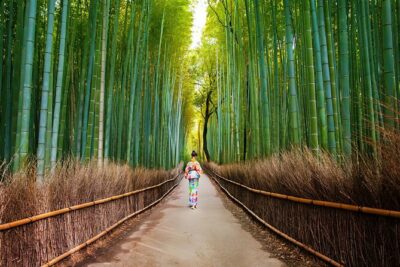
Kyoto Arashiyama Walking Tour: Bamboo, Monkeys, Gardens & Secrets
Read our review →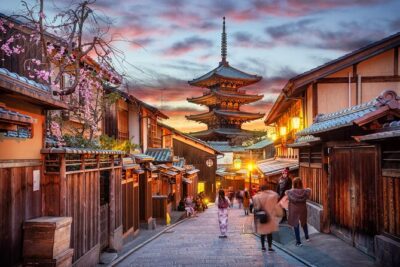
Kyoto Gion: 2-Hour Geisha Culture & History Walking Tour
Read our review →Also filed under