
Reviewed · GION GEISHA QUARTER WALKS
Private Walking Tour in Gion and Higashiyama
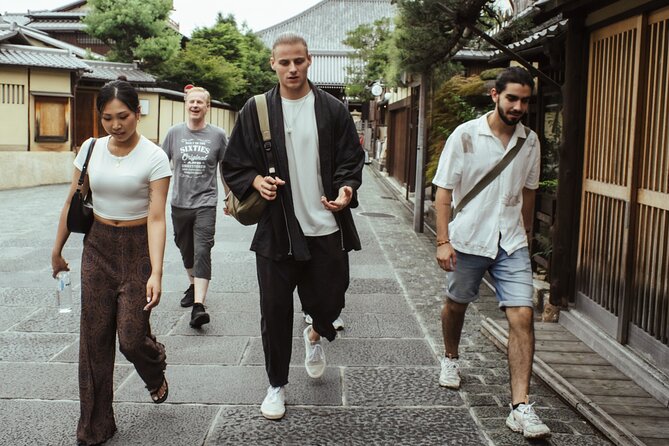
Kyoto can feel like a maze. This private walk makes Gion and Higashiyama simple, with a guide doing the navigation and the context. You get a time-saving route, plus commentary on Japanese traditions as you move between classic sights like Yasaka Shrine and Kennin-ji Temple.
What I like most is the private format, meaning you are not sharing the guide’s attention. I also love the pacing choices, short stops where you can actually look around, then quick explanations that help you understand what you are seeing. One thing to consider: you will be on your feet for about three hours, so it is best when you feel good about walking through older streets and temple paths.
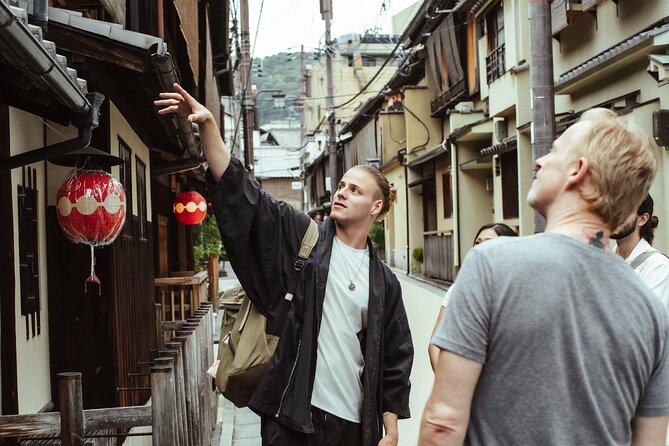
Dominic, the guide name I saw in a top review, stood out for being both upbeat and genuinely helpful. That is exactly what you want here: someone who can answer your questions on the spot and point out details you would miss if you were figuring it out alone.
In This Review
- Key points to know before you go
- Why Gion and Higashiyama work so well in one guided walk
- Meeting at the Izumo-no-Okuni statue, then walking to Yasaka Shrine
- Gion hour: geisha culture, street-level Kyoto, and what to actually watch for
- Kennin-ji Temple in 30 minutes: Buddhism origins and Zen context
- Hokan-ji and Yasaka Pagoda: old-town lanes, shops, and café breaks
- Ninenzaka Path to Maruyama Park: classic Higashiyama streets plus seasonal scenery
- Yasaka Shrine finish: architecture, omikuji culture, and Kyoto tradition up close
- Price and value of a private Kyoto guide at $144.88 per person
- Who this tour suits best, and who might want to rethink it
- Should you book this Gion and Higashiyama private walking tour?
- FAQ
- How long is the private walking tour?
- Is this experience private?
- How much does the tour cost?
- Where does the tour start and end?
- Which stops are included?
- Are there admission tickets to pay for the stops?
- Do I get a ticket on my phone?
- What is the cancellation policy?
- Is the tour easy to reach with public transportation?
Key points to know before you go
- Private, small-and-personal tour: only your group, so you can ask questions without waiting your turn
- Guide-run navigation: you follow a shortcut-style route so you can focus on sights instead of map math
- Free admission stops: the itinerary lists free entry at each temple and shrine stop
- Real cultural context: explanations tied to geisha culture and Japanese traditions, not just names on signs
- Historic streets with classic photo spots: Gion lanes, Ninenzaka Path, and Yasaka Shrine all in one walk
- Starts near the action: meeting at the Izumo-no-Okuni statue area and ending at Yasaka Shrine’s south gate
Why Gion and Higashiyama work so well in one guided walk
Gion and Higashiyama are the Kyoto neighborhoods most first-timers picture. You get old streets, temple silhouettes, and the feeling that the city has layers. The trick is doing it without spending your entire day reading maps and trying to translate temple names.
This tour is built around that problem. You cover multiple key areas in roughly three hours, with your guide setting the order and pace. Instead of chasing highlights one by one, you flow from Gion into temples, then along famous lanes toward Yasaka Shrine. It is a smart way to get your bearings fast.
If you care about culture, the timing matters too. You hear about geisha culture and Japanese traditions while you are actually standing in the streets where those stories belong. You do not have to take it on faith later after the fact.
Meeting at the Izumo-no-Okuni statue, then walking to Yasaka Shrine
The tour starts at the Statue of Izumo-no-Okuni in Higashiyama Ward, then finishes at Yasaka Shrine near the south side main gate. The end point is about a short walk from where you start, which helps if you do not want your day to turn into one long transit loop.
You also get a mobile ticket. That sounds small, but in Kyoto it is one less thing to juggle when you are moving from stop to stop. The service runs as a true private tour, so logistics feel simpler because the group is just yours.
Practical note: the route includes multiple temple and street areas, and Kyoto can be crowded. Even with a private guide, you will still be walking through the kinds of lanes that attract photographers and day-trippers. Go slow, keep your shoes comfortable, and treat it like a guided stroll rather than a strict sprint.
Lantern-lit streets of the geisha quarter
- Kyoto Geisha Walking Tour: Gion District & Hidden Gems
★ 4.7 · 3,273 reviews - Kyoto: Gion Magical Night Walking Tour with Geisha Trivia
★ 4.9 · 2,393 reviews - Kyoto: Gion Geisha District Walking Tour – Stories of Geisha
★ 4.7 · 2,187 reviews - Best of Kyoto: Gion, Geisha, Pagodas & Cobblestones
★ 4.9 · 2,058 reviews
Gion hour: geisha culture, street-level Kyoto, and what to actually watch for
Stop 1 is Gion, and the schedule gives it about one hour. This is your “orientation” stop. You start here because it sets the cultural tone for the rest of the walk.
Your guide explains the captivating history of Kyoto and focuses on the world of geisha culture, tying that context to what you see nearby. This matters, because Gion is not just pretty street views. There are traditions, customs, and social norms behind the scenes, and hearing it while you are there makes the neighborhood feel less like a theme park.
What you can expect at street level:
You will be walking down historic lanes where architecture, shopfronts, and the overall street rhythm tell a story. With a guide, you learn what to look for and why those details are meaningful.
Possible drawback: Gion is one of the areas where many people want the same photo angles. If you prefer quiet, you might find certain corners feel busy. The upside is that a guide can usually help you shift your position so you can still enjoy the street without constant stopping and starting.
Kennin-ji Temple in 30 minutes: Buddhism origins and Zen context
Next you head to Kennin-ji Temple for about 30 minutes. The itinerary frames it as one of Kyoto’s oldest Zen temples, and your guide connects the visit to the origins of Buddhism and its influence on Japanese culture.
This stop is valuable because it grounds the day. After Gion’s cultural storytelling, Kennin-ji gives you the spiritual roots that shaped so much of Kyoto. You get to see temple life in a shorter window, which works well if you are trying to see highlights without committing to a full temple half-day.
How to make the most of the time:
Slow down for the parts that feel architectural, not just scenic. Temples reward attention. When the guide shares background, you will likely understand what you are looking at, rather than just passing through.
In practical terms, 30 minutes is tight. If you want to read everything on plaques or sit for a long pause, you might wish you had more time. Still, the goal here is a well-paced highlights route, so short and focused fits the overall plan.
Hokan-ji and Yasaka Pagoda: old-town lanes, shops, and café breaks
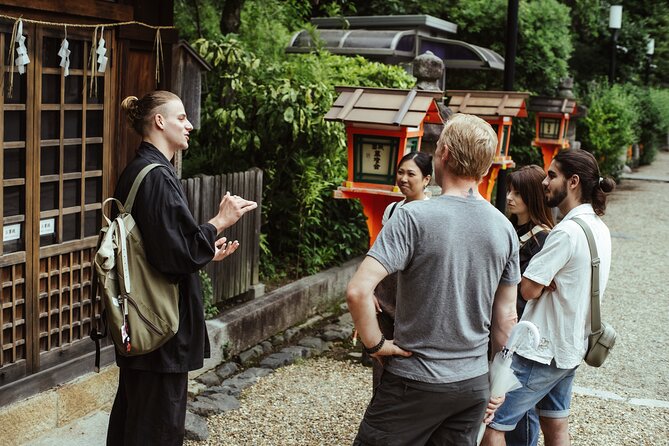
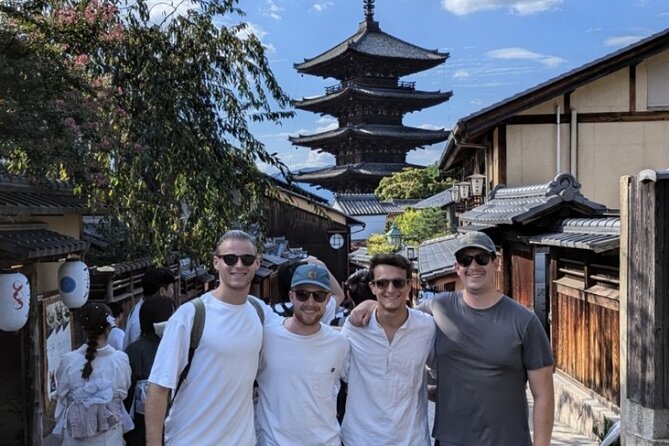
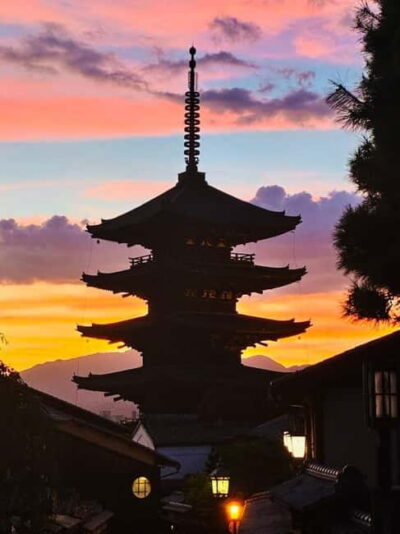
Stop 3 is Hokan-ji Temple, also described as the home of the Yasaka Pagoda. You get around 20 minutes here, plus time to enjoy the surrounding old town atmosphere.
What makes this stop feel different from Kennin-ji is the street texture around it. The area is described as having narrow streets lined with traditional shops and cozy cafes. Even when you are not stopping for a drink, just having that context helps you picture what this neighborhood looks like for locals, not just for photos.
You will also be walking, so think of this part as a “pause and feel it” stop. Look for small shopfront details and the way the lanes funnel you toward the next view. If you like slow strolling and you enjoy blending sightseeing with a sense of everyday life, this is a good chunk of the tour.
Ninenzaka Path to Maruyama Park: classic Higashiyama streets plus seasonal scenery
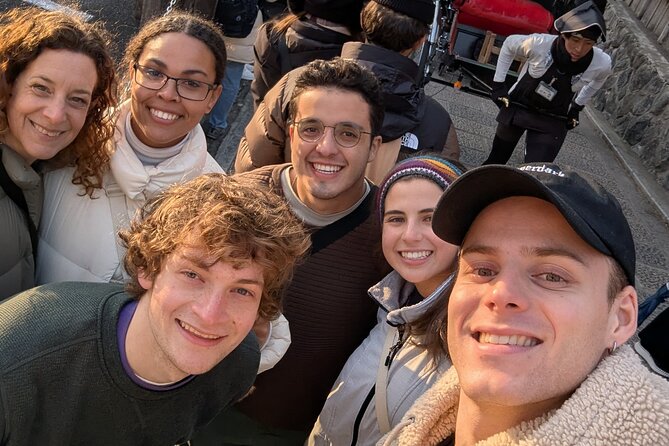
After the temples, the tour shifts into street walking along the Ninenzaka Path. This is a famous Higashiyama lane known for old shops, cozy cafes, and teahouses. The value here is momentum. You keep moving while still getting that classic Kyoto ambiance.
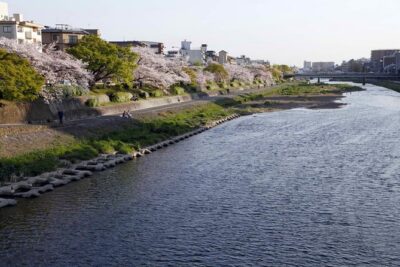
Then you reach Maruyama Park for about 10 minutes. The itinerary highlights it as a spot known for cherry blossoms in spring and momiji (autumn leaves) in fall, with views and temples around the area.
Even if you are not visiting in peak season, this stop gives you a breather and a visual payoff. Parks and open sightlines make a walking tour feel less like you are only absorbing rooftops and gate structures.
Practical consideration: 10 minutes is not long. Use it to take in the view, snap a couple photos, and reset. If you want an extended park moment, you can always linger after the guided route, but the tour keeps the day focused.
A quieter way to spend a day in Kyoto


Yasaka Shrine finish: architecture, omikuji culture, and Kyoto tradition up close
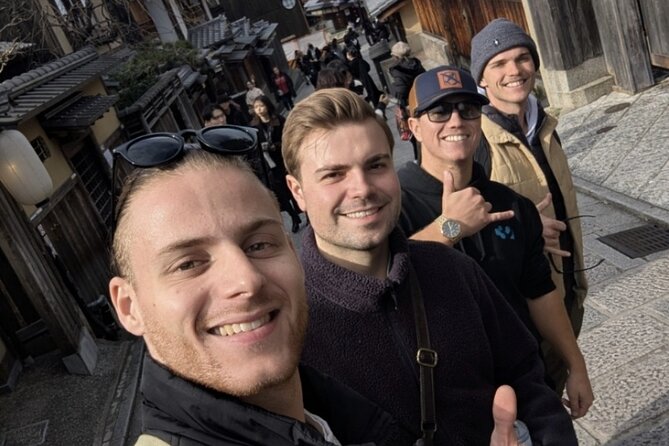
Your last major stop is Yasaka Shrine, with about 30 minutes on the schedule. It is described as historic and culturally significant, with stunning architecture.
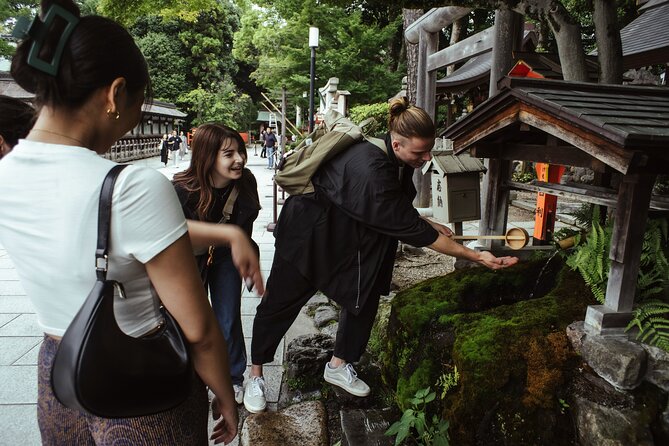
The guide also points out traditional practices you might encounter, including drawing omikuji fortunes. Even if you do not plan to draw one, it is useful to know that these rituals are part of how visitors and locals interact with the shrine.
Why this ending stop works:
You arrive at Yasaka Shrine when your brain has already loaded Kyoto context. Earlier stops on Buddhism and geisha culture connect to what you see here, even if it is a different kind of focus. By the time you finish, you have the feeling that you have been walking through Kyoto’s cultural map, not just collecting landmarks.
Also, ending at Yasaka Shrine is convenient. The tour wraps near the main gate on the south side, which makes it easier to continue your day in the Higashiyama direction if that is where your plans lead.
Price and value of a private Kyoto guide at $144.88 per person
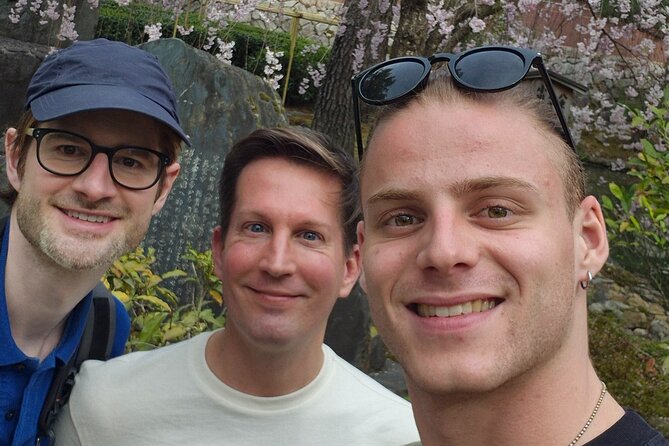
At $144.88 per person, this is not the cheapest way to see Gion and Higashiyama. The reason you pay is the private pacing and the guide’s time.
Here is the value breakdown that matters in real life:
- Private attention: you are not competing with a larger group for answers
- Navigation help: you get a shortcut-style route so you spend less time planning
- Cultural explanations: the guide connects sights to geisha culture and Japanese traditions while you are there
- Short, efficient stops: the itinerary keeps you moving so you can fit key areas into one day
The tour also lists free admission at Kennin-ji Temple, Hokan-ji Temple, and the shrine and park stops. That does not make the tour cheap by itself, but it reduces the usual “surprise fees” worry that can pop up with sightseeing.
So who gets the best deal?
You get the most value if you want a highlights day but do not want to do research, or if you prefer having someone answer questions in context. If you already love self-guided Kyoto planning and you enjoy figuring out sites on your own, you might feel this is pricier than you need. But for many people, saving mental effort in Kyoto is worth the premium.
The tour being booked on average about 59 days in advance is another clue. This is the kind of experience that people plan ahead for when they care about getting it right.
Who this tour suits best, and who might want to rethink it
This private walking tour fits best when:
You want to see Gion and Higashiyama efficiently in about three hours.
You want a guide to explain geisha culture, Japanese traditions, and Buddhism background at the right moments.
You prefer a private setup where your questions do not get ignored.
It may be less ideal if:
You want long, slow time at fewer stops. The schedule is built for coverage, so each temple segment is relatively short.
You dislike crowded lanes. Even with a guide, you are still in the most famous Kyoto neighborhoods.
For most people who are visiting Kyoto for a first time, or who only have one day for these districts, this kind of structured walking experience is a smart choice.
Should you book this Gion and Higashiyama private walking tour?
I think you should book this tour if you want a guided highlights route that cuts down on planning and keeps your attention on the sights. The private format is a real quality upgrade, and the itinerary focuses on the kind of stops that give you a full picture of Kyoto’s street life, spiritual context, and shrine culture.
I would skip it only if you already have a strong plan for self-guided walking and you do not care about having a guide connect the dots. If you are the type who likes to know what you are looking at before you take the photo, this is the kind of experience that pays off quickly.
If you book, bring comfortable shoes, wear layers (Kyoto weather can shift), and treat the walk as a guided conversation. You will finish with the feeling that the neighborhoods made sense, not just that you checked boxes.
FAQ
How long is the private walking tour?
The tour runs for about 3 hours.
Is this experience private?
Yes. It is a private tour, so only your group participates.
How much does the tour cost?
The price is $144.88 per person.
Where does the tour start and end?
It starts at the Statue of Izumo-no-Okuni in Higashiyama Ward, Kyoto, and it ends at Yasaka Shrine near the south side main gate.
Which stops are included?
The route includes Gion, Kennin-ji Temple, Hokan-ji Temple (Yasaka Pagoda), Ninenzaka Path, Maruyama Park, and Yasaka Shrine.
Are there admission tickets to pay for the stops?
The itinerary lists admission tickets as free at the listed stops.
Do I get a ticket on my phone?
Yes, the tour includes a mobile ticket.
What is the cancellation policy?
You can cancel for a full refund up to 24 hours in advance. If you cancel within 24 hours, the amount you paid is not refunded.
Is the tour easy to reach with public transportation?
Yes. The tour is near public transportation, and service animals are allowed.
New This Season
- Koyasan Day Trip by Private Car from Kyoto
- Old Port Town and Ultimate Sake Tasting Private Tour From Kyoto
- Kyoto’s Timeless Charm: 3hr Exploration of History and Peace
- Kyoto: 5 Types of Sushi Making
- Sacred Peak & Ancient Paths: Kurama-Kibune Hiking Experience
- Kyoto: Exclusive ZEN practice at Manpukuji temple in Uji
- Kyoto: Private Seasonal Aroma Yoga Class
- Traversing Kyoto’s Scenic West – Arashiyama to Kinkakuji
Gion Geisha Quarter Walks, compared.
Kyoto Geisha Walking Tour: Gion District & Hidden Gems
Read our review →
Gion Magical Night Walking Tour with Geisha Trivia
Read our review →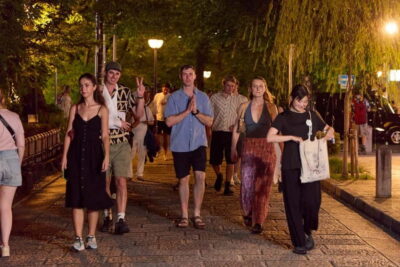
Gion Geisha District Walking Tour – Stories of Geisha
Read our review →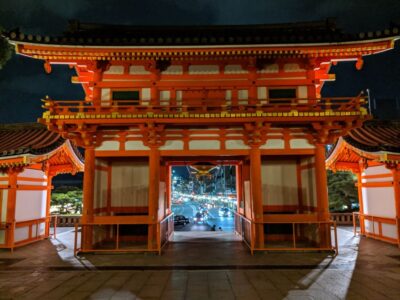
Best of Kyoto: Gion, Geisha, Pagodas & Cobblestones
Read our review →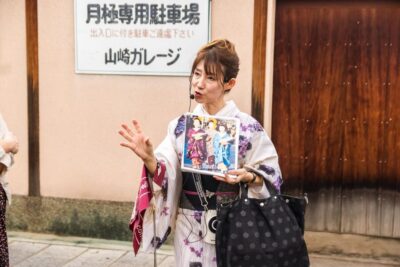
Kyoto Night Foodie Tour in Gion (9+ dishes + 6 Sake tastings)
Read our review →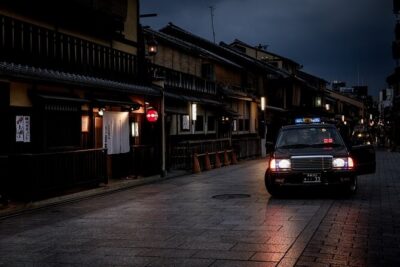
Kyoto Gion Geisha District Walking Tour – The Stories of Geisha
Read our review →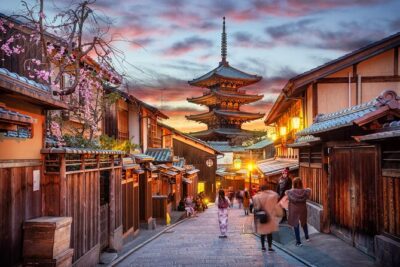
Kyoto Gion: 2-Hour Geisha Culture & History Walking Tour
Read our review →Also filed under