
Reviewed · TEA CEREMONIES
Tea ceremony and kimono experience at Kyoto, Tondaya
A Kyoto tea lesson in real house walls. You get a kimono fitted quickly at Tondaya, then settle into a tea ceremony in a historic machiya townhouse setting that feels far more Kyoto than a showroom. My favorite parts are the respectful, detail-focused tea guidance and the chance to roam a genuine old home for photos, but do note the experience can feel tight and loud in larger groups.
If you want a smooth, calm tea moment, pick your timing and group size wisely. The ceremony is short by design, and in busier sessions it can be harder to see, hear, and follow every step, especially if your group is packed into the same viewing space.
Still, for the price, I think the value is strongest when you treat this as two experiences in one: dressing in Kyoto fashion plus a guided tea ritual inside a real Meiji-era house.
In This Review
- Key things to know before you go
- Entering Tondaya’s Nishijin Machiya, not a staged set
- Kimono fitting: what it includes and what you should wear
- Touring the Meiji-era home: rooms, gardens, and where you’ll spend your time
- The tea ceremony itself: what you’ll see, what you’ll taste, and how to follow
- Where the value really shows: kimono plus a culture-first setting
- Group size reality at Tondaya: how to avoid the crowded-room problem
- Getting there and finding the place: small effort, big payoff
- Who should book this Kyoto tea and kimono experience
- Should you book Tondaya tea ceremony and kimono in Kyoto?
- FAQ
- How long does the Kyoto tea ceremony and kimono experience take?
- Is a kimono included, and do I wear it over my own clothes?
- Do I need to bring socks?
- Is the tea ceremony done in a group?
- Where does the experience start and end?
- Is this experience worth booking if I hate getting lost?
- Is free cancellation available?
Key things to know before you go
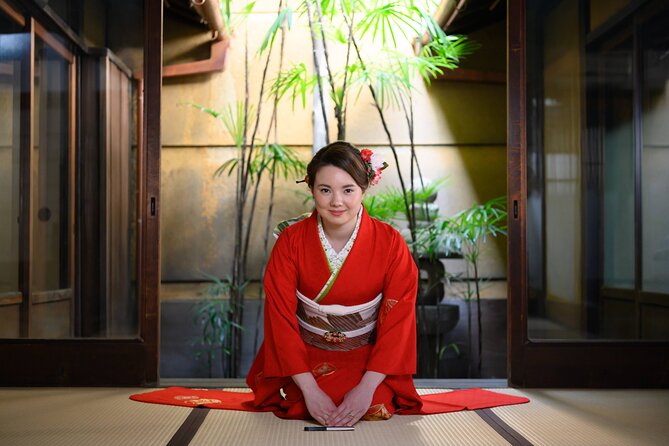
- A true machiya townhouse setting: tea and tour happen in a traditional wooden home associated with Nishijin cultural life.
- Kimono fitting plus photo time: you’re dressed over your own clothing and can take lots of pictures around the house.
- Meiji-era house tour: you see rooms, furnishings, and house details that feel lived-in and old.
- Tea ceremony with matcha and a sweet: you taste matcha and a complimentary sweet as part of the ritual.
- Group capped at 20: in high demand, this can affect visibility and how much explanation you catch.
- Bring socks: socks are required to protect cultural surfaces, and you may be able to buy some on site.
Entering Tondaya’s Nishijin Machiya, not a staged set
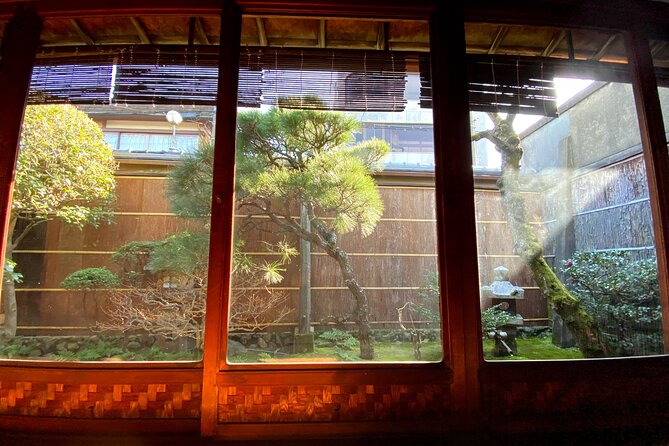
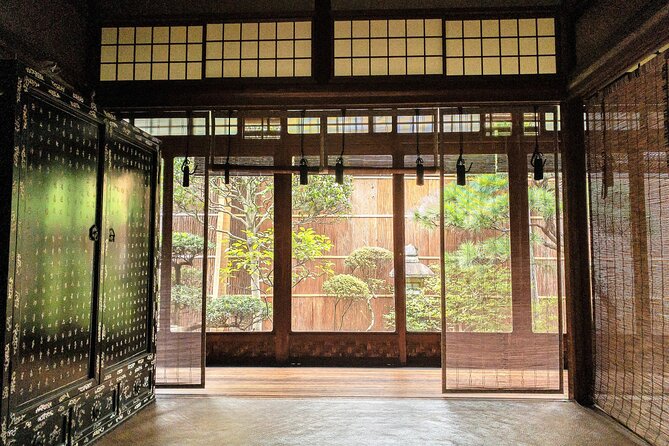
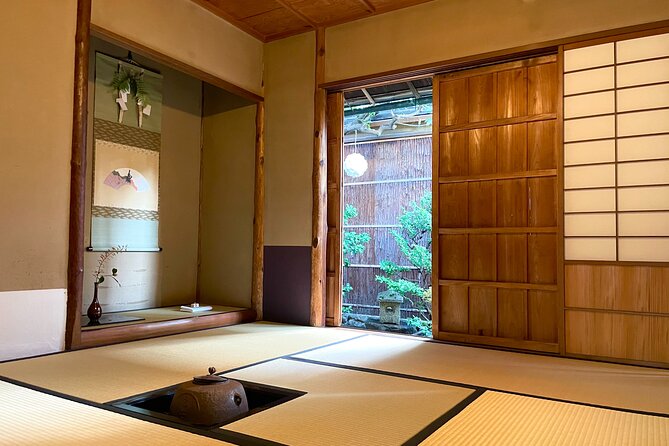
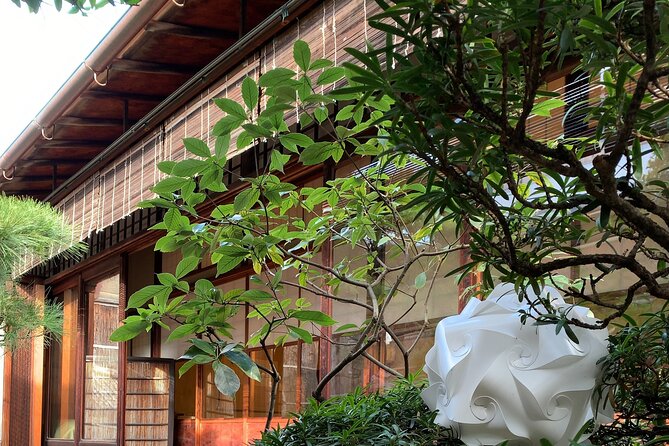
Kyoto is full of experiences that try to look traditional. Tondaya’s setup is different because the tea happens inside a real machiya style townhouse, not a purpose-built room that could be anywhere. You’ll notice it right away, from the historic structure to the gentle feel of seasonal air moving through the house.
This is one of those experiences where the location does half the storytelling. The building’s age, its layout, and the way people flow through rooms all help you understand why the tea ceremony is treated with care in Japan. You’re not just watching a performance, you’re sitting inside the culture that shaped it.
That said, the experience pace can be shaped by the number of people scheduled that day. If you’re sensitive to noise or you need a quiet, you might want to choose the private option.
Kimono fitting: what it includes and what you should wear
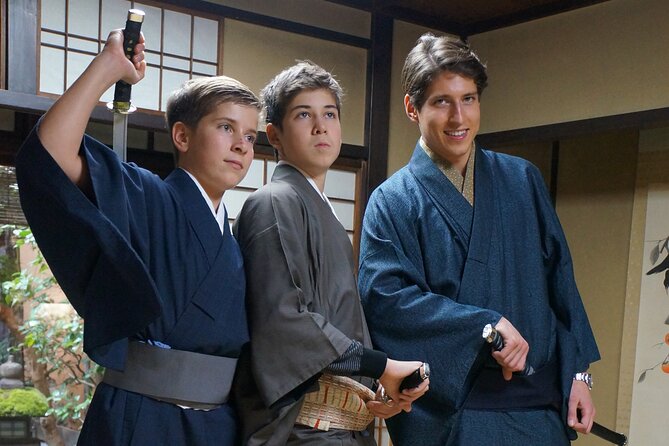
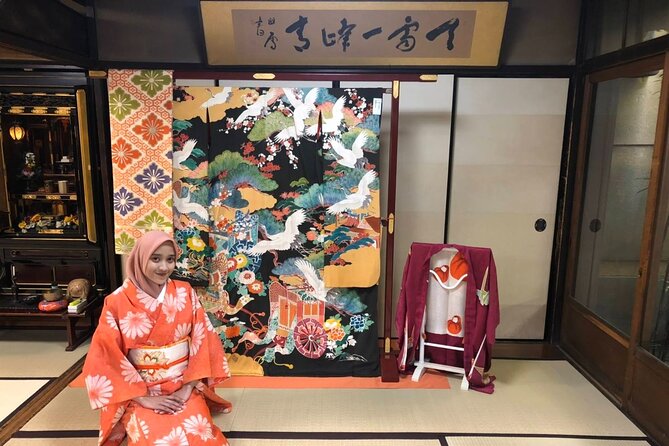
The kimono part is one of the main reasons people book this. You’ll be fitted promptly when you arrive, and you’ll wear an authentic silk kimono. Importantly, the experience is designed to work without hair styling or makeup included, so you keep your own baseline look and add the garment on top.
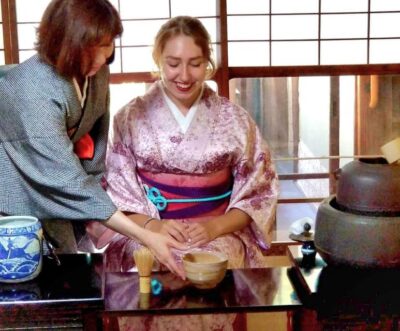
I like that the fitting feels practical, not stressful. The staff help you get dressed, and once you’re in your kimono you get time to walk around the house and take photos. That photo time matters because it’s not just quick selfies in a hallway. You get the setting, the colors, and the atmosphere of a historic home.
A few practical tips so you’re comfortable:
- Wear clothing you can change from easily, because you’ll be dressed over your regular clothes.
- Bring socks. The tour specifically asks for socks to help protect cultural assets. If you forget, you may be able to buy socks there.
- Comfortable footwear is useful for the walk to the museum area, but you do not need to bring traditional geta since it’s not included.
If you’re planning to take a lot of photos, plan your outfit before you come. In kimono, small styling choices show up, and you’ll want to look good in the house’s wooden rooms and gardens.
Walk the old streets in kimono
- Kimono Tea Ceremony at Kyoto Maikoya, NISHIKI
★ 5.0 · 911 reviews - Kyoto: Kimono Rental with Hairstyling and Accessories
★ 4.8 · 653 reviews - Kyoto: Kimono Tea Ceremony at Orizuruya Gion
★ 4.9 · 618 reviews - KYOTO Tea Ceremony with kimono near by Imamiya Jinjya Shrine
★ 5.0 · 343 reviews
Touring the Meiji-era home: rooms, gardens, and where you’ll spend your time
After your fitting, you’ll have a chance to explore the house grounds and interior. The machiya was built during the Meiji period, and it has the kind of details you only notice when you’re allowed to slow down and look around.
Expect a guided experience that blends house tour with cultural context. You’ll see the furniture and rooms, and you’ll hear how everyday life and arts like tea connect to the physical space. Many people love this part because it gives you context, not just a seat in front of a host.
Also, there’s something quietly pleasant about how the house feels when you’re standing inside it. The reviews and tour description mention seasonal breezes and an authentic home atmosphere. Even if you’ve seen Kyoto from streets and temples, this brings you closer to “how it felt to live here.”
The tradeoff is timing. You have about 1 hour 30 minutes maximum for the whole experience, and time can shift with crowds. If your group gets started late or is juggling multiple participants, your house tour may feel rushed.
And one more thing to set expectations: this is a shared group experience. If you’re hoping for long, quiet moments in every room, the schedule may not give you that.
The tea ceremony itself: what you’ll see, what you’ll taste, and how to follow
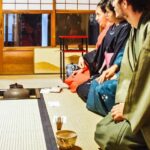
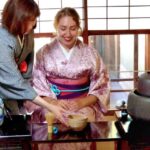
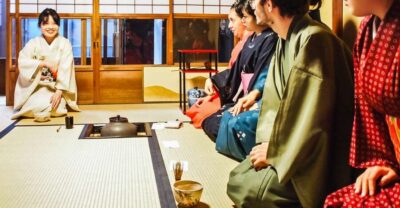
The ceremony is the heart of Tondaya’s event. You’ll watch the tea ritual and you’ll get to drink matcha with a sweet. Even when the ceremony is brief, it’s usually structured so you understand the basics of how the tea is prepared and served.
What I like here is the emphasis on doing things properly. You’re not just handed a cup and told good luck. You get guidance through the steps and some explanation of what each part means in the ritual.
From what’s described, the host demonstrates the process, and then the tea is served to the group. A few people noted that the ceremony can involve a first tasting led by the main performer and then tea served to others. In a crowded room, that sharing element can make the experience feel more like a lesson plus a handoff, which is still traditional in structure, but it can reduce the sense of one-on-one attention.
How to make the ceremony better for you:
- Arrive a little early, and get settled so you’re not scrambling when it’s time to watch.
- If you care about hearing the explanation, position yourself where you can see the host clearly. In group settings, your sightline becomes the whole ball game.
- Slow down your expectations. The ceremony may be fast, but you can still pick up the meaning behind the movements if you focus on observation rather than the clock.
A fair warning based on real feedback: in larger groups, the ceremony can feel cramped. Some people reported trouble seeing the host, hearing well, or sitting comfortably due to the room’s heat. If any of that is a dealbreaker, the private option is your best bet.
Where the value really shows: kimono plus a culture-first setting
Let’s talk money. At $178.34 per person, this is not a budget activity. You’re paying for three things at once:
- Kimono fitting with authentic garments and staff support.
- A tour inside a real historical home, not just a photo stop.
- A guided tea ceremony with matcha and a sweet.
So the question isn’t whether it’s expensive. The question is whether it matches what you want most in Kyoto.
If you want a quick, photogenic kimono event only, this might feel pricey. Several critical comments frame it as dressing up plus short tea rather than a deep, slow tea study. On the flip side, if you value the house setting, the respectful tone, and the chance to learn the basics properly, you’ll likely feel it’s money well spent.
The best value is for you if:
- You want kimono in a cultural setting (not just a street photo).
- You like guided structure, even if the ceremony is shorter than you imagined.
- You enjoy history at the lived-in level, seeing rooms and objects in an older Japanese house.
If you want a long ceremony with lots of detailed explanation in a calm, uncrowded room, you may feel the group version limits you.
Group size reality at Tondaya: how to avoid the crowded-room problem
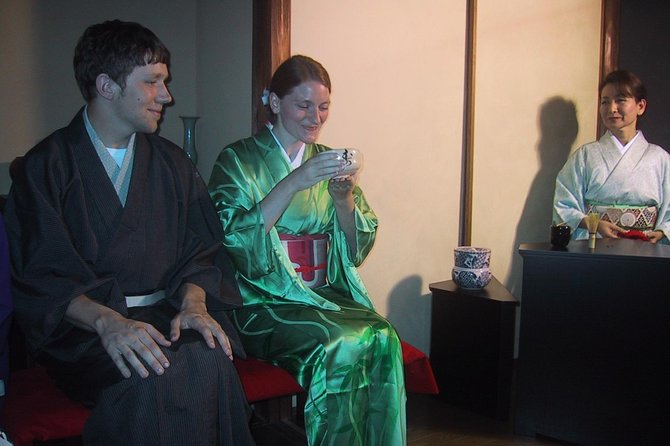
Tondaya caps the group at 20. That’s fairly reasonable on paper, and many people say the experience feels authentic and meaningful in the right conditions. Still, group dynamics matter.
In busier sessions, people describe difficulty seeing or hearing, and sometimes the room can feel chaotic when multiple groups overlap movement in stairways and small spaces. One big theme is simple: in a tight machiya tea space, crowding affects everything.
Here’s how to protect your experience:
- Choose the private experience option if you’re traveling with one or two companions and want quiet, clear viewing, and more space to ask questions.
- Keep your expectations flexible. The tour time can vary with crowding, and the ceremony may feel compressed.
- Plan for comfort. You’ll be seated during tea, and some rooms can get warm.
If you’re the type who wants calm, then you’re not the problem. The schedule is just competing with physics. A machiya has limited space by design.
More bowls, poured the traditional way
Getting there and finding the place: small effort, big payoff
Location is part of the experience. The meeting point is Tondaya – Nishijin Japanese Cultural Experience Museum at 697 Ishiyakushichō, Kamigyo Ward, Kyoto. It’s near public transportation, which helps, but a few people report that signage can be tricky, so you’ll want a plan.
My practical advice:
- Use GPS and double-check the pin before you leave.
- Give yourself extra time to locate the townhouse entrance.
- If you’re using a taxi, it’s a straightforward ride option compared with trying to hunt for side streets while your group is in kimono mode.
Arriving early also helps emotionally. You won’t feel rushed when you’re changing into kimono.
Who should book this Kyoto tea and kimono experience
This works especially well for:
- First-time visitors to Kyoto who want a quintessential culture experience without worrying about doing it wrong.
- People who love photos but also want the photos to happen in a real cultural space.
- Anyone who wants a guided tea ritual in a historic home and is okay with a shorter ceremony.
Consider private if:
- You’re a language-first listener and you want clear English throughout.
- You’re sensitive to crowd noise or you get frustrated when you cannot see the host.
- You want more time for questions and deeper explanation rather than watching the basics quickly.
If you’re already a tea-ceremony pro and want a longer, technical lesson, you might find the group version too short. But if you’re new or curious, it’s a strong introduction.
Should you book Tondaya tea ceremony and kimono in Kyoto?
I’d book this when you want both sides of Kyoto culture in one hour 30: the kimono experience and a guided tea moment inside a real machiya. The setting and the way the staff help you get dressed are the main draws, and the matcha plus sweet makes it feel complete.
I would skip the standard group option if:
- You know you hate crowds and cramped seating.
- You’re expecting a long, slow, very detailed tea lecture.
- You want a guaranteed quiet room where you can see every movement from your seat.
For most people, the sweet spot is simple. If you’re treating this as an authentic cultural introduction, not a full tea-study workshop, Tondaya delivers. And if you want the calm version, paying for private is the smartest upgrade.
FAQ
How long does the Kyoto tea ceremony and kimono experience take?
The maximum experience time is set at about 1.5 hours. Your actual timing may vary depending on how crowded the tour is.
Is a kimono included, and do I wear it over my own clothes?
Yes. You’ll be fitted with an authentic silk kimono to wear during the ceremony and townhouse experience, and it is worn over your own clothing.
Do I need to bring socks?
Yes. The experience requests that you bring socks to help protect cultural assets. If you forget, you could be able to buy socks on site.
Is the tea ceremony done in a group?
Yes. The standard experience is conducted in a group with other participants, and there is also a private experience option if you want only your group.
Where does the experience start and end?
It starts at Tondaya – Nishijin Japanese Cultural Experience Museum, 697 Ishiyakushichō, Kamigyo Ward, Kyoto, 602-8226, Japan, and it ends back at the meeting point.
Is this experience worth booking if I hate getting lost?
It can be, but do plan for finding it. Some people find the location hard to spot because signage can be limited, so using GPS and giving yourself a little extra time helps.
Is free cancellation available?
Yes, the experience offers free cancellation up to 24 hours in advance for a full refund.
New This Season
- Koyasan Day Trip by Private Car from Kyoto
- Old Port Town and Ultimate Sake Tasting Private Tour From Kyoto
- Kyoto’s Timeless Charm: 3hr Exploration of History and Peace
- Kyoto: 5 Types of Sushi Making
- Sacred Peak & Ancient Paths: Kurama-Kibune Hiking Experience
- Kyoto: Exclusive ZEN practice at Manpukuji temple in Uji
- Kyoto: Private Seasonal Aroma Yoga Class
- Traversing Kyoto’s Scenic West – Arashiyama to Kinkakuji
Tea Ceremonies, compared.
Tea Ceremony in a Traditional Tea House in Kiyomizu
Read our review →
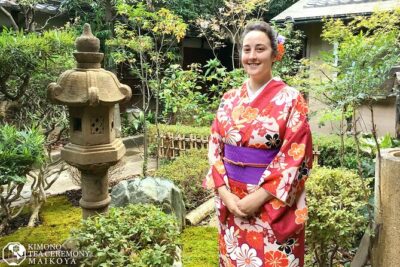
Kimono Tea Ceremony at Kyoto Maikoya, NISHIKI
Read our review →
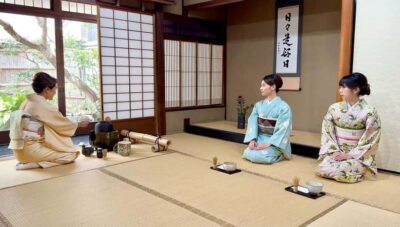
Tea Ceremony in 100-year-old Kyo-Machiya Townhouse
Read our review →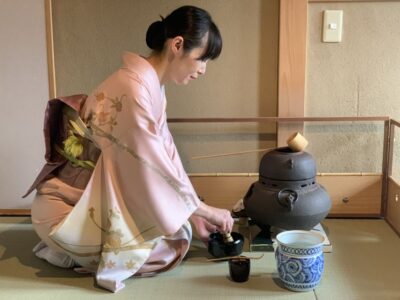
Also filed under