
Reviewed · ARTISAN CRAFT WORKSHOPS
【OKADA】Kyoto Japanese calligraphy experience (shodo)
One brushstroke, one quiet hour in Kyoto. If you want a hands-on break from temples and trains, this Japanese calligraphy (shodo) workshop in Higashiyama turns kanji basics into something you can hold.
I really like two things here. First, the English-speaking instructor keeps the steps clear and calming. Second, you leave with a shikishi board that you wrote yourself, not just a souvenir photo.
One consideration: this is a no-kimono plan. If you want the full look, you’ll need to budget for kimono rental separately.
In This Review
- Key Things to Know Before You Go
- A One-Hour Shodo Session in Kyoto’s Higashiyama Area
- Your Tool Kit: Fude Brush, Sumi Ink, and Shikishi Board
- How the Class Builds From Kanji Meaning to Stroke Order
- Posture and Technique: The Quiet Skill That Changes Everything
- Making Your Original Piece on Shikishi
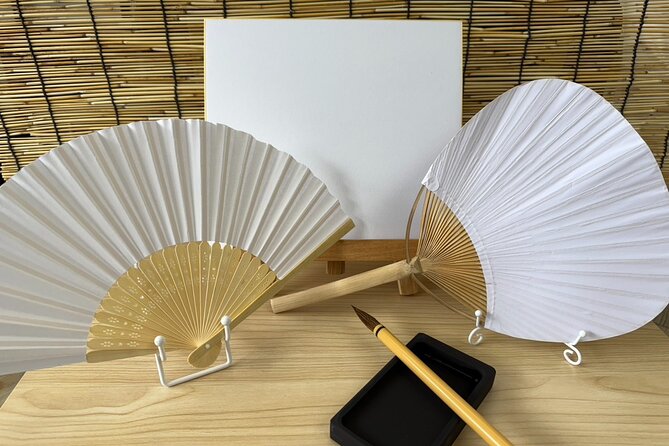
- Optional Add-Ons: Writing on a Sensu or Uchiwa Fan
- Price and Value: Is $45.81 Fair for Kyoto?
- How to Fit It Into Your Kyoto Day
- Who This Workshop Is Best For
- Tips to Get the Best Results (Without Stress)
- Should You Book This Kyoto Japanese Calligraphy Experience?
- FAQ
- How long is the Japanese calligraphy experience?
- Is the instruction available in English?
- What materials are included?
- Can I take my work home?
- Is kimono included in the plan?
- Are fan add-ons available, and what do they cost?
- Is there a limit on group size?
Key Things to Know Before You Go
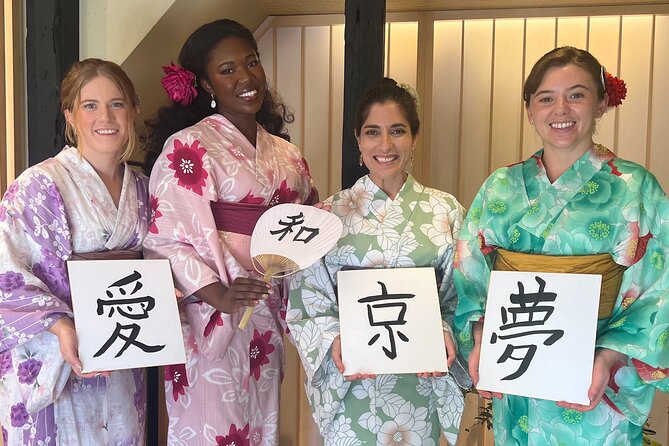
- Beginner-friendly shodo instruction that walks you through posture, brush handling, and stroke order
- English guidance so you can focus on doing the writing, not decoding instructions
- Traditional tools provided, including fude brush and sumi ink, plus paper and practice sheets
- Take-home art is included with one shikishi board made during the session
- Optional fan calligraphy is available if you want an extra gift or keepsake (sensu and uchiwa)
- Small group size, capped at 8 people, which helps you get personal attention
A One-Hour Shodo Session in Kyoto’s Higashiyama Area
Kyoto has a way of making everything feel intentional, even a short workshop. This calligraphy experience runs about 1 hour, so it fits neatly between sightseeing blocks.
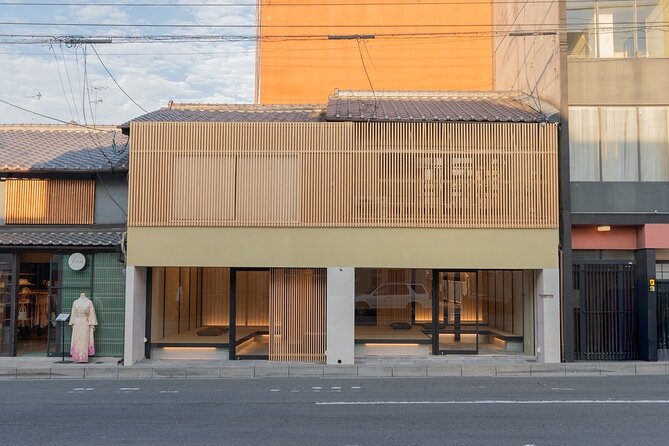
The location is in Higashiyama Ward, near public transportation, and the activity starts at 102 Tatsumichō, Higashiyama Ward, Kyoto 605-0855. You’ll return to the meeting point at the end, which keeps things simple.
Small groups matter. With a maximum of 8 travelers, the instructor can slow down when someone needs a second look at technique, and kids usually do fine here too.
Your Tool Kit: Fude Brush, Sumi Ink, and Shikishi Board
The best part of a shodo workshop is that you actually do the work. You get the classic setup: a traditional fude brush, sumi ink, and the paper you need to practice. You also get practice sheets before you move to the final piece.
Then comes the take-home item. You’ll create your own calligraphy on a shikishi board, which you can take with you. For many people, that single detail is what makes the session worth it, because your effort becomes something physical, not just memories.
If you love crafting, you’ll appreciate how the materials are set up for control. With calligraphy, the brush isn’t just a tool, it’s your instrument. The guidance helps you learn how much pressure to use, how to start a stroke, and how to finish cleanly.
Make something with a Kyoto craftsman
- Authentic knife making experience at a blacksmith in Kyoto
★ 4.8 · 350 reviews - Kyoto: Calligraphy class at Buddhist temple in city center
★ 5.0 · 167 reviews - Roketsu dyeing experience: M course Roketsu Dyeing Experience
★ 5.0 · 163 reviews - Kyoto: Japanese Calligraphy Class
★ 4.8 · 89 reviews
How the Class Builds From Kanji Meaning to Stroke Order
This workshop doesn’t toss you straight into writing. You’ll learn a bit about the history and meaning of kanji characters and then apply what you learn through practice.
Expect the session to focus on fundamentals that improve your results fast:
- stroke order, so the character flows correctly
- brush technique, so your lines have the right character
- and posture, because the writing motion comes from your body, not only your hand
Even if you only recognize a few kanji, the class approach is made for beginners. You get enough background to understand what you’re writing, and then you get guided time to practice until it feels steady.
Posture and Technique: The Quiet Skill That Changes Everything
Shodo can look effortless from a distance. Up close, it is very physical. This is where the instructor’s coaching earns its keep.
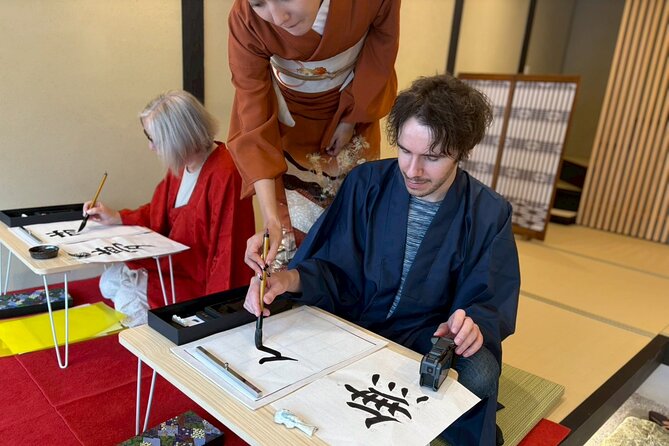
You’ll get help with proper posture and brush technique. That’s not filler. If your body position is off, your strokes get shaky. If you press too hard or lift too early, ink behaves differently and the character won’t look right.
One practical benefit for you: the class is structured so you can correct common mistakes in real time. In a group setting, that patience makes a big difference. The reviews highlight guides who stay calm and encouraging, especially with kids.
Making Your Original Piece on Shikishi
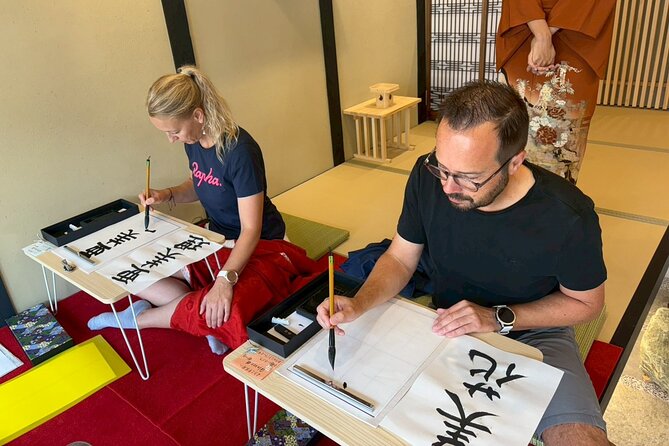
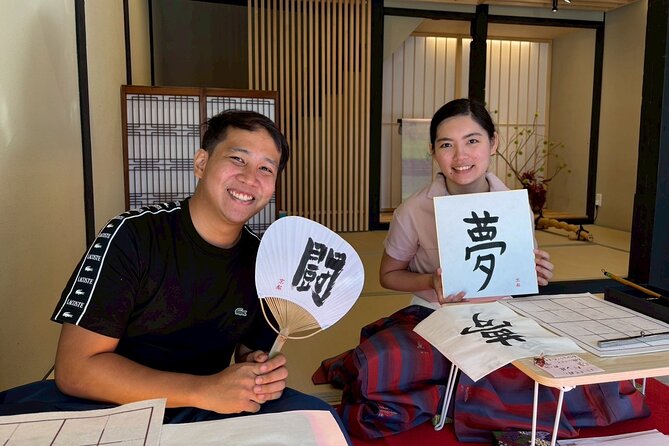
The core event is creating your own calligraphy on the shikishi board. This is the moment where you stop copying practice marks and start committing to a final result.
The instructor guides you through the steps, including what to watch for while writing. You’re not expected to be a calligraphy expert when you arrive. You’re expected to try, adjust, and enjoy the process.
And yes, it’s fun. The “this is my handwriting” moment hits fast, especially when you see that the final piece looks like actual Japanese calligraphy rather than a classroom worksheet.
If you want an extra target for your energy, pick a character theme you like. The workshop includes instruction about meaning, so having a character that resonates makes the time feel more personal.
Optional Add-Ons: Writing on a Sensu or Uchiwa Fan
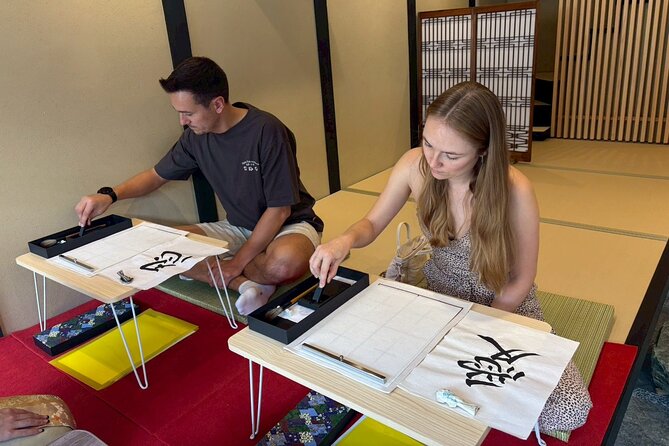
Want something a little more gift-ready? There are two optional add-ons:
- Sensu folding fan calligraphy: +¥1,500
- Uchiwa flat fan calligraphy: +¥800
These are great if you’re traveling with someone back home. A fan is also easy to display and carry later, and it turns your shodo skill into something that feels more “Kyoto” than a flat paper souvenir.
Just know they’re optional. The included plan already gives you the shikishi board, so you can keep your budget simple and still end up with a strong take-home piece.
A day of temples goes further with something to break it up.


Price and Value: Is $45.81 Fair for Kyoto?
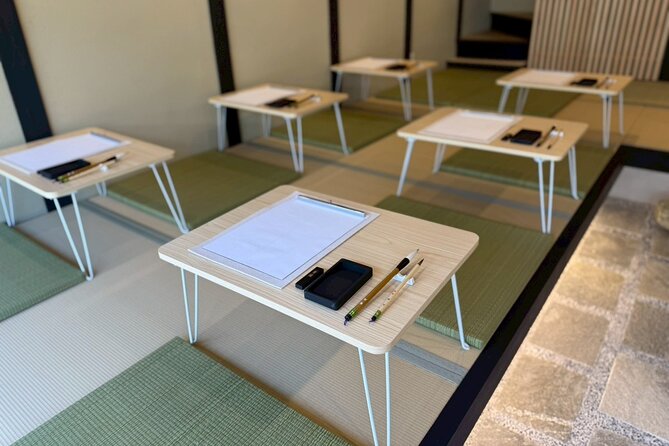
At $45.81 per person, this workshop looks modest, especially because materials are included. You get an English instructor, all calligraphy materials (brush, ink, paper), practice sheets, and one shikishi board to take home.
That matters because many cultural experiences in Kyoto charge extra for the “do the thing” part, like supplies or the final output. Here, the price is doing the heavy lifting. You’re not paying for a lecture. You’re paying for time, tools, and a finished artifact.
If you choose the optional fan add-on, your total will go up. But even with the base price alone, you end with a souvenir that you made yourself, which is usually the difference between something you keep and something you toss in a drawer.
A smart approach: If you’re on a tighter budget, skip the fan and focus on nailing the shikishi piece. If you’re buying gifts, the fan add-on can be a practical way to multiply the usefulness of your time.
How to Fit It Into Your Kyoto Day
Because this is about one hour, you can treat it like a “slow activity” break. You can schedule it between more active sightseeing, like after a morning walk through Higashiyama or before an evening meal.
Aim to arrive a few minutes early so you can settle in. Calligraphy takes a moment to get comfortable with, even when instruction is clear.
Also, keep in mind you’ll be using ink and brush materials. Wear something you don’t mind getting a little messy, or at least something comfortable enough to focus.
And if you’re doing this with kids, that’s a good sign for your planning. The workshop is described as easy to follow and enjoyable for all ages, and the guidance is known for patience.
Who This Workshop Is Best For
This is a strong choice if you want:
- a cultural activity that’s not just watching
- an easy-to-follow beginner experience
- a take-home craft souvenir made during your trip
It’s especially good for families. The instruction style is friendly and patient, and kids do well when they can focus on one step at a time and see a finish product on a board.
It also works well for solo travelers. In small groups, you’re not left alone with vague instructions. You get direction, then you get time to practice.
If you’re an advanced calligraphy person, you might find it basic. Still, you could enjoy it for the structure and the chance to take home a board tied to a specific character meaning.
Tips to Get the Best Results (Without Stress)
You don’t need previous experience. Still, you can make your session smoother with a few simple moves.
First, listen to the posture and brush guidance carefully. Your body position sets the tone for your strokes. Second, don’t rush the first practice lines. The class is set up so your control improves as you go.
Third, treat the final board as the product of your practice, not a test. Even if your first attempt looks different than you imagined, the instructor can help you correct and improve.
Finally, plan what you want the character to represent. When you connect the meaning to the writing, the finished piece feels more like yours.
Should You Book This Kyoto Japanese Calligraphy Experience?
Book it if you want a beginner-friendly shodo workshop with English instruction and a take-home shikishi board that you actually made. The small group size and the focus on posture, stroke order, and brush technique make it feel structured, not chaotic.
Pass or consider alternatives if you specifically want a kimono included experience. This plan does not include kimono rental, so you’d add that cost separately. Also, if you’re a serious calligrapher looking for advanced technical training, this may feel like a beginner starter session.
Overall, for the time, the included materials, and the finished art, it’s a high-value, low-pressure way to experience Japan with your hands.
FAQ
How long is the Japanese calligraphy experience?
It lasts about 1 hour.
Is the instruction available in English?
Yes. All instruction is available in English.
What materials are included?
The experience includes all calligraphy materials, including the brush, ink, and paper, plus practice sheets.
Can I take my work home?
Yes. You create calligraphy on one shikishi board, which you can take home.
Is kimono included in the plan?
No. Kimono is not included. Kimono rental is listed as ¥5,000 to ¥5,000+ (as noted).
Are fan add-ons available, and what do they cost?
Yes. You can optionally write on a sensu folding fan for +¥1,500, or on an uchiwa flat fan for +¥800.
Is there a limit on group size?
Yes. The experience has a maximum of 8 travelers.
New This Season
- Koyasan Day Trip by Private Car from Kyoto
- Old Port Town and Ultimate Sake Tasting Private Tour From Kyoto
- Kyoto’s Timeless Charm: 3hr Exploration of History and Peace
- Kyoto: 5 Types of Sushi Making
- Sacred Peak & Ancient Paths: Kurama-Kibune Hiking Experience
- Kyoto: Exclusive ZEN practice at Manpukuji temple in Uji
- Kyoto: Private Seasonal Aroma Yoga Class
- Traversing Kyoto’s Scenic West – Arashiyama to Kinkakuji
Artisan Craft Workshops, compared.
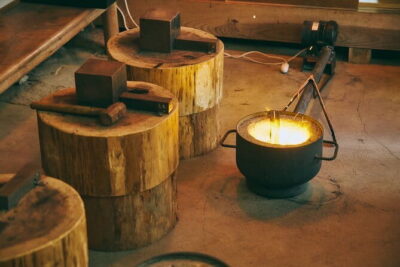
Authentic knife making experience at a blacksmith in Kyoto
Read our review →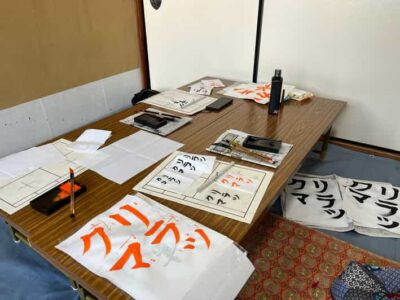
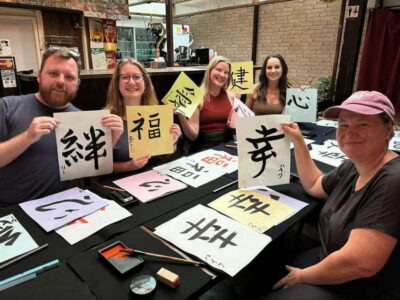
Calligraphy class at Buddhist temple in city center
Read our review →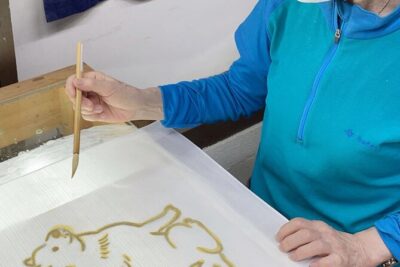
Roketsu dyeing experience: M course Roketsu Dyeing Experience
Read our review →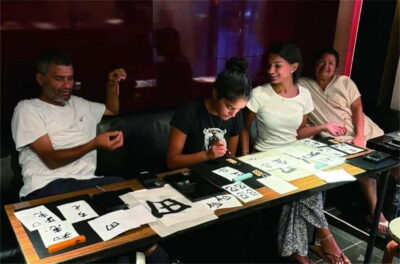

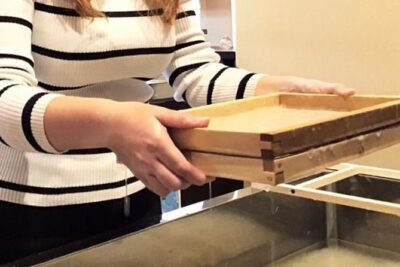
Traditional Japanese Washi Papermaking- Kyoto morning
Read our review →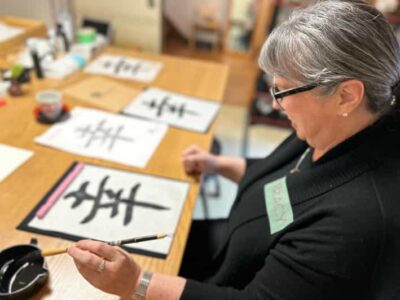
Also filed under