
Reviewed · TEA CEREMONIES
Experience a tea ceremony in an authentic tearoom, in Kyoto!
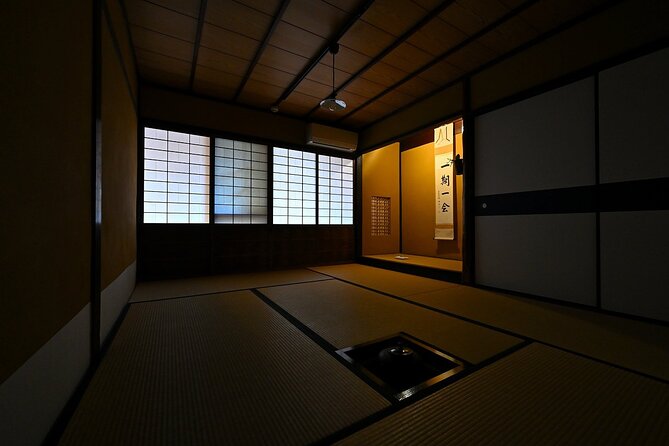
A quiet Kyoto corner beats the big-ticket sights every time. This tea ceremony happens in a 130-year-old townhouse, where you step in from the garden and follow a real-style flow. You get hands-on matcha making and a clear intro to tea culture, not just a quick photo moment.
I especially liked the way the host (Kaori) sets a calm pace and explains each step in easy English, then gets you to actually do it. Another highlight is the included snack detail, dried sweets made with wasanbon sugar from a long-established Kyoto shop. One thing to consider, it is a short lesson (about 45 minutes), so if you want an all-day, ultra-formal ceremony, this is more of a focused introduction.
In This Review
- Kyoto Tea Ceremony in a 130-Year-Old Townhouse, Not a Set-Price Performance
- First Step In: How This Kyoto Tea Room Feels Different
- What Happens in Your 45 Minutes (And Why the Timing Works)
- The Matcha Lesson: More Than a Pour and a Sip
- The Sweets Detail: Wasanbon and Kyoto Craft
- Price and Value: What $39.63 Buys You in Kyoto
- Group Size, Comfort, and Access to the Host
- Location and Getting There Without Stress
- Who This Tea Ceremony Fits Best (And Who Might Skip It)
- Practical Tips to Get the Most From Your Ceremony
- Should You Book This Kyoto Tea Ceremony?
- FAQ
- How long is the Kyoto tea ceremony?
- How much does it cost?
- Is the group size small?
- What will I do during the experience?
- Does it include anything besides tea?
- Where is the meeting point?
- What is the cancellation policy?
Kyoto Tea Ceremony in a 130-Year-Old Townhouse, Not a Set-Price Performance
Tiny group, real-room feel
Step-through-the-garden arrival
Make matcha yourself, not just watch
Wasanbon sweets with a story
Learn what to do at home without tea utensils
English-friendly hosting by Kaori
First Step In: How This Kyoto Tea Room Feels Different
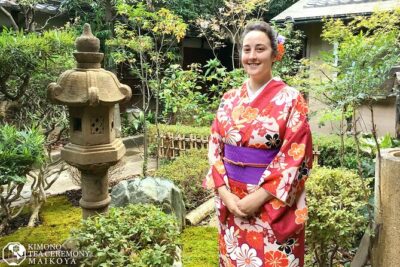
Kyoto can feel loud, even when you are in a calm neighborhood. This experience gives you the opposite mood fast. You start at a local address in Nakagyo Ward, then you move toward a tea room in a historic townhouse. The special moment is the arrival itself, you slip into the space from the garden side, like you are part of the ritual, not just passing through.
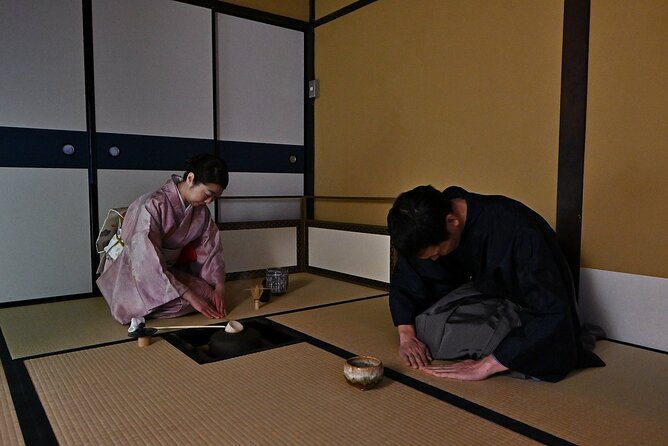
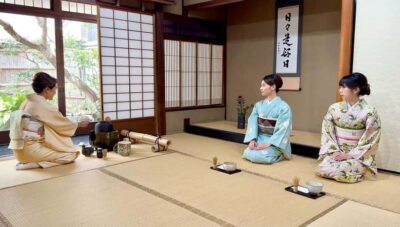
The setting matters. A 130-year-old Kyoto townhouse does more than look pretty. It also helps the lesson make sense. The pace stays slow, the room feels intimate, and the ceremony has room to breathe. In a city full of quick stops, that already feels like good value.
What Happens in Your 45 Minutes (And Why the Timing Works)
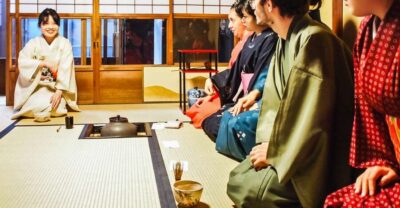
This runs about 45 minutes, and the structure is smart for first-timers. You are not trapped for a long stretch, but you still get a proper before-and-after arc: watch, learn, then practice.
Here is the flow you can expect:
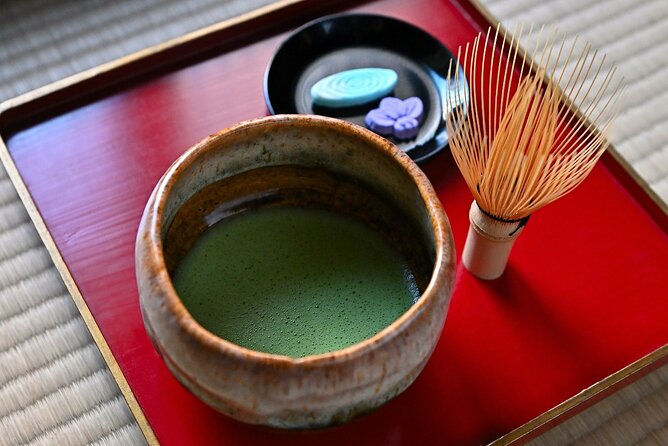
First, you enjoy dried sweets while watching the instructor demonstrate. Those sweets are not random candy. They are from a historic Kyoto confectionery shop, and they tie into the culture of tea gatherings. It gives you a taste of the season and the tea-room mindset, where small things are treated with care.
Next comes the explanation portion. You learn:
- the history and culture of tea ceremony
- how to appreciate and drink matcha
- how to make matcha by yourself, even as a beginner
- tips on enjoying tea at home without the full set of utensils
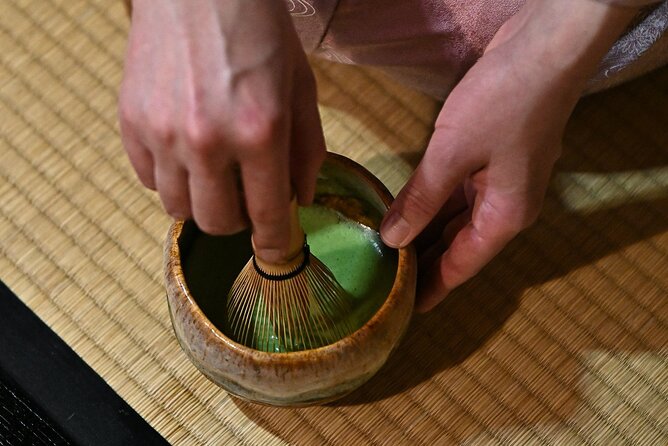
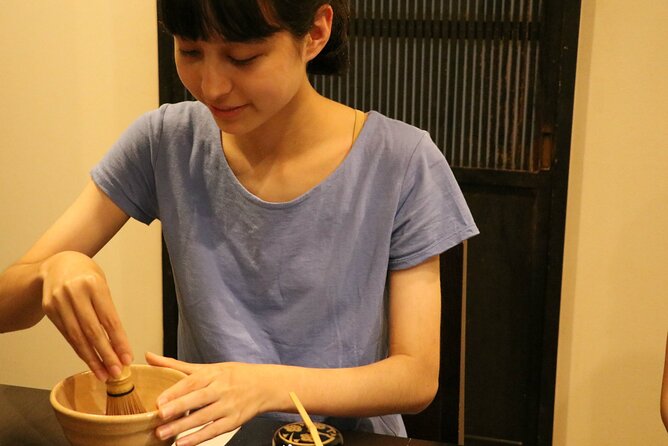
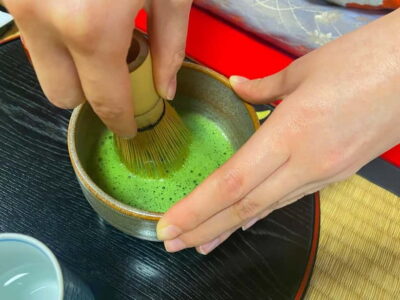
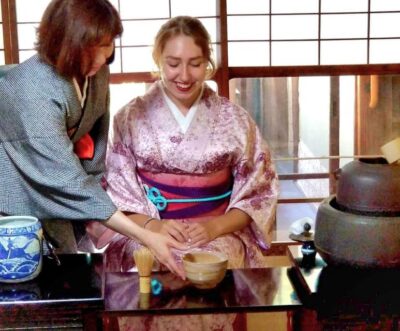
Then you make your own matcha. The hands-on part is the whole point here, so plan to slow down and actually do the steps. Even if you think you are not the artsy type, the process is very teachable, and the host keeps it beginner-friendly.
Finally, you wrap up with a sense of what to do next at home. That is a big deal, because many tea ceremonies end right when the lesson starts sinking in. This one tries to land in your daily life.
More bowls, poured the traditional way
- Kyoto: Tea Ceremony in a Traditional Tea House in Kiyomizu
★ 4.9 · 3,519 reviews - Kyoto: Tea Ceremony Ju-An at Jotokuji Temple
★ 4.9 · 3,207 reviews - Kyoto: 45-Minute Tea Ceremony Lesson Experience
★ 4.3 · 2,378 reviews - Kyoto: Table-Style Tea Ceremony at a Kyo-Machiya
★ 4.9 · 1,211 reviews
The Matcha Lesson: More Than a Pour and a Sip
Matcha is where the ceremony becomes real. It is not only a drink here, it is a method. You learn the logic behind the motions, not just the motions themselves.
One of the most praised parts of the experience is how clearly it gets explained. The host, Kaori, is known for careful step-by-step guidance, and English communication is a common highlight. For you, that means less guessing. You can focus on what your hands and senses are doing.
You also learn how to appreciate matcha properly. That includes understanding what you are tasting and how it should feel, rather than treating it like another beverage. The difference shows up fast when you make it yourself, because you notice texture, aroma, and the result of your mixing.
If you are worried about beginner mistakes, do not. The whole point is that you start from zero and build up. You will even get ideas on how to enjoy tea at home without the full tea tool kit, which is useful if you are traveling light.
The Sweets Detail: Wasanbon and Kyoto Craft
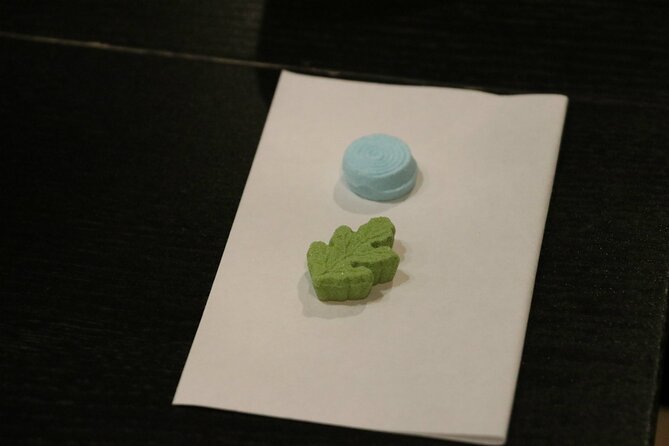
Most tea ceremony experiences include sweets, but this one pays attention to what you are actually eating. You get dried sweets, and a key detail is that they are made with wasanbon sugar.
Wasanbon is a traditional type of sugar tied to Japanese confectionery culture. It is served in real tea ceremonies, so it is part of the experience rather than a generic add-on. You can also hear the explanation from the host, including where the sweets come from, which helps the taste feel connected to place.
If you are the kind of traveler who thinks sweets are just a sugar hit, this may still be worth it because the explanation changes how you see the snack. It becomes part of the tea-room rhythm, not a break from it.
Price and Value: What $39.63 Buys You in Kyoto
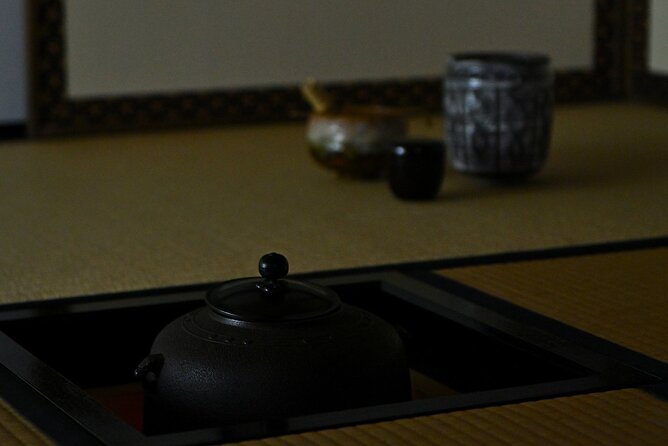
At $39.63 per person, this is not a cheap impulsive add-on. But it is also not priced like a luxury full-service event. The value comes from a mix of things that are hard to fake:
1) A real historic venue
A 130-year-old townhouse is not something you can easily recreate yourself in Kyoto.
2) A small group size
This caps at 10 travelers. That matters because you can ask questions and you get time to practice.
3) Hands-on matcha making
Watching is nice. Doing it is better. You leave with the knowledge of how to make it yourself, plus tips for enjoying it at home without the whole toolkit.
4) Cultural context with practical outcomes
You learn the history and customs, but you also get practical takeaways for drinking and making matcha later.
So if you want a short, high-impact cultural lesson with a real outcome, this is a solid value. If you want a long, formal ceremony style experience with costumes for everyone, you might find this closer to a starter lesson than the most traditional, full-length version.
Group Size, Comfort, and Access to the Host
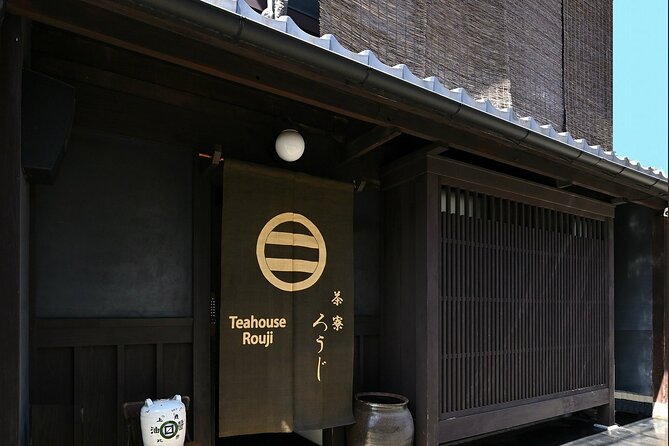
This runs with a maximum of 10 travelers. That usually creates a calm room and less waiting around. Many people also describe the experience as intimate, including scenarios where family groups were small.
Comfort is handled with common-sense options. One review specifically noted a stool was available if you have knee or sitting challenges. That is important if you are planning to sit on a floor level, because you are more likely to enjoy the ceremony when your body is comfortable enough to focus.
If you have mobility concerns, plan to mention them when you arrive. Based on how the host handles it, you should feel comfortable asking.
A day of temples goes further with something to break it up.
Location and Getting There Without Stress
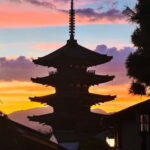
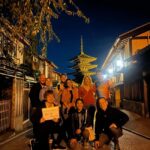
You meet at 22-26 Nishinokyō Ikenouchichō, Nakagyo Ward, Kyoto. The good news is that it is near public transportation.
Still, Kyoto streets can be a bit twisty, and meeting points in residential areas need a few minutes of patience. I recommend you give yourself a little buffer time, so you can actually find the right spot and enter calmly.
Also, use your mobile ticket. Having it ready helps you avoid last-minute confusion when you are trying to locate an entrance in a quiet neighborhood.
Who This Tea Ceremony Fits Best (And Who Might Skip It)
This is a great fit if you:
- want a first tea ceremony that still feels authentic
- like hands-on learning and want to leave with practical matcha skills
- prefer small groups over crowded tours
- enjoy calm, reflective cultural activities more than checklists
You might consider skipping or pairing it with something else if:
- you are hoping for a longer, more formal ceremony experience
- you think sweets and matcha are less important than a different type of Kyoto activity
- you hate structured time limits and want a slower, open-ended cultural walk
Practical Tips to Get the Most From Your Ceremony
A few choices make the whole thing smoother:
- Arrive ready to sit for the duration. If you need help, ask about seating options early.
- Go in curious, not skeptical. The ceremony uses small steps for a reason, and the explanations actually connect to what you do with your hands.
- Save questions. If something clicks, ask it. If you do not understand a step, ask it fast. The host is set up to teach beginners.
- Treat the matcha like part of the lesson. Sip slowly and notice the texture after you mix it yourself.
- If you plan to buy matcha tools later, this experience gives you a clearer sense of what you really need versus what is optional.
Should You Book This Kyoto Tea Ceremony?
If you want a calm, authentic Kyoto cultural moment with a real takeaway, I think this is a strong choice. The combination of a 130-year-old townhouse setting, a small group, and the fact that you make your own matcha makes it more than a quick demonstration.
Book it if you like learning by doing, and if you want to bring something home that is actually usable. I would also say it is a good pick for first-timers who want the history and customs explained in a way that does not feel like a lecture.
Skip it only if you want a long, ultra-formal ceremony style event, or if you are likely to resent the time limit. For most people, 45 minutes is the right amount to feel satisfied, not rushed.
FAQ
How long is the Kyoto tea ceremony?
It lasts about 45 minutes.
How much does it cost?
The price is $39.63 per person.
Is the group size small?
Yes. The experience has a maximum of 10 travelers.
What will I do during the experience?
You will watch the instructor demonstrate, enjoy dried sweets, then make your own matcha. You also learn the history and culture of tea ceremony and how to appreciate and drink matcha.
Does it include anything besides tea?
Yes. You get Japanese dried sweets along with matcha.
Where is the meeting point?
The start point is 22-26 Nishinokyō Ikenouchichō, Nakagyo Ward, Kyoto, 604-8375, Japan. The activity ends back at the meeting point.
What is the cancellation policy?
You can cancel for a full refund if you cancel at least 24 hours before the experience’s start time. If you cancel less than 24 hours before, the amount you paid will not be refunded.
New This Season
- Koyasan Day Trip by Private Car from Kyoto
- Old Port Town and Ultimate Sake Tasting Private Tour From Kyoto
- Kyoto’s Timeless Charm: 3hr Exploration of History and Peace
- Kyoto: 5 Types of Sushi Making
- Sacred Peak & Ancient Paths: Kurama-Kibune Hiking Experience
- Kyoto: Exclusive ZEN practice at Manpukuji temple in Uji
- Kyoto: Private Seasonal Aroma Yoga Class
- Traversing Kyoto’s Scenic West – Arashiyama to Kinkakuji
Tea Ceremonies, compared.
Tea Ceremony in a Traditional Tea House in Kiyomizu
Read our review →
Kimono Tea Ceremony at Kyoto Maikoya, NISHIKI
Read our review →
Tea Ceremony in 100-year-old Kyo-Machiya Townhouse
Read our review →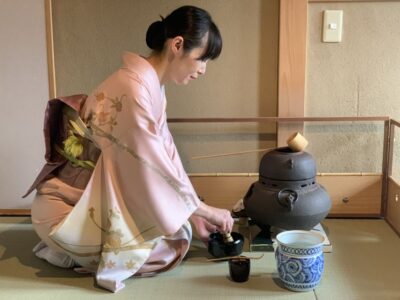
Also filed under