
Reviewed · ARTISAN CRAFT WORKSHOPS
Experience the 400 year old tradition of BAMBOO TAMASUDARE
Bamboo tricks in Kyoto, and you can do them. This 1-hour tamasudare session with guide Mika turns bamboo sticks into neat shapes, built on a tradition said to last for over 400 years.
I like two things a lot: the lesson is hands-on, not just watch-and-clap, and the group stays tiny so you get patient, step-by-step attention. Mika is described as professional and friendly, and that matters when you are learning finger skills you cannot fake.
One drawback to consider, it is only about an hour. You will leave with new moves, but not with weeks of practice, and private transportation is not included, so you will want to plan how you get to the meeting point.
In This Review
- Key things to know before you try tamasudare
- What tamasudare is, and why bamboo matters in Kyoto
- Price and value for a 1-hour cultural skill session
- Getting to Murasakino Nishigoshodencho in Kita Ward
- Costume rental, hood and haori coat included
- How the 1-hour session actually runs, step by step
- Seeing bamboo shapes appear, then learning the technique
- Learning the cultural side, not just the trick
- Taking home a tamasudare souvenir
- Who this Kyoto tamasudare experience is best for
- Should you book this tamasudare session?
- FAQ
- How long is the tamasudare experience?
- Do I need any experience before I book?
- How much does the experience cost?
- What is included in the price?
- Is the costume rental part of the activity?
- How many people can be in the group?
- Where is the meeting point, and where does the activity end?
- Is transportation included?
- Is free cancellation available?
Key things to know before you try tamasudare
- 400-year-old bamboo tradition: bamboo is considered auspicious in Japanese culture, and the art centers on that good-luck symbolism.
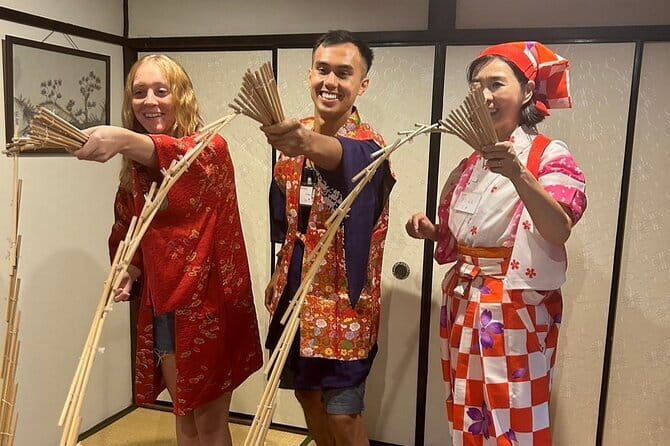
- You do the moves yourself: you see the bamboo transformation first, then you try the shapes step by step.
- Small group size: up to 3 travelers, which makes it easier to get help when your hands do something unexpected.
- Costume rental included: you can wear a hood and haori coat to match the cultural vibe.
- Short and focused: about 1 hour, including the history and technique teaching.
- Optional souvenir: you can purchase tamasudare to take home after the session.
What tamasudare is, and why bamboo matters in Kyoto
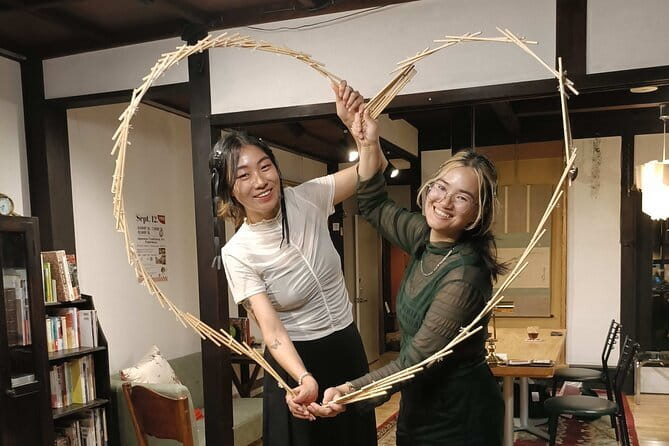
Tamasudare is a Japanese traditional performance craft where bamboo sticks are manipulated into different shapes. In this Kyoto experience, you learn the basics along with the context, so it is not just a party trick.
The big theme here is bamboo’s cultural weight. Bamboo is considered very auspicious, so the craft is more than theater. You are working with a material that carries meaning, and that is part of why the session feels like a real cultural moment rather than a quick workshop.
Also, this is designed for all ages. That does not mean it will be dull for adults. It means the teaching is meant to work whether you are bringing kids, grandparents, or a group of friends who simply want something memorable and different from temples and street food.
Price and value for a 1-hour cultural skill session
The price is $21.19 per person, and for a one-hour experience, that is strong value when you look at what is included. You are not paying extra for the place to do it, the bamboo tool rental fee, or the costume rental fee.
Here is what you should like on the value side:
- The session includes tamasudare rental, costume rental, and the venue fee, plus all fees and taxes.
- You get an instructor (Mika) with 20 years of experience described as patient and step-by-step.
- The group caps at 3 travelers, which usually means more attention than larger group classes.
The only real cost you might add is transportation. Private transportation is not included, so you will rely on public transit or walking to the meeting point.
If you are comparing this to a typical “pay for entry, watch a show” type experience, the difference is that here you learn the technique and leave with the satisfaction of doing it yourself.
Make something with a Kyoto craftsman
- Authentic knife making experience at a blacksmith in Kyoto
★ 4.8 · 350 reviews - Kyoto: Calligraphy class at Buddhist temple in city center
★ 5.0 · 167 reviews - Roketsu dyeing experience: M course Roketsu Dyeing Experience
★ 5.0 · 163 reviews - Kyoto: Japanese Calligraphy Class
★ 4.8 · 89 reviews
Getting to Murasakino Nishigoshodencho in Kita Ward
You start at Murasakino Nishigoshodencho, Kita Ward, Kyoto, 603-8165, Japan. The session ends back at the same meeting point, which makes planning easy.
A practical plus is that it is near public transportation. If you are already moving around Kyoto by bus or train, this slot should fit without needing a special ride. That said, private transportation is not included, so you will want to line up your route in advance rather than assuming a pickup.
Timing is the other key factor. The duration is about 1 hour, so treat it like a focused appointment. I recommend planning to arrive a little early so you can settle in and get comfortable before the lesson begins.
Costume rental, hood and haori coat included
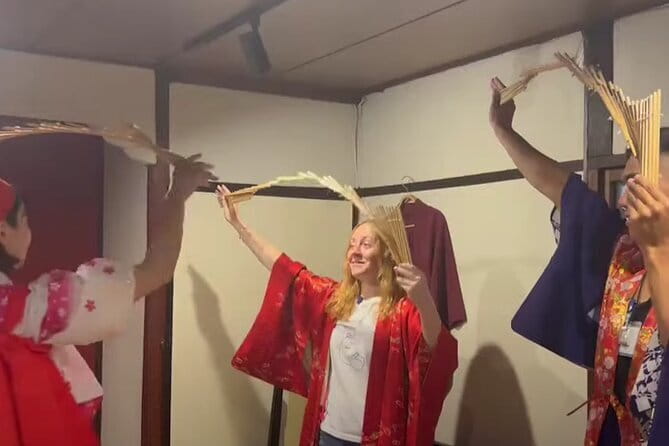
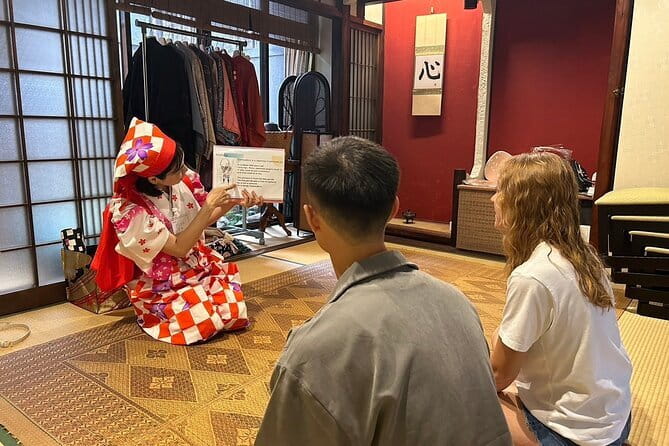
One of the coolest parts is the option to wear traditional garments. The experience includes costume rental fees, including a hood and haori coat.
This matters because tamasudare is performance art. Wearing the clothing helps signal the role you are playing, not just the role of student. It can also make the memory more fun, especially for families or groups who want a photo-worthy moment that still feels tied to the activity.
No pressure though. The information provided focuses on optional costume use as part of connecting more deeply with the art. If you prefer not to wear it, you can still enjoy the craft itself.
How the 1-hour session actually runs, step by step
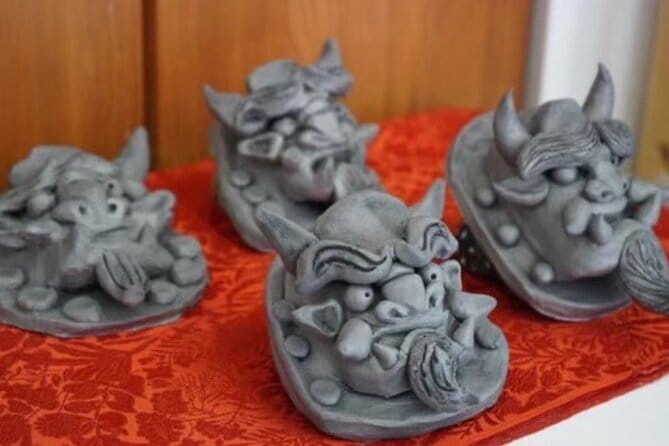
Even though you only have about an hour, the structure is built to give you quick context and then real practice. The session includes learning the history, techniques, and charm of tamasudare.
Here is what you should expect in that time window:
- A welcome and explanation of what tamasudare is.
- A demonstration, using bamboo sticks that transform into various shapes before your eyes.
- Instruction that breaks the technique into manageable steps.
- Your turn to try the shapes yourself, guided patiently by Mika.
Because the guide is described as having 20 years of experience and teaching step by step, you should not feel like you are being rushed through complicated material. You are learning something that starts simple and builds through repetition.
The small group size also changes the vibe. With up to 3 travelers, you are less likely to get ignored when your hands hesitate. You can ask questions while the lesson stays moving.
Seeing bamboo shapes appear, then learning the technique
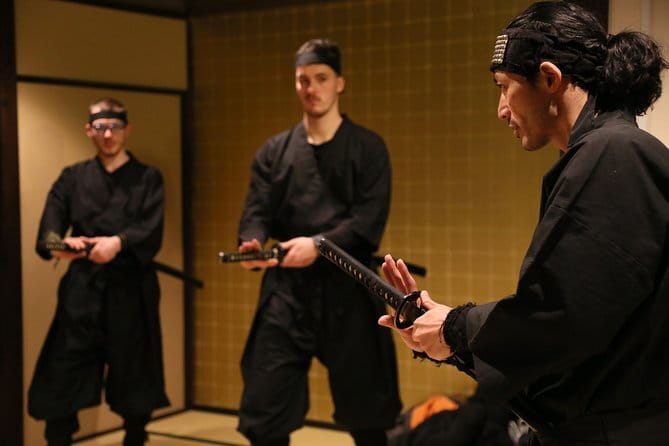
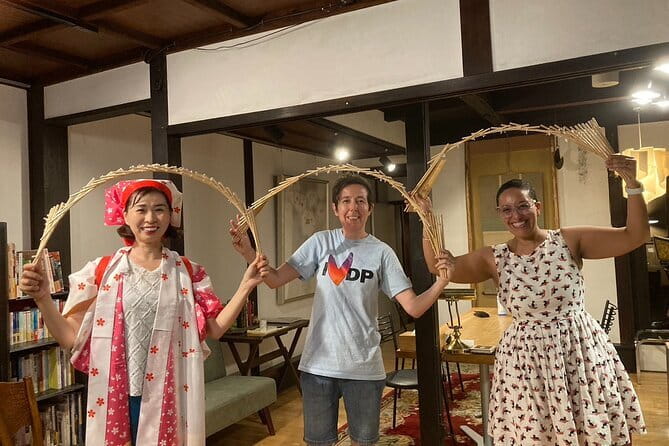
The moment that people usually talk about is the transformation. You start by watching bamboo sticks turn into different shapes. It can look like a magic trick until you realize it is skill, timing, and hand positioning.
When it becomes your turn, the session is designed for people with no experience necessary. That does not mean it is effortless. It means you will be taught in a way that helps you get it right without needing prior practice.
A helpful way to approach your first attempts is to treat it like a short skill ladder. Focus on what the guide tells you to do in each step, then repeat until the movement starts to feel natural. When you are doing something with bamboo sticks, small adjustments matter, and step-by-step coaching helps you avoid frustration.
Also, the experience is described as enjoyable and relaxing. That is worth taking seriously. If you are prone to getting stressed in classes, this format sounds like a good fit because the goal is not perfection, it is learning the technique and understanding what makes it charming.
A day of temples goes further with something to break it up.

Learning the cultural side, not just the trick
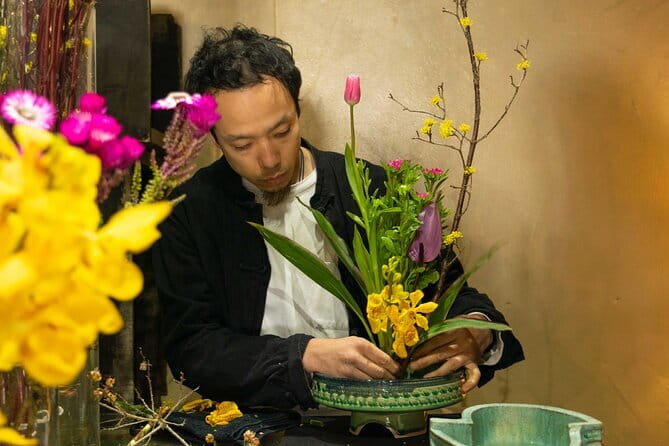
Tamasudare is framed as both performance and tradition. In this session you learn not only the movements, but also the charm behind them, and some of the tradition’s background.
Why that matters: when you understand what the craft represents, your practice feels meaningful. You are not just copying shapes, you are participating in a tradition where bamboo symbolizes good fortune and auspicious energy.
This cultural framing also makes the experience work for visitors who want something more grounded than a photo stop. You are getting a story you can tell later, and you can connect the technique to a cultural meaning that goes beyond the mechanics.
Taking home a tamasudare souvenir
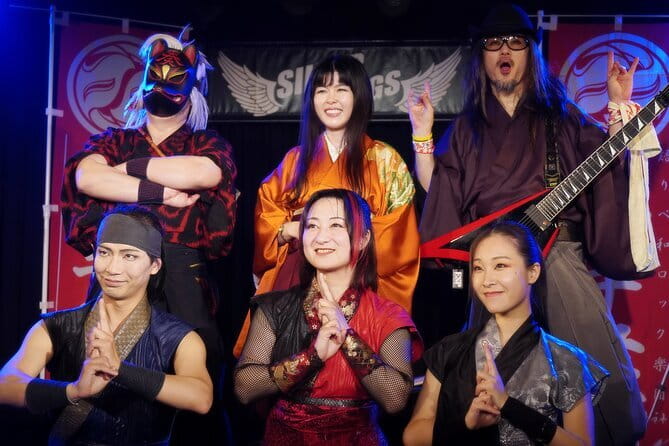
After the lesson, there is an option to purchase tamasudare as a souvenir. That is a nice extra because it gives you a physical reminder of what you learned.
You should treat this as optional. The core value is the experience itself, including learning the craft during the session. But if you want a keepsake, it is a good chance to choose something tied directly to the art you practiced.
Even if you do not buy one, you will still leave with what is often the best souvenir: the ability to reproduce the basic moves for friends later. Bamboo crafts are the kind of skill that makes people curious when you show them.
Who this Kyoto tamasudare experience is best for
This is a good fit if you want a short, meaningful cultural activity in Kyoto that is not another long museum day. The key selling points are hands-on learning, a friendly expert guide, and a small group size.
It especially suits:
- Families, because it is suitable for all ages
- Friends groups, because up to 3 travelers helps everyone stay part of the action
- Anyone who likes craft-style experiences where you make something you can share later
- Visitors who want a break from planning heavy sightseeing blocks
If you are traveling with limited time, the one-hour format is ideal. If you want a deep multi-day course, this will not replace that. But if your goal is to learn the basics and enjoy the craft, it does exactly that.
Should you book this tamasudare session?
I would book it if you want a hands-on Kyoto experience with real instruction, not just observation. The value is strong for $21.19 because rental fees, costume fees, and the venue fee are included, and the group stays very small.
Book it sooner rather than later if you like learning with a calm pace. The guide, Mika, is described as professional and very friendly, and the session is said to be enjoyable and relaxing, which is not always the case with skill classes.
Skip it only if you need private transportation, or if you know you dislike short workshops. This is about learning in one hour. You will leave with new moves, but you will not turn it into a multi-hour practice session.
If that sounds like your style of travel, this tamasudare experience is the kind of stop that makes Kyoto feel personal, because you bring home a skill, not just a memory.
FAQ
How long is the tamasudare experience?
It lasts about 1 hour.
Do I need any experience before I book?
No experience is necessary. The guide teaches the steps so most people can participate.
How much does the experience cost?
The price is $21.19 per person.
What is included in the price?
The price includes the tamasudare rental fee, costume rental fee, venue fee, and all fees and taxes.
Is the costume rental part of the activity?
Yes. Costume rental fees are included, and you can wear traditional Japanese garments such as a hood and haori coat.
How many people can be in the group?
The maximum group size is 3 travelers.
Where is the meeting point, and where does the activity end?
You meet at Murasakino Nishigoshodencho, Kita Ward, Kyoto 603-8165, Japan, and it ends back at the same meeting point.
Is transportation included?
Private transportation is not included, but the meeting point is near public transportation.
Is free cancellation available?
Yes, free cancellation is available. You can cancel up to 24 hours in advance for a full refund. Canceling less than 24 hours before the start time is not refunded.
New This Season
- Koyasan Day Trip by Private Car from Kyoto
- Old Port Town and Ultimate Sake Tasting Private Tour From Kyoto
- Kyoto’s Timeless Charm: 3hr Exploration of History and Peace
- Kyoto: 5 Types of Sushi Making
- Sacred Peak & Ancient Paths: Kurama-Kibune Hiking Experience
- Kyoto: Exclusive ZEN practice at Manpukuji temple in Uji
- Kyoto: Private Seasonal Aroma Yoga Class
- Traversing Kyoto’s Scenic West – Arashiyama to Kinkakuji
Artisan Craft Workshops, compared.
Authentic knife making experience at a blacksmith in Kyoto
Read our review →
Calligraphy class at Buddhist temple in city center
Read our review →
Roketsu dyeing experience: M course Roketsu Dyeing Experience
Read our review →

Traditional Japanese Washi Papermaking- Kyoto morning
Read our review →
Also filed under