
Reviewed · DESSERT TOURS
Japanese dried-type Sweets ”Ohigashi” making
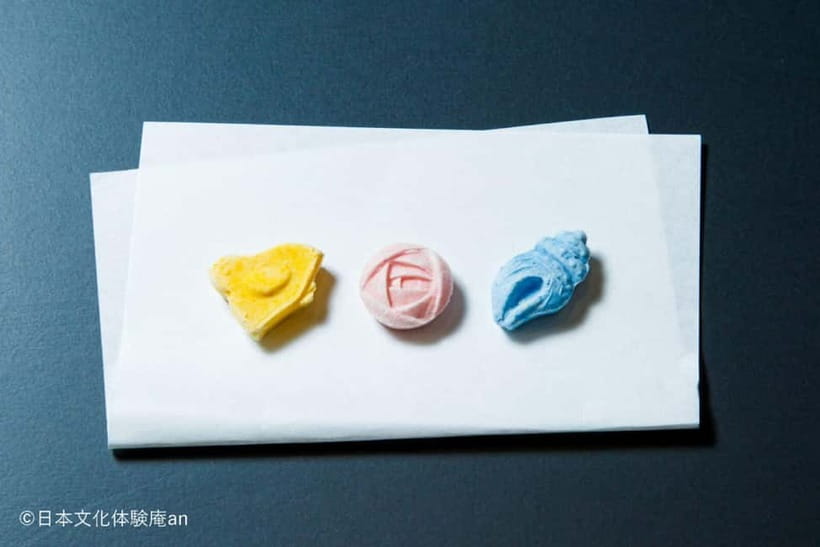
Hard candy vibes, but the texture is soft and melts. This Kyoto hands-on class turns 100% Wasanbon into Japanese dried sweets you shape with wooden molds. You also get a chance to see what fresh wagashi flavor feels like, not the packaged stuff.
I love that you are making sweets from Wasanbon with no color added by default. You also get to pick your own shape, so it feels more like crafting than watching. The main drawback to plan for is the tight 30-minute format, plus the building has no elevator, so you will use stairs.
In This Review
- Key things you will notice right away
- Why a Wasanbon Ohigashi workshop in Gojo feels special
- Finding the meeting point near Gojo Station
- The 30-minute flow: explanation, making, photos, then tasting
- 100% Wasanbon: what makes the flavor worth caring about
- Picking your wooden mold and seeing your sweet take shape
- Color options, matcha, and certificates: what the add-ons cost
- Price and value: why about $10 makes sense for 30 minutes
- Who should book this, and who might not love it
- Should you book the Ohigashi making experience?
- FAQ
- How long is the Ohigashi making experience?
- How much does it cost?
- What sweets will I make?
- Can I make colorful Ohigashi?
- Is color added in the standard experience?
- What optional extras are available?
- Where is the meeting point?
- Is there English translation?
- What are the operating hours?
Key things you will notice right away
- 100% Wasanbon focus, no color in the standard batch
- Wooden mold choices so your ohigashi matches your style
- Freshly made taste that comes from working the sugar right there
- Quick class flow: explanation, making, photos, then tasting
- Optional extras if you want color, matcha, or a completion certificate
Why a Wasanbon Ohigashi workshop in Gojo feels special
Kyoto is full of sweet shops, but this is different. You are not buying wagashi and calling it a day. You are working with Japanese dried-type sweets called ohigashi, made using Wasanbon, a traditional Japanese sugar known here for its mellow flavor. The big idea is simple: when you shape and make it right before you eat it, the taste feels cleaner and more alive.
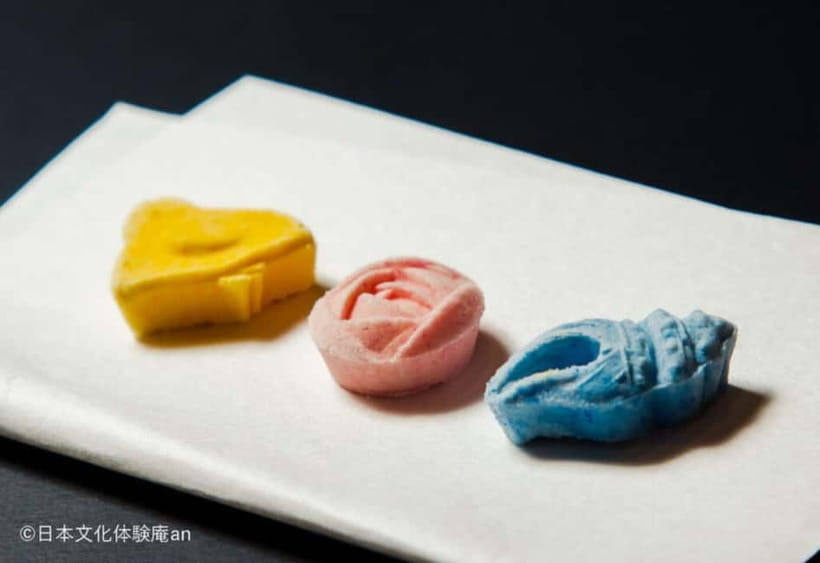
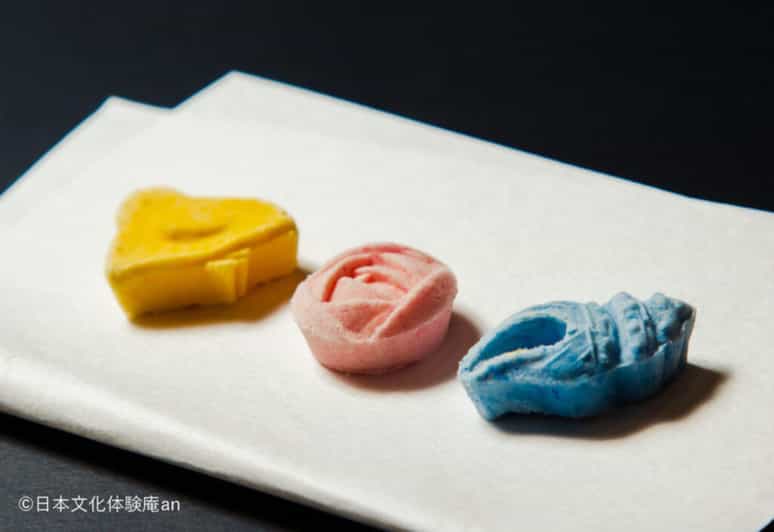
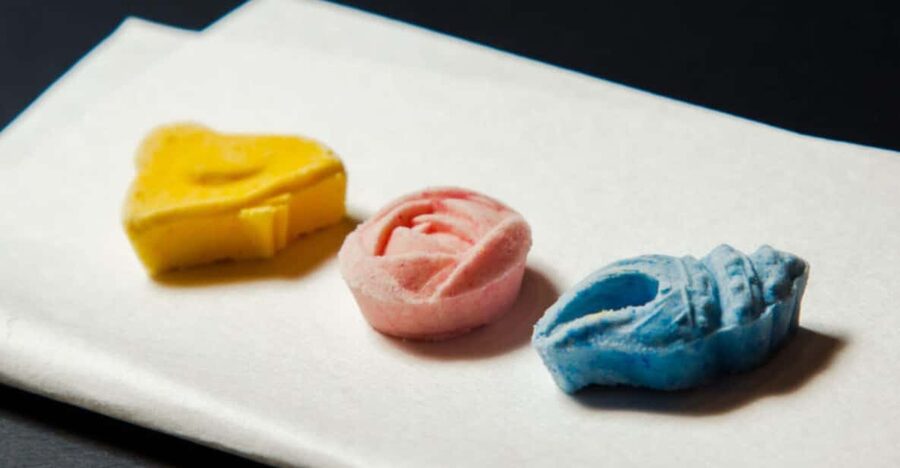
If you care about food craft, the mold part is where the magic happens. The sweets are made with cute wooden molds, and you choose the form you want. That turns something that could be fiddly into something playful. It also means you get immediate visual satisfaction, since your sweet starts looking like a finished wagashi as you press it into shape.
One more reason I like this format: you also learn the basics first, so the experience does not feel random. You get an explanation about Japanese traditional sweets, then you make yours right after. That makes the tasting at the end more meaningful, because you know what you just did.
Finding the meeting point near Gojo Station
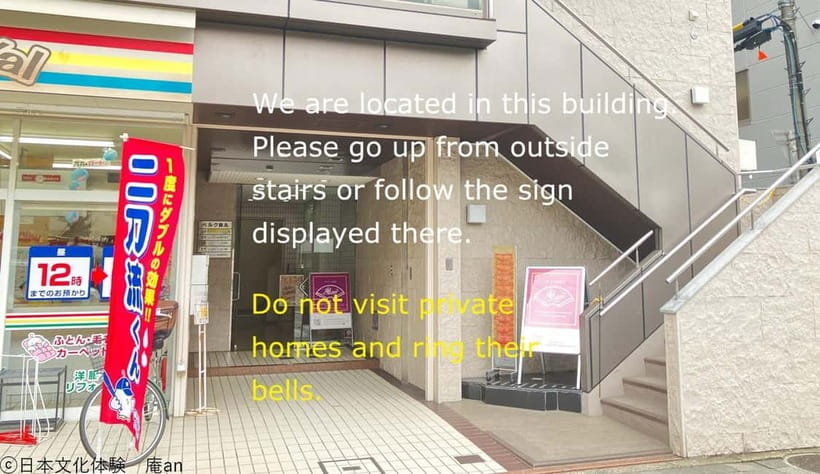
This class meets in central Kyoto, a 1-minute walk from Exit 1 of the Karasuma Line subway at Gojo Station. The shop entrance faces the main street, Gojo-dori, which makes it easier to spot.
If you are doing this as part of a busy day of temples and strolling, this location helps you keep things efficient. You can fit it between other activities without a long commute.
Two practical notes from the setup:
- The area is wheelchair accessible, but there is no elevator, so you will use stairs to reach each venue.
- English translation is provided as much as possible, so you can relax if your Japanese is limited.
A quieter way to spend a day in Kyoto
- Kyoto: Japanese Traditional Sweets Making and Tea Ceremony
★ 4.4 · 314 reviews - Kyoto Wagashi(Japanese sweets) Cooking Class near Fushimiinari
★ 5.0 · 60 reviews - Kyoto: Wagashi (Japanese sweets) Cooking near Fushimiinari
★ 5.0 · 40 reviews - Kyoto: Traditional Tea Ceremony with Matcha & Sweets in Gion
★ 4.9 · 27 reviews
The 30-minute flow: explanation, making, photos, then tasting
This is a 30-minute experience that moves on schedule. Here is the rhythm you can expect:
At the start, you get an explanation about Japanese traditional sweets. It is short, but it sets context so you understand what ohigashi are and why Wasanbon matters.
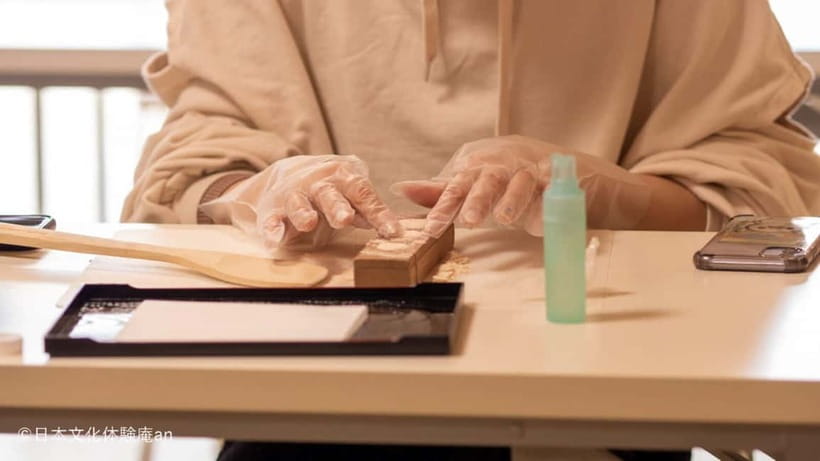
Then comes the main event: making your Japanese dried-type ohigashi. You choose your favorite wooden mold and shape your sweet using the Wasanbon method described for the class. The key thing is that you will make your ohigashi without adding any color during the standard session.
Around the 20-minute mark, there is picture time, so you can capture your shaped sweet before tasting. After that, the session ends and you shift into eating and drinking time, with departure at the 30-minute point.
Because the class is so compact, it is worth arriving a few minutes early. If you are late, they cannot hold the event for delays. With a timed experience like this, being early is the easiest way to avoid stress.
100% Wasanbon: what makes the flavor worth caring about
The focus here is 100% Wasanbon. That matters because Wasanbon is the traditional Japanese sugar at the center of the taste. In this class, they emphasize that the sugar is fluffy and smooth and that it melts in your mouth.
So what does that mean for your experience? You are likely to notice three things:
- The sweetness feels mellow, not harsh. The description highlights a special mellow taste from pure Wasanbon.
- Texture changes quickly once you bite, because it is designed to melt.
- Freshness matters, since you are making it during the session and then eating it soon after.
This is one of those food experiences where the point is not fancy plating. The point is learning how Japanese dried sweets can taste when you go straight from mold to mouth.
If you are used to western candy textures, you might be surprised by how gentle the sweetness feels. And if you like wagashi, you will probably understand why people seek out Wasanbon specifically.
Picking your wooden mold and seeing your sweet take shape
The fun part is choosing your shape. The class lets you pick a cute wooden mold, so your ohigashi ends up with a specific silhouette and pattern. It is a small detail, but it changes the whole vibe of the workshop. You are not just making sugar, you are making something that already looks like a finished giftable sweet.
Also, the molds matter for how the final sweet photographs. Since there is dedicated picture time, you will have a window to show off what you made. This is a thoughtful touch for an activity that is mostly tactile.
Default session style is also worth knowing: you will make your ohigashi without adding any color. That keeps the flavor profile focused on the Wasanbon itself. The natural look can be simple and elegant, and it also means you can taste the sugar clearly without any extra dyes or flavors.
If you want more visual variety, you can upgrade, which I cover next.
Color options, matcha, and certificates: what the add-ons cost
The standard experience is hands-on and clean: shape your ohigashi using Wasanbon only, no color added. If you want your sweets to look more colorful, there is an option for that.
- For an additional 200 JPY, you can make colorful ohigashi. You apply on the day if you are interested.
- If you want Tatedashi Matcha, it is 500 JPY.
- If you want a completion certificate, it is 300 JPY.
Here is how to decide if those add-ons are worth it.
If you are going purely for taste and you like the idea of natural wagashi style, skip the color option. The default class already highlights the mellow Wasanbon flavor and the freshly made texture.
If you are the type who cares about presentation, the 200 JPY color upgrade is the easiest way to make your photos more colorful without turning the workshop into something complicated.
If you are a matcha person, the 500 JPY for Tatedashi Matcha can help you end the session with a classic pairing. Just keep the time limit in mind, since the main experience stays 30 minutes.
And if you like collecting small proof-of-effort souvenirs, the 300 JPY certificate is a low-pressure option. It is not required for the fun of making the sweets.
A day of temples goes further with something to break it up.


Price and value: why about $10 makes sense for 30 minutes
The listed price is $10 per person, and what you get is a structured food-making session using Wasanbon plus the tools to shape your ohigashi.
For context, this is not just tasting. You are doing three separate things:
- learning a bit about Japanese traditional sweets,
- actively making Japanese dried sweets using wooden molds,
- then eating and drinking at the end.
The big value point is that the experience is designed around your senses. You are not paying mainly for a location or a long performance. You are paying for the process and the immediate payoff, the taste that comes from being freshly made.
Could you buy ohigashi for less somewhere else? Sure. But the value here is learning and shaping. If you enjoy hands-on activities, the time and price feel fair because you leave with edible results that are personal to your own mold choice.
Also, the add-ons are optional. You can keep it simple at the base $10 level, then decide later if you want color, matcha, or a certificate.
Who should book this, and who might not love it
This class is a great fit if:
- you like wagashi or Japanese sweets and want to understand them through doing,
- you enjoy tactile food activities and choosing shapes,
- you want a short, focused stop that does not eat an entire afternoon,
- you like the idea of 100% Wasanbon flavor, not watered-down sweetness.
It might not be your best choice if:
- you need plenty of time, because it is a 30-minute session with a set end time,
- you have trouble with stairs, since there is no elevator even though the venue is described as wheelchair accessible,
- you are expecting a long, deep explanation. This is more hands-on and quick than academic.
It also helps to know that those who do not participate will not be allowed to enter. So come ready to do the making part, not just watch.
Should you book the Ohigashi making experience?
If you want a small, delicious, hands-on Kyoto activity, I think you should book this. The combination of 100% Wasanbon, mold-based shape choices, and a freshly made taste is exactly the kind of value that works when you are short on time but long on curiosity.
Go for it especially if you are already in the Gojo area and want something different from temple viewing or shopping. The location is convenient, the session is tight, and the food result is immediate.
Just be realistic about two things before you go. First, it is fast, so arrive early and plan for the 30-minute window. Second, if stairs are an issue, confirm how you will navigate the building since there is no elevator.
FAQ
How long is the Ohigashi making experience?
It lasts 30 minutes.
How much does it cost?
The price is listed as $10 per person.
What sweets will I make?
You will make Japanese dried-type sweets called Ohigashi using 100% Wasanbon.
Can I make colorful Ohigashi?
Yes. Color is available for an additional 200 JPY, and you apply on the day.
Is color added in the standard experience?
No. The standard experience is made without adding any color.
What optional extras are available?
You can add Tatedashi Matcha for 500 JPY and a completion certificate for 300 JPY.
Where is the meeting point?
It is a 1-minute walk from Exit 1 of the Subway Karasuma Line Gojo Station. The store entrance faces Gojo-dori.
Is there English translation?
English translation is provided as much as possible.
What are the operating hours?
The operating hours are from 10:00 to 17:00. Reservations after 17:00 are processed the next day.
New This Season
- Koyasan Day Trip by Private Car from Kyoto
- Old Port Town and Ultimate Sake Tasting Private Tour From Kyoto
- Kyoto’s Timeless Charm: 3hr Exploration of History and Peace
- Kyoto: 5 Types of Sushi Making
- Sacred Peak & Ancient Paths: Kurama-Kibune Hiking Experience
- Kyoto: Exclusive ZEN practice at Manpukuji temple in Uji
- Kyoto: Private Seasonal Aroma Yoga Class
- Traversing Kyoto’s Scenic West – Arashiyama to Kinkakuji
Dessert Tours, compared.
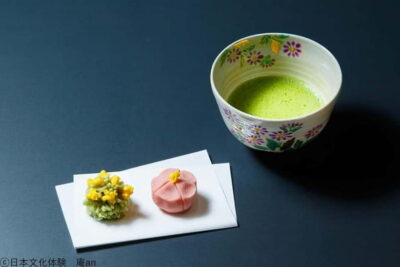
Japanese Traditional Sweets Making and Tea Ceremony
Read our review →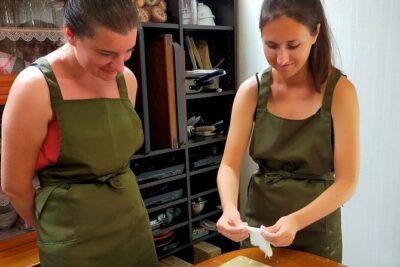
Kyoto Wagashi(Japanese sweets) Cooking Class near Fushimiinari
Read our review →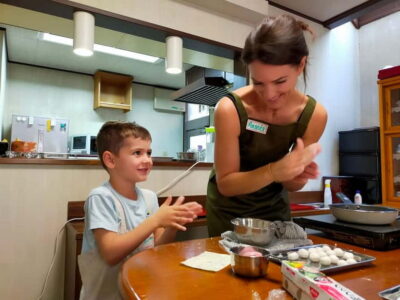
Wagashi (Japanese sweets) Cooking near Fushimiinari
Read our review →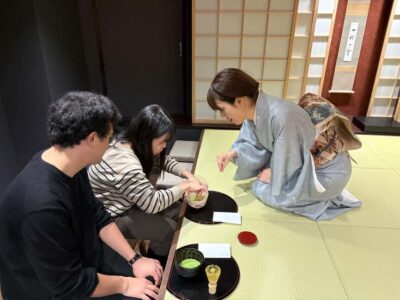
Traditional Tea Ceremony with Matcha & Sweets in Gion
Read our review →
2 Types of Japanese Sweets making and Tea Ceremony
Read our review →
Traditional Tea Ceremony with Matcha and Sweets in Kyoto
Read our review →
Japanese Traditional Sweets making with Tatedashi Matcha
Read our review →Also filed under