
Reviewed · MATCHA & GREEN TEA TASTINGS
Japanese Traditional Sweets making with Tatedashi Matcha
Make wagashi that looks like art. In this Nerikiri class in Kyoto, you shape seasonal Japanese sweets and then sip Tatedashi Matcha right after, so the whole thing feels equal parts craft and snack. The focus is on real ingredients, not a shortcut, and you leave with two sweets you personally made and ate on the spot.
I like the quality angle: you work with white and red bean paste produced by Kyoto’s long-established shops. One watch-out, though, is that some class sessions can feel a bit crowded, so if you need lots of one-on-one coaching, go in with patience and be ready to follow the instructor’s pace.
In This Review
- Key things you should know before you go
- Nerikiri is the craft class version of dessert
- Kyoto bean paste plus Tatedashi Matcha: the flavor payoff
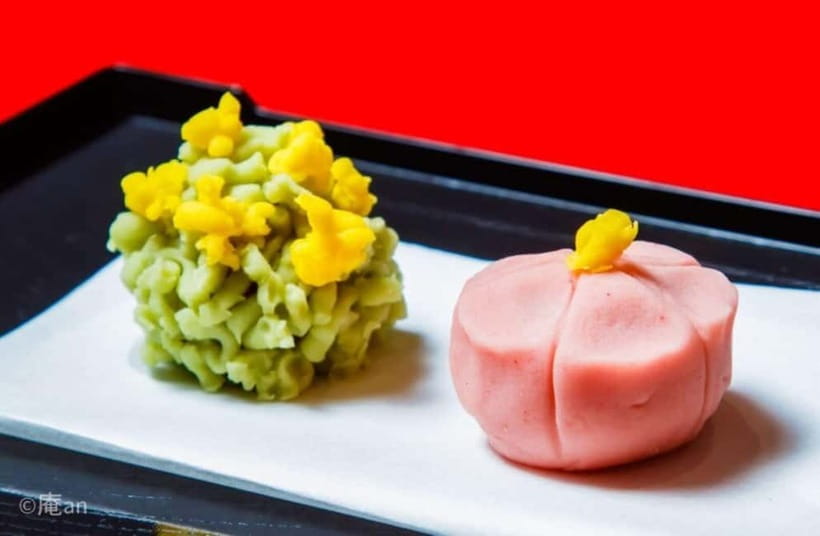
- The first sweet: flower-shaped Nerikiri and the basics
- The second sweet: Kinton Nerikiri and seasonal styling
- Photo time, then Tatedashi Matcha and eating your work
- What $14 buys you, and what costs extra
- Where to meet near Gojo Station, and how to plan your timing
- Language and instruction: what to expect in the room
- Who this Nerikiri class suits best
- Should you book Japanese Traditional Sweets with Tatedashi Matcha?
- FAQ
- Where is the meeting point?
- How long is the experience?
- How much does it cost?
- What sweets will I make?
- Are there specific Nerikiri types named in the class?
- Do I get to eat the sweets during the class?
- Is Tatedashi Matcha included?
- What is not included in the price?
- What time does the activity run?
- Is English available during the class?
Key things you should know before you go
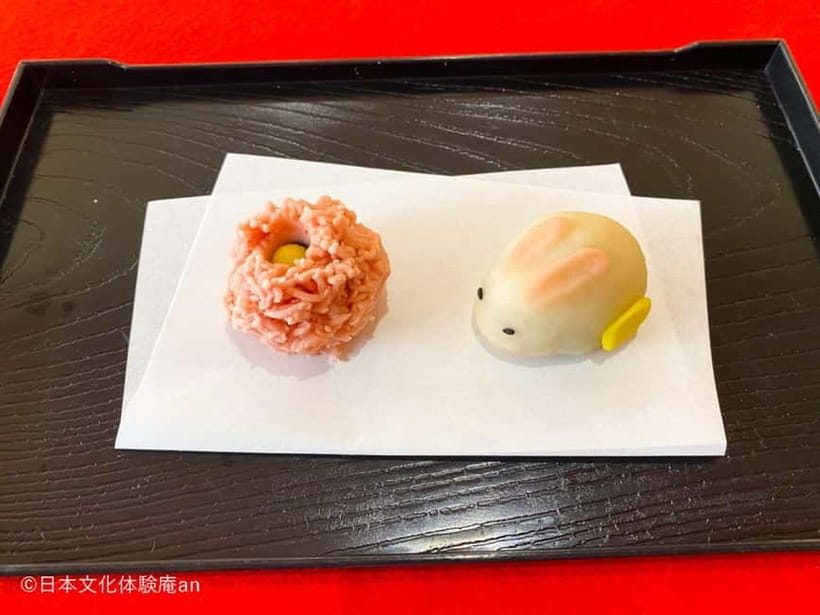
- Seasonal Nerikiri: you make 2 sweets based on the season, not just one generic design
- Kyoto bean paste: white/red bean paste from long-established Kyoto shops is part of the experience
- Hands-on crafting: you’ll learn how to shape and finish sweets, then eat them while they are fresh
- Tatedashi Matcha at the end: matcha comes after you finish making and snap photos
- Simple schedule, tight timing: about 65 minutes total, with a short explanation and then lots of making
- Costs beyond the class: take-out boxes and a completion certificate cost extra
Nerikiri is the craft class version of dessert
Most Japanese sweets workshops are about learning a recipe. This one is more like learning a small art form with edible materials. Nerikiri are meant to look precise, then taste gently sweet, and you start seeing the difference once you’re actually shaping the paste.
I like that the class keeps things practical. You get an explanation about Japanese traditional sweets, then you jump straight into making. If you like doing, not just watching, this format is satisfying.
It also helps that the end result is meant to be eaten. You are not just making something to bring home. You make, you plate, you taste, and you get that instant feedback that tells you if your shape is on track.
Kyoto bean paste plus Tatedashi Matcha: the flavor payoff
Your sweets are built on bean paste, specifically white and red, sourced from Kyoto’s long-established shops. That matters because Nerikiri lives or dies by texture and sweetness, and bean paste quality shows up fast.
Then you add Tatedashi Matcha after you finish. Tatedashi matcha is designed to be drunk, not just served, so it pairs naturally with wagashi-style sweetness. In plain terms, it gives your dessert a clean, grassy counterpoint instead of letting everything stay sugary.
You also get to try what you made. Eating your own Nerikiri on the spot is part of the fun, because you can compare the taste to what you expected as you shaped it. If you care about flavors as much as forms, this is a good setup.
Whisk your own bowl of matcha
- Kyoto: Arashiyama Bamboo Forest, Monkeys, Matcha & Temple Tour
★ 5.0 · 759 reviews - Kyoto: Tea Ceremony Meditation – Make Matcha with Tea Master
★ 4.8 · 406 reviews - Kyoto: Arashiyama Bamboo, Matcha, Monkeys & Temple Tour
★ 4.9 · 291 reviews - Kyoto: Kimono Tea Ceremony with Matcha and Sweet
★ 4.9 · 249 reviews
The first sweet: flower-shaped Nerikiri and the basics
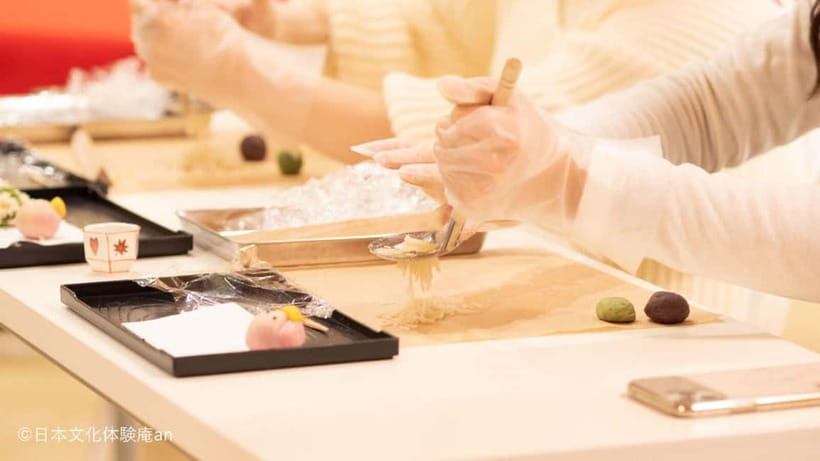
The class starts with a short intro. You’ll get an explanation about Japanese traditional sweets, then you move into shaping right away. This early part is useful if you’ve never seen Nerikiri before, because it helps you understand why the shapes matter and why the paste behaves the way it does.
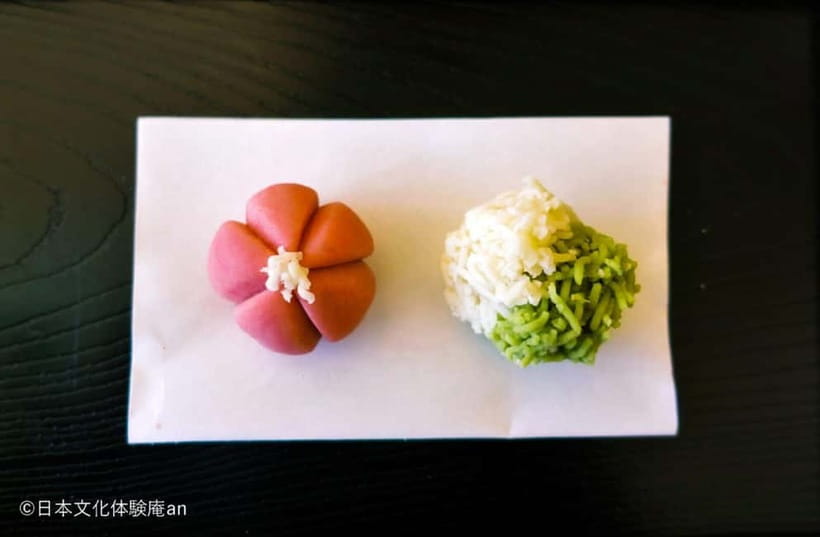
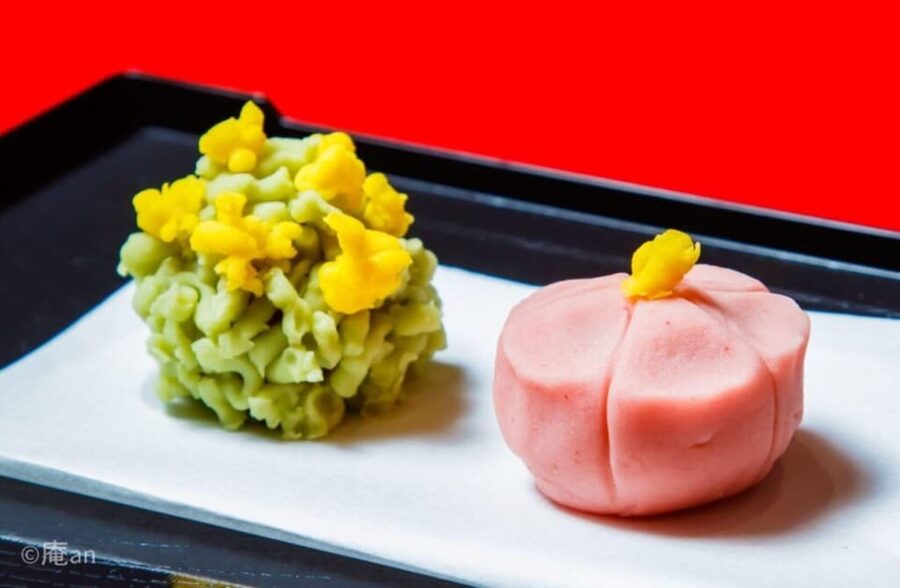
After the intro, you make a flower-shaped Nerikiri. This is a smart first project because floral designs are visually clear. You can tell quickly if your shaping is smooth, if your petals are formed evenly, and if your lines look crisp on the final plate.
Time is tight, but the steps are straightforward. You are not asked to build something complicated from scratch. You are guided through the process, then you get to practice the key motions that make Nerikiri look intentional.
If you’re worried about skill level, don’t. The class is designed so you can follow along and finish a real-looking sweet. The goal is making something you can eat, not proving you can sculpt.
The second sweet: Kinton Nerikiri and seasonal styling
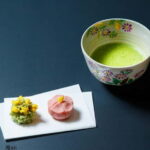
Next comes Kinton Nerikiri. The important detail is that you make two sweets and both match the season. That seasonal element is the quiet secret of why classes like this feel more authentic than generic food crafts.
Seasonal wagashi usually connect to what’s happening in the calendar, and it changes how the sweets are shaped or styled. Even if you are just enjoying the process, the seasonal focus makes the end result feel like you participated in something current, not a tourist showpiece.
Kinton Nerikiri is also a great second sweet because it gives you another design challenge after the first flower shape. You get variety in texture and finishing, and it keeps your hands busy without turning the session into a marathon.
In practice, I’d treat the second sweet as your chance to slow down mentally. You already know the basic workflow from the first one, so you can focus on small details, like how you refine the outer shape before the final finish.
Photo time, then Tatedashi Matcha and eating your work
Around the middle-to-end of the session, you’ll have picture time. That matters more than it sounds, because your sweets are delicate. Taking photos before you eat lets you capture the design while it looks its best.
Then the staff provides Tatedashi Matcha, and you get eating and drinking time. Since the workshop is only about 65 minutes total, this tasting window is not a separate full meal. It’s a focused snack-and-sip moment that lets you enjoy what you made while it’s still fresh.
You can eat your Nerikiri on the spot, which is the right call for two reasons. First, wagashi is best when it’s not waiting around. Second, having the taste immediately after the shaping helps you connect the craft process to the result.
If you like food that has a ritual feel without being too serious, this part is where the experience clicks.
What $14 buys you, and what costs extra
The class price is listed as $14 per person for about 65 minutes, and that includes making two seasonal Nerikiri plus Tatedashi Matcha at the end. For Kyoto, that’s a reasonable value when you consider you’re not just tasting sweets, you’re actively making them using bean paste from established Kyoto shops.
Two extras are specifically noted. A sweets take-out box costs 100 JPY, and an experience completion certificate costs 300 JPY. If you want the option to bring something back or keep a souvenir, factor those costs in. If you only care about the making and the immediate snack, you can skip them and still get a full experience.
I also think the $14 value improves when you are the type who enjoys hands-on activities. For those people, the time and instruction feel more “spent,” not wasted. If you are primarily there to check a box, it may feel like a craft class for a short time rather than a deep dive into food culture.
A quieter way to spend a day in Kyoto
Where to meet near Gojo Station, and how to plan your timing
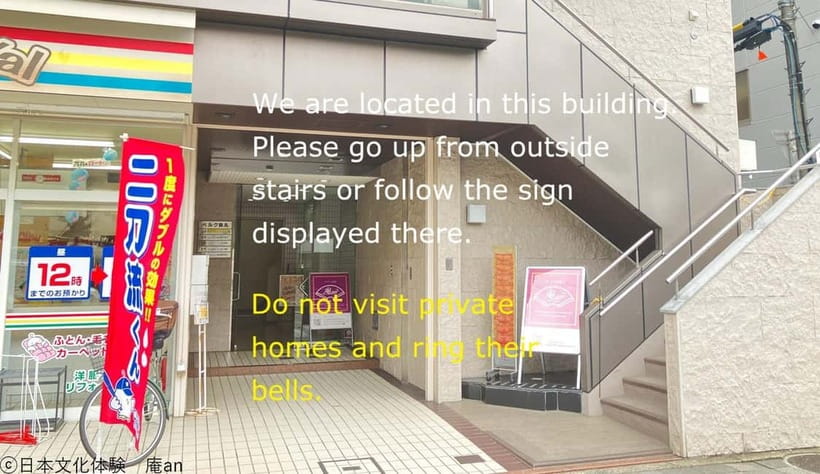
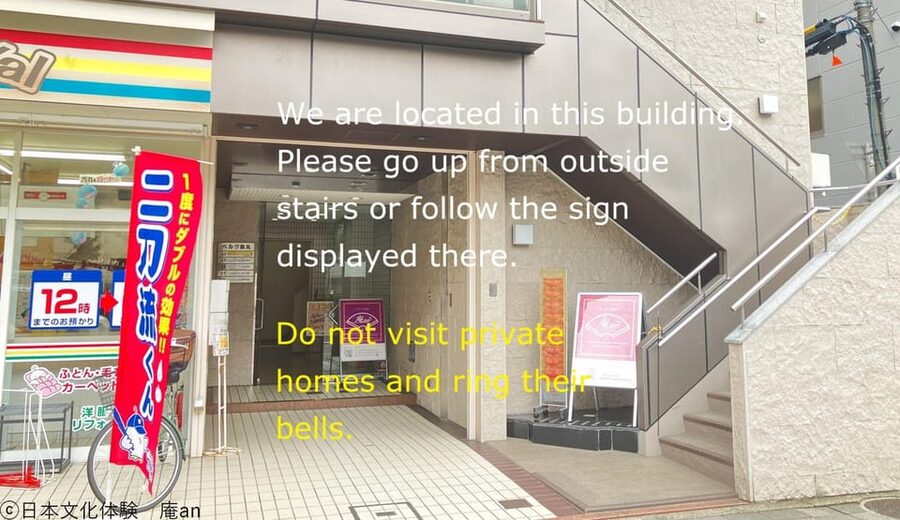
Meeting point is about a one-minute walk from Exit 1 of the Karasuma Line Gojo Station. The store entrance faces Gojo-dori, which makes it easier to orient once you’re above ground and walking along the main street.
The session is scheduled around a tight flow. You start with an intro, make the first Nerikiri, then the second, take pictures, and finish with matcha and eating before departure. Because the event is not held to accommodate delays, I’d show up early, get your bearings fast, and relax into the class rather than trying to arrive at the exact minute.
One logistical detail that can affect your comfort: there is no elevator in the building, and you need to take stairs to reach each venue. The good news is that the experience is listed as wheelchair accessible, but you should still plan for stair movement.
If you’re traveling with kids, adults, or anyone who tires easily, arriving early and keeping expectations realistic helps.
Language and instruction: what to expect in the room
The instructor is Japanese, and English translation is provided as much as possible. If you want additional English support, you can contact them to request it. The good part about this style of class is that you do not need perfect language skills to succeed. You can follow along visually and by the sequence of steps.
That said, you are not walking into a totally open, independent craft table. The room runs on a schedule, from the initial explanation to the two specific Nerikiri types, then the matcha and eating. So you should be ready to follow directions closely.
Based on feedback patterns I’ve noticed from similar workshops, the experience can feel more like guided making than a lecture. If you want detailed talk about what’s inside every component, this may not be the kind of session that satisfies that curiosity fully. If you want to roll up your sleeves and produce something edible, it’s well matched.
Also, one important rule to know: those who do not participate in the experience are not allowed to enter. So if you’re bringing companions who want to watch, they should plan to join in or adjust expectations.
Who this Nerikiri class suits best
This is a great fit for you if you want a hands-on Kyoto activity with a clear result. Making two seasonal Nerikiri in about an hour gives you a tangible souvenir, not just photos. It also works well as a break from walking and sightseeing. You get a focused task at a human pace.
You’ll probably enjoy it most if you like:
- small steps, clear goals, and visible progress
- dessert that looks like art and tastes like something specific, not just sweet sugar
- short cultural experiences that still feel real, with real ingredients
It may be less ideal if you need quiet space or lots of personal attention. Some classes can feel busy, which means you may not get slow, repeated coaching on every detail. It can also feel, to certain people, like a modeling-clay style activity if you expected a more technical cooking class.
Should you book Japanese Traditional Sweets with Tatedashi Matcha?
I’d book this if you want a Kyoto experience that mixes craft, flavor, and a seasonal touch, all within about 65 minutes. The strongest reasons are the two made sweets, the quality bean paste from Kyoto’s long-established shops, and the fact that you eat what you make with Tatedashi Matcha.
Skip it only if you know you hate structured group pacing, or if you need individualized instruction more than a guided group workshop. Also consider whether stairs could be an issue for you, since there is no elevator and you’ll take stairs to reach venues.
If you’re the kind of traveler who enjoys doing something with your hands and then enjoying the result immediately, this is a very solid use of time in Honshu, near Gojo.
FAQ
Where is the meeting point?
It’s a one-minute walk from Exit 1 of the Karasuma Line Gojo Station. The store entrance faces Gojo-dori.
How long is the experience?
The total duration is 65 minutes.
How much does it cost?
The price is $14 per person.
What sweets will I make?
You will make two Japanese traditional sweets called Nerikiri, both matching the season.
Are there specific Nerikiri types named in the class?
Yes. You make a flower-shaped Nerikiri, and you also make Kinton Nerikiri.
Do I get to eat the sweets during the class?
Yes. You can eat the sweets on the spot.
Is Tatedashi Matcha included?
Yes. Tatedashi Matcha is provided after you finish making the sweets.
What is not included in the price?
A sweets take-out box (100 JPY) and an experience completion certificate (300 JPY) are not included.
What time does the activity run?
Operation hours are from 10:00 to 17:00. Reservations received after 17:00 are processed next day.
Is English available during the class?
English translation is provided as much as possible. If you want to add it, you can contact them.
More Cooking Classes in Kyoto

New This Season
- Koyasan Day Trip by Private Car from Kyoto
- Old Port Town and Ultimate Sake Tasting Private Tour From Kyoto
- Kyoto’s Timeless Charm: 3hr Exploration of History and Peace
- Kyoto: 5 Types of Sushi Making
- Sacred Peak & Ancient Paths: Kurama-Kibune Hiking Experience
- Kyoto: Exclusive ZEN practice at Manpukuji temple in Uji
- Kyoto: Private Seasonal Aroma Yoga Class
- Traversing Kyoto’s Scenic West – Arashiyama to Kinkakuji
Matcha & Green Tea Tastings, compared.

Arashiyama Bamboo Forest, Monkeys, Matcha & Temple Tour
Read our review →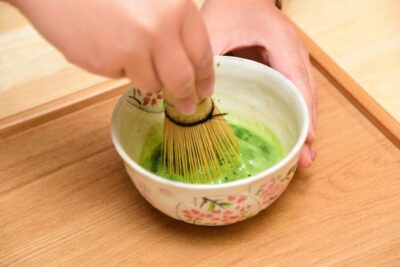
Tea Museum Tickets and Matcha Grinding Experience
Read our review →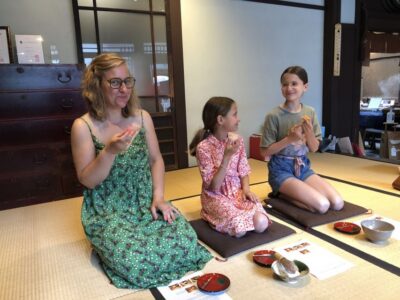
Tea Ceremony Meditation – Make Matcha with Tea Master
Read our review →Arashiyama Bamboo, Matcha, Monkeys & Temple Tour
Read our review →

Arashiyama Bamboo, Temple, Matcha, Monkeys & secret spots
Read our review →
Green Tea Tour with Byodoin and Koshoji Temple Visits
Read our review →Also filed under