
Reviewed · FUSHIMI INARI SHRINE WALKS
Kyoto: Wagashi (Japanese sweets) Cooking near Fushimiinari
Forget lunch, do wagashi.
This small-group class near Fushimi Inari lets you cook Japanese sweets (wagashi) in a real home, not a showroom. I love the hands-on pace where you make about three types yourself, and I love the quiet payoff, matcha tea in a traditional room with a garden view. One thing to plan for: there is no hotel pickup or drop-off, so you will want to handle your own getting there.
The value is strong. Ingredients, seasonings, and tea are included, and the class runs in English with licensed guide interpreters. If you are vegetarian or vegan, you can join too, but you should tell them your restrictions in advance so the menu works for you.
In This Review
- Key things to look forward to
- Walking into a Japanese home, not a classroom
- The 150-minute flow, step by step
- 1) Tea and a relaxed welcome
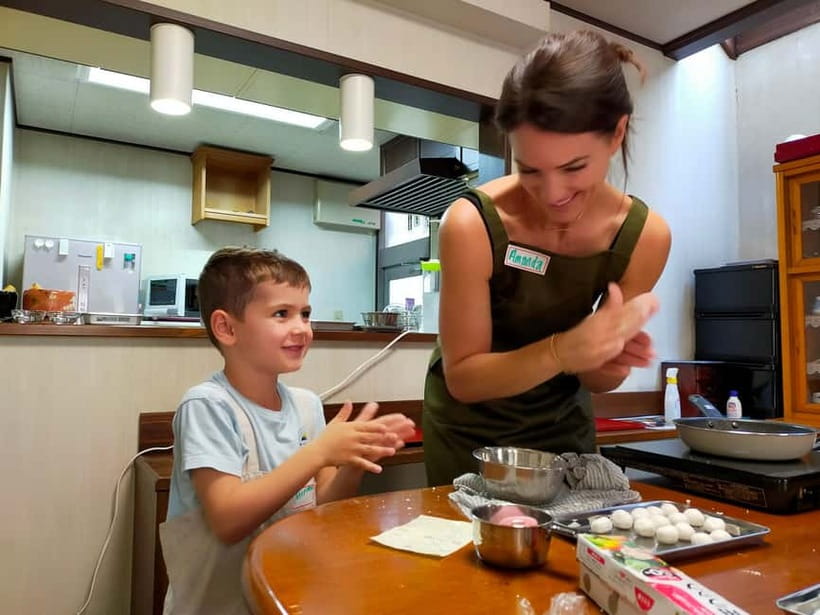
- 2) Instructor demo, then you take over
- 3) You make about three types of wagashi
- 4) Sit down, eat your sweets, and drink matcha in the room
- What you actually cook: wagashi that matches the season
- Matcha tea, taught in a way you can copy at home
- English guidance that keeps the steps clear
- Why the setting near Fushimi Inari changes the whole day
- Price check: is $84 worth it?
- Who this experience fits best
- A few considerations before you book
- Should you book Kyoto wagashi cooking near Fushimi Inari?
- FAQ
- How long is the Kyoto wagashi cooking class?
- How many people are in the group?
- Is the class taught in English?
- What is included in the price?
- What do I do during the class?
- Are vegetarians or vegans welcome?
- Is hotel pickup or drop-off included?
- Are there age requirements?
- Is the activity wheelchair accessible?
Key things to look forward to
- A home in the middle of Kyoto, with garden views: You relax and eat where people actually live, not where tours pass through.
- Hands-on wagashi prep: You do the work, not just watch a demo.
- A seasonal menu of about three sweets: The exact items can shift, so it feels current, not copy-paste.
- Matcha time that feels like a real tea break: You drink and snack together right after cooking.
- English instruction that stays clear: Licensed guide interpreters help keep the steps understandable.
- Small group, up to 6 people: More time with the instructor, less waiting your turn.
Walking into a Japanese home, not a classroom
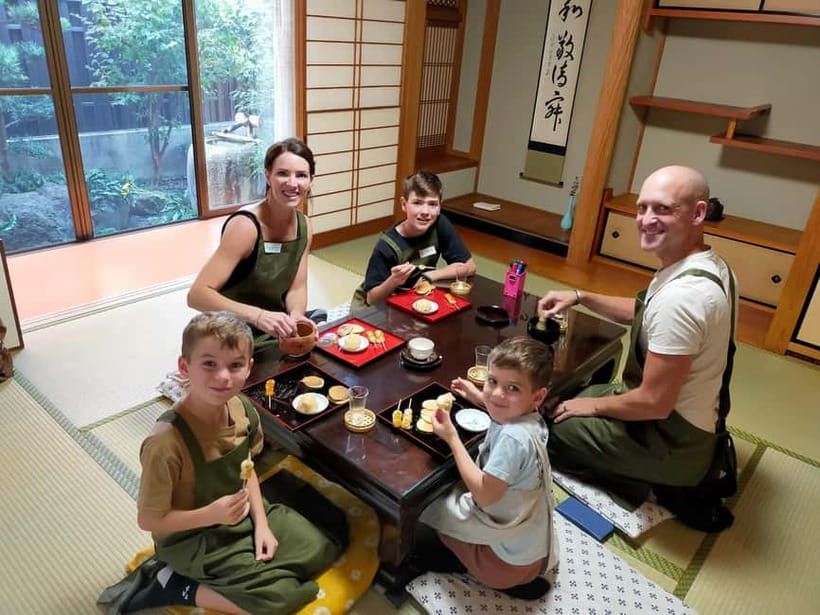
Kyoto is full of food experiences that are fun, but this one has a different vibe. You are invited into a true Japanese room setting, and the mood is calm from the start. Instead of a loud kitchen and clip-on aprons, you get that feeling of being welcomed inside someone’s home.
That setting matters. Wagashi is delicate food. If you try to learn it from a cookbook, you can get the vibe wrong. Here, the room, the tea, and the pace all push you to slow down and focus.
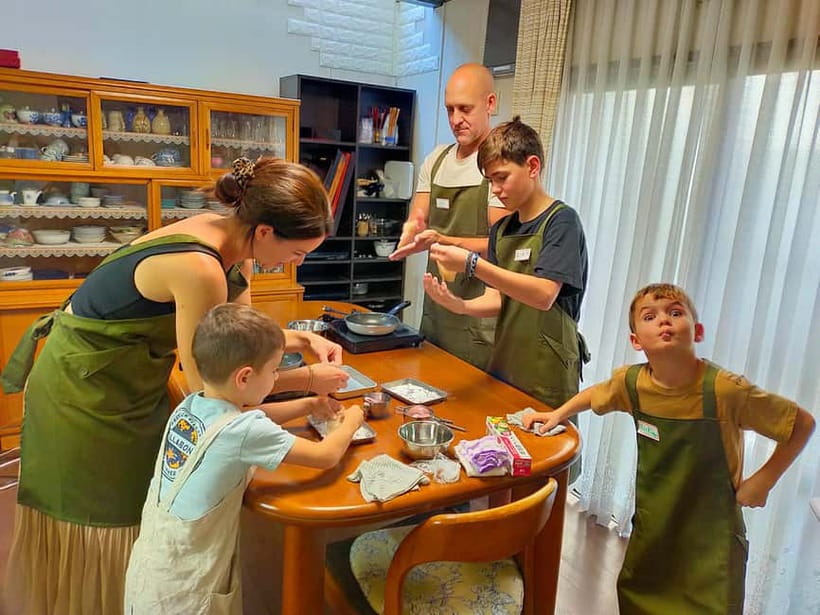
You will also get a clear structure. First, you settle in. Then the instructor demonstrates what you need to do. After that, you make the sweets yourself, often with your partner or with your small group nearby.
The 150-minute flow, step by step
This class runs about 150 minutes. That is long enough to learn real technique, but short enough that it still feels like part of your day, not your whole trip.
Still climbing through the orange gates?
- Kyoto: Fushimi Inari, Kinkakuji, Bamboo Grove 1 Day Bus Tour
★ 4.8 · 4,316 reviews - Fushimi Inari Hidden Hiking Tour (Private Option Available)
★ 5.0 · 1,750 reviews - Osaka/Kyoto:Kinkakuji,Arashiyama,FushimiInariShrine,NaraPark
★ 4.1 · 1,596 reviews - Kyoto/Osaka: Nara, Fushimi Inari Taisha, Arashiyama Bus Tour
★ 4.7 · 1,275 reviews
1) Tea and a relaxed welcome
You start with tea, and from the experience described, there is also a sweet served before the cooking gets underway. Think of it as a warm-up, so you taste something local right away, then you shift into cooking mode.
2) Instructor demo, then you take over
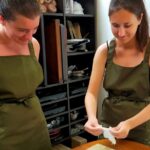
Your instructor shows the steps first. You get to see the textures, how the dough behaves, and how to handle the tools. Then you do it. That hands-on approach is a big deal with wagashi, because success is often in the feel, not only the recipe.
A repeated theme in the experience is how the host teaches in a practical way. You get direction, you get chances to ask questions, and you do not just follow a script. The result is that even if wagashi is new to you, you leave knowing what to watch for the next time.
3) You make about three types of wagashi
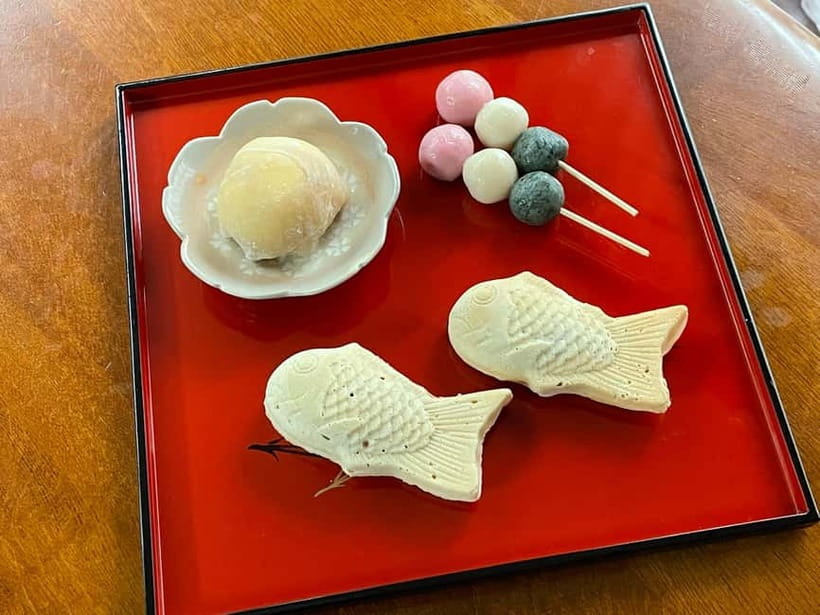
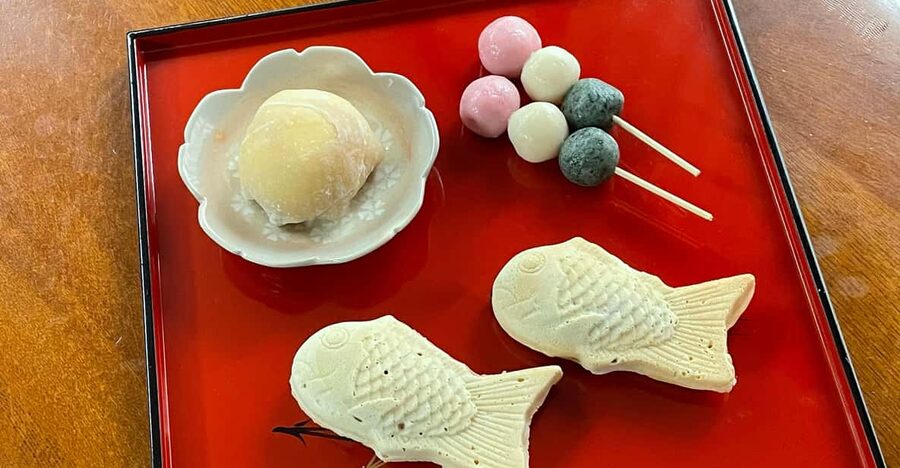
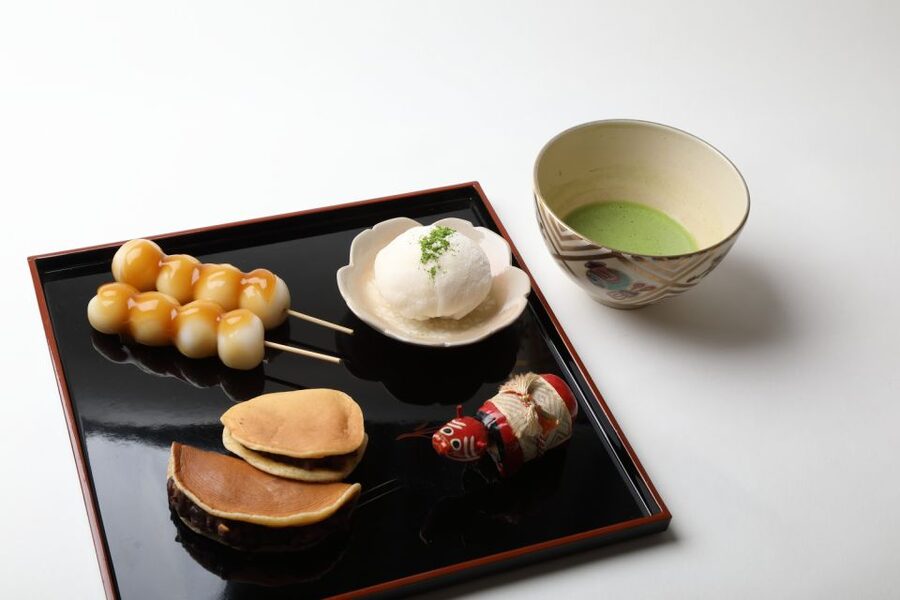
You will prepare around three wagashi items. The menu can change with the season, but you can expect to work on techniques like shaping, mixing, and assembling sweets. In past classes, items have included things like dango, mochi, and dorayaki, plus matcha components.
One practical plus: you typically get a chance to work throughout the session, not just at the end. Even if you are a solo traveler, the setup encourages participation.
4) Sit down, eat your sweets, and drink matcha in the room
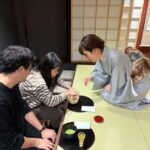
After cooking, you and the group share the food you made. You will enjoy your wagashi alongside tea, specifically matcha in many cases. The setting is traditional and tied to the calm mood of the class, including garden views you can watch while you snack.
Some participants also mention that there is enough food to take portions home. If you love the idea of practicing again later, that helps.
A quieter way to spend a day in Kyoto
What you actually cook: wagashi that matches the season
Wagashi is one of those food worlds where the details matter. You are not just making something sweet. You are making something shaped, textured, and often meant to be enjoyed at a specific time with tea.
This class gives you that context. Because the menu can shift by season, you are less likely to end up with a generic list that feels copied from the internet. You will learn the logic behind what you are making, and you will likely understand what ingredients do in the process.
Based on the sweets people have made in past sessions, you might encounter:
- Dango style shaping and finishing
- Mochi related techniques and texture checks
- Dorayaki style assembly (the kind of sweets you have seen in manga and anime)
- Matcha-related steps, including whisking and serving
You should treat the exact menu as flexible. The one constant is that you will be hands-on with about three items.
Matcha tea, taught in a way you can copy at home
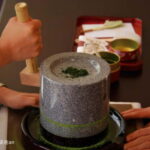
Matcha is a big part of the experience. You do not just get a cup and move on. You learn how to prepare matcha, and you get to drink it with your sweets. In several accounts, participants mention a quick matcha lesson alongside the food lesson.
This is valuable because matcha is not complicated, but it can be done badly. If you have never whisked matcha before, it helps to see the motion and understand what the foam and color are supposed to look like.
You also get to taste how matcha changes the experience of wagashi. Some sweets feel sweeter and lighter with tea; others taste more balanced. It is one of those simple pairings that teaches you how Japanese sweets are designed to be eaten with intention.
English guidance that keeps the steps clear
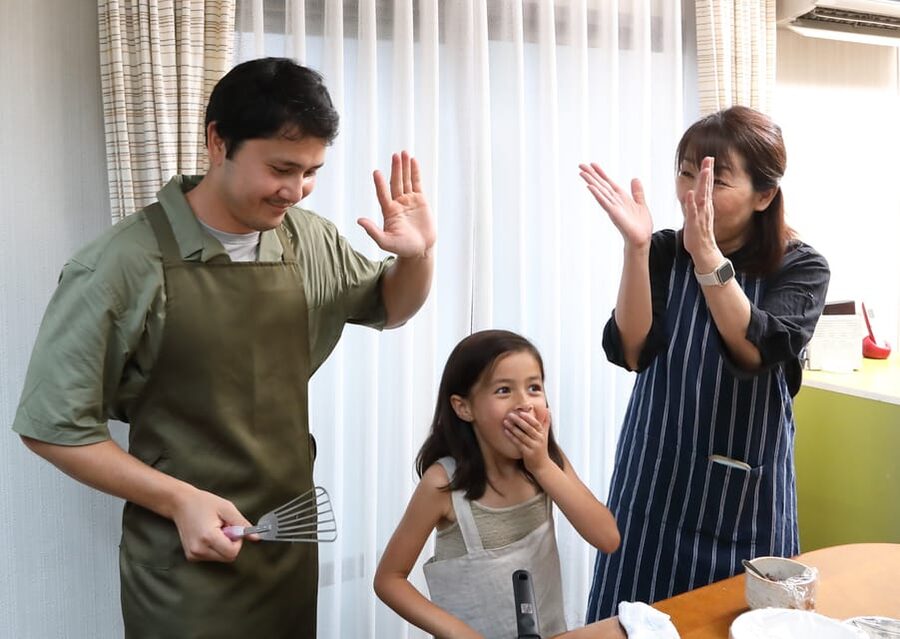
Many cooking classes say they are in English. This one emphasizes that the instructors are licensed guide interpreters, so the communication is built for clarity. The session stays understandable for both English speakers and non-English speakers.
In practice, that means you can follow along without constantly guessing. When you are working with textures and timing, misunderstanding one phrase can throw off a result. Clear instruction reduces that risk.
It also helps that the class is small. With up to 6 participants, you can get help when you need it, instead of waiting for a group instructor to notice you.
Why the setting near Fushimi Inari changes the whole day
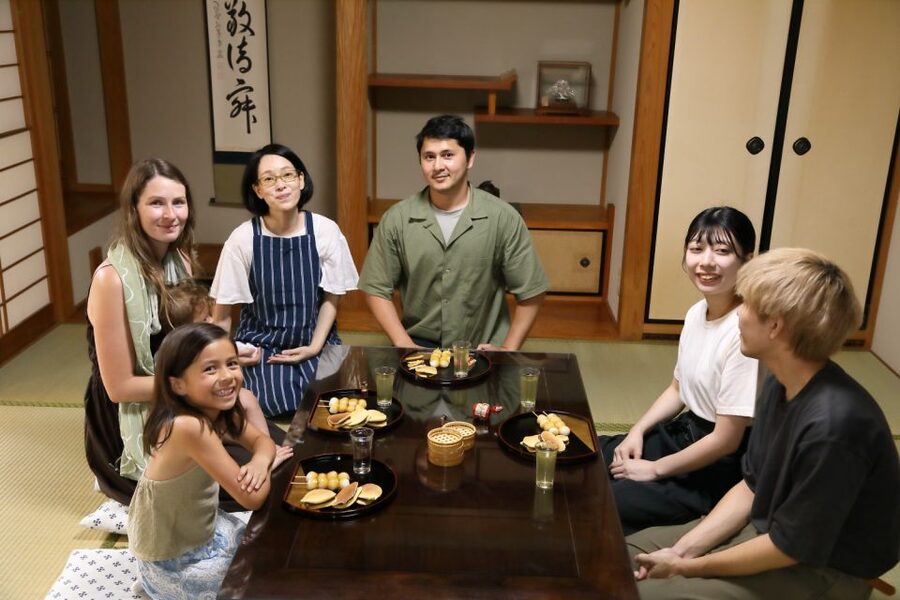
You are doing this near a famous Kyoto area. That is great for logistics, but the real advantage is what it gives you emotionally. Kyoto can feel rushed when you bounce between temples and crowds. A wagashi class slows your day down in the best way.
Instead of moving your feet nonstop, you are using your hands and paying attention to small changes. You also get a view while you eat. Several participants highlight the garden view from the traditional room, and that makes the final tea-time feel restorative, not just a food stop.
If your itinerary includes Fushimi Inari in the morning or afternoon, this can be a good counterweight. One part of Kyoto is energy and stairs. The other part is quiet tea, technique, and a plate you made yourself.
Price check: is $84 worth it?
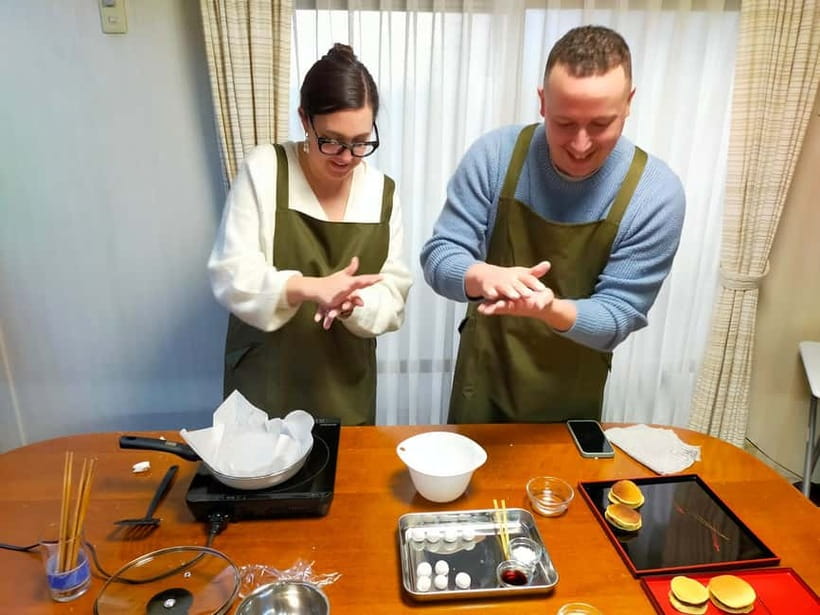
$84 for about 150 minutes can feel steep until you break down what you are actually getting.
Here is the practical math:
- You get a small group class (up to 6), not a crowded demo.
- You get an English instructor (licensed guide interpreter).
- You get all ingredients and seasonings included.
- You get tea as part of the meal time.
- Taxes and fees are included.
The bigger value is less about the cost and more about what you leave with. You are not just tasting. You are learning technique. You learn how dough and fillings behave, how matcha is prepared, and how to plate and assemble. That kind of skill is hard to get from a market snack.
Also, many people end up eating what they make, and sometimes taking some away. That turns a single meal into a longer memory, plus practice for later.
If you love hands-on cooking and you want something distinctly Kyoto beyond ramen or sushi, this price is in the right zone for what you get.
Who this experience fits best
This works especially well if you:
- Want a different Kyoto food angle, Japanese sweets instead of typical tourist meals
- Like cooking with guidance, not just tasting
- Enjoy small-group activities where you can ask questions
- Want an experience that feels cultural, calm, and personal
It can also work for some families. There are reports of kids enjoying the workshop. Still, there are age rules: children under 6 are not suitable, and children aged 12 and below should participate with a guardian.
A few considerations before you book
Nothing is perfect, so here are the main practical cautions from the details you have:
- No wheelchair access: The activity is not suitable for wheelchair users.
- No pickup or drop-off: You handle your own trip to the class.
- Menu varies by season: You might not get the exact sweets you imagined from photos, but you will still make about three wagashi types.
- Let them know about restrictions: Vegan-friendly and vegetarian-friendly is stated, but your best experience happens when they can match the menu to your needs.
- Children under 6: Not suitable, and for younger participants up to age 12, a guardian is required.
Should you book Kyoto wagashi cooking near Fushimi Inari?
If you are the kind of traveler who likes to learn by doing, book it. This class has a clear rhythm, a calm setting, and the best part is that you make the sweets yourself, then eat them in a traditional tea room with garden views. The English instruction is dependable, and the small group size makes it feel more personal than a mass workshop.
Skip it if you want a fast, walk-in tasting. This is a cooking class with real steps and a relaxed tea-time ending. If you want minimal effort and maximum sightseeing, look at other options.
If wagashi appeals even a little, this is one of those Kyoto experiences that makes the city feel human.
FAQ
How long is the Kyoto wagashi cooking class?
The duration is 150 minutes.
How many people are in the group?
It is a small group limited to 6 participants.
Is the class taught in English?
Yes, the class is conducted in English.
What is included in the price?
The price includes all seasonings and ingredients for cooking, tea, and all fees and taxes.
What do I do during the class?
You will relax in a traditional Japanese room, learn from an instructor demonstration, then prepare about 3 different types of wagashi yourself or with your partner. After cooking, you sit together to enjoy the sweets with tea.
Are vegetarians or vegans welcome?
Yes. Vegetarians are welcome and the class is vegan friendly. You should let them know in advance about any food restrictions.
Is hotel pickup or drop-off included?
No. Hotel pickup and drop-off are not included.
Are there age requirements?
Children under 6 are not suitable. Children aged 12 and below should participate with a guardian.
Is the activity wheelchair accessible?
No, it is not suitable for wheelchair users.
More Cooking Classes in Kyoto

New This Season
- Koyasan Day Trip by Private Car from Kyoto
- Old Port Town and Ultimate Sake Tasting Private Tour From Kyoto
- Kyoto: 5 Types of Sushi Making
- Sacred Peak & Ancient Paths: Kurama-Kibune Hiking Experience
- Kyoto’s Timeless Charm: 3hr Exploration of History and Peace
- Kyoto: Exclusive ZEN practice at Manpukuji temple in Uji
- Kyoto: Private Seasonal Aroma Yoga Class
- Traversing Kyoto’s Scenic West – Arashiyama to Kinkakuji
Fushimi Inari Shrine Walks, compared.
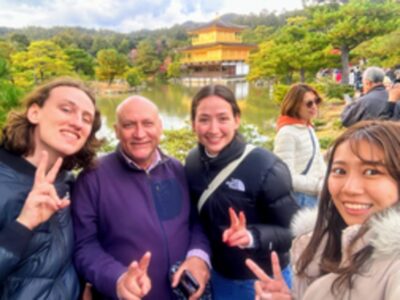
Fushimi Inari, Kinkakuji, Bamboo Grove 1 Day Bus Tour
Read our review →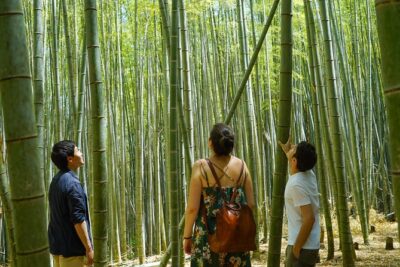
Fushimi Inari Hidden Hiking Tour (Private Option Available)
Read our review →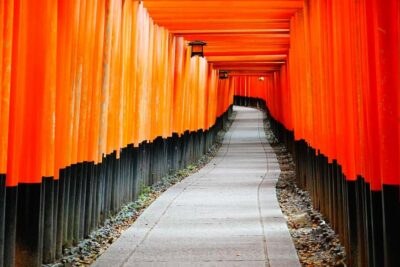
Kinkakuji,Arashiyama,FushimiInariShrine,NaraPark
Read our review →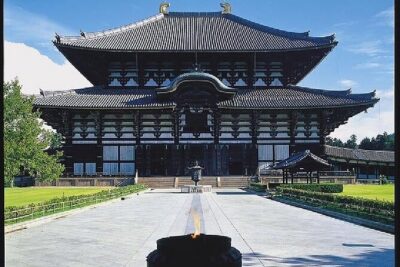
Nara, Fushimi Inari Taisha, Arashiyama Bus Tour
Read our review →
Arashiyama, Nara & Fushimi Inari Shrine w/Lunch
Read our review →
Nijo Castle, Kiyomizu & Fushimi Inari Guided Tour
Read our review →
Nijo, Kinkaku-ji, Arashiyama, Kiyomizu & Fushimi Inari
Read our review →
Also filed under