
Reviewed · TEA CEREMONIES
2 Types of Japanese Sweets making and Tea Ceremony
Sweet making and matcha, all in one class. You are in Kyoto area, at a place one minute from Gojo Station, and you leave with two handmade Ohigashi and Nerikiri, plus your own matcha experience.
I especially like that the program uses Kyoto-style white and red bean paste from long established shops, not mystery ingredients. I also like the hands-on flow, you actually make sweets that match the season, not just watch a demo.
One possible drawback: if your group is chatty, the workshop can feel less calm, more like a shared classroom than a quiet, intimate tea moment. That is not the fault of the instructor, but it is a real factor to consider.
In This Review
- Key things to know before you go
- Price and Logistics: What $28 Buys and Where You Start
- Entering The Workshop Space Near Gojo Station
- Ohigashi With Wasanbon: The Dried Sweet Step
- Nerikiri: Two Seasonal Sweets, Including Kinton Style
- Matcha Grinding and a Casual Tea Ceremony Moment
- Ingredient Quality: Kyoto Bean Paste and Single Origin Matcha
- English Support and Instructor Style: Friendly, Attentive, and Sometimes Noisy
- A Minute By Minute Look at the 125 Minutes
- Extras You Might Want: Color, Takeout, and Certificates
- Who Should Book This Workshop
- Should You Book? My Decision Checklist
- FAQ
- What is the duration of the experience?
- Where is the meeting point?
- What sweets will I make?
- Is matcha included?
- Is the tea ceremony formal or casual?
- Is there an option to add extra items like color or takeout?
- Is English available during the class?
- What are the operating hours?
- Is the venue wheelchair accessible?
- Can I cancel for a full refund?
Key things to know before you go
- Three parts in 125 minutes: Ohigashi, Nerikiri (two seasonal sweets), and a matcha plus casual tea ceremony
- Wasanbon sugar is part of the Ohigashi: the traditional dried-style Japanese sweet base
- You shape the Nerikiri by hand: including a flower shaped style called Kinton Nerikiri
- Matcha grinding is included: you do the work, then you drink what you made
- English support is available as much as possible: and the instructor noted as friendly and attentive in the experience details
Price and Logistics: What $28 Buys and Where You Start
This is a three part workshop for $28 per person, running about 125 minutes total. For that money, you are not just tasting. You are making two different types of Japanese sweets, learning the key ideas behind them, and then grinding matcha for a tea moment of your own.
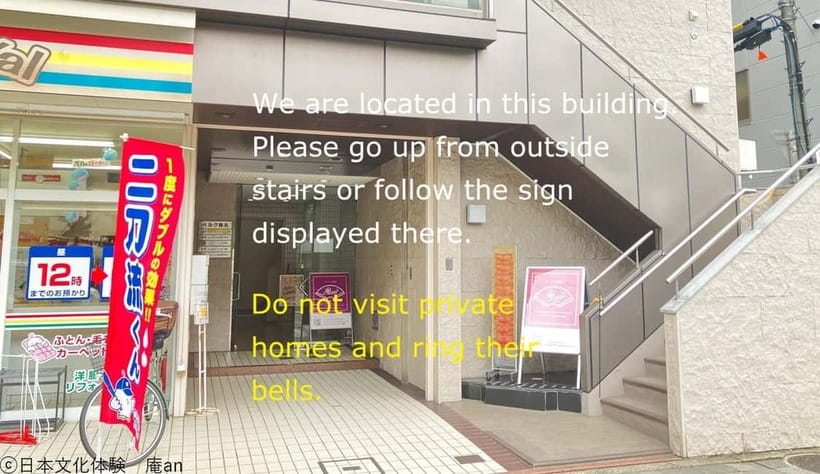
The meeting point is easy to find: a one minute walk from Exit 1 of the Karasuma Line Gojo Station. The store entrance faces Gojo dori, so you should be able to spot it without a scavenger hunt. If you are tight on time, pad a little extra because the workshop is not designed to wait for delays.
One practical note that affects the whole experience: there is no elevator in the building, and you will take stairs to reach each venue. If you have mobility limits, plan for that stair climb before the class starts.
Entering The Workshop Space Near Gojo Station
The schedule is built around a simple pattern, short explanations, then hands on time, then a breather. You start with an overview of traditional Japanese sweets, so you are not working blind while you shape and mold.
The room is set up to keep the pace moving, so expect structure. That can be great when you want clarity, but it can also make the experience feel more like instruction than like a slow, ceremonial retreat. If you like quiet, calm spaces, you may want to consider class timing and your own comfort with group energy.
Also, this is Japan language support first. The class is in Japanese, and English translation is provided as much as possible. If you need extra help, you are expected to contact in advance to add it.
More bowls, poured the traditional way
- Kyoto: Tea Ceremony in a Traditional Tea House in Kiyomizu
★ 4.9 · 3,519 reviews - Kyoto: Tea Ceremony Ju-An at Jotokuji Temple
★ 4.9 · 3,207 reviews - Kyoto: 45-Minute Tea Ceremony Lesson Experience
★ 4.3 · 2,378 reviews - Kyoto: Table-Style Tea Ceremony at a Kyo-Machiya
★ 4.9 · 1,211 reviews
Ohigashi With Wasanbon: The Dried Sweet Step
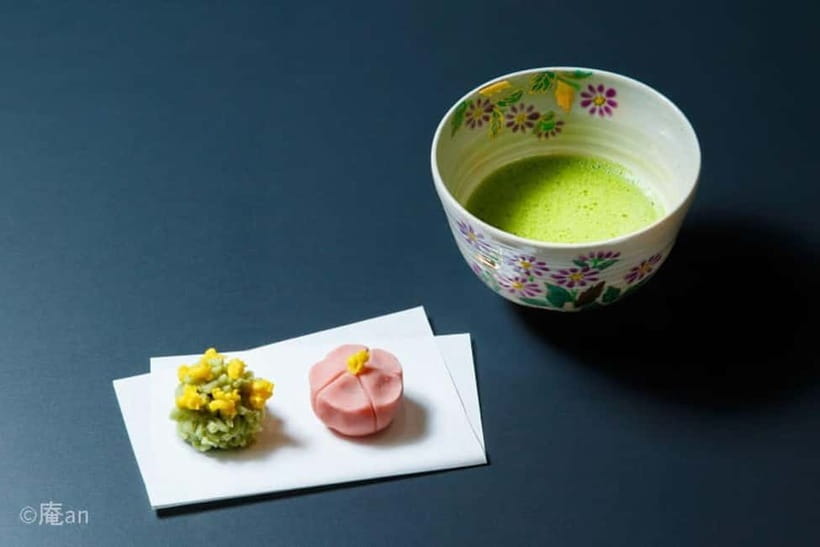
You begin with Ohigashi, a dried type Japanese sweet made using traditional sugar called Wasanbon. That matters because Wasanbon has a specific role in Japanese confectionery, it is known for the way it behaves in sweets, especially when you are aiming for a neat shape and a gentle sweetness.
What you will do here is not just a concept lesson. You make the Ohigashi step by step, so you see how the sugar and sweet base come together into a finished bite. You also get a feel for texture, because dried sweets have a different resistance than the softer bean paste sweets that come next.
This first part is a smart warm up. It gets you into the rhythm of Japanese sweets making before the Nerikiri stage, which is more hands on with shaping and detail.
Nerikiri: Two Seasonal Sweets, Including Kinton Style
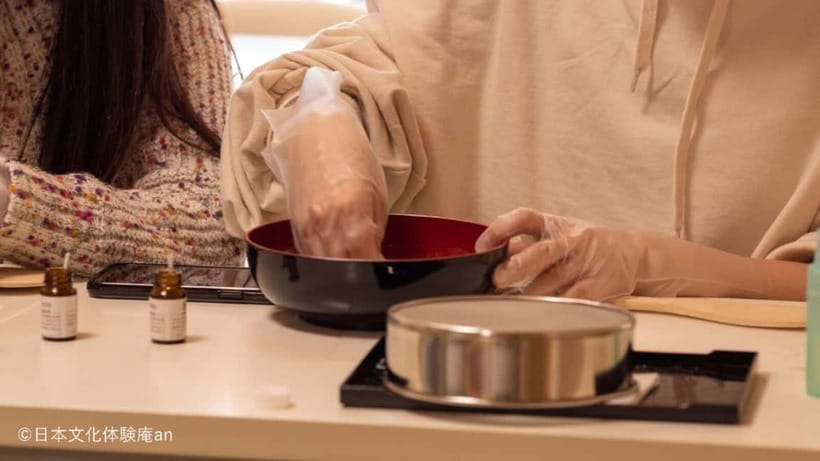
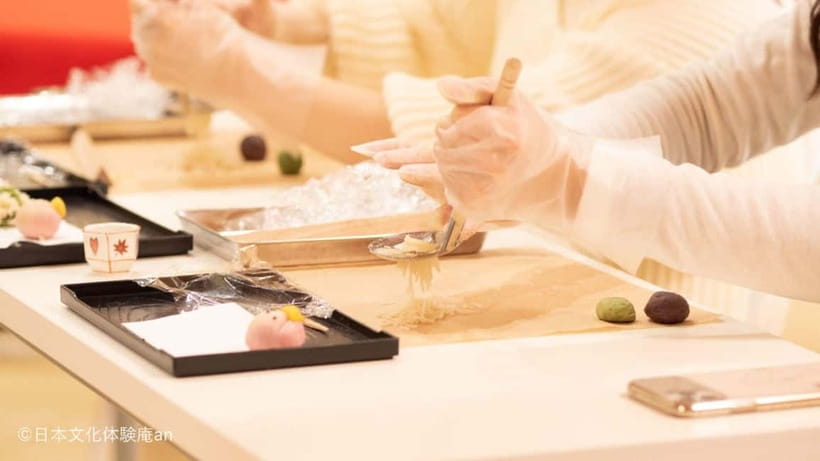
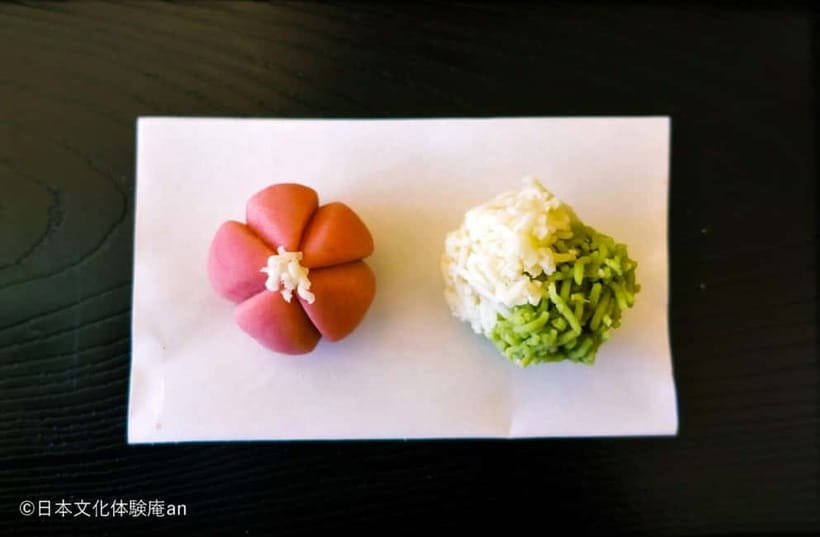
Next comes Nerikiri, where you use white and red bean paste. The workshop specifically calls out that you will make two seasonal sweets that match the time of year, which is one of the best reasons to book this kind of class instead of a generic wagashi tutorial.
You will make at least one flower shaped sweet, and the program highlights a Kinton Nerikiri style. The key experience here is shaping. Nerikiri is all about form, and it is also about how the paste holds together while you pinch, press, and sculpt.
Why this part is valuable: Nerikiri teaches you that Japanese sweets design is not random decoration. It is seasonal storytelling using texture and shape. Even if you are not a design person, you will notice how small adjustments change the look, and that makes the final sweets feel personal.
There is also a break built in during the Nerikiri portion. That is good because hands get warm and paste can become harder to work with if you rush. Use the break to reset, wash your hands if offered, and take your time rethinking your next shape.
Matcha Grinding and a Casual Tea Ceremony Moment
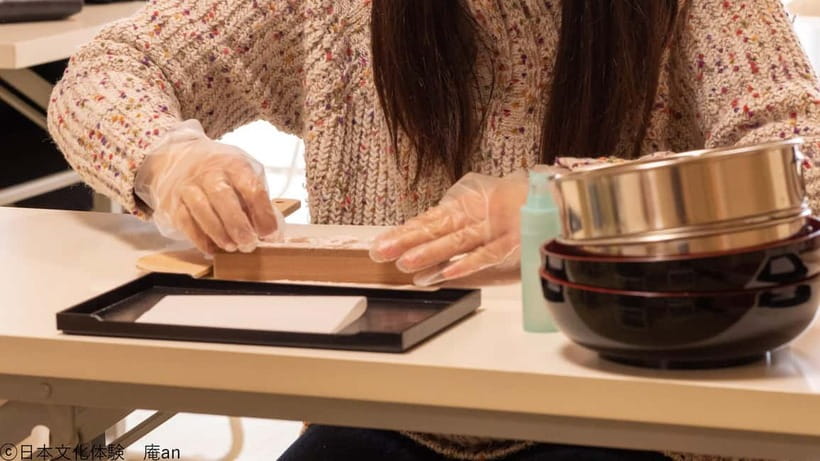
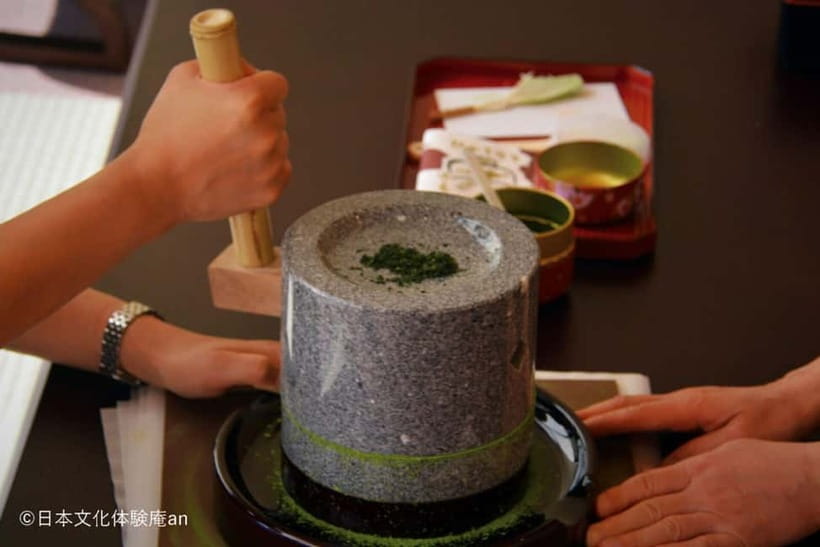
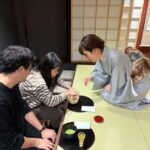
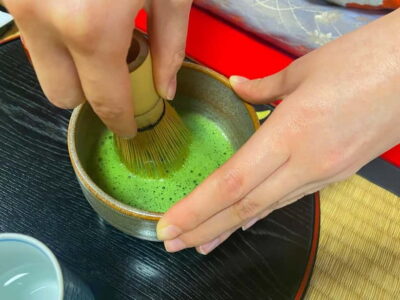
The tea portion starts with an explanation about tea, then a matcha grinding demonstration. You then move into the tea ceremony experience in a casual way, and you get to enjoy what you made.
Even if you have done matcha before, grinding changes your understanding. Your arms and breath become part of the process, and you can see how matcha changes as it is worked. It also helps you connect the taste you get in the final cup to the process that created it.
Here is the balanced expectation to keep in mind. This tea part is described as casual, so it is not presented as a full traditional tea ritual that takes hours. You will still come away understanding matcha and how to serve and drink it in the workshop context, and you should leave with a more grounded sense of what tea means beyond just drinking green powder.
One practical tip for getting value from this part: slow down during the drinking. You worked for the cup, so treat it like a finished product, not something to gulp between photos.
Ingredient Quality: Kyoto Bean Paste and Single Origin Matcha
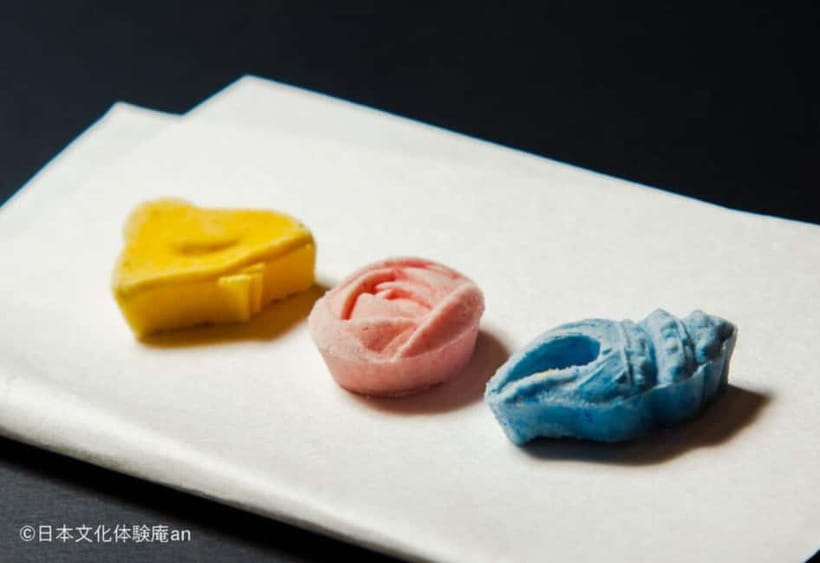
Two highlights are quality focused. First, the bean paste you use is produced by long established Kyoto shops, in both white and red varieties. That means the flavor base is consistent enough that your effort on shaping pays off, instead of turning into a guessing game.
Second, the matcha is described as single origin special matcha. When matcha is single origin, the taste profile is usually easier to learn from because you are not mixing multiple sources. That helps you pick up differences in bitterness, sweetness balance, and aroma.
When ingredient quality is good, the workshop feels more confident. You spend less time compensating for bland paste or thin tasting tea, and more time focusing on technique and presentation.
A quieter way to spend a day in Kyoto
English Support and Instructor Style: Friendly, Attentive, and Sometimes Noisy
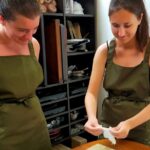
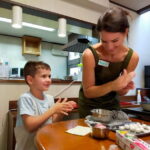
The class language is Japanese, but English translation is provided as much as possible. Based on the experience details, instructors tend to be friendly and enthusiastic, with good English support. One instructor named Maiko is specifically called out for being attentive and informative, and that lines up with what you want in a hands on workshop.
So what about the tone? Some people find it organized and clear, while others feel it can lean a bit clinical, like a classroom, especially during the tea discussion. That is not unusual for a workshop model with set timing.
There is also the group reality. A room full of tourists can get loud, and if the atmosphere is noisy, it can squeeze the calm out of a tea moment. If you are sensitive to noise, try to choose a time when you expect fewer distractions, and keep your own focus on your work.
A Minute By Minute Look at the 125 Minutes
The flow is tightly scheduled, which helps you keep momentum.
- Start with an explanation of Japanese traditional sweets
- Then make the dried type sweet Ohigashi over about 20 minutes
- A break follows
- Next you make a flower shaped Nerikiri, around 30 minutes
- Then you continue with a Kinton Nerikiri making phase, around 30 to 40 minutes within the longer Nerikiri window
- Another break happens, then you shift to tea
- After tea explanation, there is the matcha grinding demonstration
- Then you do the tea ceremony experience and enjoy your cup
- You finish with eating and drinking time, then you leave the room at the 125 minute mark
The big upside of this pacing is that you never feel stuck. You always know what is coming next, and you get breaks before your energy crashes.
The possible downside is the lack of slack. If you run late, they may not be able to hold the event for you, so keep buffer time.
Extras You Might Want: Color, Takeout, and Certificates
The core experience includes the sweets making and tea. If you want extra souvenirs or add-ons, there are options, but they cost extra.
You can add color for 200 JPY, get a sweets takeout box for 100 JPY, or purchase an experience completion certificate for 300 JPY. These are not required, but if you like bringing home a story, the takeout box option can make the workshop feel more like a keepsake.
Who Should Book This Workshop
I think this works best for you if you want a structured, hands on taste of Kyoto style sweets and matcha. You enjoy learning through doing, and you want to make both dried and bean paste based sweets in one session.
It also suits you if you like cultural context without getting stuck in long formal rituals. The tea portion is casual by design, so you can learn the essentials and still keep the experience moving.
You might want to choose something else if you are looking for a silent, intimate tea ceremony atmosphere only. If you are sensitive to room noise, or if you strongly prefer very traditional ceremony pacing, this format may feel more educational than reverent.
Should You Book? My Decision Checklist
Book it if you want:
- Two seasonal Nerikiri sweets plus a Wasanbon based Ohigashi, with real hands on making time
- Single origin special matcha and matcha grinding included
- A clear, timed workshop near Gojo Station that fits into a day in Honshu Japan
Skip it if:
- You need a fully formal, hours long traditional tea ritual
- You cannot handle stairs in a building without an elevator
- You hate group settings where other people might be loud
If you fit the first group, this is a strong value. For $28, you are buying both technique and payoff, sweets you made yourself, plus a matcha experience you controlled from grinding to drinking.
FAQ
What is the duration of the experience?
The experience lasts about 125 minutes.
Where is the meeting point?
You meet about a one minute walk from Exit 1 of the Karasuma Line Gojo Station. The store entrance faces Gojo dori.
What sweets will I make?
You make two types of Japanese sweets: Ohigashi (dried type sweets using Wasanbon sugar) and two seasonal Nerikiri sweets using white and red bean paste.
Is matcha included?
Yes. You will do matcha grinding and then enjoy the tea as part of the tea ceremony experience.
Is the tea ceremony formal or casual?
The tea ceremony experience is described as casual, with explanations and then your tea moment.
Is there an option to add extra items like color or takeout?
Yes. Adding color costs 200 JPY, a sweets takeout box costs 100 JPY, and an experience completion certificate costs 300 JPY.
Is English available during the class?
English translation is provided as much as possible. If you want to add English support, you are asked to contact in advance.
What are the operating hours?
Operations run from 10:00 to 17:00. Reservations received after 17:00 are processed the next day.
Is the venue wheelchair accessible?
It is listed as wheelchair accessible, but there is no elevator and you will need to use stairs to reach each venue.
Can I cancel for a full refund?
Yes. You can cancel up to 24 hours in advance for a full refund. Cancellation fees can apply depending on timing.
More Cooking Classes in Kyoto
New This Season
- Koyasan Day Trip by Private Car from Kyoto
- Old Port Town and Ultimate Sake Tasting Private Tour From Kyoto
- Kyoto’s Timeless Charm: 3hr Exploration of History and Peace
- Kyoto: 5 Types of Sushi Making
- Sacred Peak & Ancient Paths: Kurama-Kibune Hiking Experience
- Kyoto: Exclusive ZEN practice at Manpukuji temple in Uji
- Kyoto: Private Seasonal Aroma Yoga Class
- Traversing Kyoto’s Scenic West – Arashiyama to Kinkakuji
Tea Ceremonies, compared.
Tea Ceremony in a Traditional Tea House in Kiyomizu
Read our review →
Kimono Tea Ceremony at Kyoto Maikoya, NISHIKI
Read our review →
Tea Ceremony in 100-year-old Kyo-Machiya Townhouse
Read our review →
Also filed under