Reviewed · GION GEISHA QUARTER WALKS
Kyoto: Traditional Tea Ceremony with Matcha & Sweets in Gion
Matcha starts with a whisper of steam. In Kyoto’s Gion district, this tea ceremony pairs classic ritual with a more comfortable setup, so you can actually relax and learn. You’ll watch a tea master in action, then make your own bowl of matcha with real instruction in English.
I especially like two things. First, the chair seating option keeps the experience calm and accessible, even if sitting on the floor is not your thing. Second, you do not just taste, you learn how to prepare matcha properly and make your own bowl.
One possible consideration is timing for families. Matcha has a good amount of caffeine, and it is not recommended for children under age 5.
In This Review
- Key points before you go
- Why Gion feels like the right place for matcha
- Chair seating turns tradition into something you can enjoy
- The opening moments: learning tea’s ideas and technique
- Sweets and the flavor rhythm of a tea ceremony
- Making your own bowl of matcha, step by step
- Q&A with the tea master: ask the practical questions
- Value check: is $22 a good deal in Kyoto
- How long it takes, and how to plan your Kyoto day
- Who this experience is best for (and who should reconsider)
- Should you book this Kyoto matcha ceremony?
- FAQ
- What is included in the Kyoto tea ceremony experience?
- How long does the experience take?
- Is the tea ceremony formal?
- Do I need to sit on the floor?
- What languages are available?
- Can children join?
- Where do I meet for the tour?
- Is there free cancellation?
- Can I pay later?
Key points before you go
- Gion location gives you that old-Kyoto feeling without needing to hunt around for the right door
- Chair seating makes the ceremony feel welcoming, not rigid
- Watch first, then do: you see the technique up close, then make your own bowl
- Sweets and tea history are built into the flow, not treated like an afterthought
- Q&A with the tea master helps you turn what you learned into real understanding
- Take-home matcha recipe helps you repeat the experience at home
Why Gion feels like the right place for matcha
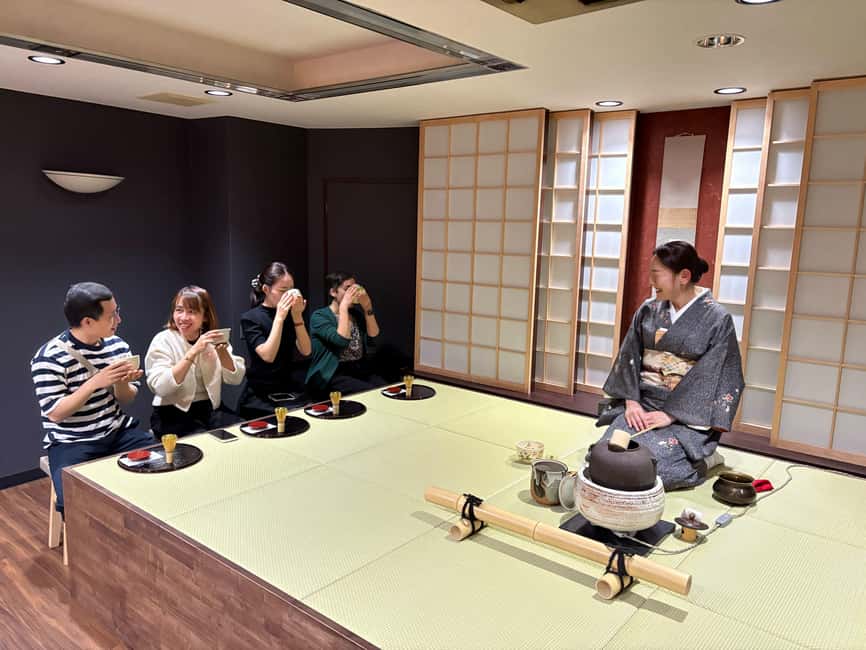
Gion is one of those Kyoto neighborhoods where the streets already feel like part of the show. The atmosphere around a tea room tends to be quieter than outside, which matters because tea ceremony is partly about attention. This experience puts you right in that mindset fast, so you spend less time wondering what comes next and more time learning what to notice.
The setting also helps you understand the tea culture as something practical, not just ceremonial theater. Yes, you will learn the Zen ideas that influence the craft, but you will also taste, mix, and ask questions. In other words, this is Kyoto culture you can use, not only watch.
Chair seating turns tradition into something you can enjoy
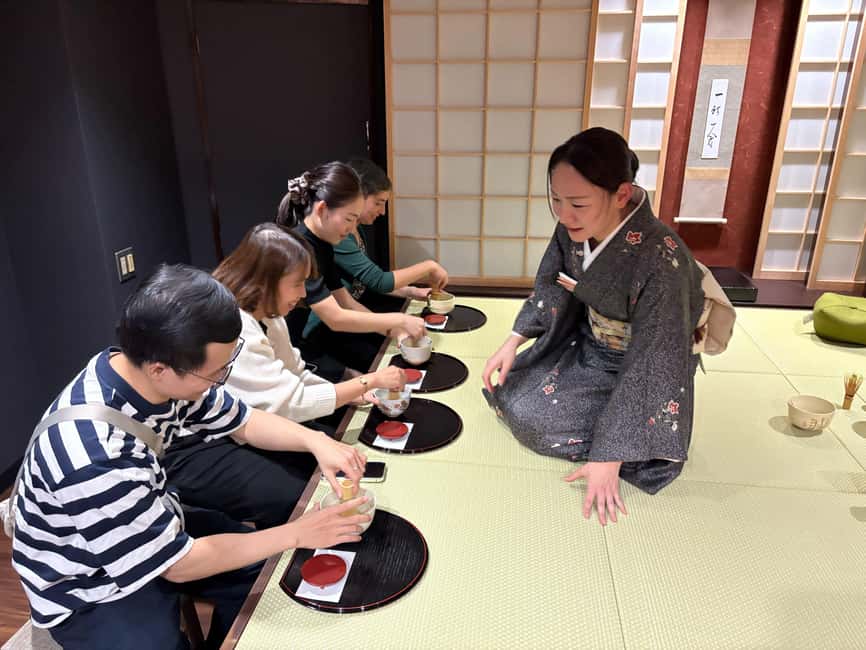
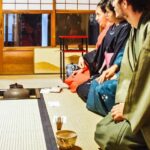
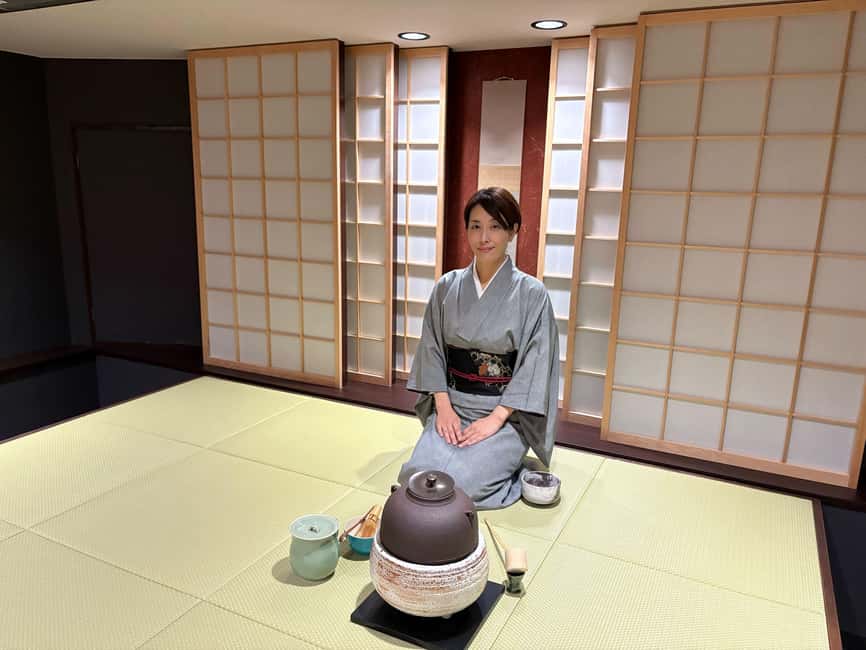
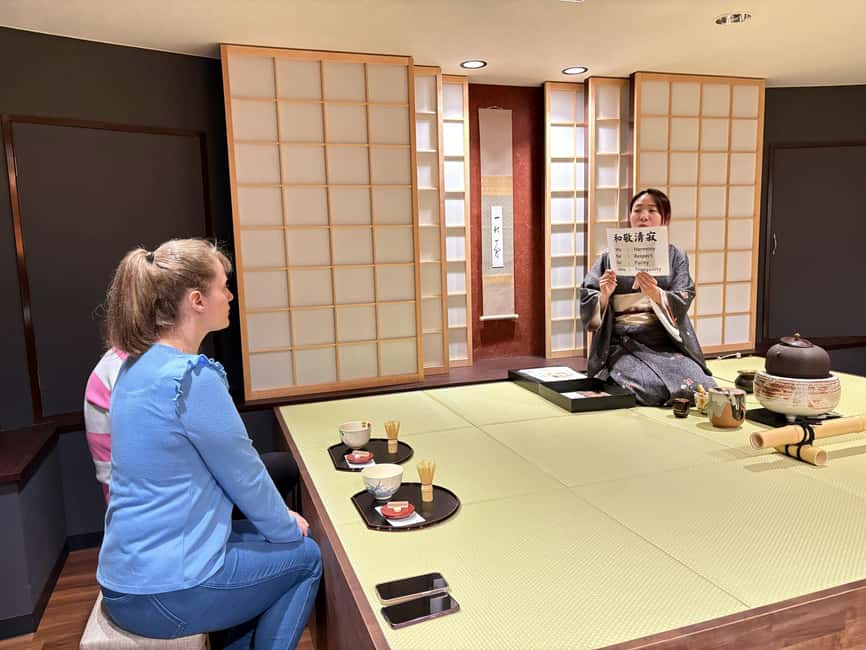
Traditional tea ceremonies are often shown with floor seating, and that can put some people off. Here, the ceremony is set up with chairs, so you can participate comfortably. That small design choice changes the whole tone of the lesson. You can focus on posture, timing, and the steps of matcha preparation instead of dealing with discomfort.
It also means the experience works better for more body types and ages. The session is built to be approachable, and that shows in how the host explains things in a way that keeps you from feeling lost. The result is a ceremony that still feels elegant, but not intimidating.
Whisk your own bowl of matcha
- Kyoto: Arashiyama Bamboo Forest, Monkeys, Matcha & Temple Tour
★ 5.0 · 759 reviews - Kyoto: Tea Ceremony Meditation – Make Matcha with Tea Master
★ 4.8 · 406 reviews - Kyoto: Arashiyama Bamboo, Matcha, Monkeys & Temple Tour
★ 4.9 · 291 reviews - Kyoto: Kimono Tea Ceremony with Matcha and Sweet
★ 4.9 · 249 reviews
The opening moments: learning tea’s ideas and technique
At the start, you get guided storytelling about the history of tea and how the tea ceremony connects to Zen philosophy. That matters because matcha is not only a flavor. It is a ritual built around process, attention, and respect. When someone explains why each step exists, the ceremony becomes easier to follow later when you are holding the whisk yourself.
Then you watch an elegant ceremony performed close up by the tea master. One of the most relaxing parts is how the atmosphere slows down while the kettle heats and the room settles. In practice, you will see how the tools are handled, how the tea room setting supports calm, and how the master keeps movements controlled and intentional.
The helpful bit for you is the close-up view. You are not stuck only in the audience perspective. You can observe details that usually vanish when you are far away.
Sweets and the flavor rhythm of a tea ceremony
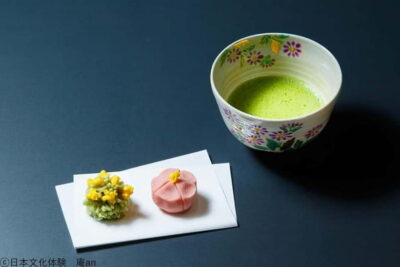
In the second half, you are served traditional Japanese sweets selected by the tea master from well-established confectioners. This is not random dessert. Sweets in a tea ceremony help set the flavor rhythm, so the matcha you make and drink later feels balanced.
You also get a more conversational sense of why these items go together. The host links the sweets and the tea experience through the story of tea culture, so it feels like you are following a sequence with meaning, not simply passing plates around.
If you are sensitive to sweetness, take your time. Sip the tea alongside bites so the flavors shift naturally.
Making your own bowl of matcha, step by step
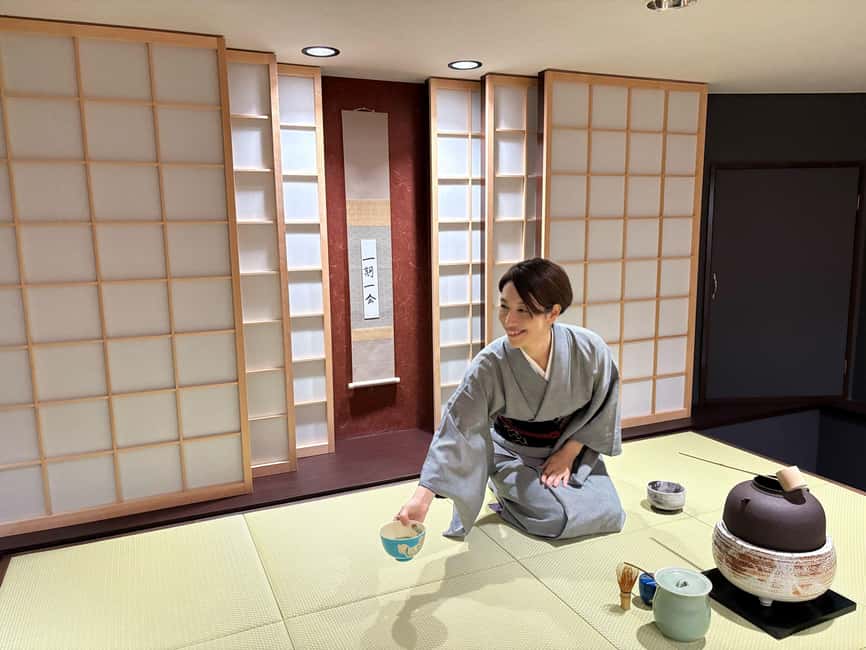
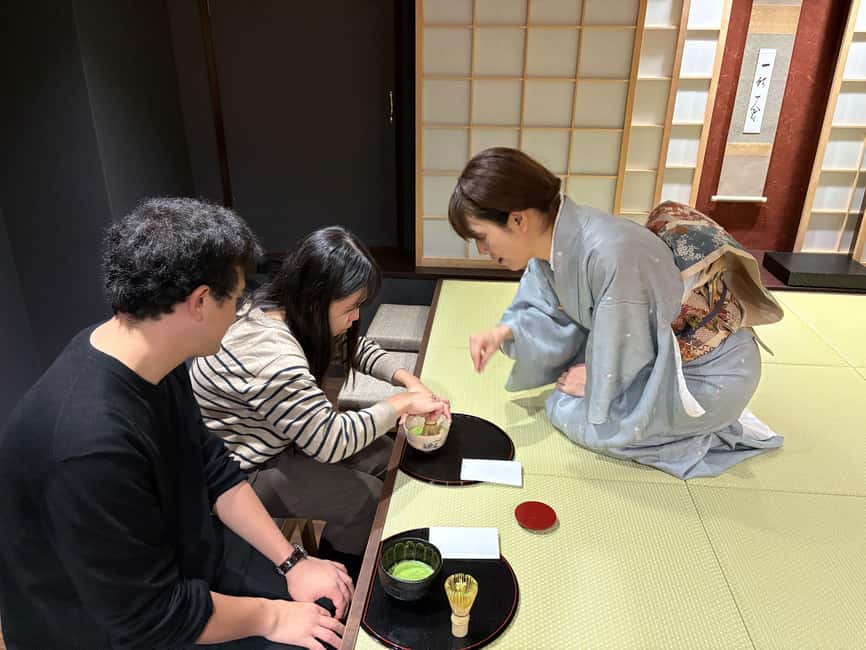
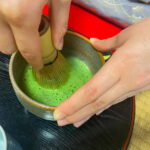
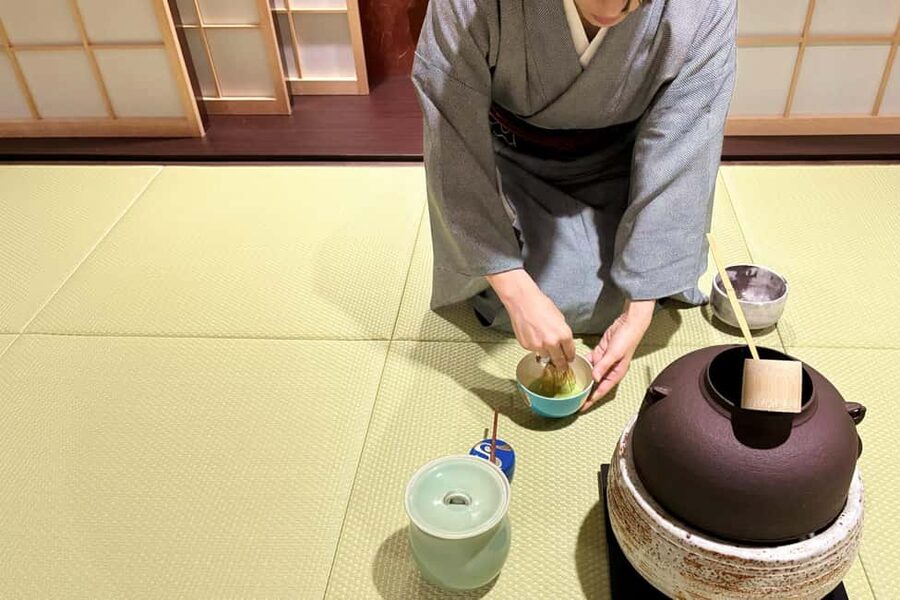
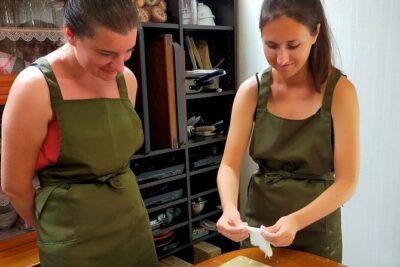
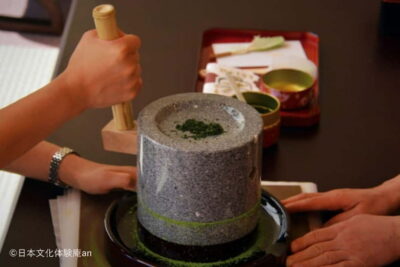
Watching is great, but the main reason to book is the hands-on portion. You learn how to make your own bowl of matcha, using matcha powder sourced from a family-run tea farm. Before you mix, the guidance focuses on technique, not guesswork, so you know what you are aiming for.
The key skill you will practice is whisking to get the right texture. Matcha should mix smoothly and develop a pleasing look, and you get instruction on how to do it. The host’s tone tends to be friendly and calm, which is important. You will not feel like you need perfection, you need repetition and confidence.
Then comes the best part, drinking your bowl after you made it. If you are a matcha fan, you will taste the difference between quality powder and everyday mixes. If you are new to matcha, this is a gentle introduction, because you learn how to treat it like a crafted drink.
Q&A with the tea master: ask the practical questions
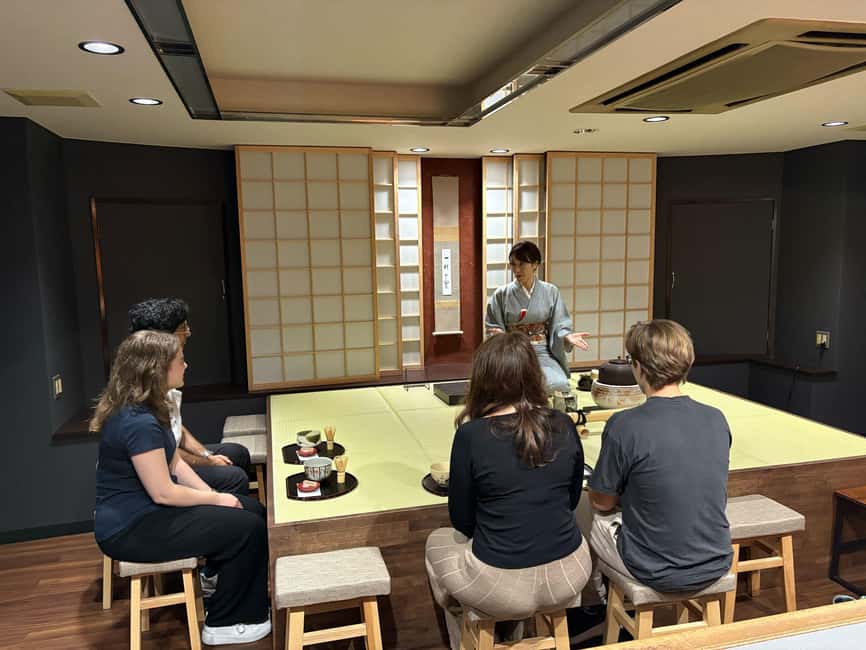
Near the end, you get time for Q&A with the tea master. This is where the experience becomes more personal. You can ask questions you likely carry in your head but never get to ask on your own, like how different matcha styles relate to use, or what small technique choices change the final drink.
A name you may hear is Mai, who is described as approachable and passionate about tea. When a guide explains with that kind of care, you get more than a script. You get clarity. And you walk away with mental hooks you can use later when you buy matcha in Kyoto or try it back home.
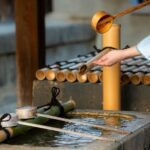
More bowls, poured the traditional way
Value check: is $22 a good deal in Kyoto
At $22 per person, the value is strong because you are paying for more than tasting. You are getting:
- a matcha drink made with matcha powder from a local tea farm
- instruction on how to prepare matcha
- traditional Japanese sweets
- a simple recipe you can recreate at home
Most cheap tea experiences end at sampling. Here, you learn the technique and leave with a way to repeat it. That turns the session into a souvenir you actually use, not a photo moment only.
Also, the experience is in English and offered as a small group. Small group learning tends to mean you get more attention during the hands-on part, which is exactly where you want it.
How long it takes, and how to plan your Kyoto day
The duration runs from 1 hour to about 150 minutes, depending on the option and start time you book. In real planning terms, treat it as a half-day slot at most, not a quick add-on you can slide between crowded stops.
If you are doing other Gion sightseeing, build in a buffer. After the ceremony, you might feel like wandering slowly, since the whole point is to slow down. If your next plan is aggressive, you may end up rushing the best part, which is your bowl and the Q&A.
If you choose the kimono option, timing becomes more specific. You rent kimono at the Wargo Gion store, then you walk to the tea ceremony meeting point and need to arrive about 10 minutes early. Your tea ceremony time is fixed based on your kimono start time. For example, a 11:00 kimono start means a 12:30 tea ceremony, while a 12:00 start means a 14:00 ceremony, and a 14:00 start means a 15:30 ceremony. After you finish, you must return the kimono by 5:30 pm. Plan your other activities around that.
Who this experience is best for (and who should reconsider)
This is a great fit if you want a meaningful cultural activity without feeling trapped in museum-style silence. You get a balance of observation, hands-on practice, and storytelling, plus a friendly tone. The chair setup makes it easier for people who do not want to sit on tatami.
It is also a strong choice if you care about the practical side of matcha. The instructions and the take-home recipe help you recreate the drink later, which is rare for a sightseeing activity.
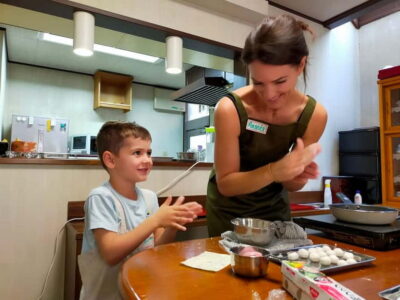
You might reconsider if caffeine is a concern for you or if you are traveling with very young kids. Matcha is high in caffeine and it is not recommended for children under age 5. Infants and toddlers are free of charge, but if they want to try, they must use a parent or guardian’s matcha cup, and they will not have their own matcha to make.
Should you book this Kyoto matcha ceremony?
If you want a calm, welcoming tea ceremony that still keeps the craft intact, this is an easy yes. The biggest reasons to book are the chair seating, the hands-on bowl-making, and the fact that you leave with a simple recipe to bring the experience home. For $22, you are getting instruction plus sweets plus matcha, all wrapped into a small-group format in Gion.
If you are only looking for photos or quick tasting, you might feel it is more effort than you want. But if you like learning how things work, and you want your Kyoto trip to include something you can repeat later, you will probably be glad you scheduled it.
FAQ
What is included in the Kyoto tea ceremony experience?
You get a matcha drink made with matcha powder from a local tea farm, guidance for making matcha, a simple recipe to enjoy at home, and Japanese traditional sweets selected by the tea master.
How long does the experience take?
The duration ranges from 1 hour up to about 150 minutes, depending on the starting time and option.
Is the tea ceremony formal?
This experience is designed to be welcoming and approachable, with an emphasis on comfort rather than strict, floor-based formality.
Do I need to sit on the floor?
No. The ceremony is offered with chair seating, so you do not need to sit on tatami.
What languages are available?
The instruction is in English.
Can children join?
Infants and toddlers are free of charge. If they want to try, they must use a parent or guardian’s matcha cup, and they will not receive their own matcha to make. Matcha is high in caffeine and is not recommended for children under age 5.
Where do I meet for the tour?
The meeting point can vary depending on the option booked. If you choose the kimono option, you go to the Kimono Rental Wargo Gion store (5th floor) and then walk to the tea ceremony meeting point.
Is there free cancellation?
Yes, you can cancel up to 24 hours in advance for a full refund.
Can I pay later?
Yes, there is a reserve now and pay later option, so you can book without paying right away.
More Dessert Tours in Kyoto
Gion Geisha Quarter Walks
New This Season
- Koyasan Day Trip by Private Car from Kyoto
- Old Port Town and Ultimate Sake Tasting Private Tour From Kyoto
- Kyoto’s Timeless Charm: 3hr Exploration of History and Peace
- Kyoto: 5 Types of Sushi Making
- Sacred Peak & Ancient Paths: Kurama-Kibune Hiking Experience
- Kyoto: Exclusive ZEN practice at Manpukuji temple in Uji
- Kyoto: Private Seasonal Aroma Yoga Class
- Traversing Kyoto’s Scenic West – Arashiyama to Kinkakuji
Gion Geisha Quarter Walks, compared.
Kyoto Geisha Walking Tour: Gion District & Hidden Gems
Read our review →
Gion Magical Night Walking Tour with Geisha Trivia
Read our review →
Gion Geisha District Walking Tour – Stories of Geisha
Read our review →
Best of Kyoto: Gion, Geisha, Pagodas & Cobblestones
Read our review →

Kyoto Night Foodie Tour in Gion (9+ dishes + 6 Sake tastings)
Read our review →
Kyoto Gion Geisha District Walking Tour – The Stories of Geisha
Read our review →