Reviewed · FUSHIMI INARI SHRINE WALKS
Kyoto Wagashi(Japanese sweets) Cooking Class near Fushimiinari
A Kyoto sweets class feels more like visiting a friend. You step into an authentic Japanese house, learn to make wagashi in a relaxed group of up to six, then sit down for tea in a room with a garden view. It is the kind of experience that also scratches that I saw this in anime or manga itch.
What I like most is the small group format and the hands-on rhythm: instructor demo first, then you do the work. Another big plus is that you do not leave with just a bite or a memory, you get the recipes for everything you make.
One consideration: this is not a fast stop, it runs about 2 hours 30 minutes, so you will want to plan your day around it rather than stacking it right before a timed ticket.
In This Review
- Key highlights at a glance
- A Cozy Wagashi Cooking Class Near Fushimi Inari
- Entering the Traditional House, Then Getting Cooking
- What You Will Make, From Wagashi You Recognize to New Favorites
- Tea, Matcha, and the Garden View Moment
- English-Friendly, With Licensed Guide Interpreters
- Vegetarian and Vegan Friendly, With Planning Up Front
- Price and Value, What $79.26 Really Buys You
- Mobile Ticket, Location Help, and How to Fit It Into Your Day
- Who This Wagashi Class Is Perfect For
- Should You Book This Kyoto Wagashi Class?
- FAQ
- How long is the Kyoto wagashi cooking class?
- How many people are in the group?
- Is the class taught in English?
- Do they accommodate vegetarian or vegan diets?
- What is included in the price?
- What if the weather is bad or I need to cancel?
Key highlights at a glance
- Authentic Japanese house setting with a traditional room feel
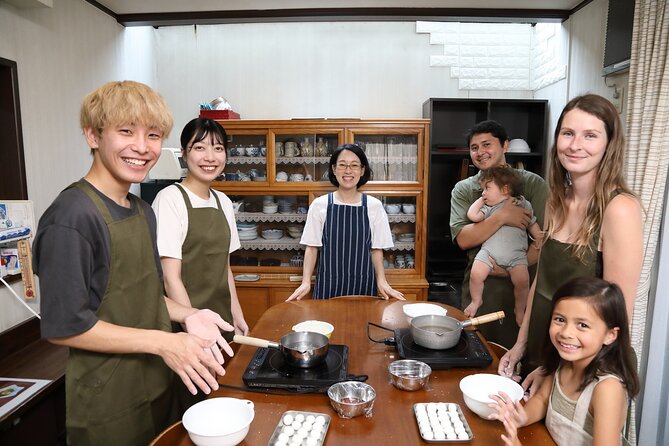
- Up to 6 people, so you get real attention while you cook
- English instruction with licensed guide interpreters
- Make about 3 wagashi desserts, then eat them together with tea and matcha
- Recipes included, so you can recreate the sweets later at home
- Vegetarian and vegan friendly with notice of dietary needs
A Cozy Wagashi Cooking Class Near Fushimi Inari
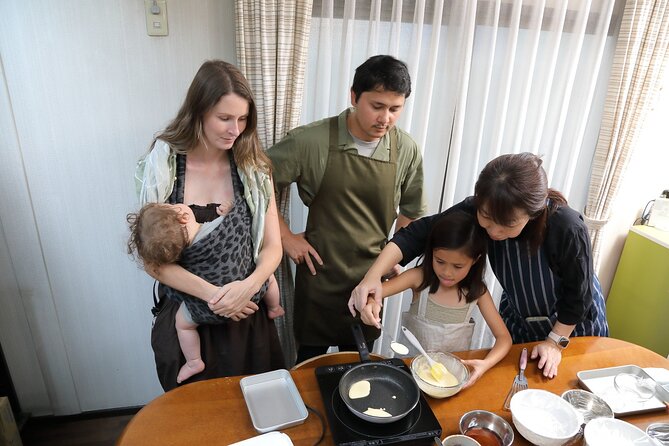
This Kyoto wagashi cooking class is built around a simple idea, make Japanese sweets in a setting that feels like real daily life. The lessons take place in an authentic Japanese-style house, with you relaxing in traditional rooms right at the start. For me, that matters because it sets the tone. You are not just following steps at a counter, you are settling in like you have been invited over.
The location also helps. It is near Fushimi Inari, which is convenient if you are already spending time in that part of Kyoto. Even if you do not want to turn the day into a schedule of temples and trains, having a class close to a major sightseeing area makes the whole trip feel less stressful.
The session itself moves at a comfortable pace. You get the chance to watch a clear demonstration, then you make the sweets yourself. And when cooking time ends, you sit with the group in the traditional room, eat what you made, and sip tea and matcha, all with a garden view. It is a full experience, not just a cooking workshop that ends the second the last ingredient is used.
Entering the Traditional House, Then Getting Cooking
The class begins with you settling into the traditional Japanese rooms. That early moment is not just for atmosphere. It helps you slow down and get in the right mindset for wagashi, especially if you have never made Japanese sweets before.
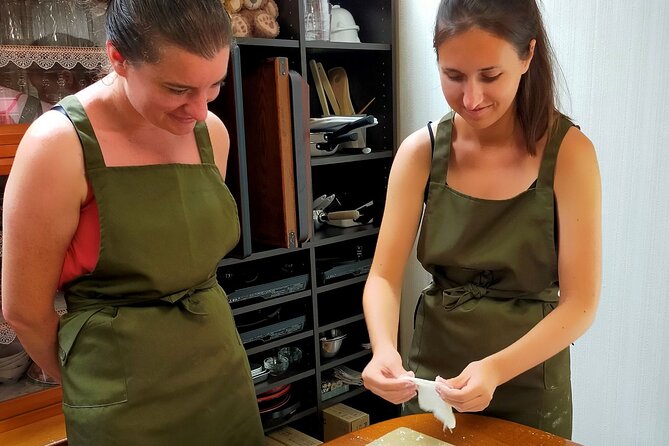
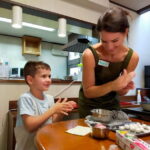
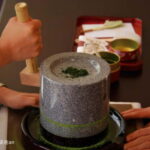
Then comes the working part. Instructors introduce how to prepare about 3 popular Japanese desserts, and they demonstrate key steps in front of you before you start cooking. This matters because wagashi work can look simple from the outside, but the texture and timing often come down to small technique differences. A demo first gives you a mental picture for what success looks like.
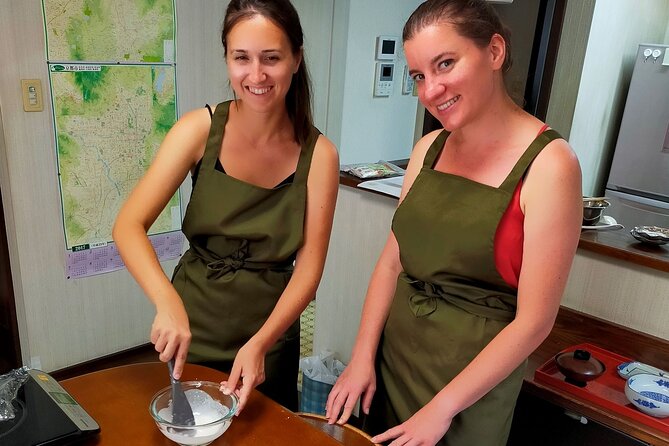
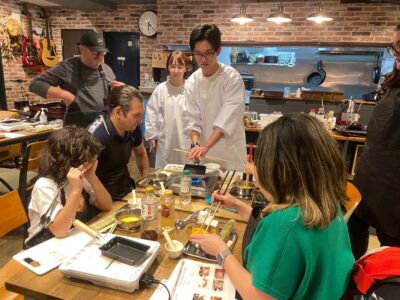
In the kitchen, you either cook on your own or with a partner, depending on how the class is arranged that day. The class stays relaxed, and with a group capped at six, it is easier to get help quickly if something feels confusing.
This structure is what makes the whole experience feel worth the price. You are not paying just for ingredients and tea. You are paying for guidance, practice time, and a satisfying finish with sweets you actually made.
Still climbing through the orange gates?
- Kyoto: Fushimi Inari, Kinkakuji, Bamboo Grove 1 Day Bus Tour
★ 4.8 · 4,316 reviews - Fushimi Inari Hidden Hiking Tour (Private Option Available)
★ 5.0 · 1,750 reviews - Osaka/Kyoto:Kinkakuji,Arashiyama,FushimiInariShrine,NaraPark
★ 4.1 · 1,596 reviews - Kyoto/Osaka: Nara, Fushimi Inari Taisha, Arashiyama Bus Tour
★ 4.7 · 1,275 reviews
What You Will Make, From Wagashi You Recognize to New Favorites
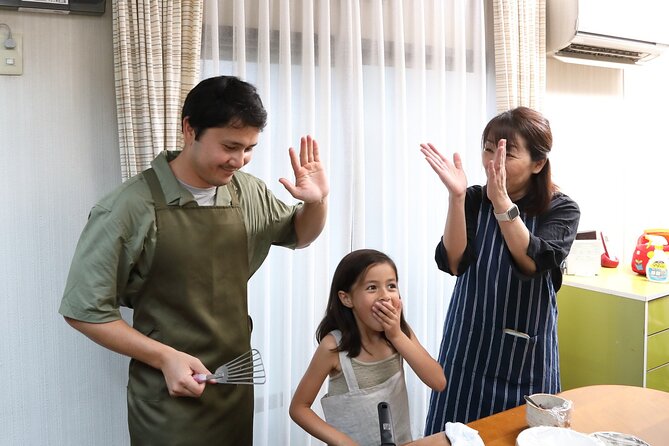
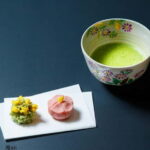
You are there to make around three types of wagashi. The class is designed so you can connect the experience to what you have already seen in Japanese pop culture. If you have ever spotted wagashi in anime or manga and wondered what they taste like, this is your chance to understand the real process behind those familiar-looking sweets.
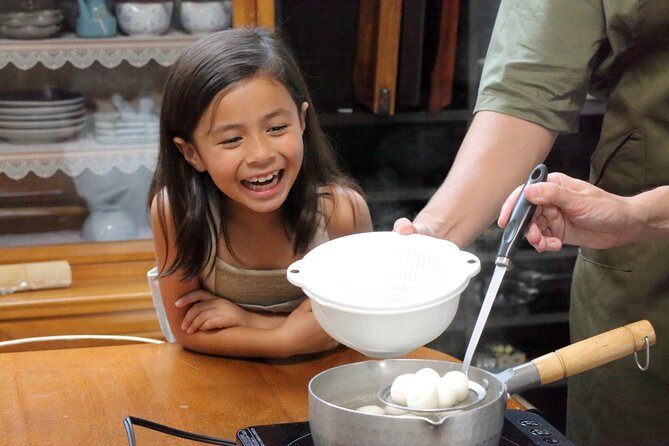
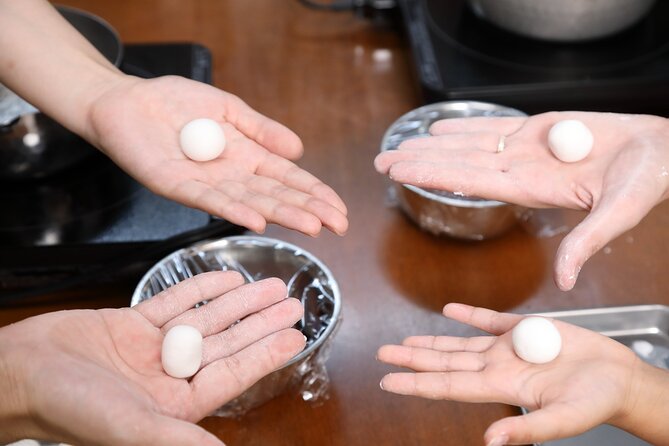
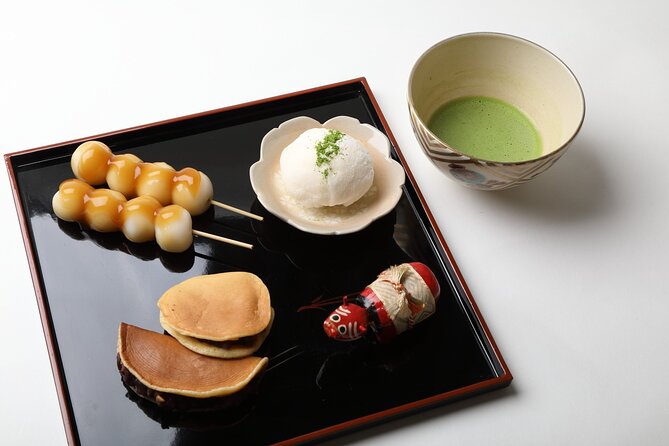
You might make items such as black sesame mochi, which has stood out as a favorite for people taking this class. Another dessert you may see is mitarashi dango, also mentioned as something learners enjoyed. The third dessert varies with the session, but the point stays the same. You leave understanding how different ingredients and textures come together in the final sweets.
One thing I appreciate about this setup is that you are not forced into guessing. The instructor shows you what to do first, then you follow along and produce your own desserts. That makes the experience feel achievable, even if Japanese cooking is totally new to you.
And because you get the recipes for everything prepared, you can take what you learn from the class and use it later. For a lot of travelers, that is what turns a fun activity into something that keeps giving back once you are home.
Tea, Matcha, and the Garden View Moment
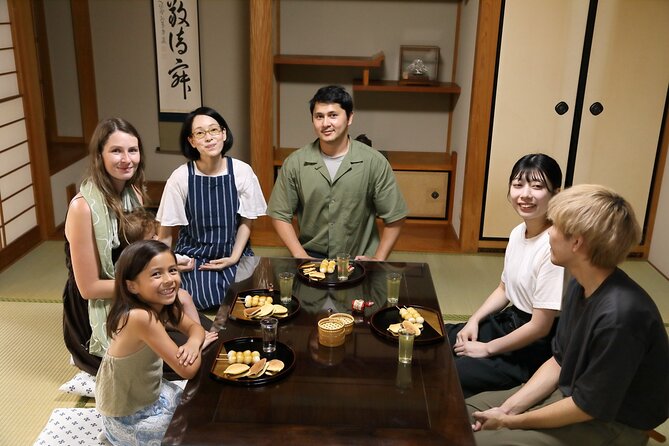
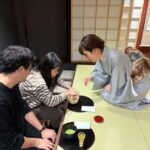
After cooking, the class turns into a shared break. You and the other participants sit together to enjoy the wagashi you made, plus a cup of matcha in the traditional room. This is not a rushed tasting either. It is part of the design, a chance to slow down and actually enjoy your work.
The garden view adds a nice Kyoto touch. Even if you do plenty of temple wandering, this is a different kind of scene. Instead of stone steps and crowds, you are seated inside, enjoying sweets and tea with a calm, green backdrop.
This part of the experience is also where the social value comes in. The group size is small, so it feels easy to talk. You can compare notes about what worked, what you liked, and which dessert you want to try to recreate back home.
English-Friendly, With Licensed Guide Interpreters
A big plus for international travelers is that the class is conducted entirely in English. The instructors are licensed guide interpreters, so the explanations come through clearly, and it is easier to follow along even if your Japanese is limited.
I like that the class is not only for English speakers. Non-English speakers are welcome too, which is helpful if you are traveling with someone who prefers another language. In practical terms, clear interpreting and an instructor who can guide you through steps means you spend less time translating in your head and more time actually cooking.
The English format also supports people who are there for learning, not just eating. If you want to understand what you are doing and why, you can.
Vegetarian and Vegan Friendly, With Planning Up Front
If you are vegetarian or vegan, you should feel comfortable considering this class. It is vegetarian welcome and vegan friendly, with a request that you tell the team in advance about dietary restrictions.
That advance notice matters. Wagashi ingredients can vary, and having time to prepare makes it more likely you will be able to cook and enjoy the same style of dessert experience without feeling left out.
If dietary needs are part of your decision, this is one of the more traveler-friendly aspects of the class. Many cultural food experiences are either not tailored or are stressful to plan. Here, they explicitly invite you to communicate your needs ahead of time.
A quieter way to spend a day in Kyoto
Price and Value, What $79.26 Really Buys You
At $79.26 per person, this is not a budget snack. But it can be good value when you look at what is included and what you gain.
You get:
- all seasonings and ingredients needed for cooking
- an English-speaking instructor
- all fees and taxes
- coffee and/or tea
- recipes for the desserts you prepare
You are also getting the time and teaching structure. About 2 hours 30 minutes is long enough to actually make several sweets, not just watch. And because the group is limited to six, you get a more personal teaching environment than you would in a bigger class.
Compared to buying wagashi and calling it a day, you pay for the learning component. You get to make desserts yourself, taste them in a traditional setting, and then take recipes home.
If you are the type of traveler who enjoys food as a hands-on activity, this price can feel fair. If you mainly want a quick sugar stop, you may find it better to buy sweets separately. But as an experience designed around cooking, tea, and leaving with recipes, it is easy to see why it earns strong recommendations.
Mobile Ticket, Location Help, and How to Fit It Into Your Day
This activity uses a mobile ticket, which is convenient. You also receive confirmation at the time of booking, so you can plan with less uncertainty.
The meeting point is listed at 38-4 Fukakusa Watamorichō, Fushimi Ward, Kyoto, and it ends back at the same location. Since hotel pickup and drop-off are not included, you will want to arrange your own way there.
One practical tip: because the class depends on the house being the focus, plan to arrive early enough to find the place calmly. Near public transportation helps, but you still want a little buffer for getting your bearings.
Timing-wise, with 2 hours 30 minutes on the clock, I recommend pairing it with flexible parts of your day. Go easy on back-to-back timed activities right before or after. The class ends where it starts, so it does not pull you far across town.
Who This Wagashi Class Is Perfect For
This class makes sense if you want Japanese food culture in a format that is friendly and understandable.
I think it is especially good for:
- first-timers who have never made wagashi and want clear instruction in English
- families and teens, since the activities are structured and the end result is eating what you made
- solo travelers, because the class is small and the tone is welcoming
- vegetarians and vegans, as long as you mention dietary needs ahead of time
- fans of anime and manga food moments who want to go beyond recognizing the look and actually learn the process
If you are traveling with someone who is not obsessed with cooking, the tasting and tea room break still give them an enjoyable, calm finale. And if you are there just for sweets, the included tea and the garden view help turn it into a full afternoon.
Should You Book This Kyoto Wagashi Class?
I would book it if you want an experience that is practical, guided, and not overly complicated. The best reasons are simple: you cook, you sit down for tea and matcha, and you leave with recipes. The small group size and English instruction make it feel approachable, even if this is your first time making Japanese sweets.
I would skip it or think twice if you are looking for a very short activity or you only want to sample wagashi with zero hands-on time. This is built to be a cooking lesson, with a traditional house setting as part of the package.
If you are in Kyoto near Fushimi Inari and you want one memorable food-based afternoon, this class is an easy choice.
FAQ
How long is the Kyoto wagashi cooking class?
The class runs for about 2 hours 30 minutes.
How many people are in the group?
The group is limited to a maximum of 6 travelers.
Is the class taught in English?
Yes, the class is conducted entirely in English, and the instructors are licensed guide interpreters.
Do they accommodate vegetarian or vegan diets?
Vegetarians are welcome, and it is vegan friendly. Let the team know in advance if you have any dietary restrictions.
What is included in the price?
The price includes all seasonings and ingredients, an English-speaking instructor, all fees and taxes, and coffee and/or tea. Recipes for the desserts are also included.
What if the weather is bad or I need to cancel?
The experience requires good weather. If canceled due to poor weather, you will be offered a different date or a full refund. Free cancellation is available up to 24 hours in advance for a full refund. Hotel pickup and drop-off are not included.
More Workshops in Kyoto


More Cooking Classes in Kyoto


New This Season
- Koyasan Day Trip by Private Car from Kyoto
- Old Port Town and Ultimate Sake Tasting Private Tour From Kyoto
- Kyoto’s Timeless Charm: 3hr Exploration of History and Peace
- Kyoto: 5 Types of Sushi Making
- Sacred Peak & Ancient Paths: Kurama-Kibune Hiking Experience
- Kyoto: Exclusive ZEN practice at Manpukuji temple in Uji
- Kyoto: Private Seasonal Aroma Yoga Class
- Traversing Kyoto’s Scenic West – Arashiyama to Kinkakuji
Fushimi Inari Shrine Walks, compared.
Fushimi Inari, Kinkakuji, Bamboo Grove 1 Day Bus Tour
Read our review →
Fushimi Inari Hidden Hiking Tour (Private Option Available)
Read our review →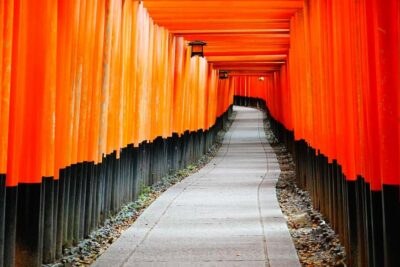
Kinkakuji,Arashiyama,FushimiInariShrine,NaraPark
Read our review →
Nara, Fushimi Inari Taisha, Arashiyama Bus Tour
Read our review →
Arashiyama, Nara & Fushimi Inari Shrine w/Lunch
Read our review →
Nijo Castle, Kiyomizu & Fushimi Inari Guided Tour
Read our review →
Nijo, Kinkaku-ji, Arashiyama, Kiyomizu & Fushimi Inari
Read our review →