
Reviewed · DESSERT TOURS
Japanese Traditional Sweets ”Nerikiri” making
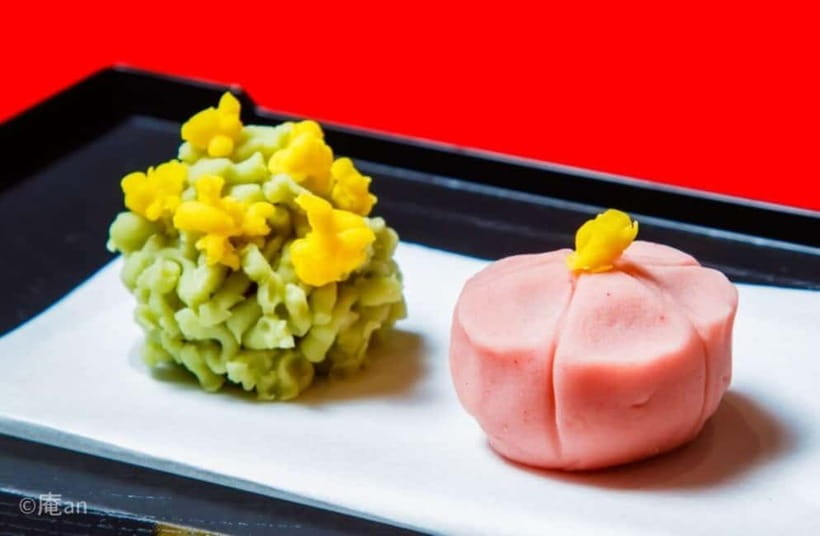
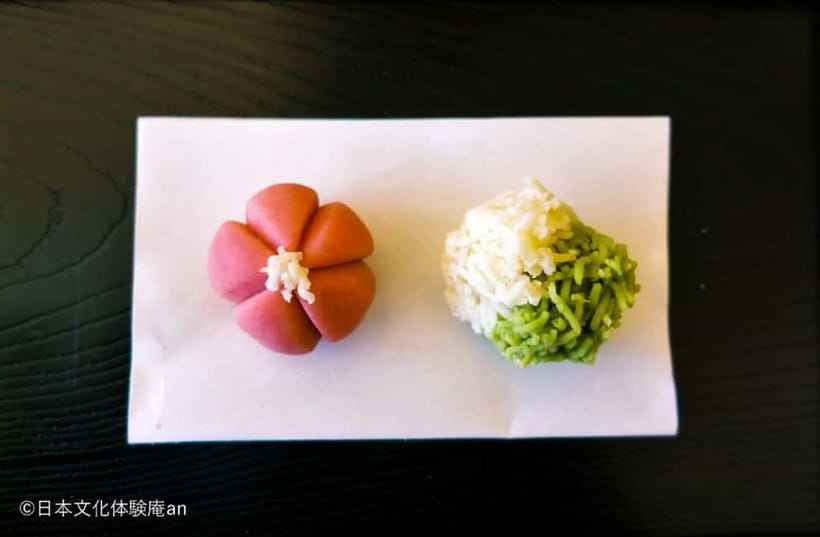
Kyoto has a sweet spot for craft lovers. If you want something hands-on but short, this nerikiri workshop near Gojo is a great pick. You make two seasonal Japanese sweets, shape them by hand, take a couple of photos, and then you get to eat your creations right there.
I especially like that the workshop uses white/red bean paste made by Kyoto’s long-established shops, so your results are based on real ingredients, not a generic shortcut. I also like the format: you make two different sweets (flower-shaped plus a Kinton-style one), which keeps your hour from feeling repetitive.
One thing to plan for: the instruction is in Japanese, and English translation is provided as much as possible, but it may not be detailed at every table. If you need step-by-step guidance in English, you might want to contact them in advance or go in ready to watch closely and ask questions.
In This Review
- Key things to know before you start
- Nerikiri in plain terms: why this craft feels so Kyoto
- Finding the shop by Gojo-dori, and how to not waste time
- Your 65-minute workshop flow, step by step
- The real ingredient advantage: Kyoto bean paste you can taste
- Instruction style when English support is limited
- What you make, what you eat, and how it feels at the end
- Price and value: $11 for an experience you can actually taste
- Who this workshop suits best (and who should adjust expectations)
- Practical tips to make your hour smoother
- Should you book this Nerikiri workshop with AN KYOTO?
- FAQ
- Where is the meeting point?
- How long does the Nerikiri making experience take?
- What is included in the price?
- What optional extras are available?
- Can I eat the sweets I make?
- What sweets will I make?
- Is there English support during the class?
- Is the workshop wheelchair accessible?
- When is the workshop open?
Key things to know before you start
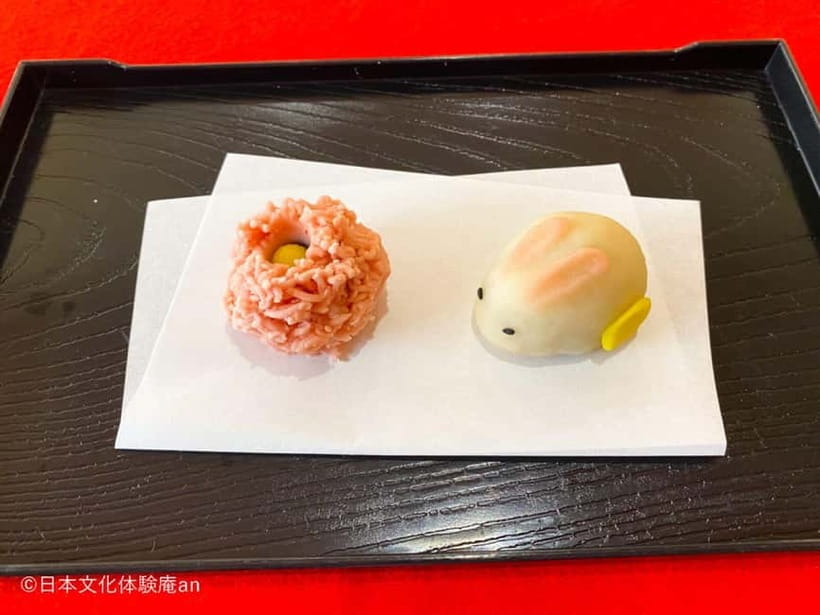
- Two seasonal nerikiri made by you, with one flower-shaped design and one Kinton-style sweet
- Kyoto long-established bean paste (white/red) used in the workshop
- Photo time and then eating your sweets on the spot, so you get instant payoff
- Short and focused at 65 minutes, easy to fit into a Kyoto day
- Gojo Station location with the shop entrance facing Gojo-dori, about a minute from Exit 1
- Stairs are required, since there’s no elevator in the building
Nerikiri in plain terms: why this craft feels so Kyoto
Nerikiri are traditional Japanese sweets known for their smooth, shaped look and their seasonal themes. The fun part is that you are not just eating a dessert, you are building the texture and form that makes nerikiri feel like an edible art piece.
This workshop leans into that idea. You start with real bean paste, then move through shaping steps until you can plate two finished sweets. That moment, when your pieces land on a plate and look like something intentional, is exactly why this type of class works for so many people, even if your hands are not “crafty.”
Also, because you’re making sweets that match the season, the designs feel connected to what’s happening in Kyoto. It’s not just a random project, it’s a seasonal style of eating that locals understand and expect.
Finding the shop by Gojo-dori, and how to not waste time
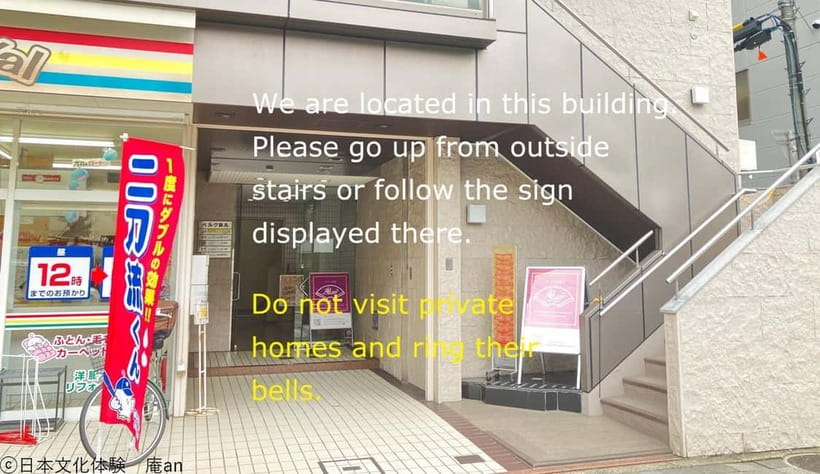
The meeting point is simple: it’s about 1 minute walk from Exit 1 of the Karasuma Line Gojo Station (Honshu, Kyoto area). The shop entrance faces Gojo-dori, the main street, so you can orient fast when you get outside.
A practical heads-up: the building has no elevator, and you’ll need stairs to reach each venue. The workshop is described as wheelchair accessible, but stairs are still a real factor here. If you’re bringing a wheelchair, mobility device, or someone who struggles with steps, it’s worth planning extra time and checking what route will work best for your needs.
Timing matters too. They won’t hold the event to accommodate delays, so if you’re coming from another Kyoto stop, I’d treat this like a train connection. Arrive a bit early, then slow down after you’re inside.
A quieter way to spend a day in Kyoto
- Kyoto: Japanese Traditional Sweets Making and Tea Ceremony
★ 4.4 · 314 reviews - Kyoto Wagashi(Japanese sweets) Cooking Class near Fushimiinari
★ 5.0 · 60 reviews - Kyoto: Wagashi (Japanese sweets) Cooking near Fushimiinari
★ 5.0 · 40 reviews - Kyoto: Traditional Tea Ceremony with Matcha & Sweets in Gion
★ 4.9 · 27 reviews
Your 65-minute workshop flow, step by step
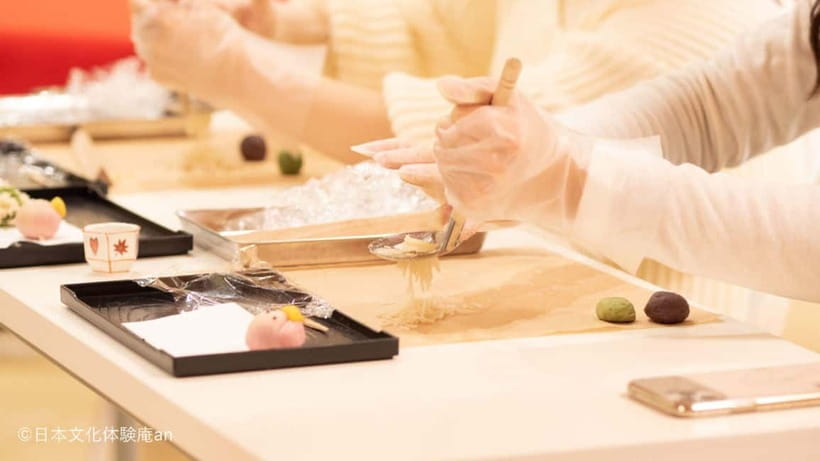
This class is built to feel compact and complete. The experience runs 65 minutes, and the schedule is tight but not rushed.
Here’s what happens, in the order you’ll see it:
1) Start and explanation (about 0 minutes)
You begin with an introduction to Japanese traditional sweets. It sets expectations for texture and shaping, and it also frames what the two designs are about.
2) Flower-shaped nerikiri making
Next, you’ll shape your first sweet, a flower design. This part is usually where your hands learn the right feel. If you relax into it, you’ll likely surprise yourself with how “clean” your final shape can look.
3) Kinton nerikiri making
Then you move to your second sweet: Kinton nerikiri. The workshop gives you a different shape challenge so you’re not doing the exact same motion twice.
4) Picture time (around 55 minutes)
Once both sweets are done, you get picture time. This is a big deal because you’re basically creating something that looks good on camera. Don’t skip this part.
5) Eating time and finish (65 minutes)
After photos, you head into eating time. You can enjoy what you made on the spot, which makes the class feel like real value, not just a souvenir activity. Then you wrap up and depart.
The real ingredient advantage: Kyoto bean paste you can taste
One line in the description matters more than it looks: you use white/red bean paste produced by Kyoto’s long-established shops.
That’s valuable for two reasons. First, bean paste is the base flavor and texture of nerikiri. If the paste is good, your shaping becomes easier, and the final bite actually tastes like the tradition you came for. Second, it keeps the class from feeling like a “craft with edible wallpaper.” When the ingredient is legit, the whole experience feels legit.
You also get to work with seasonal sweets rather than a one-size-fits-all project. Even if you don’t recognize every motif, you can usually tell when something is made to match the time of year. That subtle seasonal shift is part of the charm.
Instruction style when English support is limited
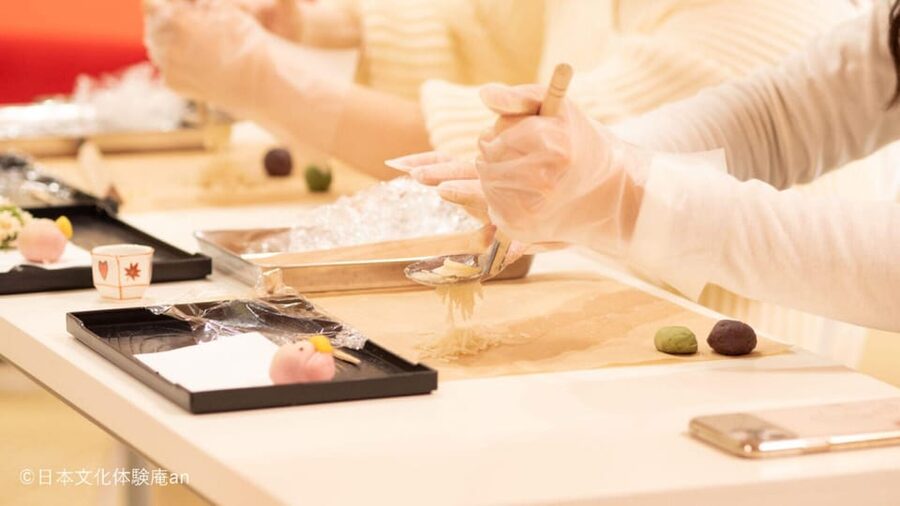
The instructor is Japanese, and English translation is provided as much as possible. The workshop also notes that if you want to add English translation, you should contact them.
In real-life terms, here’s what that means for you:
- Watch the hands first. A lot of the shaping comes down to feel and quick technique cues.
- Ask questions if you’re unsure. One of the best ways to handle limited English is to ask a focused question and then compare to what you’re seeing.
- Don’t panic if you don’t fully recreate every detail afterward. The goal is to finish your two sweets and enjoy the taste, not to go home with a perfect kitchen replica.
A review included a helpful point about the instruction style: one person found the instructor kind but not consistently close to the tables for every detail, and they ended the session unsure how to recreate the dough later. That’s a good reminder to go in with the right expectations. If you want a deep English tutorial on technique, you may need to plan extra communication ahead of time.
What you make, what you eat, and how it feels at the end
This workshop is built around the idea that the final product is both visual and edible.
You’ll make two sweets:
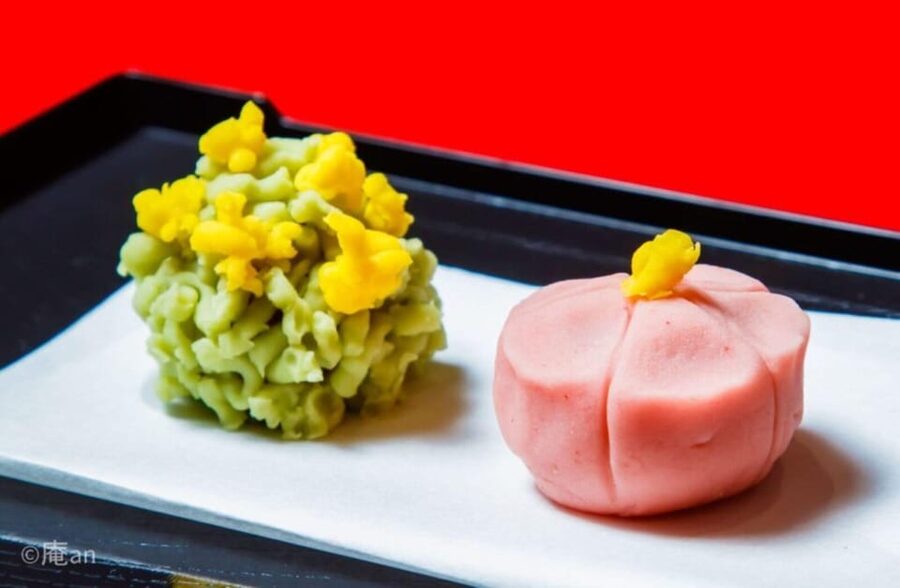
- a flower-shaped nerikiri
- a Kinton nerikiri
Then you eat what you made on the spot. That matters more than it seems. When you can taste the exact sweets you shaped, the class feels complete. You get feedback in real time: texture, sweetness, and how the bean paste holds up in the finished form.
Also, since there’s picture time, you’re encouraged to treat your creations as art for a moment before eating. That balance is what makes this class feel relaxing rather than stressful. You’re not trying to pass a “perfect pastry test.” You’re making something seasonal and traditional and then enjoying it.
A day of temples goes further with something to break it up.


Price and value: $11 for an experience you can actually taste
The price listed is $11 per person for a 65-minute nerikiri making session. The included item is the full experience of making nerikiri, and you can eat the sweets on site.
That’s strong value for Kyoto because:
- You’re not just watching, you’re actively making two sweets.
- Your session ends with a direct payoff, you eat what you made.
- You get to work with bean paste described as coming from long-established Kyoto shops, which is not the kind of ingredient you usually get in “quick craft” activities.
Optional add-ons are clearly listed:
- Take-out box: 100 JPY
- Experience completion certificate: 300 JPY
- Tatedashi matcha: 500 JPY
If you’re trying to keep costs low, you can skip add-ons and still leave with two sweets eaten on site. If you want a souvenir, the take-out box is the simplest extra. If you like collecting certificates for your Japan trip scrapbook, that option is there too.
Who this workshop suits best (and who should adjust expectations)
This activity fits best when you want a short, structured craft. It also works well if you’re okay with some uncertainty around the language, because the workflow is guided and visual.
Based on the feedback people left, here’s what tends to click:
- People say it’s fun and accessible across a wide range of ages and skill levels.
- It feels relaxing, especially because you get to eat your work soon after making it.
- It’s a good “Kyoto craft slot” when you have limited time but still want something authentic.
Here’s when you might want to think twice:
- If you specifically need detailed instruction in English at the level of a full cooking class, you could feel under-supported. Translation is provided as much as possible, but the workshop doesn’t promise a bilingual, step-by-step approach at every stage.
- If stairs are a hard limit for you or your group, the no-elevator setup will matter even if the venue is described as wheelchair accessible.
Practical tips to make your hour smoother
These are small moves that help the session feel calm and successful:
- Arrive a little early so you’re not stressing about being late. The workshop says they can’t accommodate delays.
- Plan your photos during the picture time window. Once you eat, it’s harder to stage clean shots.
- Ask one clear question early if you’re unsure about technique. When language is limited, focused questions save time.
- Don’t overthink the final look. Nerikiri is shaped by hand, so slight differences are normal. Your goal is to finish two seasonal sweets, then enjoy them.
- If you’d like a take-home sweet, consider whether you want the take-out box (100 JPY) before you wrap up.
Also, keep an eye on the operation hours: it runs 10:00 to 17:00. If you book at the end of the day, reservations received after 17:00 are processed next day.
Should you book this Nerikiri workshop with AN KYOTO?
If your Kyoto plan includes enough time for a focused, hands-on break, I think this is a very reasonable booking. The best reasons to go are simple: you make two seasonal sweets, you work with Kyoto long-established bean paste, and you get to eat what you made before you leave.
Book it if you want a short craft activity that feels cultural, not touristy. It also fits solo travelers, couples, and family groups because it’s structured and doable for a range of ages.
Skip it or message them first if you need strong English instruction at every shaping step, or if stair access is a serious barrier for you.
Provider info: B.B.Advisors Inc. AN KYOTO.
FAQ
Where is the meeting point?
It’s about a 1-minute walk from Exit 1 of the Karasuma Line Gojo Station. The store entrance faces Gojo-dori.
How long does the Nerikiri making experience take?
The experience runs for 65 minutes, with picture time and eating included within that time.
What is included in the price?
You get a set experience of making Nerikiri (you’ll make two seasonal Japanese sweets).
What optional extras are available?
A take-out box is 100 JPY, an experience completion certificate is 300 JPY, and Tatedashi matcha is 500 JPY.
Can I eat the sweets I make?
Yes. You can eat the sweets on the spot.
What sweets will I make?
You’ll make two seasonal Nerikiri. One is flower-shaped, and the other is Kinton Nerikiri.
Is there English support during the class?
English translation is provided as much as possible. If you want to add English translation, you should contact them.
Is the workshop wheelchair accessible?
Wheelchair access is stated, but there is no elevator in the building, and stairs are required to reach each venue.
When is the workshop open?
Operation hours are 10:00 to 17:00. Reservations received after 17:00 are processed the next day.
New This Season
- Koyasan Day Trip by Private Car from Kyoto
- Old Port Town and Ultimate Sake Tasting Private Tour From Kyoto
- Kyoto: 5 Types of Sushi Making
- Sacred Peak & Ancient Paths: Kurama-Kibune Hiking Experience
- Kyoto’s Timeless Charm: 3hr Exploration of History and Peace
- Kyoto: Exclusive ZEN practice at Manpukuji temple in Uji
- Kyoto: Private Seasonal Aroma Yoga Class
- Traversing Kyoto’s Scenic West – Arashiyama to Kinkakuji
Dessert Tours, compared.
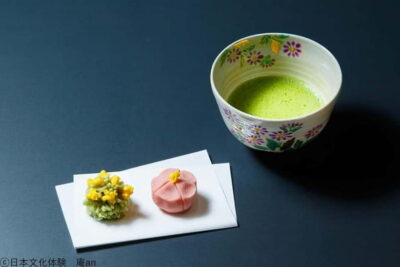
Japanese Traditional Sweets Making and Tea Ceremony
Read our review →
Kyoto Wagashi(Japanese sweets) Cooking Class near Fushimiinari
Read our review →
Wagashi (Japanese sweets) Cooking near Fushimiinari
Read our review →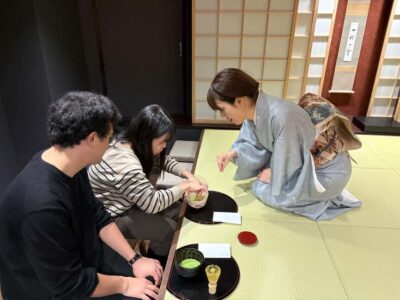
Traditional Tea Ceremony with Matcha & Sweets in Gion
Read our review →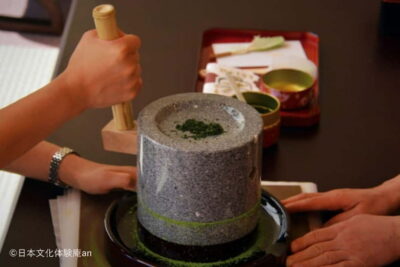
2 Types of Japanese Sweets making and Tea Ceremony
Read our review →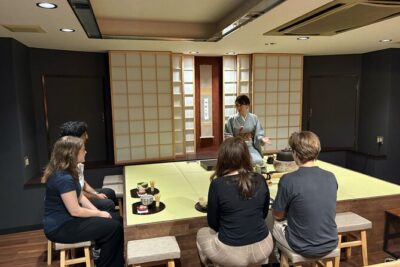
Traditional Tea Ceremony with Matcha and Sweets in Kyoto
Read our review →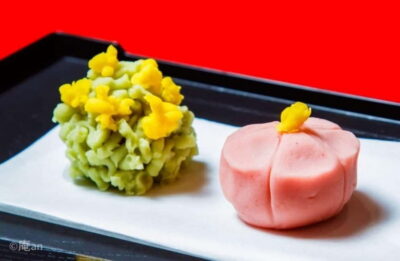
Japanese Traditional Sweets making with Tatedashi Matcha
Read our review →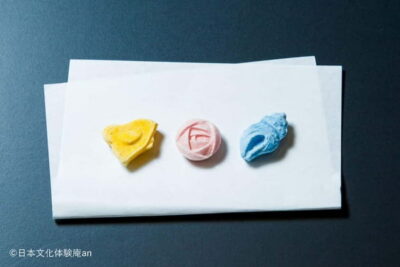
Also filed under