
Reviewed · TEA CEREMONIES
Japanese Tea Ceremony
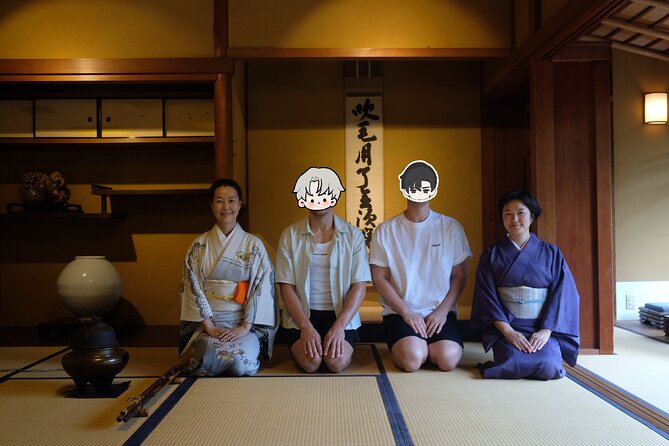
Tea time in Kyoto feels wonderfully quiet. I love that this lesson takes place in Kiriyama Kaikan, a century-old villa right by the Philosopher’s Path, and you actually get time to walk the serene garden before tea begins. I also like that you can pick matcha or sencha, so the experience matches what you’re in the mood for, not just what’s scheduled.
The one drawback to plan for is timing. It runs about an hour total, so even though you’ll practice, it’s a focused first lesson, not a long training session that turns you into a full tea professional.
In This Review
- Key highlights before you book
- Kiriyama Kaikan: a Kyoto tea ceremony in the right kind of quiet
- Matcha vs sencha: choosing the tea style that fits your day
- Matcha ceremony (powdered green tea)
- Sencha ceremony (gyokuro tea)
- How to decide in real life
- The one-hour flow: garden, demonstration, then your own tea
- Step 1: Garden introduction (about 5 minutes)
- Step 2: Demonstration (about 20 minutes)
- Step 3: Hands-on practice (about 20 minutes)
- Time check
- What it actually feels like to learn tea steps up close
- Folding the cloth, whisking the tea, doing it correctly
- Wabi-sabi, but made practical
- Why the private setup can make Kyoto tea feel special
- Location tips: how to work the Philosopher’s Path into your plan
- Price and value for a one-hour Kyoto class
- Who this Japanese tea ceremony is for, and who should skip it
- Practical tips to make your hour go smoothly
- Should you book this Kyoto tea ceremony at Kiriyama Kaikan?
- FAQ
- How long is the Japanese tea ceremony experience?
- Where does the experience take place?
- Is this a private experience?
- What tea styles can I choose?
- What is the flow of the lesson?
- Do I need a printed ticket?
- What is the cancellation policy?
Key highlights before you book
- Century-old villa setting beside the Philosopher’s Path at Sakurabashi, with a garden introduction before any tea steps start
- Two real tea paths: matcha using Urasenke-style preparation, or sencha using premium gyokuro
- You whisk your own tea, guided step-by-step, including details like folding the silk cloth
- Short, structured flow: garden intro (about 5 minutes), demonstration (about 20 minutes), hands-on (about 20 minutes)
- Private format for your group, which can make the lesson feel more personal and less rushed
- Mobile ticket for easier arrival and fewer paper hassles
Kiriyama Kaikan: a Kyoto tea ceremony in the right kind of quiet
If Kyoto feels like it’s sprinting from temple to temple, this is a nice brake. The tea ceremony happens at Kiriyama Kaikan, a historical villa located near the “Sakurabashi” bridge along the Philosopher’s Path. That matters because the Philosopher’s Path area is already designed for slow strolling, and the tea space builds on that rhythm instead of fighting it.
You’ll begin with a short garden intro, which is a smart move. It gives you a few minutes to switch gears and notice how Japanese tea culture treats the whole experience as a series of small moments, not just a drink at the end. You get to read the space with your eyes first, then your hands get involved.
There’s also something practical here: Kiriyama Kaikan is near public transportation, so you’re not stuck planning a major detour just to have tea. And since this is a private activity, you’re not blending into a crowd waiting for your turn at the same counter or standing shoulder to shoulder for a demo.
Matcha vs sencha: choosing the tea style that fits your day
This is one of the best parts of the experience because it’s not just a tea tasting. You choose the tea style, and your lesson follows that choice.
More bowls, poured the traditional way
- Kyoto: Tea Ceremony in a Traditional Tea House in Kiyomizu
★ 4.9 · 3,519 reviews - Kyoto: Tea Ceremony Ju-An at Jotokuji Temple
★ 4.9 · 3,207 reviews - Kyoto: 45-Minute Tea Ceremony Lesson Experience
★ 4.3 · 2,378 reviews - Kyoto: Table-Style Tea Ceremony at a Kyo-Machiya
★ 4.9 · 1,211 reviews
Matcha ceremony (powdered green tea)
If you pick matcha, you’ll learn the precise Urasenke-style preparation method. Matcha is not a casual beverage. It’s about texture and ceremony, and you feel that in the process: the careful steps, the folding of the cloth, and the whisking. The goal is to practice the focused Zen spirit behind tea culture, with that wabi-sabi idea of beauty in imperfection and calm in the ordinary.
One detail I like in this format is that the lesson includes the whole chain of steps, not just a quick showing of how to whisk. You’re guided through the actions with the idea that you understand what you’re doing, not only that you finished doing it.
Sencha ceremony (gyokuro tea)
If you prefer sencha, you’ll enjoy the delicate flavor of premium gyokuro tea. Sencha is often simpler in the way it feels, but the ritual here is still intentional. The style described is an elegant Edo-period ritual favored by scholars, so the tone is slightly different than matcha. Instead of the heavy focus on powdered tea whisking, the experience leans into the refined serving and appreciation of a high-quality leaf tea.
Choosing sencha can be a good call if you’re already caffeinated, want something lighter tasting, or simply prefer a calmer, less hands-on whisking moment. That said, you still do hands-on practice during the lesson, so it’s not just watching.
How to decide in real life
If you’re curious about the most famous tea experience, choose matcha. If you want a premium tea flavor experience with a different rhythm, choose sencha. Either way, you’ll leave knowing what the preparation feels like, which is more useful than just tasting a cup in passing.
The one-hour flow: garden, demonstration, then your own tea
The schedule is short, clear, and built for learning. Here’s what the timing really means for your experience.
A day of temples goes further with something to break it up.

Step 1: Garden introduction (about 5 minutes)
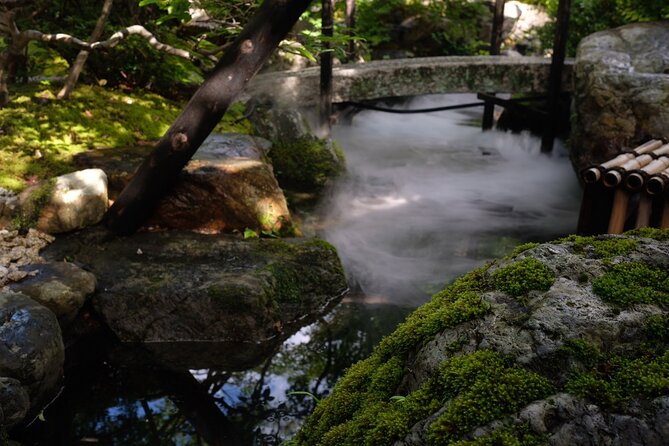
You start with a stroll and history-style context in the garden area. You’re learning about the villa and the setting while you move through it, rather than being locked indoors first.
Why I like this: it helps your brain settle into the mood. In a short experience like this, that matters. If you went straight to the tea steps without any preface, the lesson might feel mechanical. With this garden warm-up, it feels like you’re walking into the tea world instead of being dropped into it.
Step 2: Demonstration (about 20 minutes)
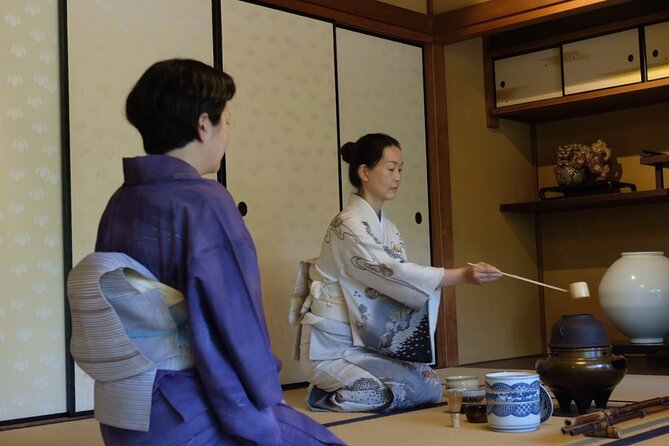
Next comes the demonstration with expert commentary. This is where you see the correct way to do things before you attempt them yourself. It’s also where the instructor translates the why behind the how, so you understand how each movement fits into the whole ritual.
I find demo time especially valuable in tea lessons because the technique is subtle. Small changes in how you handle the cloth, how you position things, or how you whisk can affect the final result. Watching first prevents you from practicing the wrong version for 15 minutes and then having to unlearn it.
Step 3: Hands-on practice (about 20 minutes)
Finally, you prepare your own tea with personalized guidance. This is the part where you get to do the actions, not just observe them. The steps mentioned include folding the silk cloth and whisking your own perfect bowl of tea for matcha.
You’re not left to figure it out alone. The instructor guides you through the process while you work. That’s the difference between a “watch and sip” experience and a real skill-building lesson.
Time check
Add it all together and you get about an hour total. That short length is a real advantage in Kyoto. It’s easy to fit before or after other sights on the Philosopher’s Path without losing most of your day.
What it actually feels like to learn tea steps up close
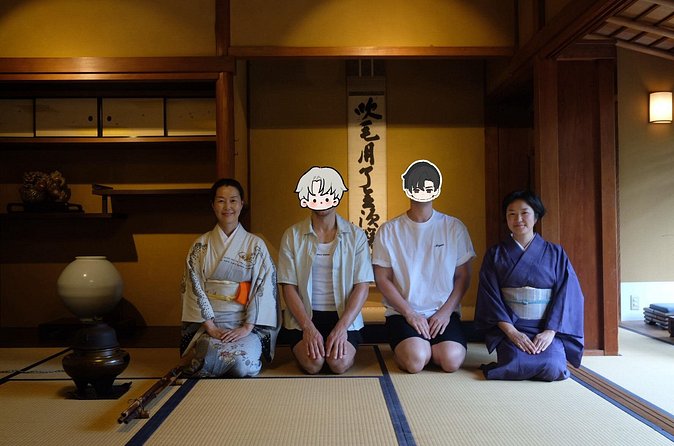
Tea ceremony can sound formal and untouchable. In this lesson, the format keeps it structured but personal, and it teaches the mechanics in a way you can repeat.
Folding the cloth, whisking the tea, doing it correctly
Some parts of tea culture are about form. In a matcha lesson, folding the silk cloth is a concrete example. You’re not just hearing the concept. You practice the action as part of the flow. Then you whisk your own tea with guidance.
This is important for value. If your experience only included a short tasting, you’d mostly take photos and a taste memory home. But with hands-on steps, you’ll remember the motions. Later, when you see matcha prepared somewhere else, you’ll recognize the technique and understand what you’re looking at.
Wabi-sabi, but made practical
The lesson connects to wabi-sabi as a Zen spirit, especially in the matcha format. The practical side is that the ceremony encourages attention. You move carefully because the steps matter. You slow down because the sequence matters.
That means even if you don’t become a tea-ceremony expert, you’ll likely gain something useful: a calmer way to focus in a place that can feel overwhelming.
Why the private setup can make Kyoto tea feel special
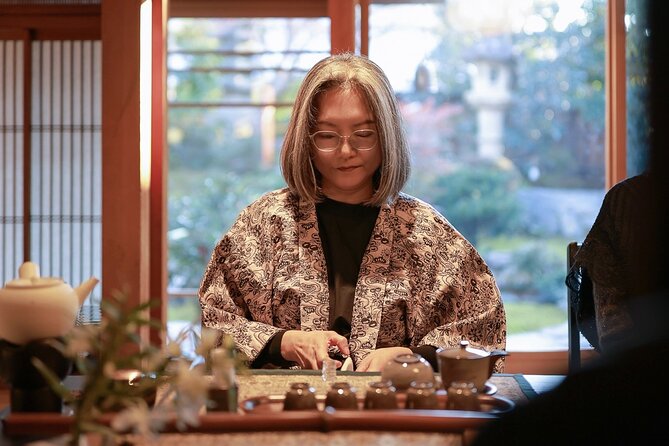
This is described as a private activity, meaning only your group participates. That detail changes the experience more than you might think.
In a big group, tea instruction turns into quick pacing. People are watching the clock, and you can feel rushed. With a private setup, you’re more likely to get guidance that matches your exact questions. Even the way you practice can feel less like a performance and more like learning.
One review specifically highlighted that the group felt exclusive because they happened to be the only guests at the time. That’s a strong indicator of the kind of atmosphere you might get, depending on your booking date. If you enjoy calmer, less crowded cultural activities, this format is a win.
Also, the experience includes a host and translator presence in the instruction process. A professional, friendly guide and translation help you understand what you’re doing. That matters because tea ceremony language is full of small terms and technique-specific actions, and you don’t want to miss the meaning.
Location tips: how to work the Philosopher’s Path into your plan
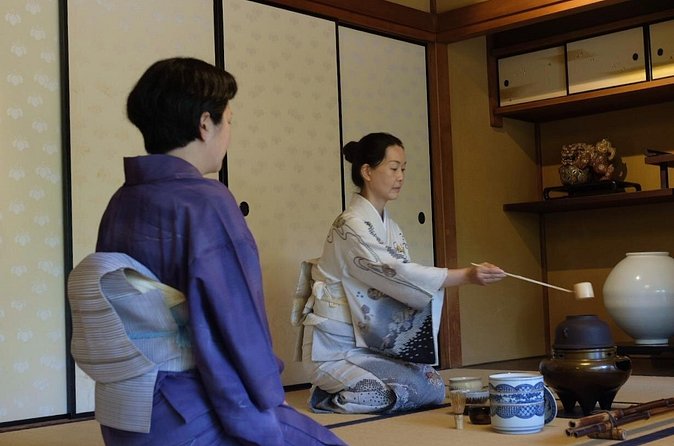
The meeting point is listed as 桐山会館, 15 Shishigatani Hōneninchō, Sakyo Ward, Kyoto 606-8421, Japan. This is right in the Philosopher’s Path area near Sakurabashi.
That makes your planning easier if you’re already spending time there. You can build a simple loop: stroll a section of the path, arrive for tea, then keep going. The garden intro and tea lesson time are short enough that you can treat it like an intentional intermission.
Because it’s near public transportation, you can also use it as a stable anchor when your Kyoto day is a mix of walking and transit. Try not to schedule it too tightly right after another high-ticket timed activity. Kyoto walking can be slow, and you’ll want a little buffer so you arrive relaxed.
Price and value for a one-hour Kyoto class
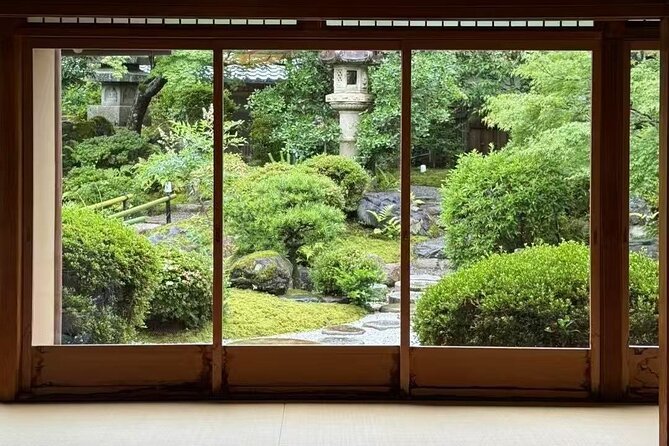
The price is listed at $43.22 per person for about 1 hour. For Kyoto, that’s a reasonable figure if what you want is a guided cultural lesson plus hands-on practice.
Here’s what makes it good value based on what you actually do:
- you choose between matcha (with Urasenke preparation) and sencha (with premium gyokuro)
- you get a guided demonstration
- you practice for about 20 minutes, including steps like folding the silk cloth and whisking
- you’re in a private format with your group, which can make instruction feel more direct
If you mainly wanted a quick tea tasting, you might not see the full value. But if you want to leave with learned movements and a better understanding of tea ceremony structure, the price-to-experience balance looks strong.
Who this Japanese tea ceremony is for, and who should skip it
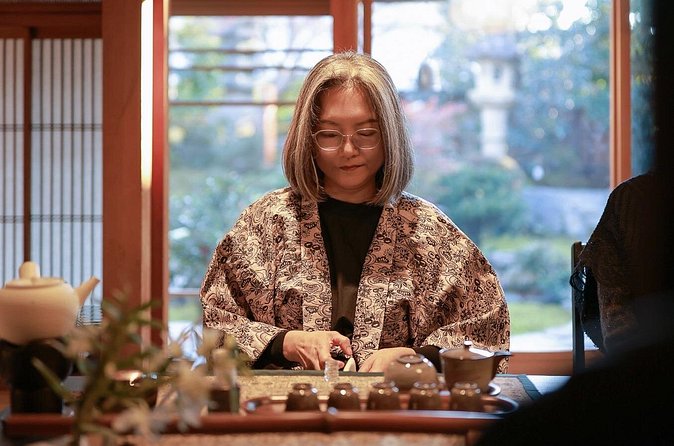
This tea ceremony fits best if you:
- want a calm, respectful Kyoto activity that’s not another temple photo sprint
- like hands-on cultural lessons
- enjoy matcha culture or want to try it in a structured way
- prefer private or small-group experiences
It might not be the best choice if you:
- want a half-day or full-day class with advanced training
- prefer self-guided experiences only
- are expecting a large festival-style performance
Since it’s about an hour and practice time is roughly 20 minutes, you should treat it as a great introduction and a memorable skill you can carry forward, not a complete master course.
Practical tips to make your hour go smoothly
Since the lesson includes a brief garden stroll and then seated tea practice, I recommend planning for comfort:
- Wear shoes you’re happy walking in for the short garden portion
- If you’re choosing matcha, remember you’ll be focused on whisking steps, so expect the time to be concentrated and instructional
- Bring your mobile ticket and show up at the meeting point address listed for 桐山会館
If you book, confirmation happens within 48 hours of booking subject to availability. So don’t schedule it as your single make-or-break plan at the last minute. Having a bit of flexibility helps.
Should you book this Kyoto tea ceremony at Kiriyama Kaikan?
Yes, if you want a Kyoto experience that feels quiet, guided, and hands-on. The combination of a century-old villa setting by the Philosopher’s Path and a structured tea lesson where you actually prepare tea makes this a strong choice.
I’d book it especially if you like the idea of matcha with Urasenke-style preparation or you want to taste premium gyokuro through a sencha ceremony format. The one-hour length is ideal for fitting into a busy Kyoto itinerary without turning tea into a time-sink.
FAQ
How long is the Japanese tea ceremony experience?
It runs for about 1 hour.
Where does the experience take place?
It takes place at Kiriyama Kaikan near the Philosopher’s Path area in Kyoto. The meeting point is listed as 桐山会館, 15 Shishigatani Hōneninchō, Sakyo Ward, Kyoto 606-8421, Japan.
Is this a private experience?
Yes. It is a private tour or activity, so only your group participates.
What tea styles can I choose?
You can choose a matcha ceremony or a sencha ceremony. Matcha uses an Urasenke-style preparation method, and sencha uses premium gyokuro tea.
What is the flow of the lesson?
You start with a garden introduction (about 5 minutes), then a demonstration (about 20 minutes), and then hands-on practice where you prepare your own tea (about 20 minutes).
Do I need a printed ticket?
No. The experience uses a mobile ticket.
What is the cancellation policy?
Cancellation is free if you cancel at least 24 hours before the experience’s start time. If you cancel less than 24 hours before, the amount paid is not refunded. Cut-off times are based on local time.
If you want, tell me your dates and whether you’re leaning matcha or sencha, and I’ll help you plug this into a smooth Philosopher’s Path day plan.
New This Season
- Koyasan Day Trip by Private Car from Kyoto
- Old Port Town and Ultimate Sake Tasting Private Tour From Kyoto
- Kyoto’s Timeless Charm: 3hr Exploration of History and Peace
- Kyoto: 5 Types of Sushi Making
- Sacred Peak & Ancient Paths: Kurama-Kibune Hiking Experience
- Kyoto: Exclusive ZEN practice at Manpukuji temple in Uji
- Kyoto: Private Seasonal Aroma Yoga Class
- Traversing Kyoto’s Scenic West – Arashiyama to Kinkakuji
Tea Ceremonies, compared.
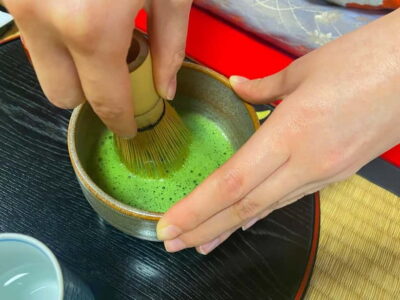
Tea Ceremony in a Traditional Tea House in Kiyomizu
Read our review →
Kimono Tea Ceremony at Kyoto Maikoya, NISHIKI
Read our review →
Tea Ceremony in 100-year-old Kyo-Machiya Townhouse
Read our review →
Also filed under