Reviewed · ARASHIYAMA BAMBOO FOREST WALKS
Kyoto Arashiyama Bamboo forest & Hidden Garden Walking Tour
Crowds at Arashiyama can feel like a stampede. This 5-hour walk slows everything down with quiet temples and Zen garden lessons.
I especially like how you do more than just look at Arashiyama, you learn how to see it. And you end with a very Japanese kind of comfort, a temple lunch in a calm tatami room.
The other standout for me is the bamboo grove route. Instead of grinding through the loud main streets, the guide leads you along a backstreet approach for better moments and fewer shoulder checks.
One consideration: it is still a walking tour. If you struggle with long walks, the tour notes this may not be a good fit, and I would take that warning seriously.
In This Review
- Key highlights you should actually care about
- Finding the calm start at Saga-Arashiyama Station
- Stop 1: Hōkyō-in Temple and the Zen mindset switch
- Secret temple silence, moss textures, and learning what to notice
- Sagano Bamboo Forest, but with a quieter route for better photos
- Okochi Sanso Garden and borrowed scenery (shakkei)
- Matcha pause and a calm reset before Tenryu-ji
- Tenryu-ji Temple, UNESCO atmosphere, and why old paintings matter
- Michelin Bib Gourmand style shojin ryori lunch inside the temple grounds
- Ending at Togetsu-kyō Bridge: closing the loop on Arashiyama
- Price and logistics: what you are really paying for
- Who this tour suits best
- Should you book this Arashiyama Zen and Bamboo Walking Tour?
- FAQ
- How long is the Kyoto Arashiyama Bamboo forest and Hidden Garden walking tour?
- How much does the tour cost?
- Where do we meet for the tour?
- How big is the group?
- What languages are offered?
- What is included in the price?
- What kind of lunch is served at the end?
- Do I need to request dietary needs in advance?
- Is the tour wheelchair or stroller accessible?
- What should I wear and bring?
- Where does the tour finish?
Key highlights you should actually care about
- A small group (up to 7) keeps the pace human and questions easy to answer.
- Secret backstreet routing helps you experience silence before the bamboo photo rush.
- Zen garden decoding, including why Japanese aesthetics value asymmetry and nature.
- Okochi Sanso Garden viewpoints with an explanation of borrowed scenery (shakkei).
- Tenryu-ji Temple finale with a Michelin Bib Gourmand style shojin ryori lunch in the temple grounds.
- Matcha plus a small tea ceremony snack to set the tone early, not as an afterthought.
Finding the calm start at Saga-Arashiyama Station
Your day begins outside the North Exit of JR Saga-Arashiyama Station, at the bottom of the stairs near the taxi stand. The guide holds an orange signboard that says Magical Trip Tour, so it is designed to be easy to spot. This matters because Arashiyama is busy from the minute you arrive, and you do not want to waste time playing meet-and-greet.
From the start, you are walking with purpose. The plan is built around a theme, silence, beauty, and gastronomy, not random sightseeing. You also get a basic introduction to the history of the area before heading into the quieter parts.
Practical tip: wear shoes you trust. This tour includes temple walks and garden paths, and it is not described as wheelchair or stroller friendly.
Stop 1: Hōkyō-in Temple and the Zen mindset switch
The first temple stop is Hōkyō-in Temple, about 15 minutes. That short time sounds quick until you realize the goal here is not to check a box. It is to help you shift into the right mode for what comes next, Japanese aesthetics and how to look.
You will be in Buddhist and Shintoist facilities during the tour, so respectful clothing is a must. The tour specifically calls this out. If your plan includes lightweight layers, bring something modest for indoors.
The biggest value of this early stop is psychological. By the time you leave, you are ready to notice details in later gardens and mossy corners, instead of only chasing iconic photos.
Moss, stone, and raked gravel gardens
- Kyoto Arashiyama Walking Tour: Bamboo, Monkeys, Gardens & Secrets
★ 5.0 · 1,216 reviews - Kyoto Zen Meditation & Garden Tour at a Zen Temple with Lunch
★ 5.0 · 441 reviews - Kyoto Arashiyama Bamboo forest & Garden Half-Day Walking Tour
★ 5.0 · 413 reviews - Kyoto: Zen Garden, Zen Mind (Private)
★ 5.0 · 126 reviews
Secret temple silence, moss textures, and learning what to notice
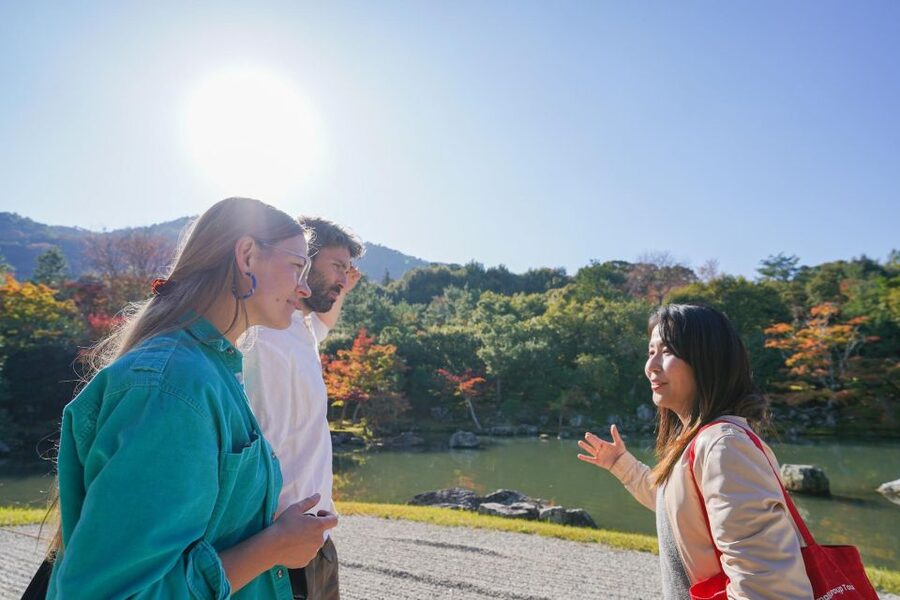
Next comes the longer quiet temple segment, about 1 hour. This part is designed to help you escape the main crowd routes. The focus is a local-leaning temple experience with moss gardens and maple trees, plus a hands-on introduction to Japanese aesthetics.
This is where the tour starts to feel different from a standard Arashiyama photo walk. Your guide teaches basics that help you interpret what you are seeing. You are not just standing there admiring. You learn how to read a space shaped by Zen ideas: how nature is included, how balance is created without Western-style perfect symmetry, and how stillness is part of the design.
If you tend to enjoy “how things work” more than “what things are,” you will like this. It gives you a framework you can carry into the gardens at Tenryu-ji later.
One note for expectations: you will likely see the wow factor visually right away, but the real pay-off is learning to notice what your eyes usually skip.
Sagano Bamboo Forest, but with a quieter route for better photos
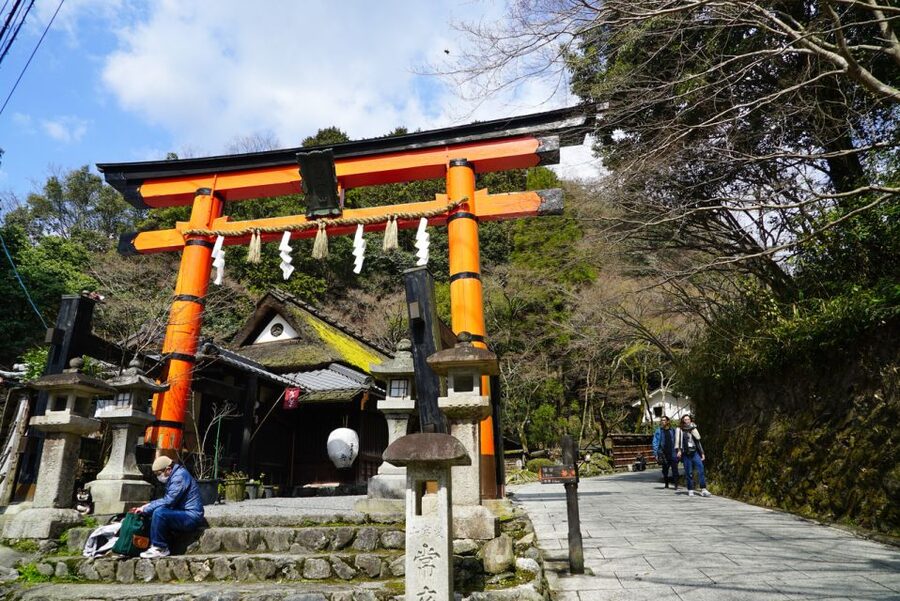
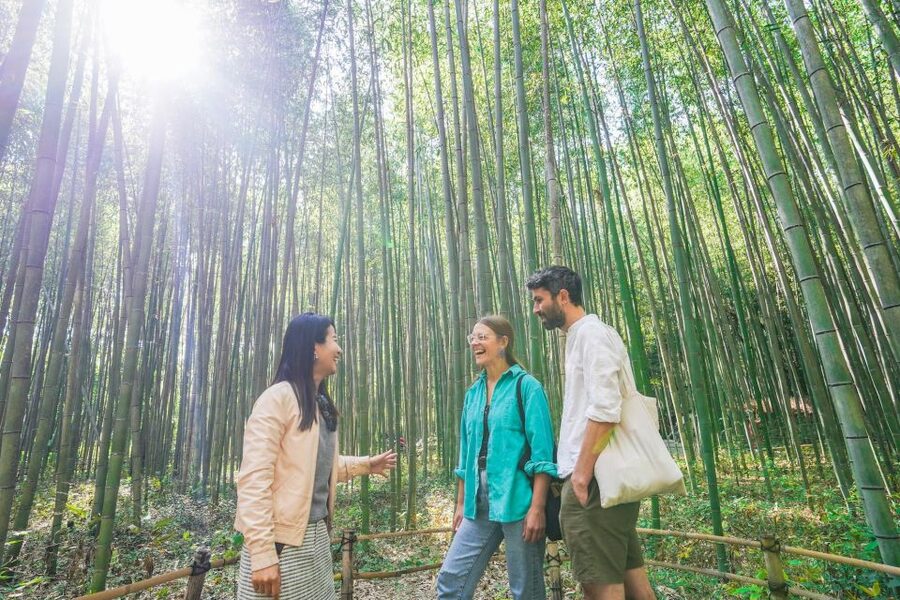
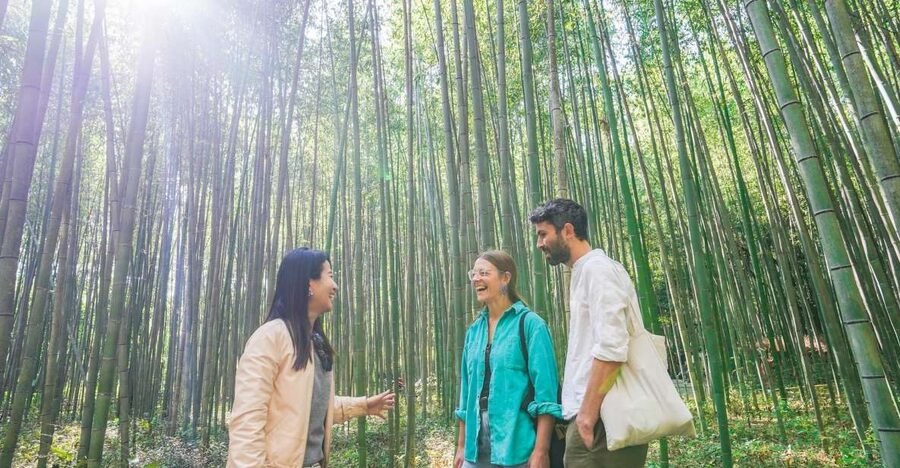
Then you reach the Sagano Bamboo Forest for about 15 minutes. Yes, it is iconic. Yes, it can be crowded elsewhere. But here, the tour guides you through the bamboo grove using a quiet backstreet route, which helps a lot with both the photo experience and your sense of calm.
Fifteen minutes is just enough to enjoy the feeling of being inside the grove without getting stuck in a long queue shuffle. The guide also keeps you moving in a way that fits the rest of the day, not like you are on a loose schedule.
Photo tip: go for angles that show depth down the bamboo lines rather than only overhead shots. The grove looks best when your photos suggest distance, not just height.
Okochi Sanso Garden and borrowed scenery (shakkei)
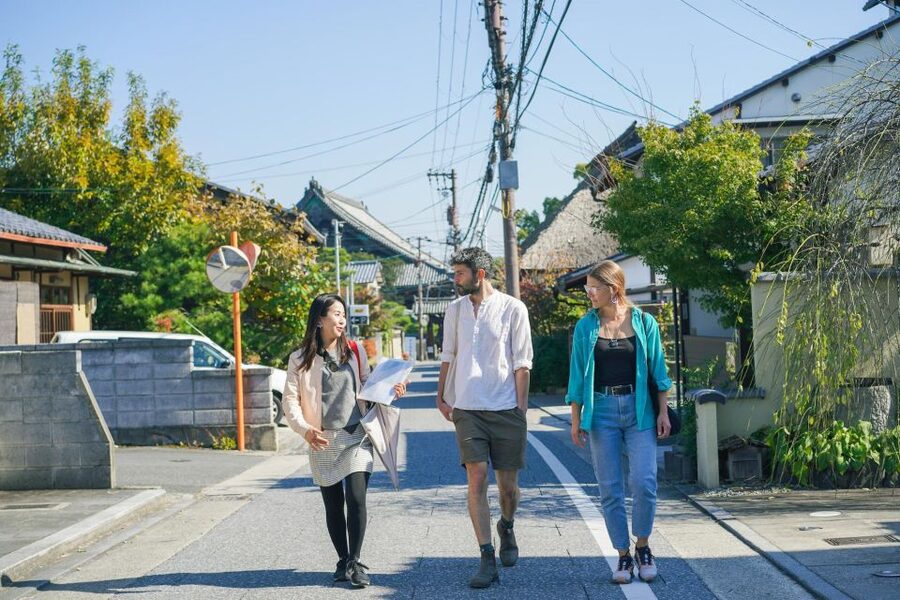
After the bamboo, you spend about 45 minutes at Okochi Sanso Garden. This is a villa garden with views, and the tour uses it to teach one of the most important Japanese garden ideas: shakkei, borrowed scenery.
Here is what that means in real life. You will get an explanation of how distant mountains are intentionally used as part of the garden composition. Instead of treating the view outside as something separate, the design makes it feel like the garden includes the background.
That changes how you look. Even if you are not the kind of person who reads garden theory, you can try it immediately. Look for how the sightlines frame mountains, water, or trees as if they are “painted” into the garden.
Practical tip: because this is a hillside garden area, you should expect steps and changes in ground level. If you have any balance issues, take your time.
Matcha pause and a calm reset before Tenryu-ji
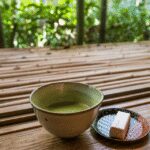
Before the temple finale, there is a local restaurant stop for about 50 minutes. This is where you get a matcha drink and a small tea ceremony snack included in the tour.
This is not just food as a break. It is part of the pacing. The goal is to give you a gentle cultural reset before you enter the big-ticket site, Tenryu-ji Temple. Matcha also helps if you need energy before a quieter, indoor meal later.
Diet note: the tour includes a shojin ryori meal at Tenryu-ji, but you must request dietary needs or allergies at least one day in advance. Requests made on tour day cannot be accommodated, and the tour explicitly warns that allergy-free guarantees and substitutions are not something they can promise since the meal prep happens in kitchens not owned by the tour.
Green light through a bamboo grove
Tenryu-ji Temple, UNESCO atmosphere, and why old paintings matter
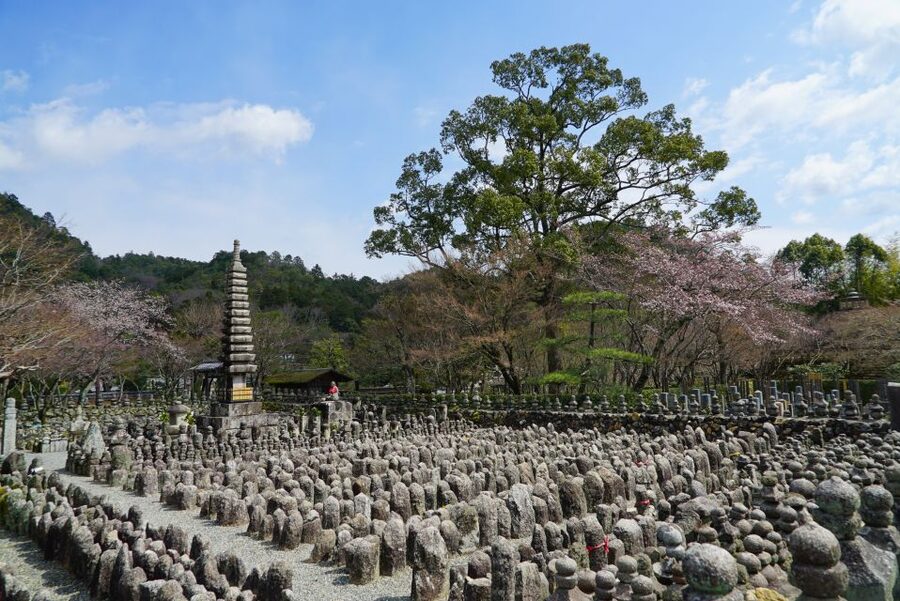
Tenryu-ji Temple is the centerpiece, with about 30 minutes allocated for entering and exploring. This is a UNESCO World Heritage site, and the tour focuses on the architecture and old paintings you can see inside.
I like this part because it connects the dots. Earlier you learned how to read a Zen-inspired space. Here, you see a major example where those ideas are not abstract. Even short time inside feels meaningful because you get a guide to point out what to pay attention to.
Tenryu-ji is also where your morning’s theme becomes physical. The lesson you received about asymmetry and nature earlier is easier to understand when you are inside a temple complex with mature garden design.
Respect tip: you are entering Buddhist and Shintoist spaces. Slow down, keep your voice low, and follow staff guidance. It is one of the simplest ways to earn the experience you came for.
Michelin Bib Gourmand style shojin ryori lunch inside the temple grounds
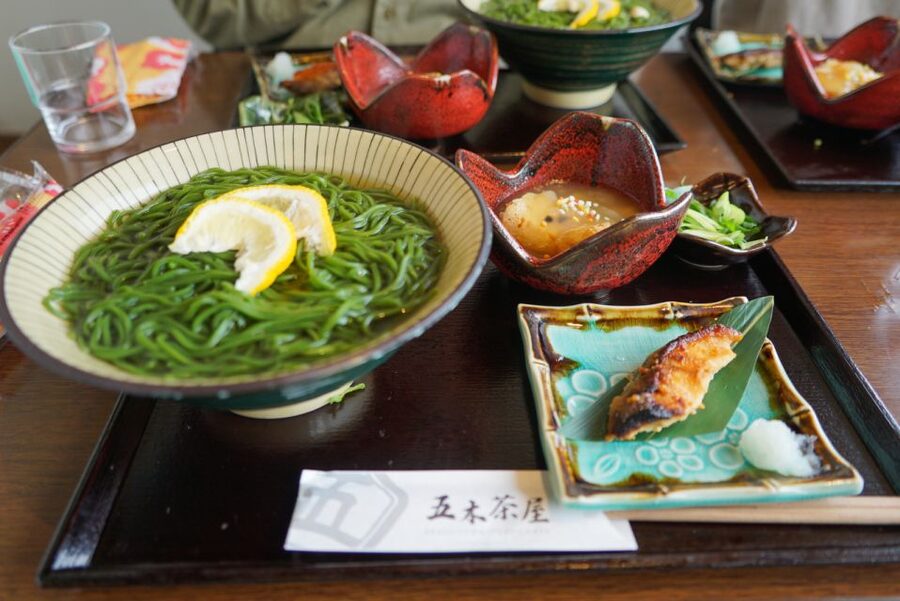
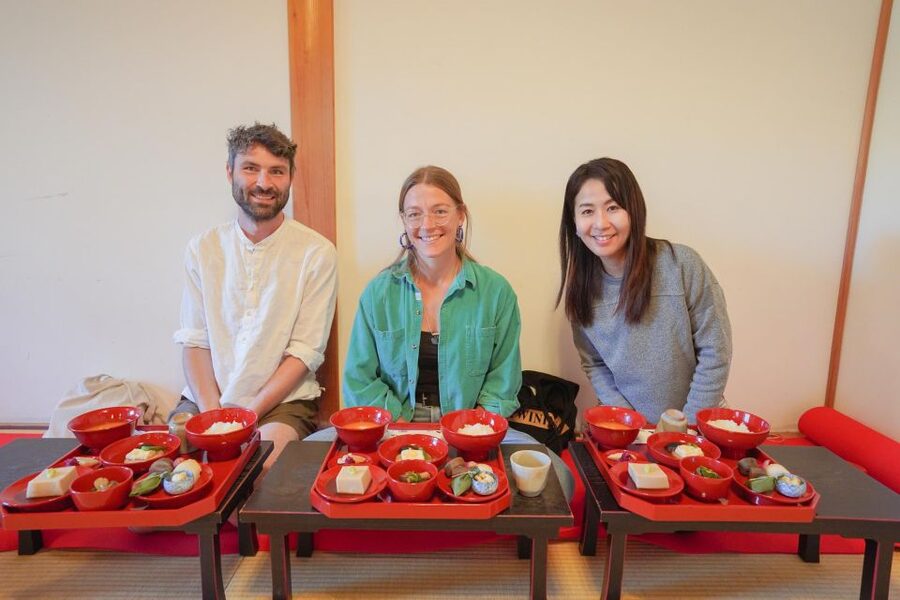
The finale is the lunch, served inside Tenryu-ji Temple grounds. The tour describes it as an exclusive Zen-style meal with seats secured at a prestigious restaurant recognized with Michelin Bib Gourmand. The meal is shojin ryori, Buddhist vegetarian cuisine, using seasonal vegetables, wild plants, and tofu.
If you like food that tastes intentional rather than random, you will get it. Shojin ryori is not about imitating meat dishes. It is about balance and purity, and it fits the Zen theme in a way that does not feel forced.
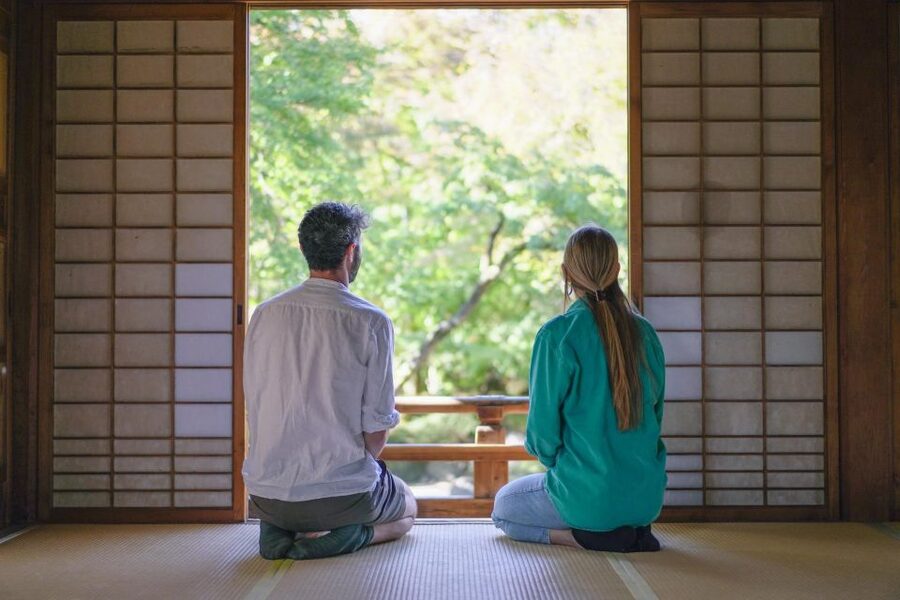
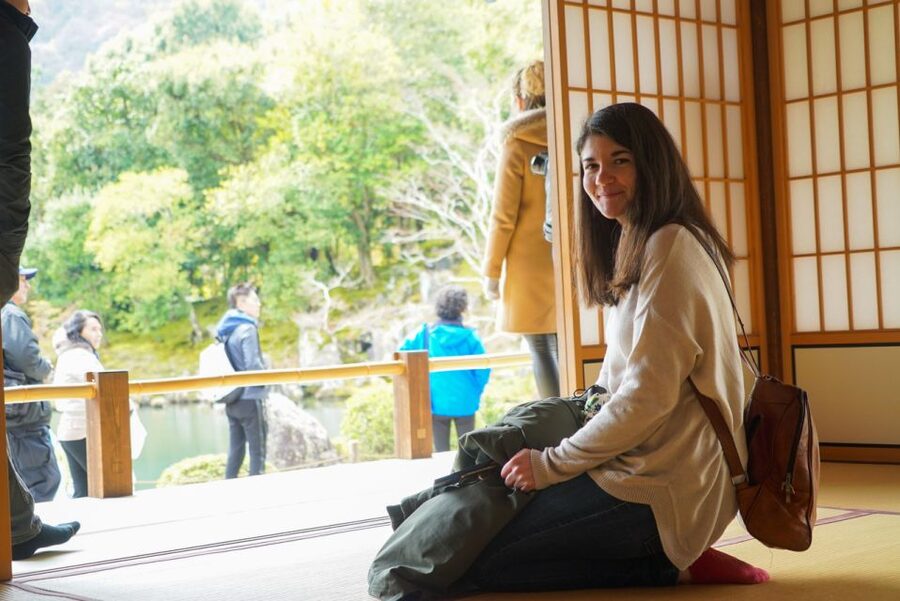
You eat in a traditional tatami room overlooking a tranquil garden. Even the setting matters here. This is not a quick lunch counter meal. The tour gives you time to relax, reflect, and digest the morning’s pacing.
Value check: at $125 per person for a 5-hour, small-group experience, this kind of lunch inclusion is a big part of the value. When you pay separately for entrance fees, a guide, and a special meal inside a major UNESCO site, the math usually gets ugly fast.
One practical consideration: the tour says lunch is inside Tenryu-ji Temple or a traditional Kyoto lunch option, and you should request at least 1 day before if you want shojin lunch adjustments due to dietary needs. The tour also notes it cannot guarantee allergy-free meals or substitutions.
Ending at Togetsu-kyō Bridge: closing the loop on Arashiyama
After Tenryu-ji, you finish at Togetsu-kyō Bridge. That works nicely because Arashiyama feels like a whole little world when you close with a signature location. You get a natural endpoint that also helps you plan what to do next, like walking around independently afterward.
If your legs are tired, this is a good place to stop and stretch, grab water, and let the day settle. The tour is designed for 5 hours total, so your energy usually lasts better if you pace yourself during temple and garden segments.
Price and logistics: what you are really paying for
At $125 per person for 5 hours, the price might look steep until you list what is included:
- Entrance fees for 2 temples and 1 Japanese garden
- Matcha drink plus a small tea ceremony snack
- A Michelin Bib Gourmand style shojin ryori lunch inside Tenryu-ji Temple grounds
- A certified guide by MagicalTrip
- Tour photos
This is not just a guided walk with a meal tacked on. The lunch is tied to the temple setting, and the guide component includes specialized garden education, not generic commentary.
Small group size, limited to 7 participants, also supports the experience. It makes the day feel less like a conveyor belt, especially on routes built to avoid crowds.
Who this tour suits best
This is ideal for you if you:
- Want Arashiyama’s bamboo and temples, but not the worst crowd chaos
- Like Japanese aesthetics and want to learn how Zen gardens work, not just see them
- Appreciate good food, especially vegetarian cuisine with strong cultural roots
- Prefer small-group guidance over self-guided confusion
It is not ideal if you:
- Use a wheelchair or need stroller access. The tour explicitly says it is not accessible by wheelchair or stroller.
- Have walking problems. It is a walking tour and the notes suggest private tours for mobility issues.
Should you book this Arashiyama Zen and Bamboo Walking Tour?
I would book it if you want Arashiyama with fewer distractions and more meaning. The combination of secret routing, guided garden decoding (asymmetry, nature, and shakkei), and a shojin ryori lunch at Tenryu-ji is a strong value package.
Skip it, or switch to a private option, if mobility is an issue. Also consider your timing and clothing. You will be in temple spaces, you will walk, and Japan’s weather can swing hard, so bring layers and plan for heat or cold.
If you are the type of traveler who likes to understand what you are seeing, this tour will feel like a conversation with Kyoto, not a checklist.
FAQ
How long is the Kyoto Arashiyama Bamboo forest and Hidden Garden walking tour?
The tour lasts about 5 hours.
How much does the tour cost?
The price is $125 per person.
Where do we meet for the tour?
Meet outside the North Exit of JR Saga-Arashiyama Station, at the bottom of the stairs near the taxi stand. The guide holds an orange signboard that says Magical Trip Tour.
How big is the group?
It is a small group limited to 7 participants.
What languages are offered?
The live tour guide speaks English and Japanese.
What is included in the price?
Entrance fees to 2 temples and 1 Japanese garden, a matcha drink with a small tea ceremony snack, the Michelin-rated shojin ryori lunch inside Tenryu-ji (or a traditional Kyoto lunch option), a certified guide by MagicalTrip, and tour photos.
What kind of lunch is served at the end?
The included lunch is shojin ryori, Buddhist vegetarian cuisine, served inside Tenryu-ji Temple grounds in a traditional tatami room overlooking a tranquil garden.
Do I need to request dietary needs in advance?
Yes. You need to inform them at least one day before the tour if you have dietary requests or allergies. Requests made on tour day cannot be accommodated, and the tour states it cannot guarantee allergy-free meals or substitutions.
Is the tour wheelchair or stroller accessible?
No. The tour notes that some locations are not accessible by wheelchair or stroller, and it is not recommended for people with mobility issues.
What should I wear and bring?
Wear respectful clothing since you will enter Buddhist and Shintoist facilities. Also wear comfortable shoes for long walking.
Where does the tour finish?
The tour finishes at Togetsu-kyō Bridge.
More Walking Tours in Kyoto
New This Season
- Koyasan Day Trip by Private Car from Kyoto
- Old Port Town and Ultimate Sake Tasting Private Tour From Kyoto
- Kyoto’s Timeless Charm: 3hr Exploration of History and Peace
- Kyoto: 5 Types of Sushi Making
- Sacred Peak & Ancient Paths: Kurama-Kibune Hiking Experience
- Kyoto: Exclusive ZEN practice at Manpukuji temple in Uji
- Kyoto: Private Seasonal Aroma Yoga Class
- Traversing Kyoto’s Scenic West – Arashiyama to Kinkakuji
Arashiyama Bamboo Forest Walks, compared.
Fushimi Inari, Kinkakuji, Bamboo Grove 1 Day Bus Tour
Read our review →
Kinkakuji,Arashiyama,FushimiInariShrine,NaraPark
Read our review →
Nara, Fushimi Inari Taisha, Arashiyama Bus Tour
Read our review →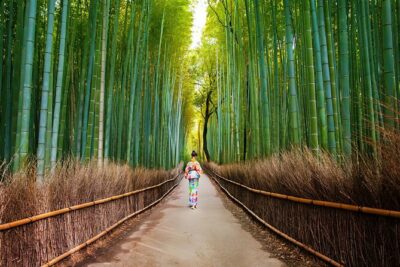
Kyoto Arashiyama Walking Tour: Bamboo, Monkeys, Gardens & Secrets
Read our review →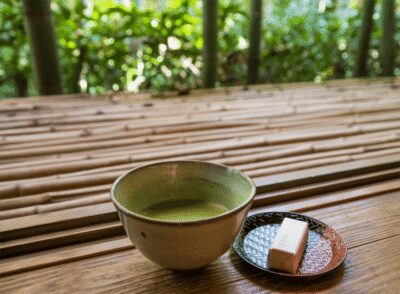
Arashiyama Bamboo, Temple, Monkeys, or Secret Sake Brewery
Read our review →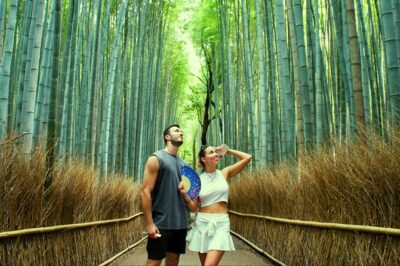
Arashiyama Bamboo Forest, Monkeys, Matcha & Temple Tour
Read our review →
Arashiyama, Nara & Fushimi Inari Shrine w/Lunch
Read our review →