
Reviewed · TEA CEREMONIES
Kyoto: Authentic Tea Ceremony in a Small Group
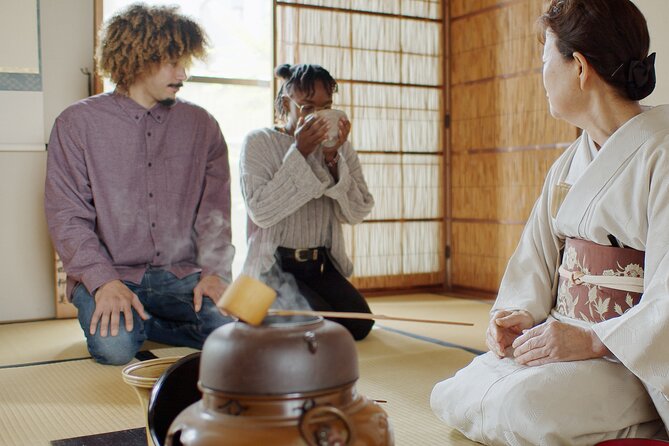
Quiet tea time in Kyoto actually works. This small-group Uzumasa ceremony slows everything down, with a carefully arranged garden and a real chanoyu-style flow. You’ll stay in a quiet tea-room setting, learn what each utensil means, and take part in whisking matcha.
I really like two things about this experience: the high-quality Marukyu Koyamaen matcha, paired with traditional Kyoto wagashi sweets, and the calm, well-designed tea-room atmosphere where the garden is part of the moment. One possible consideration: it’s about 1 hour, so it’s not a half-day cultural program, and transportation isn’t included, so you’ll need to get to Uzumasa on your own.
In This Review
- What Makes This Kyoto Tea Ceremony Feel Authentic in Uzumasa
- Entering the Tea Room: Haori, Mini Garden, and the Ceremony Setup
- Wearing a traditional haori
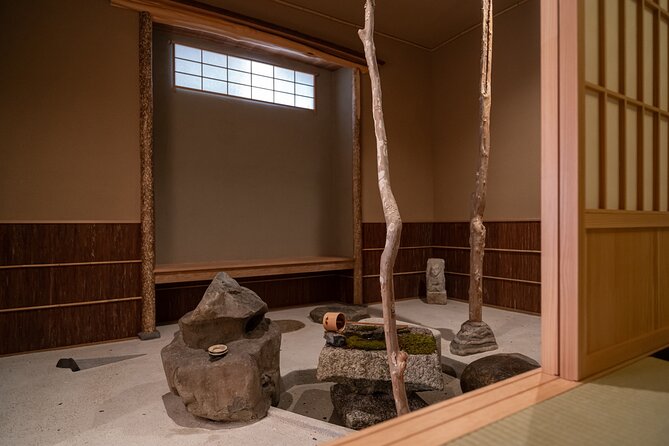
- Viewing a miniature garden inside the experience
- Meeting the Urasenke tea procedure in a hands-on way
- The 1-Hour Flow: From Utensils to Whisking Your Own Matcha
- Step 1: First impressions and the tea-room focus
- Step 2: A guided look at utensils and chanoyu context
- Step 3: Whisking your own bowl of matcha
- Step 4: Kyoto sweets, including the second traditional sweet
- Matcha and Wagashi: Quality Pairing, Not Just a Beverage
- The Utensils and Chado Hospitality: What You’ll Actually Take Away
- Who This Kyoto Tea Ceremony Suits Best (And Who Might Skip It)
- Price and Value: What $586.38 Per Group Buys You
- Practical Tips So Your Visit Feels Effortless
- Plan for the timing
- Use public transport to get there
- Expect a hands-on moment
- Bring your booking confirmation mindset
- Should You Book Chanoyu The KYOTO Uzumasa?
- FAQ
- How long is the Kyoto tea ceremony experience?
- How many people are in the group?
- What is included in the experience?
- Do I whisk the matcha myself?
- What matcha and sweets are used?
- Where is the meeting point, and where does it end?
- Is transportation included?
- What is the cancellation policy?
What Makes This Kyoto Tea Ceremony Feel Authentic in Uzumasa
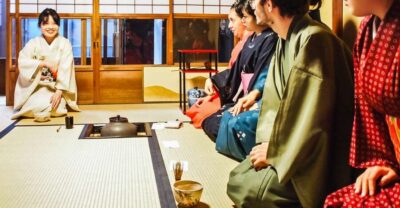
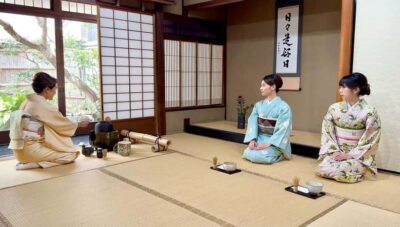
Kyoto tea ceremonies can be hit-or-miss if they turn into a quick tasting show. This one is built for focus. It takes place at Chanoyu The KYOTO Uzumasa in the Uzumasa district, an area where the historical mood still feels present. The setting matters here: you move through a stylish interior, then the space opens into a meticulously designed garden that you can appreciate as part of the tea-room experience.
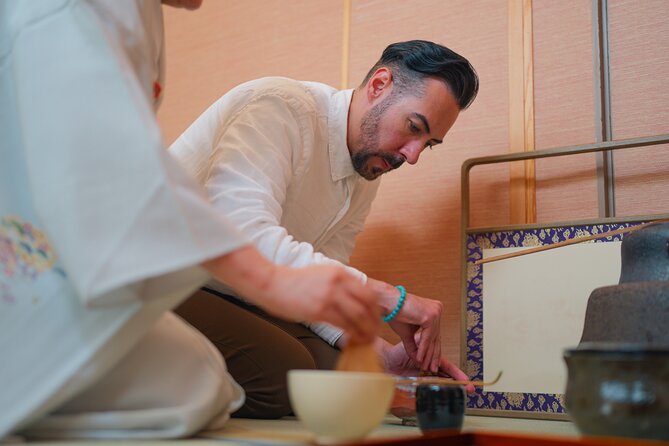
A big part of the authenticity is that you’re not just watching. The ceremony follows an Urasenke-style procedure, and you’re guided through what to look for, what the utensils are, and why the steps matter. If you’re someone who likes learning the “why” behind what you’re seeing, you’ll feel taken care of.
The most praised aspect in the feedback is the overall refinement. People repeatedly mention the elegant tea-room atmosphere and the feeling that the matcha and sweets are chosen with serious care, not just for convenience. Another standout is the garden itself, described as elaborate and impressive, not a token decoration.
Entering the Tea Room: Haori, Mini Garden, and the Ceremony Setup
The experience starts at Chanoyu The KYOTO Uzumasa, and it ends back where you begin. Once you arrive, you’ll be welcomed into the environment and guided through the early moments that set the tone.
Wearing a traditional haori
One of the included touches is wearing a traditional haori (a kimono-style jacket). It’s practical and fun, and it also signals that this isn’t casual tea tasting. You’ll step into the mood without having to figure out clothing logistics on your own.
More bowls, poured the traditional way
- Kyoto: Tea Ceremony in a Traditional Tea House in Kiyomizu
★ 4.9 · 3,519 reviews - Kyoto: Tea Ceremony Ju-An at Jotokuji Temple
★ 4.9 · 3,207 reviews - Kyoto: 45-Minute Tea Ceremony Lesson Experience
★ 4.3 · 2,378 reviews - Kyoto: Table-Style Tea Ceremony at a Kyo-Machiya
★ 4.9 · 1,211 reviews
Viewing a miniature garden inside the experience
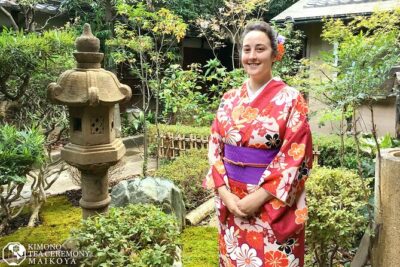
Before matcha, you’ll appreciate a meticulously designed miniature garden that’s arranged for viewing in the tea-room setting. In a city like Kyoto, it’s easy to rush from temple to temple. This pause is intentional, and the garden view gives you something concrete to focus on while you settle in.
In the feedback, the garden gets a lot of attention, including descriptions like elaborate and beyond expectations. So even if you think you know what a “garden view” will be, this is positioned as a designed feature, not a background detail.
Meeting the Urasenke tea procedure in a hands-on way
You’ll observe the graceful Urasenke tea procedure, then you’ll move from observing to doing. That’s an important shift. Watching can teach you the shape of the ceremony, but doing one key step helps you understand the rhythm.
The 1-Hour Flow: From Utensils to Whisking Your Own Matcha
This is a short experience, about 1 hour, and the pacing is built around key moments rather than a long lecture. Here’s how the ceremony experience works, step by step, in a way you can actually plan your expectations.
Step 1: First impressions and the tea-room focus
You begin by getting oriented in the tea-room environment. The atmosphere is part of the “instruction,” because you’ll be invited to slow down and look at what’s placed before you. That means less scrambling, less multitasking, and more attention on the details of tea culture.
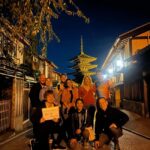
A day of temples goes further with something to break it up.


Step 2: A guided look at utensils and chanoyu context
Next comes the learning component. You’ll receive an explanation of the history and culture behind chanoyu, plus what the utensils are and why they matter. This is where the ceremony stops being just a drink and becomes a form of hospitality, or chado.
You’re not being asked to memorize everything. Instead, you’ll be given enough background that when you see a tool and understand its purpose, it clicks into place. This also helps first-timers, since you won’t be left guessing what you’re supposed to notice.
Step 3: Whisking your own bowl of matcha
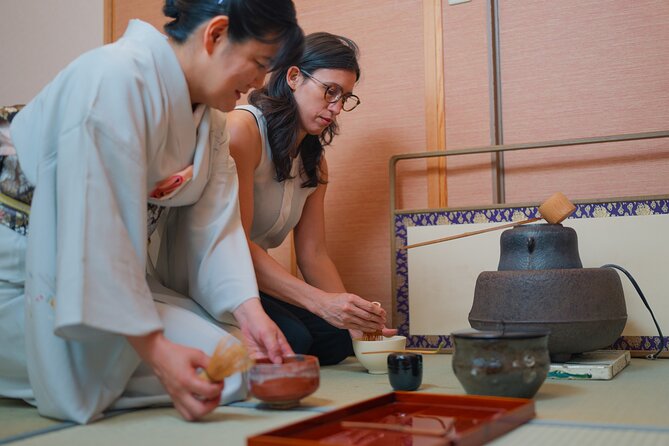
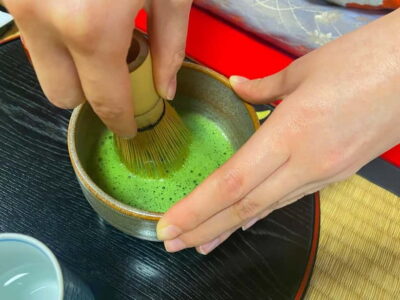
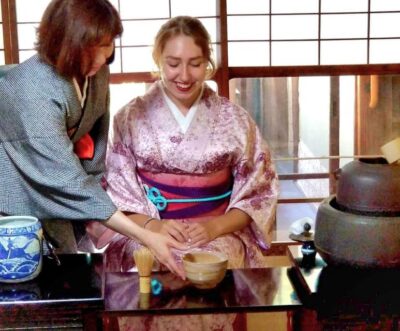
Then you get to do a core part of the experience: whisk your own bowl of matcha. This is one of those “small action, big memory” moments. Even if you don’t get it perfect, you’re participating in the technique that defines the ceremony.
The feedback repeatedly highlights matcha as the standout, including comments that matcha tasted better than anything people expected. That’s not guaranteed for everyone, but it’s a good sign that the ingredients and the handling are taken seriously.
Step 4: Kyoto sweets, including the second traditional sweet
After you whisk matcha, you’ll enjoy it together with the second traditional sweet. The tour is built around a pairing, with traditional Kyoto sweets served during the ceremony. In practice, this means you don’t just drink matcha on its own, and you also don’t leave immediately after the tea step. You’re guided to enjoy the sweet moment that balances the bitterness and texture of matcha.
Matcha and Wagashi: Quality Pairing, Not Just a Beverage
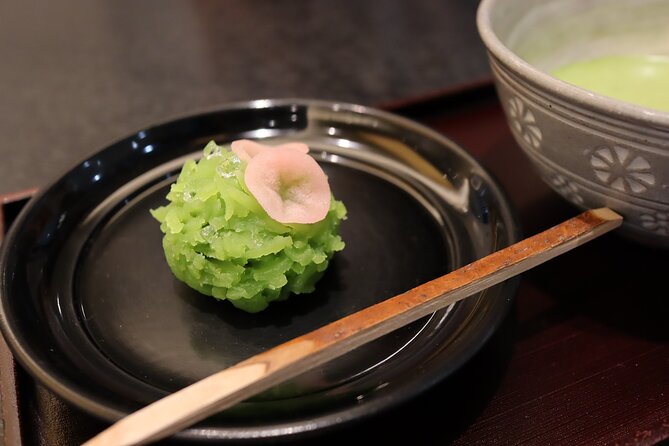
The ceremony includes snacks, with traditional Kyoto sweets and the finest matcha. The matcha is specifically noted as coming from Marukyu Koyamaen, and the sweets are served from a long-established Kyoto wagashi shop.
Why does this matter for you? Because matcha is not all the same. People often try matcha and end up thinking it’s either too bitter or not interesting. When matcha is high-quality and paired correctly, you taste a fuller profile, and the experience becomes memorable instead of “just tea.”
The wagashi side matters too. In a good tea ceremony, sweets aren’t filler. They’re part of the seasonal and aesthetic balance. Even if you’ve had wagashi before, you’ll likely notice the ceremony makes you slow down enough to taste it properly, not scarf it down while moving to the next stop.
One more detail I like: you’ll have sweets with your matcha, then another sweet is included as part of the flow. That reinforces the idea that the ceremony is a sequence, not a single serving.
The Utensils and Chado Hospitality: What You’ll Actually Take Away
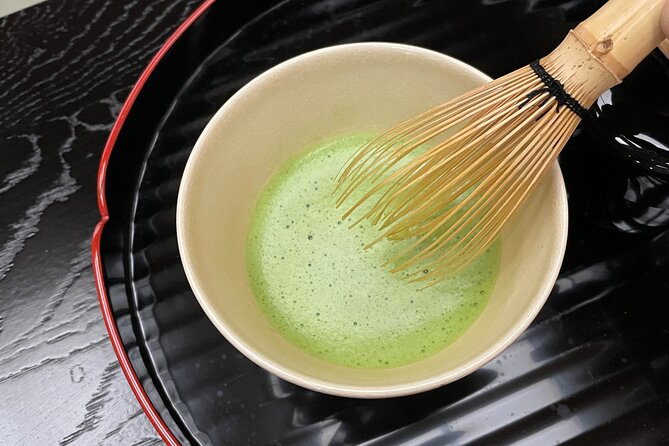
A tea ceremony can be purely visual, and that’s fine. This one adds a practical layer: you’ll get a brief but meaningful explanation of utensils and the origins of chanoyu.
Here’s the takeaway that helps you long after you leave: utensils aren’t decoration. They’re tools shaped by how tea is prepared and served, and by the etiquette of attention. When you understand what a utensil is for, the ceremony becomes easier to follow and more satisfying to watch.
Then there’s chado, the Way of Tea, presented as Japanese hospitality. That framing changes the vibe. You’re not just getting a drink. You’re participating in a moment designed to be calm, respectful, and deliberate.
In the feedback, people often mention that the explanations made the experience feel special, not confusing. And because it’s a small group, you’re more likely to absorb the guidance without feeling rushed or lost.
Who This Kyoto Tea Ceremony Suits Best (And Who Might Skip It)
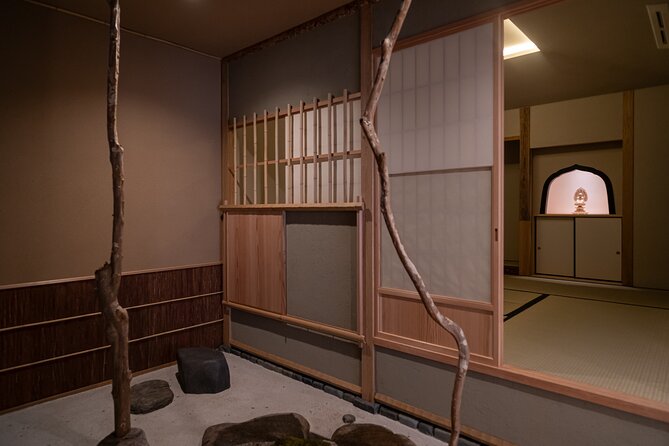
This is best for you if you want a real Kyoto cultural moment without committing to a long workshop. It’s also a good fit if you enjoy hands-on experiences, because you’ll whisk matcha yourself.
You’ll likely enjoy it most if:
- You’re visiting Kyoto and want something quieter than temple-hopping all day
- You’re a first-timer who appreciates clear guidance and a gentle pace
- You care about matcha quality and want to taste it at its best, not the basic tourist version
- You like small-group settings where you can actually pay attention
Should you skip it? If you’re looking for a full-day cultural immersion with multiple stops, this won’t be long enough. Also, since transportation is not included, you’ll want to be comfortable getting yourself to Uzumasa and back.
Price and Value: What $586.38 Per Group Buys You
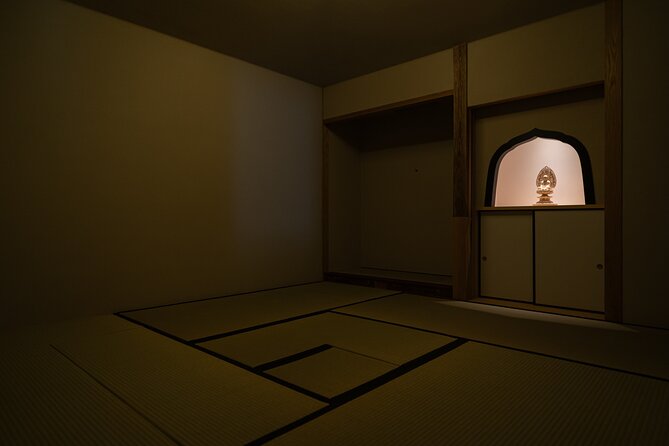
The price is listed as $586.38 per group, up to 6 people, with about 27 days being the average booking lead time.
If you’re traveling solo, that price might feel steep compared to cheaper group tastings. But in tea terms, this is not a mass-market demo. You get a structured experience that includes:
- a traditional haori
- a garden viewing component
- instruction on utensils
- an explanation of chanoyu and its cultural roots
- hands-on matcha whisking
- Kyoto wagashi sweets paired with the matcha
For couples or small groups, the value math changes fast. Splitting the cost across up to 6 people turns it into a focused cultural activity where you’re not competing for attention. And based on the feedback, the matcha and sweets are a big reason people feel satisfied, with multiple comments calling the matcha exceptional.
My practical advice: if you can split the group price with friends or family, this is a high-quality way to spend an hour in Kyoto. If you’re single, consider what you value more, price or an intimate, well-guided experience with premium matcha.
Practical Tips So Your Visit Feels Effortless
Here’s how to show up so you can enjoy it instead of thinking about logistics.
Plan for the timing
The ceremony runs about 1 hour, so pair it with something nearby. Don’t schedule it as a stressful middle stop between far-apart sights.
Use public transport to get there
The location is near public transportation, but transportation is not included. Build a little buffer for getting to Uzumasa and finding the meeting point.
Expect a hands-on moment
You will whisk your own matcha. Wear something comfortable enough to sit calmly and move your hands without fuss. You’ll also have the haori provided, so you don’t need to bring anything traditional.
Bring your booking confirmation mindset
You’ll receive confirmation at time of booking, and you’ll have a mobile ticket. Have it ready on your phone so check-in goes quickly.
Should You Book Chanoyu The KYOTO Uzumasa?
I’d book this if you want a Kyoto tea ceremony that feels intentional, quiet, and high quality, with premium matcha from Marukyu Koyamaen and traditional Kyoto sweets. The small-group size, the haori, the miniature garden moment, the utensil explanations, and your own matcha whisking add up to more than just a tasting.
I’d hesitate only if you’re chasing something long and multi-stop, or if you need transportation handled for you. Otherwise, for one hour of focused Japanese tea culture in Uzumasa, it’s a strong bet.
FAQ
How long is the Kyoto tea ceremony experience?
It lasts about 1 hour.
How many people are in the group?
It’s a private experience, up to 6 people per group.
What is included in the experience?
You’ll enjoy Kyoto sweets and matcha, view a miniature garden, wear a traditional haori, receive an introduction to tea utensils, and get a brief explanation of the history and culture behind chanoyu.
Do I whisk the matcha myself?
Yes. You’ll be invited to whisk your own bowl of matcha.
What matcha and sweets are used?
The matcha is from Marukyu Koyamaen, and the sweets are Kyoto wagashi from a long-established Kyoto wagashi shop.
Where is the meeting point, and where does it end?
The meeting point is Chanoyu The KYOTO Uzumasa (TEA CEREMONY) in Uzumasa, Kyoto. The experience ends back at the same meeting point.
Is transportation included?
No. Private transportation is not included.
What is the cancellation policy?
You can cancel for a full refund up to 24 hours in advance of the experience start time.
New This Season
- Koyasan Day Trip by Private Car from Kyoto
- Old Port Town and Ultimate Sake Tasting Private Tour From Kyoto
- Kyoto’s Timeless Charm: 3hr Exploration of History and Peace
- Kyoto: 5 Types of Sushi Making
- Sacred Peak & Ancient Paths: Kurama-Kibune Hiking Experience
- Kyoto: Exclusive ZEN practice at Manpukuji temple in Uji
- Kyoto: Private Seasonal Aroma Yoga Class
- Traversing Kyoto’s Scenic West – Arashiyama to Kinkakuji
Tea Ceremonies, compared.
Tea Ceremony in a Traditional Tea House in Kiyomizu
Read our review →
Kimono Tea Ceremony at Kyoto Maikoya, NISHIKI
Read our review →
Tea Ceremony in 100-year-old Kyo-Machiya Townhouse
Read our review →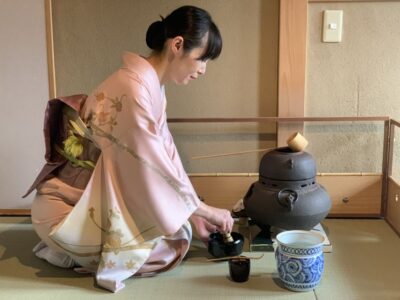
Also filed under