
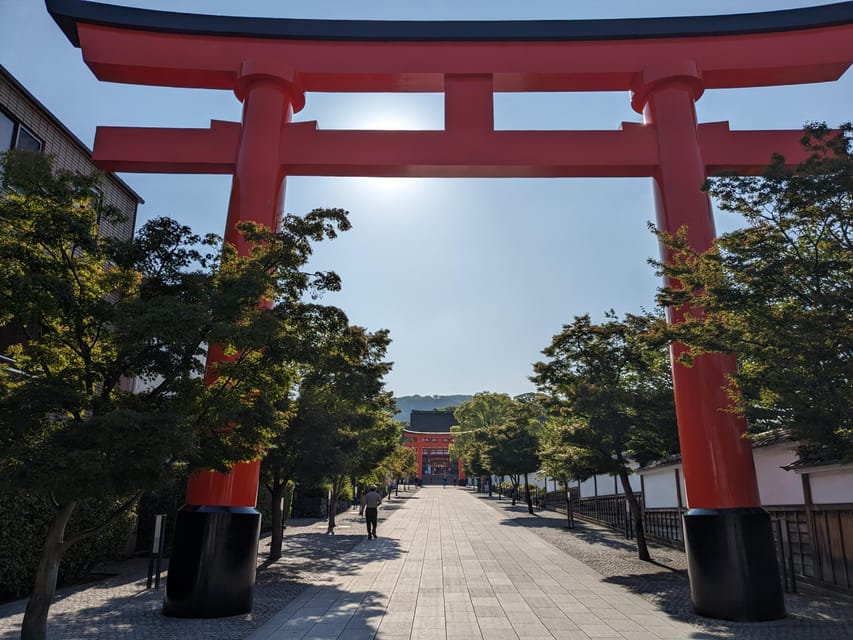
Reviewed · FUSHIMI INARI SHRINE WALKS
Kyoto: Early Morning Fushimi Inari Shrine – Beat the Crowds
That orange gate maze feels calm at dawn. This early morning Fushimi Inari experience is built for crowd-free walking and clear torii photos.
I especially like the quiet start, when you’re moving through the shrine grounds with enough space to actually notice the details. I also love that the guide helps you understand what you’re seeing, not just where to stand for a shot.
The main thing to consider: it’s an uphill walking route on paths and steps, so it may be tough if you have mobility issues, back problems, or lower fitness.
In This Review
- Key reasons this early start works
- Kyoto at first light, the Fushimi Inari effect
- Where you meet, and how to start without stress
- The core stop: guided time in Fushimi Inari Taisha
- What you’ll see along the torii paths
- How the guide helps with etiquette and focus
- A practical note on walking
- The viewpoint break, why it’s scheduled
- The “hidden gem” detour, and what to look for
- The souvenir angle: why this is not just another photo tour
- Price and value: is $70 worth 150 minutes?
- Who this Kyoto early morning walk suits best
- What the tour experience feels like in practice
- Should you book the early morning Fushimi Inari tour?
- FAQ
- How long is the Kyoto early morning Fushimi Inari tour?
- Where is the meeting point?
- Is the tour in English?
- Is this tour private?
- What should I bring with me?
- What is not allowed during the tour?
- Who is the tour not suitable for?
- Can I cancel and get a refund?
- Do I have to pay right away?
Key reasons this early start works
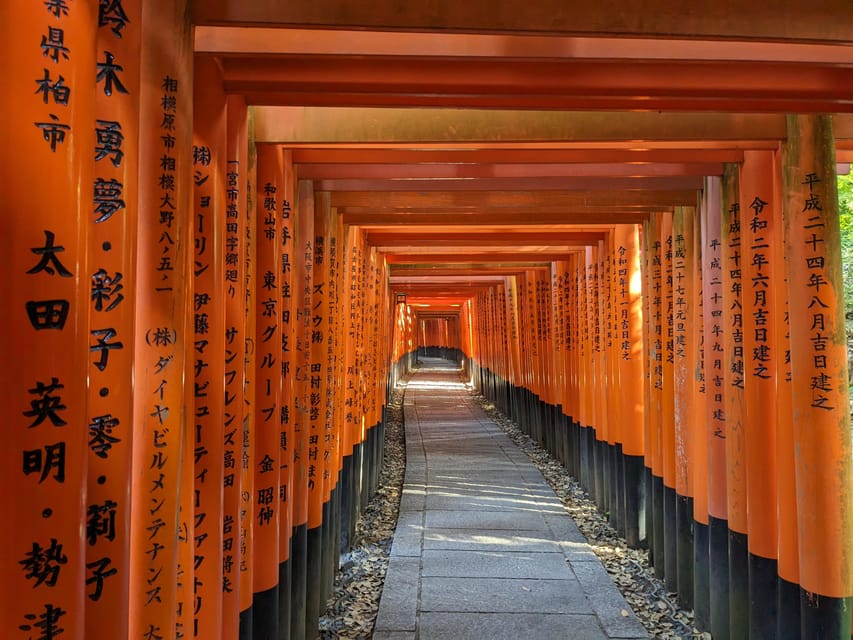
- Iconic torii tunnel, without the worst crush (timed early so you can photograph with far less editing)
- A guided 1.5-hour focus inside Fushimi Inari Taisha so you don’t miss the meaningful bits
- A viewpoint stop with dedicated time to look out and reset your eyes
- A shorter visit to a quieter “hidden gem” area with story-led context
- An Inari-specific souvenir tied to the shrine experience, not a generic shop trinket
Kyoto at first light, the Fushimi Inari effect
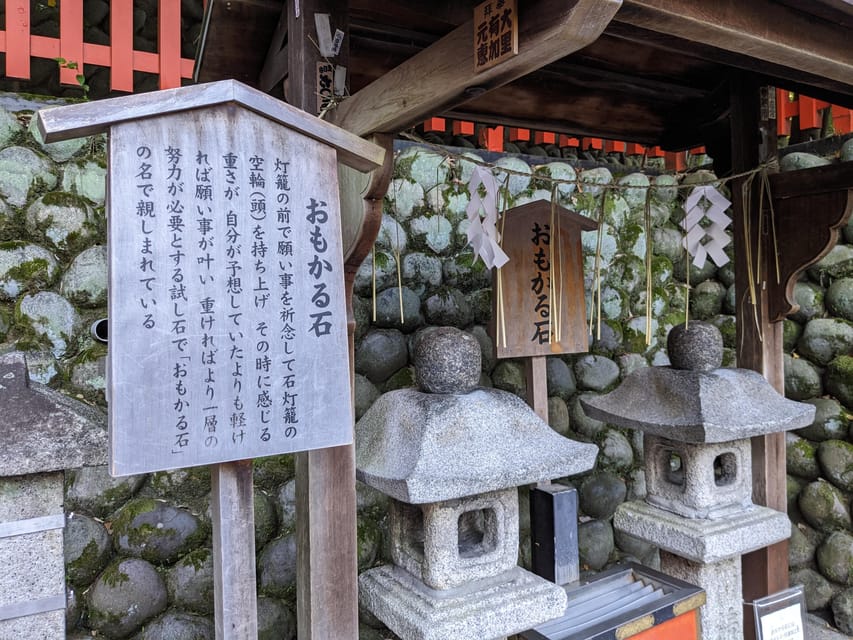
Fushimi Inari Taisha is famous in every possible way, including the slightly stressful way. During the day, the torii paths can get so busy you end up doing a lot of sidestepping and waiting, not much looking. This tour’s whole advantage is timing. By going early, you get a calmer flow, cooler air, and a more respectful pace through a place that feels sacred as much as it looks photogenic.
What I like about that is simple: the shrine becomes easier to understand. When the crowd pressure drops, you have room to notice how people actually move, where the rituals happen, and why the torii gates matter beyond aesthetics. It also makes your photos feel more like documentation than crowd cleanup.
Where you meet, and how to start without stress
You meet at Inari Station with your guide standing outside, across the main entrance to JR Inari Station. They hold a bright yellow DeepExperience signboard, so you can spot them fast even if you arrive a little frazzled from travel.
This matters more than it sounds. Fushimi Inari is easy to reach, but the station area can feel confusing when you’re looking for a specific meeting point. Starting cleanly means you spend less time checking maps and more time walking while the grounds still feel quiet.
Still climbing through the orange gates?
- Kyoto: Fushimi Inari, Kinkakuji, Bamboo Grove 1 Day Bus Tour
★ 4.8 · 4,316 reviews - Fushimi Inari Hidden Hiking Tour (Private Option Available)
★ 5.0 · 1,750 reviews - Osaka/Kyoto:Kinkakuji,Arashiyama,FushimiInariShrine,NaraPark
★ 4.1 · 1,596 reviews - Kyoto/Osaka: Nara, Fushimi Inari Taisha, Arashiyama Bus Tour
★ 4.7 · 1,275 reviews
The core stop: guided time in Fushimi Inari Taisha
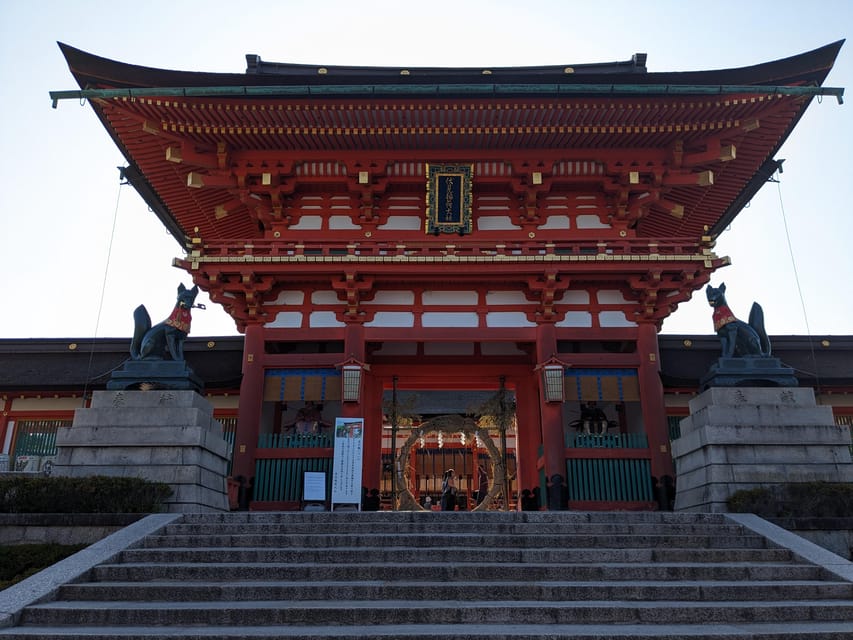
Your tour includes a guided 1.5-hour visit at Fushimi Inari Taisha. This is the heart of the experience, and the part that benefits most from having a local guide.
What you’ll see along the torii paths
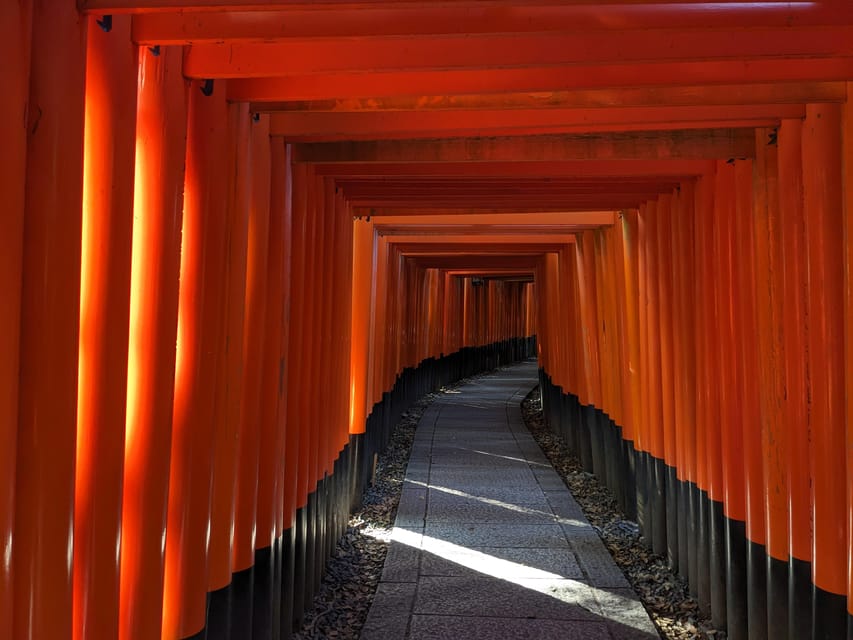
You’ll walk through the iconic orange torii gates, the corridor-like routes that make Fushimi Inari instantly recognizable. But the value here is not only the scenery. Your guide helps you connect the visuals to meaning, including the shrine’s importance for locals and the spirit-world ideas that show up in the way people honor the space.
That changes how you experience the walk. Instead of treating the torii like a theme park photo set, you start noticing the rhythm of visits, the smaller shrine structures, and the cues that tell you where attention belongs.
How the guide helps with etiquette and focus
One of the most consistent themes in the guide feedback is that they explain things step by step. People have praised guides like Teppei, Akino, Hiro, Maru, and Yoshi for clear guidance and for taking time to answer questions. So even if you’re the type who wants to understand why you’re doing what you’re doing, you’ll likely feel supported.
Also, early timing helps the guide do their job. When the route is less packed, it’s easier to stop, look, and listen without constantly worrying about blocking someone else’s way.
A practical note on walking
Even at dawn, this is still a walk through a shrine mountain setting. Expect uneven footpaths and steps. If you have limited mobility, back issues, or you tire easily, this can feel like more than a quick stroll. Comfortable shoes are non-negotiable, and it’s smart to keep your expectations realistic for your body.
More rooftops worth a detour


The viewpoint break, why it’s scheduled
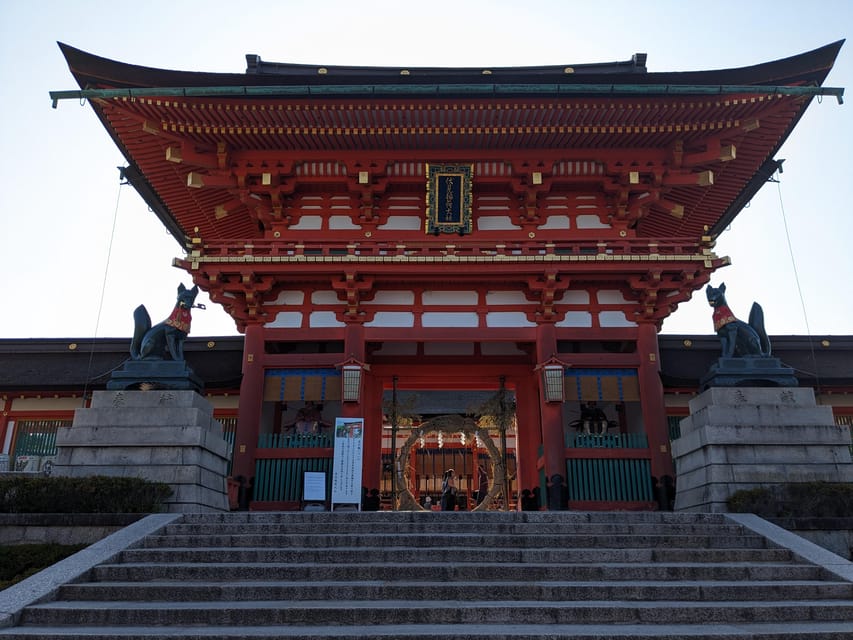
After your main shrine time, the tour includes a 30-minute sightseeing viewpoint stop. This is a real breather, and it’s also where your eyes catch up with your legs.
At a viewpoint, you can see the shrine’s scale in a different way. It helps you understand why the torii gates look like tunnels: the path draws your gaze forward, and the mountain setting makes the repetition feel intentional. When you’re stuck in crowd lines later in the day, you rarely get that moment of perspective. Here, you get time set aside for it.
Use this segment to reset. Stand where your guide suggests, look around, and then take photos while the area is still comparatively calm. Even if you don’t consider yourself a photographer, this is where you’ll remember what you walked through.
The “hidden gem” detour, and what to look for
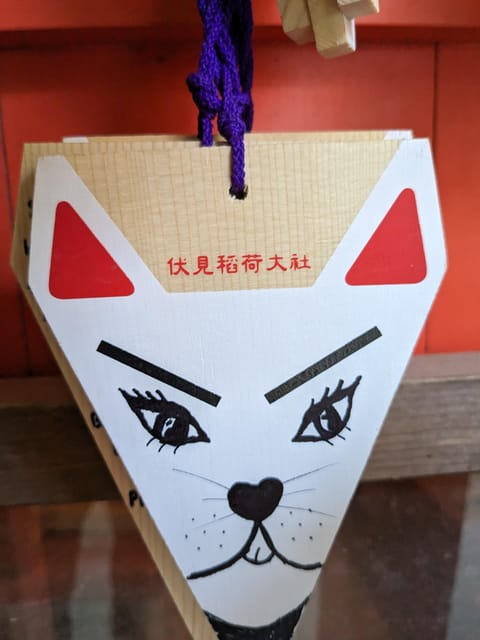
Next comes another 30-minute guided stop at a quieter area often described as a hidden gem. The goal is to get you beyond the most obvious flows and into spaces where the atmosphere feels less performative and more local.
One of the standout details people shared is the presence of a small fountain in a lesser-known spot, tied to a legend about curing illness. Whether or not you treat legends literally, that kind of story adds context. You start seeing the shrine as a network of meaning, not just a single postcard location.
Also, guides are key here. When you’re walking through shrine grounds on your own, it’s easy to miss smaller points of interest because you’re focused on the main gates. With a guide, you get told what to notice and why it’s there.
The souvenir angle: why this is not just another photo tour
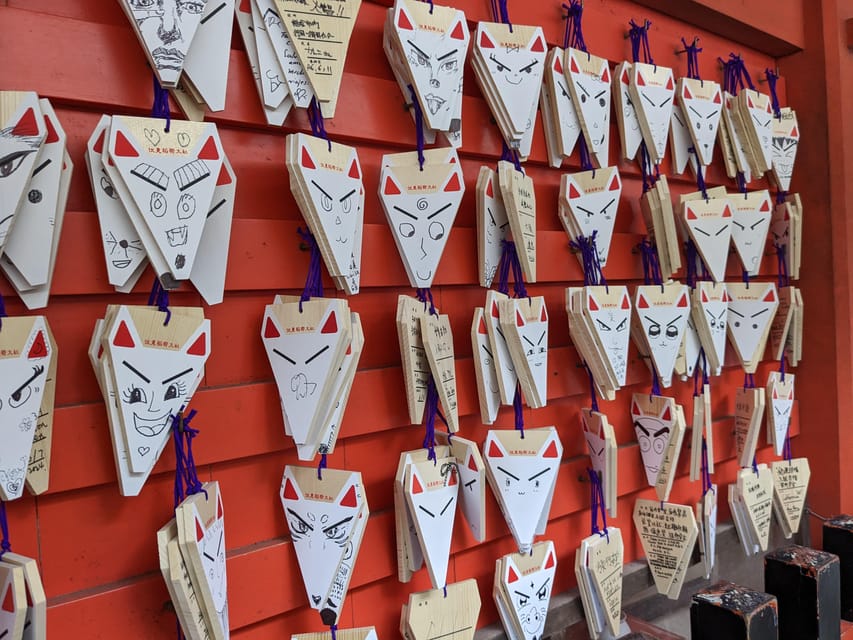
The tour includes a special souvenir unique to Inari. That’s a small detail, but it can be surprisingly meaningful.
If you’ve ever come home with a generic gift from a busy tourist shop, you know the feeling. This is different because it’s tied to the shrine experience itself. I like tours that give you a tangible item that matches the place you actually visited, especially when the experience is more than scenery.
Price and value: is $70 worth 150 minutes?
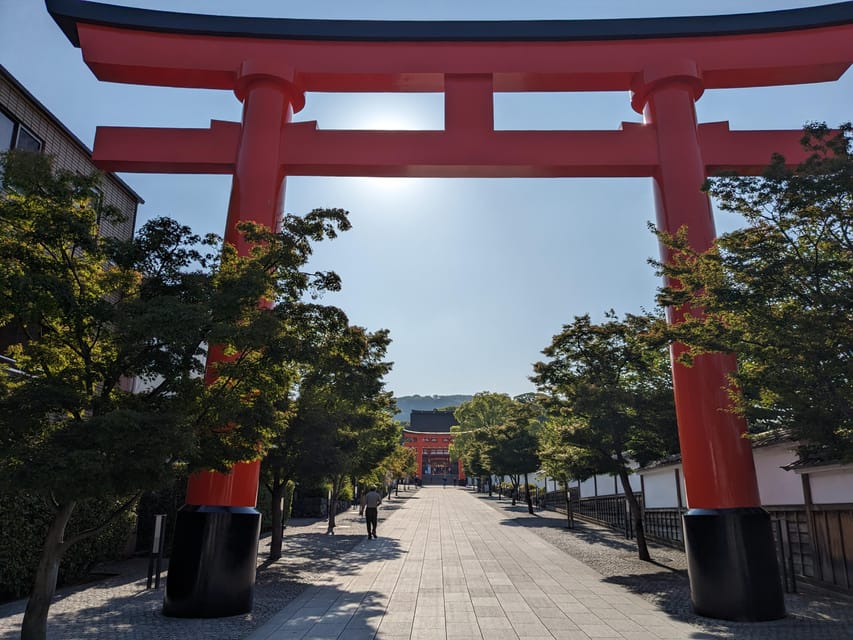
At $70 per person for about 150 minutes, this sits in the “pay for quality guide time” category rather than the “budget entry ticket” category. The value depends on what you want from Fushimi Inari.
If your plan is to simply walk the torii paths and take photos, you can do that on your own. But if you want the context, the pacing, and the crowd-avoidance strategy, this kind of guided early start can be worth it.
Here’s how I’d frame the trade:
- You’re paying for a guide who helps you understand what you’re seeing, step by step.
- You’re paying for time at the right moments, so you’re not stuck in peak congestion.
- You’re getting a viewpoint stop and a quieter area, which can be hard to spot without help.
- You’re also getting an Inari-specific souvenir included.
For me, the biggest value marker is this: early timing plus guided attention turns Fushimi Inari into an experience you can actually process, not just survive.
Who this Kyoto early morning walk suits best
This works best if you’re:
- Comfortable walking for roughly 2.5 hours
- Interested in Japanese shrine culture, not only visuals
- Motivated by early mornings and cooler, calmer sightseeing
- Traveling as a small group or preferring a more personal pace
It may not suit you if you’re in any of these categories listed for the activity: children under 10, people with back problems, mobility impairments, wheelchair users, people with heart problems, respiratory issues, altitude sickness, low level of fitness, or people over 70.
Also note what’s not allowed: baby strollers, luggage or large bags, and intoxication. If you’re traveling light, you’ll likely have an easier time.
What the tour experience feels like in practice
Put together, the flow is straightforward and easy to follow. You start at Inari Station, then spend a focused block inside Fushimi Inari Taisha, followed by the planned viewpoint time, and then a guided quiet-area stop.
That structure matters because it prevents two common problems:
1) You wander, end up with an incomplete experience, and leave annoyed that you didn’t see the quieter spots.
2) You rush everything and miss the meaning behind the place.
With this format, you get a balance of iconic must-sees and less-obvious additions, all tied together by an English speaking local guide.
If you’ve heard guide names like Teppei getting praised for being kind and professional, or Akino and Hiro for explaining the shrine deeply, that matches the spirit of what you’re buying here: clear guidance, patience with questions, and a pace that respects the setting.
Should you book the early morning Fushimi Inari tour?
I’d book it if you want Fushimi Inari to feel peaceful and readable, not chaotic and crowded. The early start is the main reason. Pair that with guided context and you get a shrine experience that stays memorable after the photos fade.
You might skip it if:
- You only care about the postcard torii tunnel and you’re comfortable self-guiding.
- You struggle with uphill walking, steps, or longer periods on your feet.
- You need to travel with items like strollers or large luggage, since those aren’t allowed.
FAQ
How long is the Kyoto early morning Fushimi Inari tour?
The duration is 150 minutes.
Where is the meeting point?
Meet outside JR Inari Station, across the main entrance, where the guide is holding a bright yellow DeepExperience signboard.
Is the tour in English?
Yes, it includes a live English speaking local expert guide.
Is this tour private?
Private or small groups are available.
What should I bring with me?
Bring comfortable shoes and comfortable clothes.
What is not allowed during the tour?
Baby strollers, luggage or large bags, intoxication, and baby carriages are not allowed.
Who is the tour not suitable for?
It is not suitable for children under 10, people with back problems, mobility impairments, wheelchair users, heart problems, respiratory issues, altitude sickness, low level of fitness, and people over 70 years.
Can I cancel and get a refund?
Yes. Free cancellation is available up to 24 hours in advance for a full refund.
Do I have to pay right away?
No. You can reserve now and pay later, meaning you book your spot and pay nothing today.
Early Morning in Kyoto

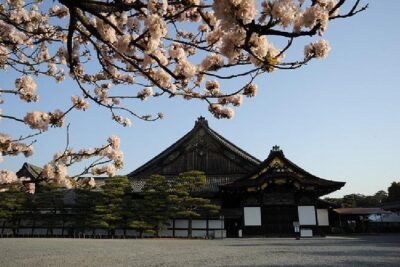
New This Season
- Koyasan Day Trip by Private Car from Kyoto
- Old Port Town and Ultimate Sake Tasting Private Tour From Kyoto
- Sacred Peak & Ancient Paths: Kurama-Kibune Hiking Experience
- Kyoto’s Timeless Charm: 3hr Exploration of History and Peace
- Kyoto: 5 Types of Sushi Making
- Kyoto: Exclusive ZEN practice at Manpukuji temple in Uji
- Kyoto: Private Seasonal Aroma Yoga Class
- Traversing Kyoto’s Scenic West – Arashiyama to Kinkakuji
Fushimi Inari Shrine Walks, compared.

Fushimi Inari, Kinkakuji, Bamboo Grove 1 Day Bus Tour
Read our review →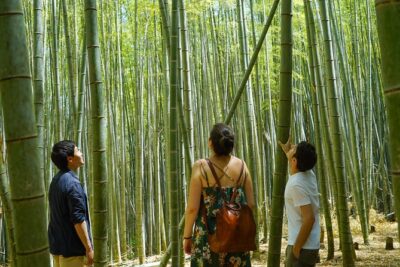
Fushimi Inari Hidden Hiking Tour (Private Option Available)
Read our review →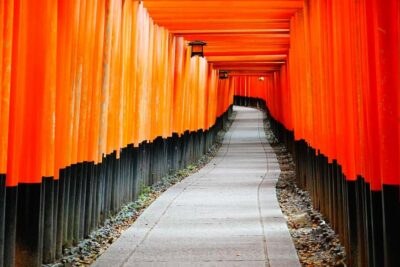
Kinkakuji,Arashiyama,FushimiInariShrine,NaraPark
Read our review →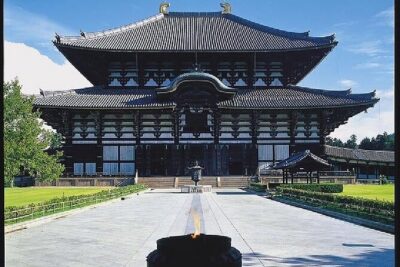
Nara, Fushimi Inari Taisha, Arashiyama Bus Tour
Read our review →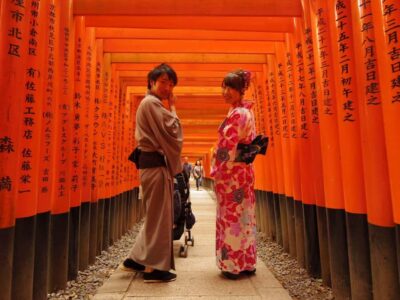
Arashiyama, Nara & Fushimi Inari Shrine w/Lunch
Read our review →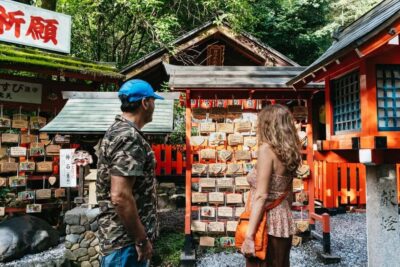
Nijo Castle, Kiyomizu & Fushimi Inari Guided Tour
Read our review →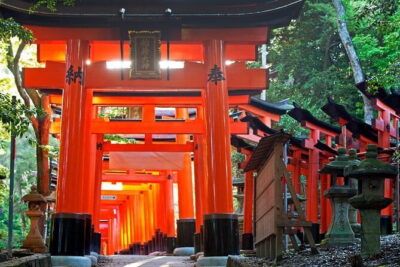
Nijo, Kinkaku-ji, Arashiyama, Kiyomizu & Fushimi Inari
Read our review →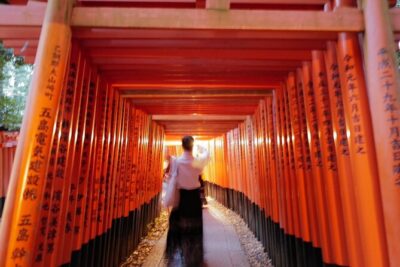
Also filed under