Reviewed · FUSHIMI INARI SHRINE WALKS
Kyoto: Fushimi Inari Taisha Shrine Walking Tour with Guide
Torii gates can feel overwhelming, unless you’re led well. This Kyoto Fushimi Inari Taisha Shrine walking tour turns a famous crowd magnet into a guided, foot-friendly circuit, starting at Kyoto Station and ending with a quieter temple stop at Sekiho-ji. I especially like the Kyoto-city certified guide who helps you understand the customs and etiquette, and I also like the extra time at the Zen garden and the Jizo statues, not just the big torii corridor. One possible drawback is simple: it is a walking tour of about two hours, so you’ll want good shoes and patience if you prefer to stop often.
The biggest practical win is how you get there. You use eco-friendly public transportation with guidance en route, so you’re not trying to figure out local routes mid-day. I also like that the tour includes entry tickets to Sekiho-ji, so you can focus on the experience instead of hunting for the right window and line.
I recommend this most if you want Kyoto context, not just sightseeing. It is conducted only in English, and it runs October 6 to 31, 2025, excluding Saturdays and Sundays, so check dates before you fall in love with the idea.
In This Review
- Quick reasons Fushimi Inari with Sekiho-ji feels like a smart use of time
- Meeting at Kyoto Station, finding Kyo-Navi fast, and starting stress-free
- The guided ride to Fushimi Inari by public transport
- Senbon Torii at Fushimi Inari Taisha, with guidance that keeps you oriented
- Shrine etiquette and Kyoto traditions, explained so you don’t feel awkward
- The walk onward to Sekiho-ji Temple for Jizo statues and Zen-garden calm
- Where the tour ends, and how to plan the rest of your day
- Price and value: why $34 makes sense if you like guided context
- Who should book this Fushimi Inari and Sekiho-ji tour
- The guide experience: what the reviews suggest about the tour feel
- Should you book? My honest take
- FAQ
- What is the duration of this walking tour?
- Where do I meet the guide?
- Is the tour in English?
- What is included in the price?
- What is not included?
- Do I need to buy train tickets in advance?
- Are children allowed?
- Are unaccompanied minors allowed?
- When does the tour run in 2025?
- Where does the tour end?
- Can I cancel for a refund?
Quick reasons Fushimi Inari with Sekiho-ji feels like a smart use of time
- Kyoto-city official certified guide to explain customs, etiquette, and what you are seeing
- Senbon Torii orientation so you can enjoy the torii path without getting lost in the moment
- Public transport approach that keeps logistics simpler and feels more sustainable
- Sekiho-ji Temple visit with entry tickets included, plus Jizo statues and Zen-garden calm
- Engaging guiding style gets consistent praise, including mentions of Junko for responsiveness and clarity
Meeting at Kyoto Station, finding Kyo-Navi fast, and starting stress-free
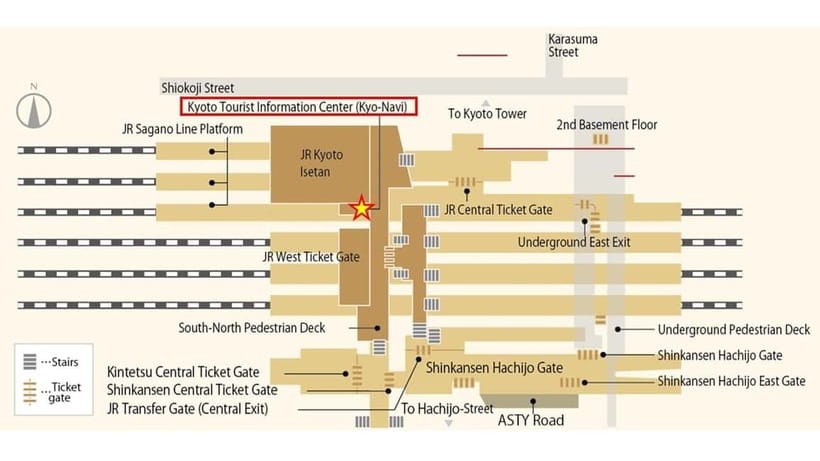
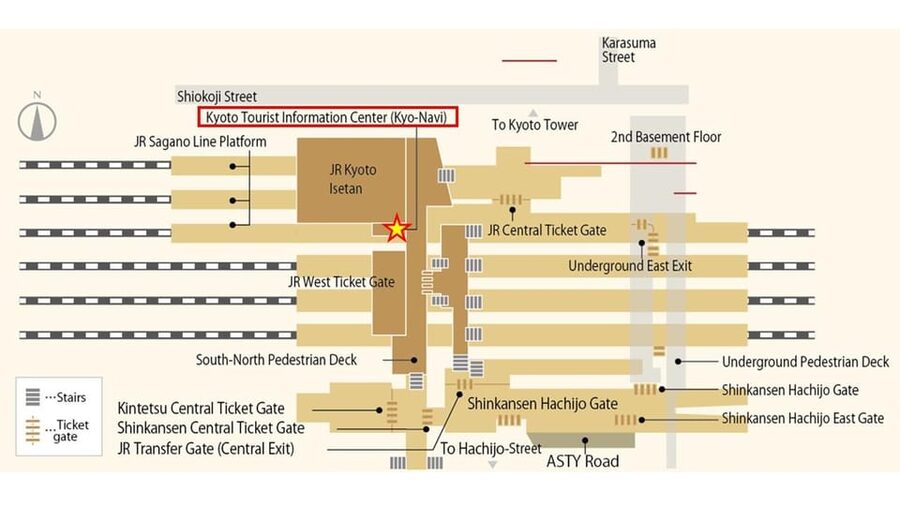
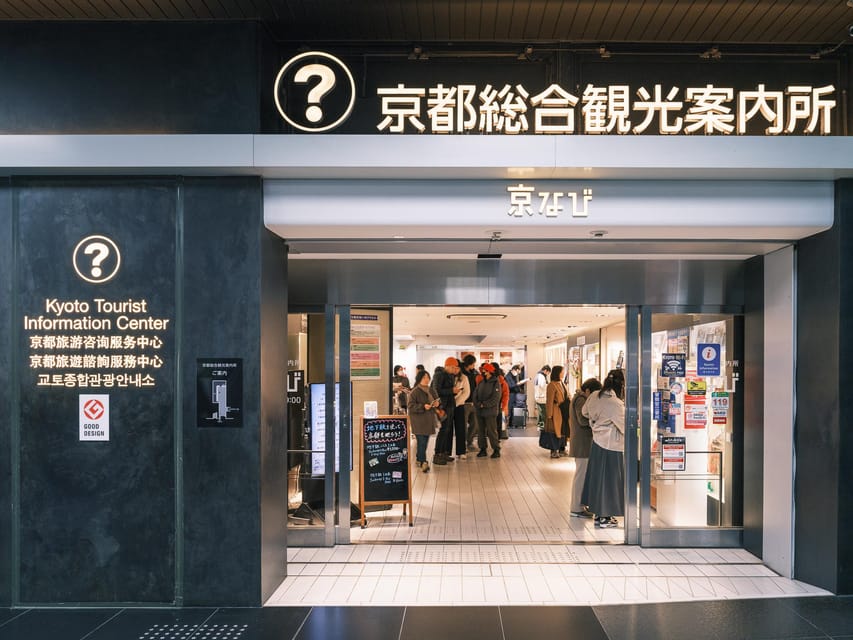
Most first-time Kyoto moments are won or lost at the station. This tour begins at the Kyo-Navi Kyoto Tourist Information Center in Kyoto Station. It is on the 2nd floor. You’ll use the pedestrian walkway that leads to Kyo Tourist Information Center on the north side, and it is next to the south side of Kyoto JR Isetan.
If you are navigating on foot, it helps to have one mental landmark: Kyoto JR Isetan. Then, look for the sign and ask for Kyo-Navi (京なび). The tour instruction is clear that you should arrive well before the start time, because if you aren’t there when the group begins, you can’t join.
That sounds strict, but it’s also why this tour works. You get a clean start, the guide can move the group efficiently, and you spend more time in Kyoto and less time in station confusion.
The guided ride to Fushimi Inari by public transport
After you meet, the tour includes a train trip to Fushimi Inari Taisha Shrine. The key detail here is that you are not left alone with transit. Your guide walks you through what you need to know, and you travel with Kyoto’s local guidance so the commute feels like part of the tour, not a gap between activities.
They frame the transit as eco-friendly, and I like that mindset. You avoid private-car hassle and you experience the city the way locals do, with trains doing the heavy lifting. It also helps you conserve energy for the walking portion.
One more practical point: the tour is recommended for people who enjoy walking and takes about two hours of walking. So treat the train segment as rest time. Don’t save your questions for after you arrive at the shrines. Ask them early while you can still hear and stay oriented.
Still climbing through the orange gates?
- Kyoto: Fushimi Inari, Kinkakuji, Bamboo Grove 1 Day Bus Tour
★ 4.8 · 4,316 reviews - Fushimi Inari Hidden Hiking Tour (Private Option Available)
★ 5.0 · 1,750 reviews - Osaka/Kyoto:Kinkakuji,Arashiyama,FushimiInariShrine,NaraPark
★ 4.1 · 1,596 reviews - Kyoto/Osaka: Nara, Fushimi Inari Taisha, Arashiyama Bus Tour
★ 4.7 · 1,275 reviews
Senbon Torii at Fushimi Inari Taisha, with guidance that keeps you oriented
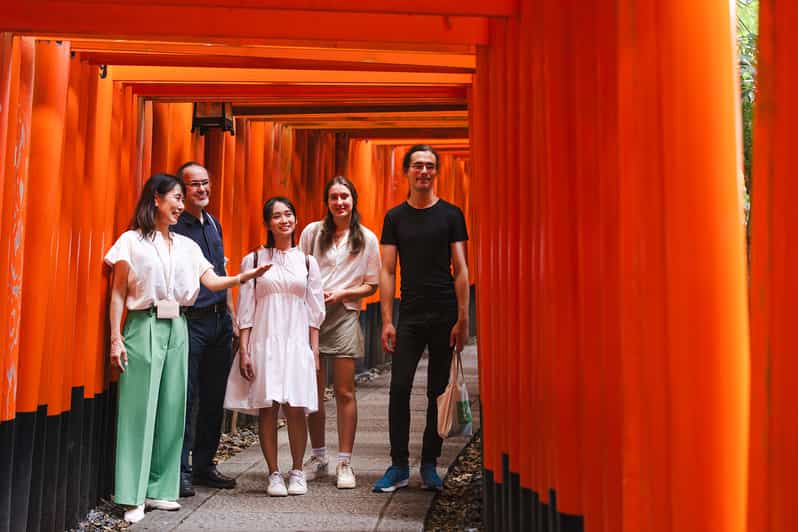
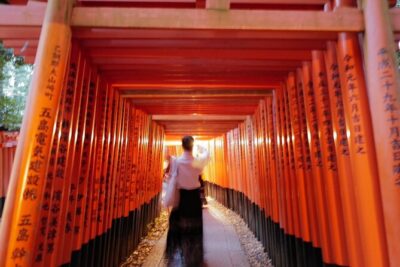
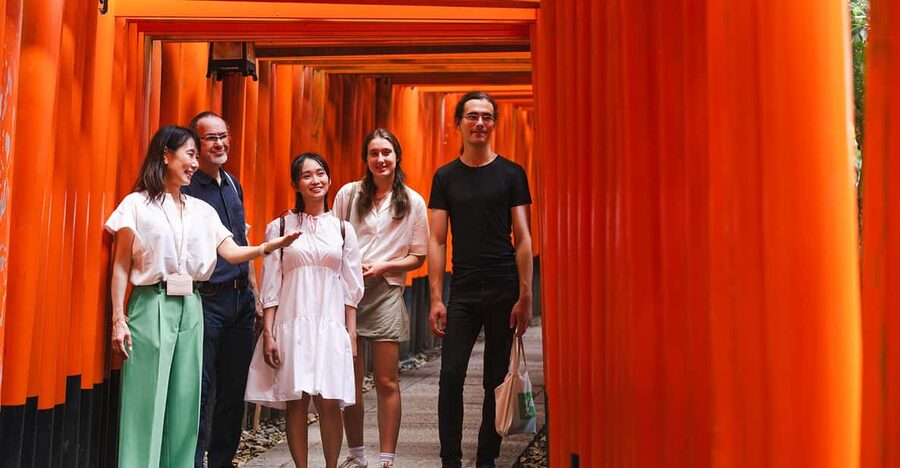
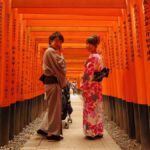
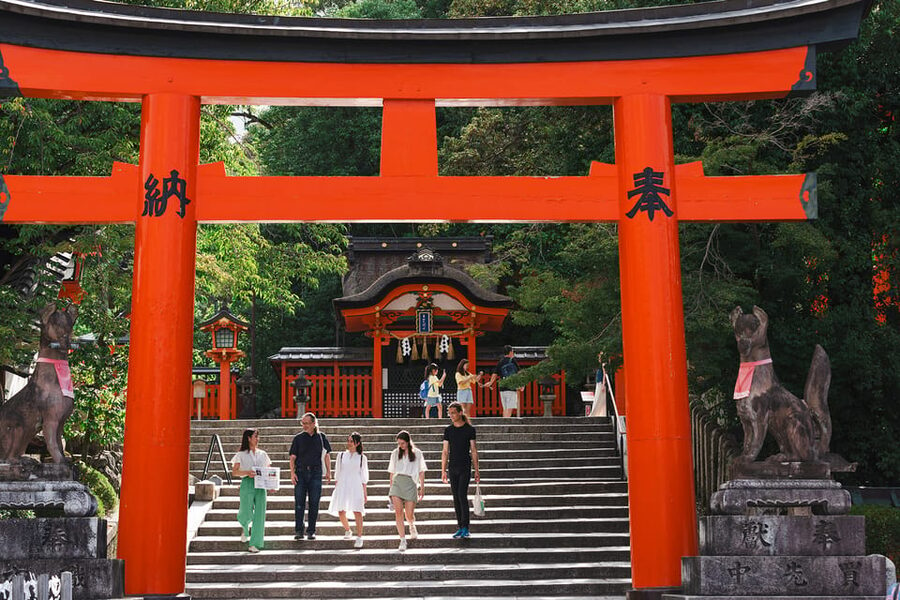
Fushimi Inari Taisha is famous for a reason. The star is the torii-gate tunnel, the Senbon Torii, a long path of gates that can turn your brain into mush if you are trying to figure it out all alone.
With a guide, you get two helpful things at once. First, you get an easier sense of where you are in the complex, so you can enjoy the views and the rhythm of the gates instead of constantly checking your phone. Second, you get context about the shrine, including traditions that shape how people move through the space.
This is also where the tour earns its value for first-timers. A big sight can be impressive and still feel confusing. Here, the guide helps you connect what you are seeing to the way Kyoto practices shrine etiquette.
I’ve found that kind of framing matters most at Fushimi Inari, because it’s both iconic and busy. The guide helps you slow down just enough to notice architectural details, the flow of visitors, and the sense of place.
Shrine etiquette and Kyoto traditions, explained so you don’t feel awkward
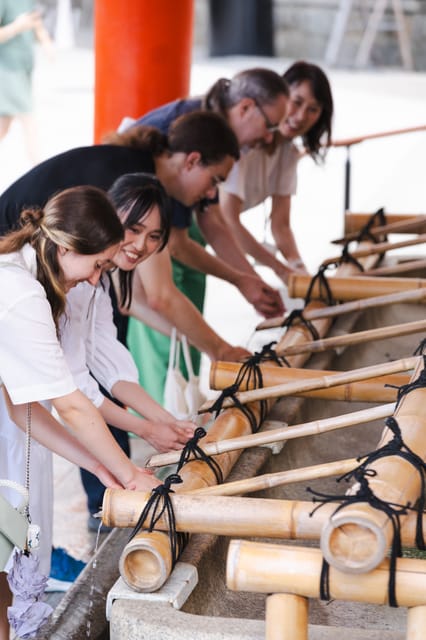
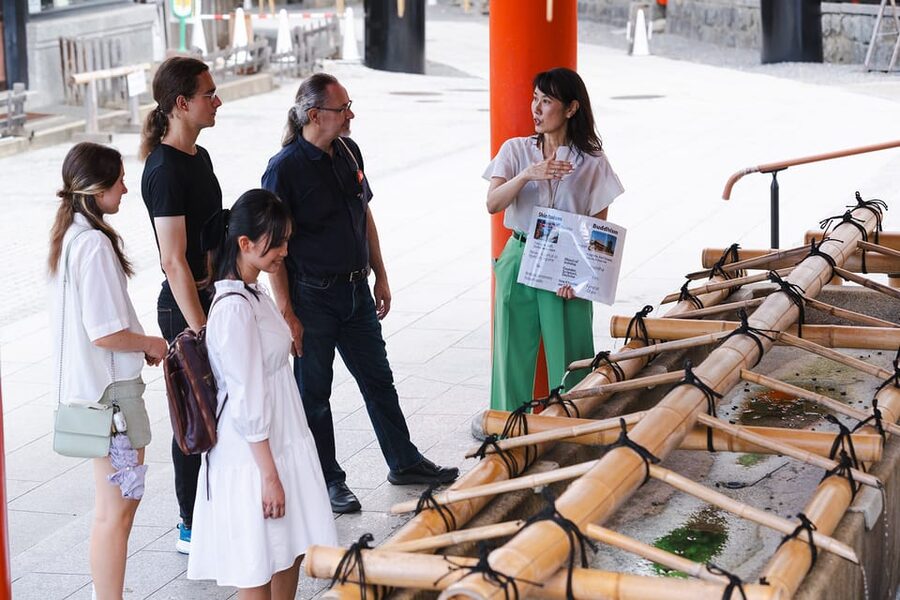
Part of the tour focus is learning customs, etiquette, and traditions that shape Kyoto. That might sound like “just listen to a talk,” but the benefit is practical.
Shrines have patterns. Even if you are respectful, you can still do things that feel out of sync if you don’t know the local expectations. With this tour, you learn what to do and how to act, so you can move naturally through the shrine grounds.
I also like that the guide’s communication gets strong praise in the reviews. André highlighted clear communication and a friendly, knowledgeable tone. Tod called the guide outstanding for explaining what you might not notice and for being highly responsive to questions.
That matters because Kyoto is full of small social rules. When you know what they mean, your experience becomes smoother. You stop worrying about doing it wrong and start paying attention to what is actually happening around you.
The walk onward to Sekiho-ji Temple for Jizo statues and Zen-garden calm
Here’s where the tour becomes more than a one-photo stop. After Fushimi Inari, you head to Sekiho-ji Temple, described as a hidden sanctuary with Jizo statues.
This is the quiet counterweight to the famous torii corridor. Instead of just chasing the headline sight, you get a calmer setting that highlights serenity and reflection. The tour includes entry tickets to Sekiho-ji, so you don’t need to budget time or money for that step.
The Jizo statues are the draw, and they pair nicely with the temple’s Zen garden feel mentioned in the reviews. André specifically said the group especially enjoyed the Zen garden. That tells me this stop is not just a quick look. It’s built to give you a small breather and a change of pace.
If you plan your Kyoto days around big must-sees, a temple like this can be the difference between “I checked it off” and “I understood what I saw.” Sekiho-ji helps you experience another side of Kyoto, one that rewards slowing down.
Where the tour ends, and how to plan the rest of your day
The meeting point is Kyo-Navi at Kyoto Station. The stated end point is back at the meeting point area. The tour description also notes that it can conclude in the Fushimi Inari area or at JR Tofukuji Station, depending on the day’s flow.
So here’s what to do: when you get your reservation confirmation email, check the exact end location. Plan a small buffer after the tour, because walking plus train time can add up faster than you expect, especially if you’ve taken your time at torii gates and temples.
Afterward, you’ll be in a great position to keep exploring. The tour description encourages you to collect local recommendations for more spots in the area, which is a smart way to avoid generic sightseeing. Ask your guide for what fits your interests, then build the rest of your day around that.
More rooftops worth a detour



Price and value: why $34 makes sense if you like guided context
At $34 per person, this is not a cheap taxi ride, but it is also not a skimpy “show up, walk fast, leave” deal. Your price includes:
- A Kyoto-city official certified guide
- Entry tickets to Sekiho-ji Temple
What is not included:
- Train fare to Fushimi Inari Taisha Shrine
- Food and drinks
- Hotel pickup and drop-off
So the value depends on one thing: how much you benefit from the guide. If you are the type who likes context and wants to understand what etiquette and traditions mean, you’ll feel like the price is fair. The guide’s role is central, not decorative.
The reviews also reinforce this. Tod’s review praised an outstanding guide who explained so much you would never have known otherwise, and who was responsive to questions. James highlighted that Junko was engaging and helpful, with interesting insights.
If you would otherwise guide yourself through Kyoto with an app and a map, this tour pays off by compressing the learning curve into a two-hour walking block. For me, that’s exactly where a good guide can be worth the money.
Who should book this Fushimi Inari and Sekiho-ji tour
Book it if you:
- Want English-language guidance in Kyoto
- Like walking and can comfortably do about two hours on foot
- Prefer local transit over figuring out routes alone
- Want more than a torii photo, including Sekiho-ji’s Jizo statues and Zen-garden time
- Appreciate etiquette and cultural context so you feel at ease in shrine spaces
You might skip it if you:
- Don’t like walking for extended periods
- Need a tour that is not time-boxed around a fixed schedule
- Have flexibility only for weekends, since it runs October 6 to 31, 2025, excluding Saturdays and Sundays
One more note: unaccompanied minors are not allowed. If you’re traveling with kids, each paid participant can bring one child aged 0-6 for free, as long as the child is accompanied by an adult. If the free child wants to use the luggage service, there’s a service fee. Additional children beyond the first free one need adult tickets.
The guide experience: what the reviews suggest about the tour feel
Even without seeing the exact group in front of me, the reviews point to repeatable strengths. The tour’s guide gets praised for friendliness, clear communication, and the ability to answer questions.
André mentions a friendly, knowledgeable guide with clear communication, plus enjoyment of the local neighborhood walk and Zen garden time. Tod emphasizes responsiveness and explanation. James calls out Junko’s engaging help and interesting insights.
That combination matters because a tour like Fushimi Inari can go two ways. You either follow a route and feel lost in the crowd, or you have someone help you read what you are seeing. The review pattern suggests you’ll get the second option.
Should you book? My honest take
If your Kyoto plan includes Fushimi Inari Taisha and you want a second stop that changes your pace, I’d book it. The $34 price is easiest to justify when you actually use the guide for etiquette, traditions, and orientation. Add Sekiho-ji with its Jizo statues and Zen-garden calm, and you get a more balanced day than a shrine-only outing.
My only hesitation is the walking time. Two hours is manageable for many people, but it is still walking. If you know you get tired quickly, plan your energy for the rest of the day. Wear comfortable shoes, and treat it like a short Kyoto walk with two meaningful anchors.
FAQ
What is the duration of this walking tour?
It takes about two hours and includes walking and guided transit from Kyoto Station to the shrine area and onward to Sekiho-ji Temple.
Where do I meet the guide?
Meet at Kyo-Navi Kyoto Tourist Information Center in Kyoto Station. It is on the 2nd floor near the pedestrian walkway on the north side, next to the south of Kyoto JR Isetan.
Is the tour in English?
Yes, the tour is conducted only in English.
What is included in the price?
The price includes a Kyoto-city official certified guide and entry tickets to Sekiho-ji Temple.
What is not included?
Train fare to Fushimi Inari Taisha Shrine, hotel pickup and drop-off, and food and drinks are not included.
Do I need to buy train tickets in advance?
Train fare to Fushimi Inari Taisha Shrine is not included, so you should expect to pay for transit as part of the trip.
Are children allowed?
Each paid participant can bring 1 child aged 0-6 for free (with an adult accompanying the child). If the free child uses the luggage service, there is a fee. Additional children require adult tickets.
Are unaccompanied minors allowed?
No, unaccompanied minors are not allowed.
When does the tour run in 2025?
It runs from October 6 to 31, 2025, except Saturdays and Sundays.
Where does the tour end?
The activity ends back at the meeting point area, and your reservation confirmation email will specify the exact end location details if it varies.
Can I cancel for a refund?
You can cancel up to 24 hours in advance for a full refund.
If you tell me your travel dates and whether you prefer more walking or more sit-down breaks, I can help you decide if this is the right fit for your Kyoto rhythm.
More Walking Tours in Kyoto



New This Season
- Koyasan Day Trip by Private Car from Kyoto
- Old Port Town and Ultimate Sake Tasting Private Tour From Kyoto
- Sacred Peak & Ancient Paths: Kurama-Kibune Hiking Experience
- Kyoto’s Timeless Charm: 3hr Exploration of History and Peace
- Kyoto: 5 Types of Sushi Making
- Kyoto: Exclusive ZEN practice at Manpukuji temple in Uji
- Kyoto: Private Seasonal Aroma Yoga Class
- Traversing Kyoto’s Scenic West – Arashiyama to Kinkakuji
Fushimi Inari Shrine Walks, compared.

Fushimi Inari, Kinkakuji, Bamboo Grove 1 Day Bus Tour
Read our review →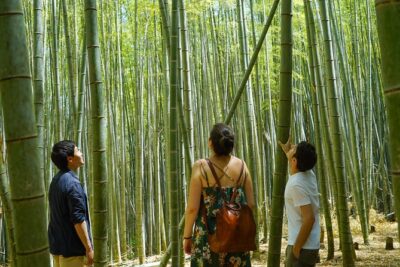
Fushimi Inari Hidden Hiking Tour (Private Option Available)
Read our review →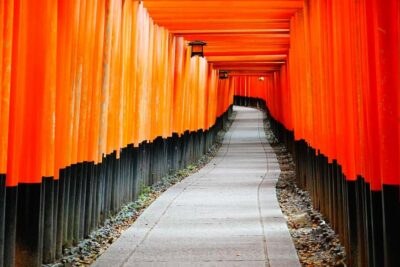
Kinkakuji,Arashiyama,FushimiInariShrine,NaraPark
Read our review →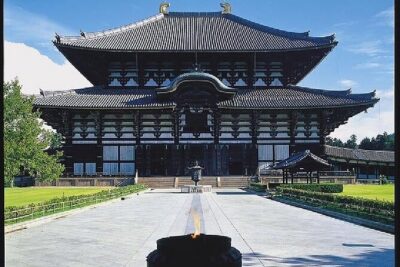
Nara, Fushimi Inari Taisha, Arashiyama Bus Tour
Read our review →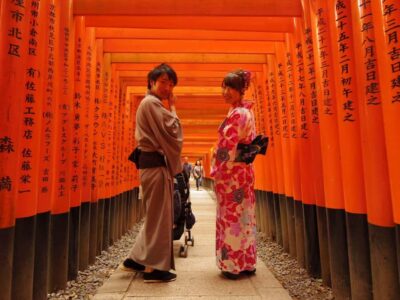
Arashiyama, Nara & Fushimi Inari Shrine w/Lunch
Read our review →
Nijo Castle, Kiyomizu & Fushimi Inari Guided Tour
Read our review →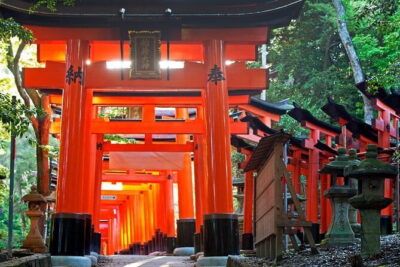
Nijo, Kinkaku-ji, Arashiyama, Kiyomizu & Fushimi Inari
Read our review →